
Diving at Batu Nisan Rock (Malaysia)
A vibrant ecosystem at Batu Nisan Rock captivates divers with its rich biodiversity, making it a focal point for encountering diverse marine life. This Malaysian dive site presents an inviting underwater landscape, where coral gardens shelter everything from macro critters to larger reef inhabitants. Its underwater structure, including prominent rock formations, creates varied habitats. Many species call this area home, promising engaging observations on every descent.
As evening covers Batu Nisan Rock, the local air temperature is measured at 27.5°C. The current wave height at the surface is recorded at 0.2 m. These late-day readings characterize the surface conditions for the night.
Dive Site Location & Key Facts
Dive Site Overview
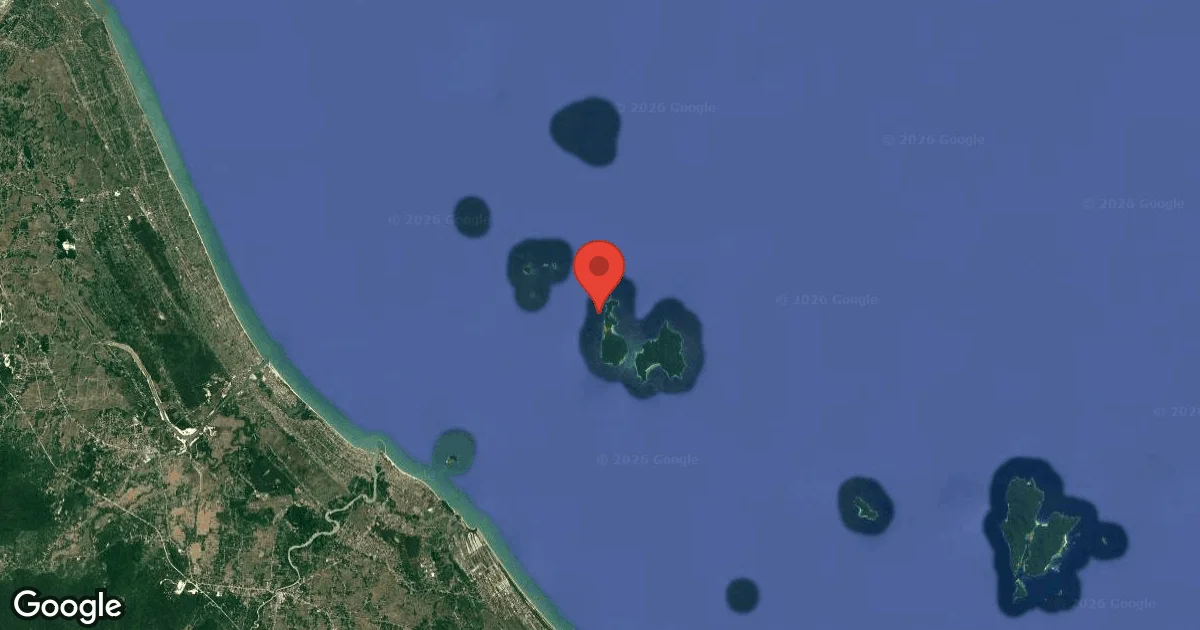
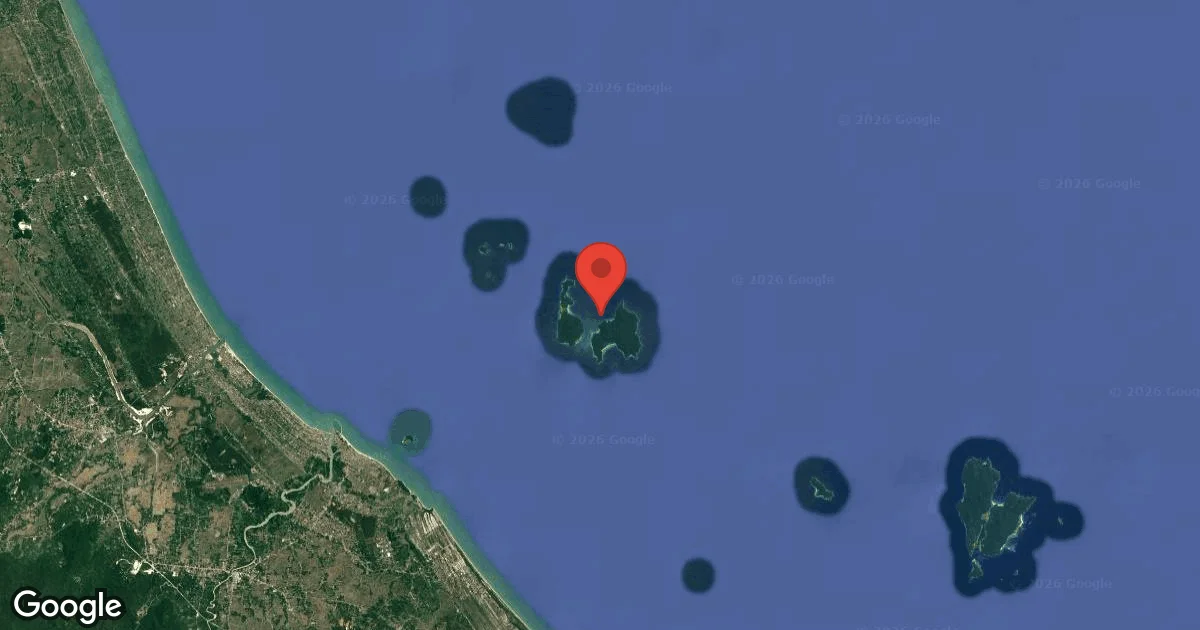
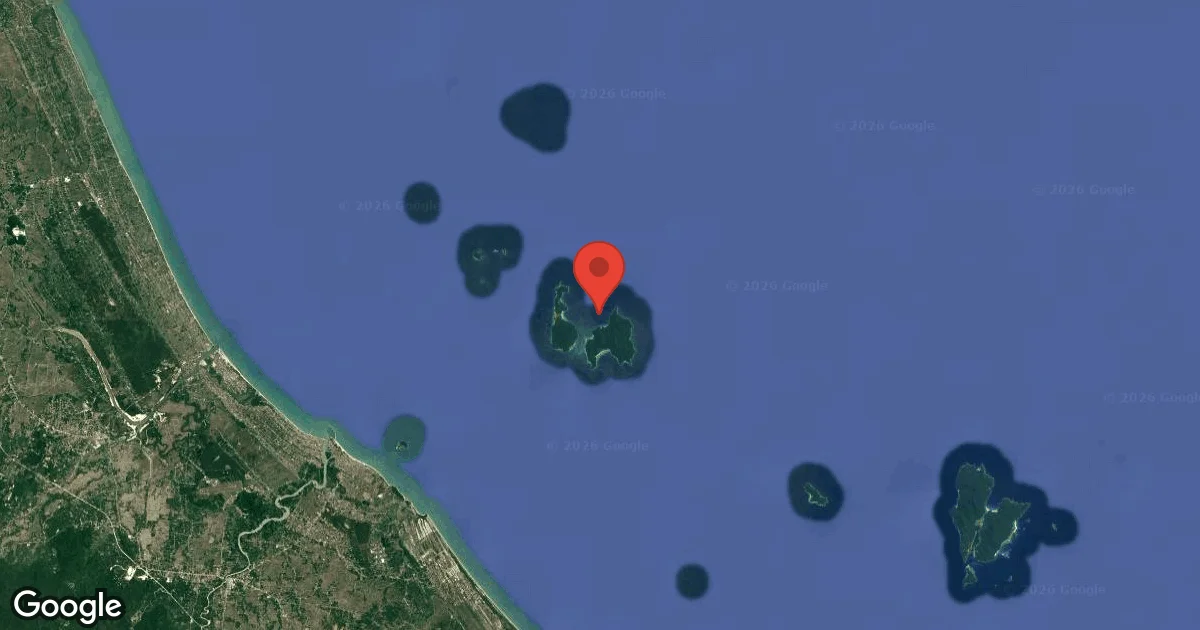
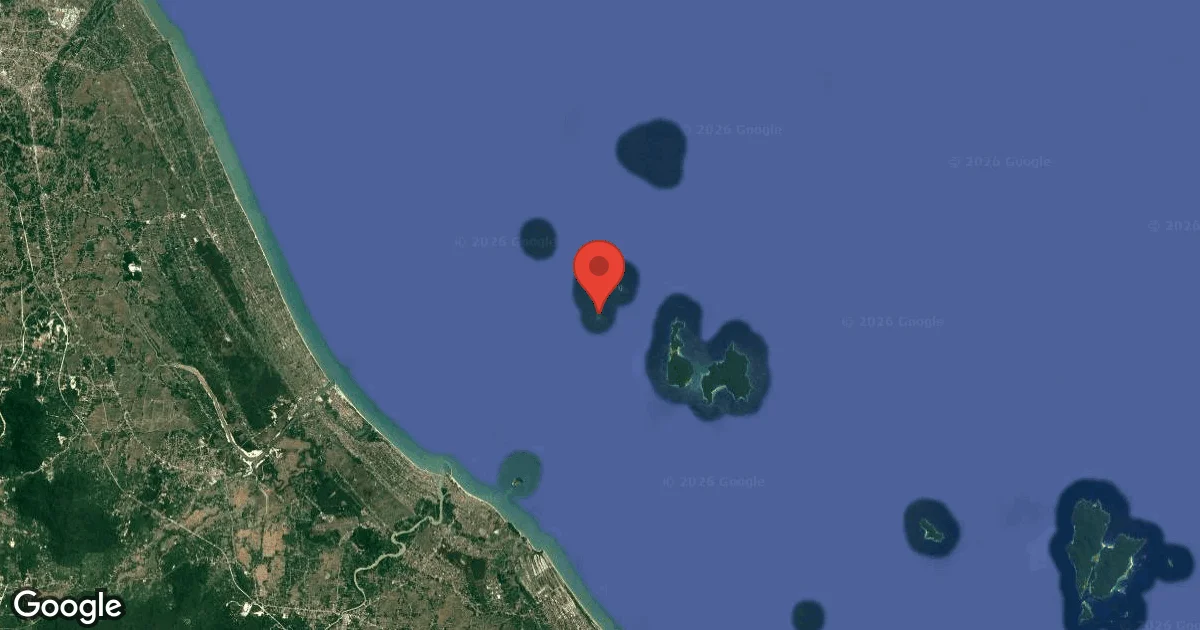
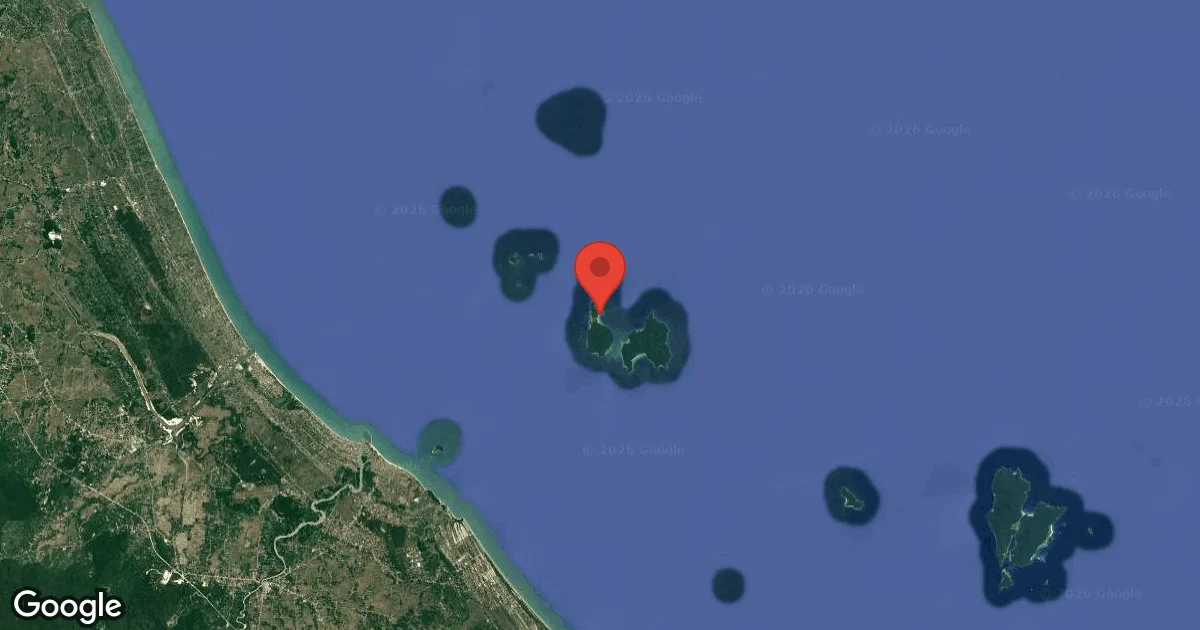
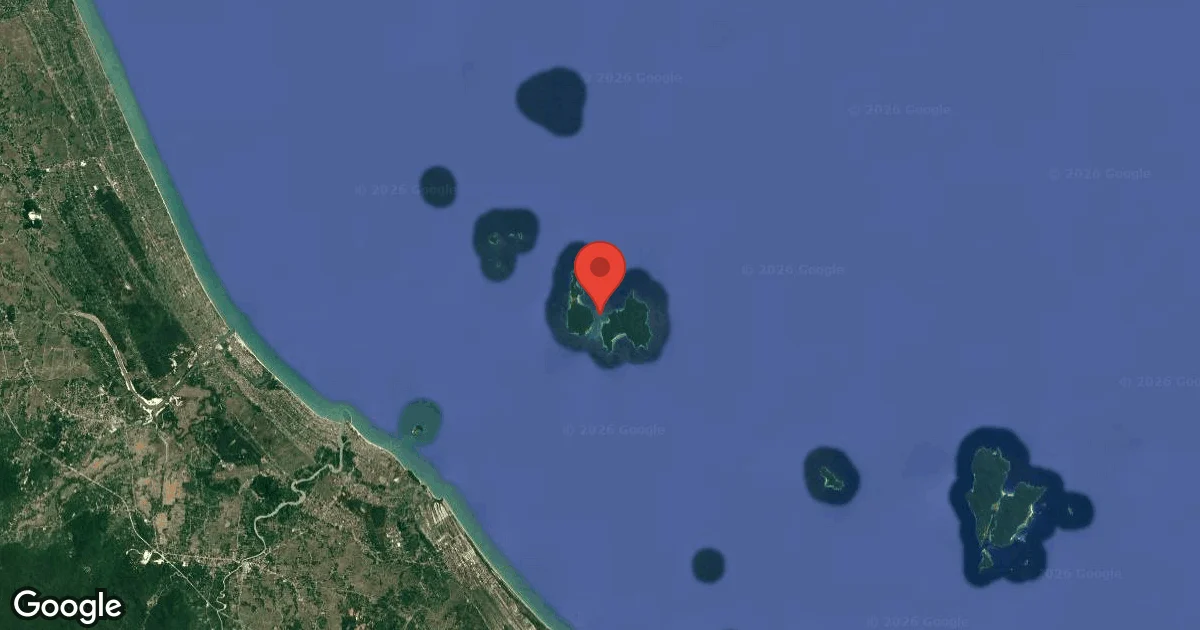
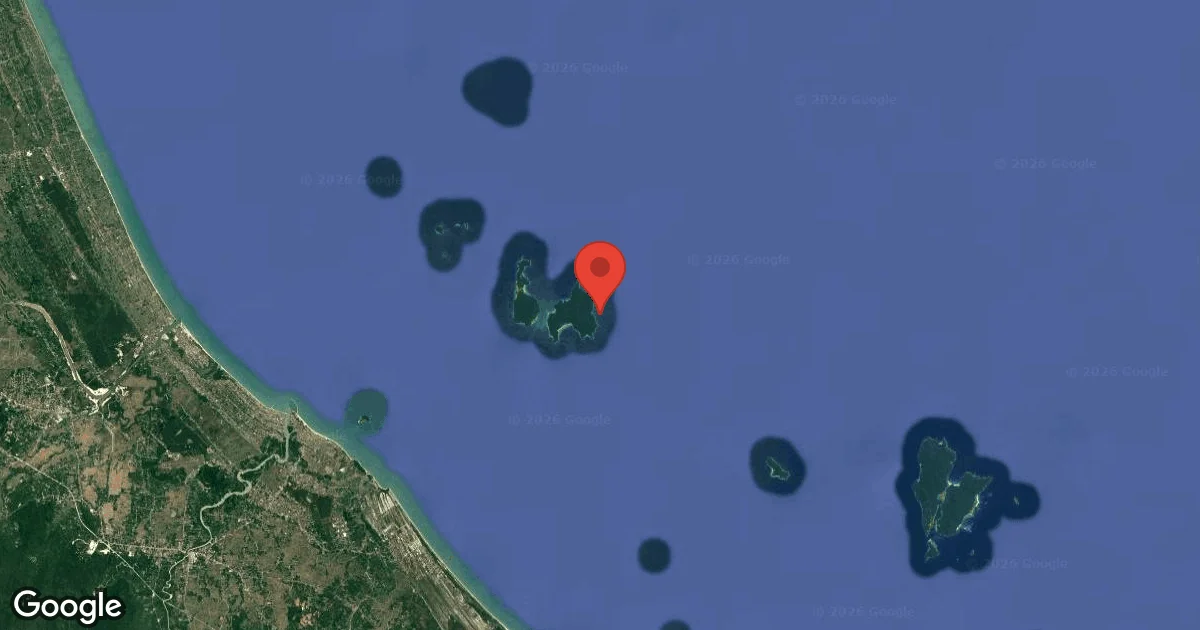
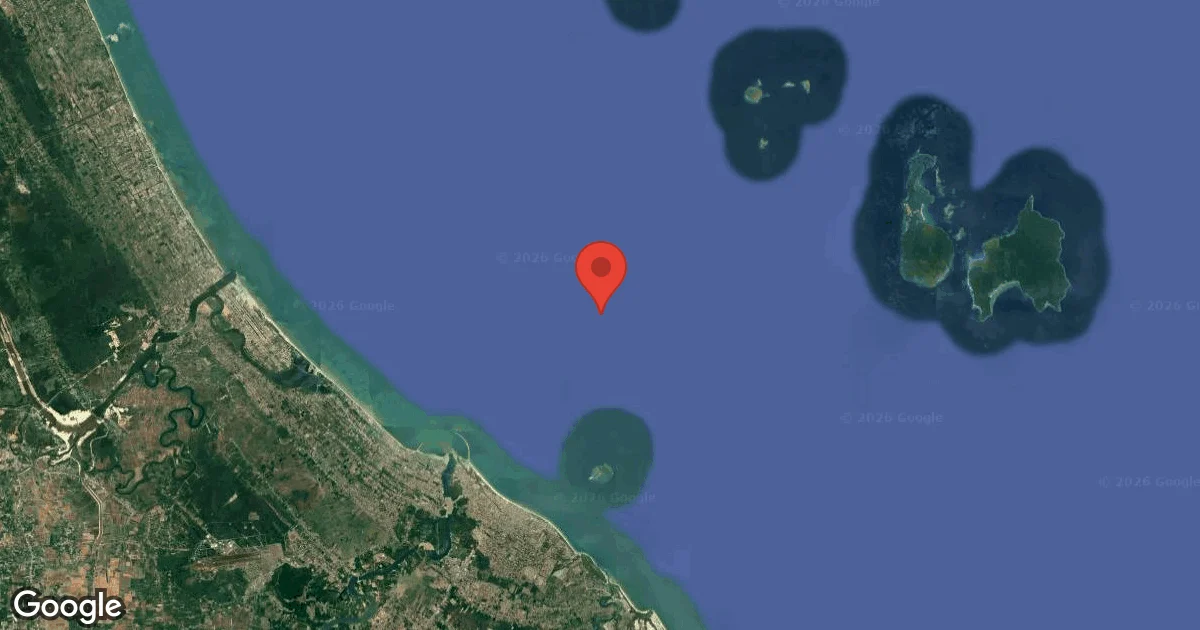
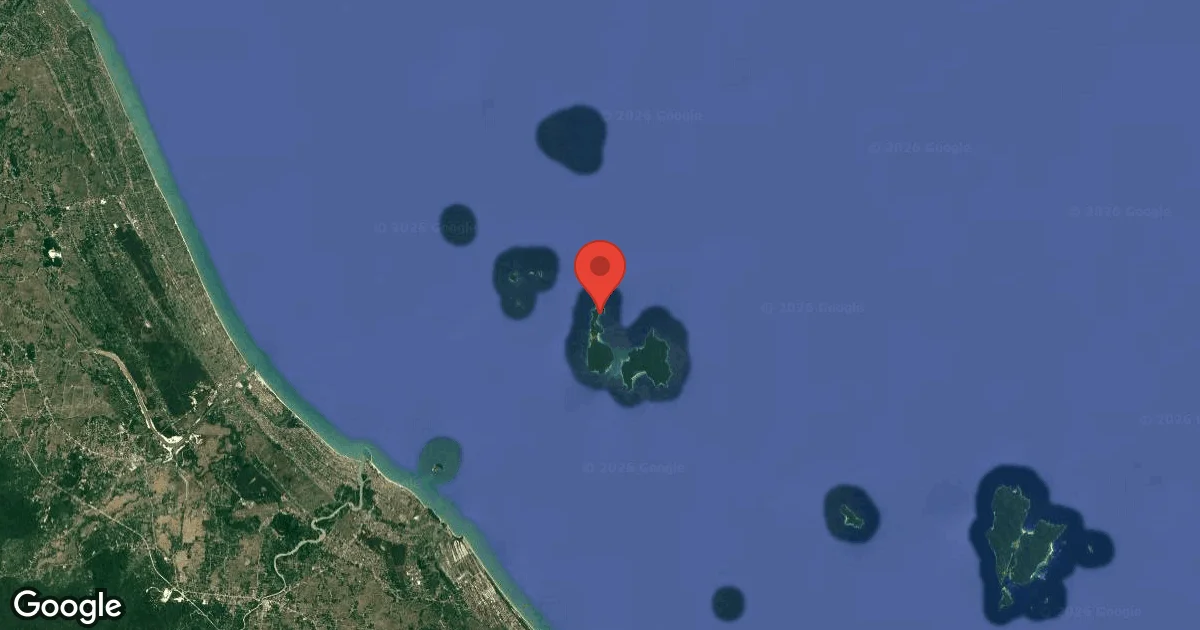
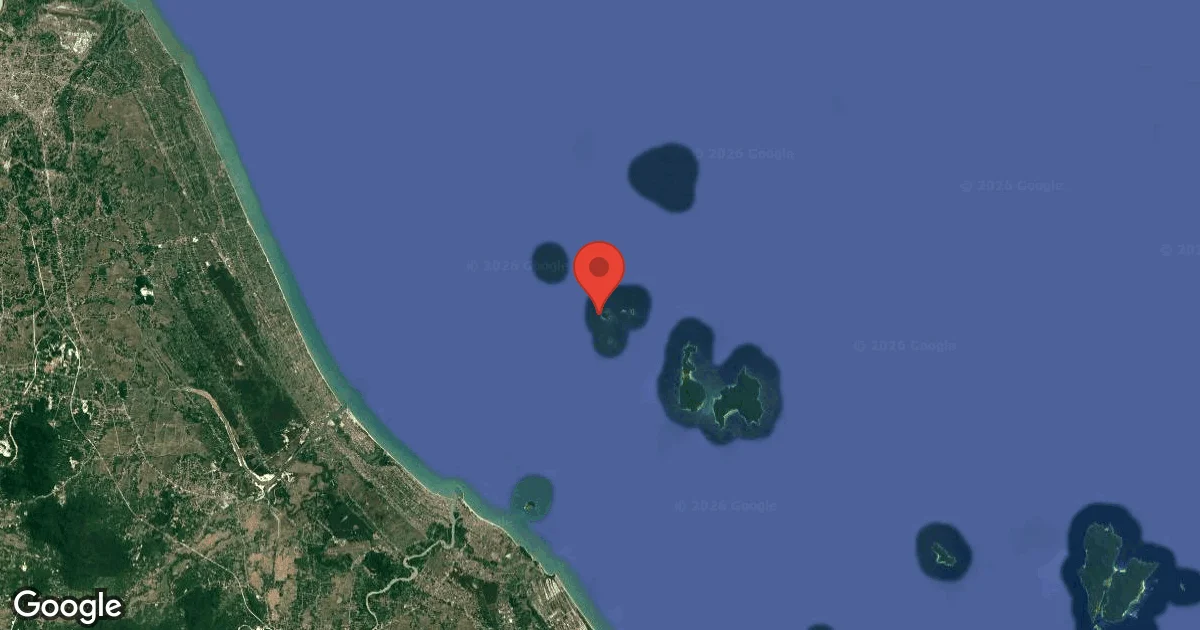
Beneath the surface near Perhentian Island, Batu Nisan Rock offers a journey into a lively coral environment. Accessible by boat from Long Beach, it serves as a welcoming introduction for new divers and a relaxing exploration for the experienced.
Depths here vary; while primary rock formations descend to about 18 m (59 ft), shallower coral gardens around 12 m (39 ft) are perfect for buoyancy practice and photography. Divers can also explore areas extending to a maximum depth of around 25 m. Underwater, a stunning coral reef weaves around several large rock structures.
Mild to no current is typically reported, creating calm conditions ideal for leisurely dives. Visibility tends to be mild, but still allows for clear views of the resident marine life and coral formations.
Water temperatures generally stay between 25-30°C (77-86°F), contributing to comfortable dive experiences. This combination of accessible depths, calm waters, and abundant life solidifies Batu Nisan Rock as a versatile and memorable destination for exploring Malaysia's underwater world.
Conditions are Good
Optimal conditions expected
Current conditions near Batu Nisan Rock show 27° air, 31° sea temperature, 0.4 m waves, and 26 km/h wind. Forecast data is refreshed regularly to ensure accuracy.
Best Time to Dive
Optimizing your visit to Batu Nisan Rock means aligning with conditions that enhance underwater visibility. The period from March through October consistently offers the best diving conditions. During these months, the region experiences lower rainfall, with averages as low as 1.4 mm in March and remaining moderate. This reduced precipitation typically leads to clearer waters and minimal runoff, improving overall visibility for spotting marine life. Wave heights are also notably lower from June to September, averaging around 0.2 to 0.3 meters, translating to calmer surface conditions and less sediment disturbance underwater. Air temperatures during this optimal window range from 27.5°C (82°F) in March to 29°C (84°F) in May, ensuring comfortable surface intervals. While the site generally boasts good dive scores year-round, the June to September period often achieves 'Excellent' ratings. Even outside this peak, conditions are generally rated 'Good', making it a viable option for a wider range of the year, though November sees a drop to 'Moderate' with increased rainfall and wave activity.
PEAK SEASON SCORE
Scores combine air & water temps, waves, wind & rainfall for overall conditions.
BEST MONTHS TO DIVE
Monthly records compiled from satellite and marine observation nodes over the last 3 years. Data provided by Open-Meteo and MET Norway.
Dive Experience & Conditions
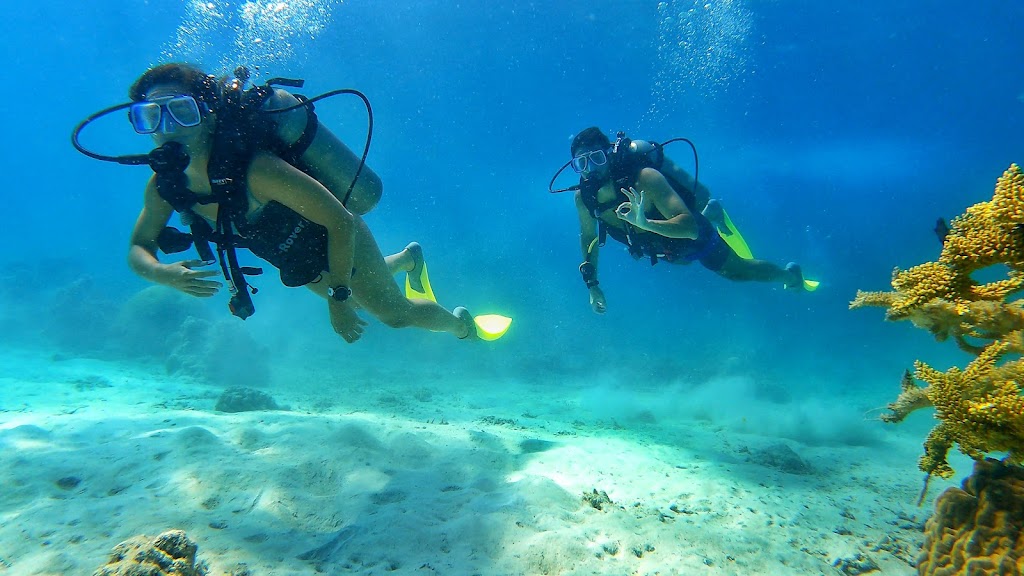
A typical dive at Batu Nisan Rock begins with a gentle descent, often near the prominent rock formations that define the site. Water temperature typically ranges from 25-30°C (77-86°F), providing a warm and inviting environment. Depths can be tailored to skill levels, from the shallower coral gardens at about 12 meters to deeper sections extending to 25 meters, where more intricate rock structures are found. Divers consistently report mild to no current here, which contributes to a relaxed experience, especially beneficial for those practicing skills or focusing on macro photography. Visibility is generally mild, allowing clear appreciation of the vibrant soft and hard corals blanketing the rocks. Throughout the dive, maintaining good buoyancy is key to navigating the reef sections and observing creatures nestled among the crevices without disturbing the delicate ecosystem.
Dive Difficulty & Safety Guidelines
Approaching Batu Nisan Rock requires an understanding of its generally docile conditions, which still necessitate standard safe diving practices. The site is categorized as intermediate difficulty, largely due to its maximum depth capacity of 30 meters, though many dives occur at shallower average depths. Divers should be comfortable with boat entries, as this is the primary method.
Despite reports of mild to no current, divers should remain vigilant about local conditions, as variations can occur. It's always prudent to monitor your air consumption and no-decompression limits, particularly when exploring deeper sections or extending dive times.
Ensure your equipment is properly maintained. Given the diverse marine life, maintaining proper buoyancy and a respectful distance from the environment is crucial for both diver safety and coral preservation.
Recommended Equipment
- Dive Computer
- DSMB
This gear list is based on verified equipment signals for Batu Nisan Rock, Malaysia. Always confirm final gear choices with your dive operator, guide, or liveaboard.
Recommended Dive Suit
Conditions in the coming days are expected to stay within a similar temperature range.
Factors such as dive duration, depth, and activity level can influence how warm a diver feels underwater.
Dive skin or rash guard typically balances flexibility and thermal protection in these temperatures. The surrounding waters at Batu Nisan Rock are currently registering temperatures of roughly 31°C (87°F). Surface air temperatures are resting at 27°C (81°F).
Due to technical issues with our weather providers, live updates are temporarily delayed. The data above reflects the conditions at the time of the last successful fetch.
Emergency & Medical Support
Essential information to help you plan your dive trip to BATU NISAN ROCK.

Hyperbaric chambers are a critical part of dive safety infrastructure. Availability varies significantly by region, and not all dive areas have immediate access.
Before diving, it's recommended to:
- confirm nearest medical facilities
- check emergency procedures with local dive operators
- ensure dive insurance covers evacuation if required
Divers Alert Network
Diving emergency assistance available through DAN World.
+1-919-684-9111- 24/7 emergency hotline
- Diving medical assistance
- Evacuation coordination
Emergency contacts are provided for reference. Always verify local emergency services before diving.
Marine Life at Batu Nisan Rock
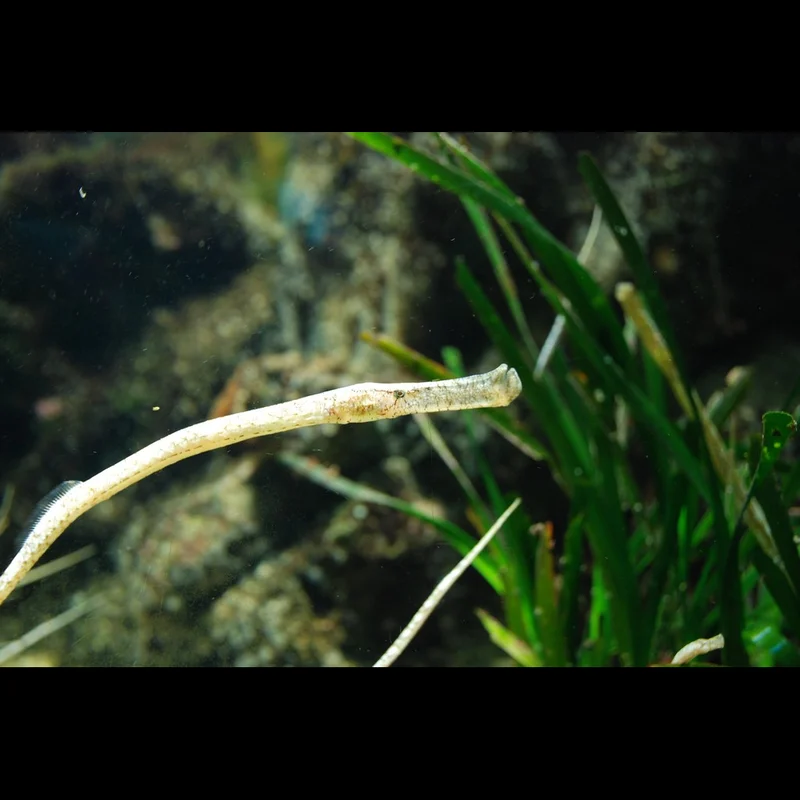
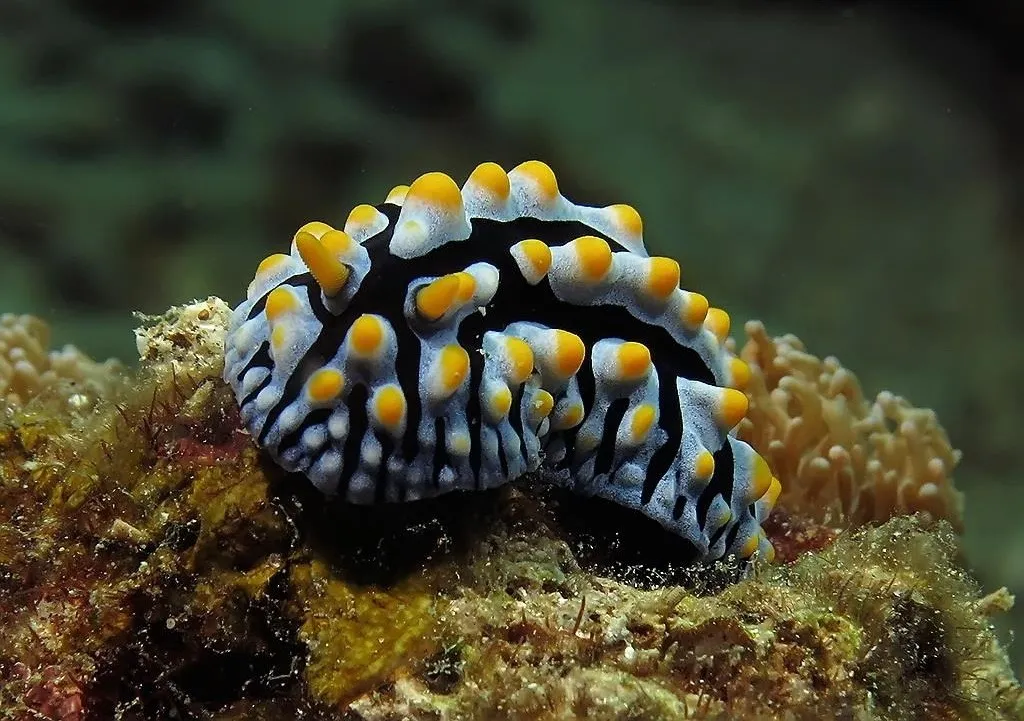
Entering the water at Batu Nisan Rock, divers are often greeted by a spectacle of macro critters, immediately drawing attention to the intricate details of the reef. Boxer shrimps and two types of pipefish are common sights, along with various nudibranchs exploring the coral surfaces.
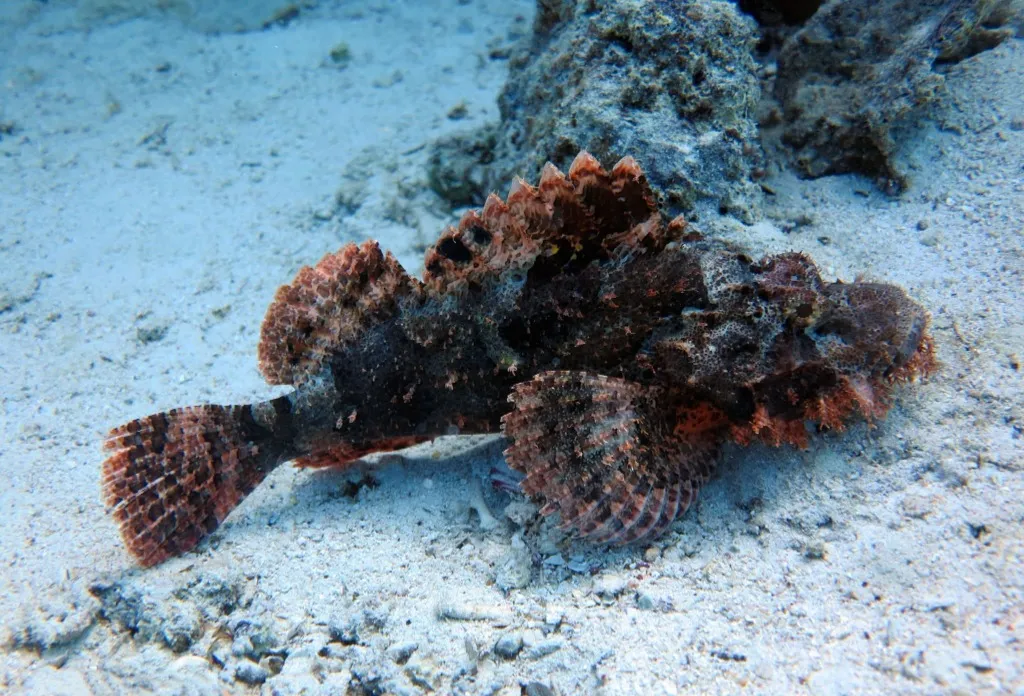
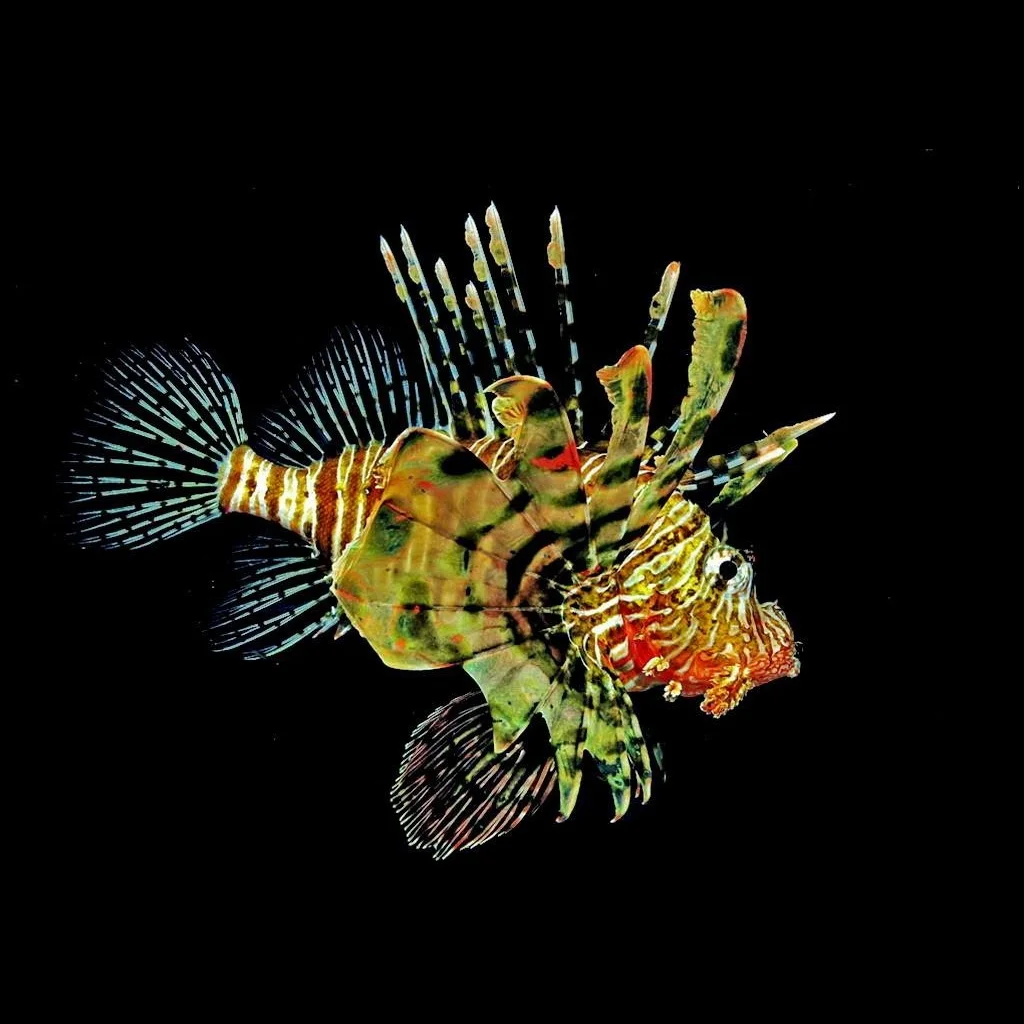
As you navigate the rock formations, schools of trevally and roving coral groupers might cruise past. Keep an eye out for different species of pufferfish, scorpionfish blending into the reef, and several types of rays gracefully moving along the sandy patches.
Bamboo sharks are often found resting under overhangs. Occasionally, flathead crocodile fish camouflage themselves on the seabed, adding to the site's rich biodiversity.

Dive Sites Near Batu Nisan Rock
View all dive sites in MalaysiaDiscover more underwater gems in this area.
Dive Centers Near Batu Nisan Rock

Today: 08:00 - 20:00





Nearest Airports
Nearest airports to help plan travel to this dive area.
Search Flights
Check available flights and routes on Expedia, using the nearby airports listed in this section.
Search Flights on ExpediaFrequently Asked Questions
Is Batu Nisan Rock suitable for beginner divers?
Yes, parts of Batu Nisan are considered house reefs with calm, shallow areas around 12 meters (39 feet) that are ideal for first dives, refresher courses, or buoyancy practice. The mild conditions make it very accessible.
What is the typical maximum depth for dives at Batu Nisan Rock?
While the main rock formations can be explored to about 18 meters (59 feet), the broader area known as Batu Nisan Laut can reach up to 30 meters. Most recreational dives typically range from 10 to 25 meters, depending on the specific entry point.
What are the water temperatures like at Batu Nisan Rock?
Water temperatures are consistently warm, generally ranging between 25-30°C (77-86°F) year-round. This makes for comfortable diving without the need for thick wetsuits.
Are strong currents common at this dive site?
For Batu Nisan Rock, mild to no current is consistently reported. This contributes to a relaxed dive experience, though divers should always be aware of potential localized variations.
What kind of marine life can I expect to see?
The site is rich with macro life such as boxer shrimps, pipefish, and nudibranchs. You'll also encounter various reef fish like trevally, groupers, pufferfish, and scorpionfish, along with rays and bamboo sharks.
When is the best time of year to dive Batu Nisan Rock?
The optimal season for diving runs from March to October, with June to September often offering 'Excellent' conditions. This period features lower rainfall, calmer waters, and enhanced visibility.
Is shore entry possible at Batu Nisan Rock?
While some areas described as 'Batu Nisan' (the house reef) allow for shore entry, accessing the specific 'Batu Nisan Rock' formations is typically done via boat. Confirm with your local dive operator.
Planning to dive Batu Nisan Rock?
Send one inquiry and receive offers directly from the best verified local dive operators.
Conditions are Good
Optimal conditions expected
Current conditions near Batu Nisan Rock show 27° air, 31° sea temperature, 0.4 m waves, and 26 km/h wind. Forecast data is refreshed regularly to ensure accuracy.