
Diving at Police Wreck (Malaysia)
An intriguing artificial reef, the Police Wreck draws divers to Malaysian waters. This submerged vessel functions as a significant habitat, fostering underwater biodiversity. Its structure presents a compelling spot for those keen on wreck exploration and observing marine reclamation. The site blends submerged history with natural ecological processes, creating a unique focal point for marine life.
As evening covers Police Wreck, the local air temperature is measured at 27.5°C. The current wave height at the surface is recorded at 0.2 m. These late-day readings characterize the surface conditions for the night.
Dive Site Location & Key Facts
Dive Site Overview
Exploring this artificial reef, divers witness a dynamic interaction between a sunken structure and its evolving ecosystem. Descending towards the wreck, observers see how corrosion and currents have sculpted its form, now a complex underwater landscape.
The vessel's hull, decks, and superstructure host various sessile organisms, including corals and sponges, forming intricate patterns that shelter smaller fish. This site typically allows exploration down to about 30 m / 100 ft, presenting opportunities to navigate its exterior and observe the evolving marine environment. Structural integrity varies across sections, demanding careful buoyancy control.
Currents here are not consistently reported but can range from gentle drifts to more noticeable pushes, influencing visibility and dive profiles. The lack of specific historical records detailing the ship's past means the dive narrative shifts from human endeavor to natural processes.
It's an opportunity to observe how an object designed for one purpose transforms into a vibrant underwater habitat. Each dive here reveals new details of this transformation, from larger structural elements to the smallest resident creatures making the wreck their home.
Exploring its compartments and external features offers a layered perspective on marine life adapting and reclaiming artificial structures.
Conditions are Good
07:00 - 14:00
Optimal conditions expected
Current conditions near Police Wreck show 27° air, 31° sea temperature, 0.3 m waves, and 25 km/h wind. Forecast data is refreshed regularly to ensure accuracy.
Best Time to Dive
Seasonal patterns significantly influence diving conditions at the Police Wreck. June through September generally offer the most favorable window, rated "Excellent" by local dive scores. During this peak period, average wave heights stay minimal, typically 0.2 to 0.3 meters, contributing to calmer surface conditions and better underwater visibility. Rainfall is comparatively low, hovering between 4.1 mm and 5.9 mm. Air temperatures during these months remain warm, averaging 28°C to 28.5°C / 83°F to 83.7°F. Shoulder months like March, April, May, and October also present "Good" diving opportunities. Air temperatures often reach their highest averages of 28.5°C to 29°C / 83.5°F to 84.2°F with relatively low rain. The late year, particularly November, sees higher rainfall, averaging 27.1 mm, and increased wave activity. Conditions become "Moderate" for diving then, suggesting potential impacts on comfort and visibility.
PEAK SEASON SCORE
Scores combine air & water temps, waves, wind & rainfall for overall conditions.
BEST MONTHS TO DIVE
Monthly records compiled from satellite and marine observation nodes over the last 3 years. Data provided by Open-Meteo and MET Norway.
Dive Experience & Conditions
Underwater conditions near the wreck often begin with clear surface visibility, though this can fluctuate with recent weather and tidal movements. As divers drop, the wreck's silhouette gradually appears, inviting closer inspection. Divers explore the structure across various depths, with deepest sections reaching approximately 30 m / 100 ft. Water temperatures are not consistently reported but generally remain warm, reflecting typical tropical surface conditions. Currents at the site vary from mild to moderate, occasionally requiring adjustments to finning or positioning to stay near the structure. Buoyancy control remains paramount when navigating the wreck, especially near delicate growth or within tighter areas. This helps preserve the site's integrity and its inhabitants. An overall dive can feel like moving through an evolving underwater gallery.
Dive Difficulty & Safety Guidelines
Careful planning ensures a safe and rewarding dive at the Police Wreck. Experienced divers emphasize meticulous preparation and strict adherence to established protocols. Wreck diving inherently demands excellent buoyancy control.
Such control prevents accidental contact with the structure, which might disturb marine life or dislodge sharp debris. Always dive with a reliable buddy, ensuring both are proficient in emergency procedures specific to overhead environments, even if penetration isn't planned.
Currents at the site can vary; assess conditions before entry and throughout the dive. Avoid entering overhead environments unless specifically trained and equipped for wreck penetration.
Adhering to these guidelines ensures a respectful interaction with the site and a safe return to the surface.
Recommended Equipment
Overhead / entanglement risk. Wreck penetration requires proper training.
- Dive Computer
- DSMB
- Primary & Backup Lights
- Wreck Reel
- Cutting Tool
This gear list is based on verified equipment signals for Police Wreck, Malaysia. Always confirm final gear choices with your dive operator, guide, or liveaboard.
Recommended Dive Suit
Subtle variations in currents or depth can sometimes influence perceived water temperature.
Dive skin or rash guard tends to perform well in water temperatures like those currently observed here. Short-term weather patterns suggest stable conditions for divers visiting the area.
Divers heading to Police Wreck today should expect water temperatures around 31°C (87°F). Surface air temperatures are resting at 27°C (81°F).
Due to technical issues with our weather providers, live updates are temporarily delayed. The data above reflects the conditions at the time of the last successful fetch.
Emergency & Medical Support
Essential information to help you plan your dive trip to Police Wreck.

Hyperbaric chambers are a critical part of dive safety infrastructure. Availability varies significantly by region, and not all dive areas have immediate access.
Before diving, it's recommended to:
- confirm nearest medical facilities
- check emergency procedures with local dive operators
- ensure dive insurance covers evacuation if required
Divers Alert Network
Diving emergency assistance available through DAN World.
+1-919-684-9111- 24/7 emergency hotline
- Diving medical assistance
- Evacuation coordination
Emergency contacts are provided for reference. Always verify local emergency services before diving.
Marine Life at Police Wreck
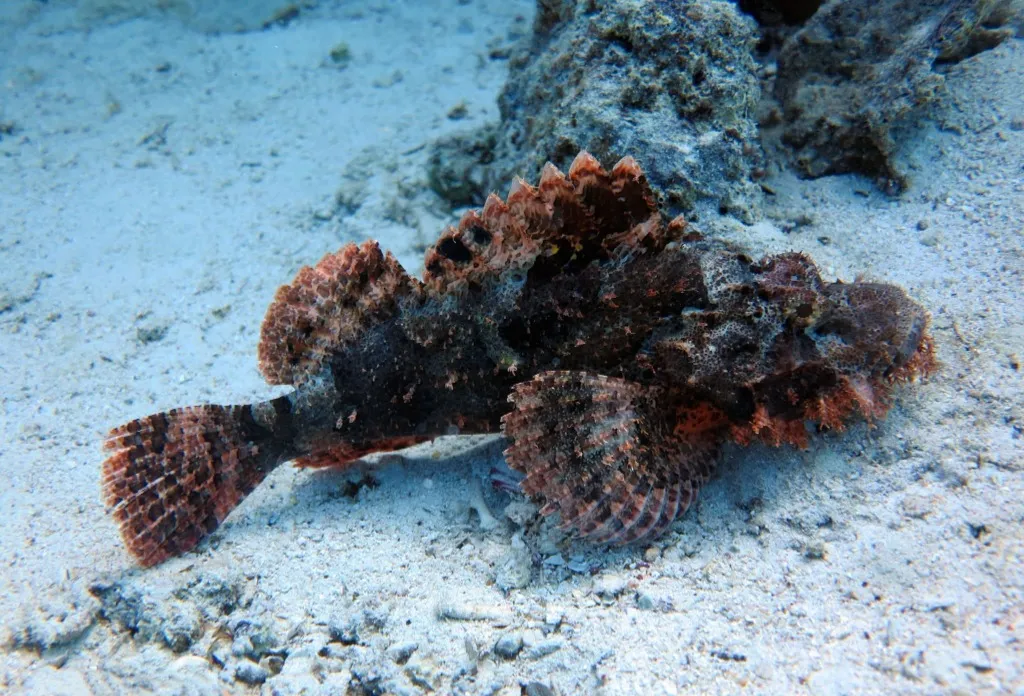
The wreck's surfaces are a canvas for diverse marine life. Keep a keen eye out for masterfully camouflaged Scorpionfish, often blending seamlessly with the encrusting corals and sponges.
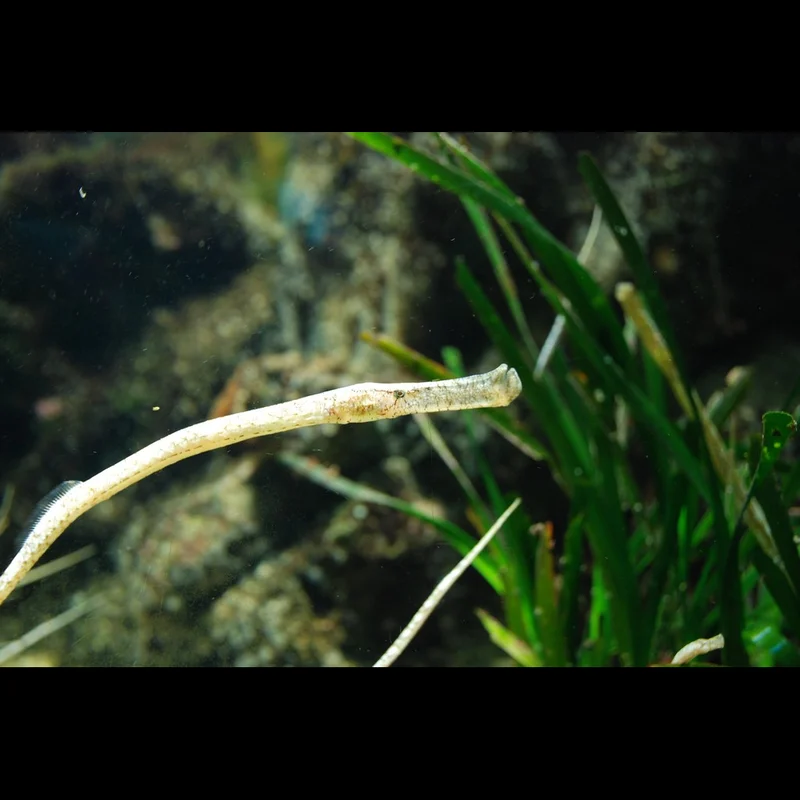
Their ability to hide makes them a rewarding, if challenging, discovery. Delicate Pipefish can be observed gently swaying among softer corals and hydroids, using the wreck's nooks and crannies for shelter.
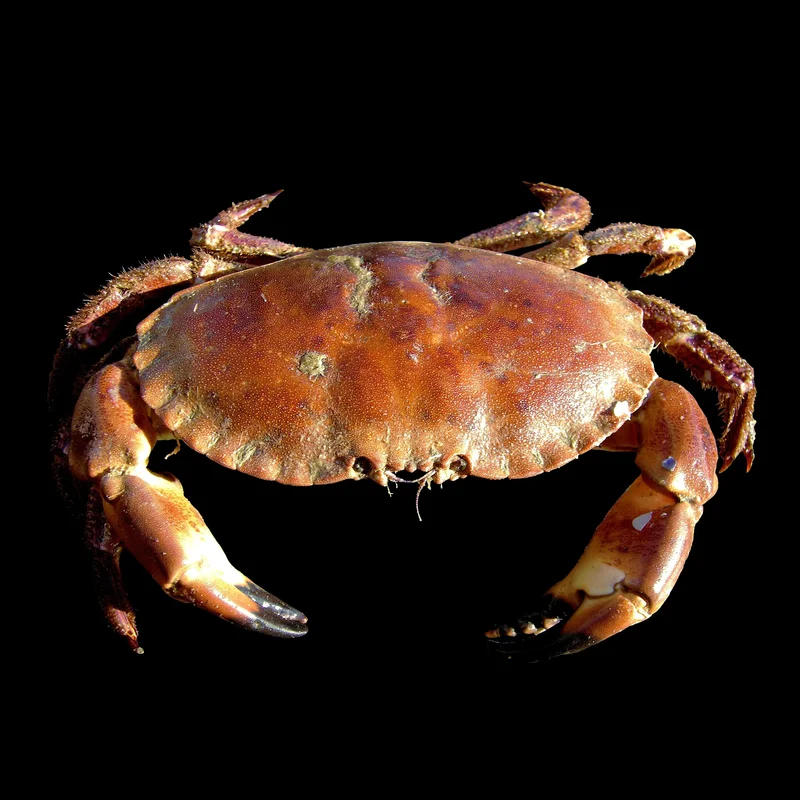
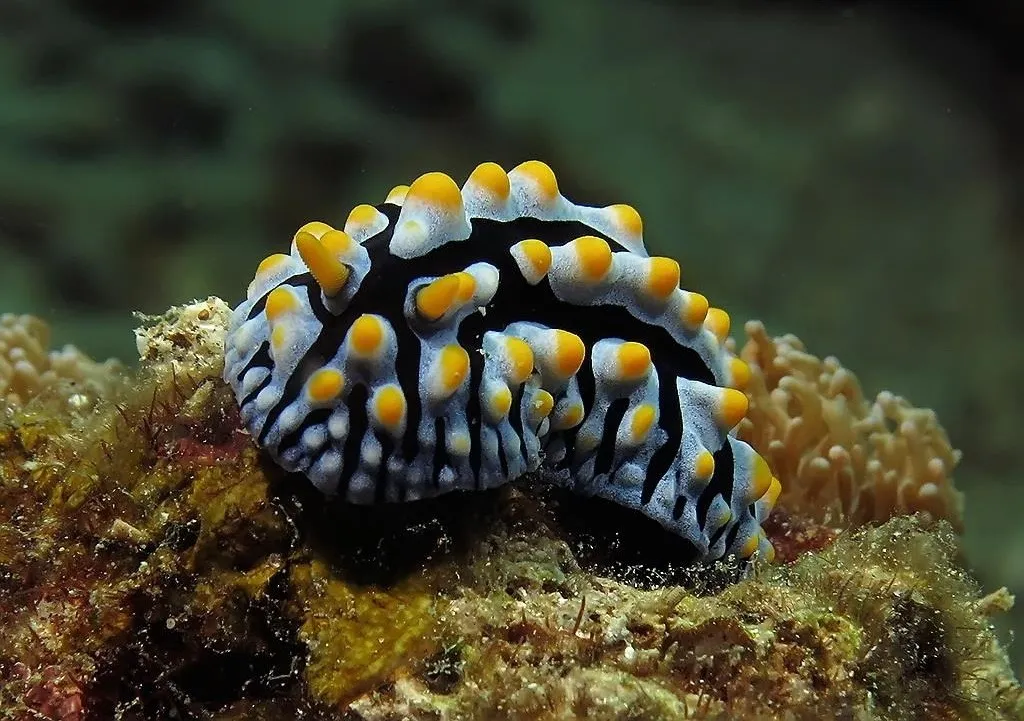
Beyond these highlights, the site also hosts various smaller reef fish, crabs, and nudibranchs. All contribute to the vibrant ecosystem that has claimed the sunken vessel.
Dive Sites Near Police Wreck
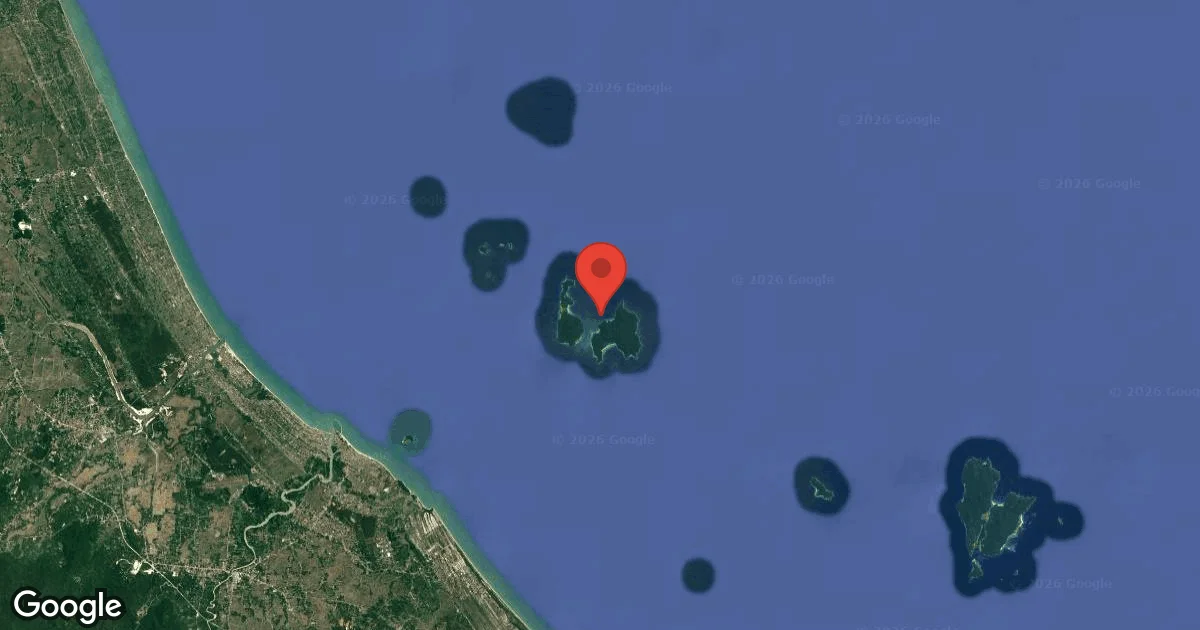
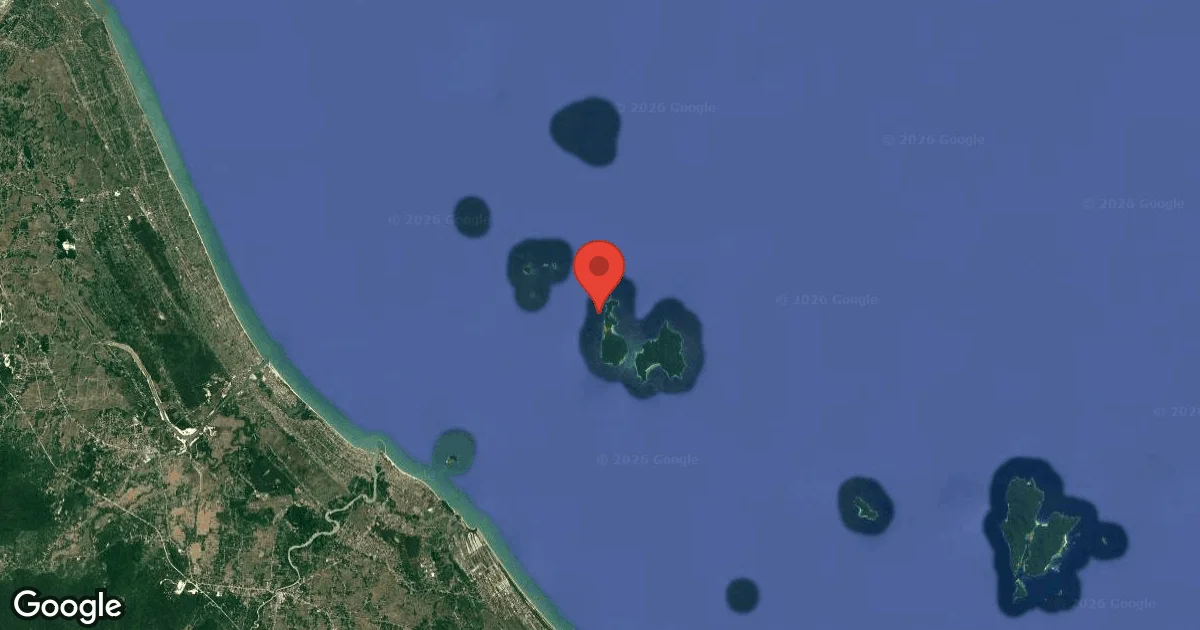
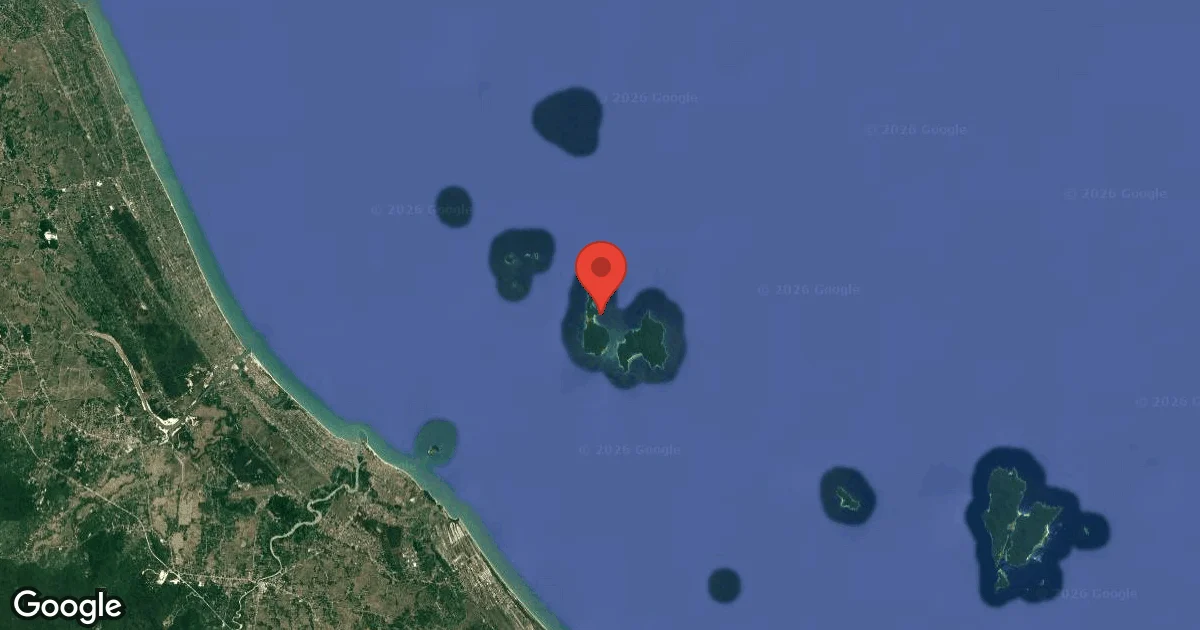
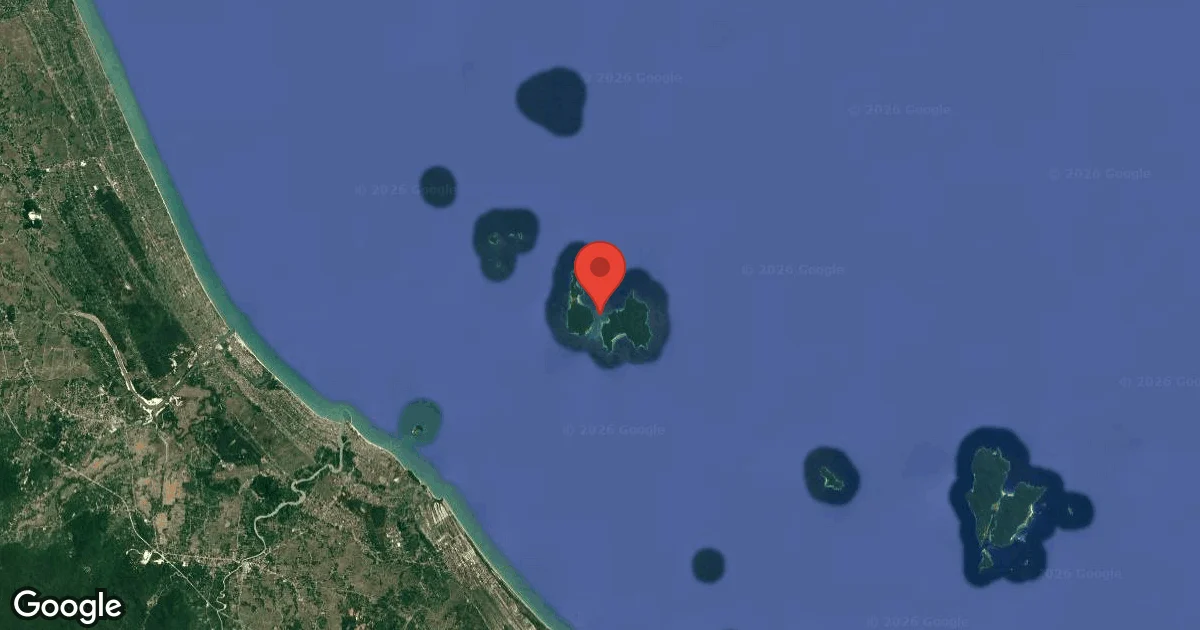
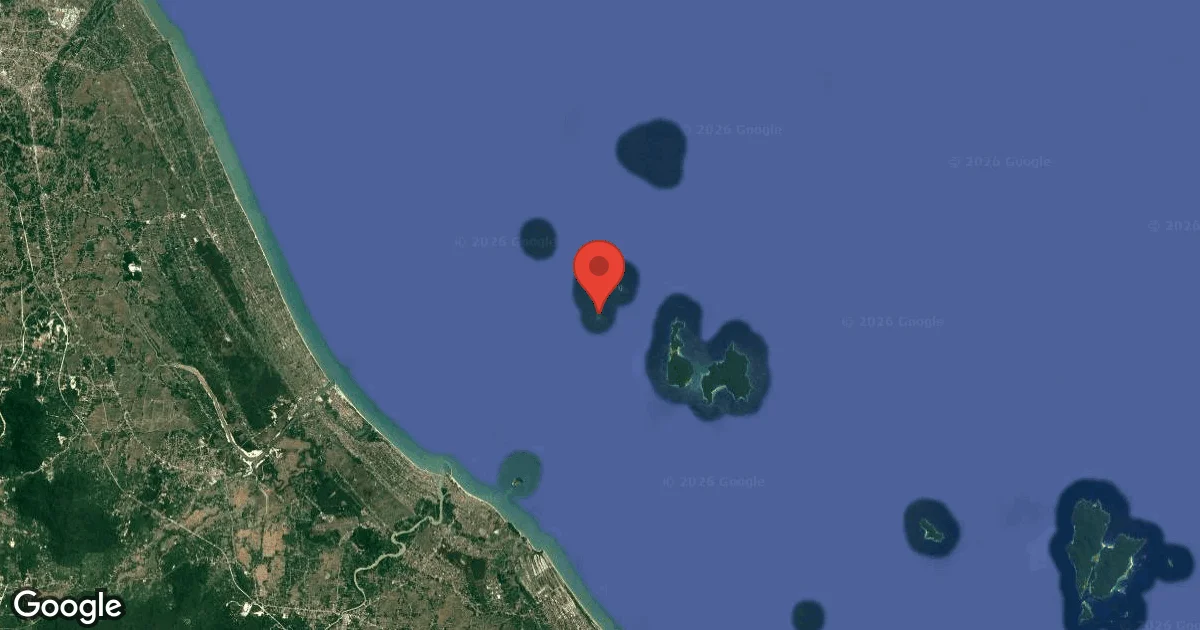
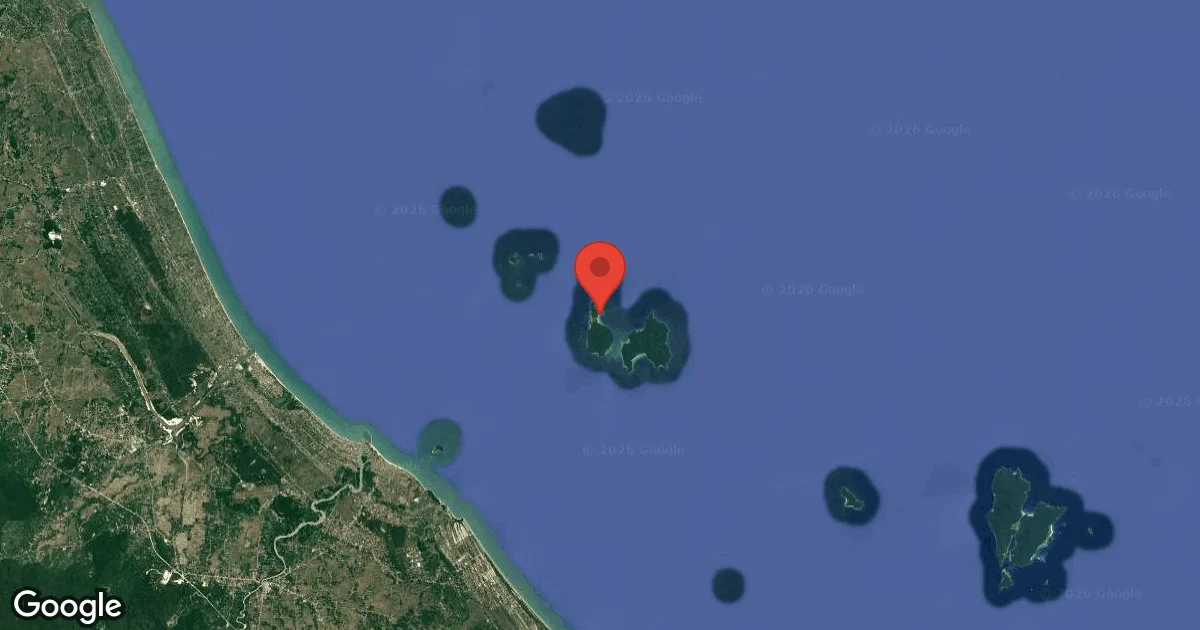
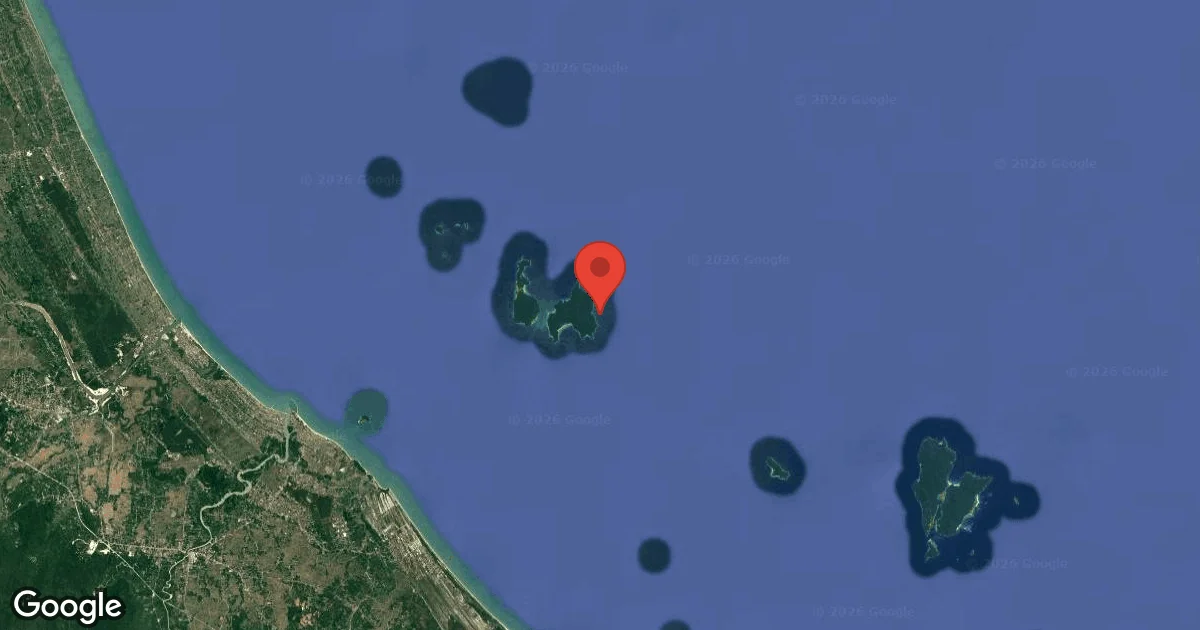
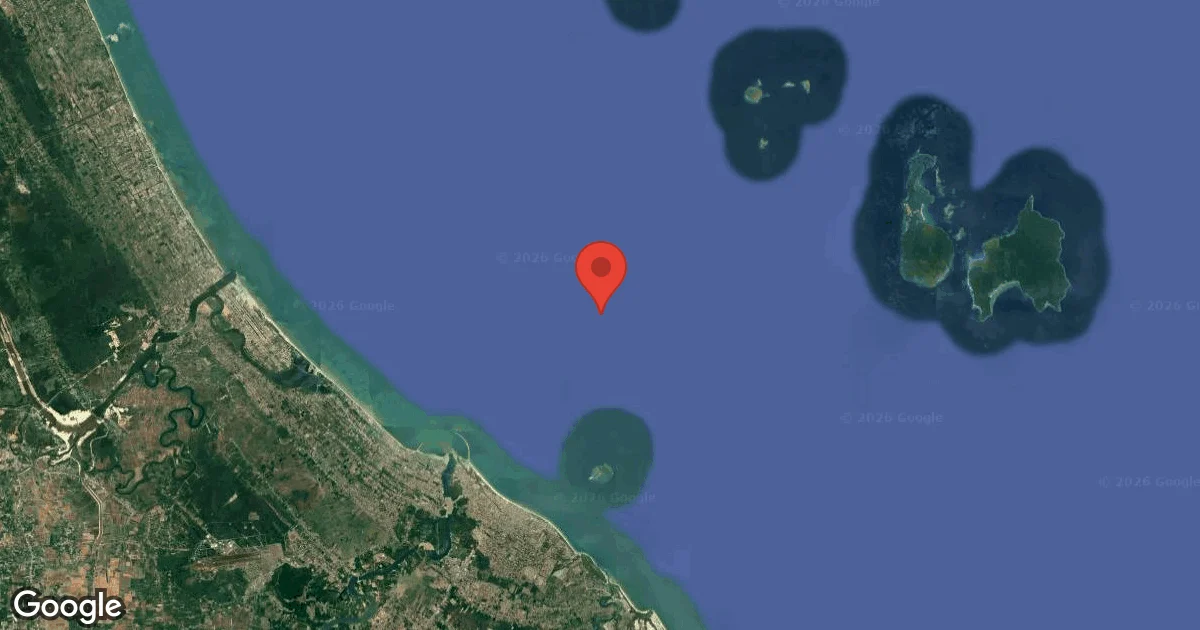
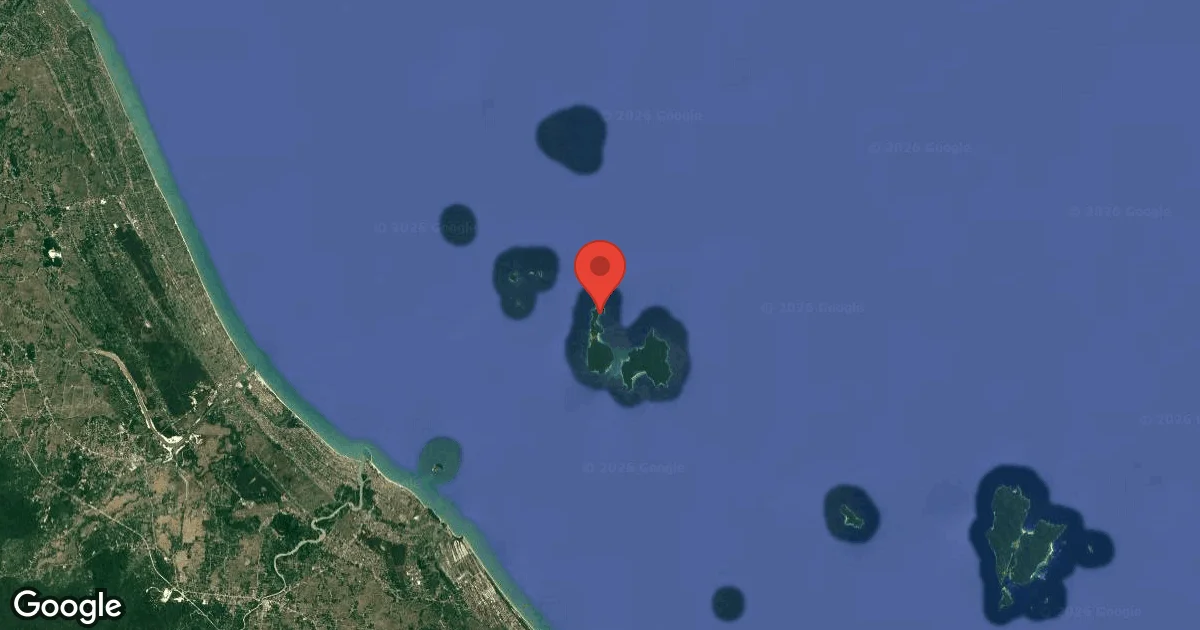
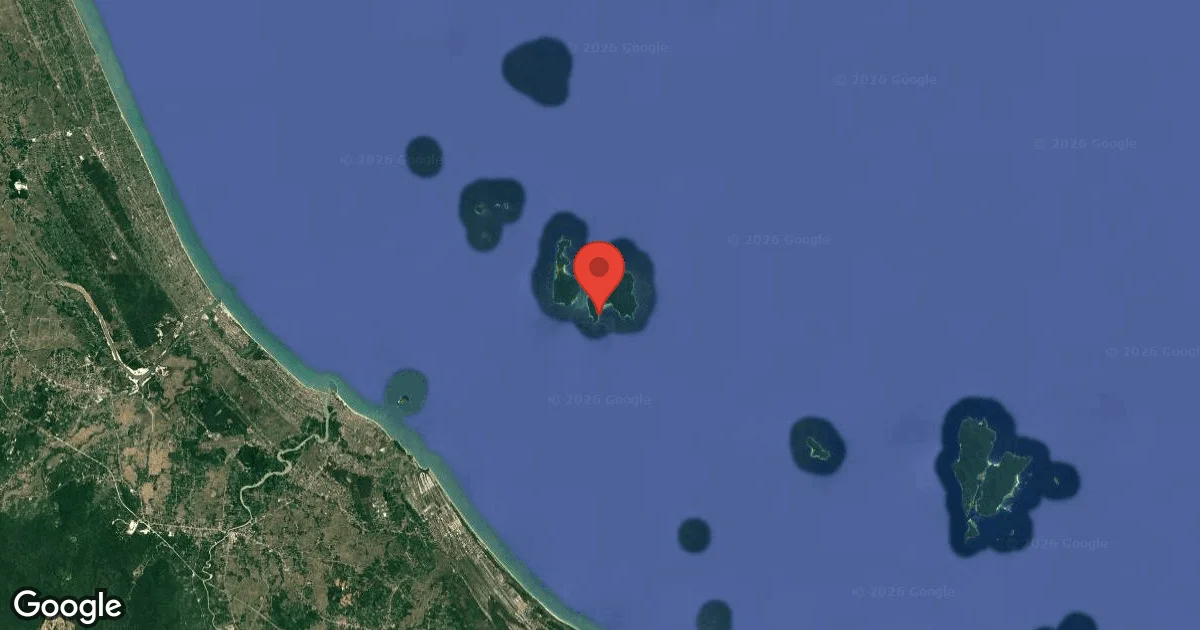
View all dive sites in MalaysiaDiscover more underwater gems in this area.
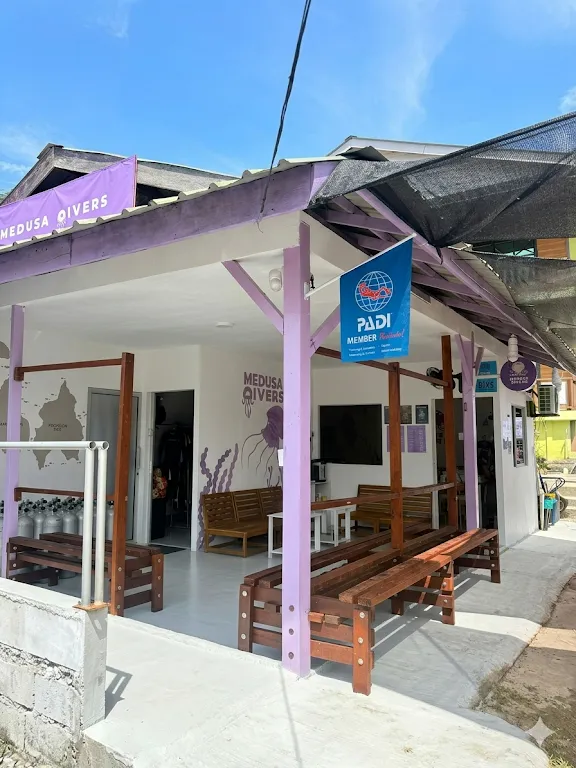
Dive Centers Near Police Wreck
Today: 08:00 - 20:00
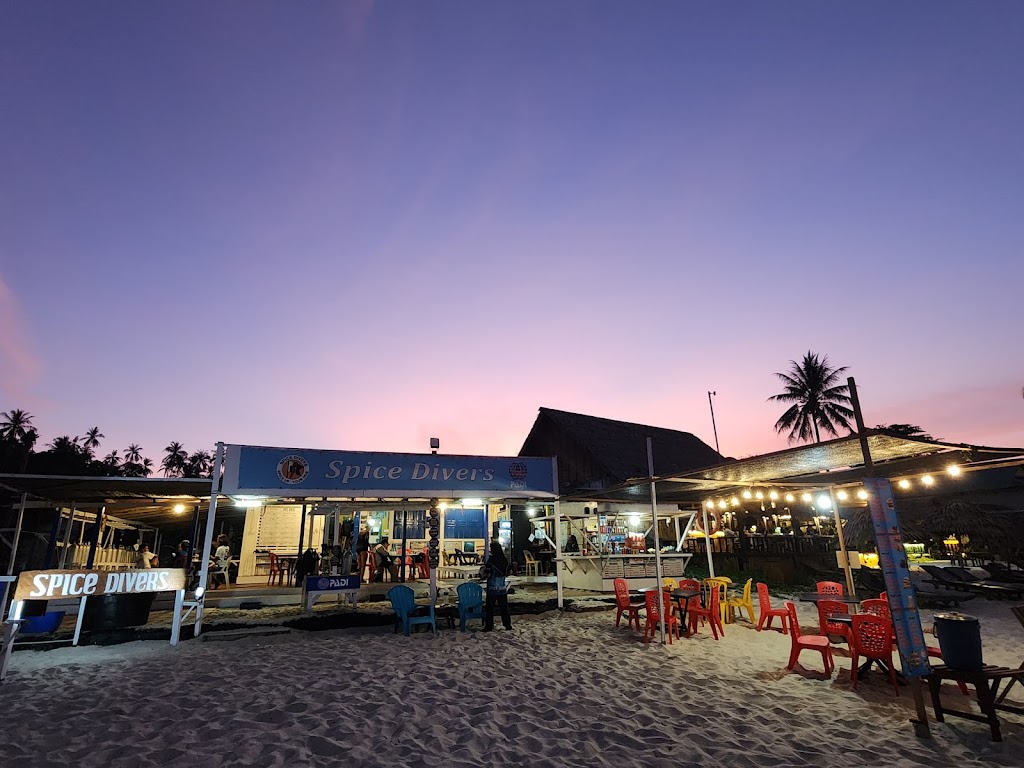
Nearest Airports
Nearest airports to help plan travel to this dive area.
Search Flights
Check available flights and routes on Expedia, using the nearby airports listed in this section.
Search Flights on ExpediaFrequently Asked Questions
What is the maximum depth of the Police Wreck?
Deepest sections of the Police Wreck can be explored to approximately 30 m / 100 ft. This makes it suitable for advanced open water divers or those with equivalent certification.
What kind of visibility can I expect at the site?
Visibility at the Police Wreck is variable and influenced by factors like currents and recent weather. It can range from moderate to good, with clearer conditions often observed during periods of minimal wave activity and lower rainfall.
Are there strong currents at the Police Wreck?
Currents at the site can vary from mild to moderate. Divers should be prepared for potential drift and maintain good buoyancy control to navigate the wreck safely and comfortably.
What dive certification level is recommended for this site?
Due to its depth and potential for currents, the Police Wreck is best suited for Advanced Open Water divers or those with comparable experience. Good buoyancy skills are particularly beneficial for exploring the wreck without disturbing it.
Is wreck penetration permitted at the Police Wreck?
General guidelines recommend against entering overhead environments unless specialized wreck penetration training and appropriate equipment are possessed. Exploring its exterior structure provides the best experience.
What marine life can be found on the wreck?
Police Wreck hosts various species, including well-camouflaged Scorpionfish and delicate Pipefish. Divers may also encounter numerous small reef fish, crabs, and nudibranchs utilizing the wreck as a habitat.
What are the typical water temperatures?
Water temperatures around the Police Wreck are generally warm, consistent with tropical conditions in Malaysia. Specific temperature data isn't consistently reported, but divers typically find comfortable conditions.
How do most divers access the Police Wreck?
Access to the Police Wreck is typically arranged through local dive operators. They provide boat transfers from nearby dive centers, often as part of a guided dive trip.
Planning to dive Police Wreck?
Send one inquiry and receive offers directly from the best verified local dive operators.
Conditions are Good
07:00 - 14:00
Optimal conditions expected
Current conditions near Police Wreck show 27° air, 31° sea temperature, 0.3 m waves, and 25 km/h wind. Forecast data is refreshed regularly to ensure accuracy.