
Diving at Hawksbill Highway (Malaysia)
Hawksbill Highway in Malaysia invites divers to experience a drift along its vibrant reef ecosystem. This site, with an average depth of 20 m (66 ft), allows for varied profiles depending on diver experience and prevailing currents. Expect a dynamic underwater journey where the topography guides the flow, revealing diverse marine encounters along its reef structures. Current conditions can influence the pace, offering an engaging ride.
As evening covers Hawksbill Highway, the local air temperature is measured at 28°C. The current wave height at the surface is recorded at 0.5 m. These late-day readings characterize the surface conditions for the night.
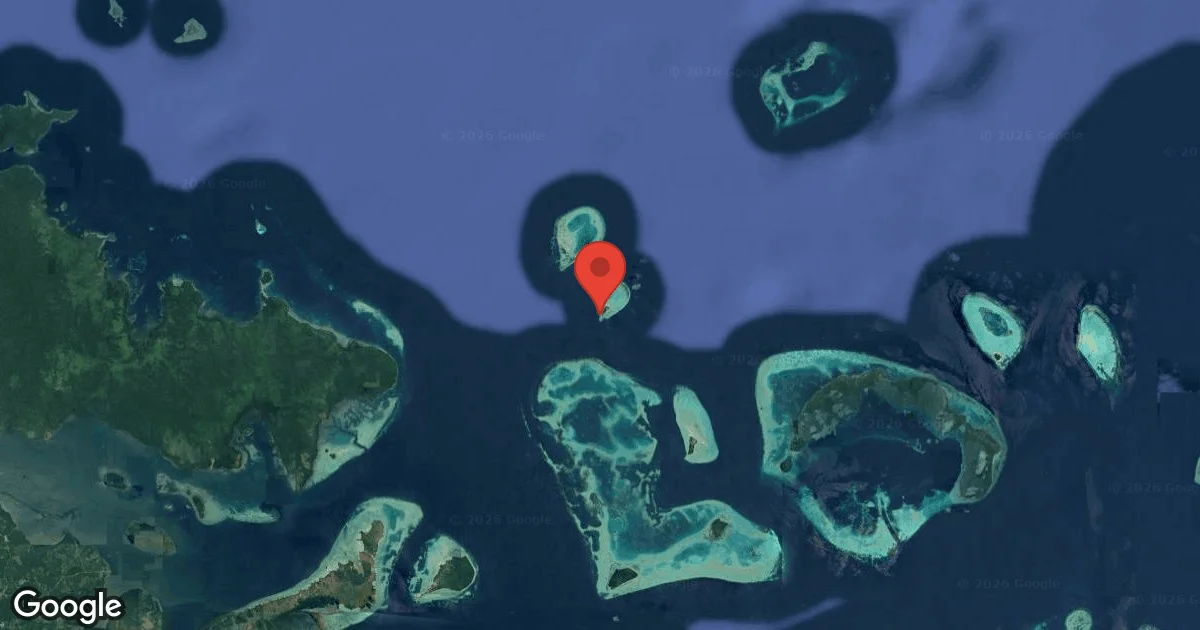
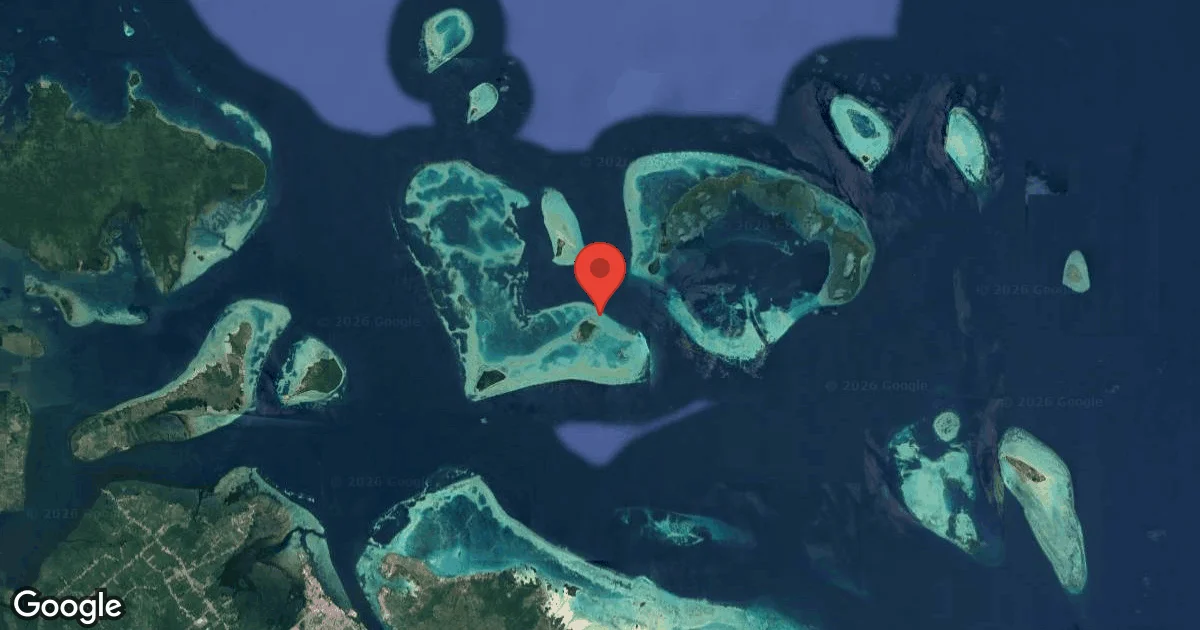
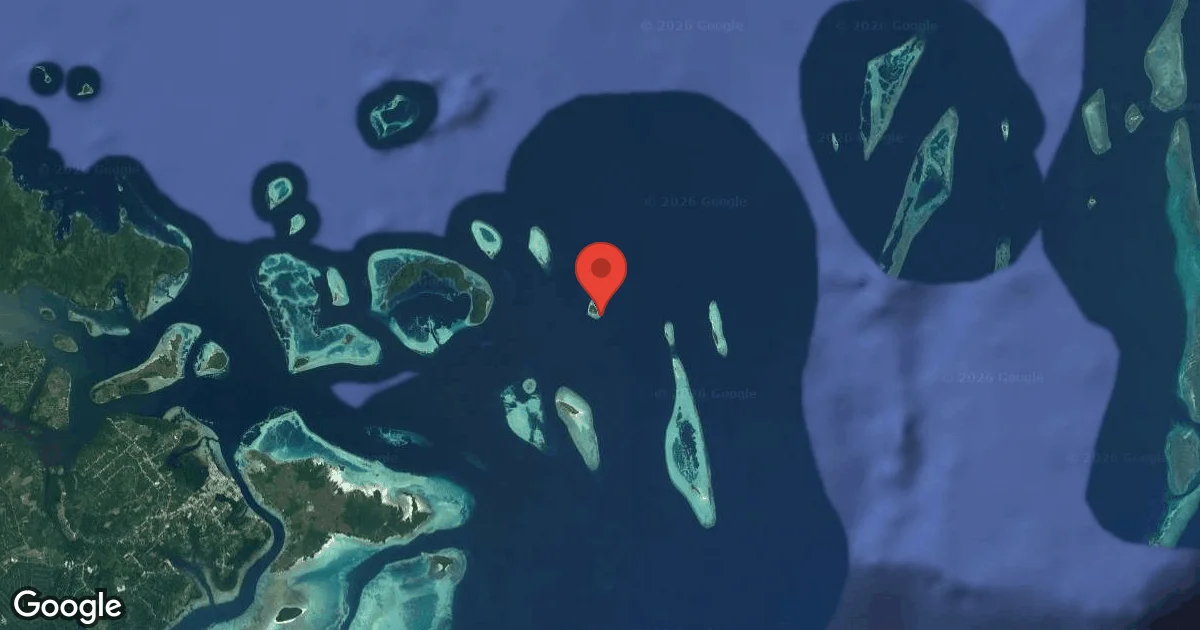
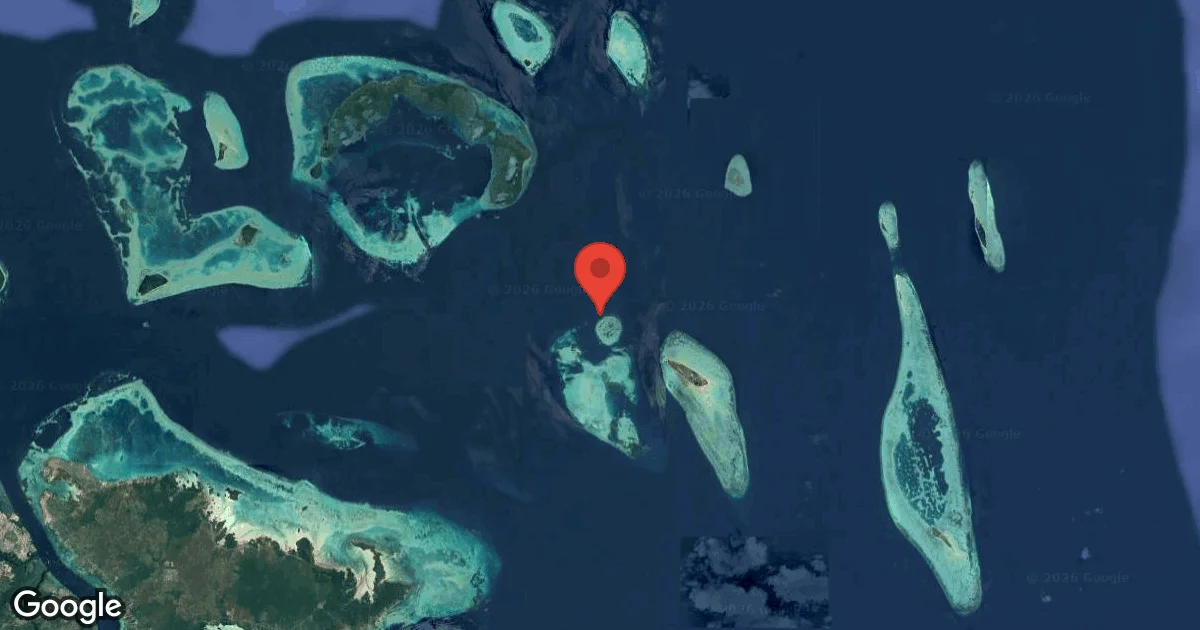
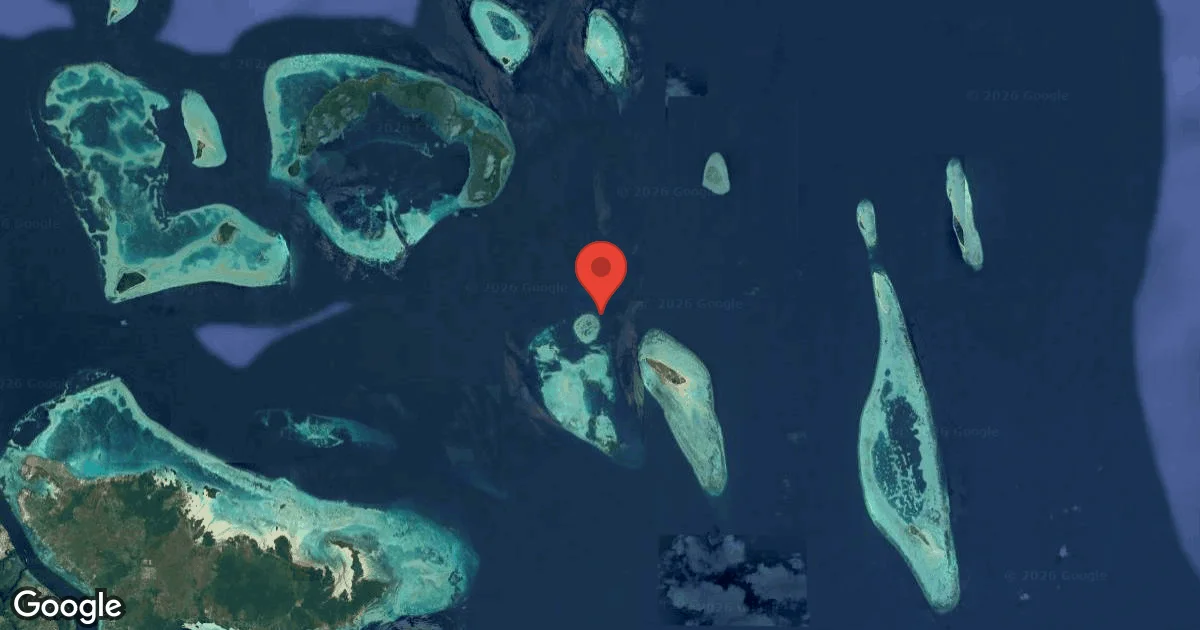
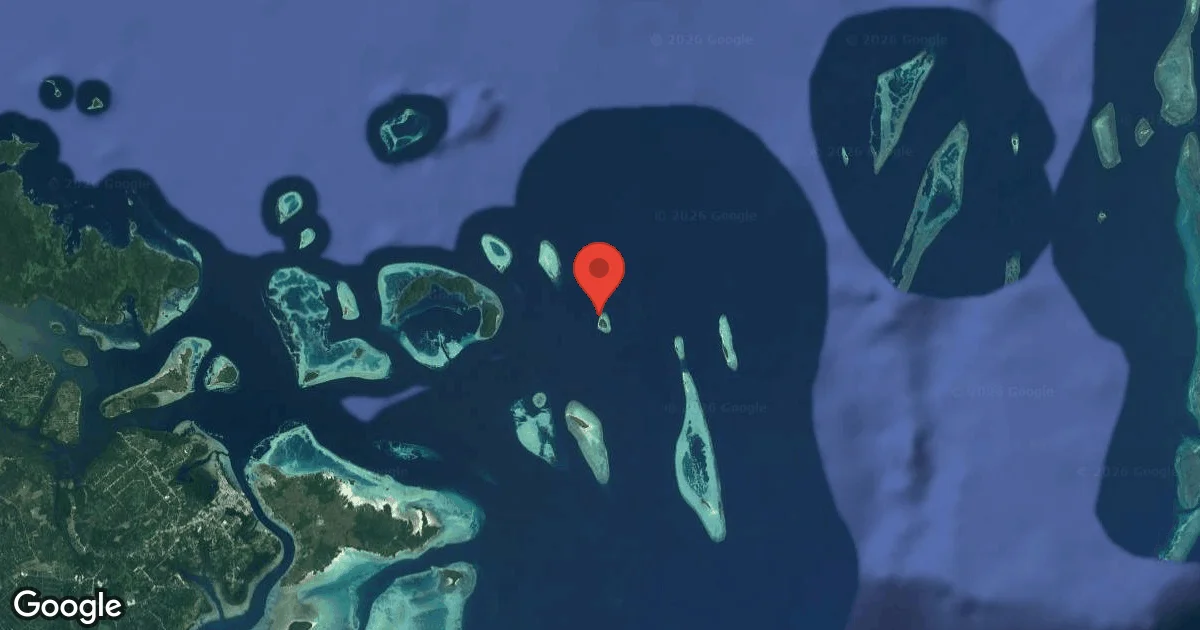
Dive Site Location & Key Facts
Dive Site Overview
Exploring Hawksbill Highway reveals an engaging reef environment, particularly appealing to those seeking diverse marine interactions without extreme depth. This site generally ranges from its shallower parts, around 5 m (16 ft), down to deeper sections that can reach 40 meters, providing ample opportunity for both recreational and technical exploration.
Healthy corals form the backbone of the habitat, supporting a range of reef fish and attracting larger pelagic species. Currents here typically run between 1 and 2 knots, offering a lively drift experience. Visibility often extends well, sometimes reaching up to 30 meters, enhancing the panoramic views of the underwater activity.
The topography includes steep slopes and wall sections where an abundance of marine life congregates. Divers can expect to navigate along these features, making it a good site for observing resident species and transient visitors alike. Its name hints at frequent sightings of its namesake, making each dive a potential encounter.
Conditions are Good
07:00 - 14:00
Optimal conditions expected
Current conditions near Hawksbill Highway show 28° air, 30° sea temperature, 0.2 m waves, and 22 km/h wind. Forecast data is refreshed regularly to ensure accuracy.
Best Time to Dive
Planning a trip to Hawksbill Highway is best aligned with the region's generally favorable diving conditions throughout the year. April, May, June, and October often present excellent dive scores, while other months typically rate as good. During these peak periods, average air temperatures hover around 28-28.5°C (82-83°F), with minimal rainfall, averaging around 4.3 to 6.4 mm. Water temperatures remain consistently warm, ranging from 28-30°C (82-86°F) from March through November, which ensures comfortable dives. Visibility is frequently excellent, commonly reaching 25 meters or more during these months. Although currents average 1-2 knots during peak months, April sometimes presents calmer conditions with negligible current. While November may see a decrease in visibility to about 10 meters, the warm water and presence of marine life generally persist.
PEAK SEASON SCORE
Scores combine air & water temps, waves, wind & rainfall for overall conditions.
BEST MONTHS TO DIVE
Monthly records compiled from satellite and marine observation nodes over the last 3 years. Data provided by Open-Meteo and MET Norway.
Dive Experience & Conditions
Diving here feels like gliding through a bustling underwater thoroughfare, with visibility often good enough to reveal distant contours of the reef. Water temperatures are comfortably warm, typically between 28-30°C (82-86°F), allowing for extended bottom times without thermal discomfort. Currents generally flow at 1 to 2 knots, particularly from May to August and in November, offering engaging drift dives. These conditions make navigating the site an active experience, suitable for divers comfortable with some movement. Visibility varies, commonly ranging from 15 to 30 meters, though it can drop to about 10 meters during certain periods. Many divers have reported good to excellent visibility during their visits, enhancing the overall sensory impression of the dive.
Dive Difficulty & Safety Guidelines
Diving within this protected marine park requires adherence to responsible practices; avoid touching or disturbing any marine life or coral structures. Given the site's potential for currents ranging from 1 to 2 knots, maintaining good buoyancy control and being mindful of your position relative to the reef are crucial. Divers should plan their entry and exit points carefully with their dive operator, especially when drift diving.
Carrying an SMB (Surface Marker Buoy) is advisable for signaling to the boat at the end of a dive, particularly if currents carry you some distance. Ensure you dive within your certification limits; while some sections are shallow, the maximum depth extends to approximately 40 meters, suitable for advanced divers.
Recommended Equipment
- Dive Computer
This gear list is based on verified equipment signals for Hawksbill Highway, Malaysia. Always confirm final gear choices with your dive operator, guide, or liveaboard.
Recommended Dive Suit
Experienced divers often bring flexible gear options.
Divers exploring Hawksbill Highway today will likely encounter water temperatures close to 30°C (86°F). Surface air temperatures are resting at 28°C (82°F). Divers who spend longer periods underwater often choose dive skin or rash guard. Consider warmer surface protection (like a boat coat) due to brisk winds.
Current forecasts indicate relatively stable conditions for the coming days.
Emergency & Medical Support
Essential information to help you plan your dive trip to Hawksbill Highway.

Hyperbaric chambers are a critical part of dive safety infrastructure. Availability varies significantly by region, and not all dive areas have immediate access.
Before diving, it's recommended to:
- confirm nearest medical facilities
- check emergency procedures with local dive operators
- ensure dive insurance covers evacuation if required
Divers Alert Network
Diving emergency assistance available through DAN World.
+1-919-684-9111- 24/7 emergency hotline
- Diving medical assistance
- Evacuation coordination
Emergency contacts are provided for reference. Always verify local emergency services before diving.
Marine Life at Hawksbill Highway
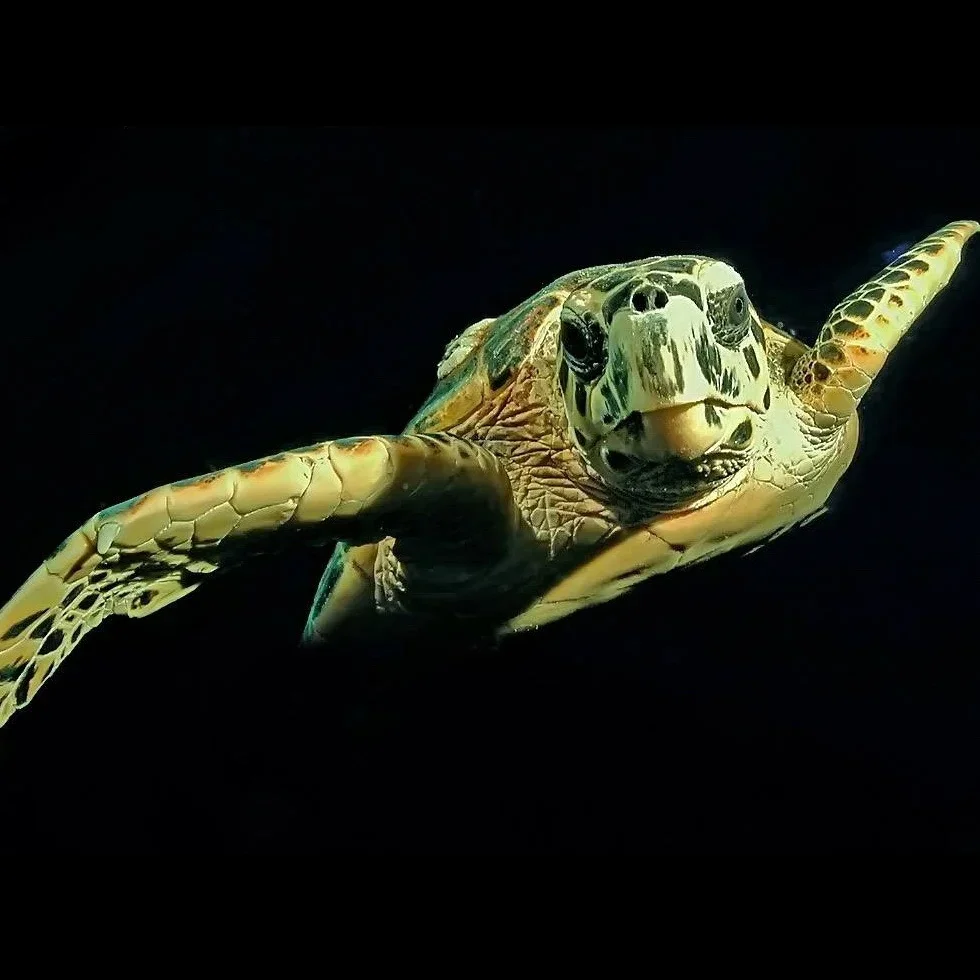
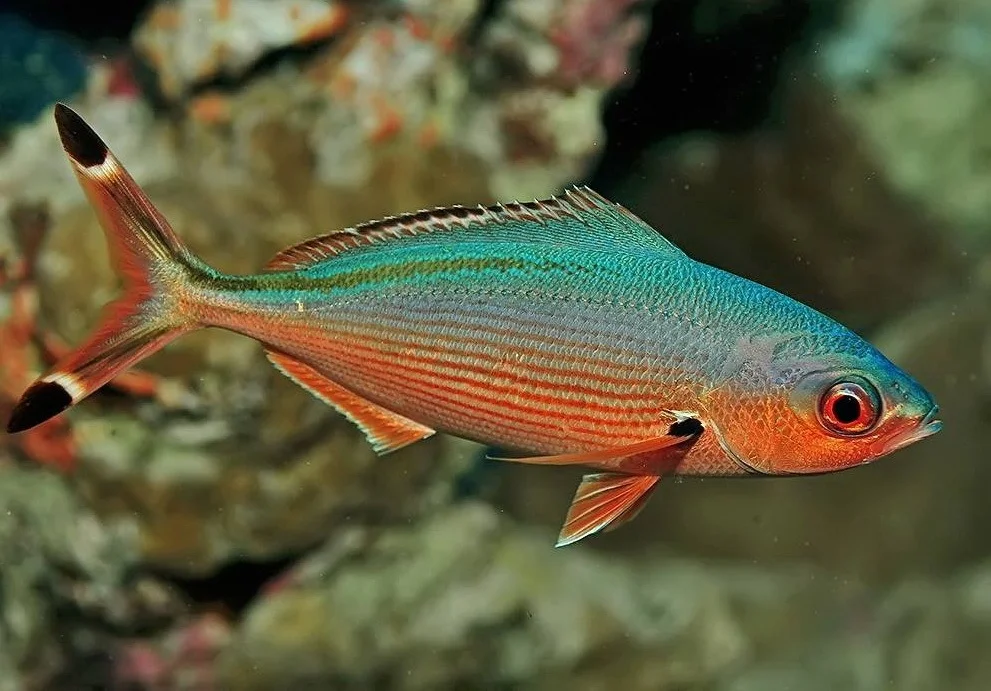
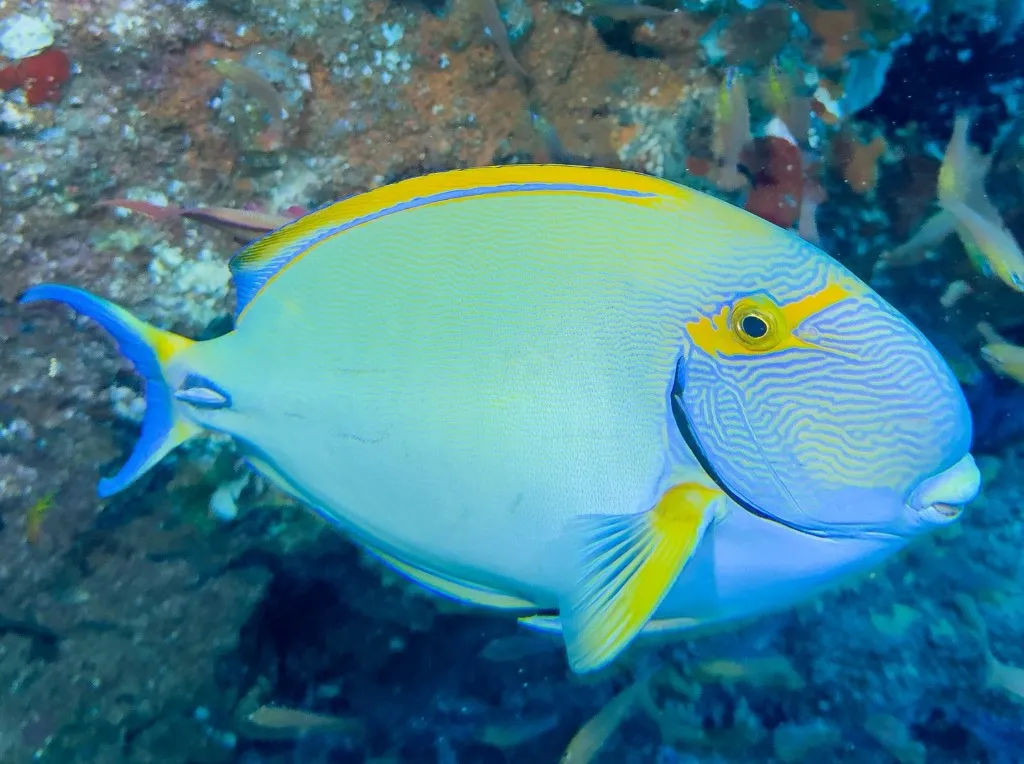
The site's name, Hawksbill Highway, is a clear indicator of frequent Hawksbill turtle sightings, often seen gracefully cruising along the reef or resting amidst its formations. Healthy corals across the landscape provide refuge for a wealth of reef fish, including schools of fusiliers and surgeonfish that glitter in the sunlit shallows.
Deeper sections and wall drop-offs occasionally attract larger pelagic species, such as whitetip reef sharks, rays, and even schooling jacks. The reef also hosts an array of colorful macro critters, making it rewarding for those who enjoy slower, more detailed observation of smaller organisms.

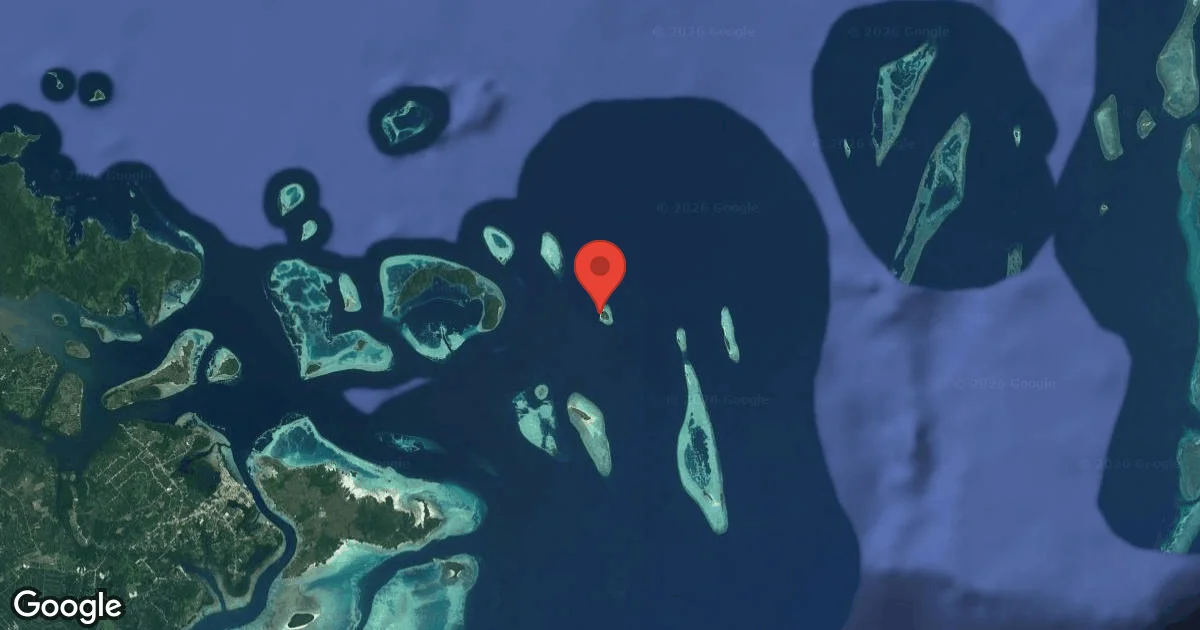
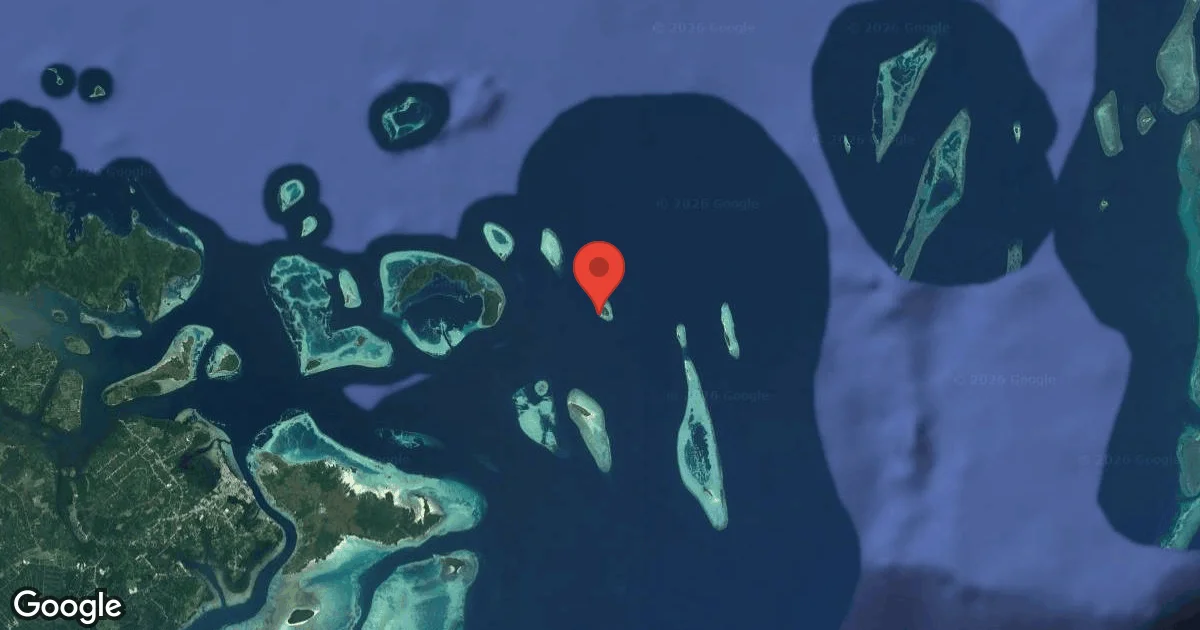
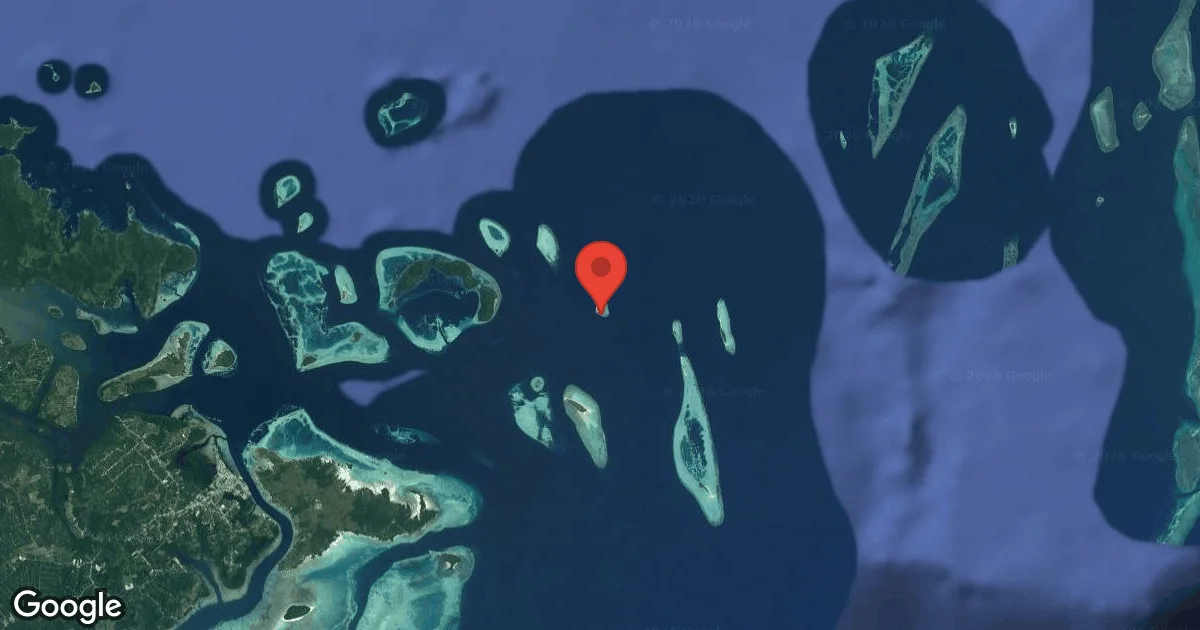
Dive Sites Near Hawksbill Highway
View all dive sites in MalaysiaDiscover more underwater gems in this area.
Dive Centers Near Hawksbill Highway


Nearest Airports
Nearest airports to help plan travel to this dive area.
Search Flights
Check available flights and routes on Expedia, using the nearby airports listed in this section.
Search Flights on ExpediaFrequently Asked Questions
What is the typical depth range at Hawksbill Highway?
This dive site generally offers a depth range from its shallower parts down to its deepest sections, accommodating various diver certifications. Divers can find conditions suitable for both recreational and advanced levels.
How strong are the currents at this site?
Currents at Hawksbill Highway typically range from 1 to 2 knots, creating a dynamic environment that often lends itself to drift diving experiences. Conditions can vary, so always consult local dive operators.
What is the water temperature like?
Water temperatures are consistently warm, generally ranging between 28-30°C (82-86°F) for much of the diving season. This ensures comfortable diving conditions throughout the year.
What kind of marine life can I expect to see?
Divers often encounter Hawksbill turtles, various reef fish, and pelagic species like whitetip reef sharks and rays. The site also offers good opportunities for macro photography, revealing smaller critters among the corals.
Is Hawksbill Highway suitable for beginner divers?
While the site is generally suitable for all levels, beginners should be comfortable with potential moderate currents. Consulting with a local dive center for current conditions on the day of your dive is recommended.
What is the typical visibility?
Visibility at Hawksbill Highway is often good to excellent, typically ranging from 15 to 30 meters. It's worth noting that it can occasionally drop to around 10 meters during certain seasonal factors.
Is the dive site part of a protected area?
Yes, Hawksbill Highway is situated within a protected marine park. This status helps preserve its healthy corals and diverse marine life.
Planning to dive Hawksbill Highway?
Send one inquiry and receive offers directly from the best verified local dive operators.
Conditions are Good
07:00 - 14:00
Optimal conditions expected
Current conditions near Hawksbill Highway show 28° air, 30° sea temperature, 0.2 m waves, and 22 km/h wind. Forecast data is refreshed regularly to ensure accuracy.