
Diving at Central Mavis Seaplane Wreck (Marshall Islands)
Resting in 16.8 to 22.9 meters just north of Ebeye's main pier, Central Mavis Seaplane Wreck is the better-preserved sister to Ebeye's northern flying boat—where lush table and staghorn Acropora corals bloom across a 40-meter inverted parasol wing beside a bullet-strafed bow nose still holding intact glass viewports and pilot seating.
Afternoon measurements for Central Mavis Seaplane Wreck show the air has reached 28°C. The recorded surface conditions at this location feature wave heights of 1.2 m. These metrics are updated to reflect the ongoing daily shifts.
Dive Site Location & Key Facts
Dive Site Overview
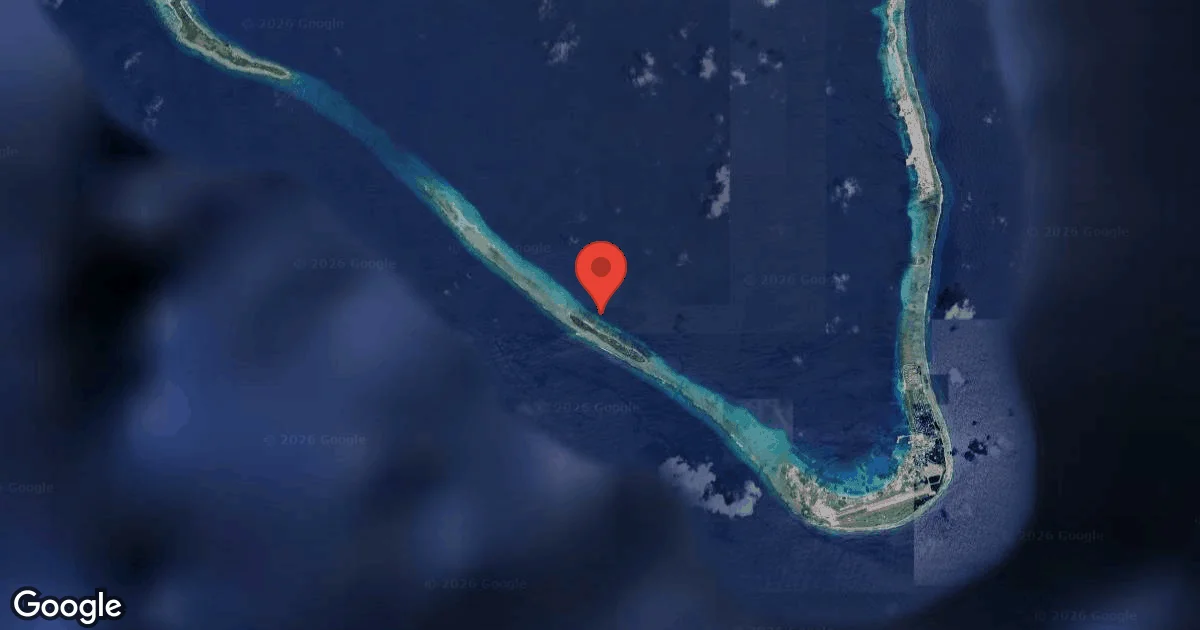
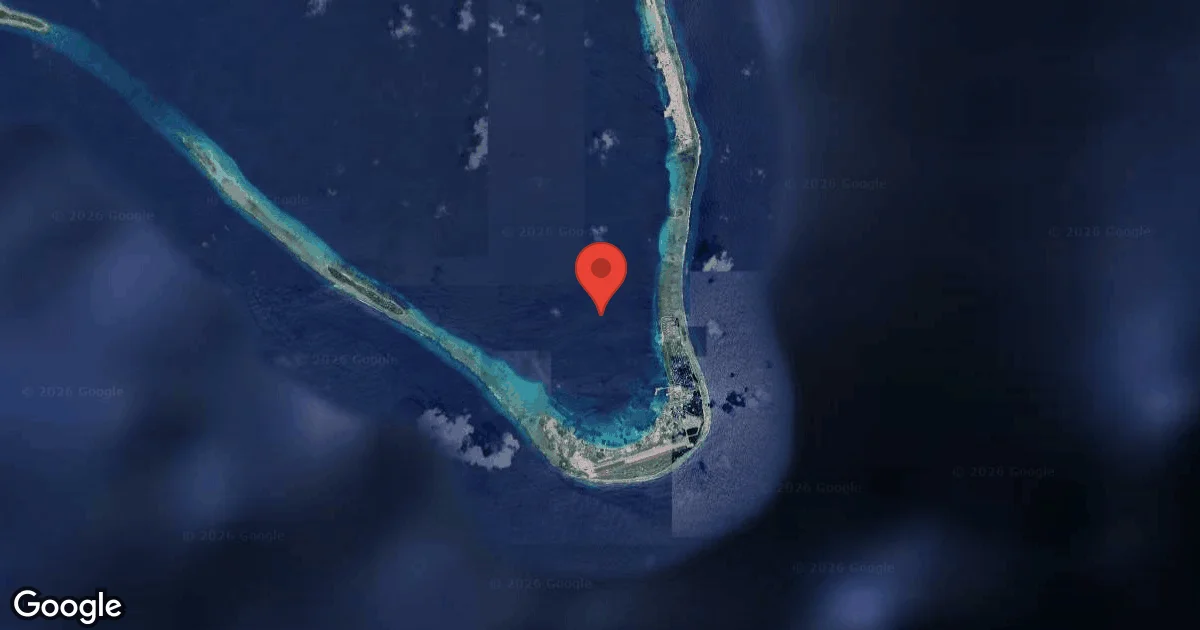
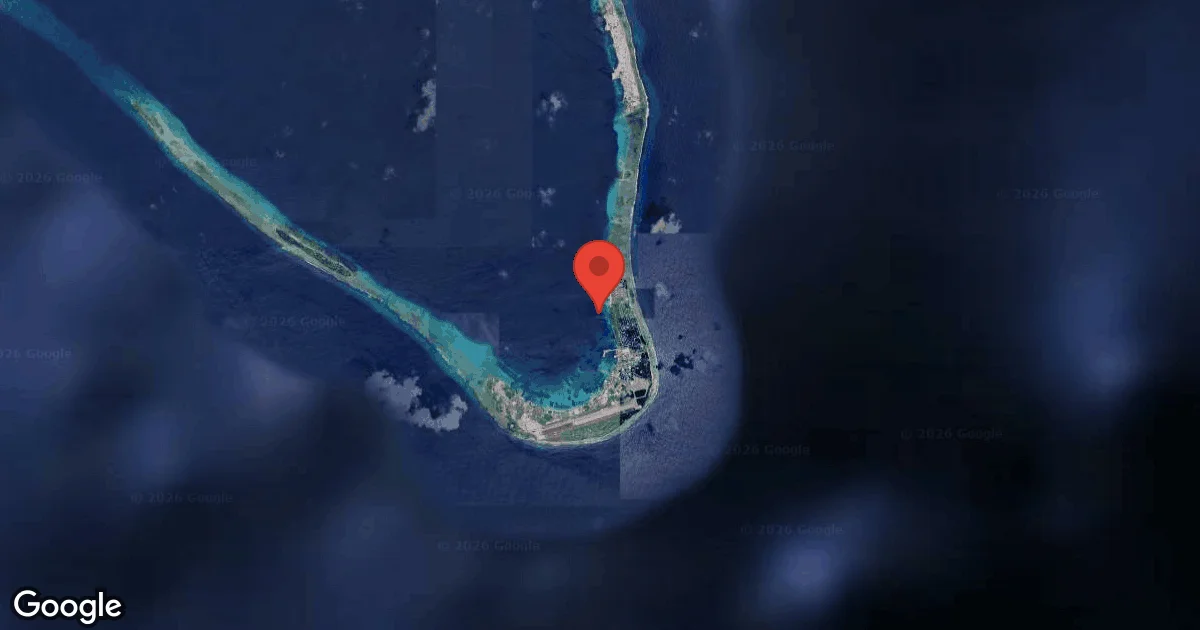
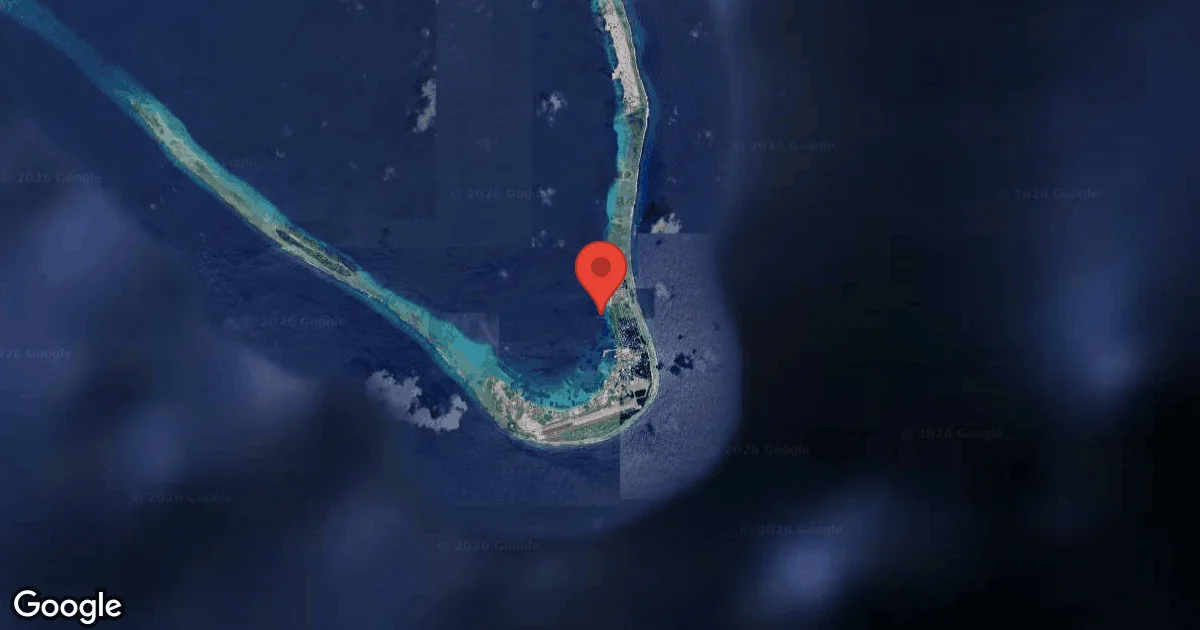
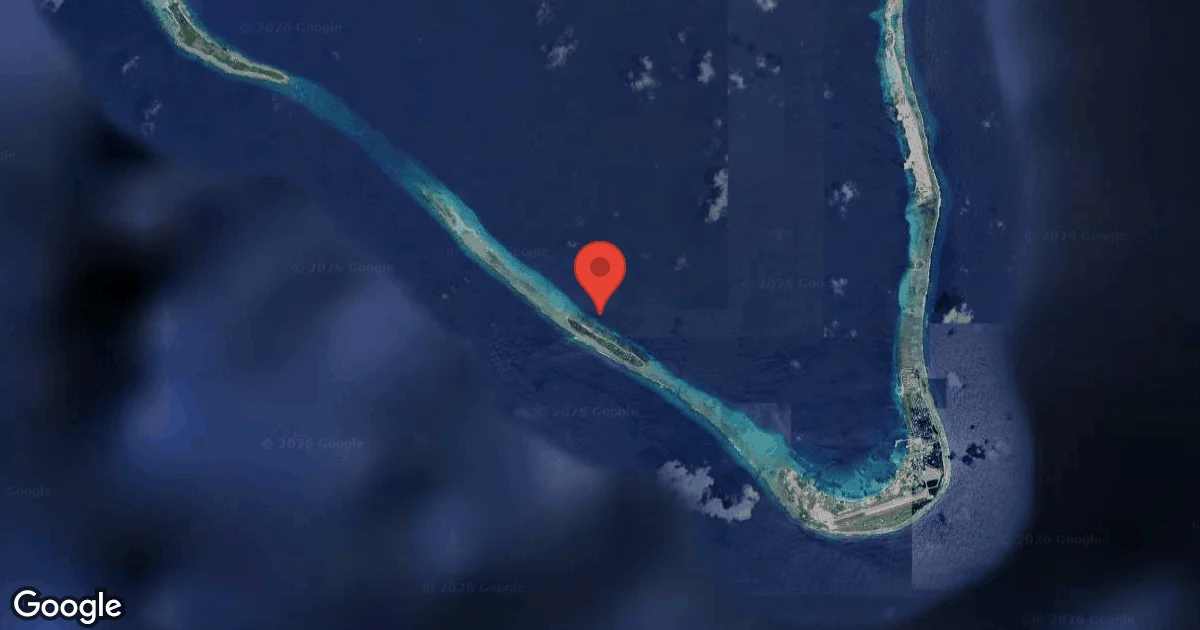
Positioned roughly 180 meters north of Ebeye Main Pier and 275 meters offshore on a sandy coral slope, Central Mavis Seaplane Wreck (MI-KW-LA-007) is the second four-engine Imperial Japanese Navy Kawanishi H6K4 / H6K4-L flying boat sunk at its Ebeye moorings during the February 1, 1942 USS Enterprise carrier strike. Like its northern counterpart, the giant flying boat capsized as its wing tanks flooded, settling upside down on the seabed between 16.8 and 22.9 meters.
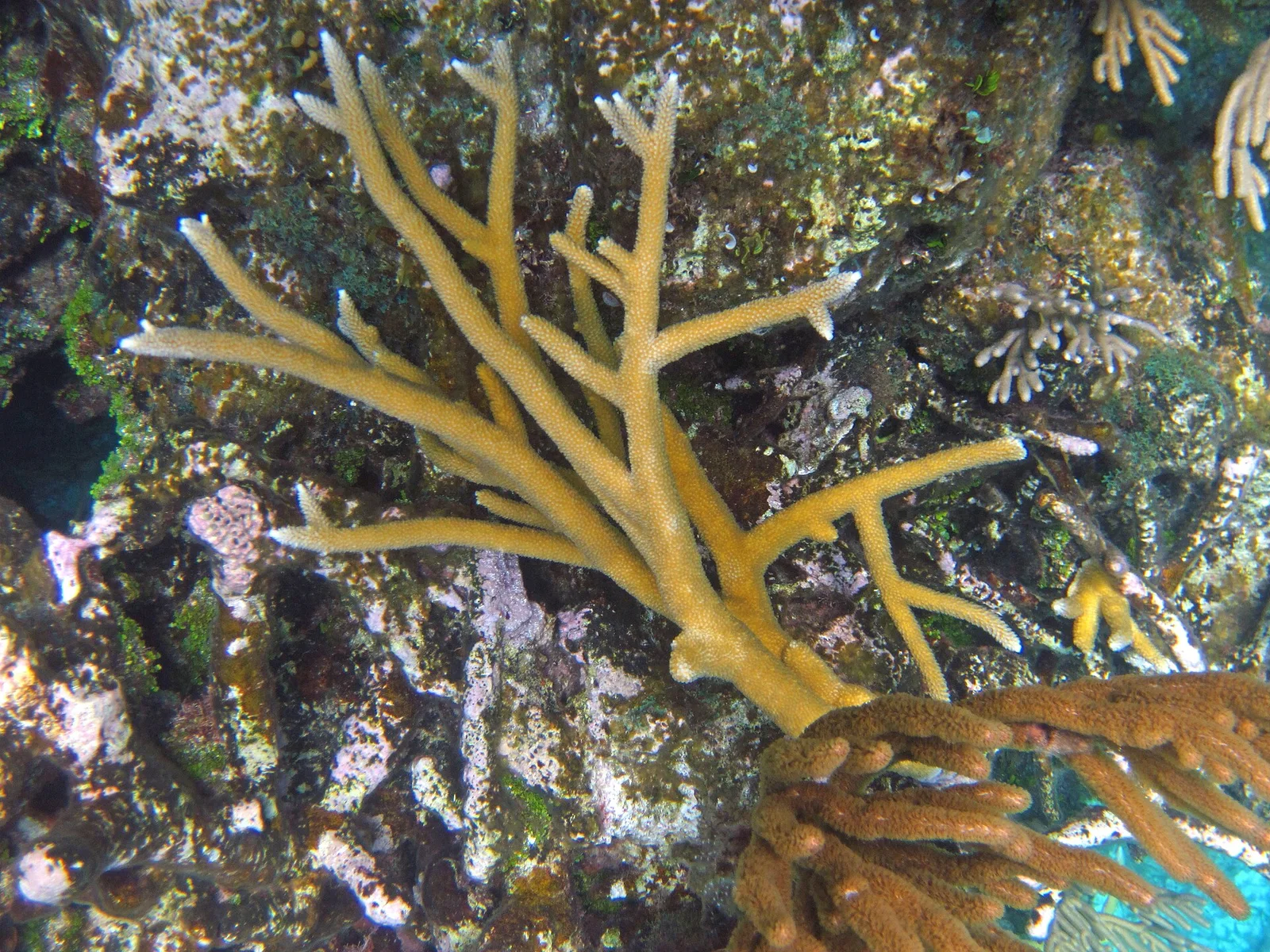
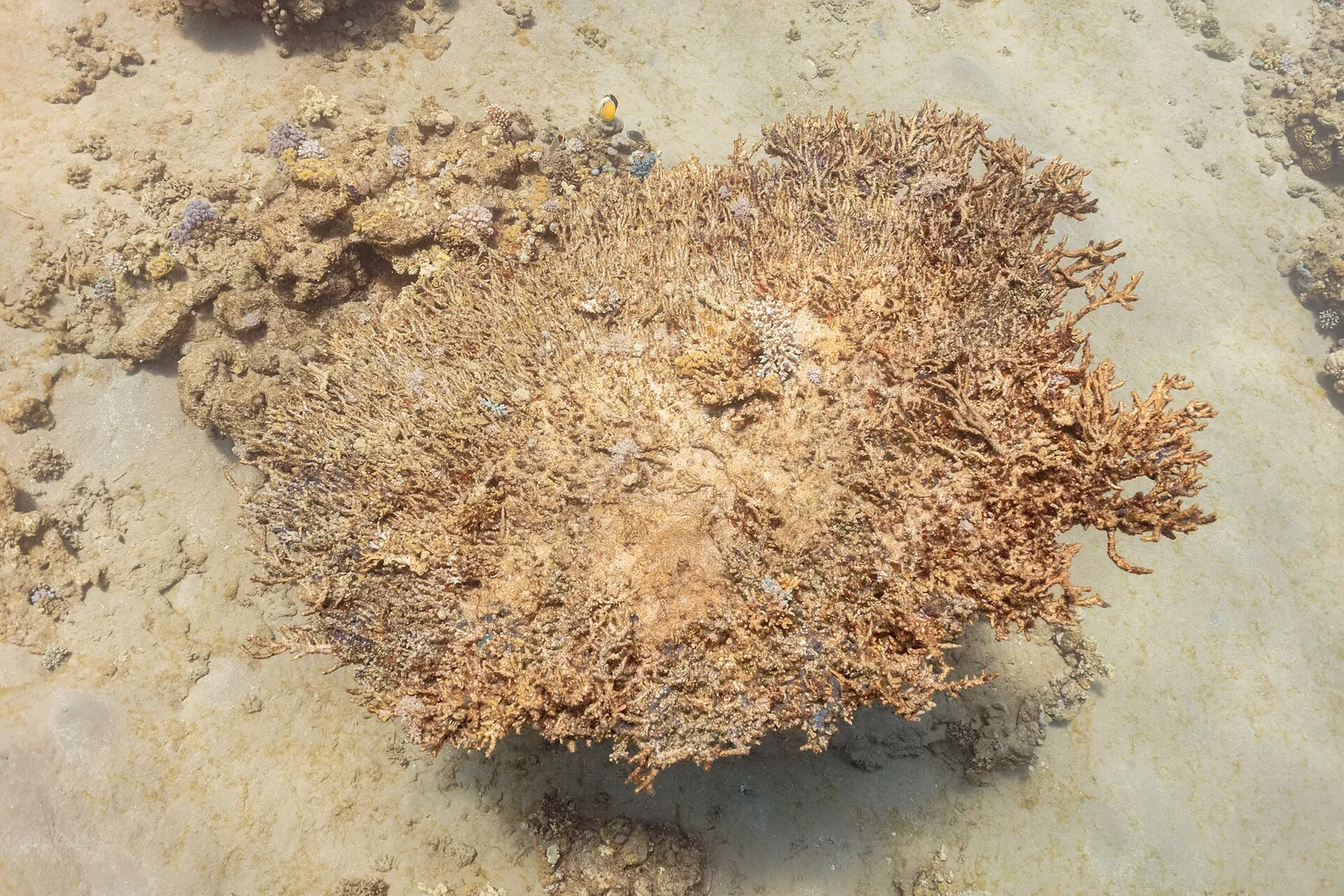
What sets Central Mavis apart is both its structural detail and exuberant reef growth. Thick thickets of branching and tabular Acropora corals crown the long parasol wing and engine nacelles, turning the 40-meter airframe into a living coral garden. Forward, divers can examine machine-gun bullet holes stitched cleanly through the aluminum nose skin, intact glass observation ports, the open bow machine-gun ring, an exposed pilot seat, and a detached wingtip stabilizing pontoon float resting nearby on the sand.
Conditions are Moderate
Optimal conditions expected
Current conditions near Central Mavis Seaplane Wreck show 28° air, 29° sea temperature, N/A waves, and 30 km/h wind. Forecast data is refreshed regularly to ensure accuracy.
Best Time to Dive
Calm lagoon water prevails throughout the December-to-April northeast trade-wind season and during late-summer doldrums from August through October. Midday sun penetrates easily to 20 meters, lighting up both the pale sand floor and the pastel Acropora colonies across the wing.
PEAK SEASON SCORE
Scores combine air & water temps, waves, wind & rainfall for overall conditions.
BEST MONTHS TO DIVE
Monthly records compiled from satellite and marine observation nodes over the last 3 years. Data provided by Open-Meteo and MET Norway.
Dive Experience & Conditions
With a maximum depth under 23 meters, divers enjoy relaxed bottom times to photograph the entire 40-meter wingspan, radial engines, and cockpit nose section in a single unhurried dive. Approach into the slight lagoon drift so silt kicked up on the sand never clouds the glass nose ports or pilot seat.
Dive Difficulty & Safety Guidelines
Branching Acropora corals and wartime duralumin skin are both exceptionally delicate—hover horizontally with frog kicks well clear of the wing surface. Never reach inside the nose mount or cockpit framing where sharp torn metal and potential corroded 7.7 mm or 20 mm aircraft rounds may remain, and ascend with a high-visibility surface marker buoy.
Recommended Equipment
Overhead / entanglement risk. Wreck penetration requires proper training.
- Dive Computer
- DSMB
- Primary & Backup Lights
- Wreck Reel
- Cutting Tool
This gear list is based on verified equipment signals for Central Mavis Seaplane Wreck, Marshall Islands. Always confirm final gear choices with your dive operator, guide, or liveaboard.
Recommended Dive Suit
Dive skin or rash guard is frequently recommended by dive operators for conditions like these. A hood or vest is suggested for sensitive divers due to surface winds. For divers entering the water at Central Mavis Seaplane Wreck, temperatures are currently hovering around 29°C (85°F). Surface air temperatures are resting at 28°C (83°F).
Forecast conditions over the next few days suggest temperatures will remain relatively stable.
Even small thermoclines can occasionally cause noticeable changes in water temperature.
Emergency & Medical Support
Essential information to help you plan your dive trip to Central Mavis Seaplane Wreck.

Hyperbaric chambers are a critical part of dive safety infrastructure. Availability varies significantly by region, and not all dive areas have immediate access.
Before diving, it's recommended to:
- confirm nearest medical facilities
- check emergency procedures with local dive operators
- ensure dive insurance covers evacuation if required
Divers Alert Network
Diving emergency assistance available through DAN World.
+1-919-684-9111- 24/7 emergency hotline
- Diving medical assistance
- Evacuation coordination
Emergency contacts are provided for reference. Always verify local emergency services before diving.
Marine Life at Central Mavis Seaplane Wreck
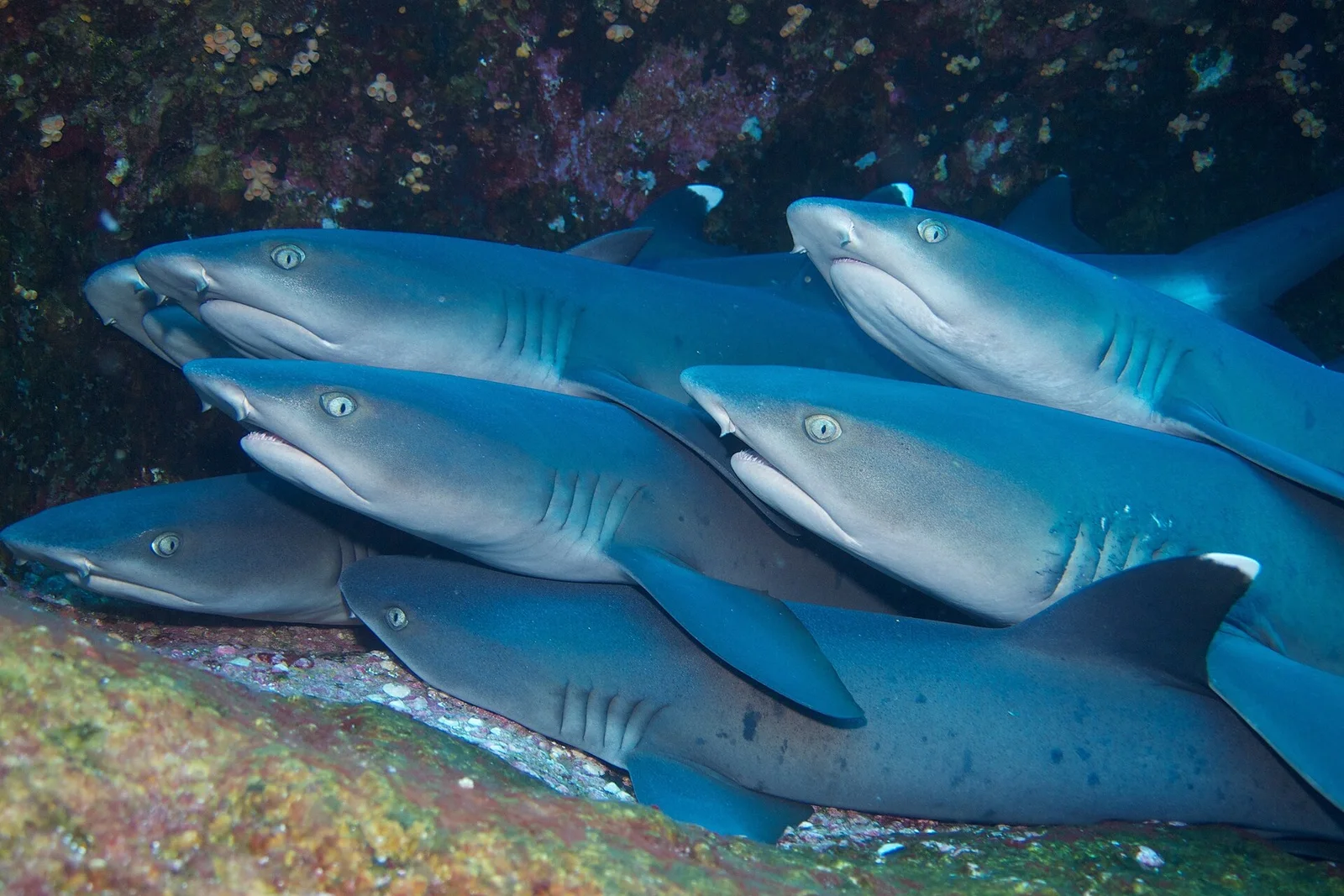
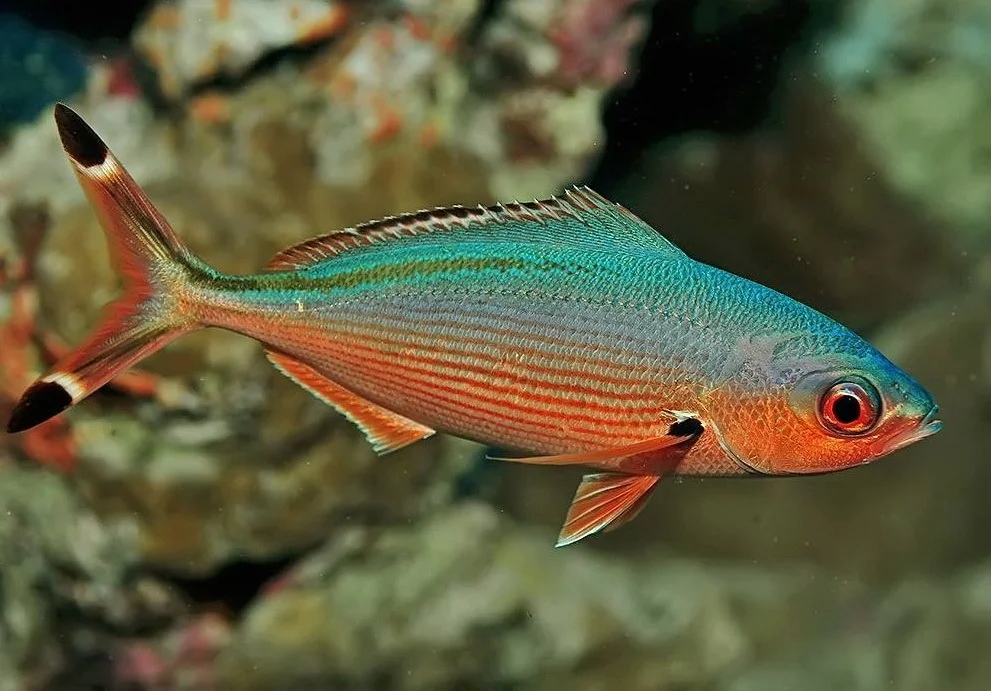
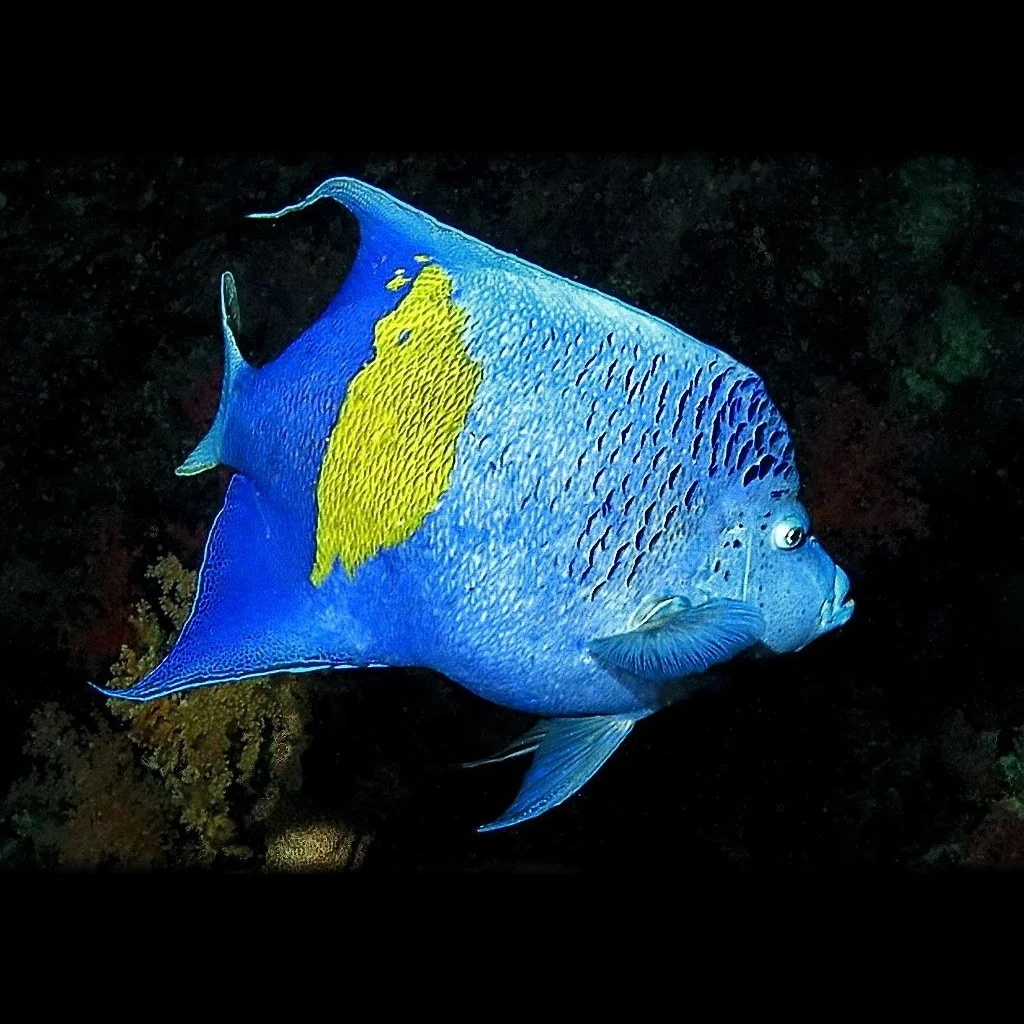
Dense Acropora thickets shelter hundreds of blue-green chromis, humbug damselfish, and flame angelfish that rise and vanish in synchronized pulses above the wings. Lionfish and squirrelfish occupy shaded pockets around the radial engines and pontoon float, while yellowtail fusiliers and occasional whitetip reef sharks cruise along the sand perimeter.
Dive Sites Near Central Mavis Seaplane Wreck
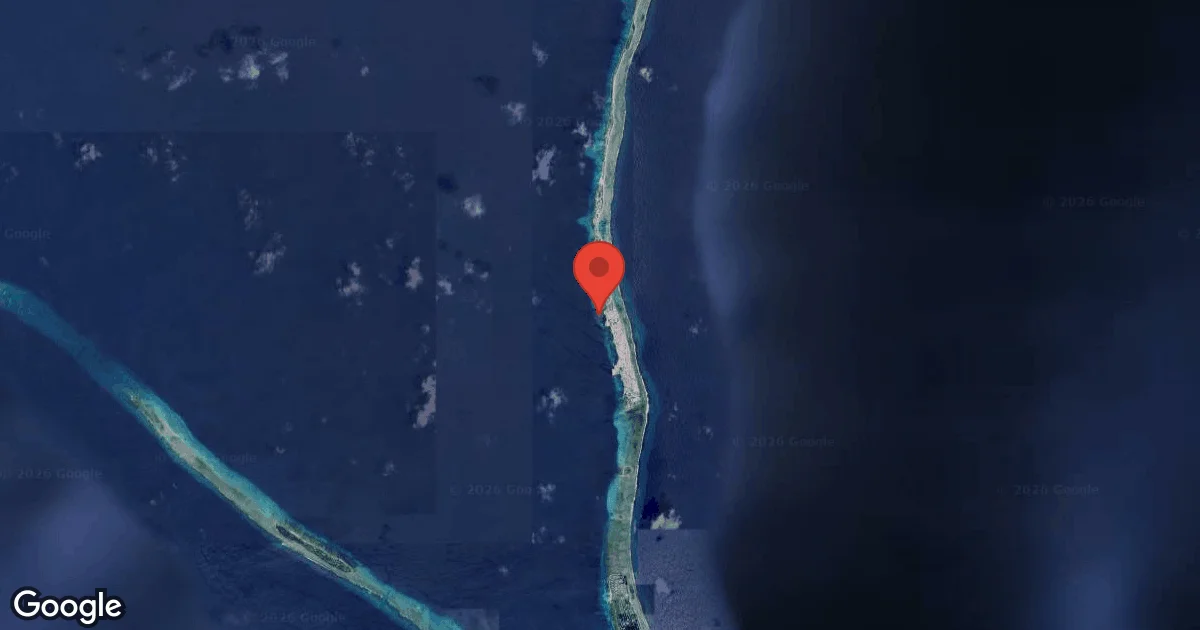
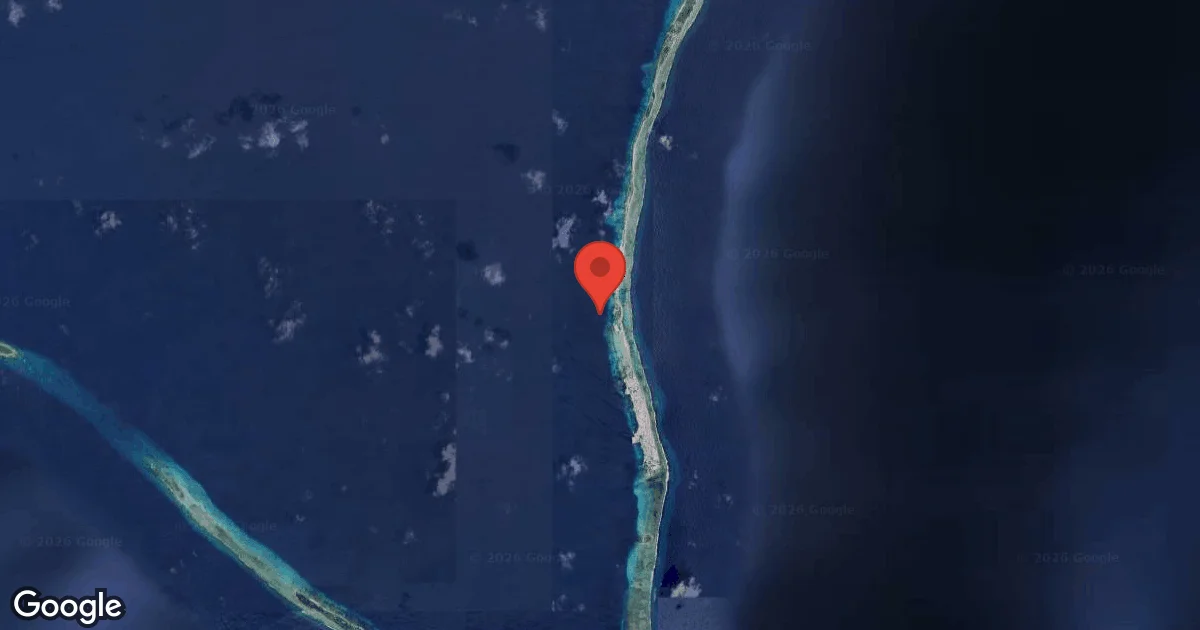
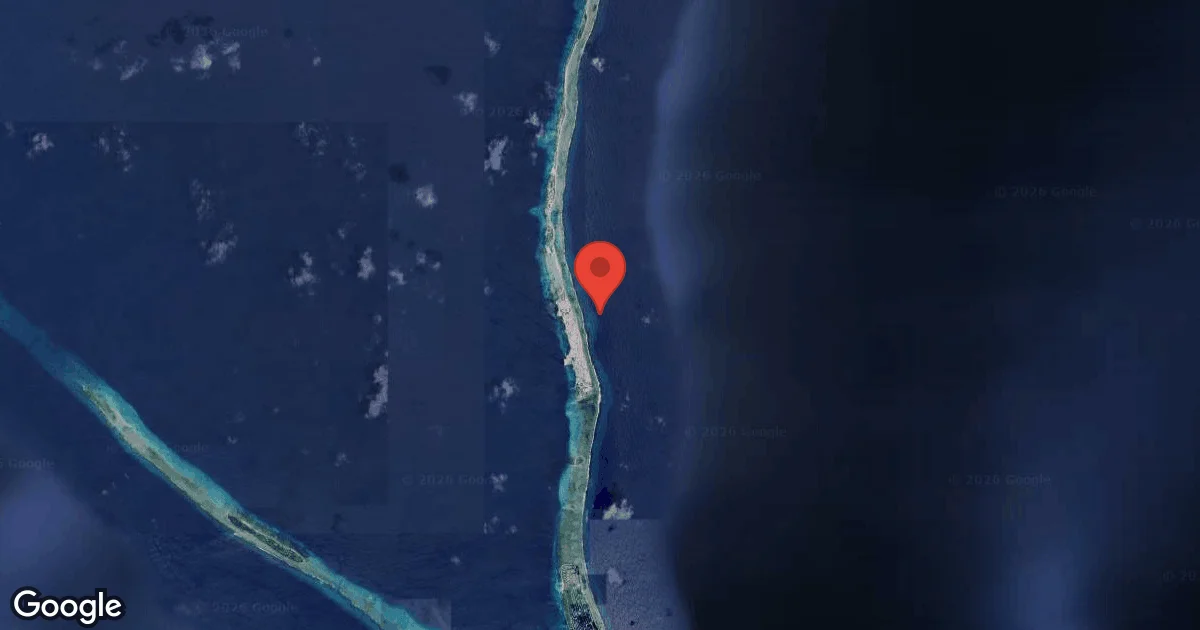
View all dive sites in Marshall IslandsDiscover more underwater gems in this area.
Dive Centers Near Central Mavis Seaplane Wreck
No Dive Centers Local To Central Mavis Seaplane Wreck
Are you a dive center visiting this location? Get listed to reach divers.
Nearest Airports
Nearest airports to help plan travel to this dive area.
Frequently Asked Questions
How deep is Central Mavis Seaplane Wreck?
The flying boat lies on a gently sloping sandy seabed between 16.8 and 22.9 meters (55 to 75 feet).
What combat damage is visible on the aircraft?
Divers can clearly trace strafing bullet holes through the forward aluminum fuselage right beside intact glass nose windows and the open bow gun mount.
Why is Central Mavis more colorful than North Mavis?
Shallower depth and favorable water movement have fostered lush branching and table Acropora coral colonies across the entire inverted parasol wing.
When did the aircraft sink?
It was destroyed at its Ebeye seaplane mooring on February 1, 1942 by carrier planes from USS Enterprise (CV-6).
Is Central Mavis accessible to Open Water divers?
Confident Open Water divers with good buoyancy control and at least 15 logged dives can explore the upper 18-meter wing, though Advanced Open Water training is recommended for the full 23-meter profile.
How close is the site to Ebeye Main Pier?
It sits roughly 180 meters north of Ebeye Main Pier and about 275 meters offshore, requiring active boat-traffic awareness and an SMB on ascent.
Planning to dive Central Mavis Seaplane Wreck?
Tell us your dates and diving needs. We'll review your request and seek offers from relevant local dive centers.
Request Dive OffersConditions are Moderate
Optimal conditions expected
Current conditions near Central Mavis Seaplane Wreck show 28° air, 29° sea temperature, N/A waves, and 30 km/h wind. Forecast data is refreshed regularly to ensure accuracy.