
Diving at Main Ebeye Seaplane Ramp (Marshall Islands)
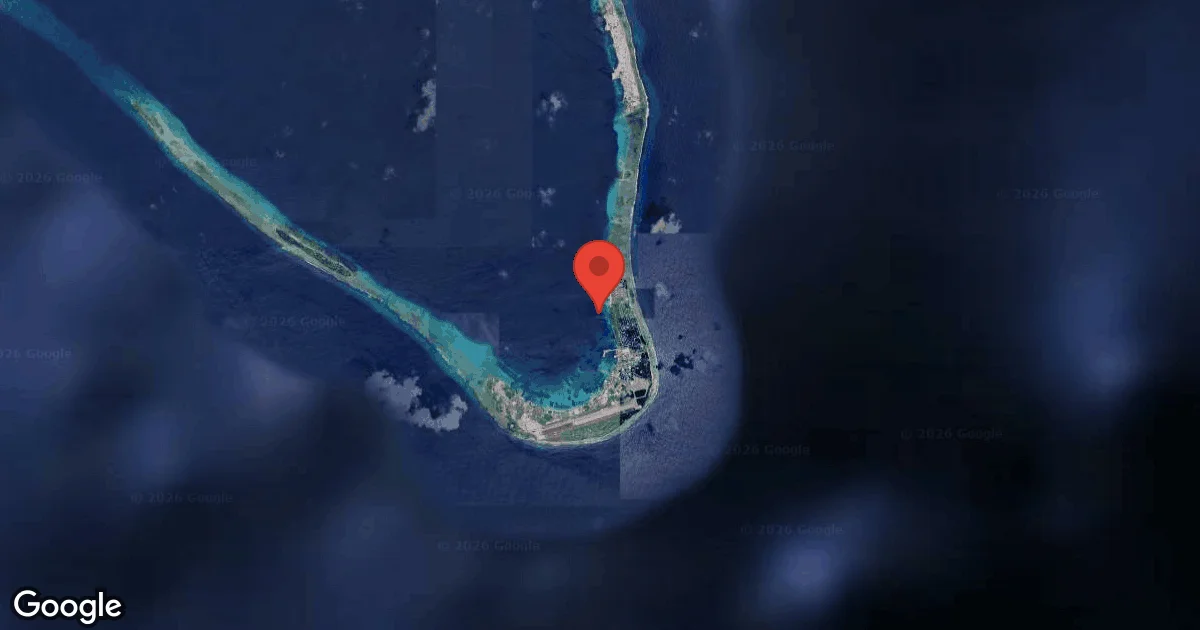
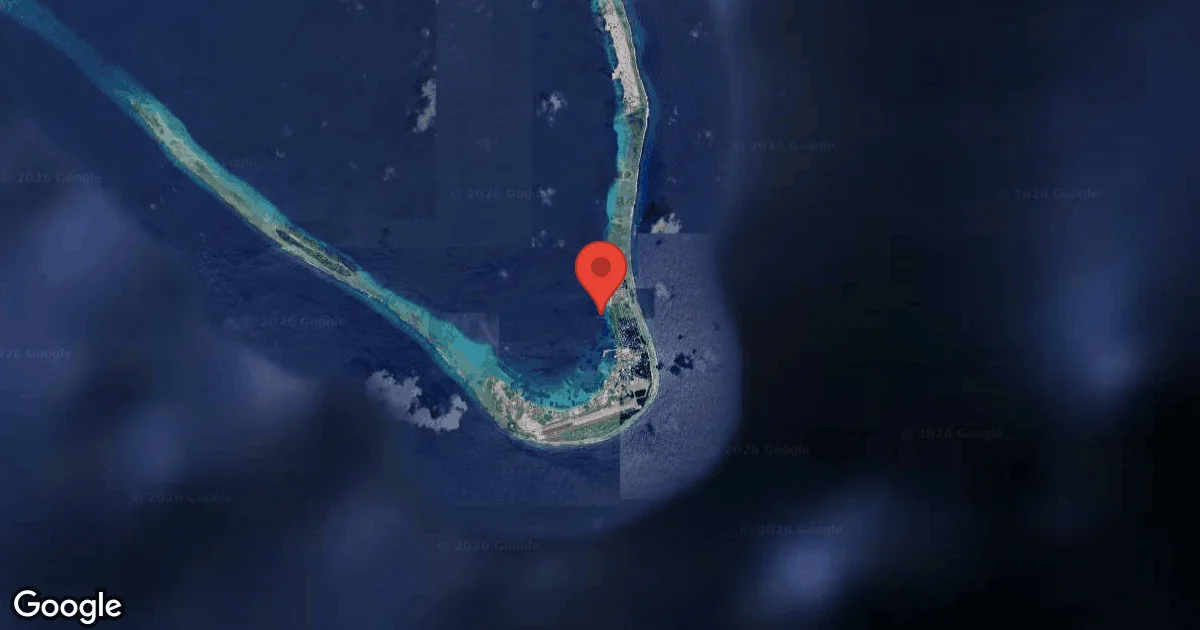
Sloping from Ebeye's lagoon shoreline into 15 meters of calm water, Main Ebeye Seaplane Ramp showcases pre-war Imperial Japanese military engineering—massive jigsaw-notched concrete slabs laid over hand-fitted coral rubble, punctuated by 1944 bomb craters, hasty wartime concrete patches, and strictly off-limits artillery ordnance.
Midday environmental data at Main Ebeye Seaplane Ramp reports an ambient temperature of 28°C. Surface tracking indicates wave heights of approximately 1.2 m. This summarizes the present water and weather conditions.
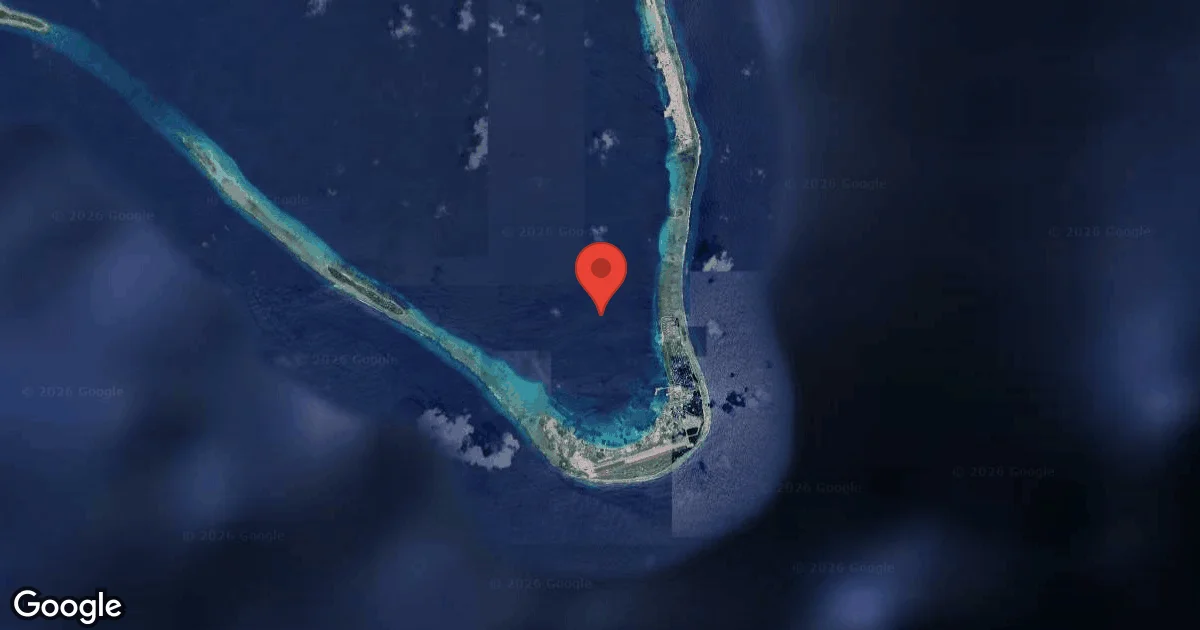
Dive Site Location & Key Facts
Dive Site Overview
Constructed prior to World War II when Japan fortified Ebeye as the primary flying-boat station of the central Marshall Islands, Main Ebeye Seaplane Ramp (MI-KW-LA-006) hauled giant four-engine Kawanishi H6K and H8K flying boats out of Kwajalein Lagoon onto concrete servicing aprons. To withstand typhoon surge without shifting, Japanese engineers built a hand-laid coral-stone foundation capped with heavy poured-concrete blocks cast with interlocking jigsaw notches.
Swimming down the submerged incline from 2 to 15 meters reveals every phase of the base's wartime history: early raid craters patched with rough wartime concrete by Japanese repair crews, deeper February 1944 Operation Flintlock bomb impacts that shattered the lower apron slabs, twisted steel handling rails, and intact rifled artillery projectiles resting on the adjacent sand. Because live unexploded ordnance remains present near the ramp toe, the site demands disciplined visual-only archaeological observation.
Conditions are Moderate
Optimal conditions expected
Current conditions near Main Ebeye Seaplane Ramp show 28° air, 29° sea temperature, 1.3 m waves, and 29 km/h wind. Forecast data is refreshed regularly to ensure accuracy.
Best Time to Dive
Dry northeast trade winds between December and April keep Ebeye's western lagoon edge calm and maximize near-shore water clarity at 12 to 18 meters, especially on incoming high tides that flush clean ocean water across the inner reef flat.
PEAK SEASON SCORE
Scores combine air & water temps, waves, wind & rainfall for overall conditions.
BEST MONTHS TO DIVE
Monthly records compiled from satellite and marine observation nodes over the last 3 years. Data provided by Open-Meteo and MET Norway.
Dive Experience & Conditions
Divers enter from a skiff anchored clear of the toe or wade carefully down the upper ramp edge at high tide, following the jigsaw-keyed concrete joints outward to the bomb-cratered terminus around 12 to 15 meters. Currents are virtually absent, allowing meticulous study of the notched slab construction before ascending slowly up the shallow coral-colonized concrete.
Dive Difficulty & Safety Guidelines
Unexploded rifled naval shells and wartime munitions have been documented on the seabed beside the ramp: maintain neutral buoyancy at least two meters off the bottom around suspect metal cylinders, never touch or fan silt near ordnance, and keep hands off sharp rebar and contemporary shoreline debris. Coordinate shore or boat access locally on Ebeye and carry a surface marker buoy to stay visible to small skiffs.
Recommended Equipment
- Dive Computer
- DSMB
- Hard-soled Dive Boots
This gear list is based on verified equipment signals for Main Ebeye Seaplane Ramp, Marshall Islands. Always confirm final gear choices with your dive operator, guide, or liveaboard.
Recommended Dive Suit
Water temperatures at Main Ebeye Seaplane Ramp are currently estimated to be around 29°C (85°F), shaping the overall diving conditions for today. Surface air temperatures are resting at 28°C (83°F).
Dive skin or rash guard is generally considered suitable for water temperatures like this. Consider warmer surface protection (like a boat coat) due to brisk winds.
Conditions in the coming days are expected to stay within a similar temperature range.
Emergency & Medical Support
Essential information to help you plan your dive trip to Main Ebeye Seaplane Ramp.

Hyperbaric chambers are a critical part of dive safety infrastructure. Availability varies significantly by region, and not all dive areas have immediate access.
Before diving, it's recommended to:
- confirm nearest medical facilities
- check emergency procedures with local dive operators
- ensure dive insurance covers evacuation if required
Divers Alert Network
Diving emergency assistance available through DAN World.
+1-919-684-9111- 24/7 emergency hotline
- Diving medical assistance
- Evacuation coordination
Emergency contacts are provided for reference. Always verify local emergency services before diving.
Marine Life at Main Ebeye Seaplane Ramp
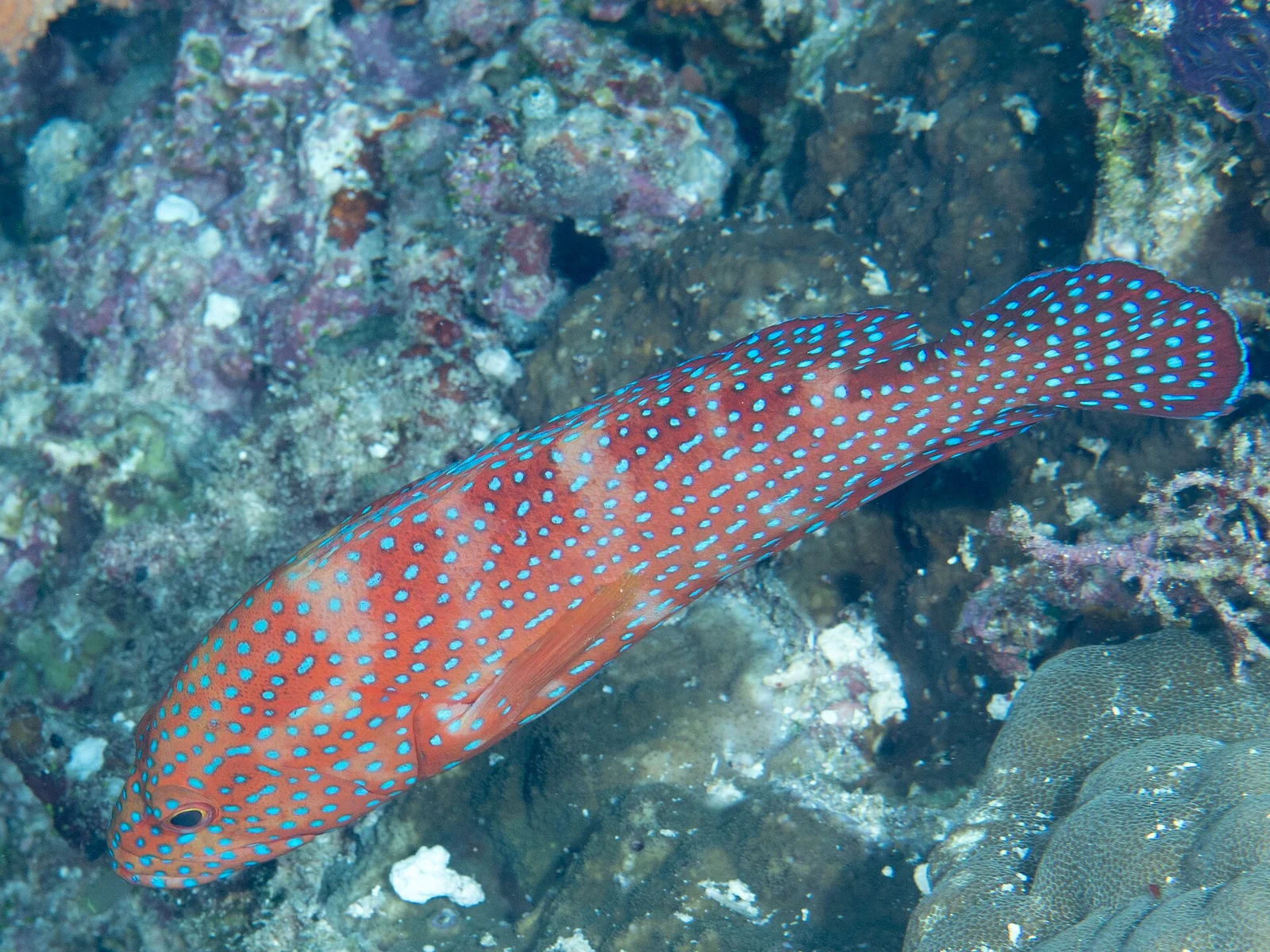
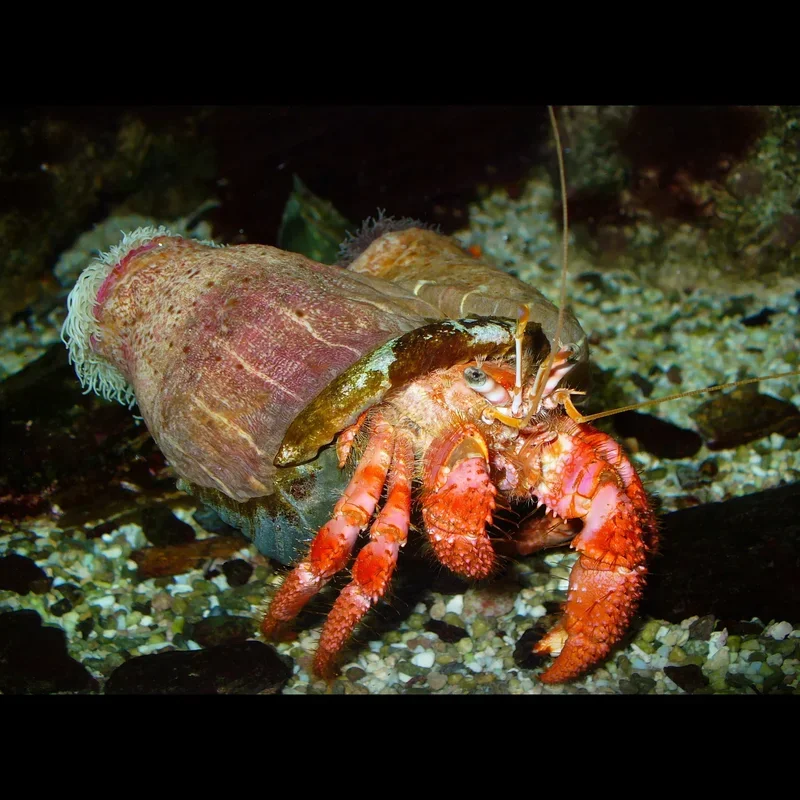
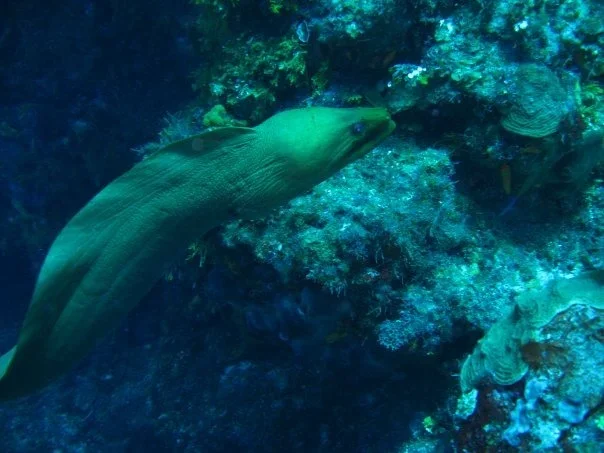
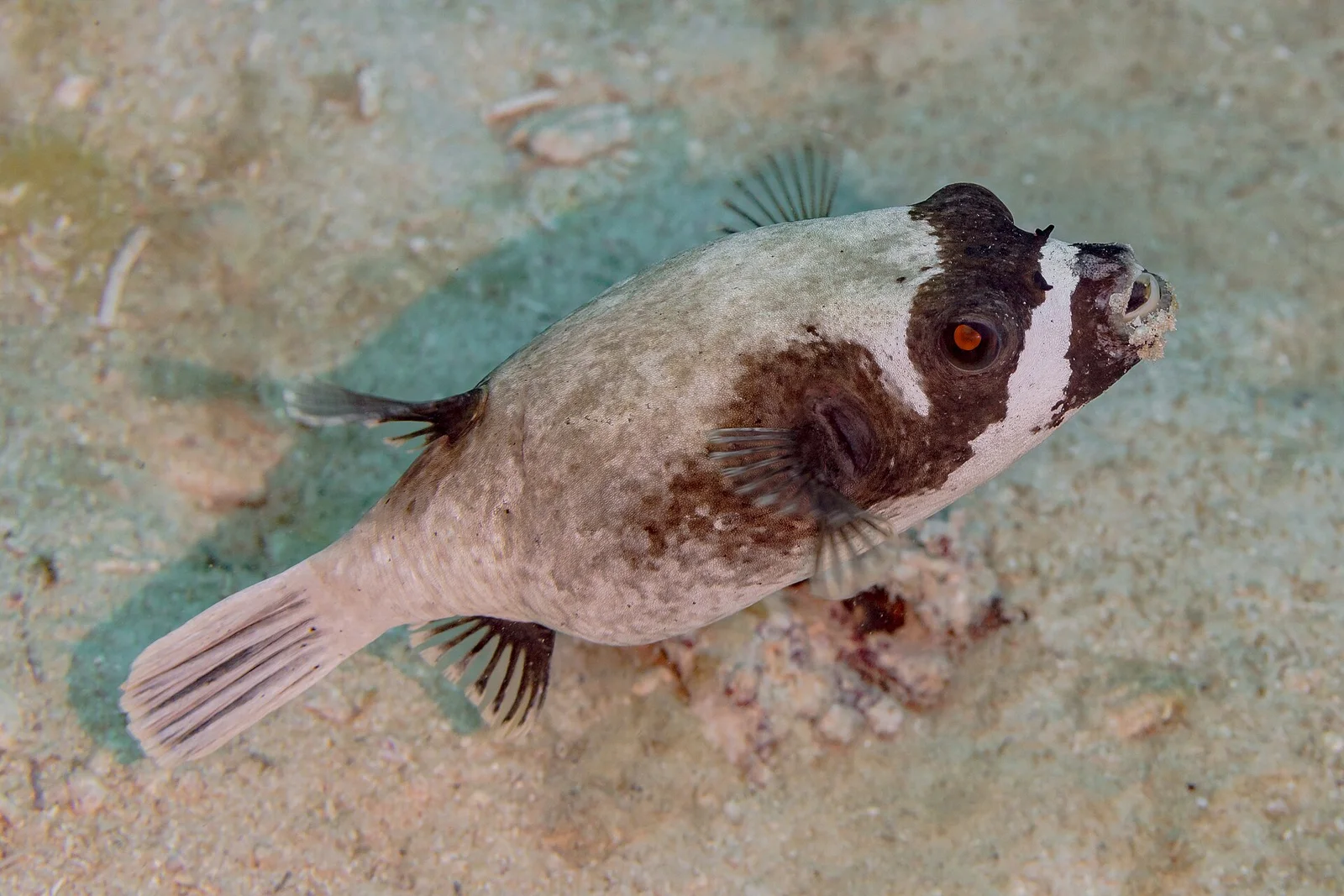
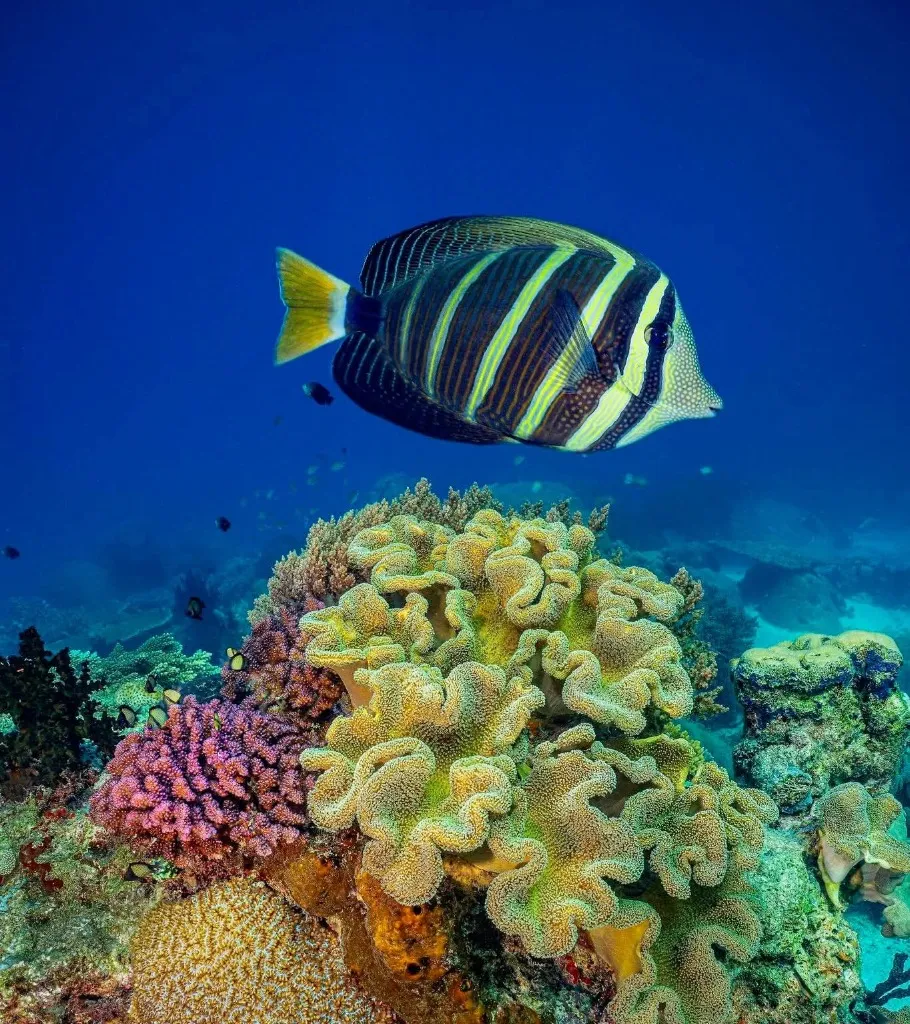
Hard coral colonies, turf algae, and encrusting sponges coat the notched concrete slabs, attracting grazing schools of convict tangs, parrotfish, and Moorish idols. Snowflake morays, peacock groupers, lionfish, and blue-spotted tobies shelter inside bomb-blasted undercuts beneath the displaced ramp blocks.
Dive Sites Near Main Ebeye Seaplane Ramp
View all dive sites in Marshall IslandsDiscover more underwater gems in this area.
Dive Centers Near Main Ebeye Seaplane Ramp
No Dive Centers Local To Main Ebeye Seaplane Ramp
Are you a dive center visiting this location? Get listed to reach divers.
Nearest Airports
Nearest airports to help plan travel to this dive area.
Frequently Asked Questions
What makes the concrete construction of Main Ebeye Seaplane Ramp unusual?
Pre-war Japanese engineers cast the massive underwater concrete slabs with interlocking jigsaw-style notches over a hand-laid rubble bed so waves and heavy four-engine flying boats could not shift the slipway.
How deep is the submerged seaplane ramp?
The slipway slopes steadily from the intertidal shoreline to roughly 10 meters, with bomb-blasted slabs and associated wartime debris extending onto the sand down to 15 meters.
Why is unexploded ordnance caution emphasized here?
Archaeological surveys documented intact rifled naval artillery projectiles lying near the ramp perimeter from the heavy 1944 bombardment of Ebeye, requiring strict hands-off buoyancy control.
Which aircraft operated from this ramp during World War II?
Imperial Japanese Navy Kawanishi H6K 'Mavis' and H8K 'Emily' four-engine flying boats, along with smaller floatplanes, used the slipway until early 1944.
When is visibility clearest on the ramp?
Incoming high tide during the December-to-April northeast trade-wind season brings the cleanest lagoon water onto Ebeye's shoreline.
Can artifacts or shell casings be recovered from the seabed?
No. Both safety imperatives around live munitions and Marshall Islands historic preservation law forbid touching or removing any wartime material.
Planning to dive Main Ebeye Seaplane Ramp?
Tell us your dates and diving needs. We'll review your request and seek offers from relevant local dive centers.
Request Dive OffersConditions are Moderate
Optimal conditions expected
Current conditions near Main Ebeye Seaplane Ramp show 28° air, 29° sea temperature, 1.3 m waves, and 29 km/h wind. Forecast data is refreshed regularly to ensure accuracy.