
Diving at Akibasan Maru – P-Buoy Wreck (Marshall Islands)
Rising upright from a 48.8-meter lagoon floor with tall cargo kingposts reaching 20 meters, the 4,607-ton Mitsui freighter Akibasan Maru—known locally as the P-Buoy Wreck—is Kwajalein Atoll's premier deep merchant shipwreck, complete with Mitsui funnel insignia, shell-packed bow ammo boxes, caulked teak aft decking, and stowed Japanese floatplane wings inside her cargo holds.
During this afternoon at Akibasan Maru – P-Buoy Wreck, the recorded air temperature stands at 28°C. The water surface currently features wave heights of 1.3 m. These conditions reflect the midday climate for this dive site.
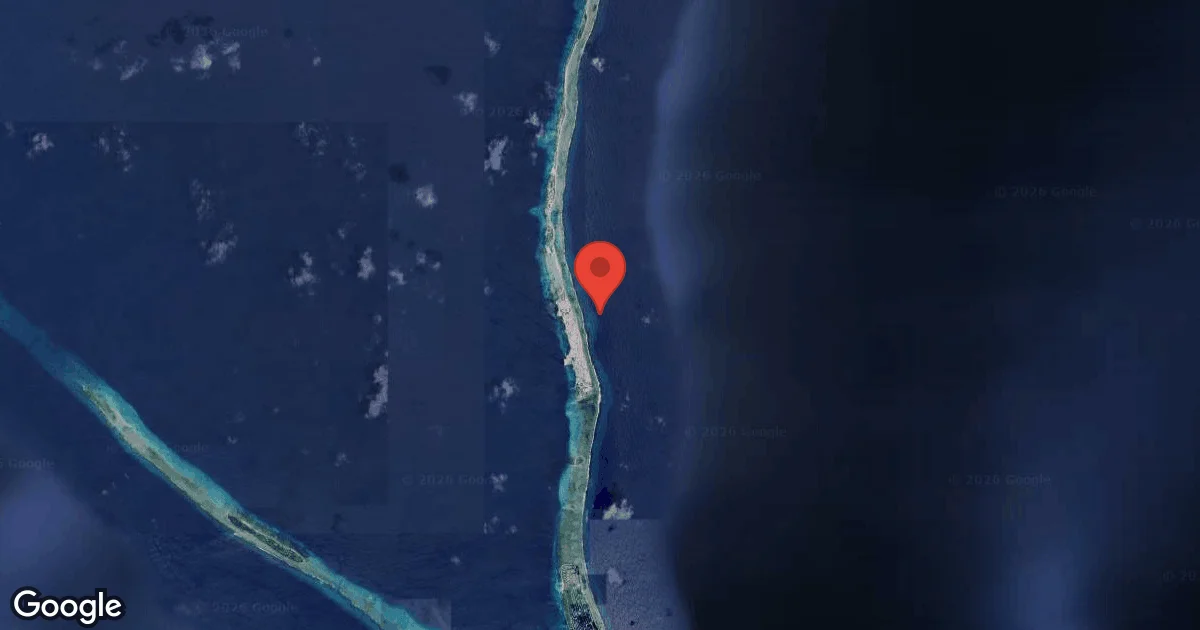
Dive Site Location & Key Facts
Dive Site Overview
Built in 1924 as a 118.6-by-15.2-meter (4,607 GRT) steel cargo steamer for Mitsui Bussan Kaisha and requisitioned by the Imperial Japanese Army/Navy transport service, Akibasan Maru (MI-KW-LA-010) was caught at anchor in southern Kwajalein Lagoon during the intense pre-invasion carrier air strikes of January 30, 1944. Bomb hits sent the big freighter straight to the bottom on an even keel in 46 to 48.8 meters of water, where a post-war navigation marker earned her the local nickname P-Buoy Wreck.
Because she settled upright without capsizing, the ship reads like a full-scale maritime museum. Her towering kingposts climb to roughly 20 meters, while the raked bow sits at 36.5 meters topped by an empty 75 mm gun pedestal still ringed by ready-use ammunition boxes containing live artillery shells. Five cavernous cargo holds gape along the deck—one holding aircraft wings and pontoons identified as Yokosuka E14Y 'Glen' submarine-floatplane assemblies and seaplane spares—leading aft past the central superstructure (bearing the raised Mitsui diamond emblem on the stack casing) to remarkably preserved caulked teakwood planking on the fantail and a towering rudder and propeller at 48 meters.
Conditions are Moderate
Optimal conditions expected
Current conditions near Akibasan Maru – P-Buoy Wreck show 28° air, 30° sea temperature, 1.4 m waves, and 31 km/h wind. Forecast data is refreshed regularly to ensure accuracy.
Best Time to Dive
Southern Kwajalein Lagoon offers 20 to 30 meters of blue water year-round, with calmest boat runs occurring during stable northeast trades from December to April and during the tranquil late-summer months of August through October.
PEAK SEASON SCORE
Scores combine air & water temps, waves, wind & rainfall for overall conditions.
BEST MONTHS TO DIVE
Monthly records compiled from satellite and marine observation nodes over the last 3 years. Data provided by Open-Meteo and MET Norway.
Dive Experience & Conditions
At 118.6 meters in length and 36 to 49 meters to the main decks and seabed, Akibasan Maru cannot be covered in a single dive. Recreational deep-certified divers staying within 36 to 40 meters focus on the bow gun platform, forward holds, central bridge/funnel insignia, and coral-festooned kingposts, while technical decompression teams on twinsets or rebreathers explore the 45-meter floatplane cargo holds and 48-meter stern propeller.
Dive Difficulty & Safety Guidelines
Strict depth, gas, and decompression management are mandatory: the main deck sits below 35 meters and the sand reaches nearly 49 meters, placing hold exploration and the stern propeller firmly in technical decompression territory. Never touch the live 75 mm shells in the bow ready-service lockers, avoid silting enclosed tween-decks without full wreck-penetration training and guideline reels, and ascend up the mooring line for staged stops.
Recommended Equipment
Technical depth range. Advanced planning, gas management, and appropriate certification required.
Overhead / entanglement risk. Wreck penetration requires proper training.
- Dive Computer
- DSMB
- Primary & Backup Lights
- Wreck Reel
- Cutting Tool
This gear list is based on verified equipment signals for Akibasan Maru – P-Buoy Wreck, Marshall Islands. Always confirm final gear choices with your dive operator, guide, or liveaboard.
Recommended Dive Suit
Short-term weather patterns suggest stable conditions for divers visiting the area.
Thermal protection such as dive skin or rash guard is commonly used in similar temperatures. Consider warmer surface protection (like a boat coat) due to brisk winds.
Recent environmental data from Akibasan Maru – P-Buoy Wreck indicates water temperatures near 30°C (85°F). Surface air temperatures are resting at 28°C (83°F).
Emergency & Medical Support
Essential information to help you plan your dive trip to Akibasan Maru – P-Buoy Wreck.

Hyperbaric chambers are a critical part of dive safety infrastructure. Availability varies significantly by region, and not all dive areas have immediate access.
Before diving, it's recommended to:
- confirm nearest medical facilities
- check emergency procedures with local dive operators
- ensure dive insurance covers evacuation if required
Divers Alert Network
Diving emergency assistance available through DAN World.
+1-919-684-9111- 24/7 emergency hotline
- Diving medical assistance
- Evacuation coordination
Emergency contacts are provided for reference. Always verify local emergency services before diving.
Marine Life at Akibasan Maru – P-Buoy Wreck
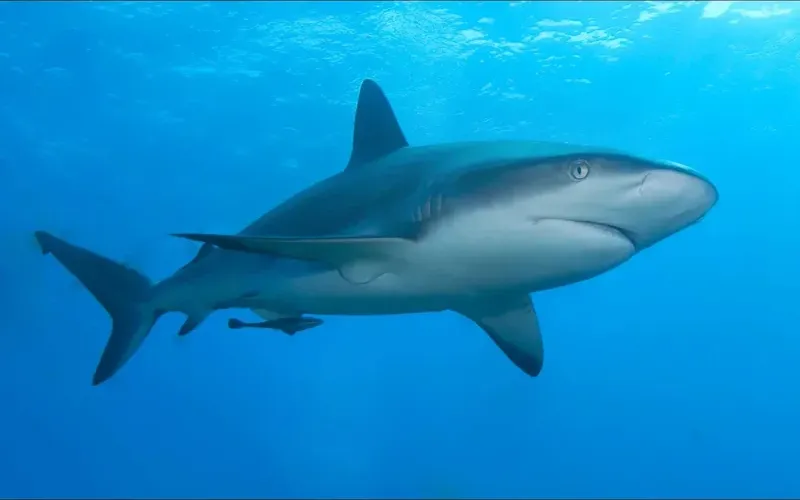
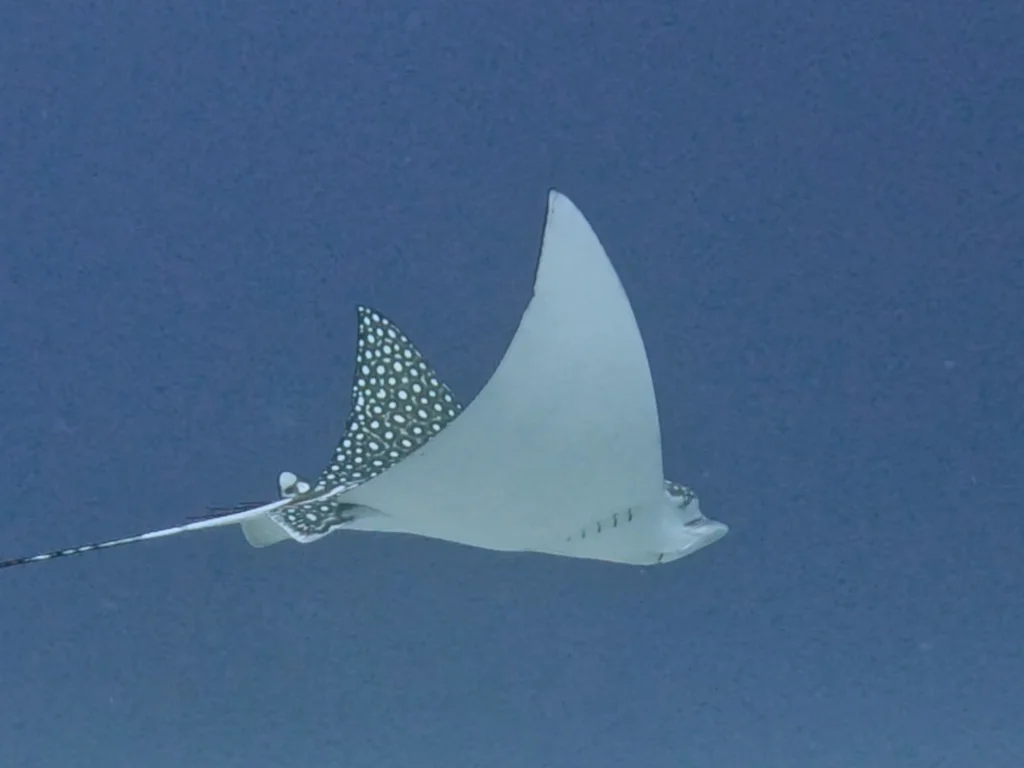
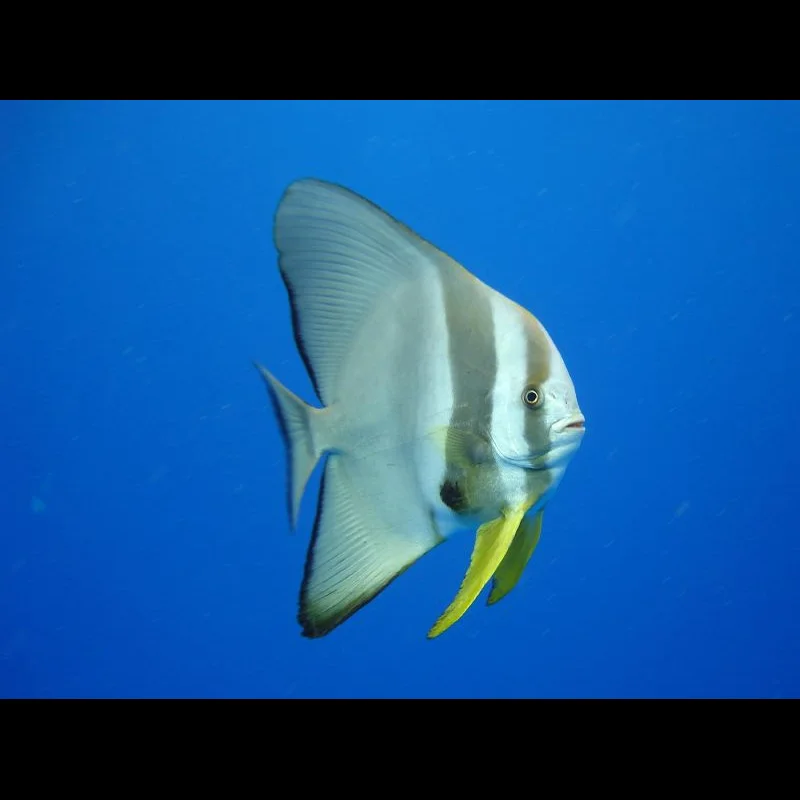
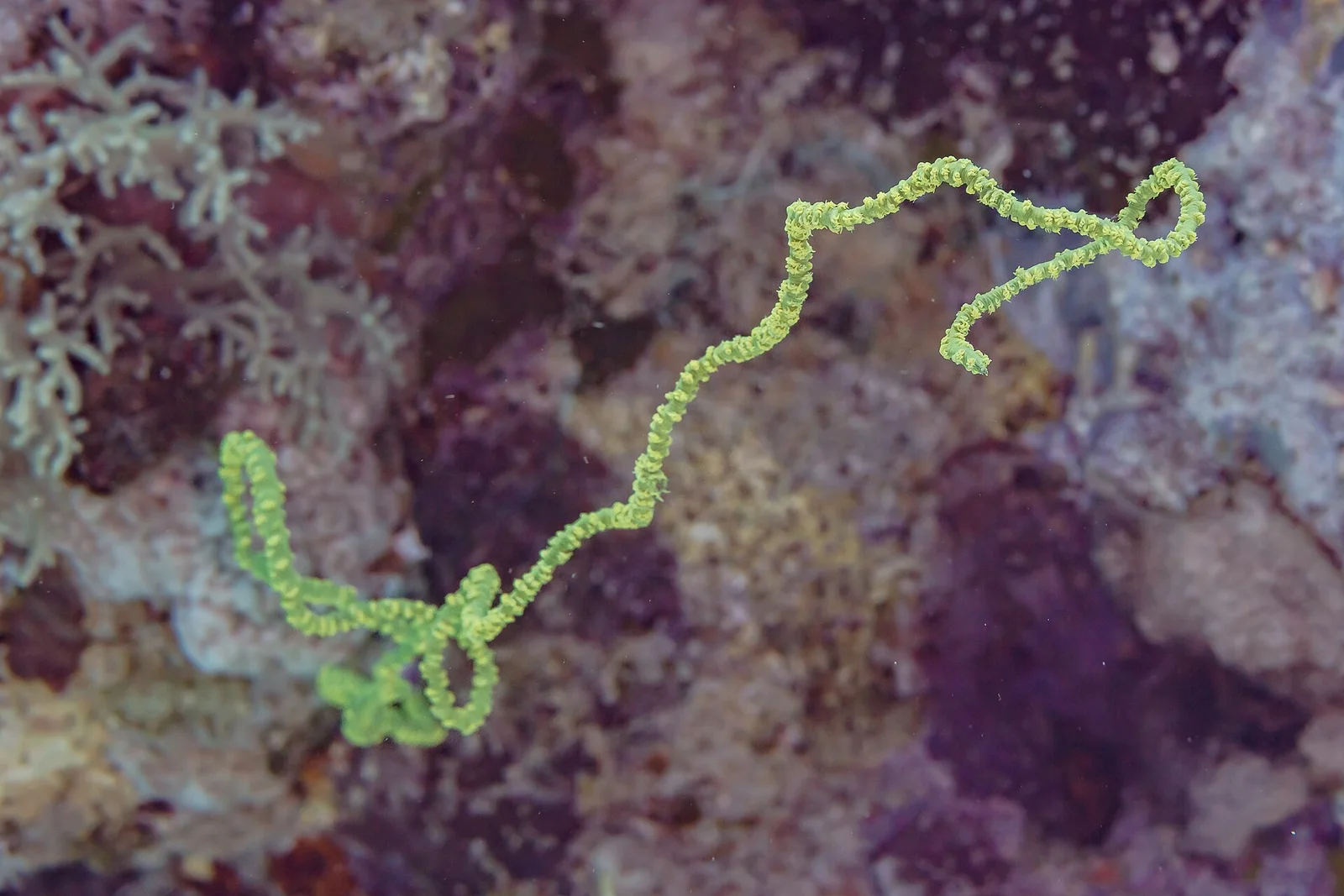
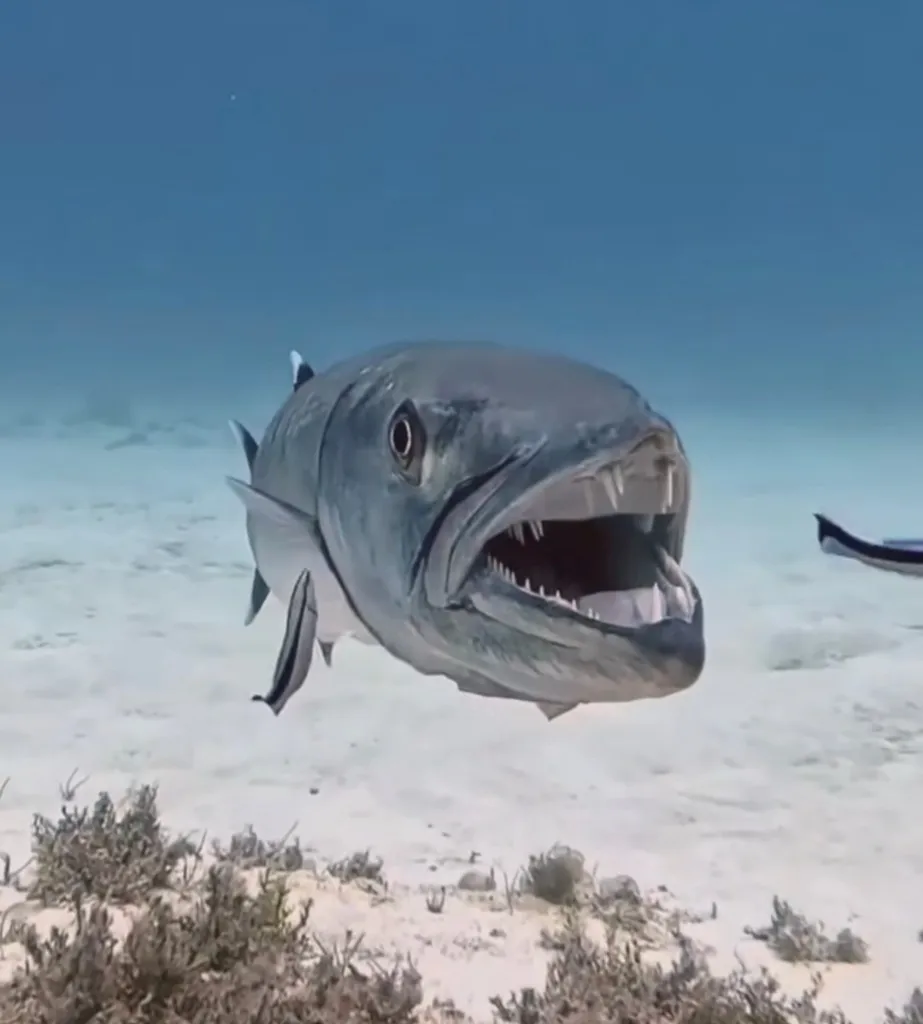
The freighter's tall kingposts and bridge wings act as a pelagic magnet in the open lagoon basin. Squadrons of spotted eagle rays, schools of teira batfish, great barracudas, and bigeye trevallies orbit the masts at 20 to 30 meters, while grey reef sharks patrol the bow and giant groupers lurk around the rudder and cargo coamings.
Dive Sites Near Akibasan Maru – P-Buoy Wreck
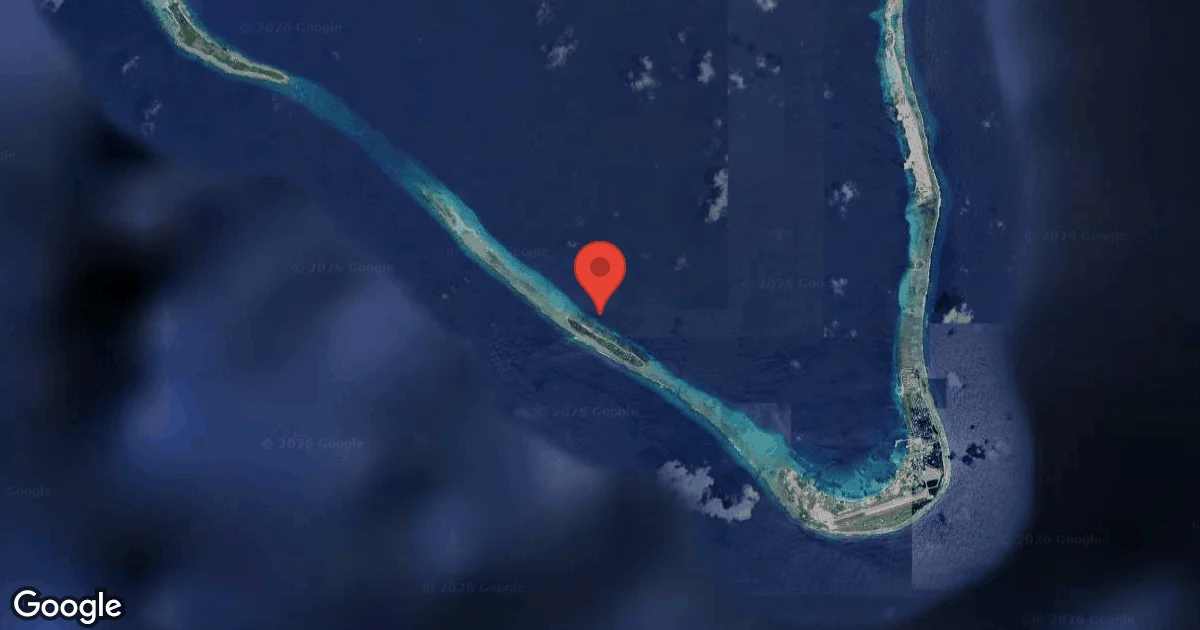
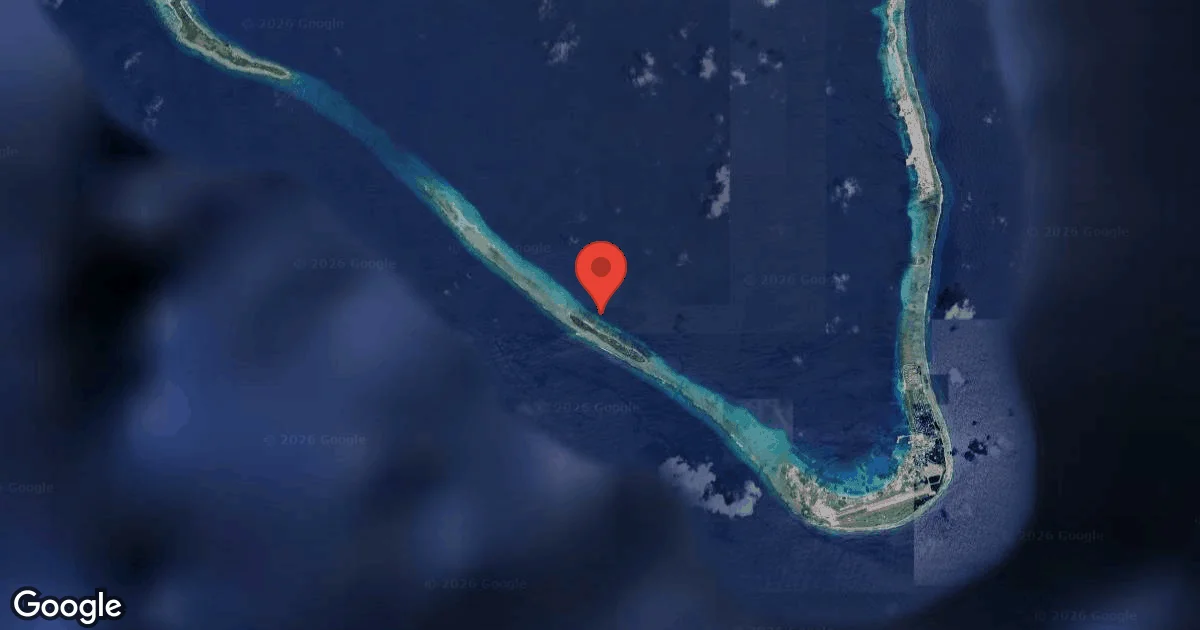
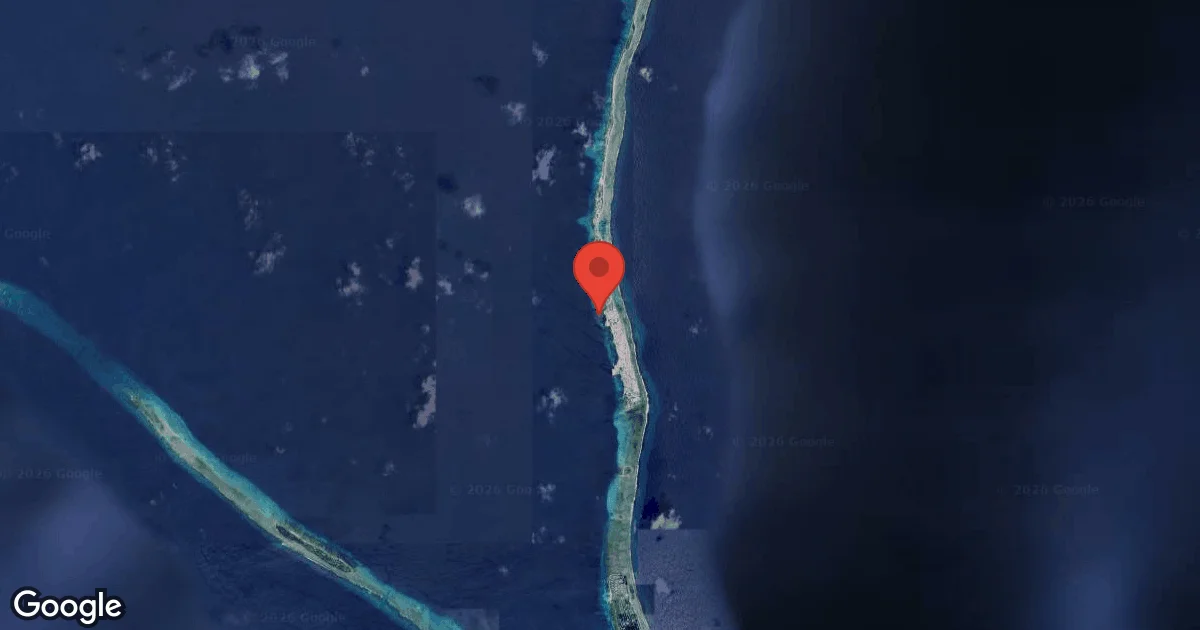
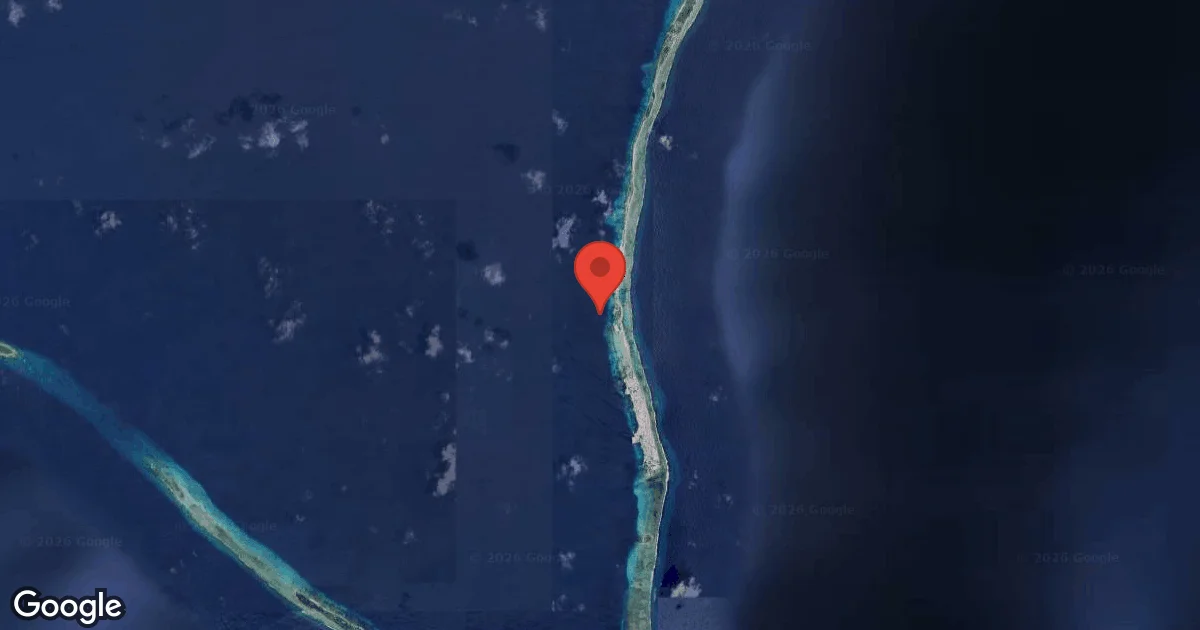
View all dive sites in Marshall IslandsDiscover more underwater gems in this area.
Dive Centers Near Akibasan Maru – P-Buoy Wreck
No Dive Centers Local To Akibasan Maru – P-Buoy Wreck
Are you a dive center visiting this location? Get listed to reach divers.
Nearest Airports
Nearest airports to help plan travel to this dive area.
Frequently Asked Questions
Why is Akibasan Maru also called the P-Buoy Wreck?
For decades a harbor navigation buoy designated 'P-Buoy' marked her position along the southern Kwajalein Lagoon shipping channel.
How deep is Akibasan Maru?
Her cargo kingposts rise to about 20 meters, the bow and main decks sit between 35 and 38 meters, and the sandy seabed at the stern propeller reaches 46 to 48.8 meters.
What aircraft wreckage lies inside her cargo holds?
One of the cargo holds contains Japanese floatplane wings and pontoons—linked in modern surveys to Yokosuka E14Y1 'Glen' reconnaissance floatplanes and seaplane spare parts.
When was Akibasan Maru sunk?
United States Navy carrier aircraft bombed and sank the 4,607-ton Mitsui freighter at anchor on January 30, 1944 at the opening of Operation Flintlock.
Can non-technical divers visit Akibasan Maru?
Divers holding a Deep Diver specialty can inspect the kingposts, upper bridge/stack structure, and 36.5-meter bow within strict 40-meter limits, while the deeper holds and 48-meter propeller require technical decompression certification.
Is live ammunition still present on the ship?
Yes. Ready-service lockers around the empty 75 mm bow gun mount still hold live wartime shells that must never be touched or disturbed.
Planning to dive Akibasan Maru – P-Buoy Wreck?
Tell us your dates and diving needs. We'll review your request and seek offers from relevant local dive centers.
Request Dive OffersConditions are Moderate
Optimal conditions expected
Current conditions near Akibasan Maru – P-Buoy Wreck show 28° air, 30° sea temperature, 1.4 m waves, and 31 km/h wind. Forecast data is refreshed regularly to ensure accuracy.