
Diving at Cenote Don Polo (Mexico)
Divers looking to explore Mexico's underwater cave systems will find Cenote Don Polo offers an accessible entry into the unique world of cenote diving. Its cavern environment provides ample space, making it a suitable choice for certified open water divers seeking to expand their experience in overhead environments. For those still honing buoyancy control, the more expansive sections can ease the transition into cavern exploration, while advanced divers can appreciate the geological formations without the typical demands of tighter cave systems.
Evening condition tracking at Cenote Don Polo features an air temperature of 25.5°C. We have recorded wave heights measuring 0.9 m during this period. These figures outline the environmental parameters currently present.
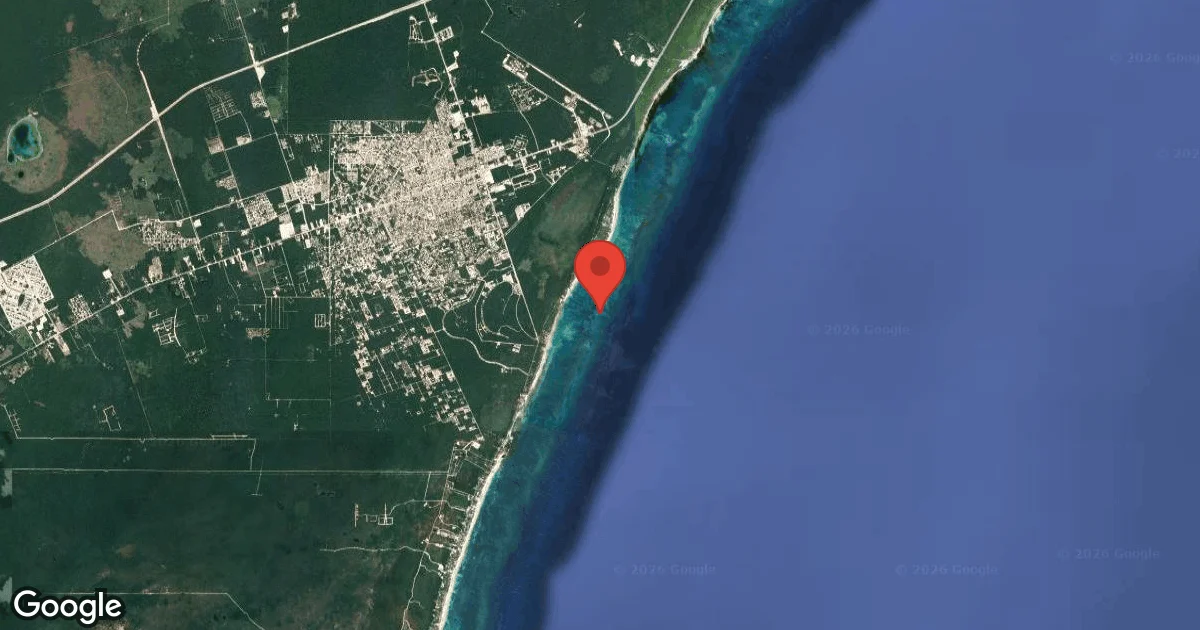
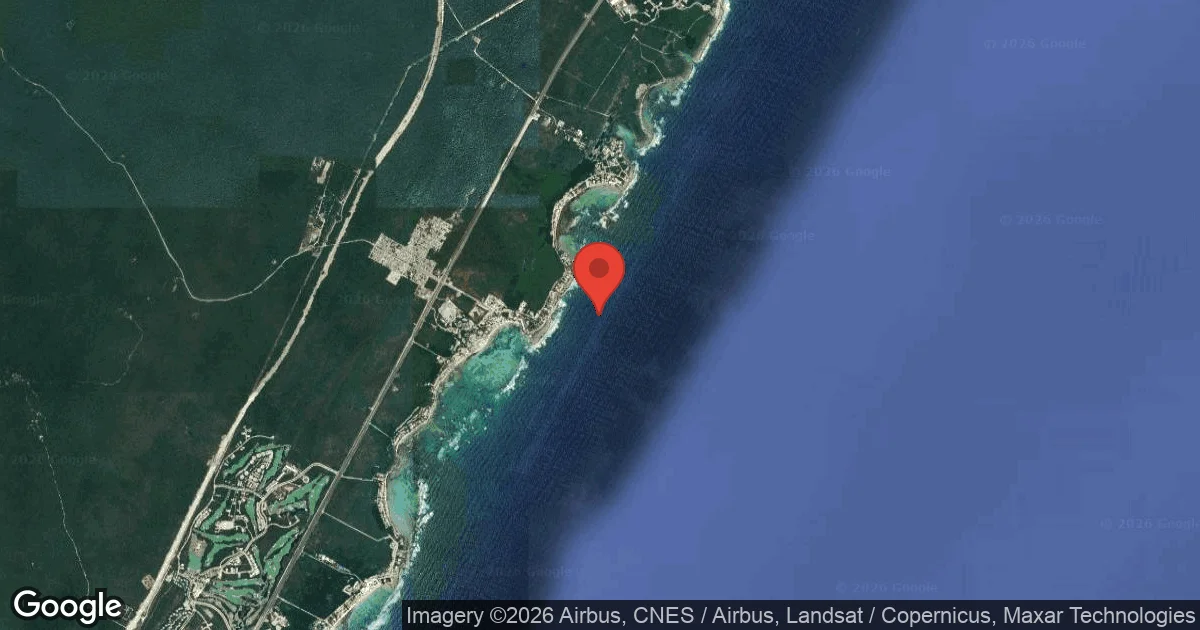
Dive Site Location & Key Facts
Dive Site Overview
Mexico's cenotes, ancient freshwater sinkholes, were historically significant as sacred sites and water sources for the Mayan civilization. Cenote Don Polo, like many others, formed from collapsed limestone bedrock, revealing intricate subterranean passages filled with freshwater.
A dive here reveals geological artistry, showcasing a natural landscape sculpted by millennia of water erosion. You can expect to encounter unique formations such as stalactites and stalagmites that have grown over thousands of years. The water temperature within most cenotes, including this one, typically remains around 25°C (77°F), providing a consistent and comfortable dive experience.
Visibility in these subterranean pools often exceeds expectations, creating a sense of clarity in the freshwater environment. Diving these cenotes connects you to both the geological history and cultural heritage of the Yucatán Peninsula.
Conditions are Good
Optimal conditions expected
Current conditions near Cenote Don Polo show 25° air, 31° sea temperature, 0.5 m waves, and 22 km/h wind. Forecast data is refreshed regularly to ensure accuracy.
Best Time to Dive
Planning your dive around the drier, cooler months generally offers the most pleasant experience both in and out of the water. From December through May, the region experiences lower average rainfall, making surface conditions and access to Cenote Don Polo more consistent. Air temperatures during these months range from approximately 23.5°C (74°F) in January to 28°C (82°F) in May. While dive scores remain good year-round, these periods often coincide with more stable weather patterns. The consistent cenote water temperature around 25°C (77°F) means comfort is maintained regardless of the season, but less rain can mean clearer surface entries and exits.
PEAK SEASON SCORE
Scores combine air & water temps, waves, wind & rainfall for overall conditions.
BEST MONTHS TO DIVE
Monthly records compiled from satellite and marine observation nodes over the last 3 years. Data provided by Open-Meteo and MET Norway.
Dive Experience & Conditions
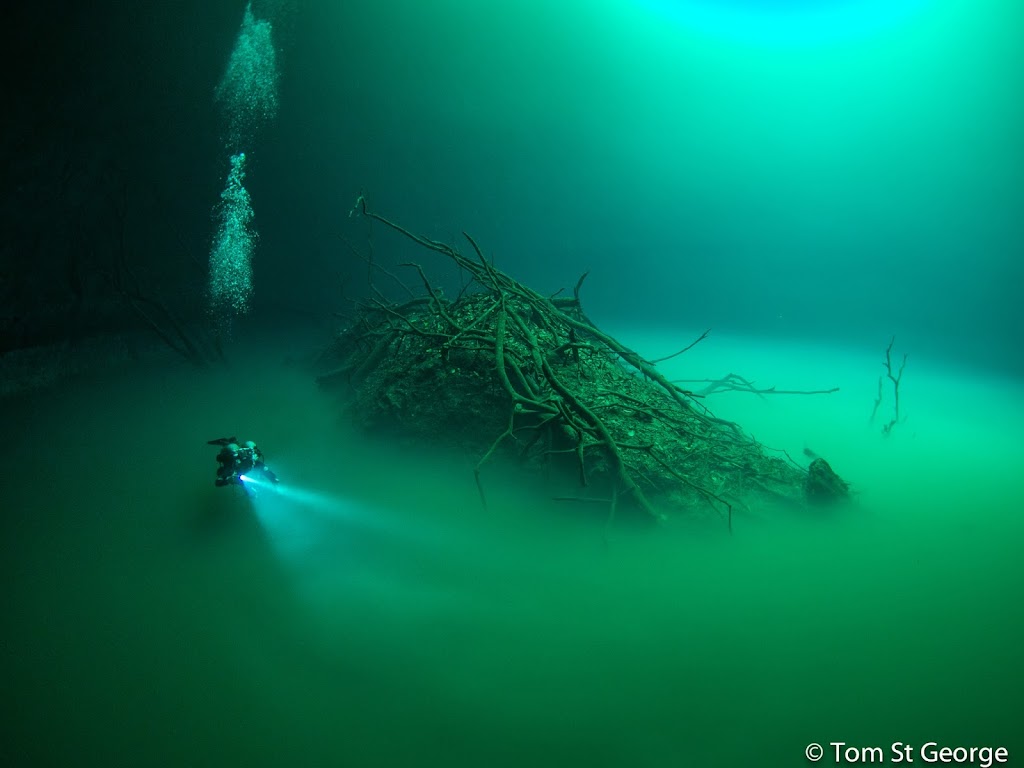
Beginning a dive into Cenote Don Polo typically involves a straightforward entry into the open or semi-open cavern. As you descend, the freshwater environment provides excellent visibility, allowing for clear views of the geological features. Within the cavern, you'll observe formations like stalactites reaching down from the ceiling and potentially stalagmites rising from the floor. The water temperature consistently holds around 25°C (77°F), making for a comfortable dive. Some areas within cenotes may feature a halocline—a visual effect where freshwater meets saltwater, creating a shimmering, blurry layer. Light penetration can vary, with sunlight often creating dramatic beams of light near open sections, contrasting with the darker, more intimate parts of the cavern.
Dive Difficulty & Safety Guidelines
Diving in cenotes requires strict adherence to safety protocols and environmental respect. Maintaining excellent buoyancy control is crucial to protect the delicate formations and avoid stirring up silt, which can severely reduce visibility for all divers. Always follow the guidelines of your certified cenote guide; their local knowledge is invaluable for navigating the unique environment.
Divers should possess appropriate certification for overhead environments, as even accessible cenotes present inherent risks not found in open water. Respecting the marked guidelines and never venturing into unmarked areas or beyond your training is paramount to a safe and enjoyable dive.
Recommended Equipment
- Dive Computer
This gear list is based on verified equipment signals for Cenote Don Polo, Mexico. Always confirm final gear choices with your dive operator, guide, or liveaboard.
Recommended Dive Suit
The latest conditions reported around Cenote Don Polo place the water temperature close to 31°C (87°F). Surface air temperatures are resting at 25°C (78°F).
Many divers choose dive skin or rash guard when diving in similar conditions.
Short-term weather patterns suggest stable conditions for divers visiting the area.
Due to technical issues with our weather providers, live updates are temporarily delayed. The data above reflects the conditions at the time of the last successful fetch.
Emergency & Medical Support
Essential information to help you plan your dive trip to Cenote Don Polo.

Hyperbaric chambers are a critical part of dive safety infrastructure. Availability varies significantly by region, and not all dive areas have immediate access.
Before diving, it's recommended to:
- confirm nearest medical facilities
- check emergency procedures with local dive operators
- ensure dive insurance covers evacuation if required
Divers Alert Network
Diving emergency assistance available through DAN World.
+1-919-684-9111- 24/7 emergency hotline
- Diving medical assistance
- Evacuation coordination
Emergency contacts are provided for reference. Always verify local emergency services before diving.
Marine Life at Cenote Don Polo
While the primary draw of cenotes like Don Polo is often their unique geological formations, the aquatic life adapted to these environments offers its own points of interest. Within the freshwater sections, divers may spot small, cave-adapted fish or crustaceans.
Near the surface or where a halocline creates distinct layers, different species of fish might be observed moving between the fresh and salt water. The underwater landscape itself, with its intricate stalactites and columns, creates a backdrop for these encounters, highlighting the resilience of life in these subterranean worlds.
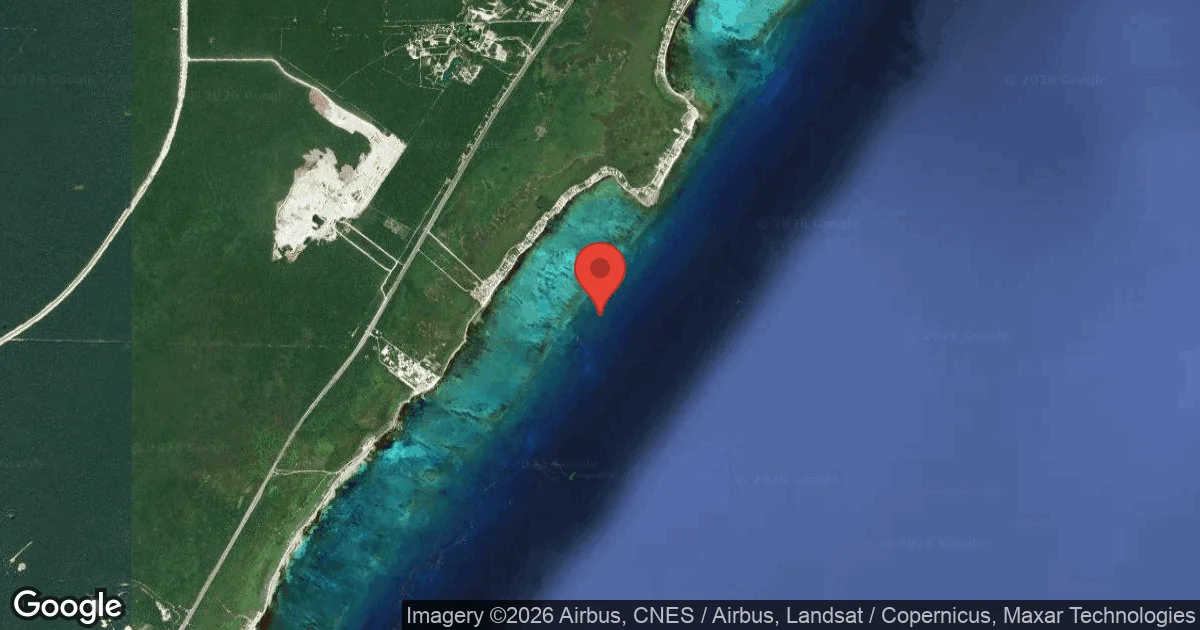
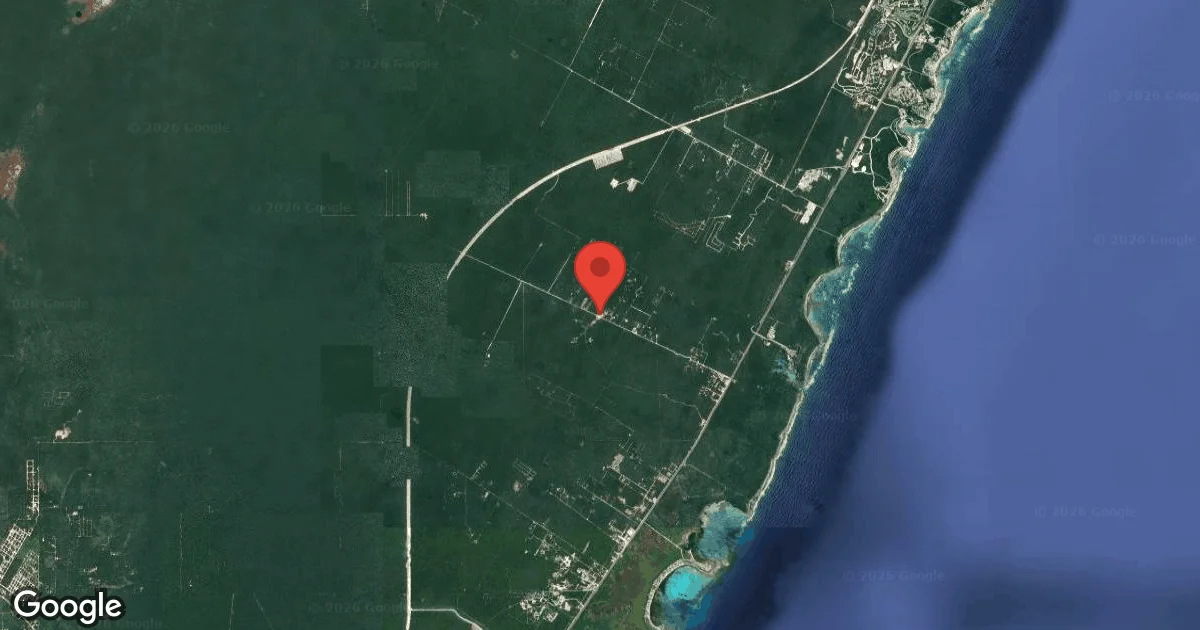
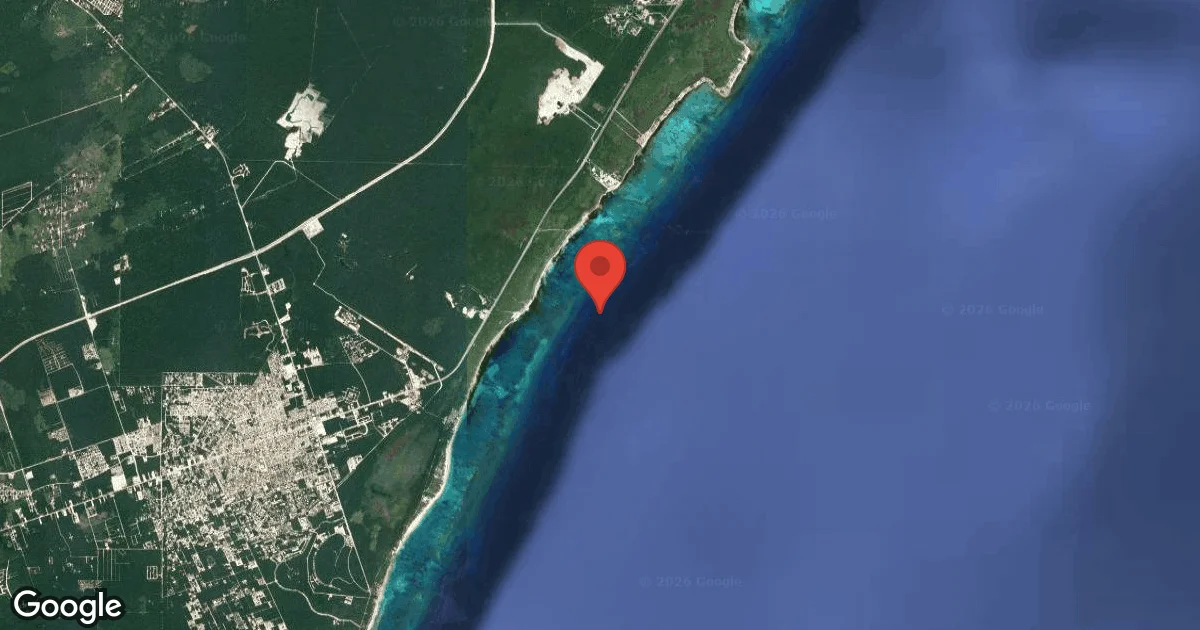
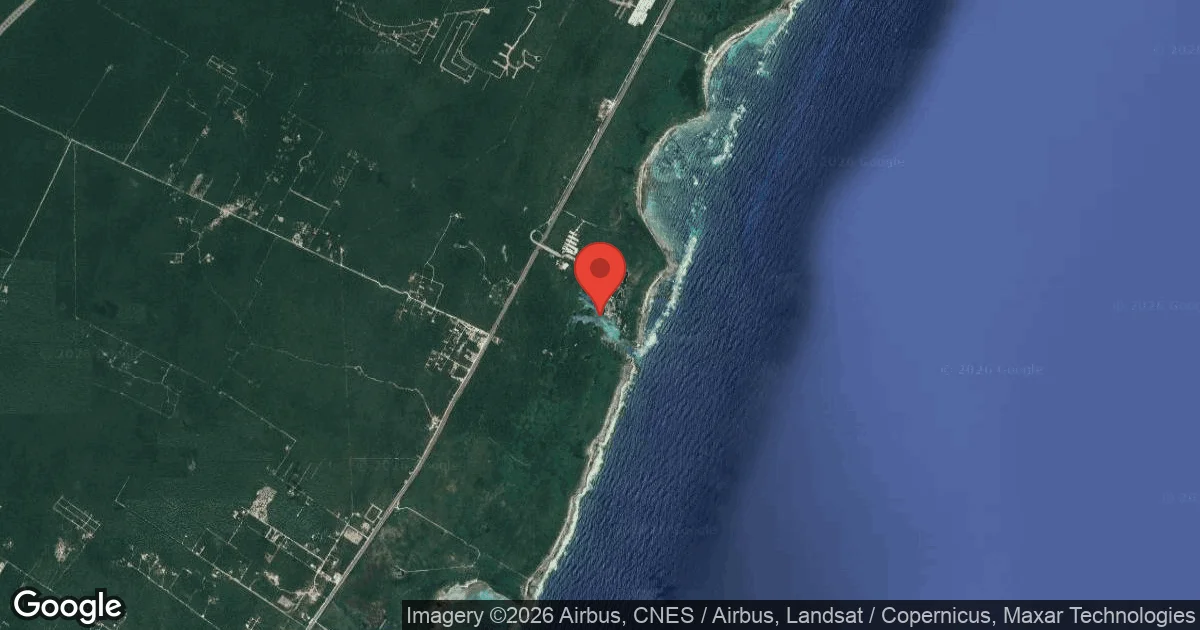
Dive Sites Near Cenote Don Polo
View all dive sites in MexicoDiscover more underwater gems in this area.
Dive Centers Near Cenote Don Polo
Today: 08:00 - 21:00
Nearest Airports
Nearest airports to help plan travel to this dive area.
Search Flights
Check available flights and routes on Expedia, using the nearby airports listed in this section.
Search Flights on ExpediaFrequently Asked Questions
What is a cenote?
Cenotes are natural sinkholes, specifically a feature of the Yucatán Peninsula's geology. They are formed when limestone bedrock collapses, exposing groundwater. These formations are often connected by extensive underground river systems.
What is the typical water temperature in Cenote Don Polo?
The water temperature in most cenotes, including Cenote Don Polo, remains remarkably consistent. Divers can generally expect temperatures around 25°C (77°F) year-round. This stable temperature makes a 3mm or 5mm wetsuit a common choice for comfort.
Is Cenote Don Polo suitable for beginner divers?
While cenotes require specific skills, Cenote Don Polo is generally considered accessible for certified open water divers. It offers sections with ample space, which can be beneficial for divers new to overhead environments, helping them build confidence in buoyancy and navigation under the guidance of a professional.
What kind of visibility can I expect?
Visibility in cenotes is typically excellent, often reaching several tens of meters due to the filtered freshwater. This clear water allows for unobstructed views of the impressive geological formations and the unique light phenomena.
What is a halocline?
A halocline is a distinct layer where freshwater meets denser saltwater, creating a visible shimmering or blurry effect underwater. This phenomenon is common in cenotes that connect to the ocean, adding another fascinating visual element to the dive experience.
What essential safety considerations are there for cenote diving?
Key safety considerations include maintaining precise buoyancy to avoid disturbing silt and protecting fragile formations. It's also crucial to dive with a certified cenote guide, stay within marked guidelines, and ensure you have proper training for overhead environments. Never venture into unmarked areas.
What marine life might I encounter in Cenote Don Polo?
While not as abundant as ocean reefs, cenotes host unique aquatic life adapted to their freshwater and brackish conditions. You might observe small cave fish, freshwater eels, or various crustaceans. In some cenotes, especially near the surface or haloclines, specific fish species like needlefish are present.
Planning to dive Cenote Don Polo?
Send one inquiry and receive offers directly from the best verified local dive operators.
Conditions are Good
Optimal conditions expected
Current conditions near Cenote Don Polo show 25° air, 31° sea temperature, 0.5 m waves, and 22 km/h wind. Forecast data is refreshed regularly to ensure accuracy.