
Diving at Cenote Dzonot-Ila (Mexico)
Imagine stepping into a world where ancient geological formations meet the vibrant pulse of an ecosystem. Diving Cenote Dzonot-ila immerses you in Mexico's intricate underground river system, a truly distinct freshwater experience. This unique environment invites exploration into its depths, revealing both natural wonders and the subtle influences of its surroundings. It's an opportunity to witness the delicate balance of life sustained beneath the jungle canopy.
Recent updates for Cenote Dzonot-Ila show an air temperature measuring 23.5°C. Overall water conditions reflect the typical seasonal state for Mexico. Please exercise standard safety precautions before entering the water.
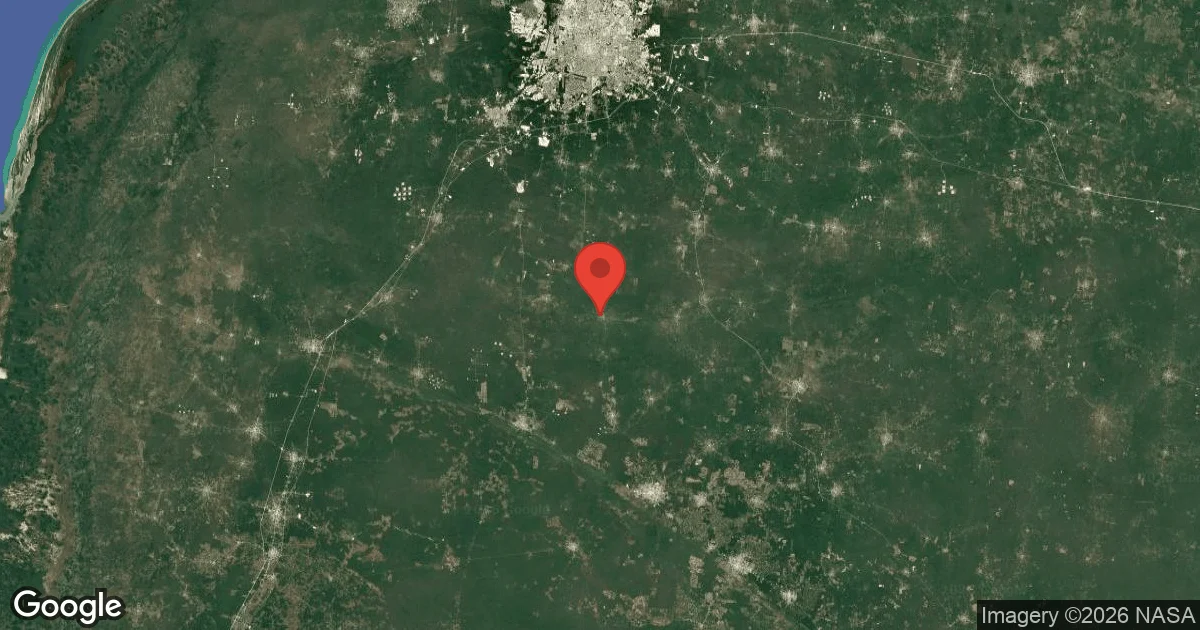
Dive Site Location & Key Facts
Dive Site Overview
Cenote Dzonot-ila's structure typically presents divers with an open-water cenote environment leading into more cavernous sections. It's often described as following a river through a mangrove area.
This transition from surface light to the cenote's interior reveals varying features; some sections may include a red halocline just below the surface, a visual distinction between fresh and saltwater layers. While specific maximum depths for Dzonot-ila are not consistently reported, cenotes in this region generally offer a recreational depth range for certified divers, often extending to around 30 m (100 ft) in deeper pools. Divers should anticipate observing geological formations such as stalactites in the overhead environments.
Exploration often involves navigating through areas where sunlight filters dramatically through openings, creating shafts of light, and into more subdued, enclosed spaces. The landscape is a geological marvel, sculpted over millennia, presenting a complex and engaging dive.
Conditions are Good
Optimal conditions expected
Current conditions near Cenote Dzonot-Ila show 24° air, --° sea temperature, N/A waves, and 12 km/h wind. Forecast data is refreshed regularly to ensure accuracy.
Best Time to Dive
Planning a dive at Cenote Dzonot-ila means considering the distinct shift between Mexico's drier and wetter seasons. The period from January through May generally presents excellent to good dive conditions, characterized by lower rainfall, averaging between 0.4 and 0.7 mm from January to April. During these months, average air temperatures range from a comfortable 23°C (73°F) in January to warmer peaks around 31°C (88°F) in May. Conversely, the summer and early fall months, particularly June, experience higher rainfall, sometimes reaching over 5 mm, which can impact surface conditions or visibility in some cenotes, though Dzonot-ila still maintains moderate to good dive scores. The air temperature remains warm through this period, averaging 29°C (84°F) in June and 28°C (82°F) in July and August. For optimal conditions and minimal rain, the cooler, drier period early in the year is generally preferred.
PEAK SEASON SCORE
Scores combine air & water temps, waves, wind & rainfall for overall conditions.
BEST MONTHS TO DIVE
Monthly records compiled from satellite and marine observation nodes over the last 3 years. Data provided by Open-Meteo and MET Norway.
Dive Experience & Conditions
Descending into Cenote Dzonot-ila offers a journey through distinct depth zones, each with its own characteristics. In the shallower sections, divers might encounter a visible halocline, a boundary where layers of fresh and saltwater meet, sometimes appearing as a shimmering or even a reddish layer. Conditions within the cenote are typically calm, without strong currents, providing a serene diving experience. Water temperatures are not consistently reported but are generally cool and stable year-round in these enclosed environments. As divers move into deeper sections, around the recreational depth limits, the available light changes, creating dramatic contrasts and shadows that highlight geological features. Buoyancy control is paramount in this environment to protect the delicate formations and maintain clear visibility, especially in more confined areas. This site is considered suitable for certified divers comfortable with overhead environments.
Dive Difficulty & Safety Guidelines
Diving in an overhead environment like Cenote Dzonot-ila requires strict adherence to safety protocols and advanced training. An overhead environment means a direct ascent to the surface is not always possible, necessitating careful planning and specialized procedures. Buoyancy control is critical; maintaining neutral buoyancy helps protect the fragile formations and minimizes disturbing the silty bottom, which can drastically reduce visibility for all divers.
Always dive with a certified cenote guide who is familiar with the specific layout and potential nuances of Dzonot-ila. Maintaining constant communication within your dive group is also important.
Divers should always carry appropriate lights and backup lights, even in sunlit areas, as light penetration varies significantly within the cenote system.
Recommended Equipment
- Dive Computer
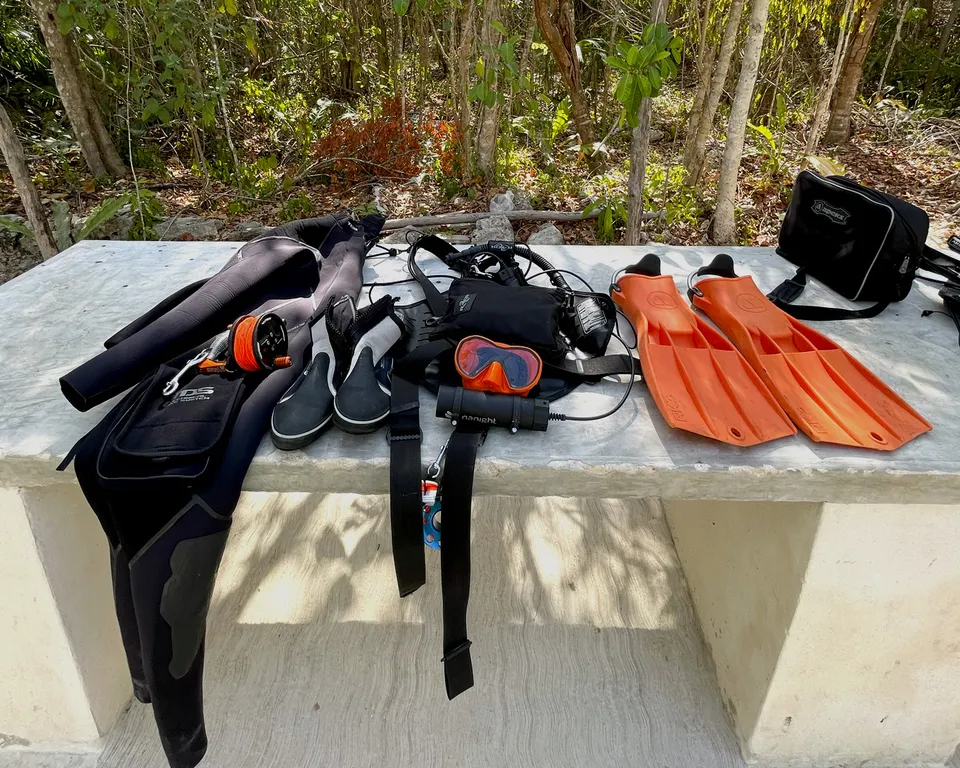
This gear list is based on verified equipment signals for Cenote Dzonot-Ila, Mexico. Always confirm final gear choices with your dive operator, guide, or liveaboard.
Recommended Dive Suit
Because recent water temperature readings are not available for Cenote Dzonot-Ila, the guidance below is based mainly on current air conditions and seasonal expectations. Current surface air temperatures are roughly 24°C (74°F).
Longer-range forecasts show some uncertainty in upcoming temperature trends.
Based on regional estimates and current weather, the likely required exposure protection is a 3-5mm wetsuit. Note that local currents and upwellings can alter this. Dive depth and duration can significantly affect perceived warmth.
Emergency & Medical Support
Essential information to help you plan your dive trip to Cenote Dzonot-ila.

Hyperbaric chambers are a critical part of dive safety infrastructure. Availability varies significantly by region, and not all dive areas have immediate access.
Before diving, it's recommended to:
- confirm nearest medical facilities
- check emergency procedures with local dive operators
- ensure dive insurance covers evacuation if required
Divers Alert Network
Diving emergency assistance available through DAN World.
+1-919-684-9111- 24/7 emergency hotline
- Diving medical assistance
- Evacuation coordination
Emergency contacts are provided for reference. Always verify local emergency services before diving.
Marine Life at Cenote Dzonot-Ila
An ecosystem within Cenote Dzonot-ila offers an intriguing contrast between subterranean geology and aquatic life. Diving here often reveals species adapted to these unique fresh and brackish water conditions.
Divers may observe needlefish actively hunting near the surface, especially in areas where a halocline creates distinct water layers. Interaction between the fish and the visible halocline provides a dynamic scene.
Other fish species are present, adapting to the varying light and salinity levels found throughout the cenote and its connected mangrove river. While not as diverse as a coral reef, this environment provides a glimpse into specialized cave and cenote adapted marine fauna.
Dive Sites Near Cenote Dzonot-Ila
View all dive sites in MexicoDiscover more underwater gems in this area.
Dive Centers Near Cenote Dzonot-Ila
Today: 09:00 - 18:00
Nearest Airports
Nearest airports to help plan travel to this dive area.
Search Flights
Check available flights and routes on Expedia, using the nearby airports listed in this section.
Search Flights on ExpediaFrequently Asked Questions
What is a cenote?
A cenote is a natural sinkhole resulting from the collapse of limestone bedrock that exposes groundwater. These formations are often connected to extensive underground river systems. They are found predominantly in the Yucatán Peninsula of Mexico.
What is the typical water temperature in Cenote Dzonot-ila?
Water temperatures in cenotes like Dzonot-ila are generally cool and stable throughout the year, usually ranging between 24-26°C (75-79°F). Specific current reports for Dzonot-ila are not consistently available, but this range is typical for the region's cenotes.
Is Cenote Dzonot-ila suitable for beginner divers?
While cenote diving requires comfort with an overhead environment, some cenotes are more accessible. Dzonot-ila is suitable for certified divers with good buoyancy control. It's recommended to dive with a guide if it's your first cenote experience.
Are there currents in Cenote Dzonot-ila?
Cenotes typically have minimal to no noticeable currents, offering a calm and peaceful diving experience. This lack of strong water movement helps preserve the delicate geological formations and maintains clear visibility.
What is a halocline and will I see it?
A halocline is a distinct layer where freshwater meets saltwater, causing a visible shimmering effect or, in some cases, a reddish hue due to sulfur bacteria. You may observe this phenomenon in specific areas of Cenote Dzonot-ila, particularly near the surface or transition zones.
What unique geological features can I expect to see?
Diving Dzonot-ila allows observation of various limestone formations, including stalactites hanging from the cavern ceilings. These structures have formed over thousands of years through mineral deposition. The interplay of light and shadow also highlights the cenote's unique topography.
Planning to dive Cenote Dzonot-Ila?
Send one inquiry and receive offers directly from the best verified local dive operators.
Conditions are Good
Optimal conditions expected
Current conditions near Cenote Dzonot-Ila show 24° air, --° sea temperature, N/A waves, and 12 km/h wind. Forecast data is refreshed regularly to ensure accuracy.