
Diving at Garden of Eden (Mexico)
Stepping into the Garden of Eden, the sheer scale of this cenote immediately impresses. Lush jungle vegetation embraces the perimeter, creating a vivid green contrast against the water. The clarity is striking, allowing views down to the rock and algae-covered floor even from the surface. It feels like entering a natural amphitheater, where light plays on the expansive open water before revealing the mysterious entrances to its underwater realm.
Evening condition tracking at Garden of Eden features an air temperature of 25°C. We have recorded wave heights measuring 0.5 m during this period. These figures outline the environmental parameters currently present.
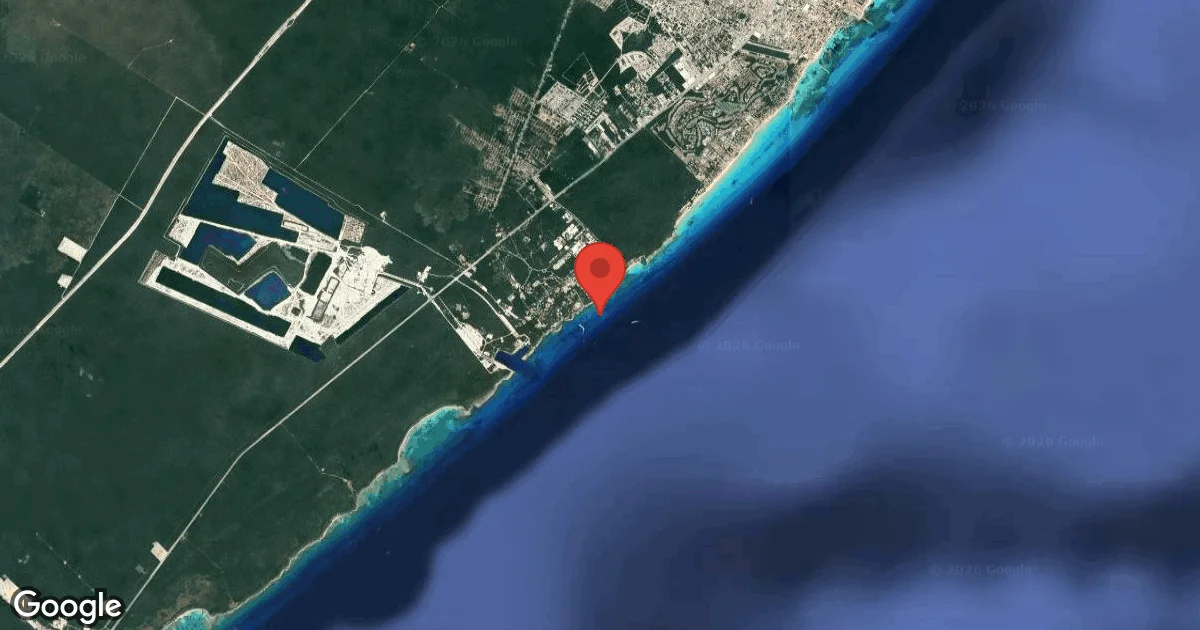
Dive Site Location & Key Facts
Dive Site Overview
Garden of Eden, also recognized as Cenote Ponderosa, presents a distinct appeal for certified divers seeking an accessible cavern experience within Mexico's cenote system. Many divers select this location for their first cenote exploration, benefitting from its significant open water area that allows for easy acclimatization before descending.
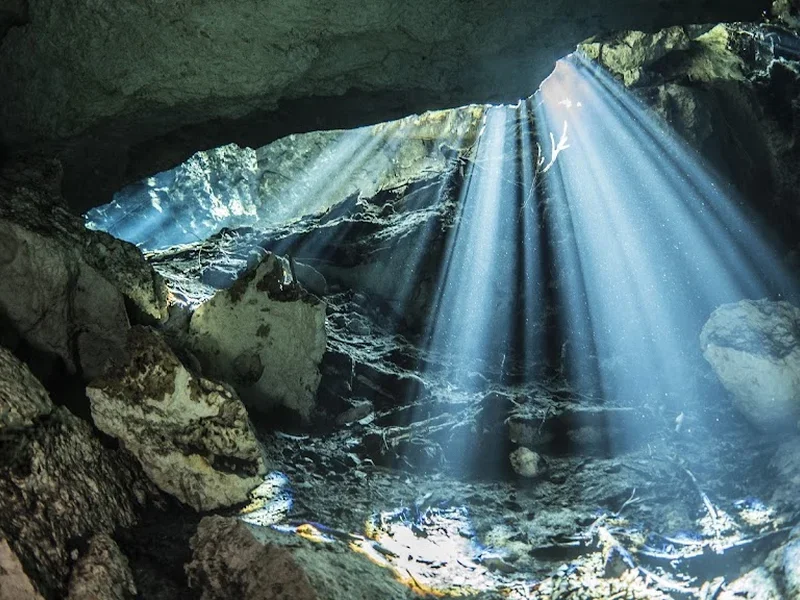
Beneath the surface, the site features a large, open cavern topography, leading through a vast tunnel that connects to the nearby Cenote Corral. This journey offers a swim through fresh water and then into a saltwater section via a halocline, experiencing a subtle temperature increase. With depths reaching a maximum of 15 m (49 ft) within the cavern, and shallower sections around 1.5 m to 5.5 m (5-18 ft) in the open water, it provides an engaging dive without excessive complexity. It's considered a Level 1 cenote dive, making it suitable for a broad range of certified divers.
Conditions are Excellent
07:00 - 14:00
Optimal conditions expected
Current conditions near Garden of Eden show 25° air, 30° sea temperature, 0.5 m waves, and 19 km/h wind. Forecast data is refreshed regularly to ensure accuracy.
Best Time to Dive
Optimal conditions for diving at Garden of Eden generally align with the drier months, which typically run from January through May. During this period, average air temperatures range comfortably from 24°C (75°F) to 28°C (82°F). Rainfall is minimal, often less than 2 mm monthly, which contributes to generally stable water conditions. While the water temperature within the cenote remains a consistent 25°C (77°F) year-round, increasing slightly to 27°C (80°F) in saltwater zones, the drier climate means less surface runoff. The slightly wetter period from June to October sees average monthly rainfall between 3.3 mm and 8.9 mm, with October often having the highest precipitation. This seasonal shift might impact surface visibility after heavy rains, though the underwater cavern environment usually maintains its exceptional clarity. Overall, the dive conditions here are consistently rated as 'Good' throughout the year.
PEAK SEASON SCORE
Scores combine air & water temps, waves, wind & rainfall for overall conditions.
BEST MONTHS TO DIVE
Monthly records compiled from satellite and marine observation nodes over the last 3 years. Data provided by Open-Meteo and MET Norway.
Dive Experience & Conditions
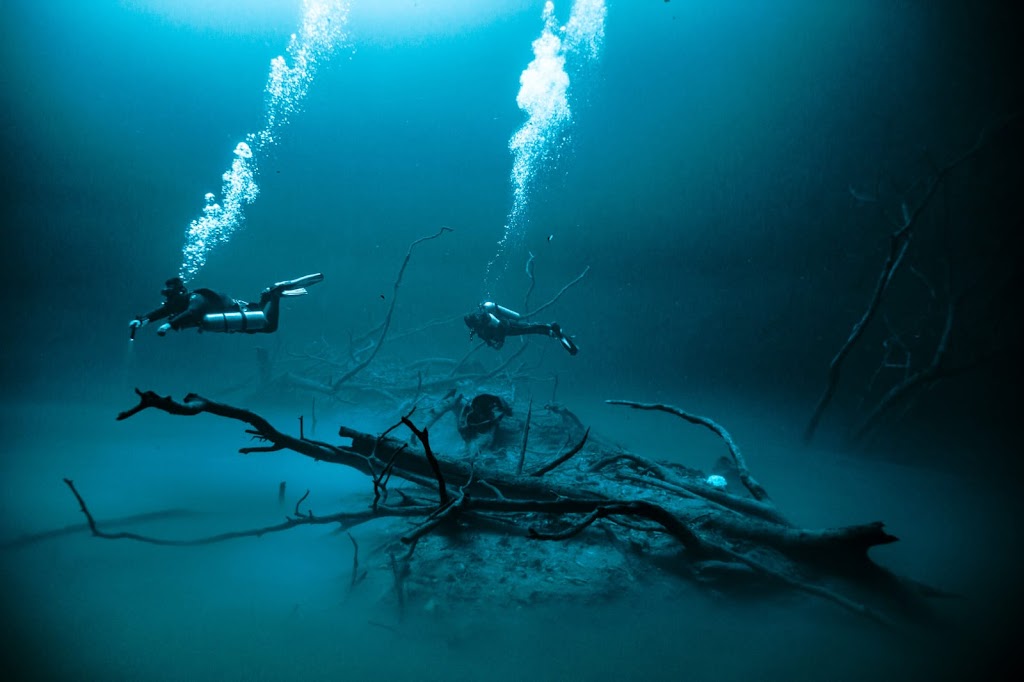
Navigating the Garden of Eden cavern reveals a fascinating dynamic as divers transition from the initial open water basin into overhead environments. After descending from the expansive surface pool, the dive profile gradually leads to depths around 12 m (39 ft) as it approaches the connecting tunnel. A subsequent small drop brings divers to the maximum depth of 15 m (49 ft) within the cavern. Here, a noticeable halocline marks the boundary between freshwater and the slightly warmer saltwater, which can present a temporary visual effect. The water typically remains glass-clear, offering excellent visibility throughout the dive. A dive here often lasts up to 60 minutes, with the cavern dive portion adhering to specific air consumption rules to ensure a safe return. The varied depths and the journey through the tunnel system ensure a consistently engaging experience.
Dive Difficulty & Safety Guidelines
When planning a dive at Garden of Eden, understanding the certification requirements is paramount. To enter the overhead cavern environment, divers must hold at least an Open Water Diver certification. For those interested in actual cave diving beyond the cavern zone, a specific Cave Diving certification is required.
Local regulations strictly limit cavern diving groups to a maximum of four certified divers per guide, emphasizing safety and close supervision. Divers are expected to follow a guideline throughout the dive, staying together as a cohesive group.
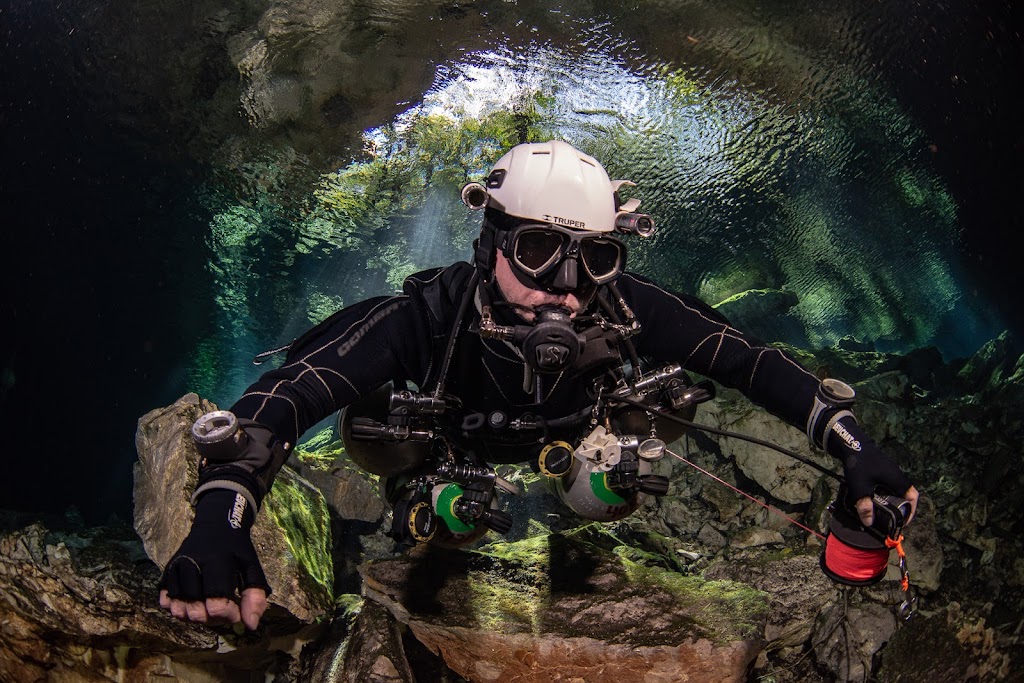
Additionally, a conservative air management rule is practiced: one-third of the tank's fill is used for the inward journey, another third for the return, with the final third reserved for any potential emergencies. This ensures ample reserve for safe exits.
Recommended Equipment
Overhead environment. Do not enter beyond training and gas planning limits.
- Dive Computer
- Primary & Backup Lights
- Reel / Spool
- Cutting Tool
- Hard-soled Dive Boots
This gear list is based on verified equipment signals for Garden of Eden, Mexico. Always confirm final gear choices with your dive operator, guide, or liveaboard.
Recommended Dive Suit
The latest conditions reported around Garden of Eden place the water temperature close to 30°C (86°F). Surface air temperatures are resting at 25°C (77°F).
Many divers choose dive skin or rash guard when diving in similar conditions.
Forecast models show minimal temperature variation in the coming days.
Emergency & Medical Support
Essential information to help you plan your dive trip to Garden of Eden.

Hyperbaric chambers are a critical part of dive safety infrastructure. Availability varies significantly by region, and not all dive areas have immediate access.
Before diving, it's recommended to:
- confirm nearest medical facilities
- check emergency procedures with local dive operators
- ensure dive insurance covers evacuation if required
Divers Alert Network
Diving emergency assistance available through DAN World.
+1-919-684-9111- 24/7 emergency hotline
- Diving medical assistance
- Evacuation coordination
Emergency contacts are provided for reference. Always verify local emergency services before diving.
Marine Life at Garden of Eden
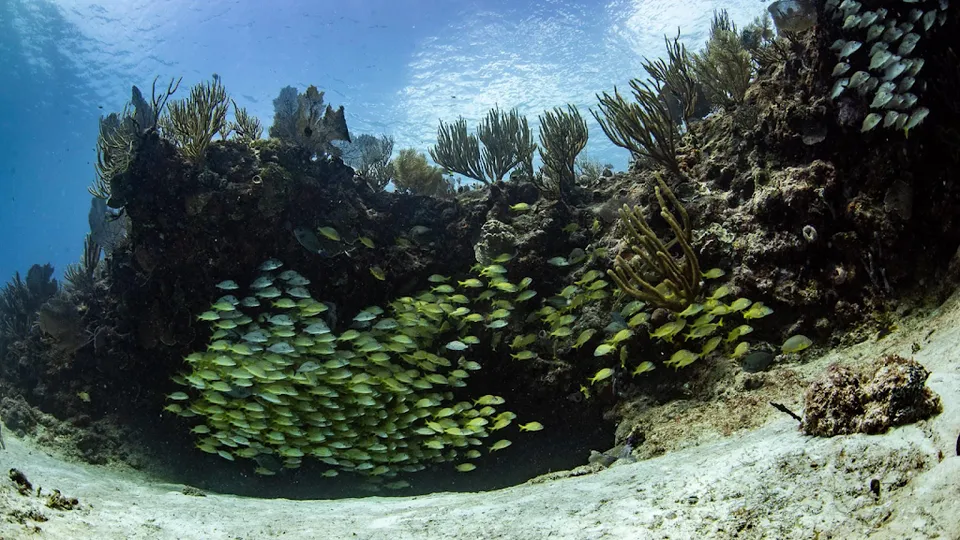
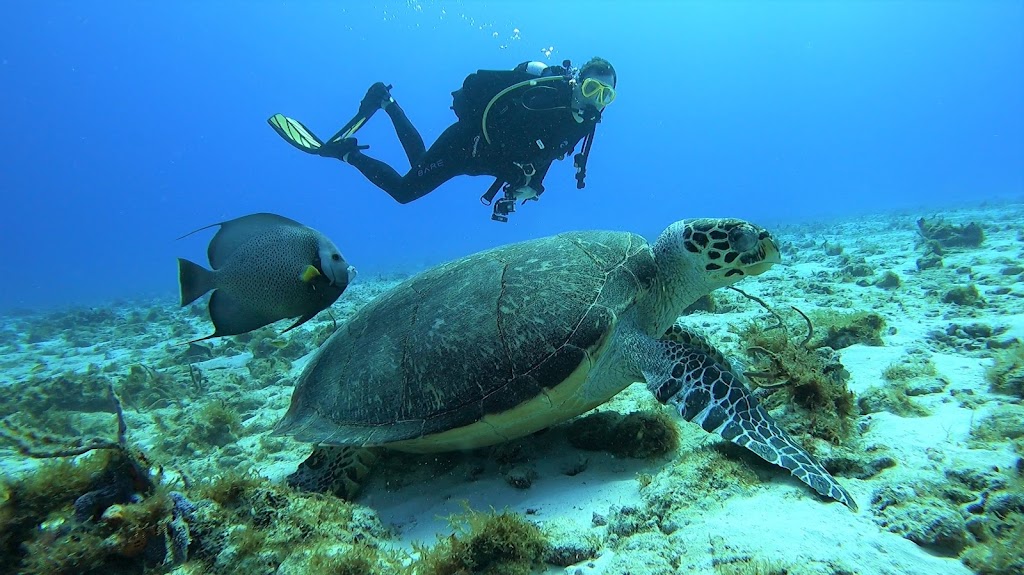
The immediate impression upon entering the cenote's open water area is the clarity that allows divers to spot the small fish often darting among the rocks and algae-covered bottom. Moving deeper into the cavern, the environment shifts to reveal a different kind of life, primarily composed of geological formations and ancient structures rather than active fauna. While the cavern itself has limited visible marine life, the freshwater fish are a common sight in the illuminated sections near the entrance and among the mangrove roots.
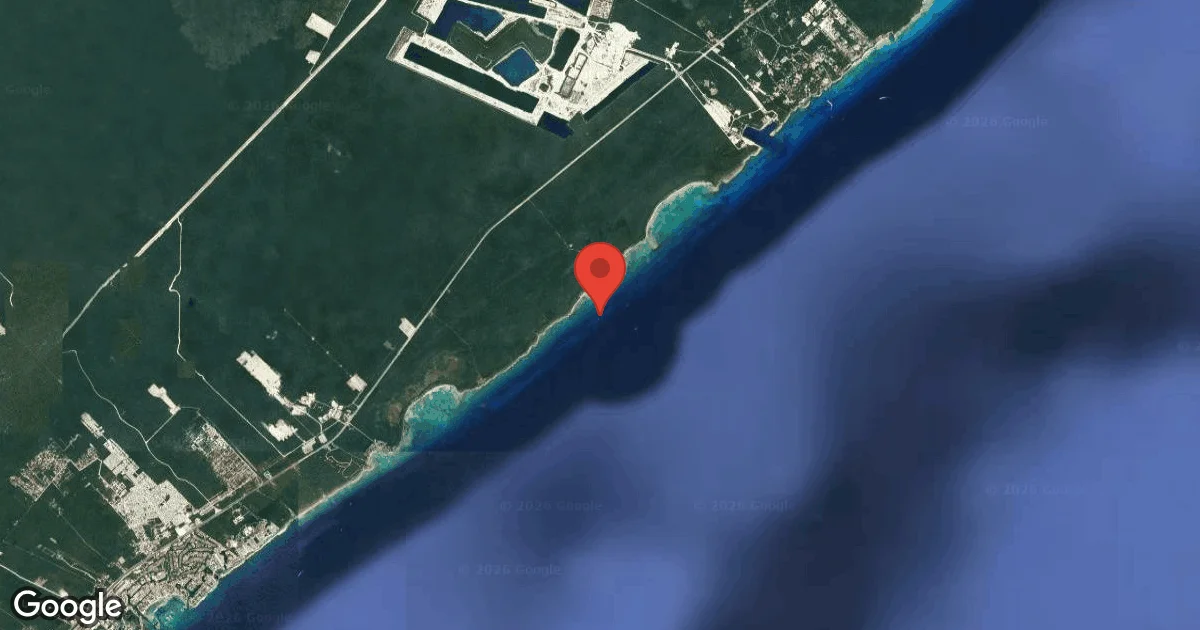
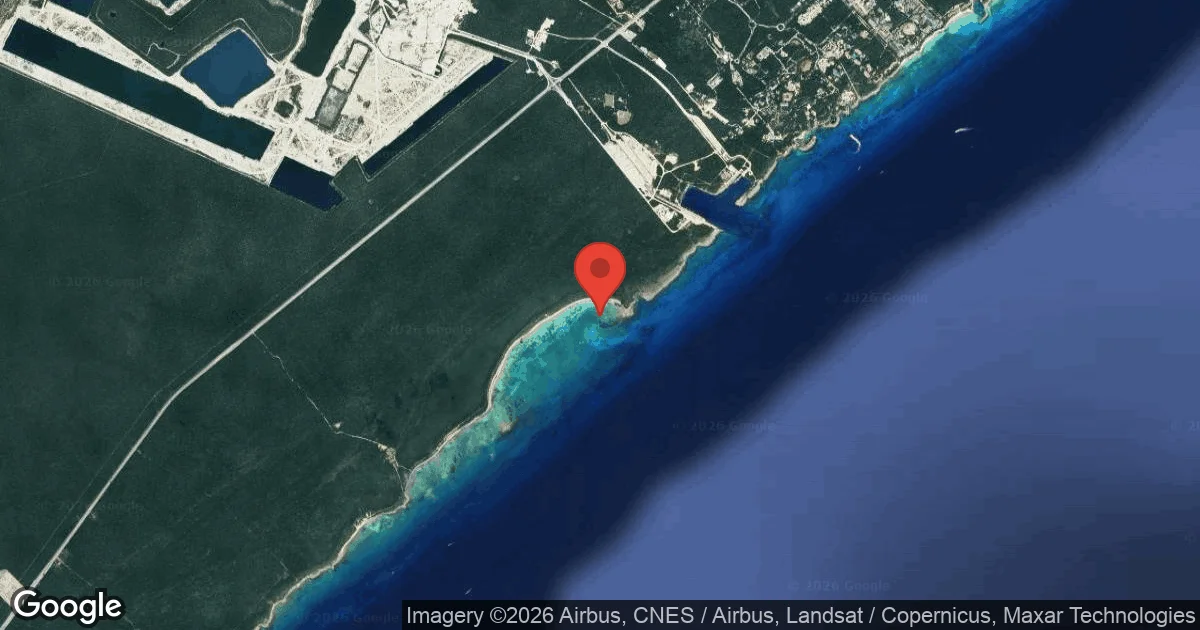
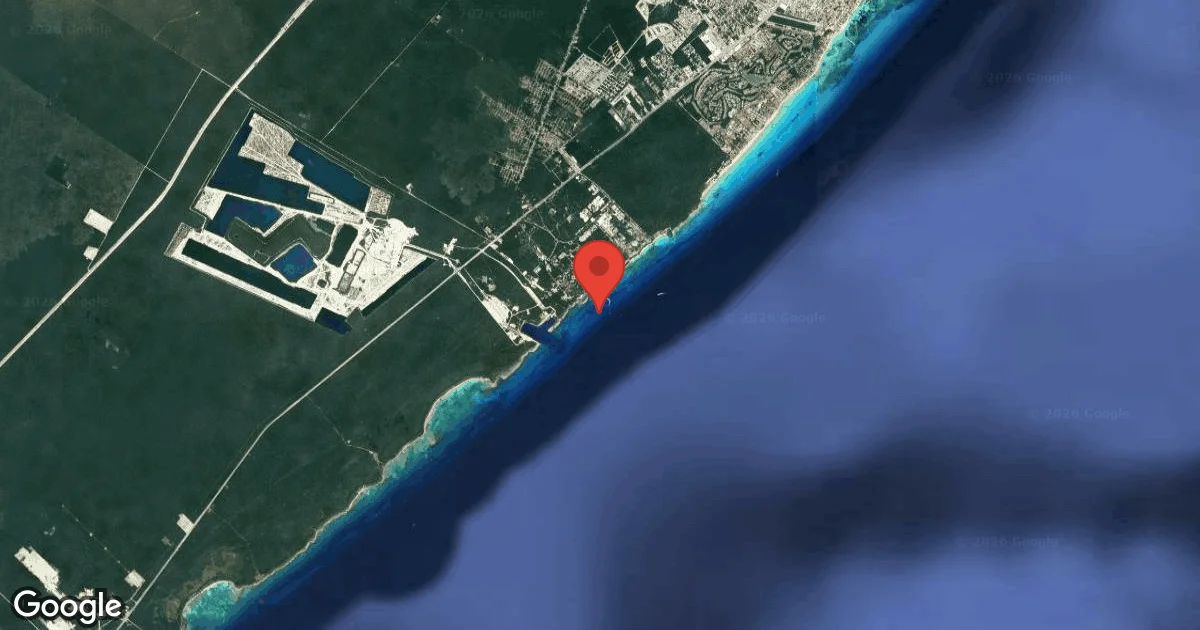
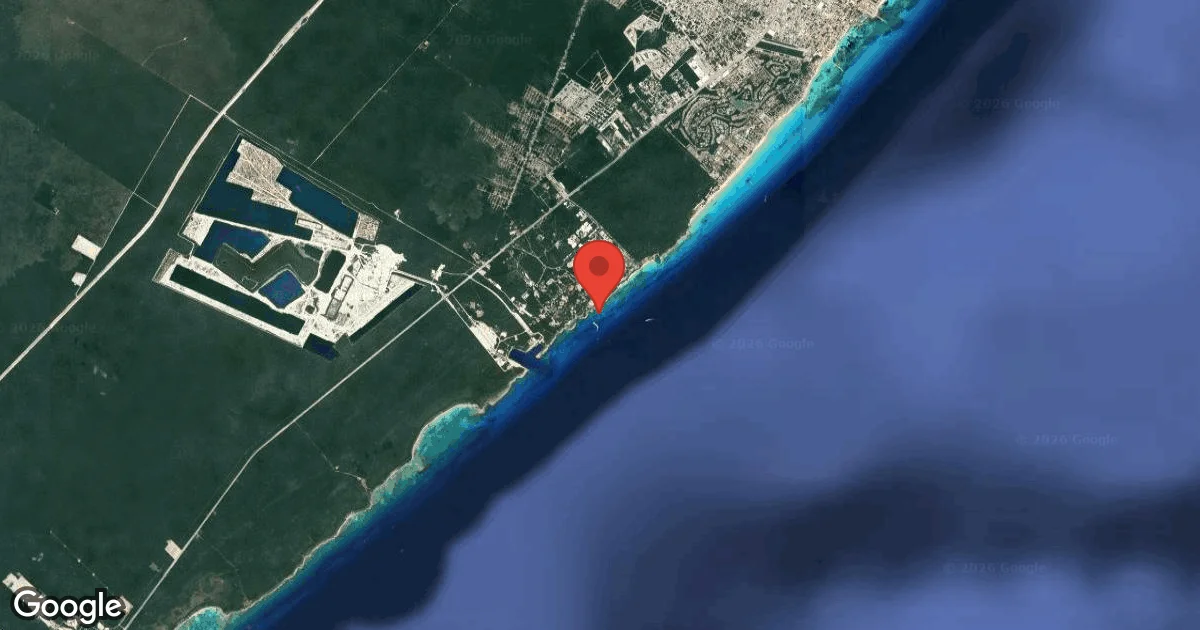
Dive Sites Near Garden of Eden
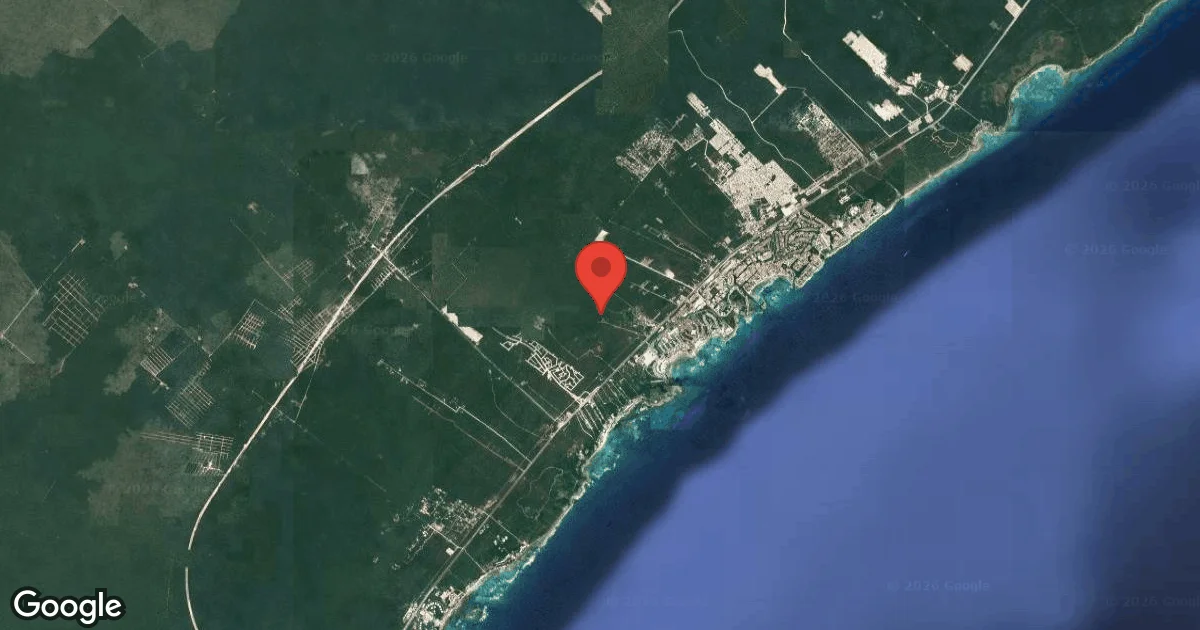
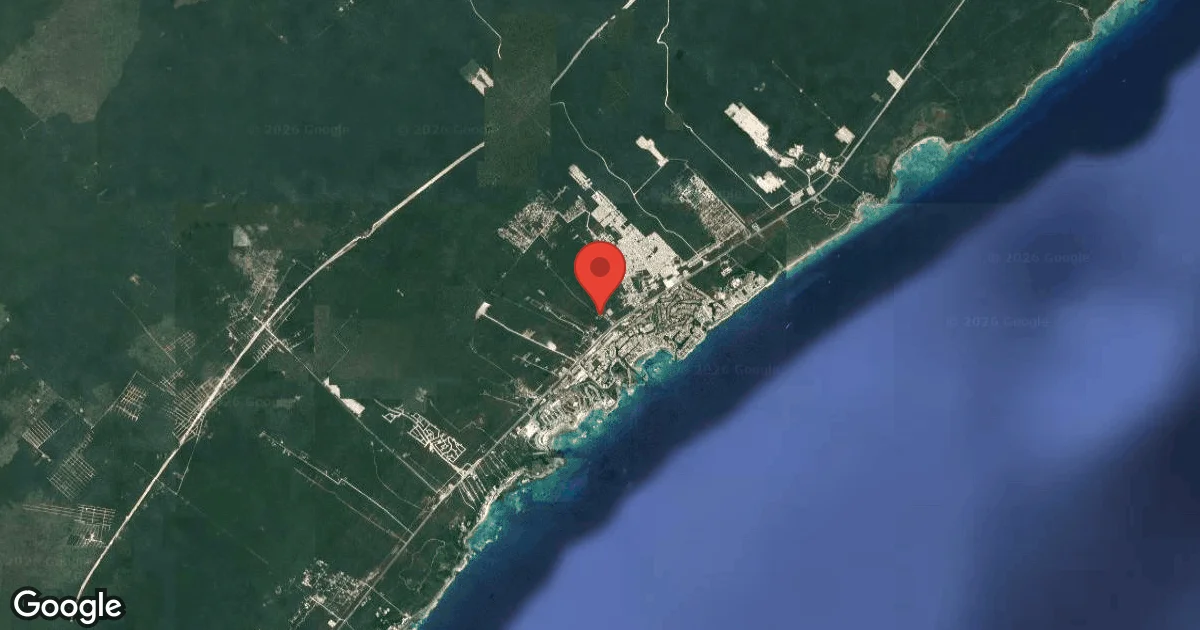
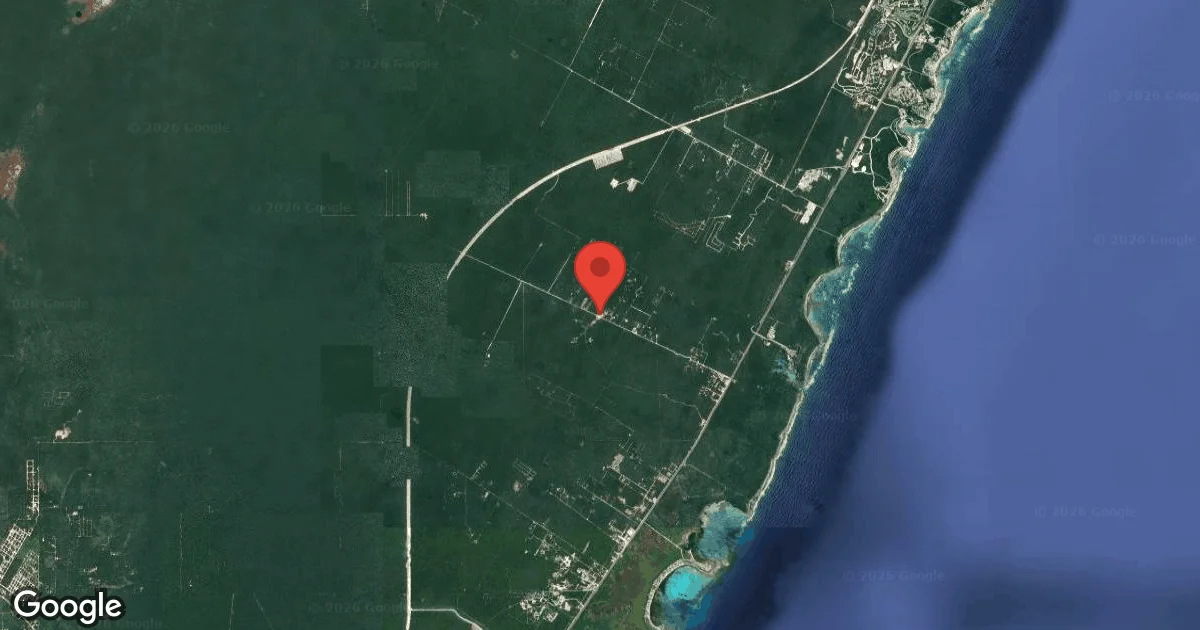
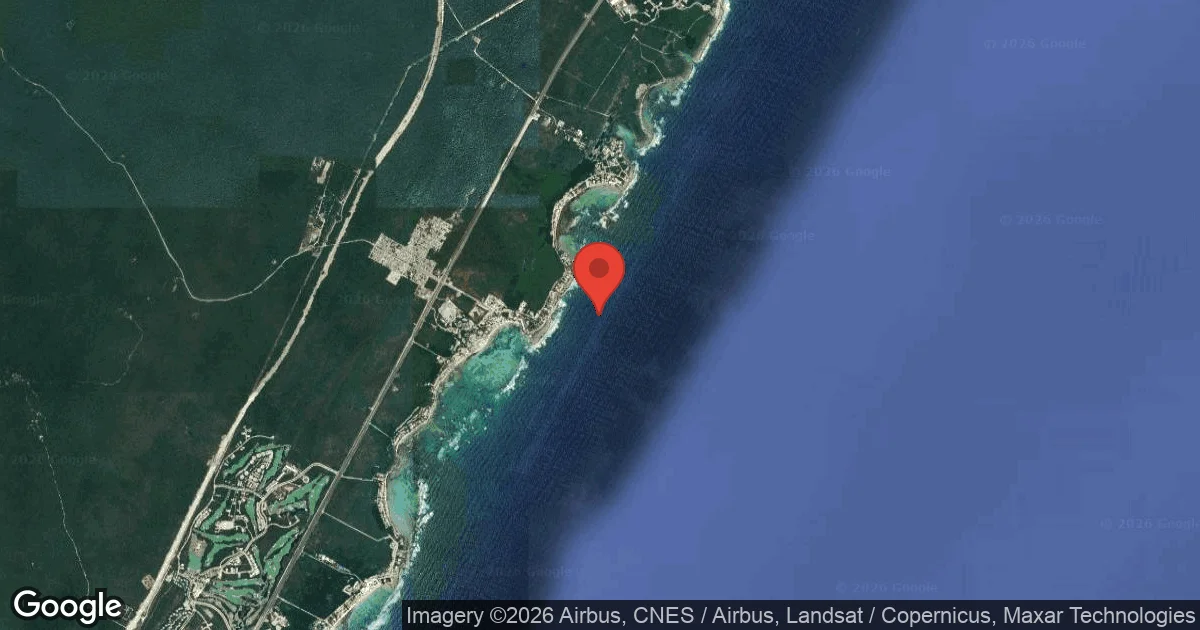
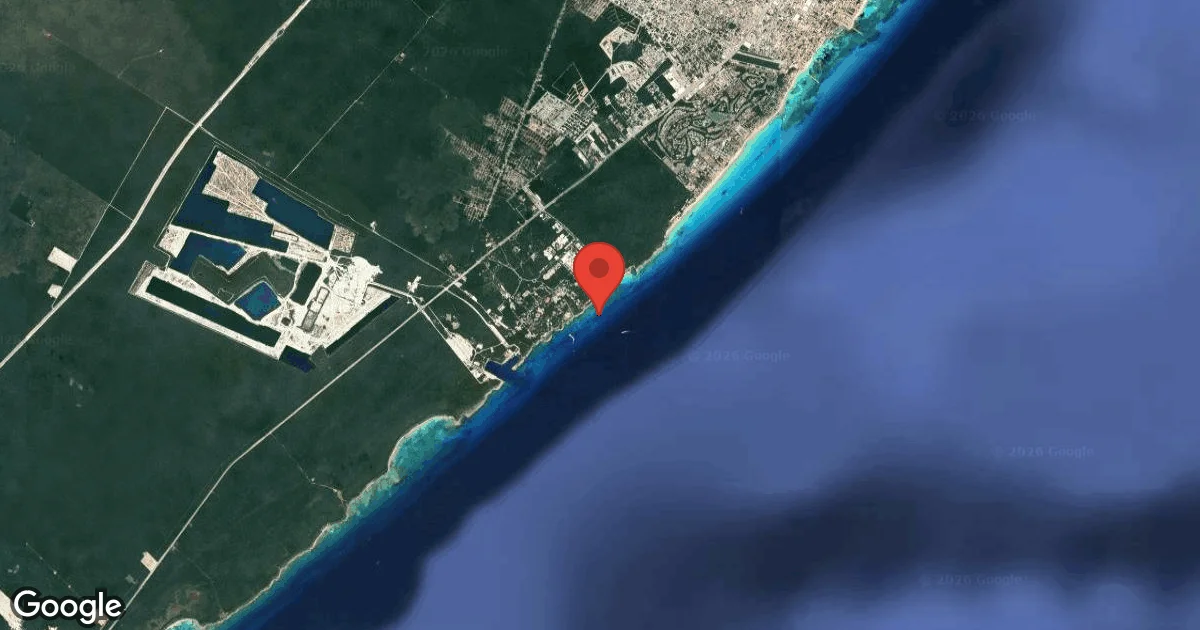
View all dive sites in MexicoDiscover more underwater gems in this area.
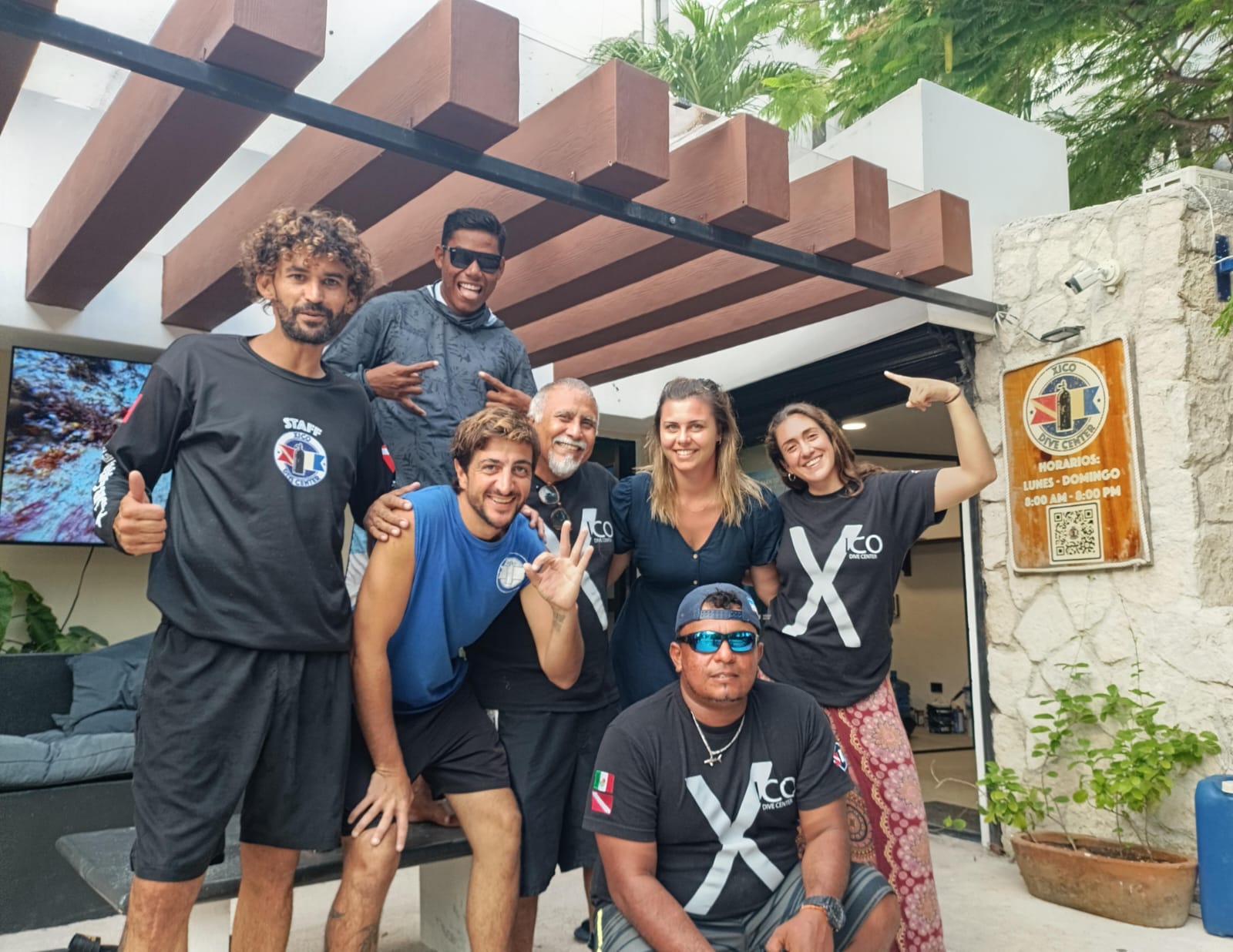
Dive Centers Near Garden of Eden
Today: 10:00 -
Nearest Airports
Nearest airports to help plan travel to this dive area.
Search Flights
Check available flights and routes on Expedia, using the nearby airports listed in this section.
Search Flights on ExpediaFrequently Asked Questions
What are the certification requirements for diving in Garden of Eden?
You need to be certified as at least an Open Water diver to enter the cavern area. Uncertified divers or students can utilize the open water sections for training dives. True cave diving requires a specific cave diving certification.
What is the maximum depth at Garden of Eden Cenote?
In the cavern area, maximum depth reaches 15 m (49 ft). Shallower open water sections typically range from 1.5 m to 5.5 m (5-18 ft).
What is the water temperature like?
Water temperature in freshwater sections remains a consistent 25°C (77°F) year-round. Passing through the halocline into saltwater, the temperature slightly increases to approximately 27°C (80°F).
Is Garden of Eden suitable for beginner cenote divers?
Yes, it's often recommended as a first-time cenote dive due to its large open water area for acclimatization and an enjoyable cavern dive that lacks major complexity. It's considered a Level 1 cenote dive.
What is the typical group size for cavern dives here?
Local rules mandate that cavern diving groups consist of a maximum of four certified divers per guide to ensure safety and proper supervision.
How long does a dive typically last at Garden of Eden?
Due to its relatively shallow depth, a dive here can comfortably last up to 60 minutes, depending on individual air consumption.
Planning to dive Garden of Eden?
Send one inquiry and receive offers directly from the best verified local dive operators.
Conditions are Excellent
07:00 - 14:00
Optimal conditions expected
Current conditions near Garden of Eden show 25° air, 30° sea temperature, 0.5 m waves, and 19 km/h wind. Forecast data is refreshed regularly to ensure accuracy.