
Diving at Islas Marietas (Mexico)
Beneath the surface of Islas Marietas, a dramatic underwater landscape unfolds, sculpted by volcanic activity and the ceaseless action of the Pacific Ocean. Divers encounter an intricate network of reef formations, dramatic walls, and intriguing caverns. This unique geography creates a captivating environment for exploration. It's an area where the marine environment thrives amidst compelling geological features.
As evening covers Islas Marietas, the local air temperature is measured at 31°C. The current wave height at the surface is recorded at 0.9 m. These late-day readings characterize the surface conditions for the night.
Dive Site Location & Key Facts
Dive Site Overview
Venturing beneath the waves at Islas Marietas presents an underwater experience celebrated by pioneers like Jacques Cousteau, recognized for its extensive biodiversity and compelling geography. This protected marine area consistently draws divers of all levels, from those just starting their journey to more advanced explorers, due to its generally good visibility and abundant marine life.
Descending into the water, you'll find an array of captivating dive spots, including vibrant reef formations, intriguing caverns, and the dramatic contours of wall dives that punctuate the underwater landscape. Shallower sections offer comfortable exploration for beginners, while experienced divers can investigate deeper areas where canyons sometimes carve into the submarine terrain. Overall, dive depths across the various sites span a recreational range, often reaching a maximum depth of 23 m (75 ft).
Visibility typically averages around 12 meters (39 feet), providing clear views. Many visitors choose to dedicate at least two days to fully explore this unique and dynamic underwater environment, often encountering patches of sandy bottom between the more dramatic rock structures.
Conditions are Good
Optimal conditions expected
Current conditions near Islas Marietas show 31° air, 31° sea temperature, 0.8 m waves, and 23 km/h wind. Forecast data is refreshed regularly to ensure accuracy.
Best Time to Dive
Planning a trip to Islas Marietas for optimal conditions is possible throughout the year, as the dive scores consistently rank as 'Good' across all months. For those prioritizing stable, clear visibility, the dryer season, typically from January to May, offers the least rainfall. During these months, average air temperatures hover between 22.5-26°C (72-79°F). Even during the wetter months from June to October, average rainfall remains relatively low, and air temperatures rise to 27-28.5°C (81-83°F). Consistent low wave heights, generally around one meter, contribute to predictable surface conditions, making entry and exit manageable regardless of the time of year. Water temperature is not consistently reported but generally varies with seasonal air temperature patterns.
PEAK SEASON SCORE
Scores combine air & water temps, waves, wind & rainfall for overall conditions.
BEST MONTHS TO DIVE
Monthly records compiled from satellite and marine observation nodes over the last 3 years. Data provided by Open-Meteo and MET Norway.
Dive Experience & Conditions
Underwater structures around Islas Marietas present a diverse range of environments, including fascinating caves, dynamic reef ecosystems, and impressive wall dives. Reaching depths between 7.5 and 23 meters, the area caters to varying experience levels. Beginners can comfortably explore shallower sections, while more experienced divers can venture to the maximum recreational limits along the walls or inside accessible caverns. Typical visibility averages around 12 meters, aiding in navigation and marine life spotting. While generally considered an easy spot, conditions can vary; wind speeds often range from 13-17 kilometers per hour, which is about 8-10 miles per hour. Wave heights are usually about one meter, or three feet, and these can influence surface conditions. This combination of accessible depths, varied terrain, and clear water provides a rewarding underwater experience.
Dive Difficulty & Safety Guidelines
While Islas Marietas presents a generally easy diving environment suitable for various skill levels, adhering to standard safety guidelines remains paramount. Always dive within your certification limits and stay aware of your depth and no-decompression limits. Given the presence of varied dive types like caves, proper training and guidance are essential before attempting overhead environments.
Maintaining situational awareness regarding your dive buddy and local boat traffic is always advisable. Respecting the marine protected area status of the islands is crucial, meaning no touching, taking, or disturbing marine life or geological formations.
Divers should plan their dives conservatively, accounting for current conditions, though no specific prevalent hazards are consistently reported.
Recommended Equipment
Overhead environment. Do not enter beyond training and gas planning limits.
- Dive Computer
- Primary & Backup Lights
- Reel / Spool
- Cutting Tool
This gear list is based on verified equipment signals for Islas Marietas, Mexico. Always confirm final gear choices with your dive operator, guide, or liveaboard.
Recommended Dive Suit
With water temperatures around 31°C (89°F), many divers find a dive skin or rash guard provides comfortable protection.
Local dive briefings can provide the most accurate guidance.
Environmental conditions may feel slightly cooler as the week progresses. Cooler days are ahead; you might want a warmer option for later in the week. A warmer option can provide additional comfort if conditions shift.
Due to technical issues with our weather providers, live updates are temporarily delayed. The data above reflects the conditions at the time of the last successful fetch.
Emergency & Medical Support
Essential information to help you plan your dive trip to Islas Marietas.

Hyperbaric chambers are a critical part of dive safety infrastructure. Availability varies significantly by region, and not all dive areas have immediate access.
Before diving, it's recommended to:
- confirm nearest medical facilities
- check emergency procedures with local dive operators
- ensure dive insurance covers evacuation if required
Divers Alert Network
Diving emergency assistance available through DAN World.
+1-919-684-9111- 24/7 emergency hotline
- Diving medical assistance
- Evacuation coordination
Emergency contacts are provided for reference. Always verify local emergency services before diving.
Marine Life at Islas Marietas
Encounters with diverse marine animals are a significant draw at Islas Marietas. The extensive biodiversity means a vibrant array of species can be observed across the different reef and wall environments.
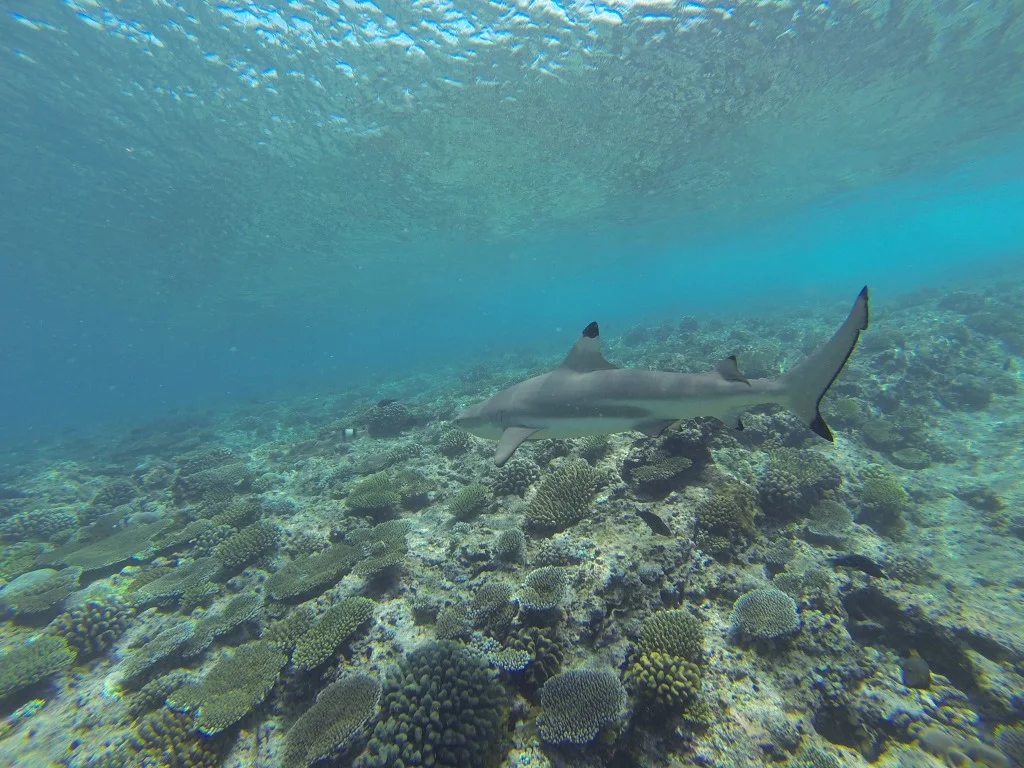
Divers frequently report sightings of significant pelagic life. Larger inhabitants like various species of sharks are common.
Mammal sightings such as whales and dolphins occur seasonally, adding excitement to surface intervals and dives. Additionally, several species of turtles are regularly spotted traversing the underwater landscape.
Dive Sites Near Islas Marietas
View all dive sites in MexicoDiscover more underwater gems in this area.
Dive Centers Near Islas Marietas
Today: 09:00 - 18:00
Nearest Airports
Nearest airports to help plan travel to this dive area.
Search Flights
Check available flights and routes on Expedia, using the nearby airports listed in this section.
Search Flights on ExpediaFrequently Asked Questions
What makes Islas Marietas suitable for divers of all levels?
Islas Marietas offers an extensive biodiversity and diverse geography that accommodates both beginners and advanced divers. Its generally easy conditions, including good average visibility and a variety of dive spots, contribute to its accessibility.
What is the typical depth range for dives at Islas Marietas?
Dive depths at Islas Marietas generally accommodate a full recreational range. Shallower areas are suitable for open water certification, while advanced divers can explore down to the maximum recreational depths. This caters to various certification levels.
When is the best time to dive at Islas Marietas?
The dive scores are consistently rated 'Good' year-round. For minimal rain and generally stable conditions, the dry season from January to May is often preferred. Air temperatures during this period are typically in the low to mid-20s Celsius, translating to low to mid-70s Fahrenheit.
What kind of visibility can I expect while diving here?
Divers at Islas Marietas typically experience good visibility, allowing for clear views of the underwater formations and marine life. Conditions usually ensure easy spotting of features and creatures.
What types of underwater environments are found at Islas Marietas?
Islas Marietas features diverse underwater environments, including vibrant reef systems, dramatic walls, and intriguing caves. This variety ensures a dynamic and engaging dive experience across different sites.
Can I see large marine animals at Islas Marietas?
Yes, large marine animals are commonly sighted here. Divers frequently report encounters with sharks, and seasonal observations include whales, dolphins, and various species of sea turtles.
Are there specific currents or challenges to be aware of?
While the site is generally considered easy, conditions can vary depending on weather patterns. Wind speeds typically range from 13 to 17 kilometers per hour, or about 8 to 10 miles per hour. Wave heights are usually about one meter, which is roughly three feet. These can affect surface conditions. No consistently reported challenging currents exist, but divers should always assess conditions on site.
Planning to dive Islas Marietas?
Send one inquiry and receive offers directly from the best verified local dive operators.
Conditions are Good
Optimal conditions expected
Current conditions near Islas Marietas show 31° air, 31° sea temperature, 0.8 m waves, and 23 km/h wind. Forecast data is refreshed regularly to ensure accuracy.