
Diving at Punta Toño (Mexico)
Punta Toño presents a compelling dive for certified divers comfortable with dynamic underwater environments. Identified as both a wall and drift dive, the site requires good buoyancy control and an understanding of currents. It's an area within a protected biosphere reserve, emphasizing a respectful approach to the marine ecosystem. Divers should anticipate encountering a variety of marine life along its distinctive underwater features.
Tonight's objective overview for Punta Toño shows an air temperature of 32.5°C. The measured surface conditions include wave heights around 1.1 m. This environmental data is logged for the close of the day.
Dive Site Location & Key Facts
Dive Site Overview
Punta Toño forms part of the underwater landscape around Cacaluta Island, a geological feature that has shaped this dive site over time. It's characterized primarily by a dramatic wall, a natural formation that descends into deeper waters, creating an environment suitable for drift diving.
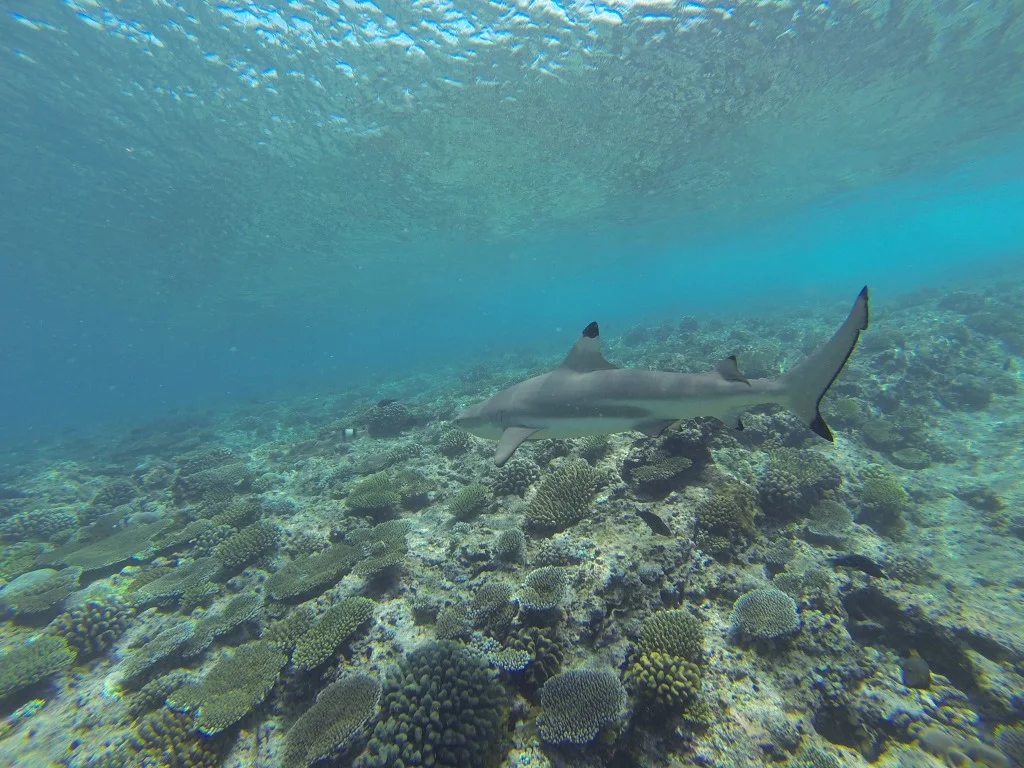
Including this specific site, the region falls within a protected biosphere reserve, reflecting a long-standing commitment to conservation. Such a designation supports a rich habitat where numerous conservation organizations are actively working to preserve the unique wildlife that lives in and passes through these waters. Divers frequently encounter a wide range of marine species here, often including sharks, whales, dolphins, and various turtle species, particularly along the wall's contours.
Visibility across this area typically ranges from 15 m / 49 ft to an impressive 50 m / 164 ft, though conditions can vary depending on currents and plankton presence. Water temperatures, while not consistently reported for this exact spot, generally fall between 21-28°C / 70-82°F in the broader Pacific Coast region.
Site structure and protected status contribute to its value as a significant location for underwater exploration along Mexico's Pacific Coast. It's a place where natural ocean forces, combined with sustained environmental protection, have fostered a thriving marine community, offering a genuine sense of wild exploration.
Conditions are Good
Optimal conditions expected
Current conditions near Punta Toño show 33° air, 32° sea temperature, 1.1 m waves, and 18 km/h wind. Forecast data is refreshed regularly to ensure accuracy.
Best Time to Dive
Conditions for diving at Punta Toño are generally favorable year-round, but specific months stand out for optimal experiences. Climate data indicates a "Good" dive score for most months, with air temperatures consistently warm, typically ranging from 26-30°C / 79-86°F. Such comfort extends topside, making surface intervals pleasant. Rainfall is remarkably low for much of the year, often less than 1 mm, creating consistently dry conditions from January through May and again from July to February. June, September, and October see slightly increased rainfall, up to 7-9 mm, which can occasionally affect surface conditions but rarely impacts underwater visibility significantly. Wave heights remain moderate throughout the year, generally around 1.1-1.7 meters, with slightly choppier seas in late spring and early summer. Calmest seas are reported from November to May in the broader region, which aligns with higher dive scores for these months. For divers prioritizing stable, comfortable conditions with minimal precipitation, the periods from January to May and November to December typically offer the best window.
PEAK SEASON SCORE
Scores combine air & water temps, waves, wind & rainfall for overall conditions.
BEST MONTHS TO DIVE
Monthly records compiled from satellite and marine observation nodes over the last 3 years. Data provided by Open-Meteo and MET Norway.
Dive Experience & Conditions
Dropping into Punta Toño, divers are met with the immediate sensation of current, which guides the drift along the Cacaluta Island wall. It's not a static dive; expect to feel the subtle push and pull of the ocean, making for a dynamic experience. Visibility can be impressive, often stretching between 15 m / 49 ft and 50 m / 164 ft, allowing distant features of the wall to come into view as you glide past. Water temperature typically feels comfortable, hovering within the 21-28°C / 70-82°F range, suitable for various wetsuit thicknesses. Down along the wall, a pronounced feeling of depth occurs, with marine life often appearing from the blue or tucked into crevices. A genuine sense of immersion in a thriving, current-swept environment defines the experience. The sheer scale of the wall and the constant movement of the water create an exhilarating and engaging dive.
Dive Difficulty & Safety Guidelines
Diving at Punta Toño, particularly due to its drift and wall dive characteristics, requires divers to maintain strong situational awareness. Solid buoyancy control is essential to navigate the wall without causing disturbance or making uncontrolled ascents/descents. Because currents are a feature of this site, divers should be comfortable with drift diving techniques, including proper finning and group management.
It's advisable for divers to possess an Advanced Open Water certification or equivalent experience. Specific reported hazards beyond those naturally associated with drift and wall diving are not noted, such as managing currents and monitoring depth.
Always dive with a reliable buddy and carry an SMB (Surface Marker Buoy) for safe surface signaling, especially in areas with potential boat traffic. Following local dive operator briefings is crucial, as they provide real-time updates on conditions.
Recommended Equipment
Current and surface separation risk. Local briefing strongly recommended.
- Dive Computer
- DSMB
- Reel / Spool
This gear list is based on verified equipment signals for Punta Toño, Mexico. Always confirm final gear choices with your dive operator, guide, or liveaboard.
Recommended Dive Suit
According to recent observations, water temperatures near Punta Toño are approximately 32°C (89°F). Surface air temperatures are resting at 33°C (91°F).
A modest cooling trend is expected in the upcoming forecast. A significant temperature drop is forecast; strongly suggest bringing a backup warmer suit option. A neoprene vest or hood can add flexibility if temperatures feel cooler underwater.
Most divers exploring waters at this temperature rely on dive skin or rash guard for effective insulation. A hood or vest is suggested for sensitive divers due to surface winds. Water temperature is only one factor influencing overall comfort during a dive. Divers planning trips later in the week may want to consider bringing a slightly warmer suit.
Emergency & Medical Support
Essential information to help you plan your dive trip to Punta Toño.

Hyperbaric chambers are a critical part of dive safety infrastructure. Availability varies significantly by region, and not all dive areas have immediate access.
Before diving, it's recommended to:
- confirm nearest medical facilities
- check emergency procedures with local dive operators
- ensure dive insurance covers evacuation if required
Divers Alert Network
Diving emergency assistance available through DAN World.
+1-919-684-9111- 24/7 emergency hotline
- Diving medical assistance
- Evacuation coordination
Emergency contacts are provided for reference. Always verify local emergency services before diving.
Marine Life at Punta Toño
Approaching the wall at Punta Toño, divers often first notice the larger pelagics moving in the blue. Keep an eye out for various shark species that patrol the deeper sections.
Whales and dolphins are also frequently sighted in the vicinity, especially during certain seasons, offering spectacular encounters. A known habitat for different turtle species, the area allows observations of them cruising along the wall or resting.
While specific reef fish diversity isn't the primary draw here, excitement comes from these significant marine mammal and large fish interactions. Constant movement along the wall creates opportunities for surprising encounters.
Dive Sites Near Punta Toño
View all dive sites in MexicoDiscover more underwater gems in this area.
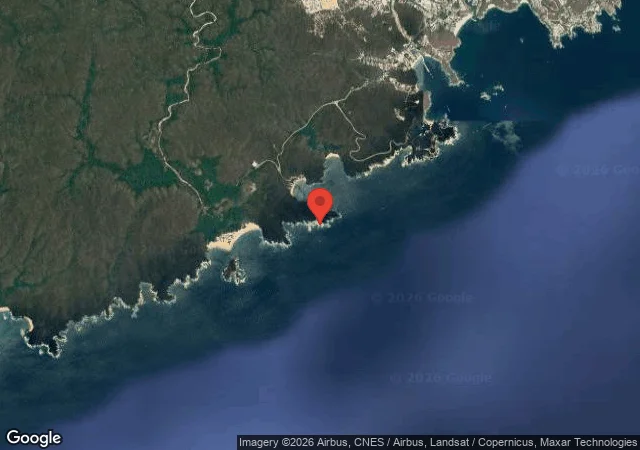
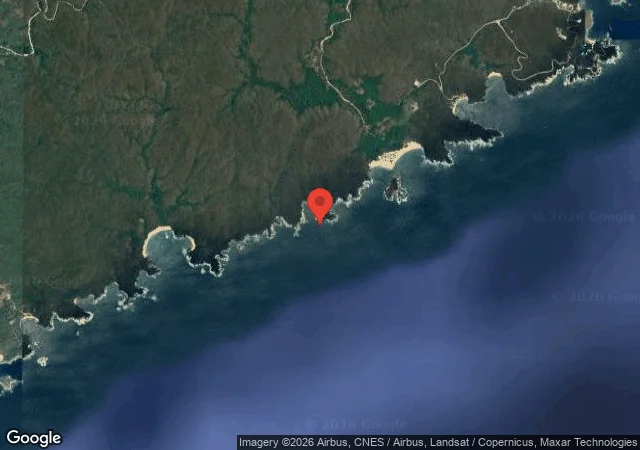
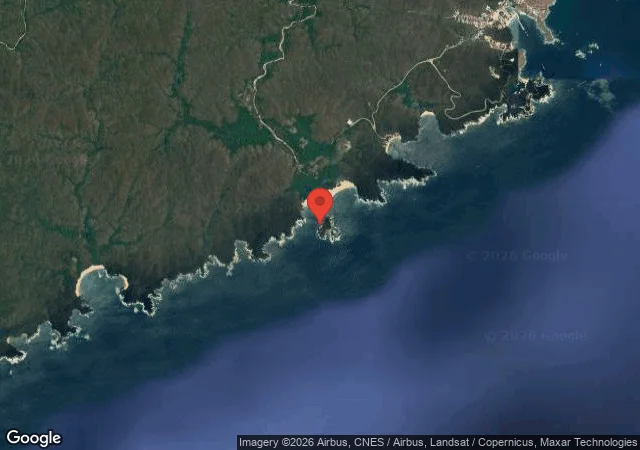
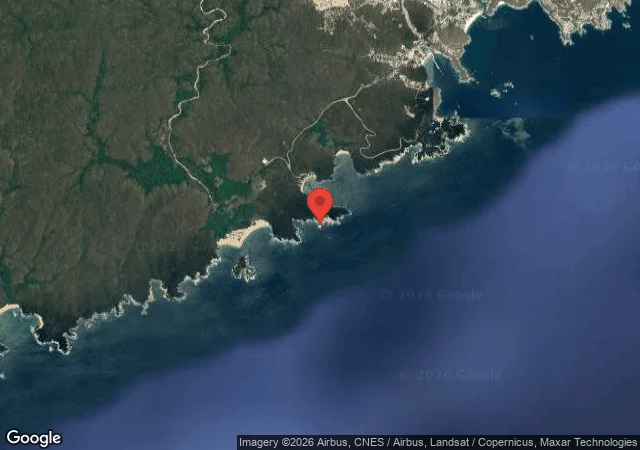
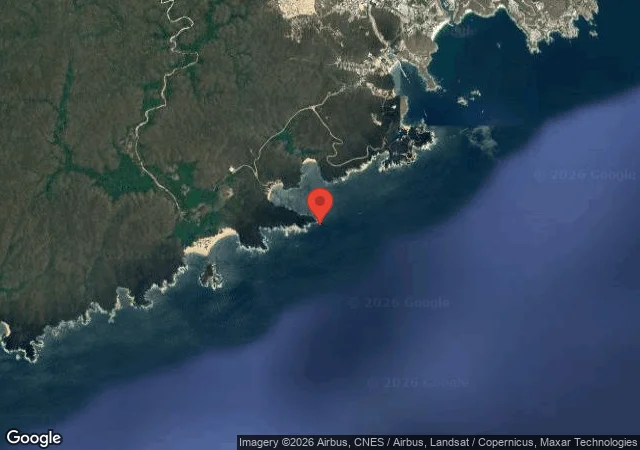
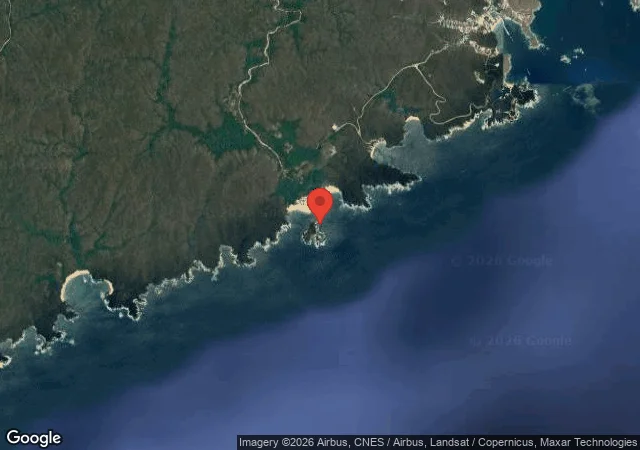
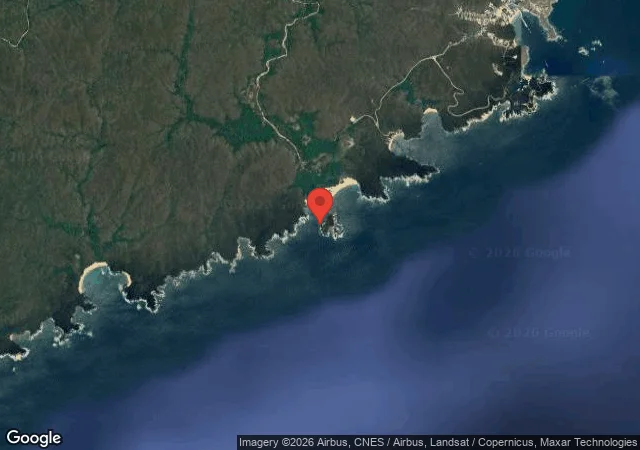
Dive Centers Near Punta Toño
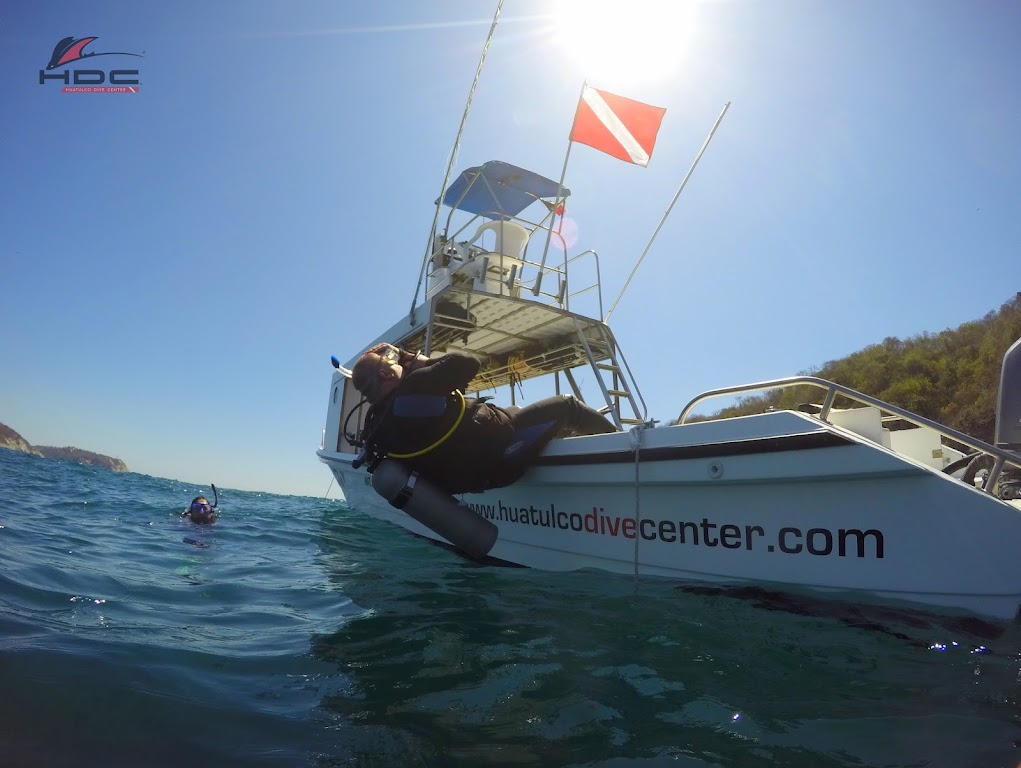
Today: 09:00 - 17:00
Nearest Airports
Nearest airports to help plan travel to this dive area.
Search Flights
Check available flights and routes on Expedia, using the nearby airports listed in this section.
Search Flights on ExpediaFrequently Asked Questions
What are the primary dive types at Punta Toño?
Punta Toño is primarily known for its wall and drift diving experiences. Divers will explore a significant underwater wall that offers dynamic encounters with currents.
What marine life can I expect to see?
Divers often spot larger marine species such as sharks, whales, dolphins, and various types of turtles here. The site is recognized for its pelagic encounters rather than extensive coral reefs.
What are the typical water temperatures?
Water temperatures in the region around Punta Toño generally range from 21-28°C / 70-82°F. This usually allows for comfortable diving with appropriate thermal protection.
What is the visibility usually like?
Visibility at this site can be quite good, varying from 15 m / 49 ft to an impressive 50 m / 164 ft. Conditions depend on factors like plankton levels and currents.
What dive experience level is recommended?
Due to the drift and wall diving, an Advanced Open Water certification or equivalent experience is advisable. Strong buoyancy control and comfort with currents are beneficial.
Is Punta Toño part of a protected area?
Yes, Punta Toño falls within a protected biosphere reserve. This designation underscores conservation efforts in the area to preserve its unique marine wildlife.
Planning to dive Punta Toño?
Send one inquiry and receive offers directly from the best verified local dive operators.
Conditions are Good
Optimal conditions expected
Current conditions near Punta Toño show 33° air, 32° sea temperature, 1.1 m waves, and 18 km/h wind. Forecast data is refreshed regularly to ensure accuracy.