
Diving at Manchones National Park (Mexico)
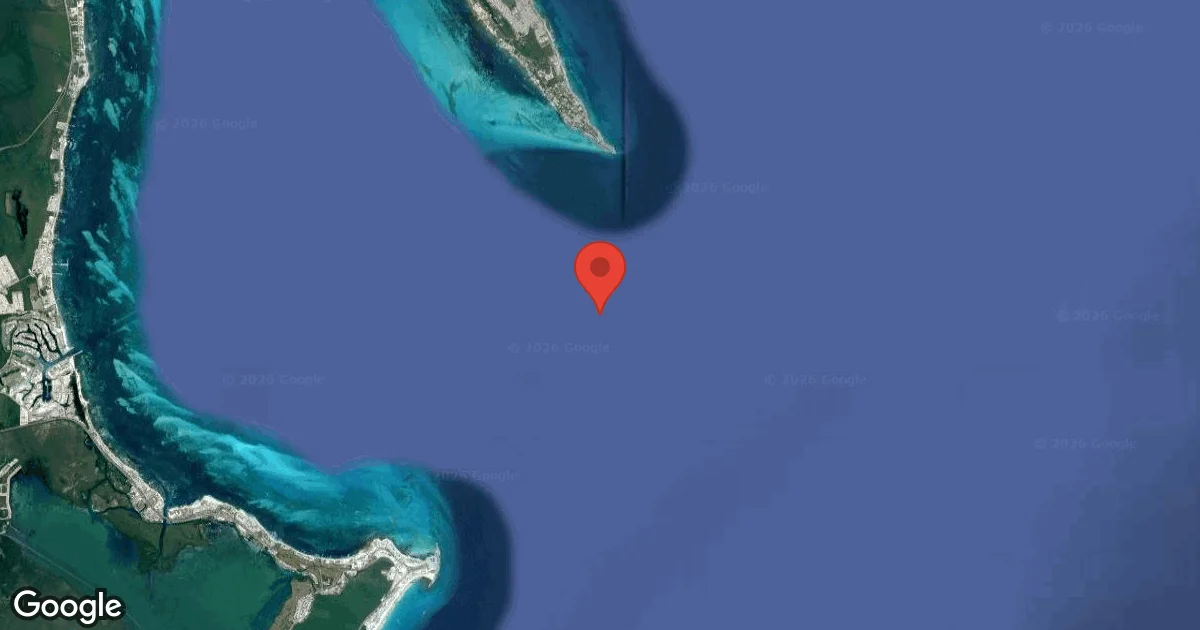
Descending into Manchones National Park reveals a diverse underwater world, perfect for various skill levels. Off the coast of Isla Mujeres, a protected marine area acts as the gateway to the vast Mesoamerican Reef System. Divers here encounter a spectrum of environments, from placid shallow reefs to more dynamic sites with moderate currents. It's a key destination for exploring Mexico's vibrant Caribbean marine ecosystems.
As evening covers Manchones National Park, the local air temperature is measured at 29°C. The current wave height at the surface is recorded at 0.7 m. These late-day readings characterize the surface conditions for the night.
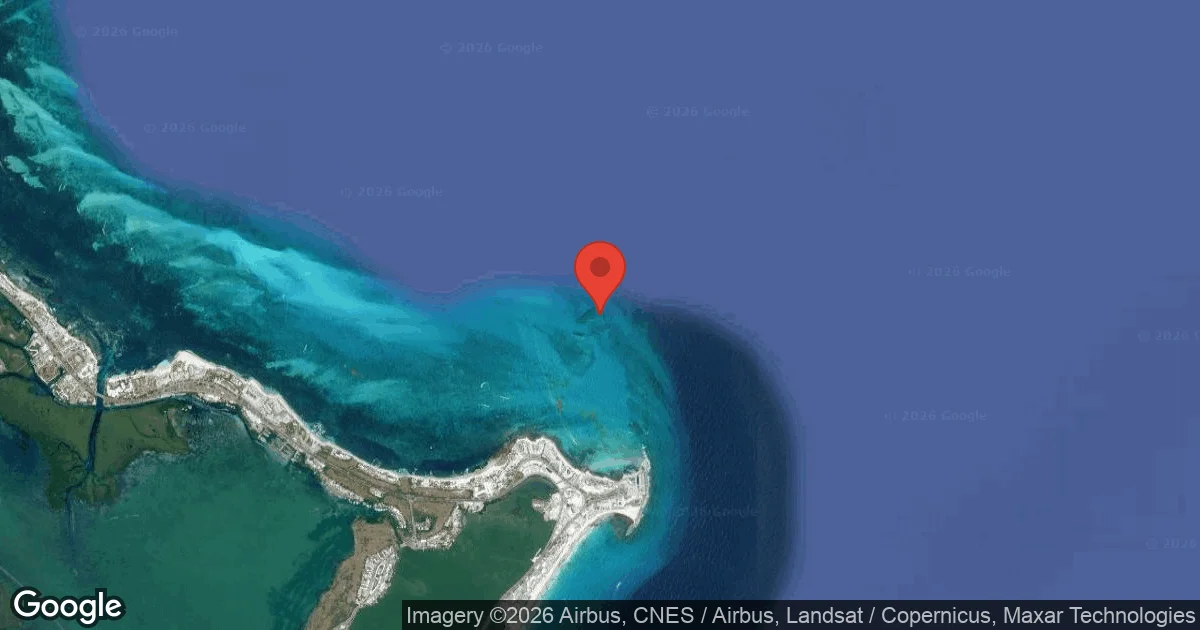
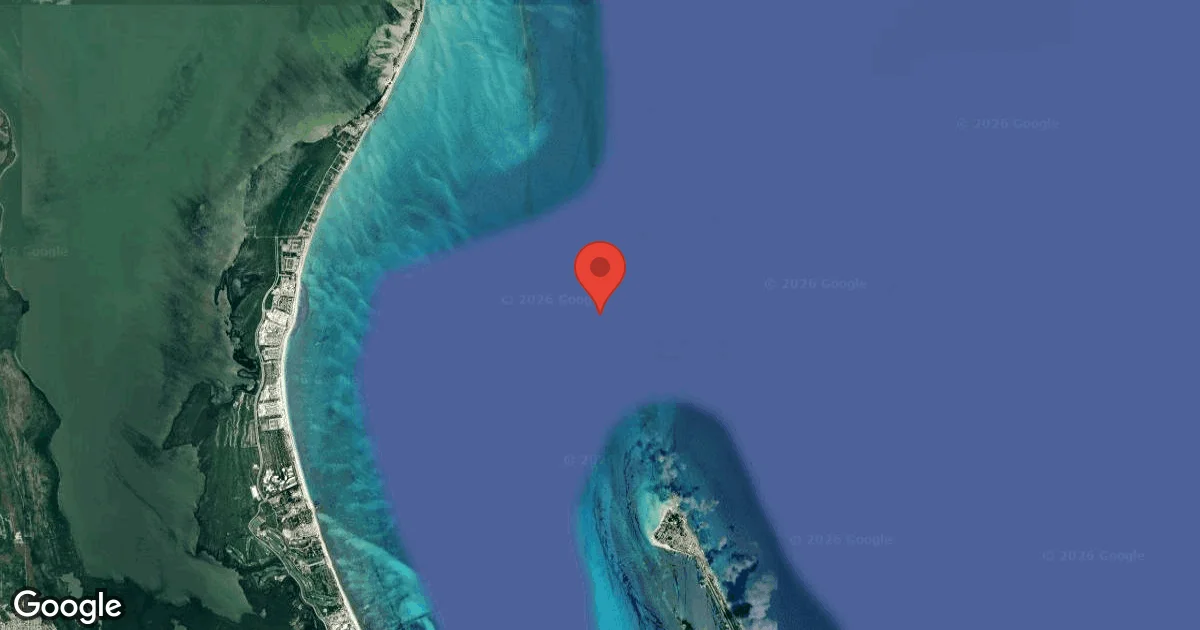
Dive Site Location & Key Facts
Dive Site Overview
Manchones National Park encompasses a rich array of underwater topography, from shallow coral gardens to deeper wrecks and artificial reef installations like the MUSA sculptures. Dive depths typically range from 10 to 30 meters (33 to 100 ft), accommodating both novice and advanced divers.
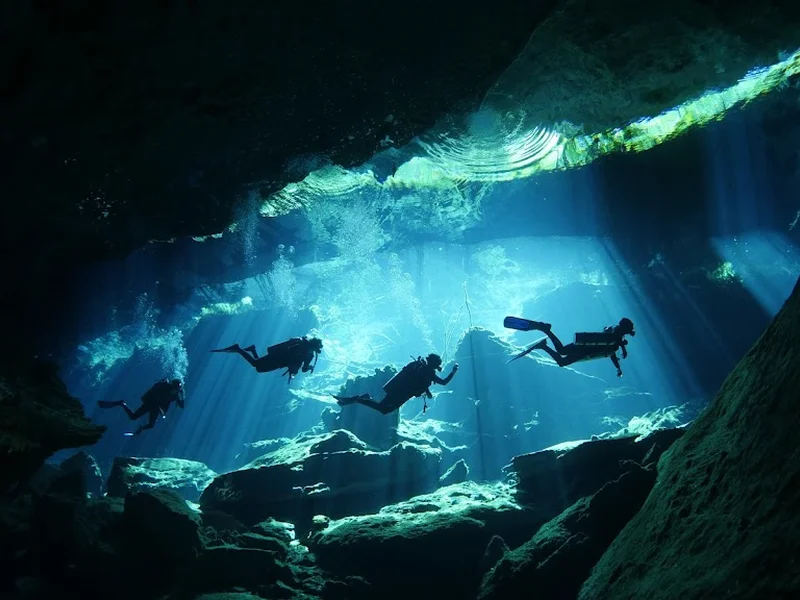
Varied dive types are available, including gentle shallow explorations, thrilling drift dives, and opportunities to navigate swim-throughs, tunnels, and arches. Visibility consistently averages between 20-30 meters (65-100 ft), offering clear views of the extensive reef system. Water temperatures generally stay between 26-28°C (79-82°F), making for comfortable extended dives.
Boat rides to these sites are usually brief, lasting 10-35 minutes from Isla Mujeres, positioning divers quickly into the action. Manchones' diverse offerings mean a dive here might involve exploring a vibrant coral slope or discovering a historical wreck, each experience contributing to the area's narrative of marine resilience.
Conditions are Good
Optimal conditions expected
Current conditions near Manchones National Park show 29° air, 29° sea temperature, 0.6 m waves, and 29 km/h wind. Forecast data is refreshed regularly to ensure accuracy.
Best Time to Dive
Planning a dive at Manchones National Park often focuses on optimal visibility and calm sea states for the best experience. While diving is possible year-round, conditions are particularly favorable during May, July, August, and September, when dive scores are highest. During these months, average air temperatures are warm, ranging from 28°C (82°F) in May to 29°C (84°F) in August. Wave heights tend to be lower, especially in August, averaging 0.8 meters, contributing to clearer underwater views. Though rain levels show a slight increase towards late summer and early fall, particularly in September with 4.5 mm, these are generally brief and don't significantly impede diving conditions. Consistent water temperatures of 26-28°C (79-82°F) further enhance comfort during these peak months, allowing divers to fully appreciate outstanding visibility.
PEAK SEASON SCORE
Scores combine air & water temps, waves, wind & rainfall for overall conditions.
BEST MONTHS TO DIVE
Monthly records compiled from satellite and marine observation nodes over the last 3 years. Data provided by Open-Meteo and MET Norway.
Dive Experience & Conditions
Diving conditions in Manchones National Park vary significantly across its sites, allowing for tailored adventures. Some areas, particularly the Manchones reef system, offer shallow depths averaging around 10 meters (30 ft) with very little current, ideal for practicing buoyancy or leisurely exploration. Elsewhere, divers might encounter mild to frequently strong currents, characteristic of drift dives, which demand more experience. Visibility is generally excellent, often between 20-30 meters (65-100 ft), enhancing photographic opportunities and overall underwater appreciation. Relatively warm water, typically 26-28°C (79-82°F), allows for comfortable prolonged immersion. Whether exploring coarse sandy bottoms, artificial reef structures, or natural coral formations, underwater conditions support a range of activities from beginner training to advanced wreck and tunnel dives.
Dive Difficulty & Safety Guidelines
Ensuring a safe dive experience in Manchones National Park involves adhering to established park regulations and environmental practices. Park authorities strictly enforce rules preventing unauthorized boats and fishing activities, maintaining the pristine condition of its dive sites. Divers must always choose a licensed and authorized operator, which supports responsible tourism and the ongoing conservation efforts protecting these waters.
Visitors should be aware of mandatory fees, such as park conservation fees and dock fees, which contribute directly to the management and preservation of the marine environment. Practicing good buoyancy control is crucial to avoid damaging fragile coral ecosystems. Using reef-safe sunscreen is also highly recommended to minimize environmental impact.
Recommended Equipment
- Dive Computer
- DSMB
This gear list is based on verified equipment signals for Manchones National Park, Mexico. Always confirm final gear choices with your dive operator, guide, or liveaboard.
Recommended Dive Suit
Thermal protection such as dive skin or rash guard is commonly used for water temperatures in this range.
Divers entering the water at Manchones National Park today can expect temperatures near 29°C (85°F) beneath the surface. Surface air temperatures are resting at 29°C (84°F).
Current forecasts indicate relatively stable conditions for the coming days.
Due to technical issues with our weather providers, live updates are temporarily delayed. The data above reflects the conditions at the time of the last successful fetch.
Emergency & Medical Support
Essential information to help you plan your dive trip to Manchones National Park.

Hyperbaric chambers are a critical part of dive safety infrastructure. Availability varies significantly by region, and not all dive areas have immediate access.
Before diving, it's recommended to:
- confirm nearest medical facilities
- check emergency procedures with local dive operators
- ensure dive insurance covers evacuation if required
Divers Alert Network
Diving emergency assistance available through DAN World.
+1-919-684-9111- 24/7 emergency hotline
- Diving medical assistance
- Evacuation coordination
Emergency contacts are provided for reference. Always verify local emergency services before diving.
Marine Life at Manchones National Park
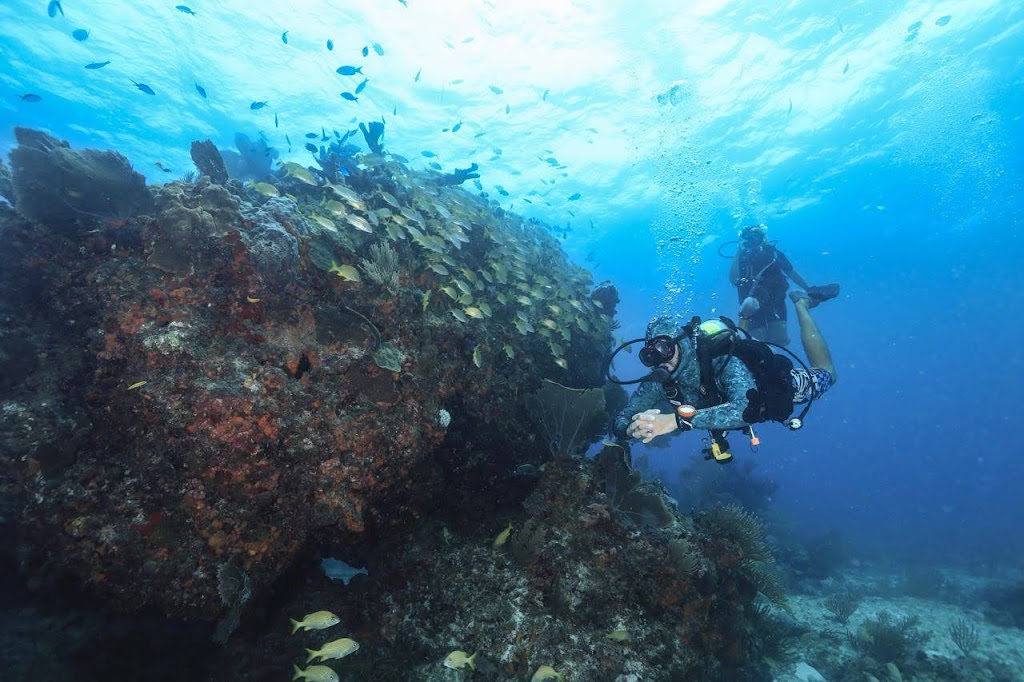
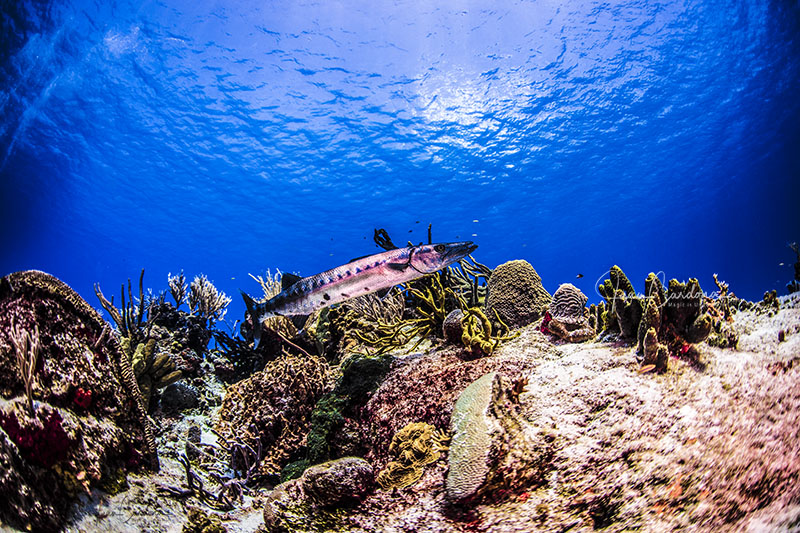
An abundance of marine species thrives in the underwater landscape of Manchones National Park. Divers can expect to encounter over 65 species of stony corals and more than 350 species of molluscs, forming the foundation of this vibrant ecosystem.
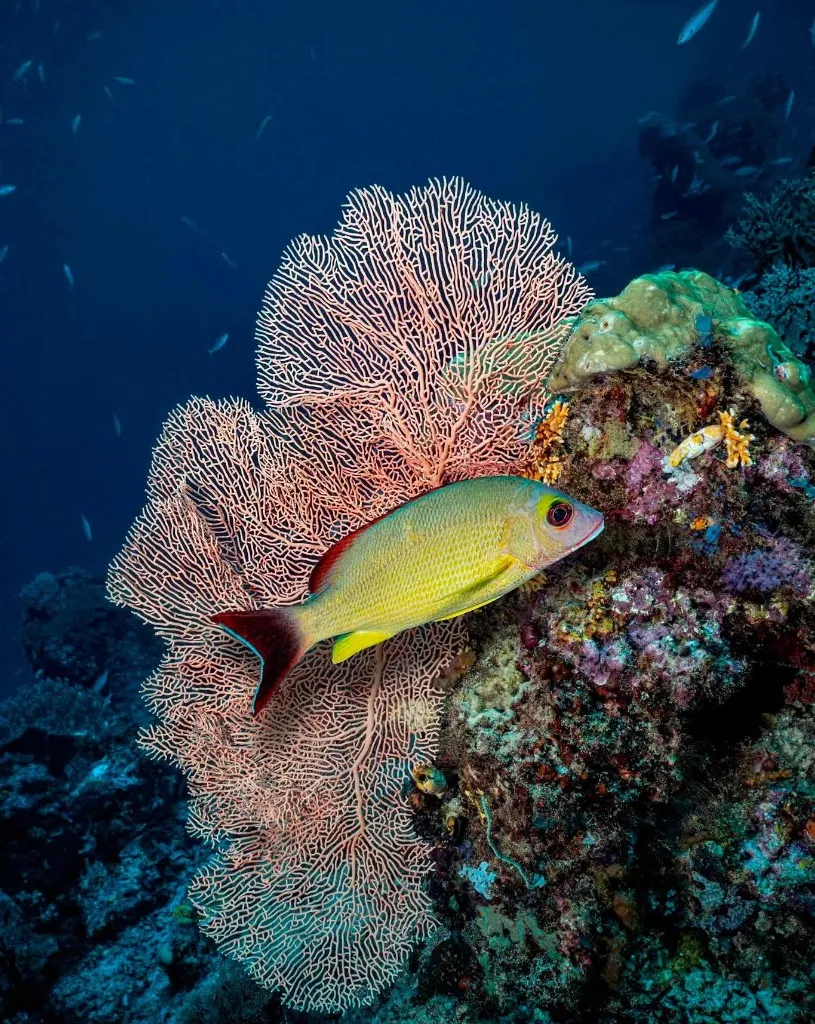
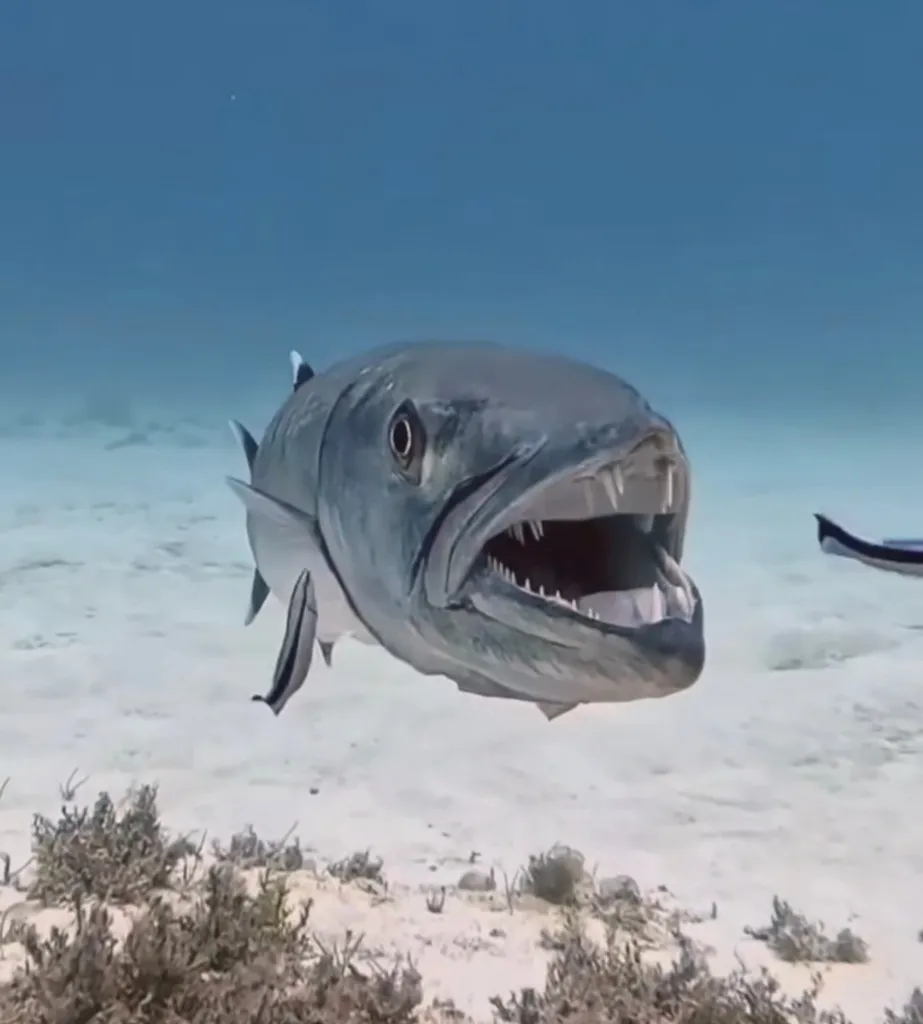
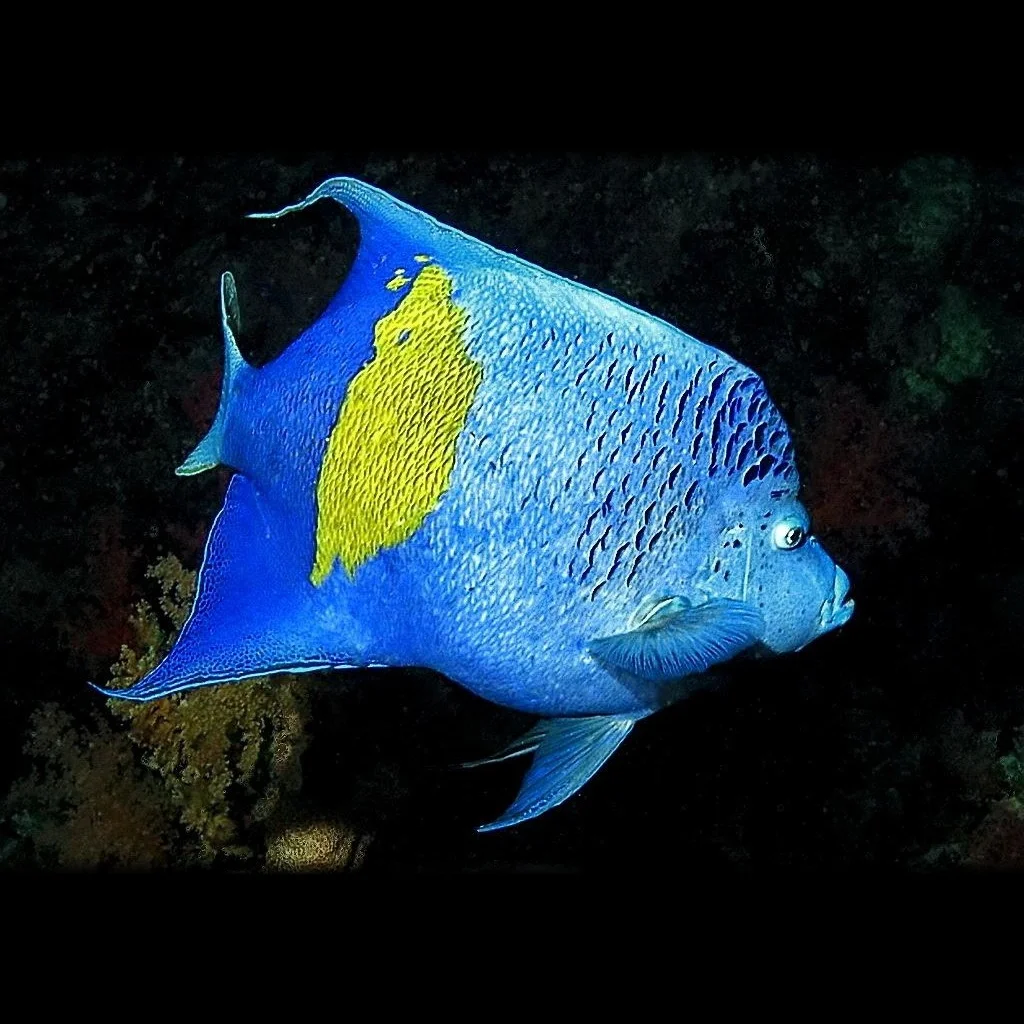
These waters are home to over 500 species of fish, including colorful tropical fish, barracuda, angelfish, and various snappers. Graceful turtles and curious rays are also frequently observed navigating reef structures and sandy areas, contributing to a rich and dynamic underwater encounter.

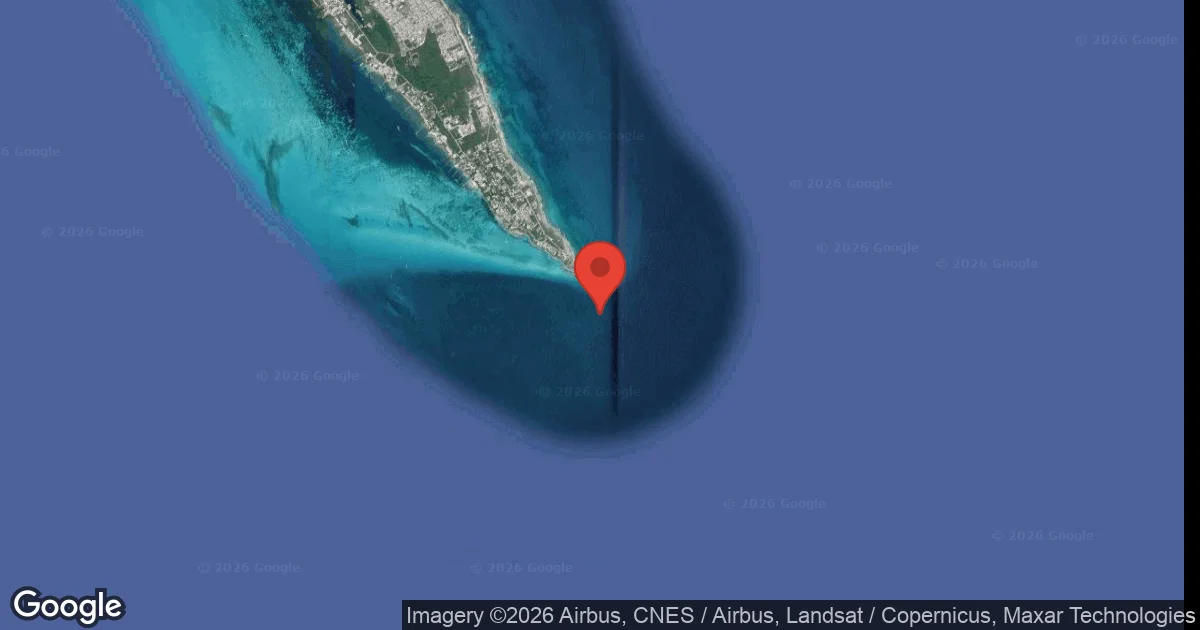
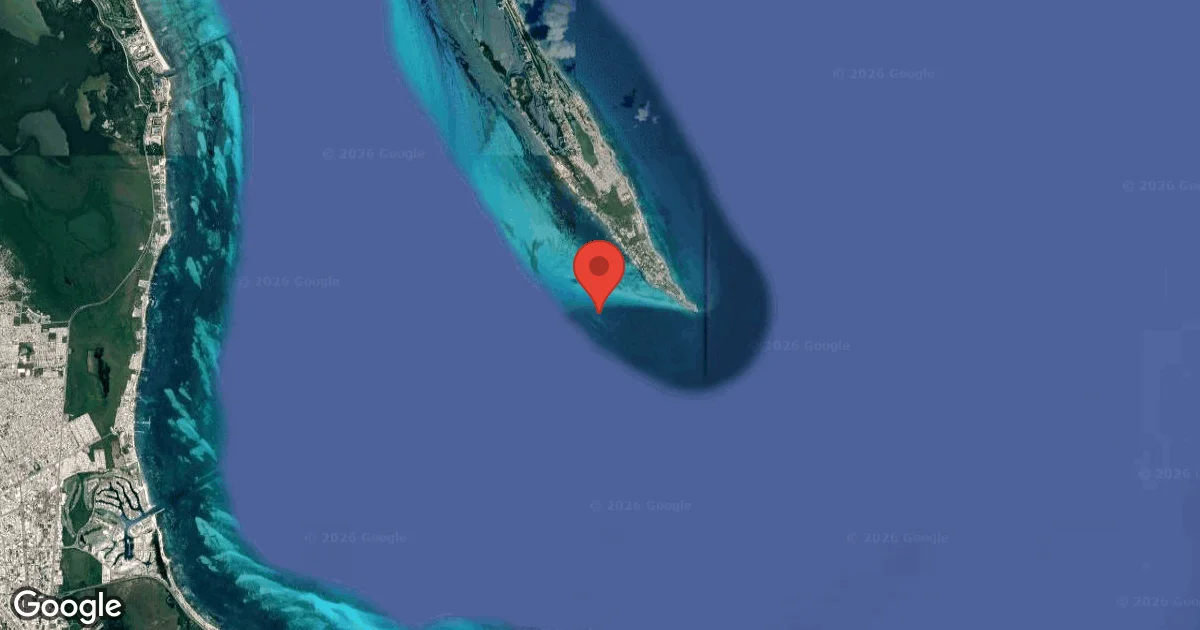
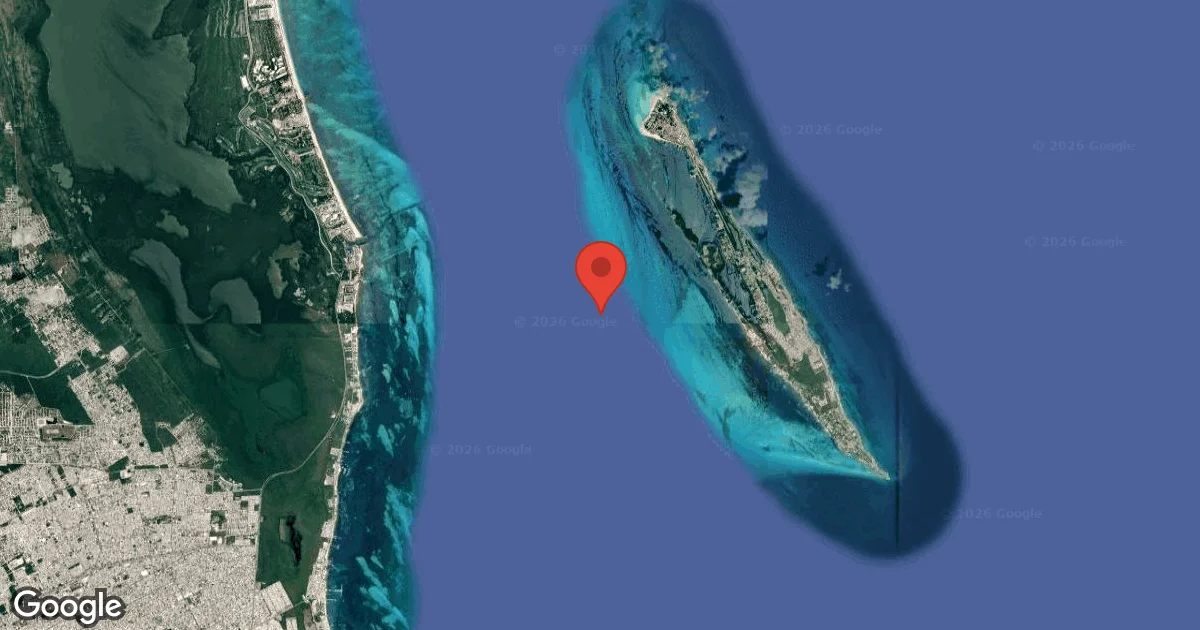
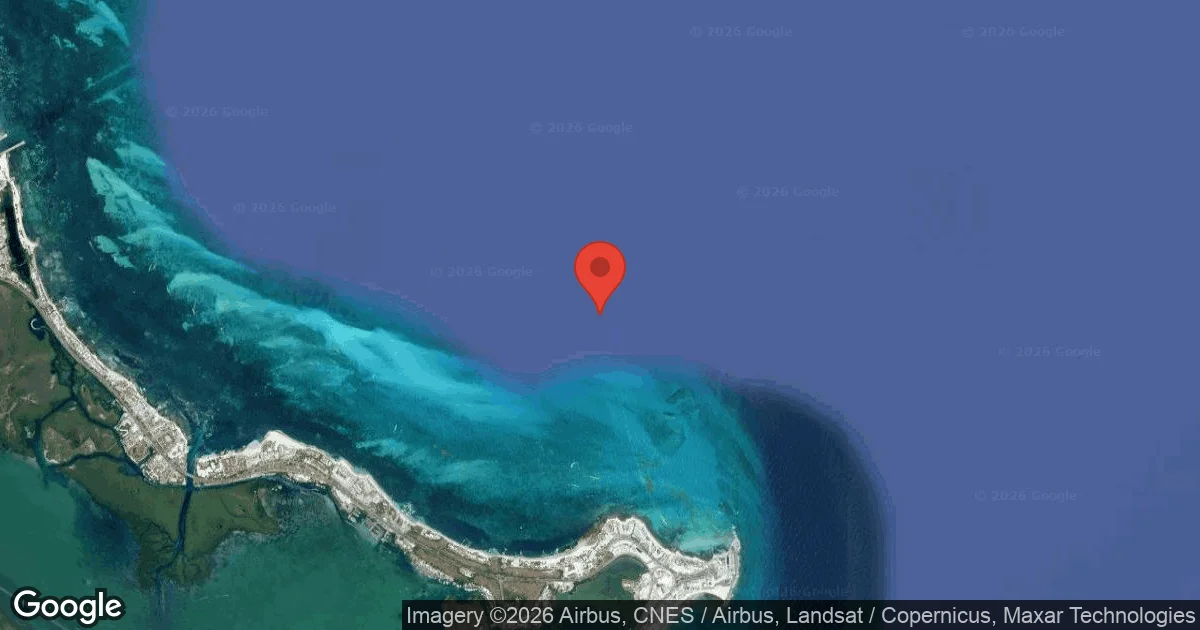
Dive Sites Near Manchones National Park
View all dive sites in MexicoDiscover more underwater gems in this area.
Dive Centers Near Manchones National Park
Today: 07:30 - 17:00
Nearest Airports
Nearest airports to help plan travel to this dive area.
Search Flights
Check available flights and routes on Expedia, using the nearby airports listed in this section.
Search Flights on ExpediaFrequently Asked Questions
What kind of dive experiences are available in Manchones National Park?
The park offers a wide range of dive experiences, from shallow reef explorations suitable for beginners and snorkelers to deeper drift dives and explorations of artificial reefs and wrecks. There are also opportunities for swim-throughs and tunnels.
What is the typical water temperature and visibility in the park?
Average water temperature hovers around 26-28°C (79-82°F), providing comfortable diving conditions. Visibility is generally excellent, often ranging from 20-30 meters (65-100 ft).
Are there strong currents to be aware of?
Conditions vary across the park. Some sites feature very little current, making them ideal for new divers, while others can experience mild to frequently strong currents, suitable for drift diving.
What marine life can I expect to see?
The park is home to over 500 species of fish, including barracuda, angelfish, and snappers. Divers frequently encounter graceful turtles and curious rays, alongside abundant stony corals and molluscs.
What are the average dive depths in Manchones National Park?
Dive depths in the park typically range from approximately 10 meters (33 ft) at shallower reef sites to around 30 meters (100 ft) for deeper explorations, including some wreck sites.
What safety measures or guidelines should divers follow?
It is essential to dive with a licensed and authorized operator, pay all required park and dock fees, and practice responsible diving. Strict enforcement ensures the protection of marine life and prevents unauthorized activities within the park.
Planning to dive Manchones National Park?
Send one inquiry and receive offers directly from the best verified local dive operators.
Conditions are Good
Optimal conditions expected
Current conditions near Manchones National Park show 29° air, 29° sea temperature, 0.6 m waves, and 29 km/h wind. Forecast data is refreshed regularly to ensure accuracy.