
Diving at C58 (Mexico)
C58, a deliberately sunk vessel off Cancun, Mexico, serves as a substantial artificial reef. Strong currents profoundly shape the underwater landscape here. Clear visibility often allows divers to observe extensive marine growth covering its two main sections. This location is tailored for advanced exploration, providing detailed views of a transformed structure and the diverse life it now supports.
Evening condition tracking at C58 features an air temperature of 28.5°C. We have recorded wave heights measuring 0.7 m during this period. These figures outline the environmental parameters currently present.
Dive Site Location & Key Facts
Dive Site Overview
C58 wreck, formerly a WWII minesweeper, was intentionally sunk in May 2000 by the Mexican government to create an artificial reef. Previously known as USS Harlequin and later ARM SM-20, its underwater journey saw a dramatic turn in 2005.
Hurricane Wilma broke the vessel into two distinct sections. This event created significant openings and swim-throughs, allowing appropriately certified divers to attempt wreck penetration. Resting at approximately 26 meters / 85 feet on a white sandy bottom, this site is distinctly a deep dive.
Strong, year-round currents define C58, fostering a dynamic environment that continuously sculpts the wreck and draws various migratory marine life. Such challenging conditions appeal directly to more experienced divers seeking an engaging exploration.
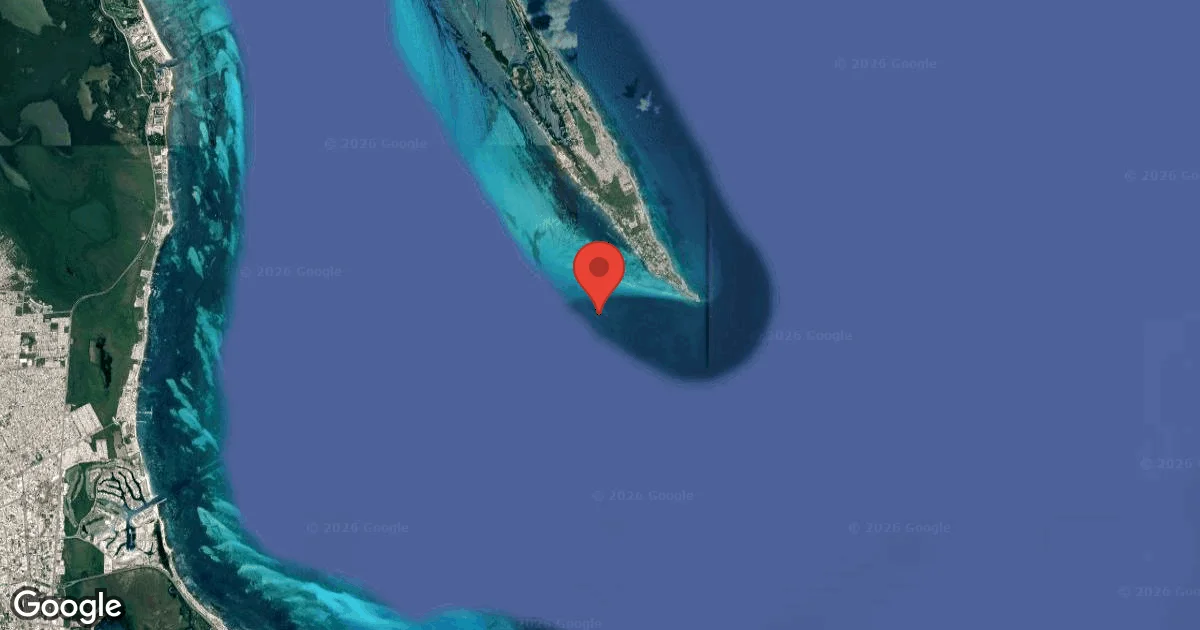
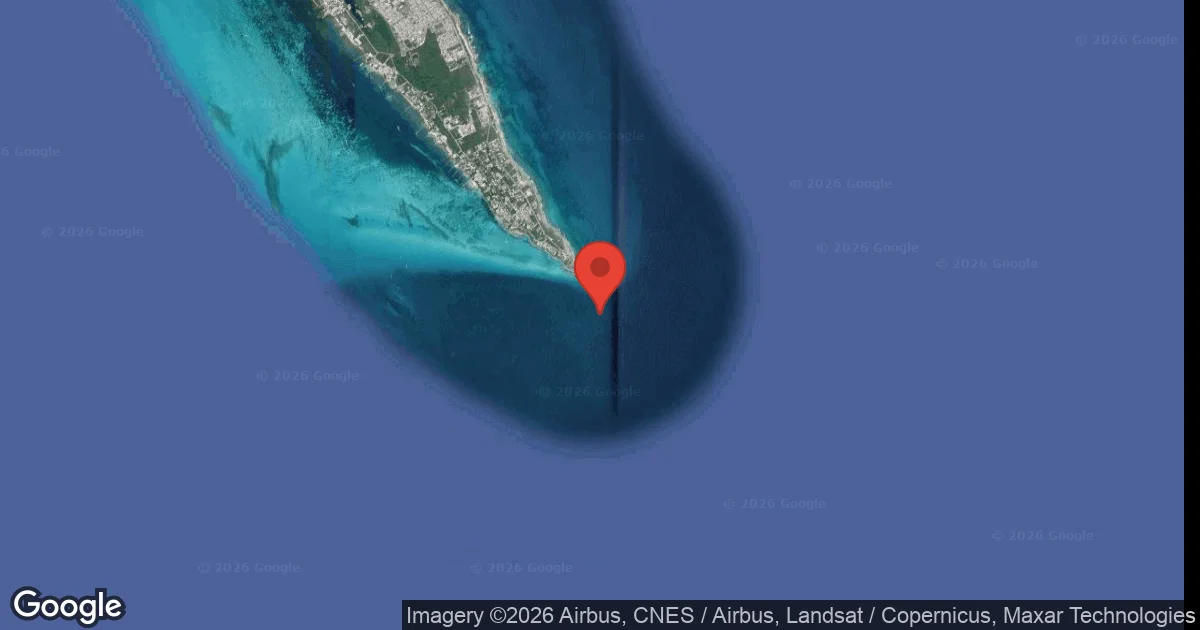
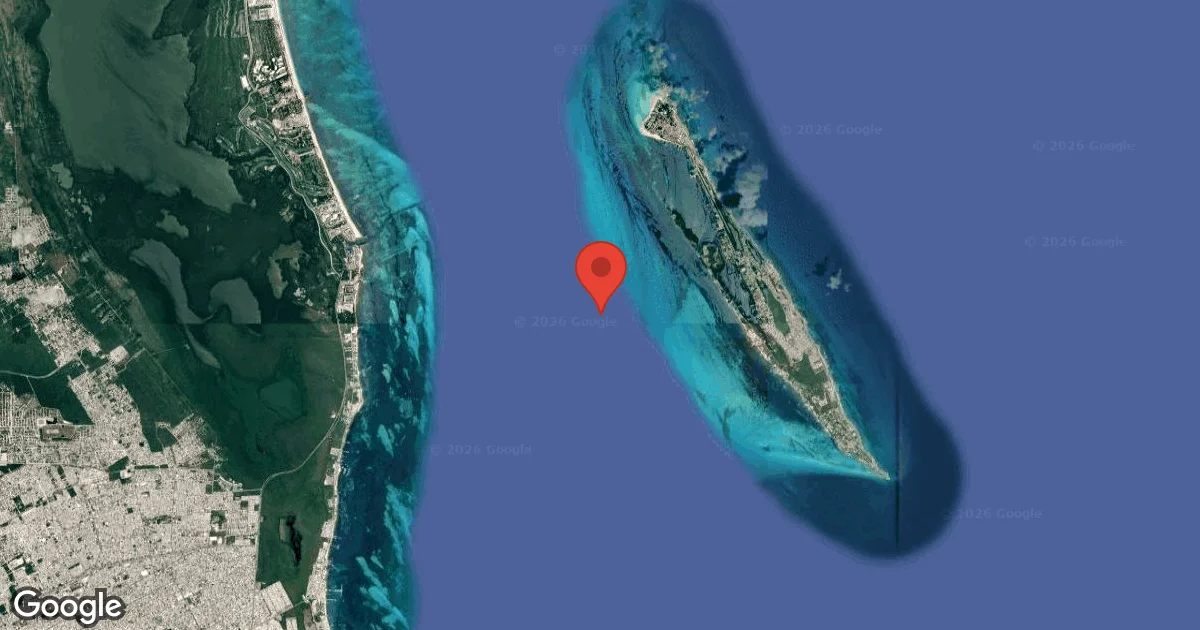
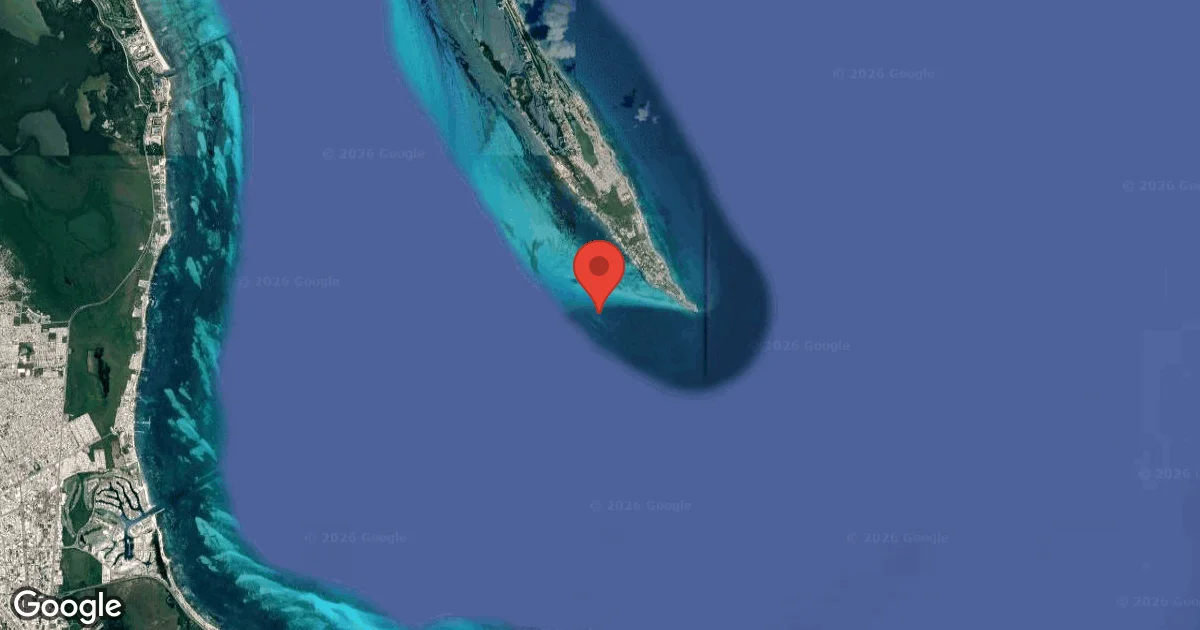
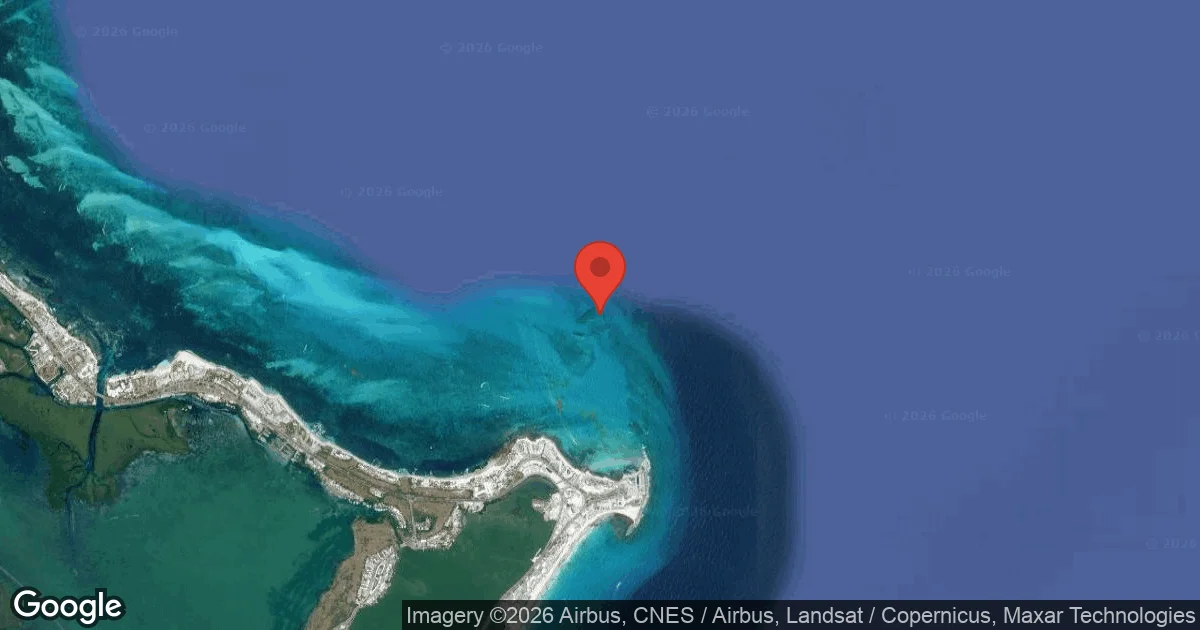
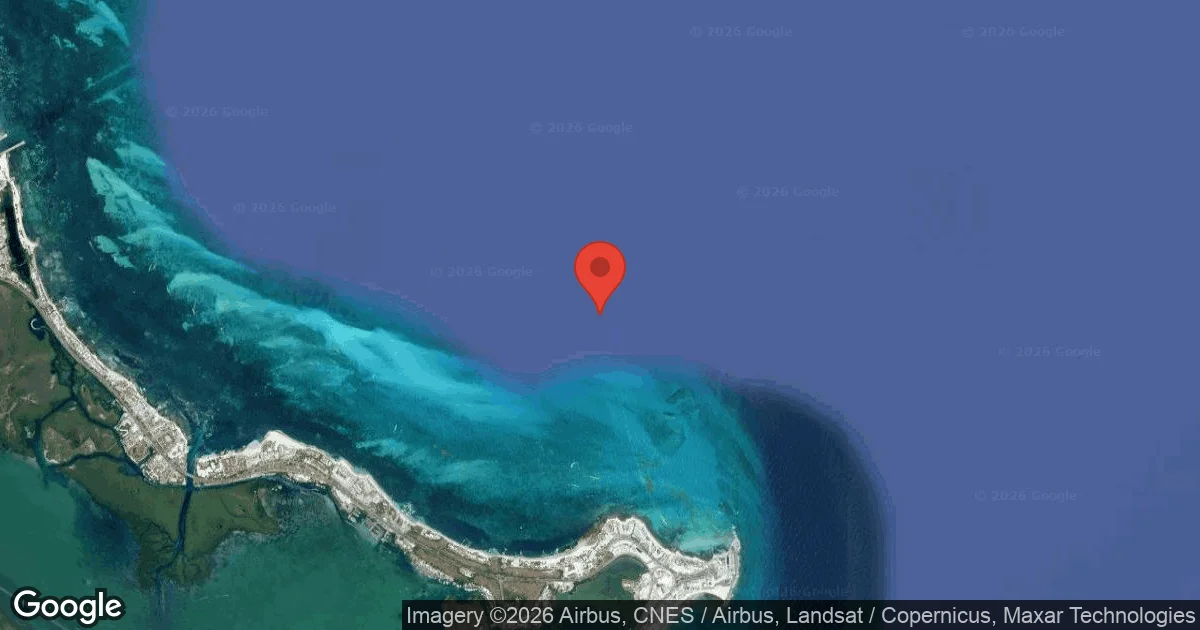
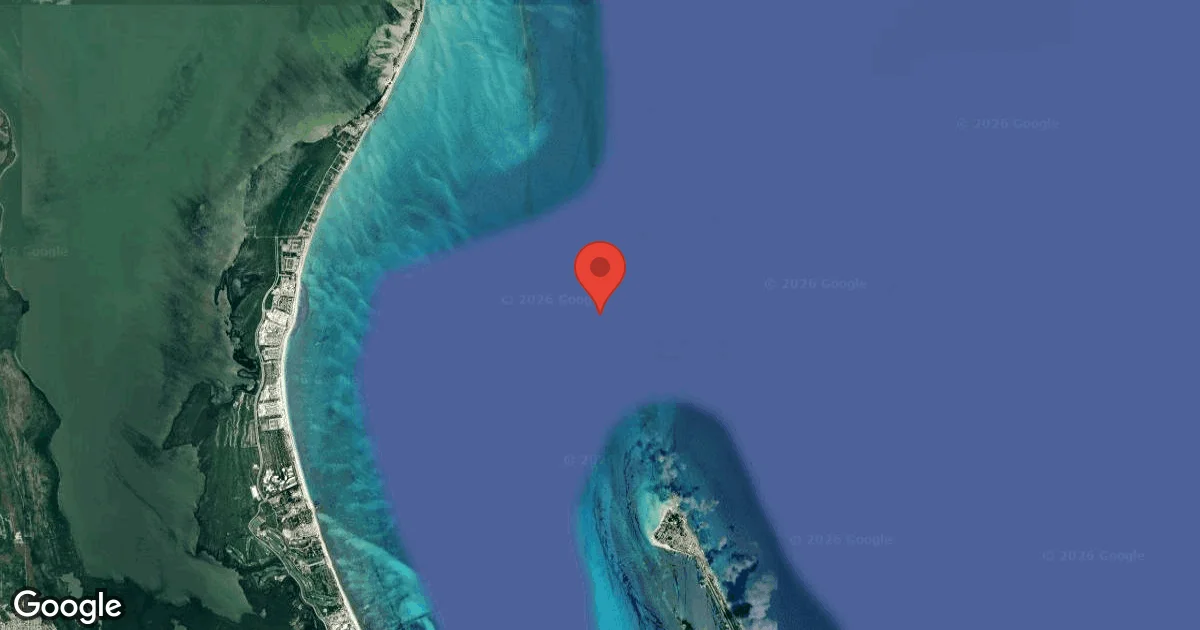
Situated off Cancun, usually a 25 to 40-minute boat ride from Isla Mujeres, C58 serves as a prominent destination. Divers looking for a blend of history and challenging underwater exploration find it here.
Below the surface, a detailed world awaits within and around the ship's remnants, offering extensive areas to observe.
Conditions are Moderate
Optimal conditions expected
Current conditions near C58 show 29° air, 29° sea temperature, 0.6 m waves, and 34 km/h wind. Forecast data is refreshed regularly to ensure accuracy.
Best Time to Dive
Seasonal conditions and specific marine life migrations influence optimal dive times at C58. Dive scores indicate 'Good' conditions generally prevail from May through September. During these months, May, July, and August typically show lower wave heights (around 0.8-0.9 meters / 2.6-3.0 feet) and reduced wind speeds (21-27 km/h / 13-17 mph). Air temperatures remain consistently warm, averaging 28-29°C / 82-84°F, though rain showers can be slightly more frequent. Eagle rays annually return from December to late March, making this period particularly active for sightings. Conditions during this time are generally rated 'Moderate', with average air temperatures around 25-26°C / 77-79°F and minimal rain (0.8-1.9 mm / 0.03-0.07 inches). Visibility averages 20 meters / 65 feet year-round, yet can fluctuate with prevailing currents.
PEAK SEASON SCORE
Scores combine air & water temps, waves, wind & rainfall for overall conditions.
BEST MONTHS TO DIVE
Monthly records compiled from satellite and marine observation nodes over the last 3 years. Data provided by Open-Meteo and MET Norway.
Dive Experience & Conditions
Diving C58 demands a coordinated descent due to strong, prevalent currents. It's often a drift dive without a fixed descent line, meaning all divers must enter the water and descend simultaneously. Once on the bottom, the wreck lies around 26 meters deep, offering extensive areas for exploration. Water temperatures typically range between 26-28°C / 79-82°F, generally ensuring comfortable thermal conditions for most dives. Navigating the wreck, with its two hurricane-separated pieces, involves managing ongoing currents that vary in intensity. This deep, current-affected environment means C58 is exclusively recommended for Certified Advanced Open Water divers or those with a Wreck Diver certification. Dive groups are generally kept small, typically 4 to 5 divers per lead, to ensure close supervision and safety.
Dive Difficulty & Safety Guidelines
As an advanced dive, C58 carries specific prerequisites to manage its inherent challenges. Strong, year-round currents and its significant depth mandate advanced certification and current diving experience. A strict screening process applies to ensure diver and guide safety.
Junior Advanced Divers must be at least 15 years old. While Open Water certified divers might inquire, openly discussing diving experience with operators is crucial.
Specific arrangements or alternative training might be suggested to meet site demands. A consistent descent line is often absent for this drift dive, underscoring the need for excellent buoyancy control and group awareness.
Recommended Equipment
Overhead / entanglement risk. Wreck penetration requires proper training.
- Dive Computer
- DSMB
- Primary & Backup Lights
- Wreck Reel
- Cutting Tool
This gear list is based on verified equipment signals for C58, Mexico. Always confirm final gear choices with your dive operator, guide, or liveaboard.
Recommended Dive Suit
Divers planning deeper dives may feel cooler than those staying in shallower areas.
Many divers find that dive skin or rash guard offers a comfortable balance between warmth and mobility. Forecast trends indicate similar diving conditions over the next few days.
Water temperatures across the dive area at C58 are presently estimated to be around 29°C (85°F). Surface air temperatures are resting at 29°C (84°F).
Emergency & Medical Support
Essential information to help you plan your dive trip to C58.

Hyperbaric chambers are a critical part of dive safety infrastructure. Availability varies significantly by region, and not all dive areas have immediate access.
Before diving, it's recommended to:
- confirm nearest medical facilities
- check emergency procedures with local dive operators
- ensure dive insurance covers evacuation if required
Divers Alert Network
Diving emergency assistance available through DAN World.
+1-919-684-9111- 24/7 emergency hotline
- Diving medical assistance
- Evacuation coordination
Emergency contacts are provided for reference. Always verify local emergency services before diving.
Marine Life at C58
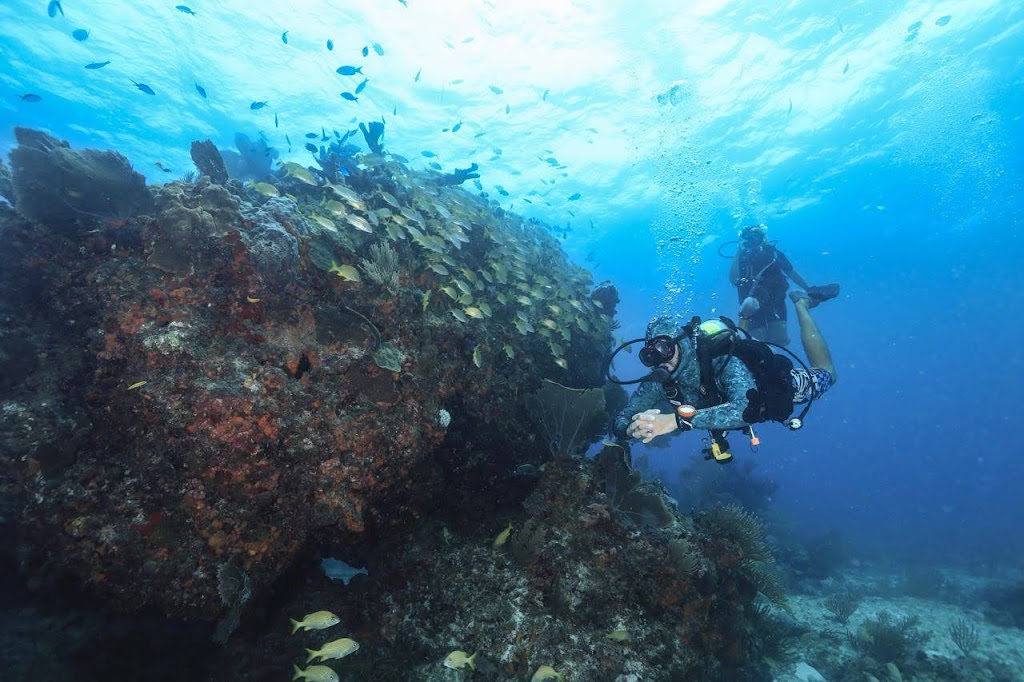
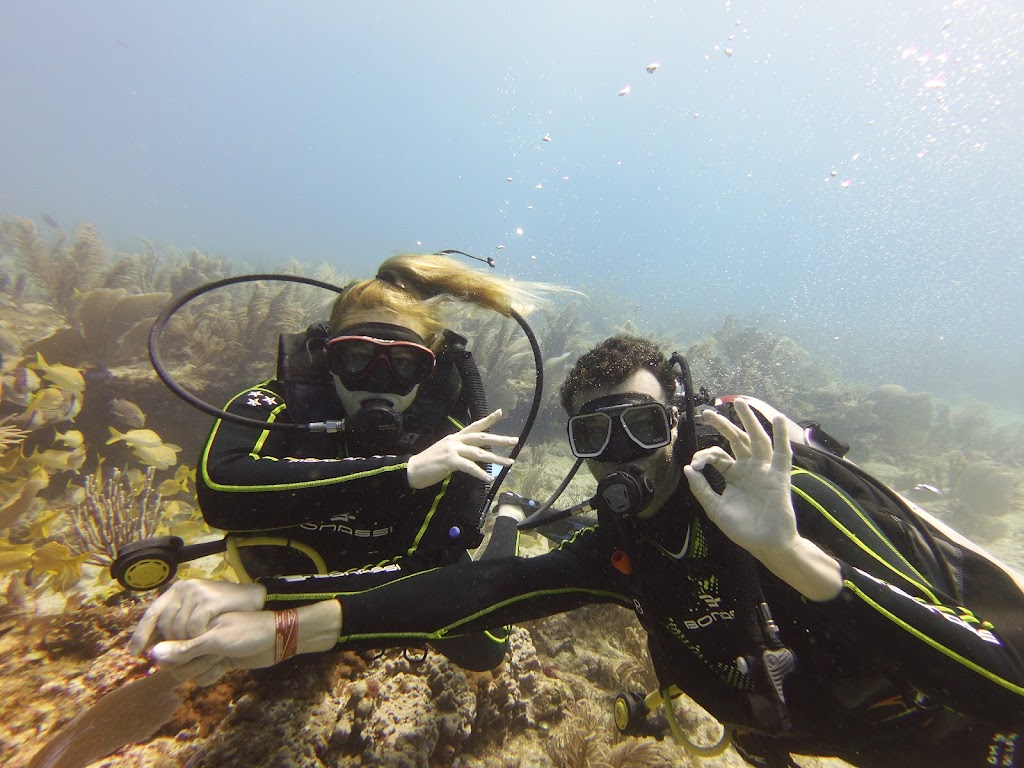
C58 wreck's underwater landscape functions as a vibrant artificial habitat. Its metal structure, adorned with corals and sponges, provides shelter for diverse species.
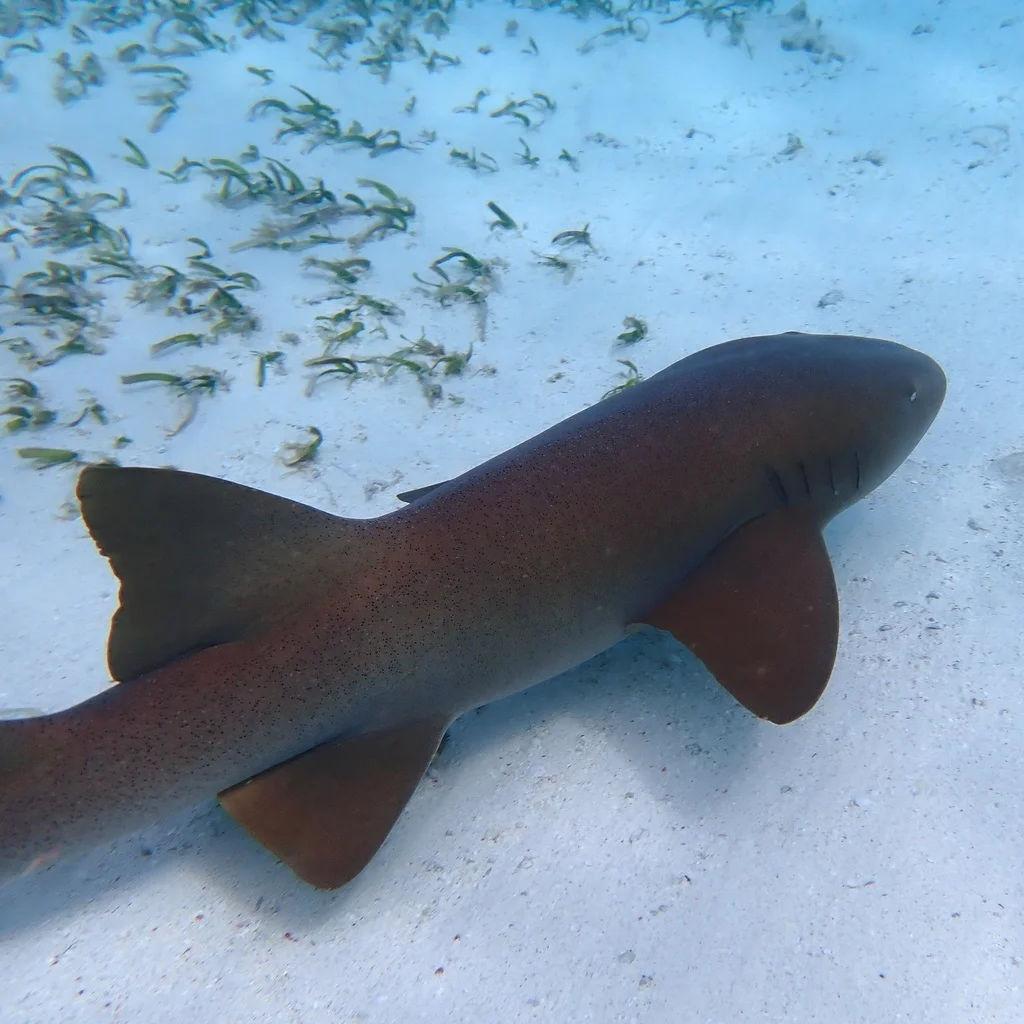
Inside the stern and deeper sections, large schools of grunts and jacks are common, alongside huge green moray eels inhabiting crevices. Nurse sharks are often spotted hiding beneath the hull.
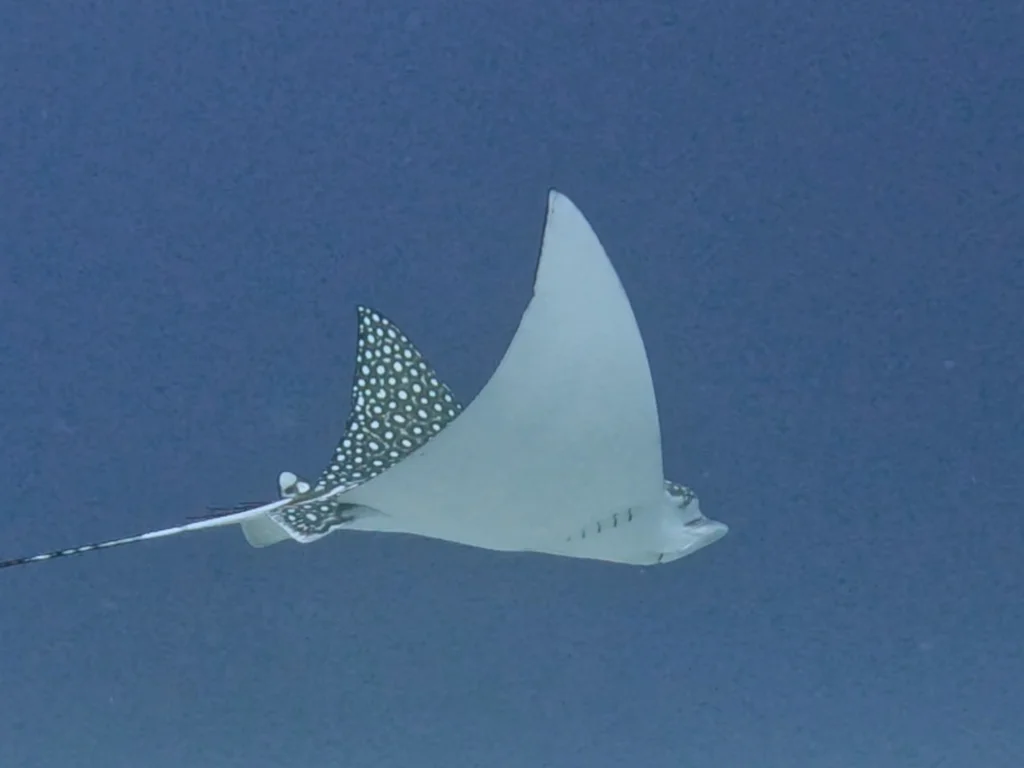
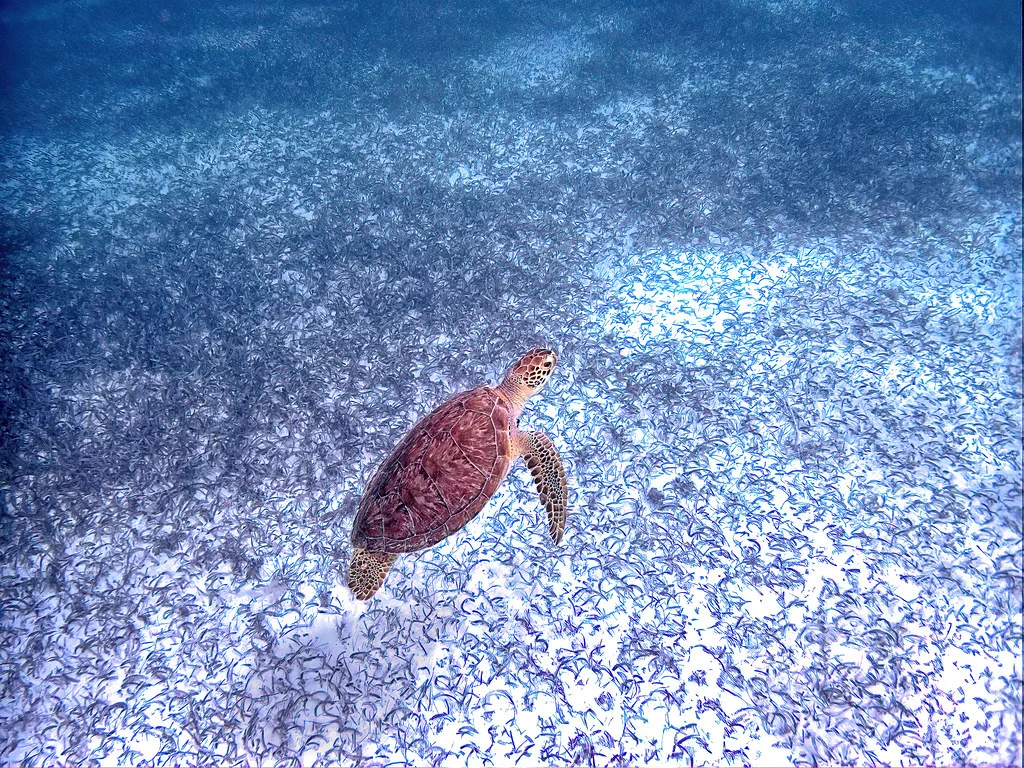
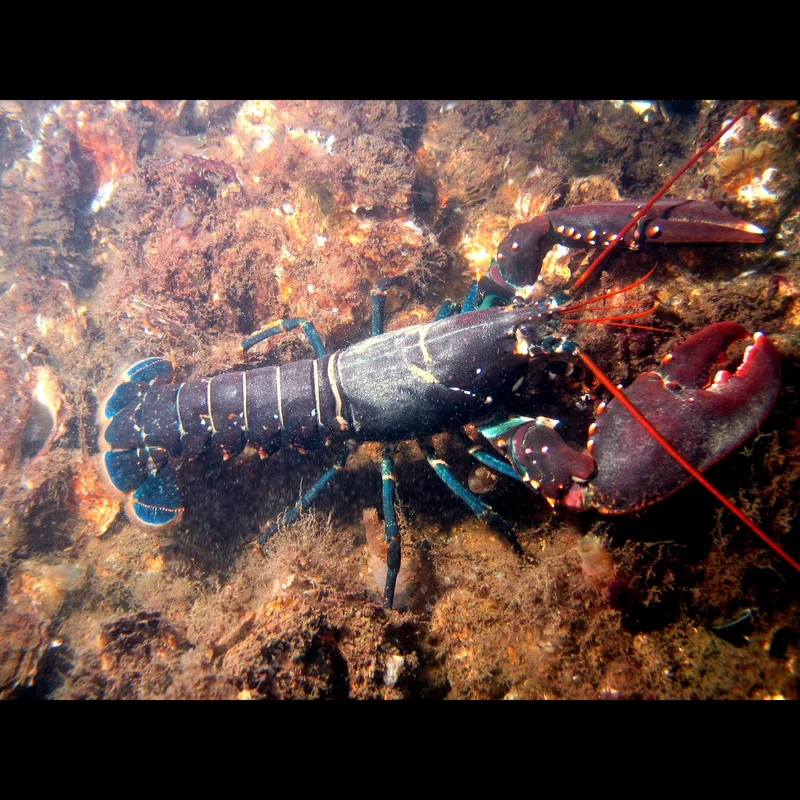
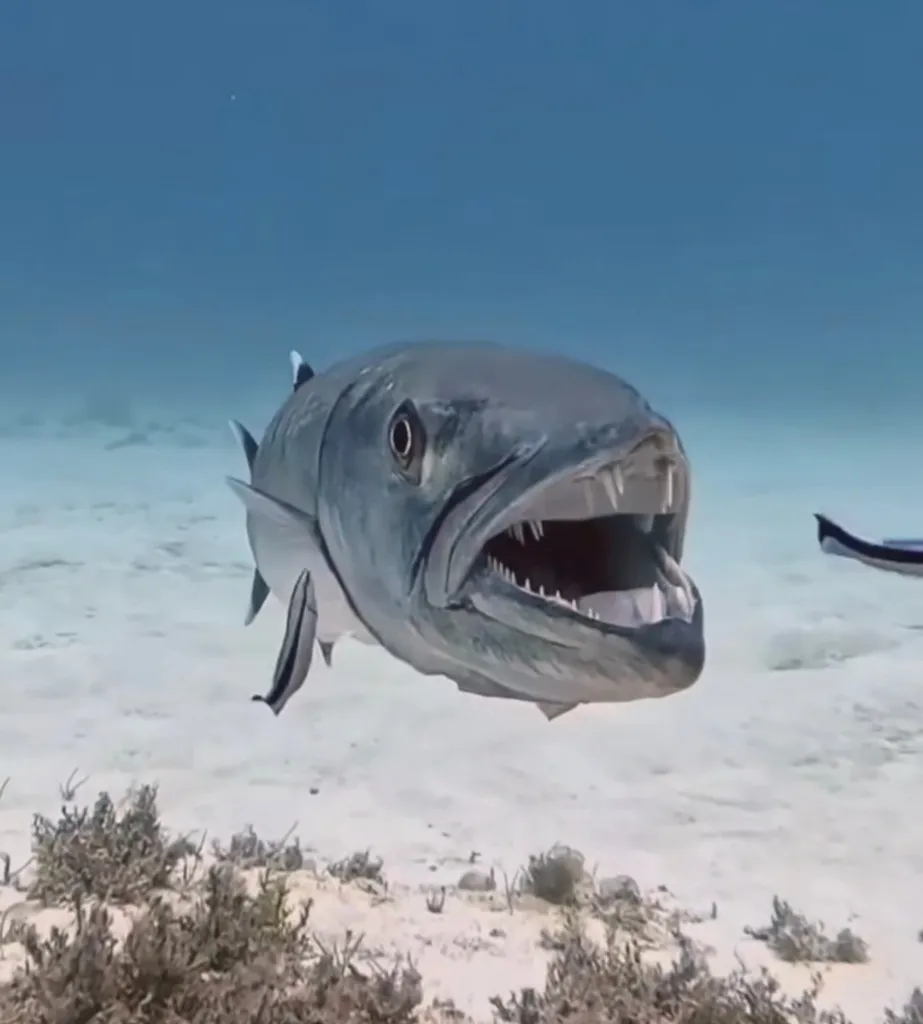
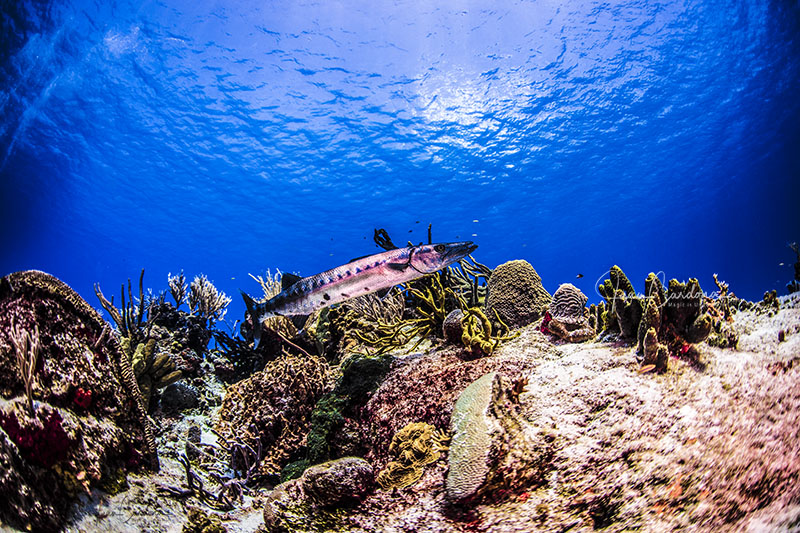
During turtle mating season, majestic loggerhead turtles frequently pass by. From December to March, spotted eagle rays provide a spectacular display, gliding in groups above the sandy bottom in search of food. Barracuda, lobster, grouper, hogfish, and parrotfish also populate this area, showcasing the wreck's success in attracting marine biodiversity.
Dive Sites Near C58
View all dive sites in MexicoDiscover more underwater gems in this area.
Dive Centers Near C58
Today: 07:30 - 17:00
Nearest Airports
Nearest airports to help plan travel to this dive area.
Search Flights
Check available flights and routes on Expedia, using the nearby airports listed in this section.
Search Flights on ExpediaFrequently Asked Questions
What certification level is required for diving C58?
C58 is an advanced dive, requiring Certified Advanced Open Water or Wreck Diver certification. Junior Advanced Divers must be at least 15 years old to participate. Experienced Open Water divers may have options after discussing their experience with a dive operator.
What is the typical depth of the C58 wreck?
The wreck rests on the seafloor at about 26 meters (85 feet). This depth classifies it as a deep dive, making advanced training particularly relevant.
Are there currents at the C58 dive site?
Yes, C58 experiences strong, year-round currents, often resulting in a drift dive. Such currents are a key characteristic influencing dive planning.
Can divers penetrate the C58 wreck?
Yes, after Hurricane Wilma broke the ship into two pieces, large openings and swim-throughs were created. This allows for wreck penetration by appropriately certified divers, offering an additional layer of exploration.
When is the best time to see eagle rays at C58?
Spotted eagle rays migrate to this area annually from December to late March. This period offers the prime opportunity to observe them, often gliding in groups above the wreck.
What is the water temperature like at C58?
Average water temperatures at C58 typically range from 26°C to 28°C / 79°F to 82°F. This generally provides comfortable thermal conditions for diving throughout the year.
How far is C58 from Isla Mujeres?
C58 wreck is about a 25 to 40-minute boat ride from Isla Mujeres. This makes for a convenient day trip for divers staying in the area.
What marine life can be seen besides eagle rays?
Beyond eagle rays, divers can expect to see large schools of grunts and jacks, green moray eels, and nurse sharks, often hiding under the hull. Loggerhead turtles, barracuda, lobster, grouper, and various reef fish are also common sightings.
Planning to dive C58?
Send one inquiry and receive offers directly from the best verified local dive operators.
Conditions are Moderate
Optimal conditions expected
Current conditions near C58 show 29° air, 29° sea temperature, 0.6 m waves, and 34 km/h wind. Forecast data is refreshed regularly to ensure accuracy.