
Diving at Musa (Mexico)
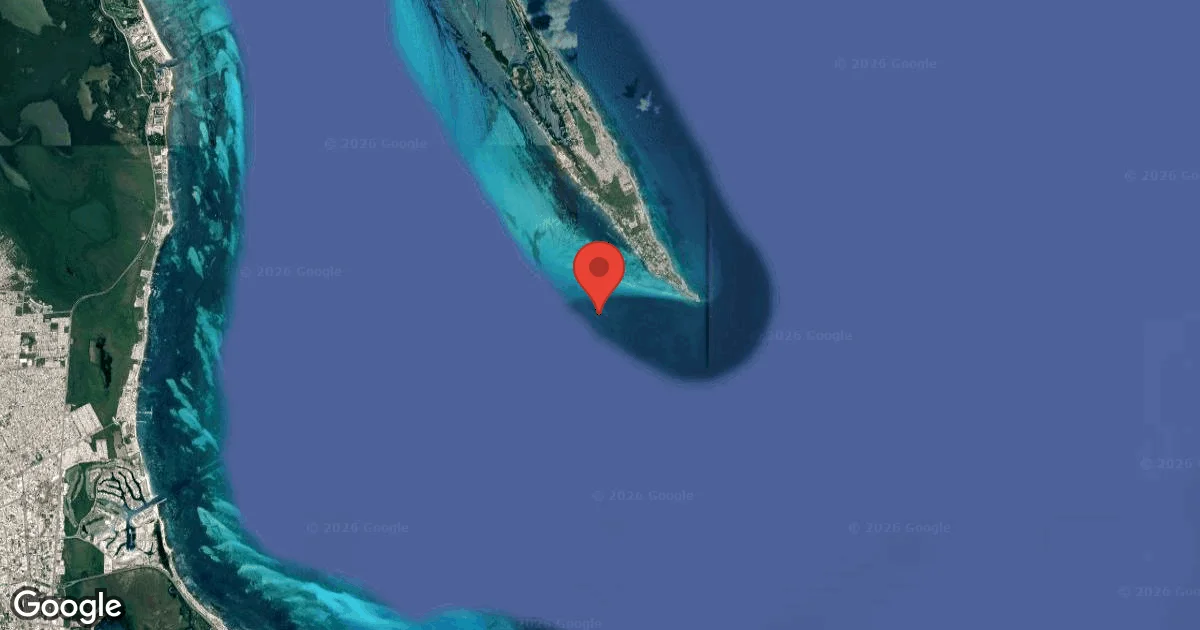
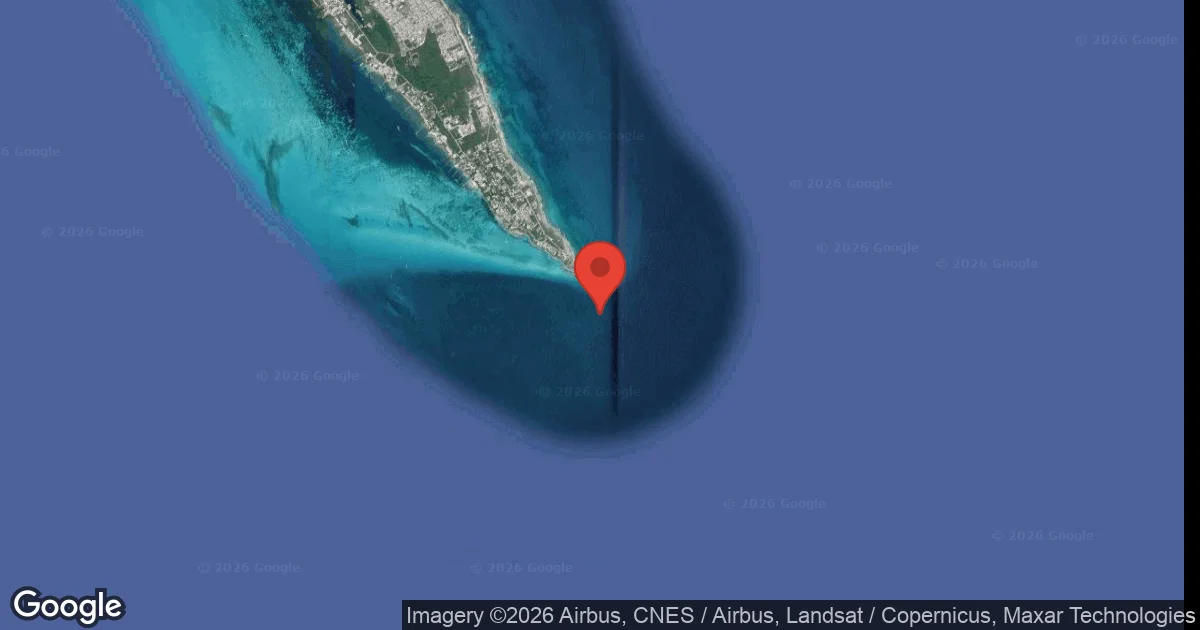
The concept of creating underwater structures for marine life has seen a unique evolution at Musa, Mexico. This remarkable site, an underwater museum off the coast of Isla Mujeres, wasn't formed by a historical shipwreck but by the intentional submergence of over 500 sculptures. These art pieces were strategically placed to establish an expansive artificial reef, drawing marine life and offering a distinct dive experience.
Tonight's objective overview for Musa shows an air temperature of 29°C. The measured surface conditions include wave heights around 0.7 m. This environmental data is logged for the close of the day.
Dive Site Location & Key Facts
Dive Site Overview
Conceived in 2009 by Roberto Diaz and Jason deCaire Taylor, Musa represents a groundbreaking initiative to create an artificial reef system within the Manchones National Park. Over 500 statues, crafted by various artists, populate the seafloor, providing an intricate habitat for coral growth and fish.
Generally shallow, the site is accessible for divers of all experience levels, including those undertaking a PADI Discover Scuba Diving experience or certified Open Water Divers. Many statues are concentrated within the main Musa area, while others are spread throughout the adjacent Manchones Reefs, expanding the explored territory. A typical dive often covers Musa alongside a natural reef segment.
Broadly divided, the underwater museum features two distinct sections. One section showcases varied art pieces, including miniature houses, a large ring designed for divers to swim through, and intriguing 'time bomb' sculptures.
A brief five-minute swim connects this area to the second, more extensive section. Here, divers encounter the 'Silent Evolution,' an impressive collection of over 450 statues modeled after local community members and fishermen.
This section also features submerged full-sized cars and figures with their heads buried in the sand. Closer to the end of the dive, pagoda-style structures complete the artistic journey. Depths across the installation typically range from around 8 to 10 meters (25 to 33 ft), allowing for ample bottom time to appreciate the intricate details of the submerged art.
Conditions are Good
Optimal conditions expected
Current conditions near Musa show 29° air, 29° sea temperature, 0.6 m waves, and 29 km/h wind. Forecast data is refreshed regularly to ensure accuracy.
Best Time to Dive
Divers planning a visit to Musa will find optimal conditions during the months of May, July, August, and September, when the dive score is rated 'Good'. These periods generally coincide with lower average wave heights, often below 1 meter (3.3 ft), and lighter winds, averaging between 21 to 27 km/h (13 to 17 mph). Air temperatures during these prime months are also pleasantly warm, ranging from 28°C to 29°C (82.2°F to 83.8°F). While rainfall slightly increases in June, September, and October, it remains manageable, rarely impacting dive schedules significantly. The remaining months typically offer 'Moderate' dive scores, with slightly higher wave heights and wind speeds, which may lead to choppier surface conditions.
PEAK SEASON SCORE
Scores combine air & water temps, waves, wind & rainfall for overall conditions.
BEST MONTHS TO DIVE
Monthly records compiled from satellite and marine observation nodes over the last 3 years. Data provided by Open-Meteo and MET Norway.
Dive Experience & Conditions
Exploring Musa's unique underwater gallery involves navigating generally gentle currents, making it a comfortable experience for divers across skill levels. The site's shallow to moderate depths, typically around 8 to 10 meters (25 to 33 ft), are ideal for extended exploration and photography. Visibility often remains excellent, allowing for clear views of the intricate statues and the developing marine ecosystem. Water temperatures are not consistently reported but are generally warm, reflecting the region's tropical climate. As an artificial reef, Musa is a salt water dive, with all access points facilitated by boat. This ensures convenient entry and exit, supporting the site's accessibility for both snorkeling and diving.
Dive Difficulty & Safety Guidelines
Musa welcomes divers of all certification levels, from PADI Open Water Divers to those experiencing their first Discover Scuba Diving session. Given the site's unique nature as an art installation, divers must practice excellent buoyancy control to avoid contact with the statues or the burgeoning coral growth. It's crucial to respect the integrity of the art and the delicate ecosystem it fosters; touching or disturbing the sculptures is prohibited.
Always adhere to the PADI Standard Safe Diving Practices, including proper weighting, monitoring air consumption, and staying with your dive guide. Operators typically provide comprehensive briefings before each dive, outlining the specific layout and any current conditions, ensuring a safe and enjoyable underwater journey.
Recommended Equipment
- Dive Computer
This gear list is based on verified equipment signals for Musa, Mexico. Always confirm final gear choices with your dive operator, guide, or liveaboard.
Recommended Dive Suit
According to recent observations, water temperatures near Musa are approximately 29°C (85°F). Surface air temperatures are resting at 29°C (84°F).
Forecast models indicate that diving conditions should remain largely unchanged.
In water temperatures like these, dive skin or rash guard typically offers sufficient warmth for most recreational dives. Some divers naturally tolerate cooler water better than others.
Emergency & Medical Support
Essential information to help you plan your dive trip to Musa.

Hyperbaric chambers are a critical part of dive safety infrastructure. Availability varies significantly by region, and not all dive areas have immediate access.
Before diving, it's recommended to:
- confirm nearest medical facilities
- check emergency procedures with local dive operators
- ensure dive insurance covers evacuation if required
Divers Alert Network
Diving emergency assistance available through DAN World.
+1-919-684-9111- 24/7 emergency hotline
- Diving medical assistance
- Evacuation coordination
Emergency contacts are provided for reference. Always verify local emergency services before diving.
Marine Life at Musa
Upon descending into the Musa art installation, divers first observe the compelling transformation of human-made sculptures into living reef structures. Coral polyps are steadily colonizing the statues, creating textured surfaces that attract a variety of smaller reef fish.
Schools of fish weave through the figures, while crustaceans and other invertebrates find shelter within their crevices. While specific common sightings are not consistently reported, an artificial reef, it actively promotes 'lots of sea life', contributing to a vibrant underwater environment that continues to evolve with the statues.
Dive Sites Near Musa
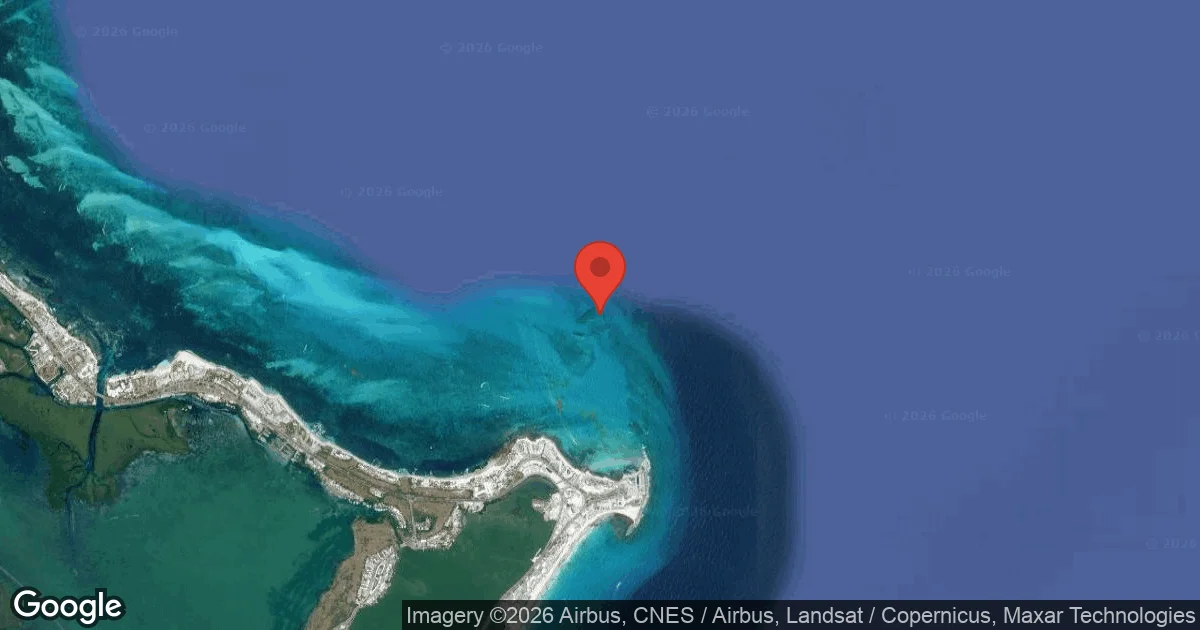
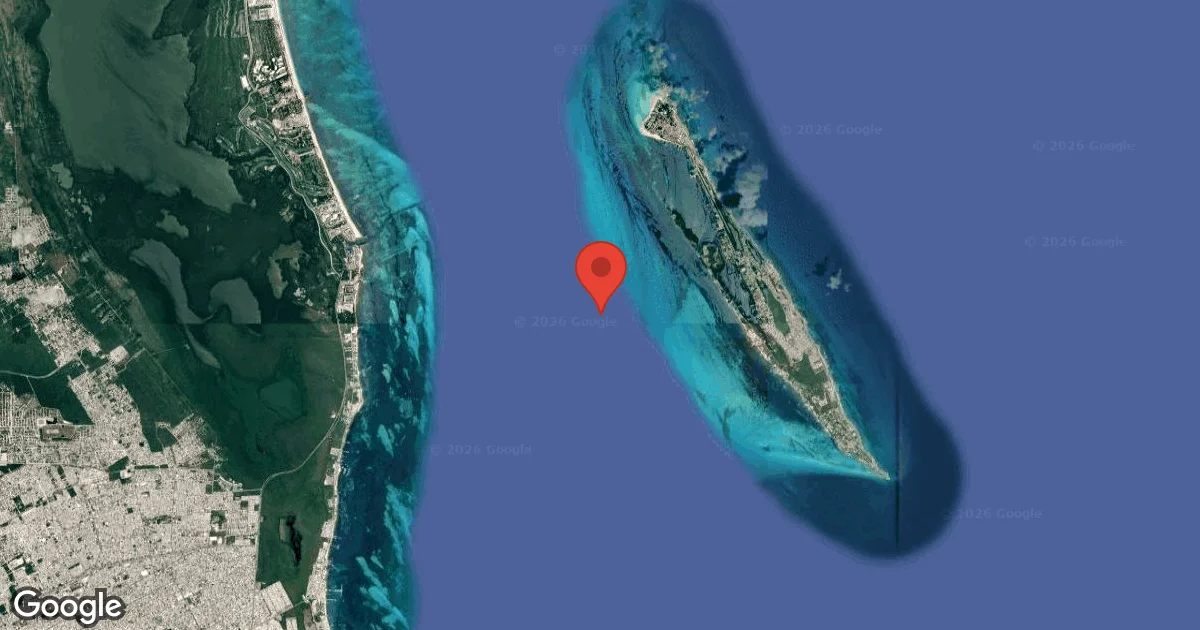
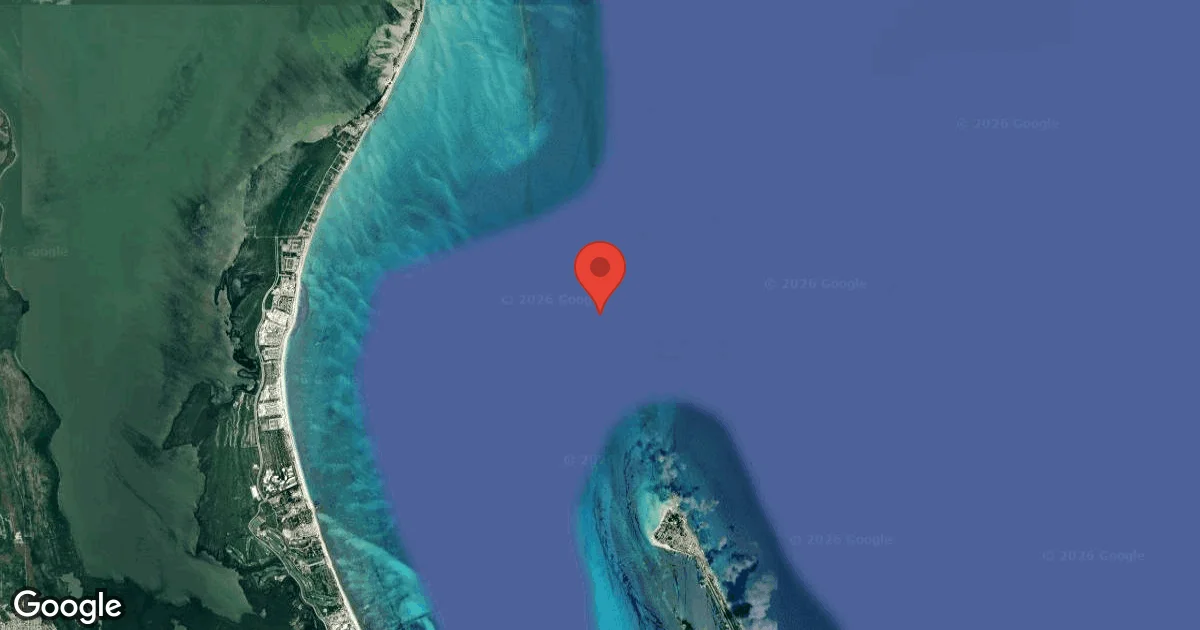
View all dive sites in MexicoDiscover more underwater gems in this area.
Dive Centers Near Musa
Today: 07:30 - 17:00
Nearest Airports
Nearest airports to help plan travel to this dive area.
Search Flights
Check available flights and routes on Expedia, using the nearby airports listed in this section.
Search Flights on ExpediaFrequently Asked Questions
What is Musa?
Musa is an underwater museum and artificial reef project, created by submerging over 500 sculptures to promote coral growth and attract marine life. It serves as an ecological initiative to divert divers from natural reefs while providing a unique artistic experience.
What is the typical dive depth at Musa?
Depths across the installation typically range from 8 to 10 meters (25 to 33 ft). This shallow depth makes it accessible for various certification levels and allows for extended bottom time.
Is Musa suitable for beginners?
Yes, the site's shallow depths and generally gentle currents make it very suitable for beginner divers. PADI Discover Scuba Diving participants and Open Water Divers frequently visit Musa.
What kind of marine life can be seen?
Coral polyps are colonizing the sculptures, attracting various smaller reef fish, crustaceans, and invertebrates. While specific common sightings vary, the artificial reef actively fosters 'lots of sea life' as it continues to develop.
Are there strong currents at Musa?
Generally, currents at Musa are gentle. This contributes to a comfortable dive experience, allowing divers ample time to explore the intricate details of the sculptures.
Can snorkelers visit Musa?
Yes, due to its shallow depths and often excellent visibility, Musa is also a popular site for snorkelers. Many operators offer combined snorkeling and diving trips to the area.
How do divers access the site?
All access to Musa is facilitated by boat from nearby locations like Isla Mujeres or Cancun. This ensures convenient entry and exit for both divers and snorkelers.
What is the water temperature like?
Water temperatures are not consistently reported but are generally warm, typical of the tropical Caribbean climate. Divers usually find comfortable conditions throughout the year.
Planning to dive Musa?
Send one inquiry and receive offers directly from the best verified local dive operators.
Conditions are Good
Optimal conditions expected
Current conditions near Musa show 29° air, 29° sea temperature, 0.6 m waves, and 29 km/h wind. Forecast data is refreshed regularly to ensure accuracy.