
Diving at Morros Maguey (Mexico)
Morros Maguey rises as a striking formation of volcanic pinnacles and submerged rock structures from the Pacific floor, positioned offshore in the open ocean. These dynamic formations create a complex vertical topography, exposing divers to strong blue-water conditions. It's a site characterized by its dramatic geological features that attract diverse pelagic interactions.
As evening covers Morros Maguey, the local air temperature is measured at 29°C. The current wave height at the surface is recorded at 1.2 m. These late-day readings characterize the surface conditions for the night.
Dive Site Location & Key Facts
Dive Site Overview
Preparing for a dive at Morros Maguey means getting ready for one of Bahía de Banderas' more advanced sites, demanding careful planning and skill. This dive is consistently conducted as a drift dive, as currents are a frequent and integral part of the experience.
Divers can expect a typical profile averaging around 25 meters (82 ft), with some sections extending to a maximum depth of 40 meters (130 ft). The dynamic nature of the site, including variable currents and deep-water exposure, mandates an Advanced Open Water certification. It's a place where the vibrant volcanic bottom composition meets the vastness of the open ocean, creating unique environments for marine life.
Bottom times typically range from 30-40 minutes, depending on depth, followed by a minimum 45-minute surface interval. Nitrox is strongly recommended here, given the depth profiles and the potential for repetitive diving plans.
Conditions are Good
Optimal conditions expected
Current conditions near Morros Maguey show 29° air, 31° sea temperature, 1.1 m waves, and 26 km/h wind. Forecast data is refreshed regularly to ensure accuracy.
Best Time to Dive
Visibility at Morros Maguey can fluctuate significantly, ranging from 10 to 30 meters, largely dependent on seasonal ocean conditions. The dive site generally operates year-round, weather permitting, offering consistent opportunities. During the cooler months, from December to March, divers have the added chance of encountering whales, making it a particularly appealing period. Air temperatures remain warm throughout the year, with averages typically ranging from 27-29°C (81-84°F) during the high season, and slightly lower in the winter months. Rainfall is minimal from December through May, usually less than 0.5 mm monthly, ensuring predominantly dry surface conditions for boat trips, though it can increase slightly during late summer and early autumn.
PEAK SEASON SCORE
Scores combine air & water temps, waves, wind & rainfall for overall conditions.
BEST MONTHS TO DIVE
Monthly records compiled from satellite and marine observation nodes over the last 3 years. Data provided by Open-Meteo and MET Norway.
Dive Experience & Conditions
Beginning a dive at Morros Maguey means entering an advanced environment that challenges and rewards experienced divers. This isn't a site recommended for beginners due to the significant depth, consistent open-ocean exposure, and the frequent presence of currents. Divers here must hold an Advanced Open Water certification and feel comfortable with blue-water ascents and navigating variable current conditions. Morros Maguey is almost always done as a drift dive, which adds to its dynamic feel. The underwater landscape is dominated by volcanic rock and impressive pinnacles, providing a dramatic backdrop as divers move with the ocean's flow. Water temperatures vary seasonally, typically between 19°C and 29°C (66-84°F).
Dive Difficulty & Safety Guidelines
Approaching Morros Maguey requires adherence to specific safety protocols to navigate its challenging conditions effectively. An Advanced Open Water certification is mandatory for all divers, ensuring everyone possesses the necessary skills for deep-water and open-ocean environments. Given the frequent and variable currents, divers must be proficient in managing drift dives and comfortable with potential blue-water ascents.
Group sizes are kept small, typically a maximum of four divers per guide, to ensure close supervision and enhance safety in these advanced conditions. Nitrox use is strongly recommended due to the depth profiles and the nature of repetitive diving often planned at this site.
Recommended Equipment
- Dive Computer
This gear list is based on verified equipment signals for Morros Maguey, Mexico. Always confirm final gear choices with your dive operator, guide, or liveaboard.
Recommended Dive Suit
Repeated dives during the same day can gradually reduce overall body warmth.
Divers exploring Morros Maguey today will likely encounter water temperatures close to 31°C (88°F). Surface air temperatures are resting at 29°C (85°F). Divers spending extended time underwater often rely on dive skin or rash guard for balanced warmth and flexibility.
Environmental conditions may feel slightly cooler as the week progresses. Cooler days are ahead; you might want a warmer option for later in the week. A thicker wetsuit may be worth considering for extended dives.
Emergency & Medical Support
Essential information to help you plan your dive trip to Morros Maguey.

Hyperbaric chambers are a critical part of dive safety infrastructure. Availability varies significantly by region, and not all dive areas have immediate access.
Before diving, it's recommended to:
- confirm nearest medical facilities
- check emergency procedures with local dive operators
- ensure dive insurance covers evacuation if required
Divers Alert Network
Diving emergency assistance available through DAN World.
+1-919-684-9111- 24/7 emergency hotline
- Diving medical assistance
- Evacuation coordination
Emergency contacts are provided for reference. Always verify local emergency services before diving.
Marine Life at Morros Maguey
The most immediate draw at Morros Maguey is the promise of encountering large pelagic species. Divers frequently witness vast schools of jacks and tuna swirling around the pinnacles, creating spectacular displays.
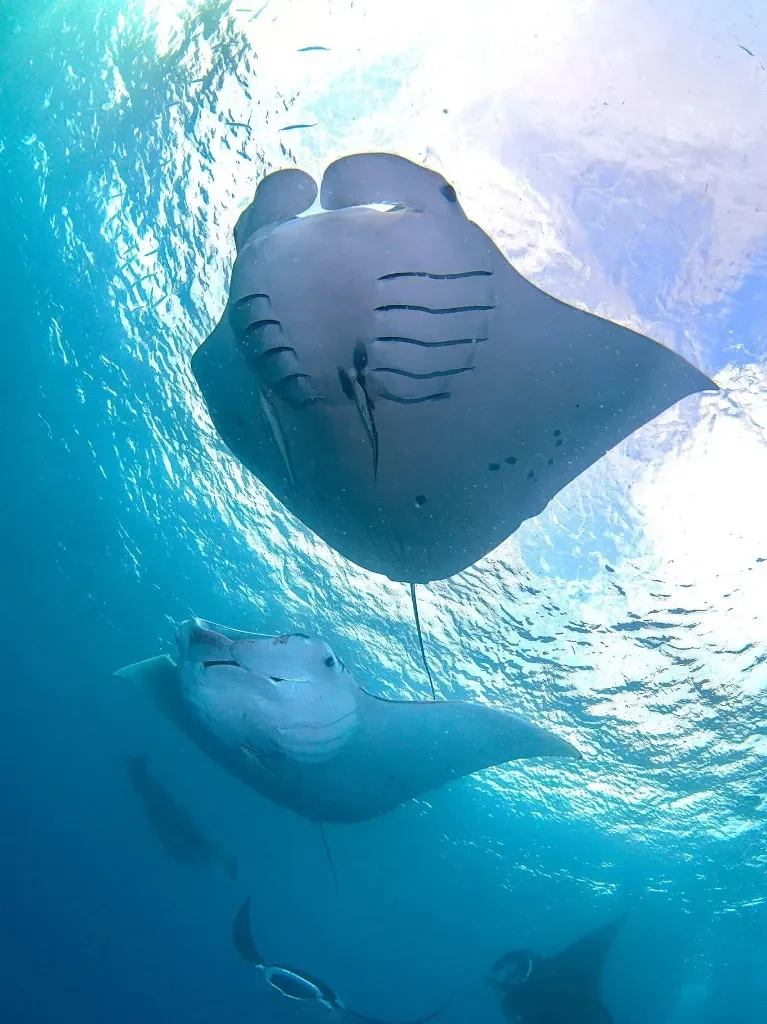
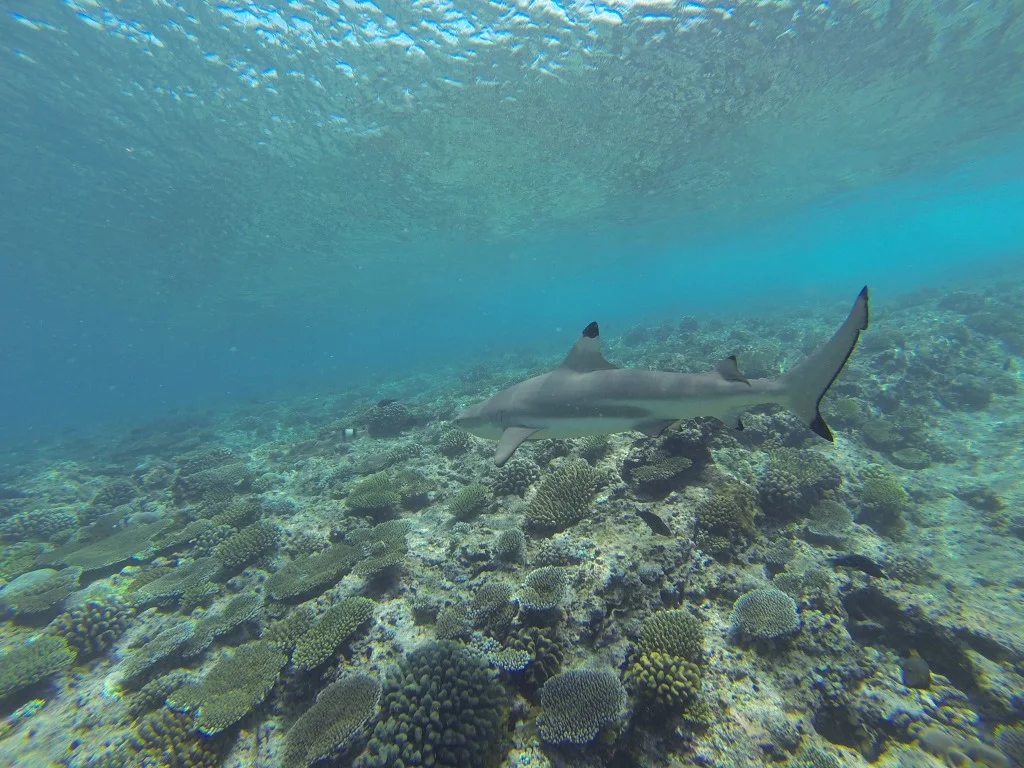
Manta rays are often sighted gliding gracefully in the blue, and seasonal shark encounters add to the thrill. The site's unique volcanic structure provides essential cleaning stations and high-energy feeding zones, attracting these larger animals.
Beyond these, a winter visit between December and March increases the chances of spotting whales, alongside regular dolphin sightings.

Dive Sites Near Morros Maguey
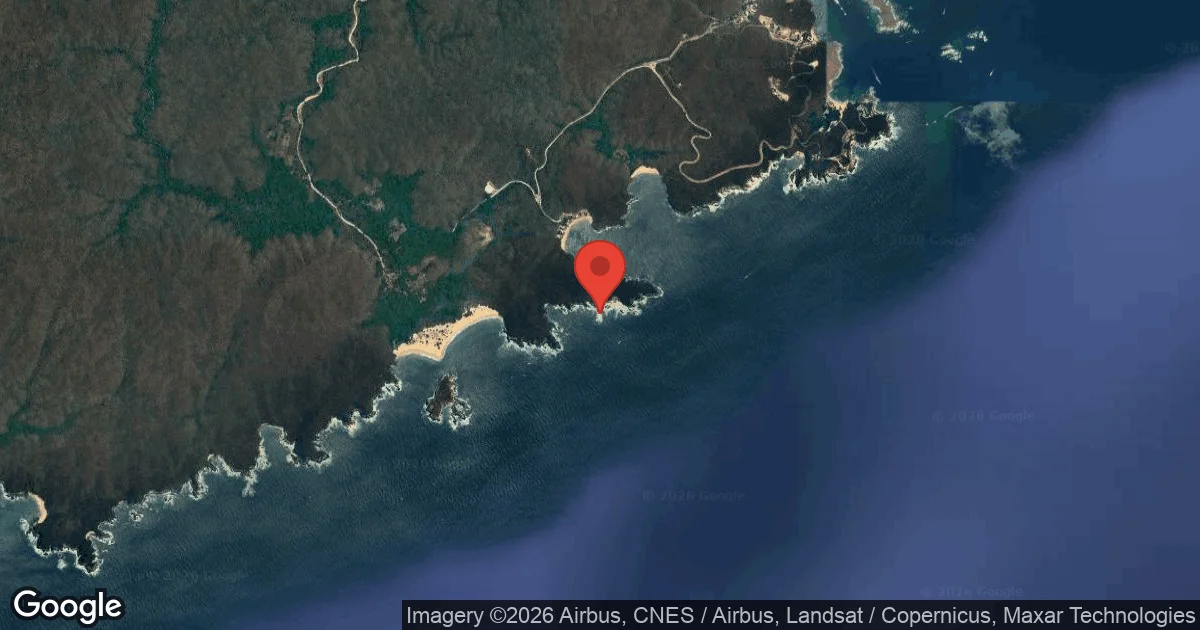
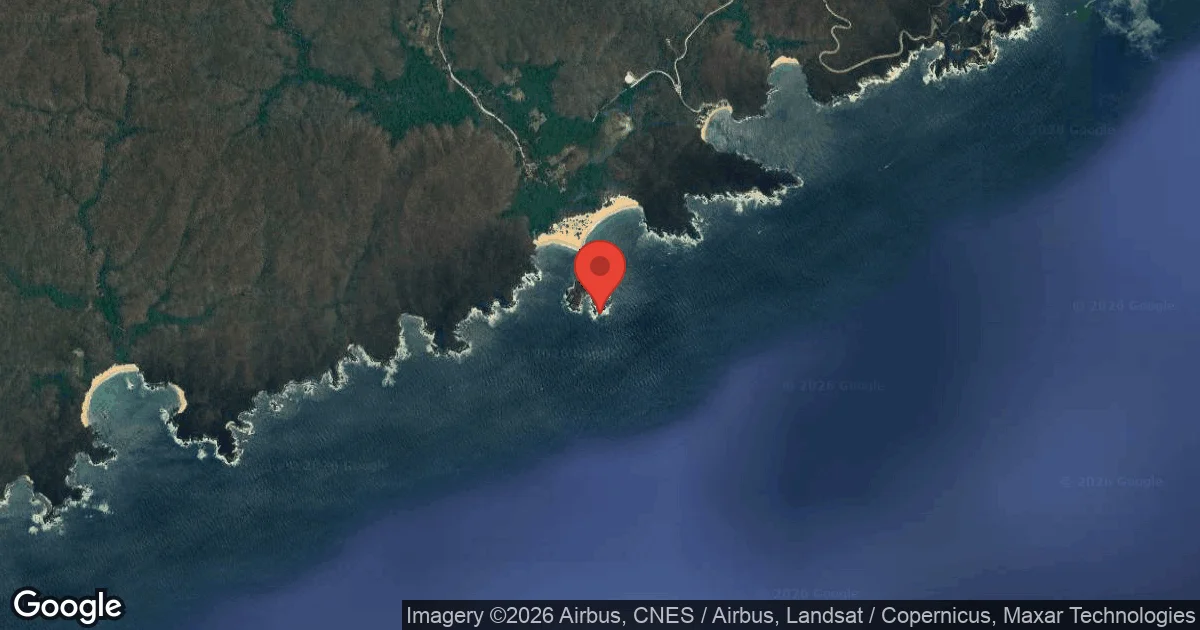
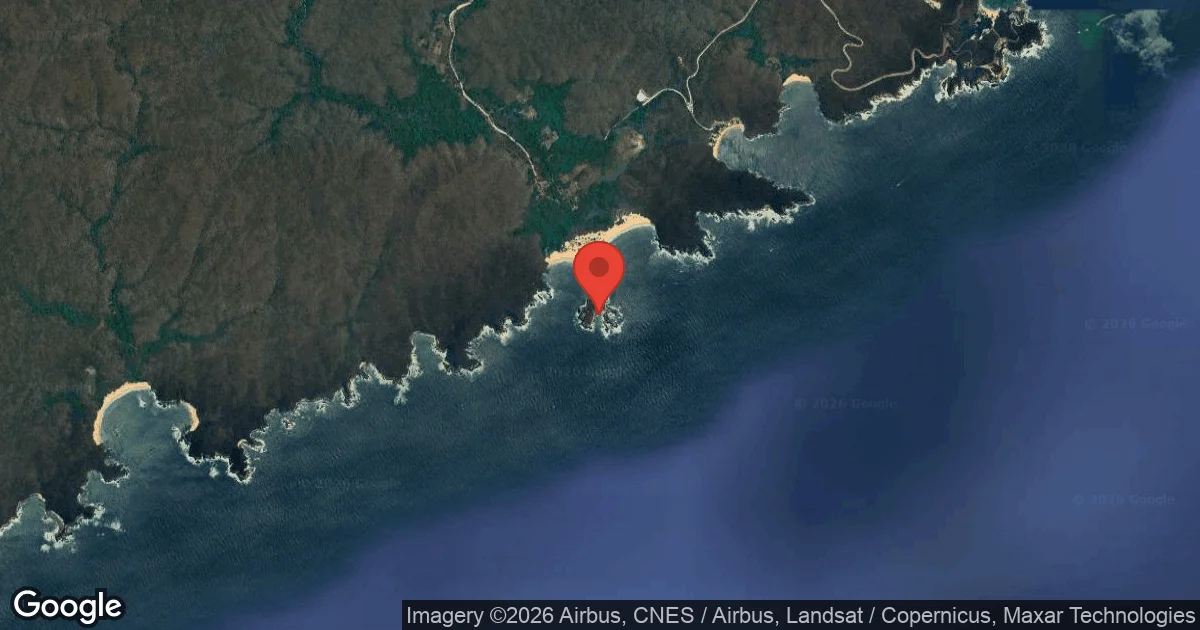
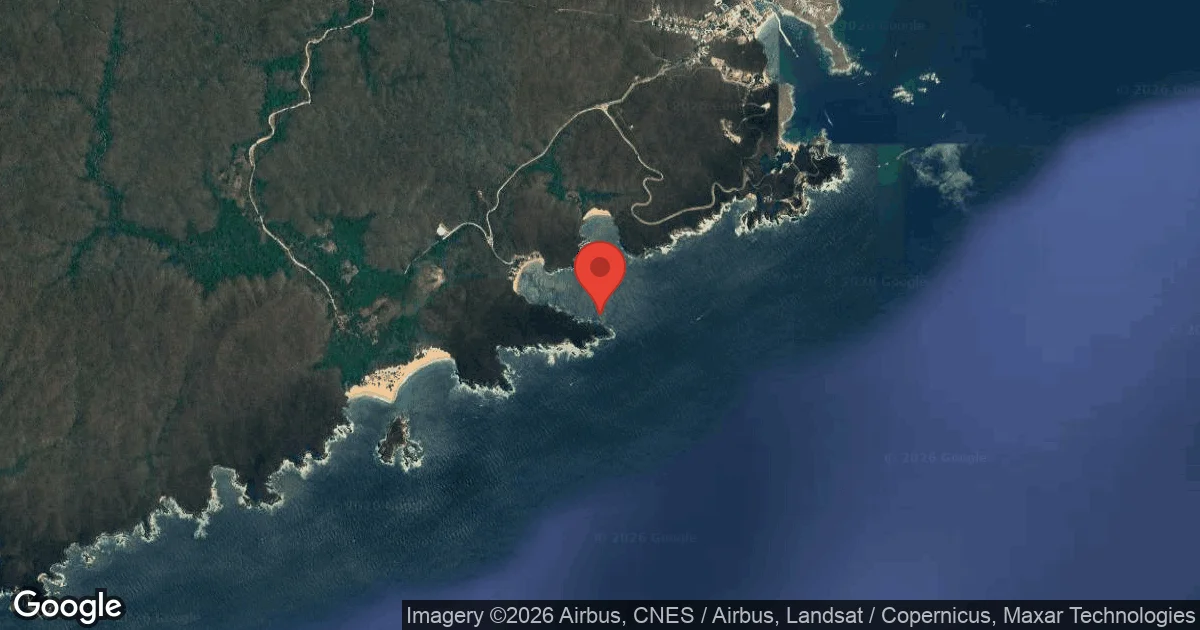
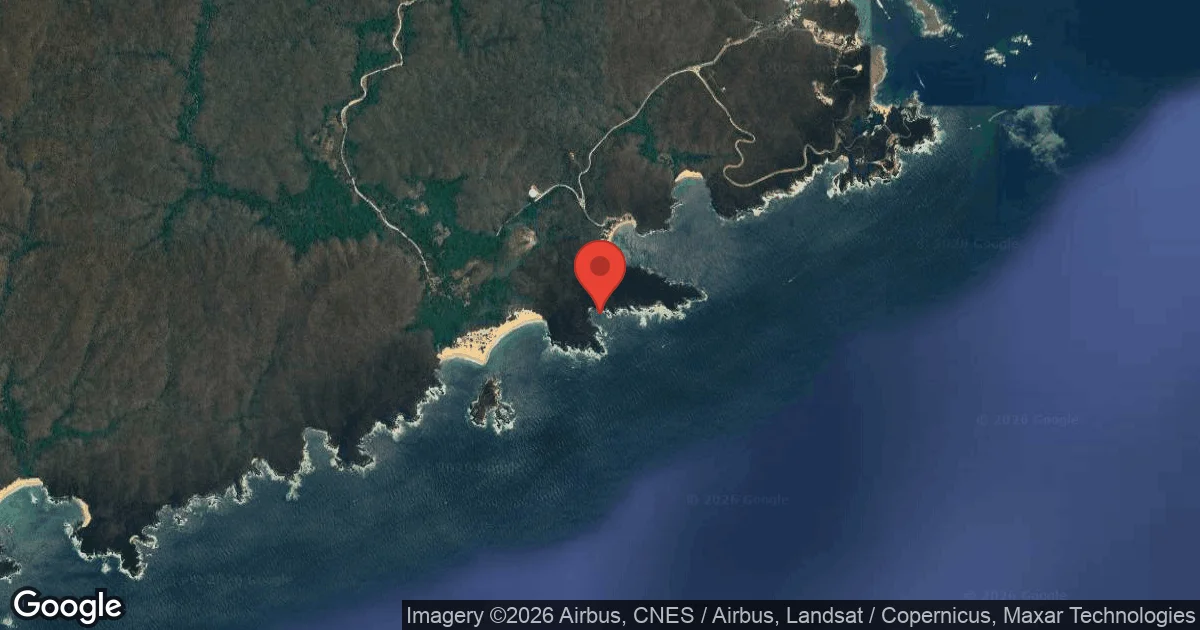
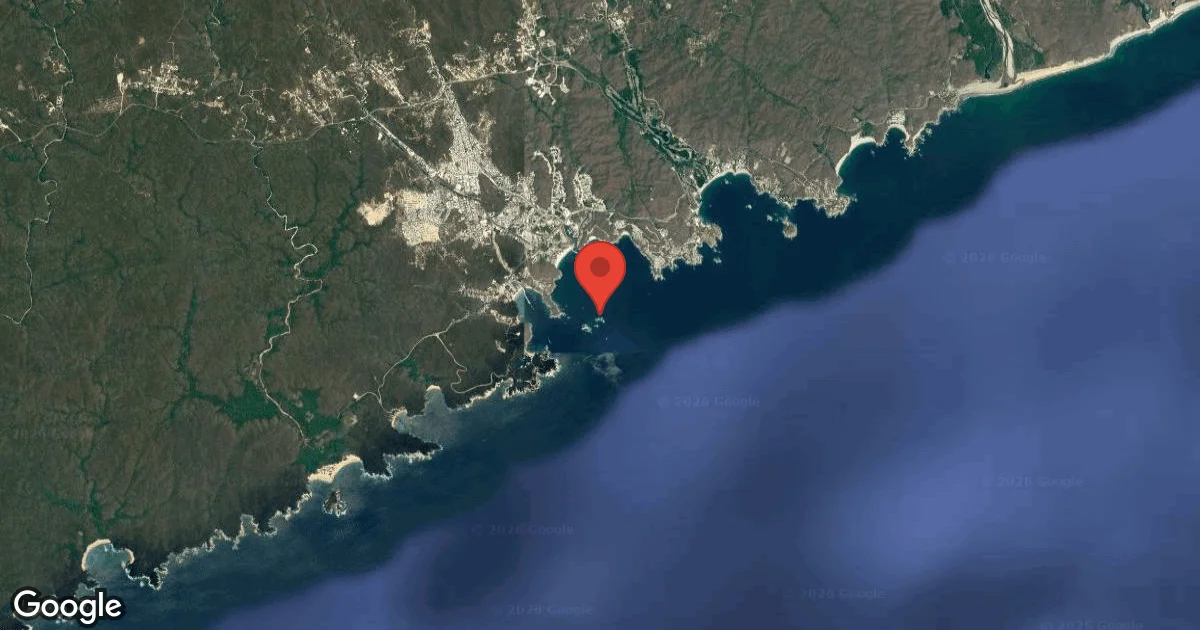
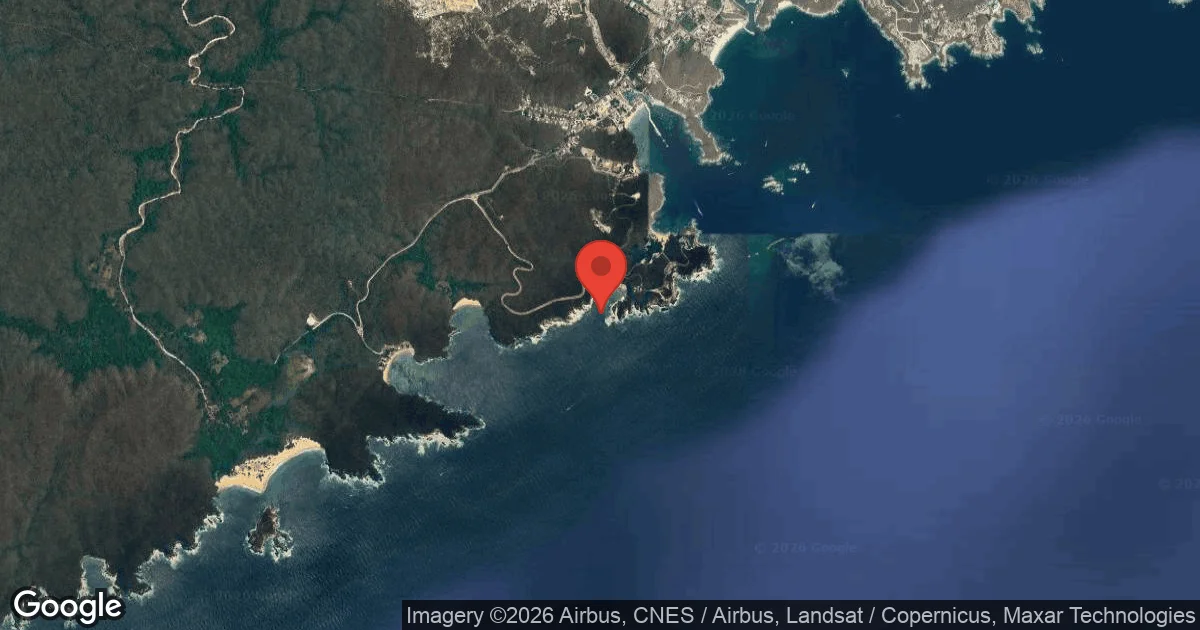
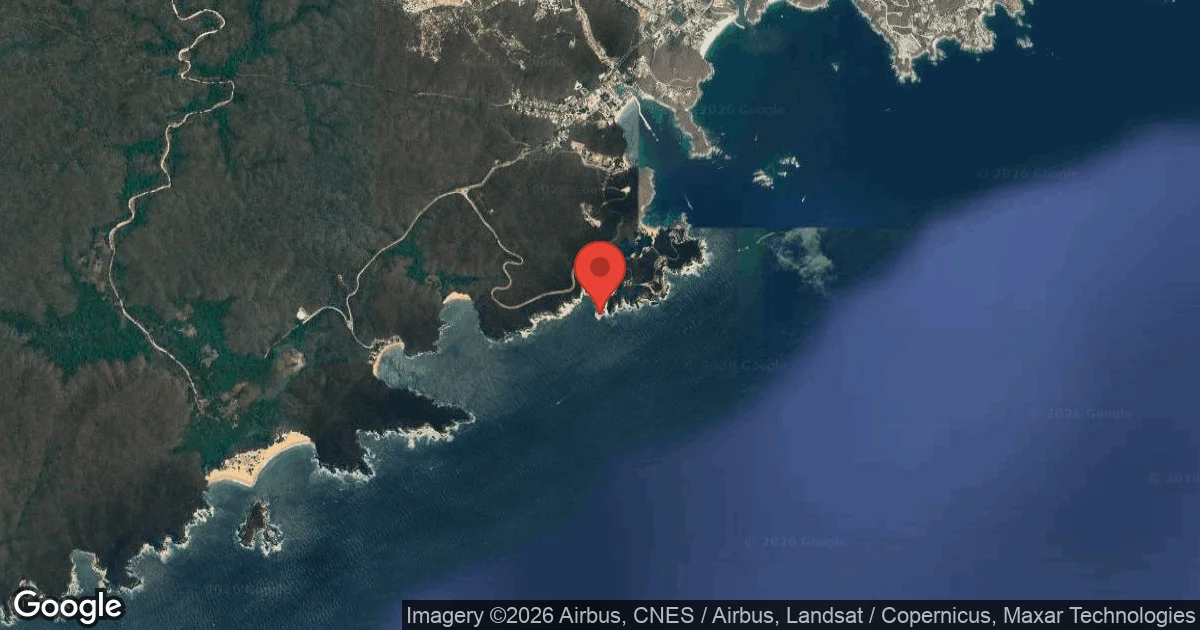
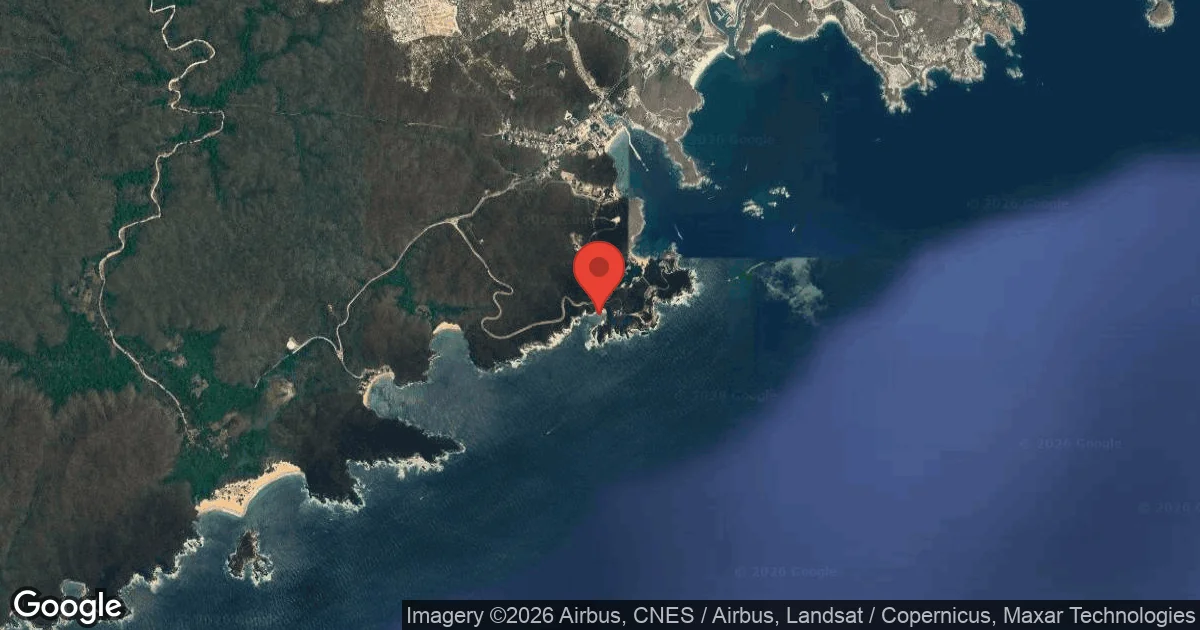
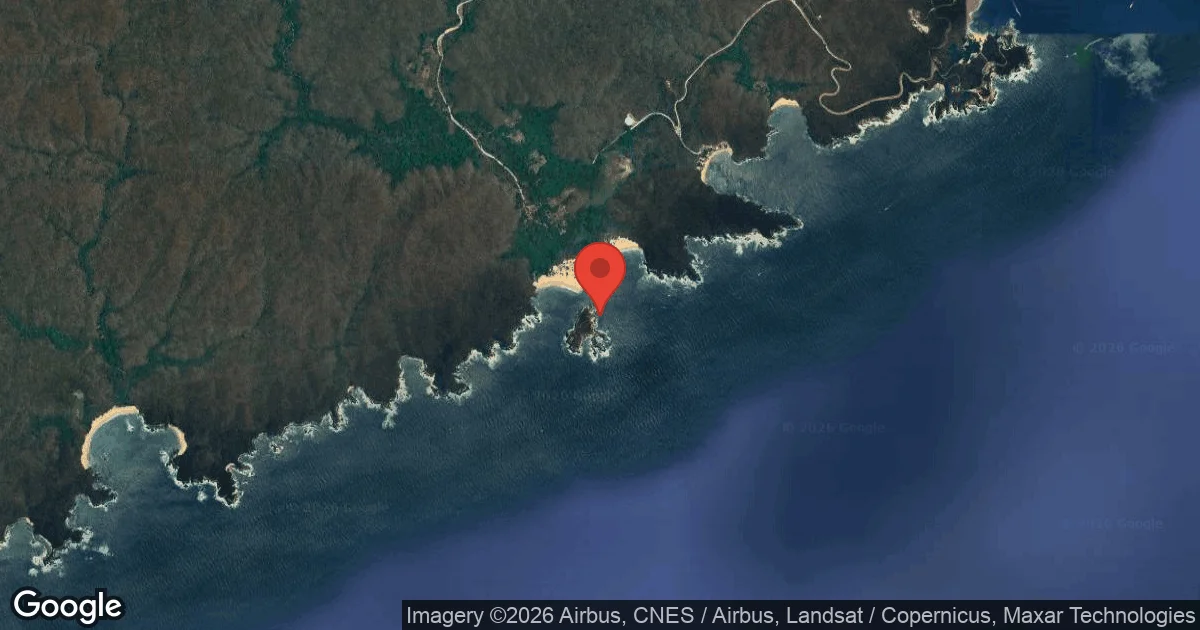
View all dive sites in MexicoDiscover more underwater gems in this area.
Dive Centers Near Morros Maguey
Today: 09:00 - 17:00
Nearest Airports
Nearest airports to help plan travel to this dive area.
Search Flights
Check available flights and routes on Expedia, using the nearby airports listed in this section.
Search Flights on ExpediaFrequently Asked Questions
Is El Morro suitable for beginner divers?
No. This is an advanced-level dive that requires specific experience. It's not recommended for beginner divers due to its depth, open-ocean exposure, and frequent currents.
What certification is required to dive Morros Maguey?
An Advanced Open Water certification is mandatory for all divers. This ensures you have the necessary skills for the site's challenging conditions.
Are currents common at this dive site?
Yes, currents are frequent and variable at Morros Maguey. It's typically conducted as a drift dive, so divers must be comfortable with current and blue-water ascents.
What marine life can be expected?
Divers frequently encounter large schools of jacks and tuna, manta rays, and seasonal shark sightings. Whales and dolphins are also spotted, particularly from December to March.
Is Nitrox available and recommended?
Yes, Nitrox is available and strongly recommended for dives at Morros Maguey. Its use is beneficial given the depth profiles and the nature of repetitive dive planning.
What is the average depth for dives at Morros Maguey?
The main dive profile typically averages around 25 meters (82 ft). Deeper sections of the site can reach up to 40 meters (130 ft).
Planning to dive Morros Maguey?
Send one inquiry and receive offers directly from the best verified local dive operators.
Conditions are Good
Optimal conditions expected
Current conditions near Morros Maguey show 29° air, 31° sea temperature, 1.1 m waves, and 26 km/h wind. Forecast data is refreshed regularly to ensure accuracy.