
Diving at Vaca Ha (Mexico)
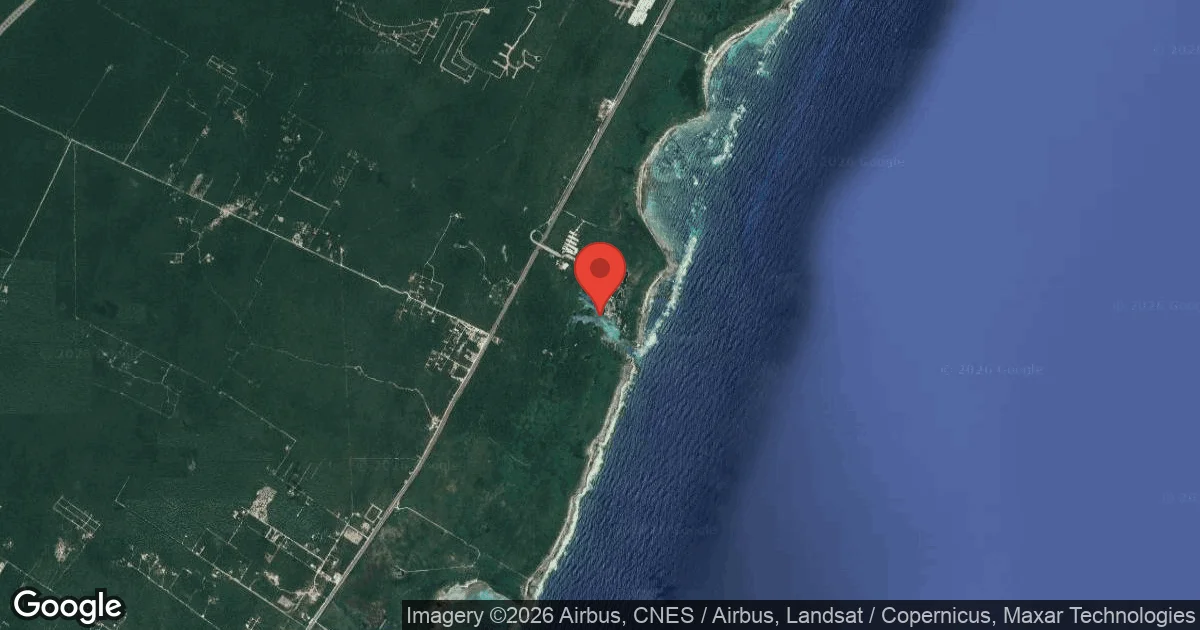
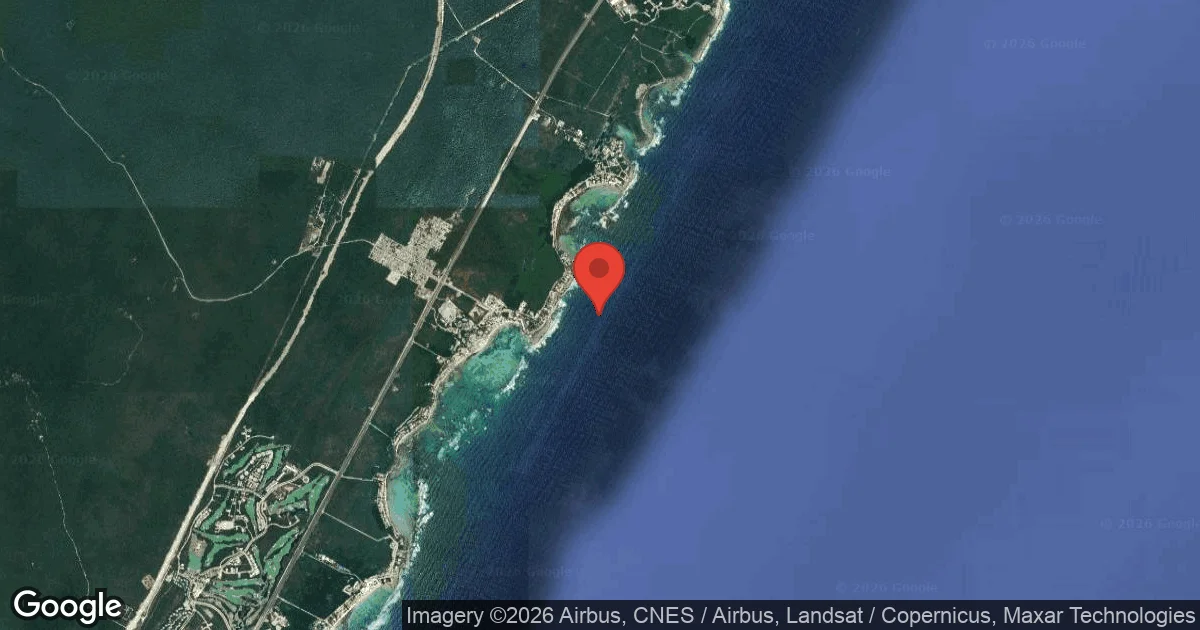
Vaca Ha functions as a dedicated cave diving destination, found just off the Coba Road in Mexico, a short distance beyond Gran Cenote. It provides entry to a significant underwater cave system. The site's name, meaning 'Cow Water' in Spanish and Mayan, reflects its historical use as a well where cows once drank. Entry is managed through a gated entrance, which mandates a professional guide for access.
As evening covers Vaca Ha, the local air temperature is measured at 25°C. The current wave height at the surface is recorded at 0.6 m. These late-day readings characterize the surface conditions for the night.
Dive Site Location & Key Facts
Dive Site Overview
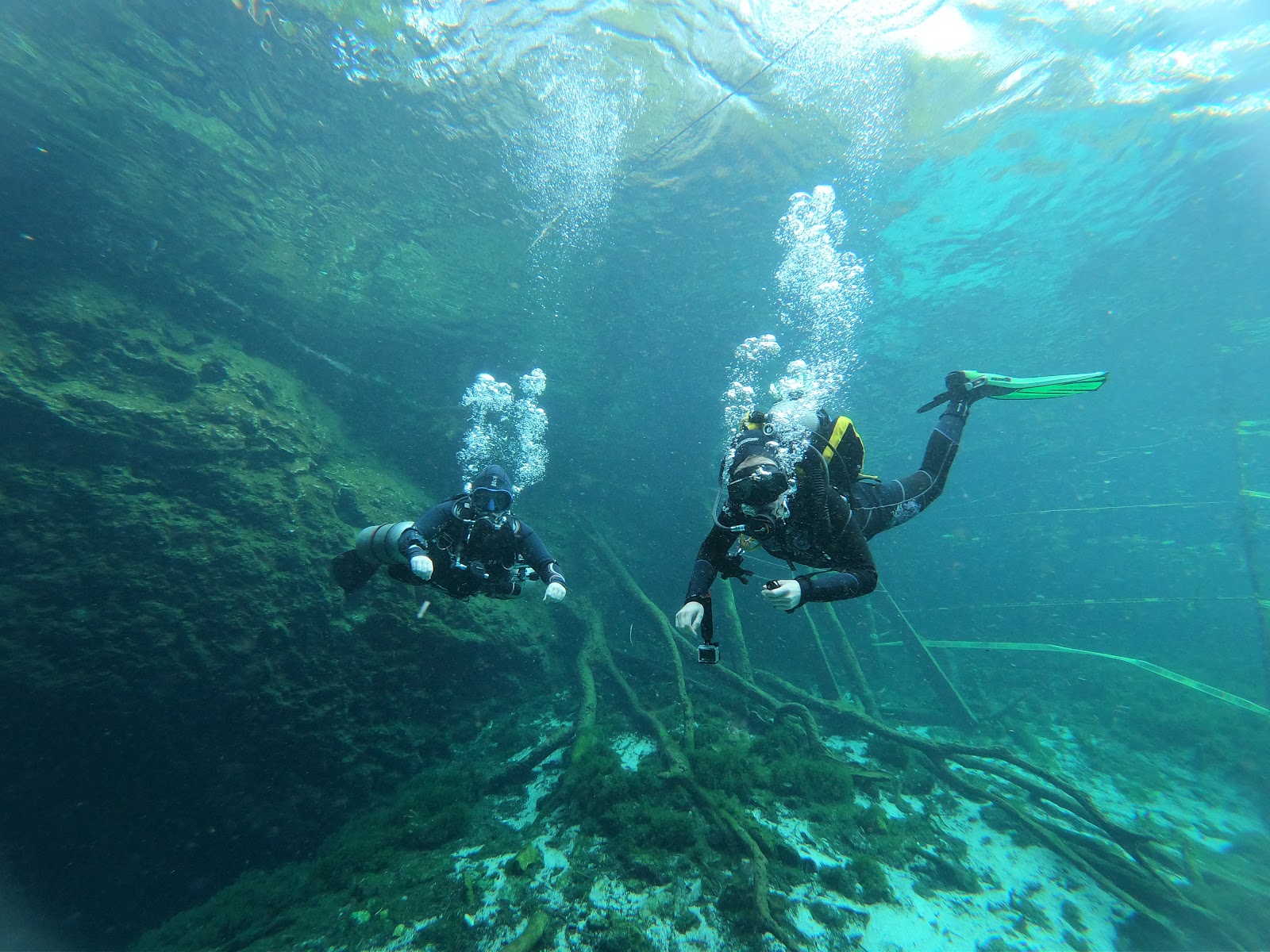
Entering Vaca Ha plunges divers into a predominantly linear cave system, setting it apart from more intricate nearby locations. The initial descent drops into a small, surface pool bordering a grassy swamp, quickly connecting to the main permanent line at 3 m (10 ft).
Roughly 7.6 m (25 ft) of a narrower passage defines this section before expanding into a vast underwater hallway. Surveyed passages for the cave line total 2647 meters (8684 ft). Maximum depths within the system approach 27 m (88.5 ft), with an average depth around 22 m (72 ft).
Divers encounter numerous columns and speleothems along the first 183 m (600 ft), later transitioning into phreatic fracture passageways for another 242 m (800 ft). A distinct halocline at approximately 19 m (62 ft) distinguishes Vaca Ha from some cenotes, visibly separating fresh and saltwater layers.
Certification as a cave diver is mandatory here, ensuring all visitors have the required skills for this overhead environment.
Conditions are Good
07:00 - 14:00
Optimal conditions expected
Current conditions near Vaca Ha show 25° air, 31° sea temperature, 0.5 m waves, and 14 km/h wind. Forecast data is refreshed regularly to ensure accuracy.
Best Time to Dive
Planning an optimal dive at Vaca Ha centers on surface comfort and travel logistics, as the sheltered cave environment remains consistently stable year-round. August to October often yields the highest 'Good' dive scores, benefiting from average air temperatures ranging from 27.5°C to 28°C (81.6°F to 82.4°F) and lower average rainfall compared to early summer. However, good conditions persist throughout the year; for instance, months like February and March offer pleasant air temperatures around 23.5°C to 26°C (74.3°F to 78.8°F) with minimal rainfall, averaging 1.2-1.4 mm. During drier periods, surface access through the grassy swamp may also be more straightforward. Given that the cave is reportedly open sporadically, primarily in the mornings, confirming operating hours with a local guide is crucial regardless of the season.
PEAK SEASON SCORE
Scores combine air & water temps, waves, wind & rainfall for overall conditions.
BEST MONTHS TO DIVE
Monthly records compiled from satellite and marine observation nodes over the last 3 years. Data provided by Open-Meteo and MET Norway.
Dive Experience & Conditions
The entry experience at Vaca Ha is distinctive, beginning with a descent into a small, jungle-edged puddle approximately 4 meters (13 ft) in diameter. After gearing up directly at the water's edge due to the lack of amenities, divers enter the surface pool, transitioning swiftly into the cave environment. A permanent line guides the initial 7.6 m (25 ft) through a confined passage before it broadens into expansive galleries. Visibility inside the cave is generally excellent, often exceeding 30 meters (100 ft) past the initial entry zone. At approximately 19 m (62 ft) of depth, divers will encounter the halocline, a visible shimmering layer where freshwater meets saltwater, creating unique visual distortions. Water temperature inside the cenote remains stable, although specific values are not consistently reported. The dive progresses through sections adorned with columns and speleothems, giving way to phreatic fracture passageways.
Dive Difficulty & Safety Guidelines
Diving Vaca Ha requires a high level of expertise, as the site is strictly reserved for certified cave divers. This is not an open water or cavern dive; it's an overhead environment demanding specialized training and experience. Divers must engage a professional guide for entry, which is through a gated admission where fees are collected.
The system is largely linear, utilizing a permanent guideline; however, awareness of one's dive plan and gas management is paramount due to its significant length and increasing depths reaching 27 m (88.5 ft). There are no on-site amenities, so all divers must arrive fully prepared with their equipment and supplies.
Always adhere to established cave diving protocols, including careful line following and navigation through offshoots, such as the path to the Stadium area of Cenote Toucha Ha.
Recommended Equipment
- Dive Computer
This gear list is based on verified equipment signals for Vaca Ha, Mexico. Always confirm final gear choices with your dive operator, guide, or liveaboard.
Recommended Dive Suit
Forecast trends indicate little change in overall diving conditions during the next few days.
Divers who prefer a balanced level of warmth often select dive skin or rash guard in water temperatures like this.
Recent environmental data from Vaca Ha indicates water temperatures near 31°C (87°F). Surface air temperatures are resting at 25°C (77°F).
Emergency & Medical Support
Essential information to help you plan your dive trip to Vaca Ha.

Hyperbaric chambers are a critical part of dive safety infrastructure. Availability varies significantly by region, and not all dive areas have immediate access.
Before diving, it's recommended to:
- confirm nearest medical facilities
- check emergency procedures with local dive operators
- ensure dive insurance covers evacuation if required
Divers Alert Network
Diving emergency assistance available through DAN World.
+1-919-684-9111- 24/7 emergency hotline
- Diving medical assistance
- Evacuation coordination
Emergency contacts are provided for reference. Always verify local emergency services before diving.
Marine Life at Vaca Ha
Vaca Ha's underwater environment delivers a 'marine life' experience centered on geological formations and a notable submerged artifact. Divers will encounter impressive columns and speleothems adorning the initial 183 m (600 ft) of the main line, showcasing millennia of geological processes.
Beyond these decorated sections, the cave shifts into extensive phreatic fracture passageways, displaying another facet of its structural geology. A key point of interest is the cow skeleton, visible during decompression stops at the 6-meter (20 ft) depth, directly linking to the cenote's past use.
A prominent halocline at 19 m (62 ft) also acts as a visual highlight, blurring freshwater and saltwater layers within this subterranean setting.
Dive Sites Near Vaca Ha
View all dive sites in MexicoDiscover more underwater gems in this area.
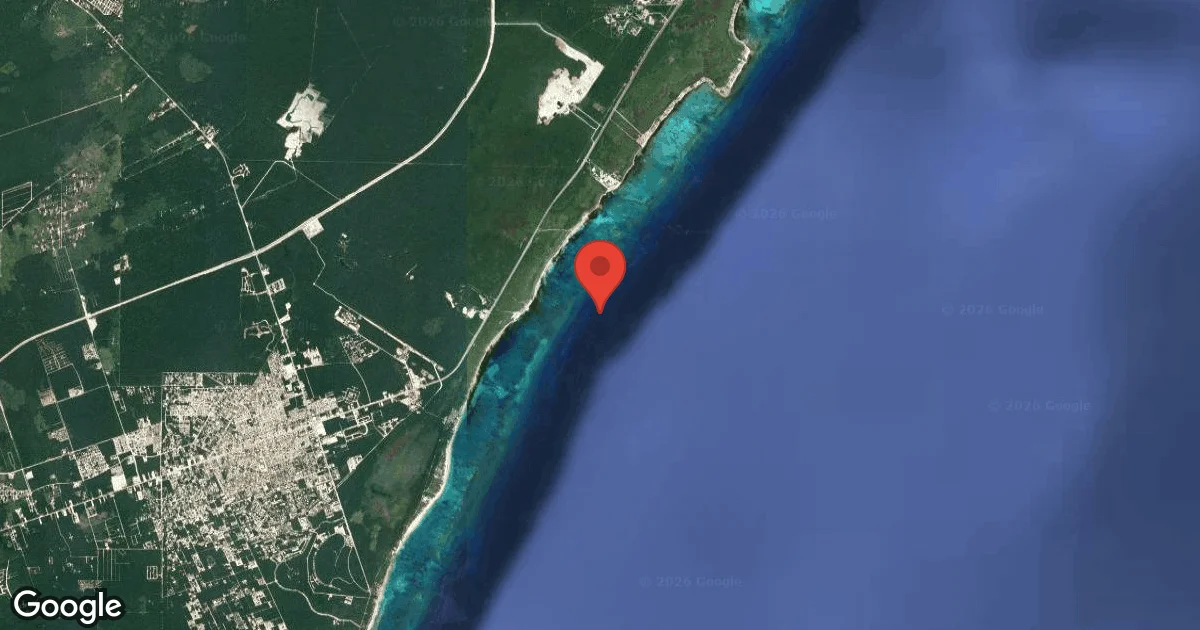
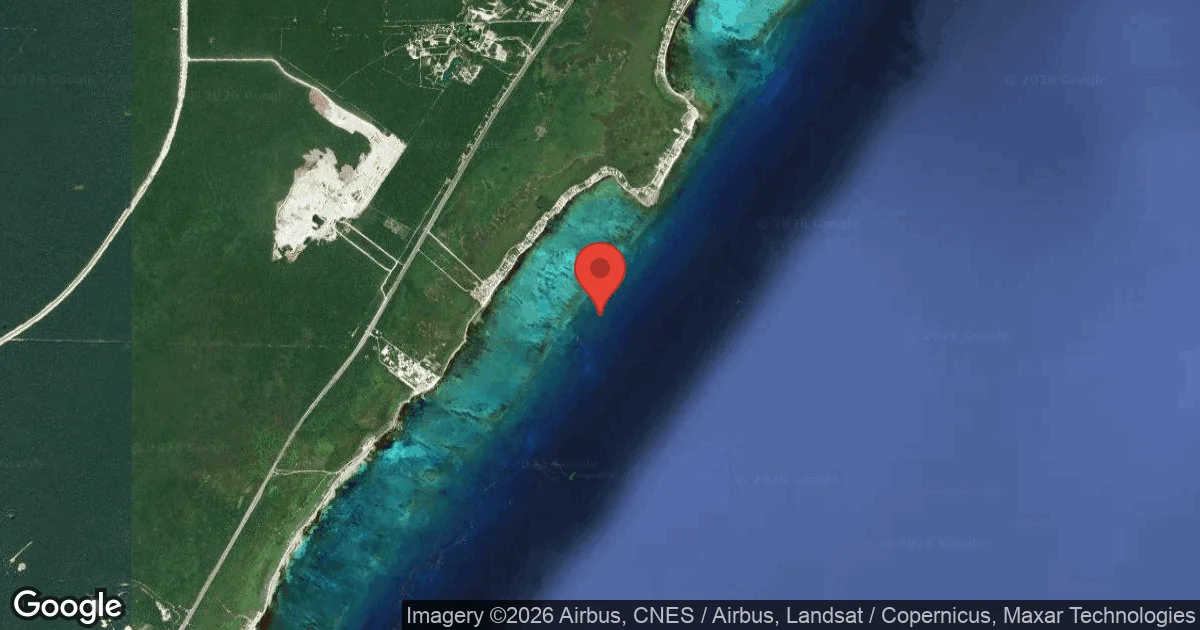
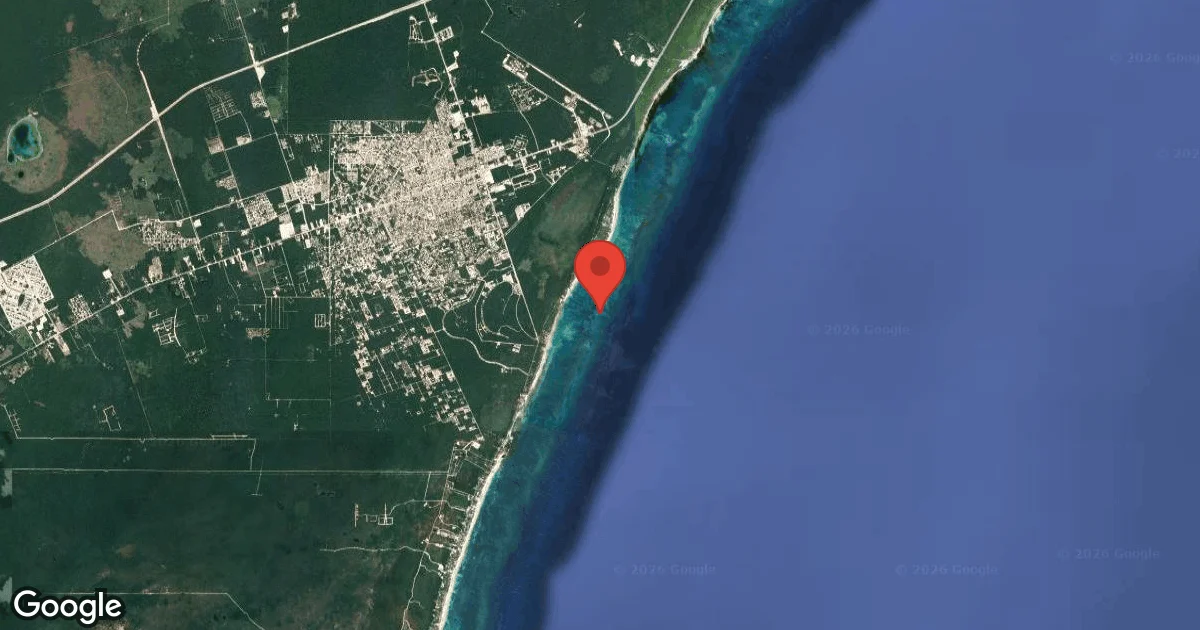
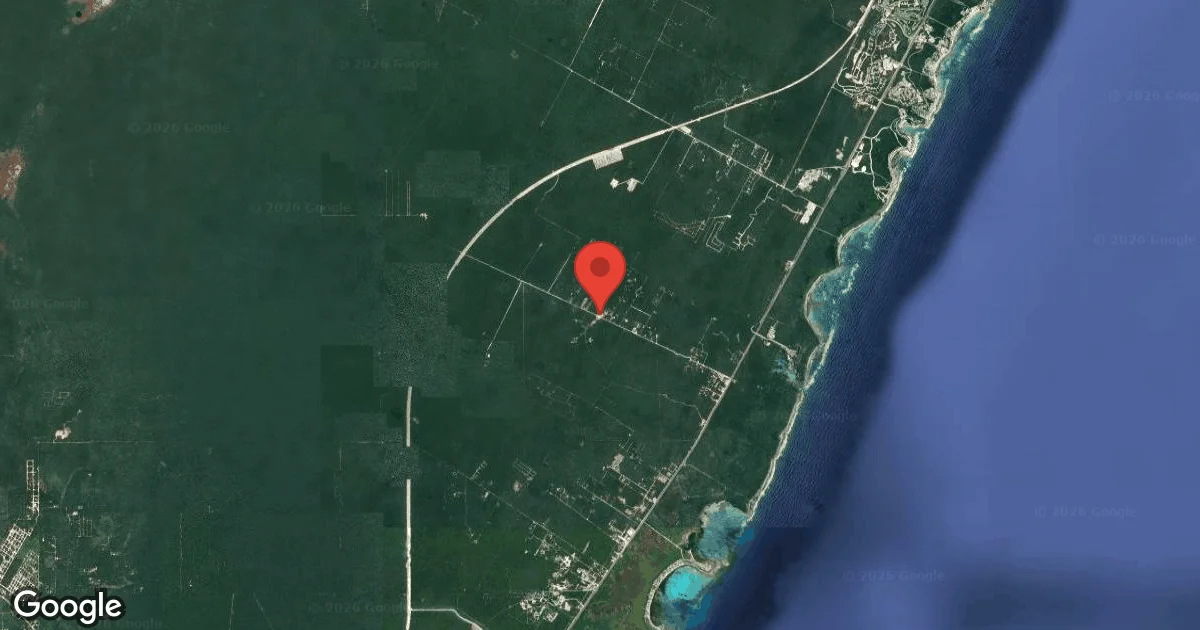
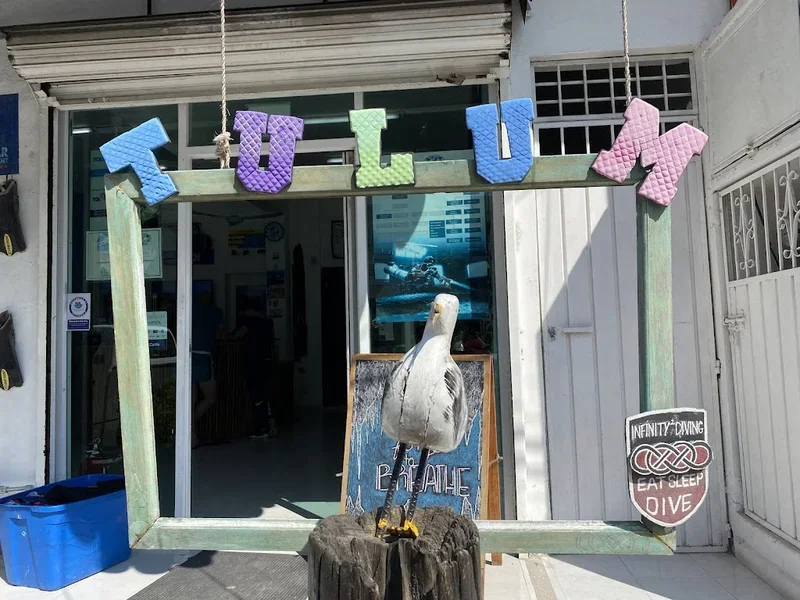
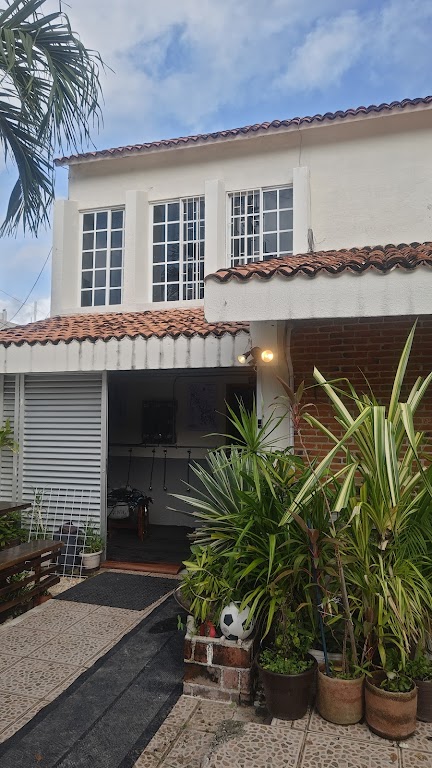
Dive Centers Near Vaca Ha
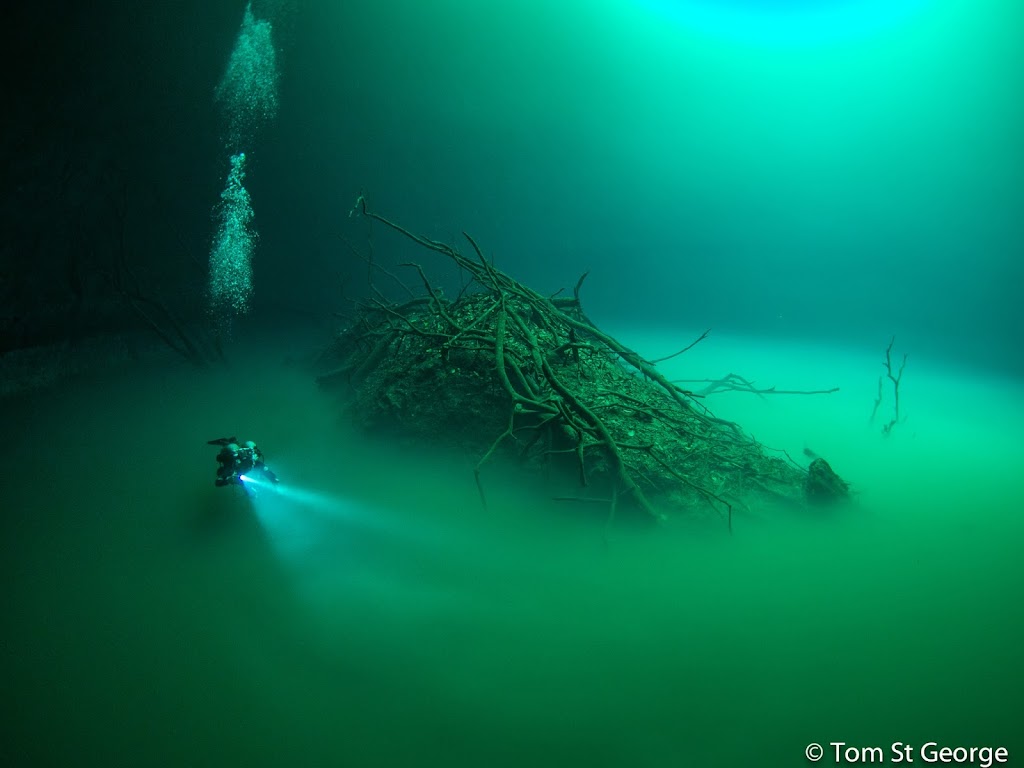
Today: 08:00 - 21:00

Nearest Airports
Nearest airports to help plan travel to this dive area.
Search Flights
Check available flights and routes on Expedia, using the nearby airports listed in this section.
Search Flights on ExpediaFrequently Asked Questions
Who can dive Vaca Ha?
Vaca Ha is exclusively for certified cave divers. Open Water or Cavern certifications are not sufficient for this advanced overhead environment.
What are the typical depths at Vaca Ha?
The cave system reaches a maximum depth of approximately 27 m (88.5 ft), with the average dive depth around 22 m (72 ft). A halocline is consistently found at 19 m (62 ft).
Is there a halocline at Vaca Ha?
Yes, Vaca Ha presents a prominent halocline appearing at a depth of 19 m (62 ft). It creates a distinct visual effect where the fresh and salt water layers converge.
What kind of formations can I expect to see?
The initial 183 m (600 ft) of the cave line are adorned with numerous columns and speleothems. Further into the system, the geology transitions into impressive phreatic fracture passageways.
Are there amenities available at the cenote?
No, Vaca Ha does not offer any amenities on site. Divers should arrive fully prepared with all necessary equipment and supplies, as you'll be dressing and staging directly at the entry.
What is the entry process like for Vaca Ha?
Access requires navigating a gated entrance with a professional guide, where fees are collected. Diving commences by entering a small, 4-meter (13 ft) diameter pool near a grassy swamp, which quickly feeds into the cave system.
Is Vaca Ha open daily?
Reports indicate that Vaca Ha may be open sporadically, often during morning hours. It's advisable to confirm operating hours and accessibility with your local guide or dive operator before planning your visit.
Is there any unique marine life to observe?
While traditional marine life is minimal in the cave, a notable feature is a cow skeleton. Divers often observe this at the 6-meter (20 ft) decompression stop at the end of the dive.
Planning to dive Vaca Ha?
Send one inquiry and receive offers directly from the best verified local dive operators.
Conditions are Good
07:00 - 14:00
Optimal conditions expected
Current conditions near Vaca Ha show 25° air, 31° sea temperature, 0.5 m waves, and 14 km/h wind. Forecast data is refreshed regularly to ensure accuracy.