
Diving at Colosseum (Mozambique)
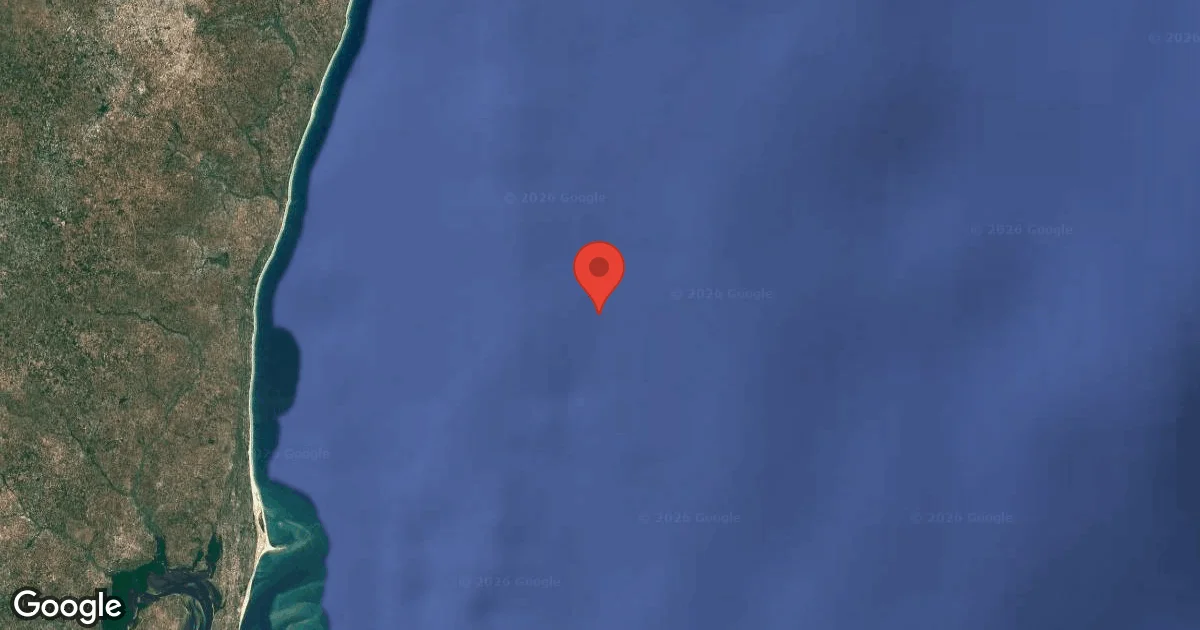
Colosseum stands as a captivating reef system off Mozambique's Manta Coast, distinguished by its intricate coral architecture. This advanced dive site plunges to considerable depths, offering a vibrant spectacle of scattered corals and a dynamic underwater environment. Its geological formations create a natural amphitheater effect, hinting at the grandeur that gives the site its name.
Evening condition tracking at Colosseum features an air temperature of 24°C. We have recorded wave heights measuring 1.1 m during this period. These figures outline the environmental parameters currently present.
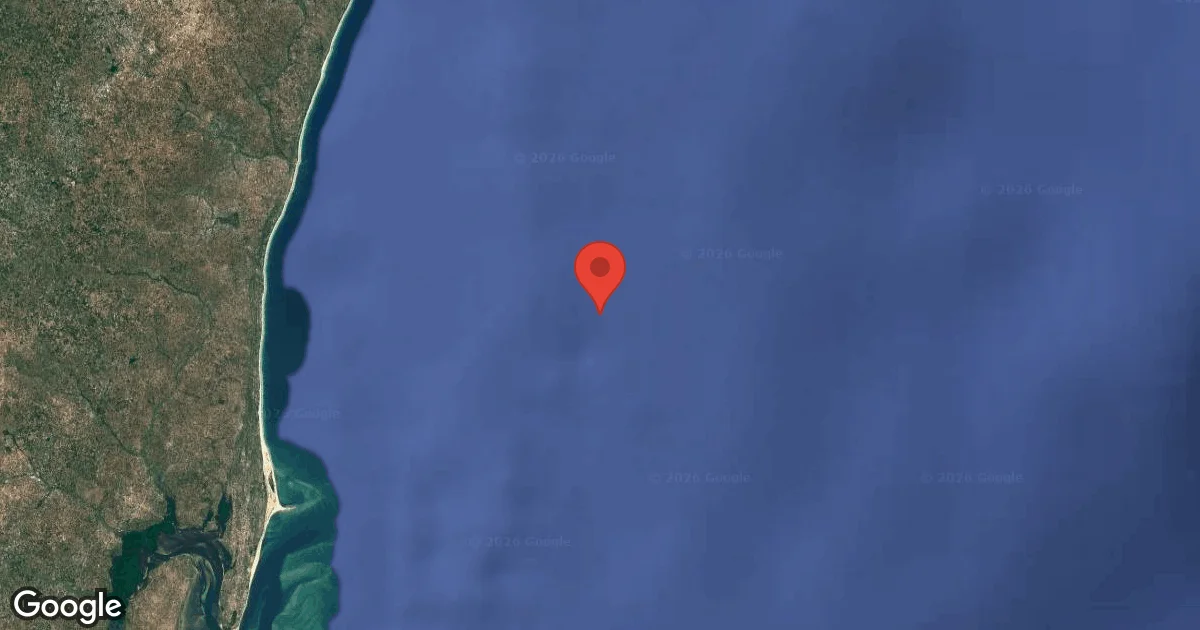
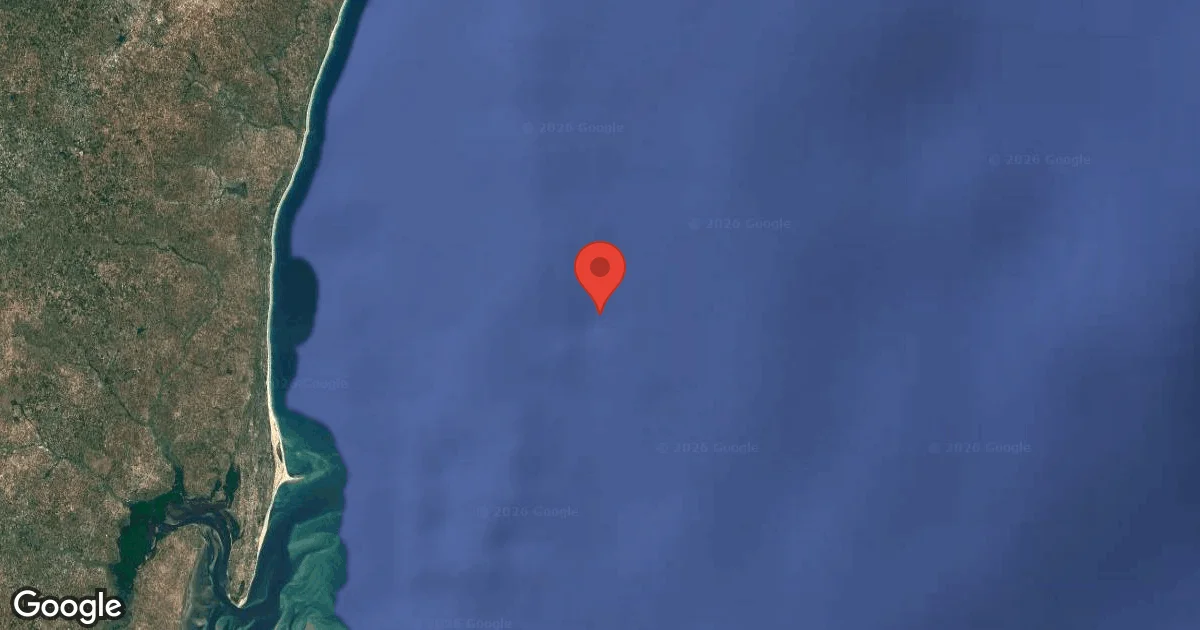
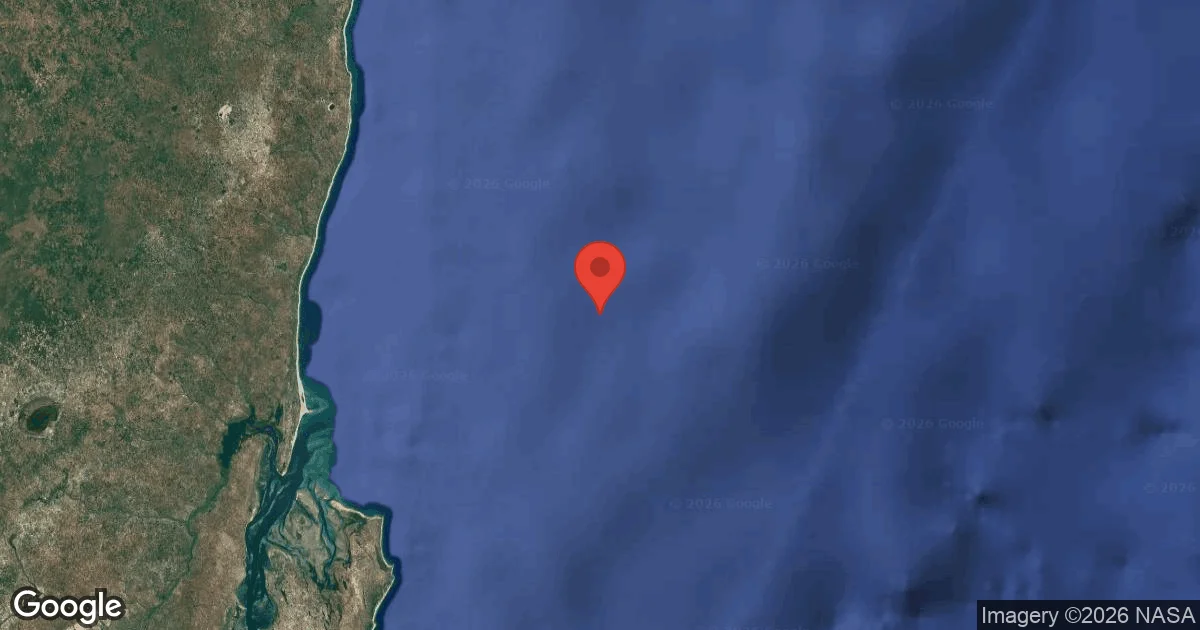
Dive Site Location & Key Facts
Dive Site Overview
Exploring Colosseum offers experienced divers a profound journey into a thriving marine ecosystem off Mozambique's northern reefs. Divers typically drop to depths of 27-29 m (89-95 ft) initially, before ascending onto the main reef structure, where depths range from 24-28 m (79-92 ft).
Documented depth range for the site varies between 21 m (69 ft) and 32 m (105 ft), catering to those comfortable with deeper profiles. Strong currents are a common encounter, often necessitating negative water entries for an exciting start. Corals here are noted for their extensive range and vibrant colors, painting a breathtaking underwater landscape of scattered formations.
Dynamic water flow often brings in pelagic life. Colosseum serves as a prime location for pelagic encounters, with frequent sightings of Whitetip reef sharks, Grey reef sharks, and Leopard sharks.
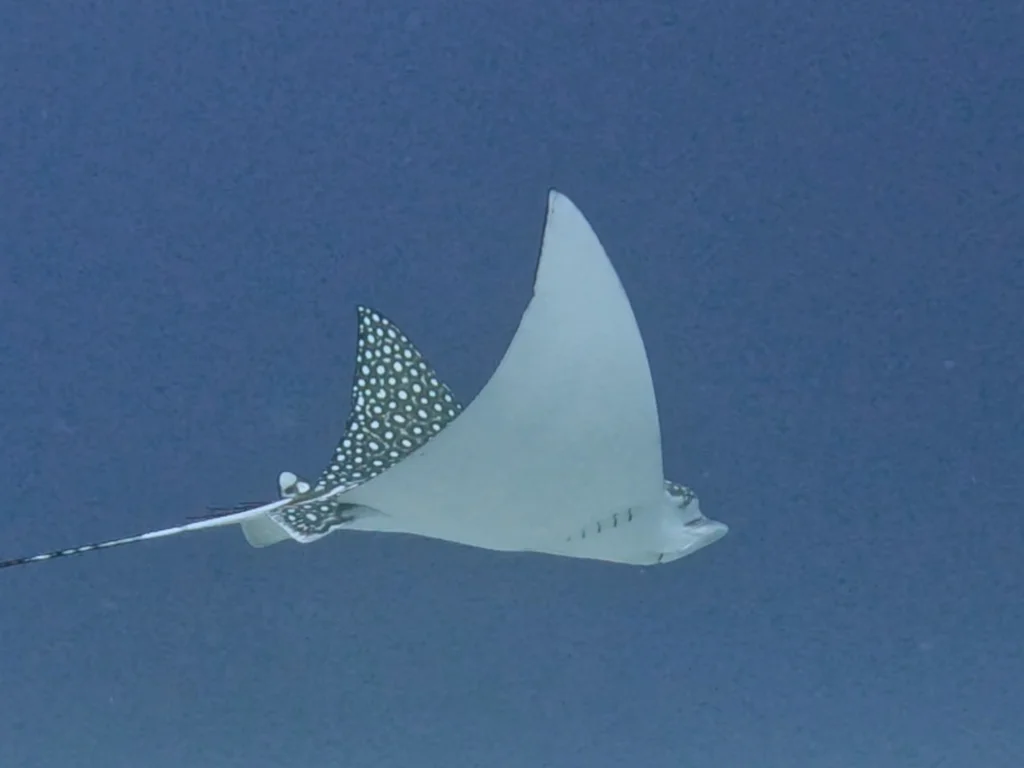
It's particularly noted in the Tofo region as an excellent spot for observing Spotted Eagle Rays. The site's unique geological structure creates channels and ledges that shelter a variety of smaller reef fish, while providing vantage points for larger predators patrolling the blue. Intricate reef architecture makes each traverse a discovery, reflecting open ocean energy.
Conditions are Moderate
Optimal conditions expected
Current conditions near Colosseum show 24° air, 25° sea temperature, 1.8 m waves, and 30 km/h wind. Forecast data is refreshed regularly to ensure accuracy.
Best Time to Dive
Considering the prevailing conditions, April through December generally offers moderate dive scores for Colosseum, indicating more favorable conditions. Air temperatures during these months vary from a cooler 23°C (73°F) in July and August to a milder 26.5°C (80°F) in December. Rainfall is notably lower from May to November, averaging less than 2 mm, which often contributes to better surface conditions. Conversely, the period from January to March presents poorer dive scores due to higher average rainfall, reaching up to 6.8 mm (0.3 inches), and air temperatures peaking around 27.5°C (82°F). For specific marine life, manta rays are present year-round. Humpback whales are seasonal visitors from June to November, while whale shark encounters are more likely between October and March. Dive visibility, generally ranging from 5 to 30 m (16 to 98 ft), and water temperatures between 23-29°C (73-84°F), can fluctuate regardless of the month.
PEAK SEASON SCORE
Scores combine air & water temps, waves, wind & rainfall for overall conditions.
BEST MONTHS TO DIVE
Monthly records compiled from satellite and marine observation nodes over the last 3 years. Data provided by Open-Meteo and MET Norway.
Dive Experience & Conditions
Approaching Colosseum often begins with a distinctive beach launch, a characteristic of Tofo operations that can be quite sporty depending on the ocean state. Once underway, the diving experience here is tailored for advanced and very experienced divers due to the prevailing conditions. Expect negative water entries to navigate potentially strong currents, which are a feature of this and other 'hot' reefs in the area. Water temperatures in the region typically range from 23-29°C (73-84°F). Visibility can be highly variable, from 5 m (16 ft) on less favorable days to an impressive 30 m (98 ft) when conditions align. The dive profile involves dropping down to around 27-29 m (89-95 ft) before exploring the reef itself at shallower sections between 24-28 m (79-92 ft). These dynamic conditions ensure each dive is an exciting adventure.
Dive Difficulty & Safety Guidelines
Ensuring readiness for Colosseum involves specific considerations for safety and planning. Mandatory dive and travel insurance is a key requirement; companies like DAN Europe are recommended for their comprehensive coverage options. Given the site's classification for advanced and very experienced divers, proficiency in managing strong currents and executing negative water entries is crucial.
Divers should always carry an SMB and be comfortable deploying it, especially in drift dive scenarios typical of this reef. While specific hazards beyond general challenging conditions aren't consistently reported, understanding its dynamic nature is part of preparation.
A hyperbaric chamber for any decompression illness concerns is located in Durban, South Africa. Always adhere to your dive guide's instructions, particularly regarding boat launches and entries from the beach, to ensure a smooth and safe experience.
Recommended Equipment
Current and surface separation risk. Local briefing strongly recommended.
- Dive Computer
- DSMB
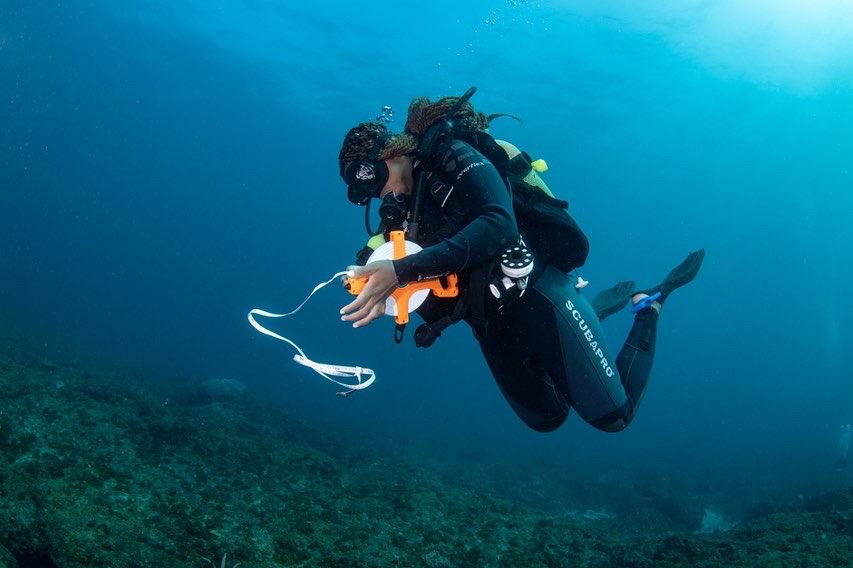
- Reel / Spool
This gear list is based on verified equipment signals for Colosseum, Mozambique. Always confirm final gear choices with your dive operator, guide, or liveaboard.
Recommended Dive Suit
Exposure protection is partly a personal preference.
3mm wetsuit typically provides a reliable level of thermal protection for dives here. Weather models currently point toward consistent diving conditions over the next several days.
Water temperatures across the dive area at Colosseum are presently estimated to be around 25°C (78°F). Surface air temperatures are resting at 24°C (75°F).
Emergency & Medical Support
Essential information to help you plan your dive trip to Colosseum.

Hyperbaric chambers are a critical part of dive safety infrastructure. Availability varies significantly by region, and not all dive areas have immediate access.
Before diving, it's recommended to:
- confirm nearest medical facilities
- check emergency procedures with local dive operators
- ensure dive insurance covers evacuation if required
Divers Alert Network
Diving emergency assistance available through DAN Southern Africa.
+27828106010- 24/7 emergency hotline
- Diving medical assistance
- Evacuation coordination
Emergency contacts are provided for reference. Always verify local emergency services before diving.
Marine Life at Colosseum
Diving Colosseum, the first thing many divers notice is the sheer vibrancy and extensive range of corals scattered throughout the reef. This vivid backdrop sets the stage for exciting pelagic encounters.
Encounters with Whitetip reef sharks, Grey reef sharks, and Leopard sharks are a strong possibility, as these predators are frequently seen across the northern reefs. Colosseum is particularly noteworthy for its regular sightings of Spotted Eagle Rays, making it a prime location in the Tofo region for these majestic creatures.
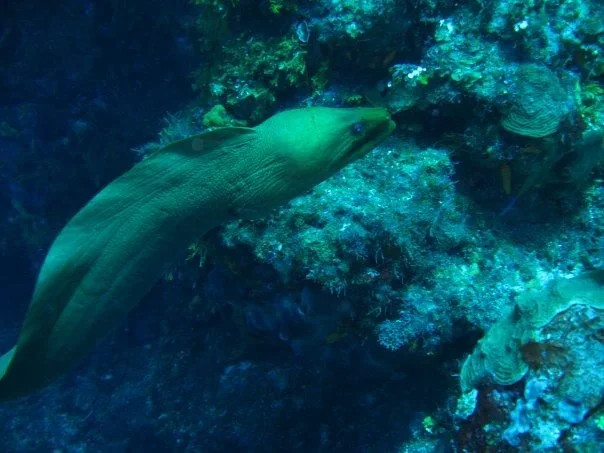
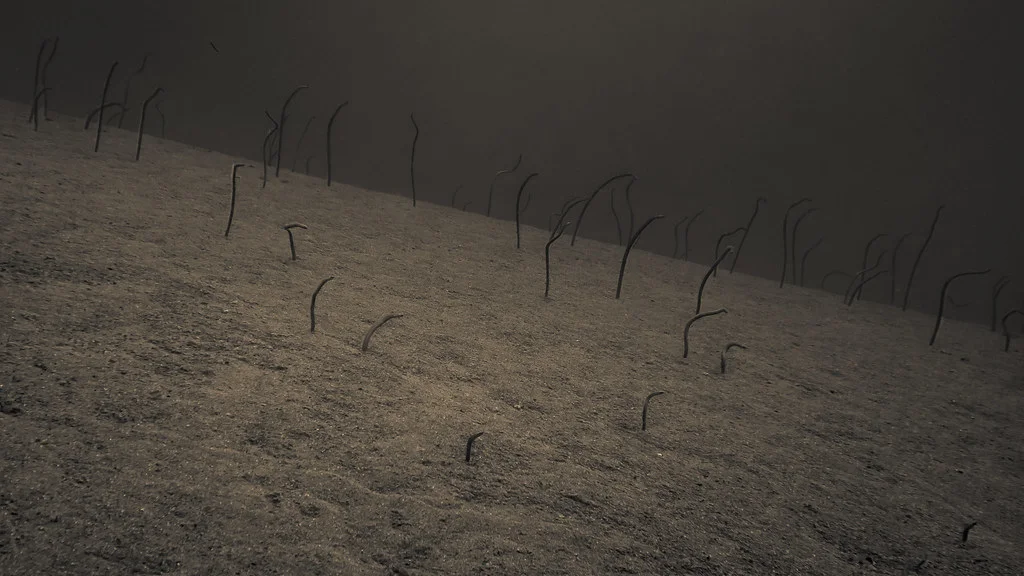
While on deeper sections, keep an eye out for Malabar Groupers and the occasional Honeycomb Moray Eel. Garden Eels are also sometimes spotted from the initial drop point on the sandy bottom.

Dive Sites Near Colosseum
View all dive sites in MozambiqueDiscover more underwater gems in this area.
Dive Centers Near Colosseum
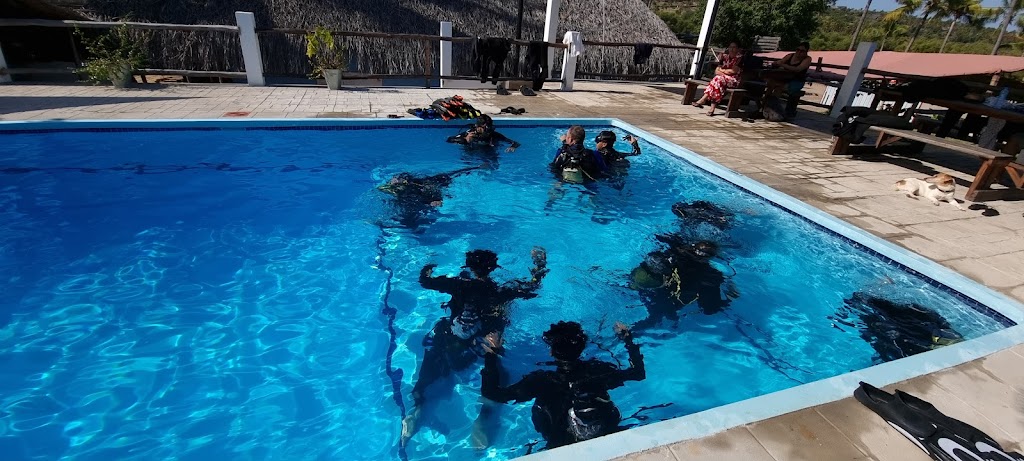
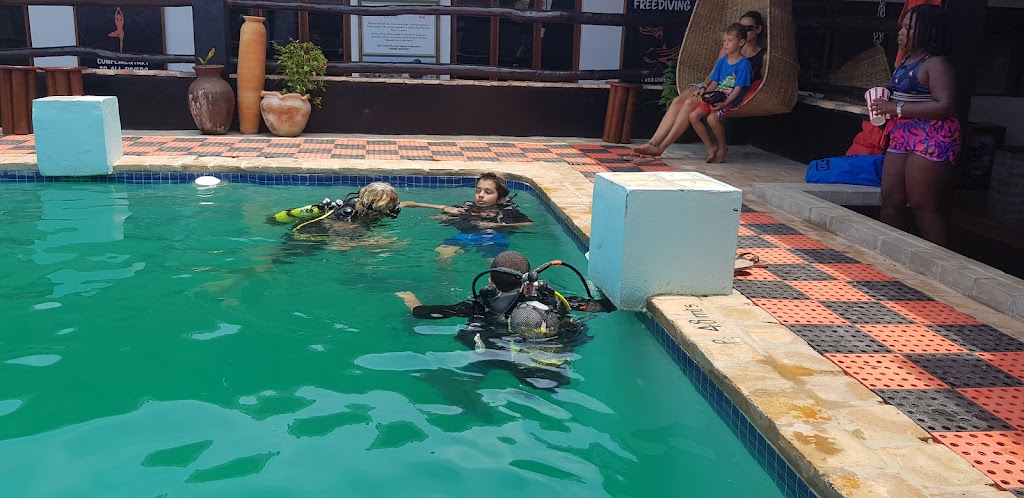
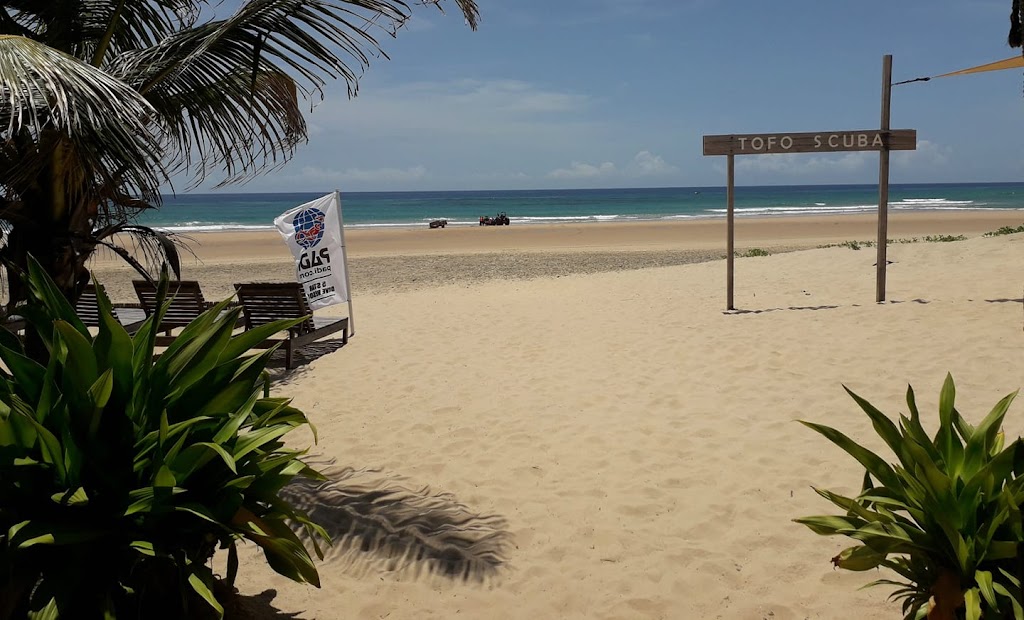
Nearest Airports
Nearest airports to help plan travel to this dive area.
Search Flights
Check available flights and routes on Expedia, using the nearby airports listed in this section.
Search Flights on ExpediaFrequently Asked Questions
What diver certification level is required for Colosseum?
Colosseum is designated for advanced and very experienced divers. This classification is due to the site's depths, which can reach 32 m (105 ft), and the challenging conditions often involving strong currents and negative water entries.
What marine life is most commonly seen at Colosseum?
Divers frequently encounter various shark species, including Whitetip, Grey, and Leopard sharks. Colosseum is also considered one of the best sites in the Tofo region for spotting Spotted Eagle Rays.
What are the typical diving conditions at Colosseum?
Conditions can be dynamic, with depths ranging from 21 m (69 ft) to 32 m (105 ft) and potentially strong currents requiring negative entries. Water temperatures generally vary between 23-29°C (73-84°F), and visibility can range from 5 to 30 m (16 to 98 ft).
Is dive insurance mandatory for diving in Tofo, Mozambique?
Yes, both dive insurance and travel insurance are mandatory for diving in this region. It's recommended to secure plans that cover both, with providers like DAN Europe being a popular choice.
What is the nearest hyperbaric chamber for dive emergencies?
For dive emergencies, the closest hyperbaric chamber equipped to treat decompression sickness is in Durban, South Africa. This critical information guides emergency protocols and comprehensive dive planning for the region.
When is the best time to visit for specific marine life sightings?
Manta rays can be seen year-round. Humpback whales are more common from June to November, while whale sharks are typically encountered between October and March. General dive conditions are often more favorable from April to December.
Planning to dive Colosseum?
Send one inquiry and receive offers directly from the best verified local dive operators.
Conditions are Moderate
Optimal conditions expected
Current conditions near Colosseum show 24° air, 25° sea temperature, 1.8 m waves, and 30 km/h wind. Forecast data is refreshed regularly to ensure accuracy.