
Diving at Amazon (Mozambique)
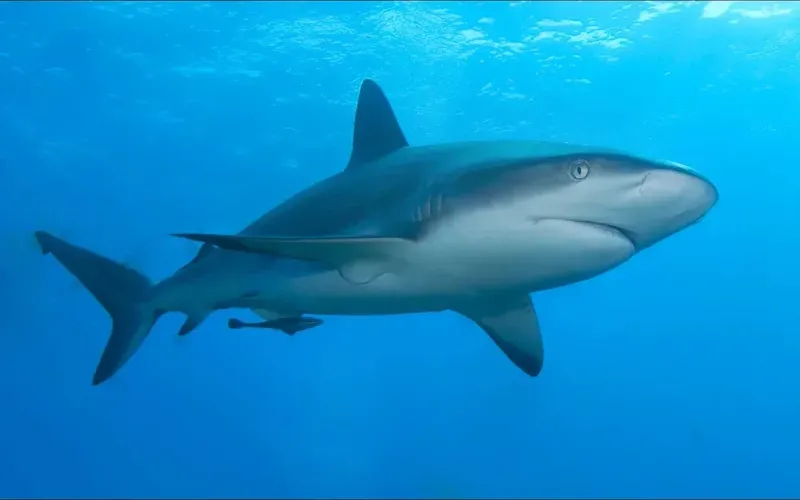
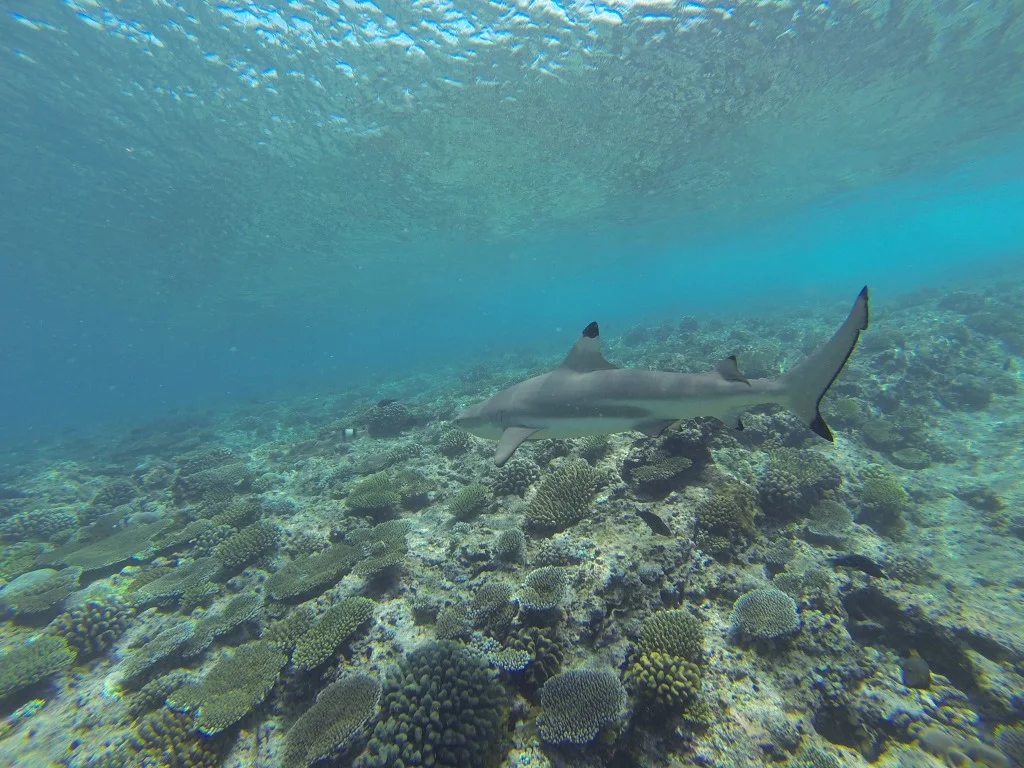
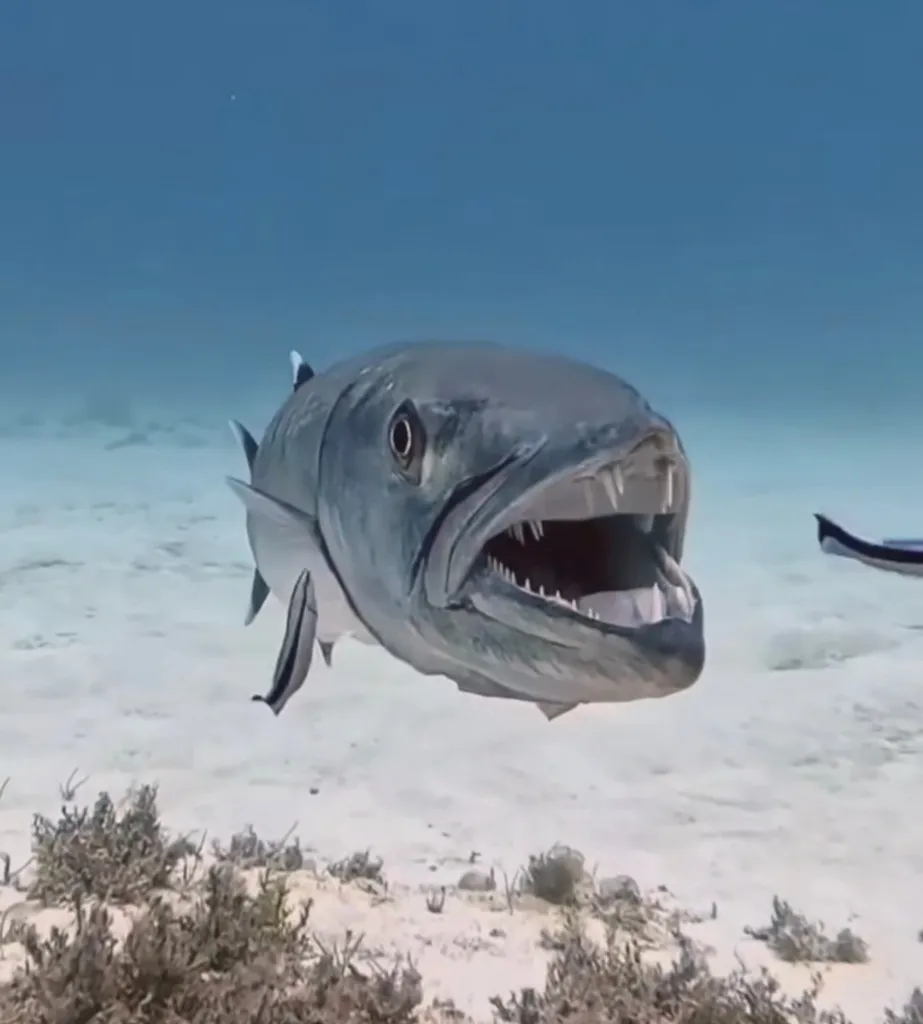
Amazon Reef captivates with its diverse pelagic encounters, standing out as a prime Mozambique dive site for observing powerful marine life. Leopard and white-tip sharks patrol its structure, while barracuda schools swirl in the blue. During winter, the reef transforms into a seasonal hub for large groups of mobula rays and humpback whales, offering truly impactful moments for divers.
Evening condition tracking at Amazon features an air temperature of 24°C. We have recorded wave heights measuring 1.3 m during this period. These figures outline the environmental parameters currently present.
Dive Site Location & Key Facts
Dive Site Overview
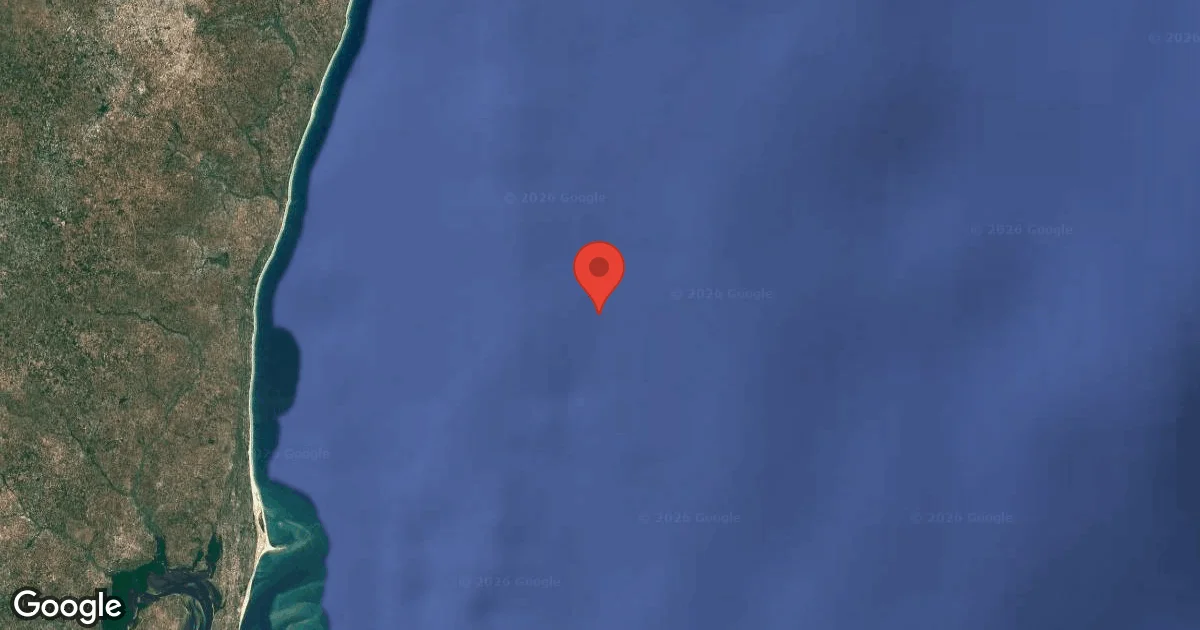
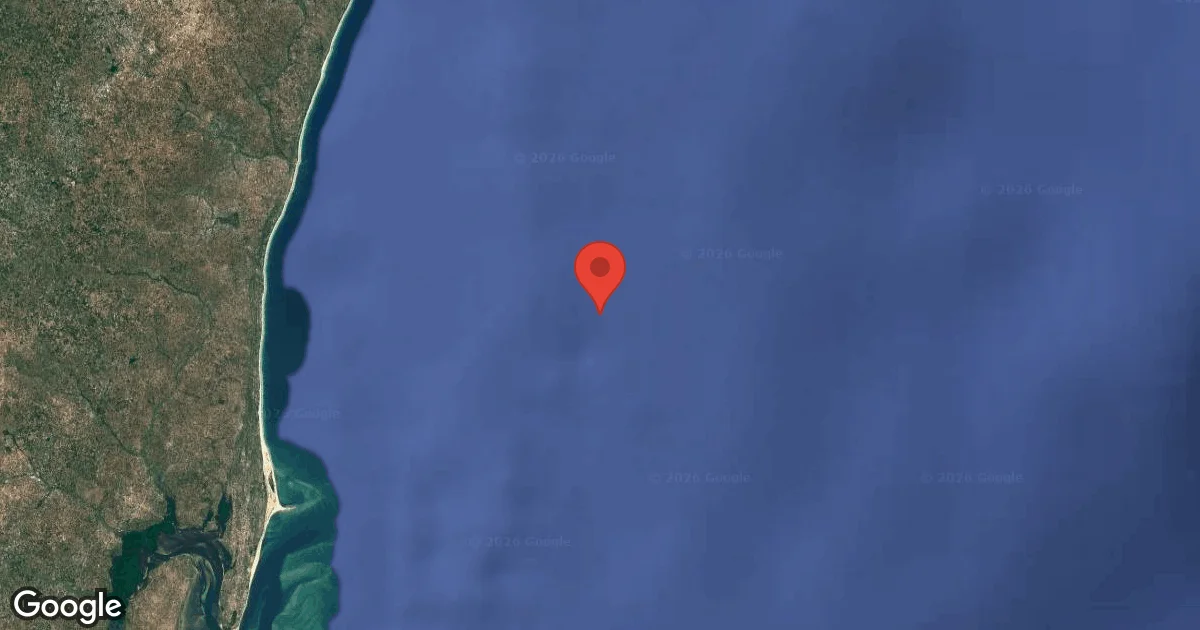
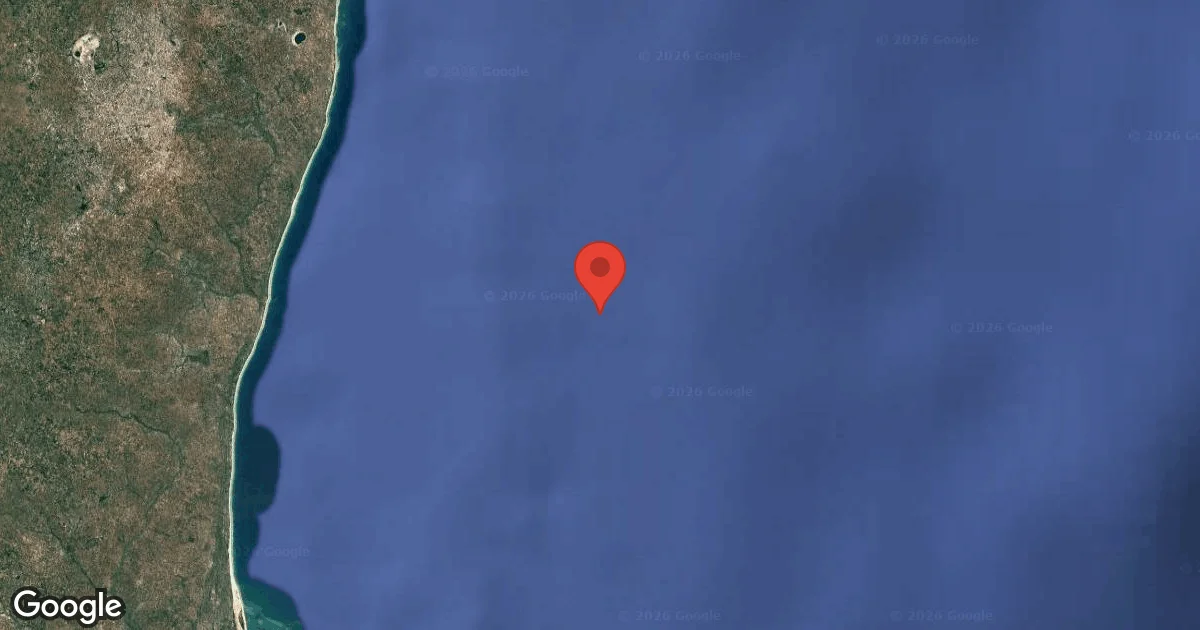
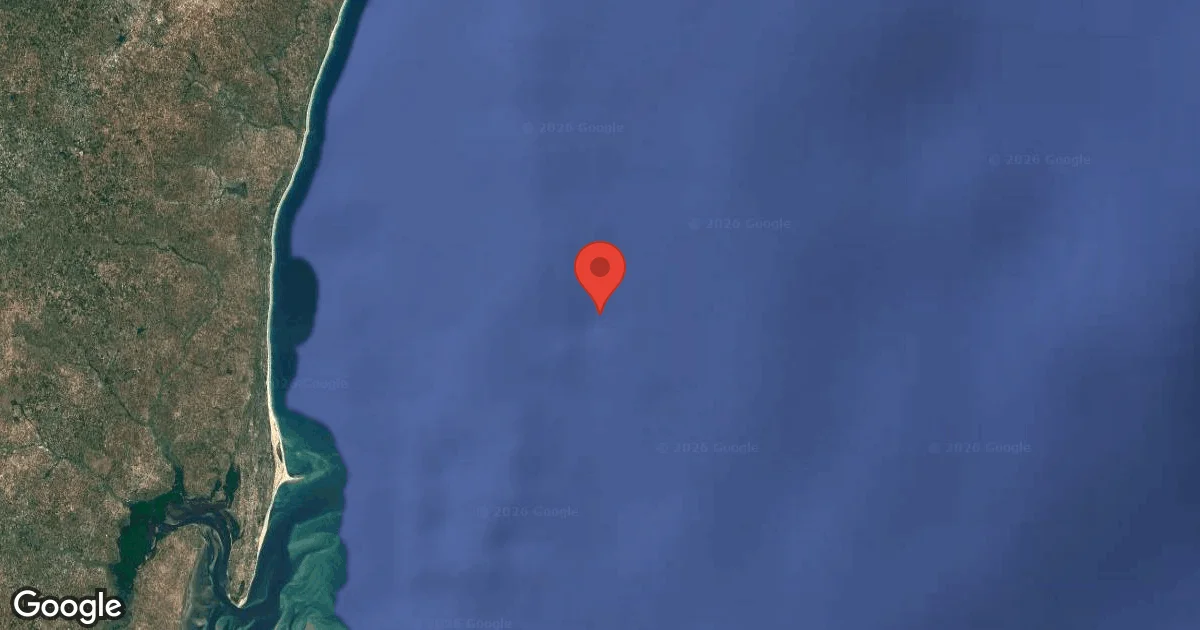
Descending into Amazon Reef offers a dynamic drift dive experience, revealing an energetic underwater landscape near Praia do Tofo. This site's structure, comprised of rocky reef formations and potential swim-throughs, hosts a vibrant ecosystem.
Divers typically explore depths reaching approximately 28 m (91 ft), making it an engaging deep dive. Early in the dive, it's common to spot zebra sharks and substantial marble and honeycomb stingrays resting on the sandy floor, while a glance overhead might reveal a few manta rays gracefully cruising by.
Additionally, various smaller fish species constantly frequent the numerous cleaning stations, a testament to the reef's health and activity. The site's nature as a drift dive allows for a progressive exploration, carried by the prevailing currents, making each descent unique.
While the site presents thrilling opportunities for experienced divers, its currents and depth can pose a challenge for newer certification levels. This reef provides a comprehensive glimpse into Mozambique's rich biodiversity.
Conditions are Moderate
High Swell Advisory. Not recommended.
Current conditions near Amazon show 24° air, 25° sea temperature, 2.1 m waves, and 30 km/h wind. Forecast data is refreshed regularly to ensure accuracy.
Best Time to Dive
While diving is possible year-round, the most favorable conditions for exploring Amazon Reef typically align with the cooler, drier months, particularly from April to May and again in July, November, and December. During these periods, the dive score is rated 'Moderate'. Air temperatures are comfortably warm, ranging from 24-26°C (75-79°F), and rainfall is considerably lower, often less than 2 mm. Notably, the winter months, specifically July and August, bring humpback whales to the area, despite slightly cooler air temperatures around 22-23°C (72-73°F). However, April and May combine moderate dive conditions with lower rain and stable air temperatures, creating an ideal window for comprehensive exploration of the reef's vibrant ecosystem.
PEAK SEASON SCORE
Scores combine air & water temps, waves, wind & rainfall for overall conditions.
BEST MONTHS TO DIVE
Monthly records compiled from satellite and marine observation nodes over the last 3 years. Data provided by Open-Meteo and MET Norway.
Dive Experience & Conditions
The moment you enter the water at Amazon Reef, a noticeable current usually ushers you into a drift dive, immersing you directly into the reef's activity. Conditions often involve strong currents, necessitating confident buoyancy control and comfort with drift diving techniques. Visibility can vary, but on good days, the expansiveness of the reef and its inhabitants is striking. Dives typically extend to around 28 m (91 ft), placing divers in a deep-water environment. The sensation is one of being a moving observer within a bustling marine amphitheater, with constant motion from schooling barracudas to the subtle undulations of stingrays on the seabed. This site truly emphasizes the feeling of an open ocean encounter.
Dive Difficulty & Safety Guidelines
Navigating Amazon Reef requires an advanced certification due to its characteristic deep-water, drift-diving nature and often strong currents. The average depth of 28 m (91 ft) means extended bottom times, particularly when utilizing nitrox, warrant careful planning to manage no-decompression limits. Divers should be proficient in current management and emergency ascent procedures, as the drift conditions demand quick reactions and good communication within the dive group.
While no specific unique hazards are consistently reported beyond typical open-water considerations, divers must be prepared for dynamic conditions. A well-briefed, experienced guide is highly recommended to enhance safety and optimize the dive experience.
Recommended Equipment
Current and surface separation risk. Local briefing strongly recommended.
- Dive Computer
- DSMB
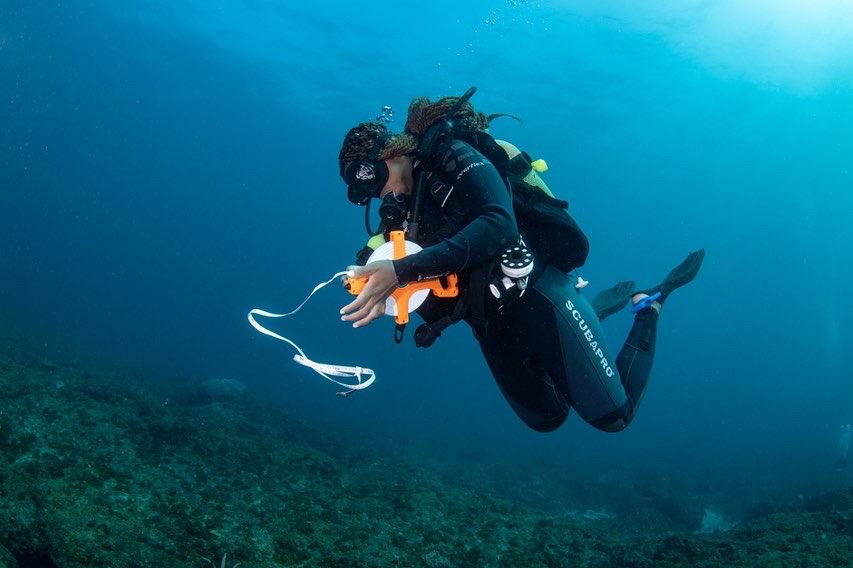
- Reel / Spool
This gear list is based on verified equipment signals for Amazon, Mozambique. Always confirm final gear choices with your dive operator, guide, or liveaboard.
Recommended Dive Suit
3mm wetsuit is frequently recommended by dive operators for conditions like these. For divers entering the water at Amazon, temperatures are currently hovering around 25°C (78°F). Surface air temperatures are resting at 24°C (75°F).
Forecast trends indicate little change in overall diving conditions during the next few days.
Even small thermoclines can occasionally cause noticeable changes in water temperature.
Emergency & Medical Support
Essential information to help you plan your dive trip to Amazon.

Hyperbaric chambers are a critical part of dive safety infrastructure. Availability varies significantly by region, and not all dive areas have immediate access.
Before diving, it's recommended to:
- confirm nearest medical facilities
- check emergency procedures with local dive operators
- ensure dive insurance covers evacuation if required
Divers Alert Network
Diving emergency assistance available through DAN Southern Africa.
+27828106010- 24/7 emergency hotline
- Diving medical assistance
- Evacuation coordination
Emergency contacts are provided for reference. Always verify local emergency services before diving.
Marine Life at Amazon
Beyond its structural appeal, Amazon Reef is celebrated for its impactful marine encounters. Divers frequently spot leopard and white-tip sharks gracefully traversing the reef.
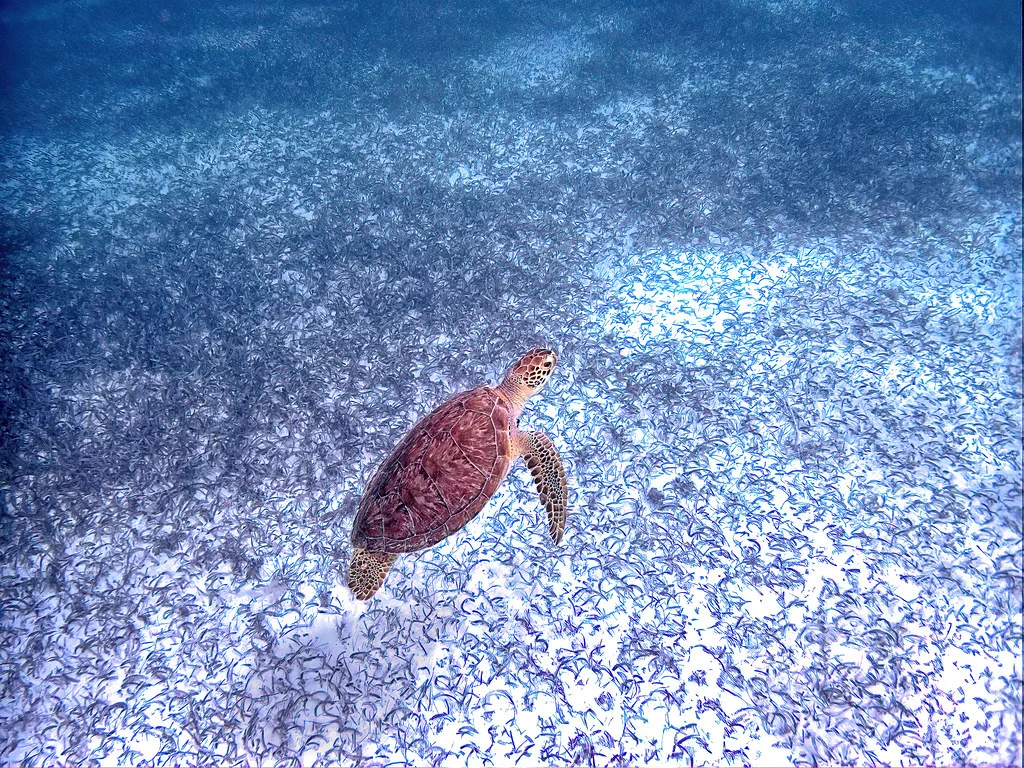
Green, hawksbill, and loggerhead turtles are common, often seen browsing the reef or resting. The site is a dynamic zone for schooling barracudas and other pelagic fish, creating impressive displays.
During the winter season, it becomes a notable gathering point for large groups of mobula rays, and observant divers might even catch glimpses of humpback whales, adding a layer of seasonal grandeur to the dive.

Dive Sites Near Amazon
View all dive sites in MozambiqueDiscover more underwater gems in this area.
Dive Centers Near Amazon
Today: 08:00 - 16:00
Nearest Airports
Nearest airports to help plan travel to this dive area.
Search Flights
Check available flights and routes on Expedia, using the nearby airports listed in this section.
Search Flights on ExpediaFrequently Asked Questions
What is the typical depth at Amazon Reef?
Dives at Amazon Reef generally reach a maximum depth of approximately 28 meters (91 feet). This classifies it as a deep dive, requiring appropriate training and experience.
Is Amazon Reef suitable for new divers?
Due to often strong currents, its deep profile, and drift diving nature, Amazon Reef can be challenging for new divers. It is better suited for advanced divers with experience in similar conditions.
What kind of marine life can I expect to see?
The reef is known for leopard and white-tip sharks, various turtle species (green, hawksbill, loggerhead), barracuda schools, and large groups of mobula rays. Humpback whales are also present in the winter months.
What are the common water conditions at the site?
Amazon Reef is primarily a drift dive, characterized by moderate to strong currents. This means divers are carried along by the water, offering a dynamic and engaging experience.
What are the best months to dive Amazon Reef?
The periods from April to May and again in July, November, and December are generally considered favorable, offering moderate dive scores, lower rainfall, and comfortable air temperatures.
Are there cleaning stations at Amazon Reef?
Yes, observations indicate the presence of cleaning stations where various smaller fish buzz around. Larger marine life, including manta rays and stingrays, have been seen utilizing these stations.
Planning to dive Amazon?
Send one inquiry and receive offers directly from the best verified local dive operators.
Conditions are Moderate
High Swell Advisory. Not recommended.
Current conditions near Amazon show 24° air, 25° sea temperature, 2.1 m waves, and 30 km/h wind. Forecast data is refreshed regularly to ensure accuracy.