
Diving at Reggies (Mozambique)
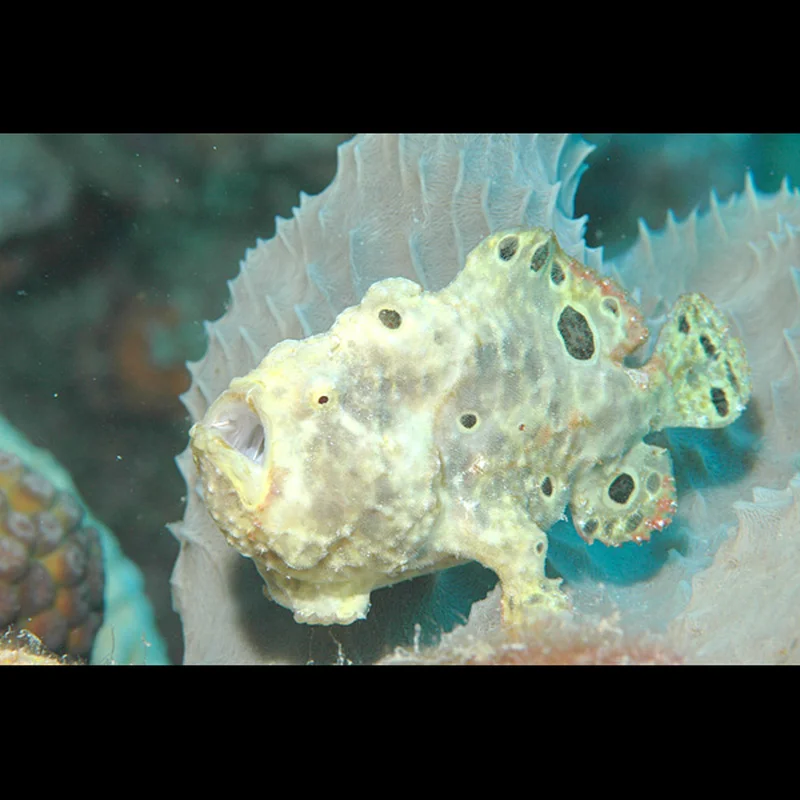
Reggies reveals a vibrant tapestry of marine growth from the moment you descend. Divers immediately encounter huge green tree corals and beautiful soft corals carpeting the reef. This site is particularly known for its extensive coral structures that attract a wide array of life, promising encounters with a spectrum of rays, various shark species, and large groupers. Occasional frogfish also appear amidst the rich coral landscape, adding to the visual spectacle.
As evening covers Reggies, the local air temperature is measured at 23.5°C. The current wave height at the surface is recorded at 0.9 m. These late-day readings characterize the surface conditions for the night.
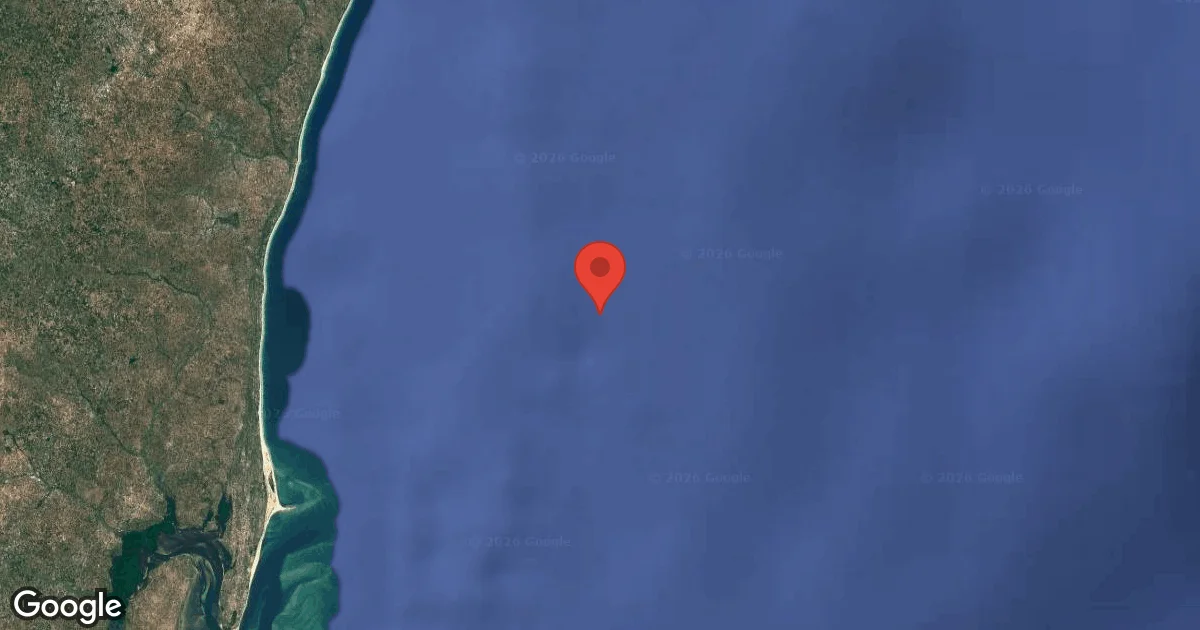
Dive Site Location & Key Facts
Dive Site Overview
Dropping into Reggies initiates a dynamic drift dive experience, starting over an extensive coral garden. From this boat-accessed site, a vibrant spectacle unfolds immediately, with huge green tree corals and beautiful soft corals creating an immersive underwater landscape.
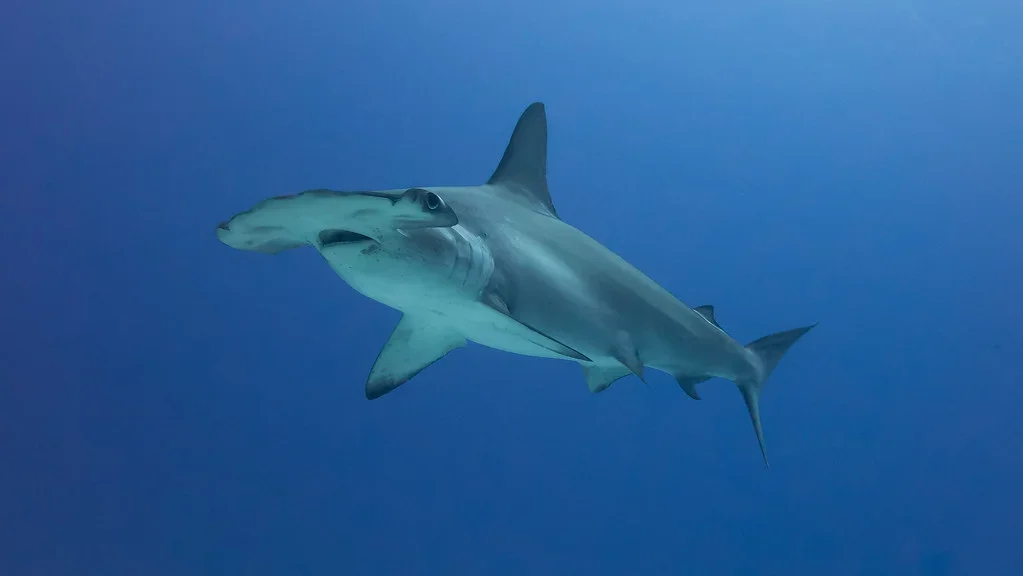
Progressing along the reef, typically at depths between 23 m and 30 m / 75 ft and 100 ft, bottom times are carefully managed, often around 25 minutes on air or 40 minutes with nitrox. Frequent big-animal encounters are supported by this environment, including Whitetip reef sharks, Grey reef sharks, and Leopard sharks; Hammerheads are also occasionally sighted.
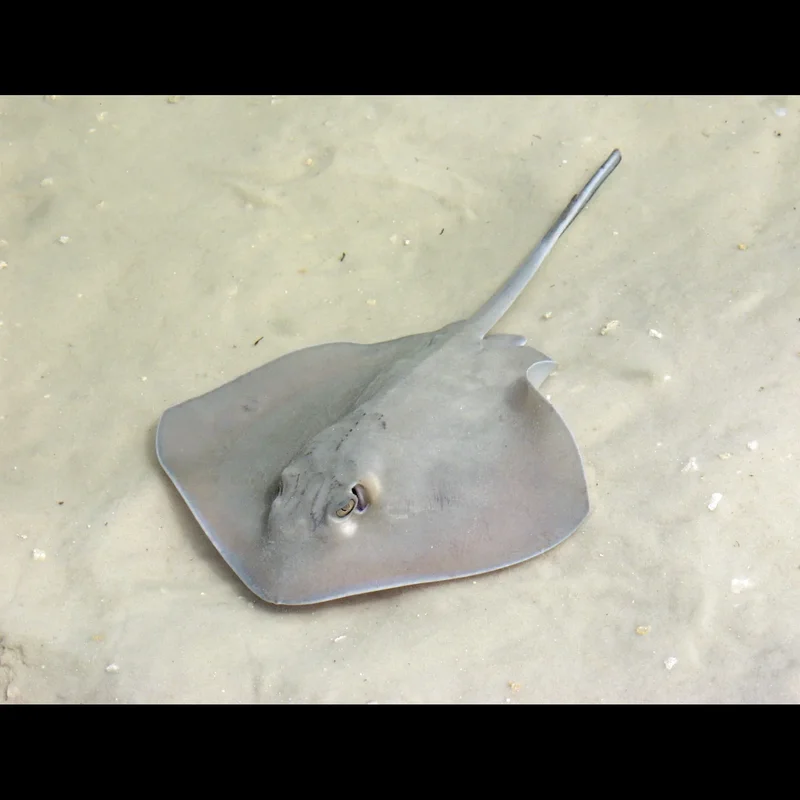
Three distinct cleaning stations offer excellent opportunities to observe both species of manta, large potato groupers, and smalleye stingrays in action. Concluding the dive often involves discovering a massive cave, which serves as a sanctuary for Blotched fantail rays, Jenkins rays, and Pink Whiptail rays, rounding out a comprehensive big-animal encounter.
Conditions are Moderate
Optimal conditions expected
Current conditions near Reggies show 24° air, 25° sea temperature, 1.5 m waves, and 30 km/h wind. Forecast data is refreshed regularly to ensure accuracy.
Best Time to Dive
Optimal conditions for diving Reggies generally fall between April and May, when the site consistently receives "Good" dive scores. During these months, average air temperature is around 25-26°C, with notably low rainfall, averaging less than 2mm. While specific water temperatures aren't consistently reported for all months in our climate data, external observations suggest water temperatures around 27-28°C in April and May, coupled with good visibility. Winter months from June through September often maintain "Moderate" dive scores, featuring slightly cooler air temperatures, typically ranging from 23-24°C, and minimal rain. Stronger currents, sometimes reaching 2 knots, are more prevalent in July. Conversely, the summer period from January to March often presents "Poor" to "Moderate" scores due to higher average wave heights (over 1.5m), increased wind speeds, and greater rainfall, which can reduce overall dive comfort and visibility.
PEAK SEASON SCORE
Scores combine air & water temps, waves, wind & rainfall for overall conditions.
BEST MONTHS TO DIVE
Monthly records compiled from satellite and marine observation nodes over the last 3 years. Data provided by Open-Meteo and MET Norway.
Dive Experience & Conditions
Reggies' reef structure offers a tangible sense of exploration during descents, allowing divers to glide over diverse formations. Currents here are typically moderate, ranging from 1 to 2 knots, providing a gentle drift that conserves energy while carrying you past expansive coral formations. Visibility is a consistent highlight, frequently reported as "Good" or even "Excellent," often reaching 25 m / 82 ft, allowing for clear views of the abundant marine life. Water temperatures vary seasonally, generally feeling warm in the upper range of 21-30°C / 70-86°F, ensuring comfortable diving for much of the year, though conditions can become cooler in mid-winter. Dive profiles involve exploring depths between 23-30 meters, necessitating careful no-decompression planning.
Dive Difficulty & Safety Guidelines
Navigating Reggies requires mindful dive planning due to its depth profile and potential for dynamic conditions. Depths typically range from 23 to 30 meters, which means divers must strictly adhere to no-decompression limits for their chosen gas. Given the possibility of encountering dangerous wildlife, including various shark species and large rays, maintaining situational awareness and respecting marine life is paramount.
While currents are generally moderate, it's prudent to be prepared for drift diving scenarios. Always review local conditions and plan your dive within your certification limits and experience level.
Recommended Equipment
Current and surface separation risk. Local briefing strongly recommended.
- Dive Computer
- DSMB
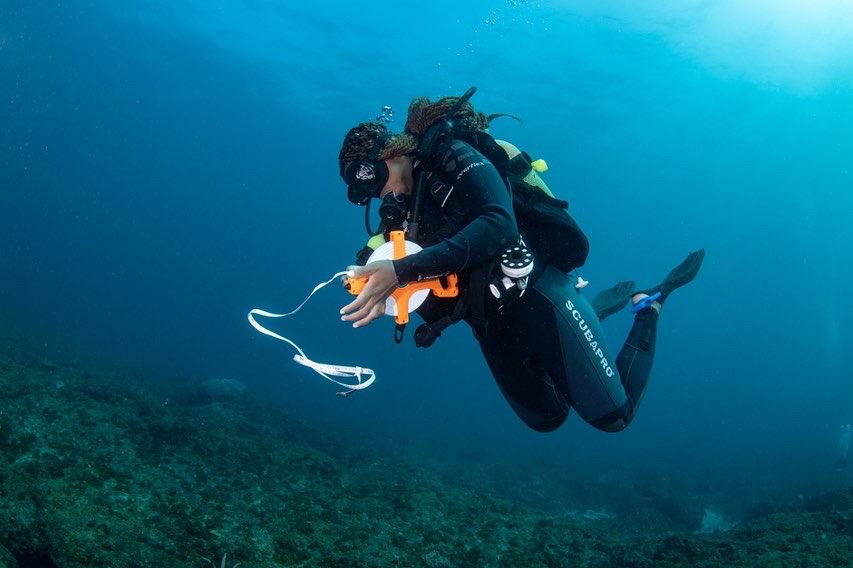
- Reel / Spool
This gear list is based on verified equipment signals for Reggies, Mozambique. Always confirm final gear choices with your dive operator, guide, or liveaboard.
Recommended Dive Suit
For dives of average duration, 3mm wetsuit usually provides sufficient protection from heat loss. A hood or vest is suggested for sensitive divers due to surface winds.
Divers entering the water at Reggies today can expect temperatures near 25°C (77°F) beneath the surface. Surface air temperatures are resting at 24°C (75°F).
Weather projections show fairly stable environmental conditions ahead.
Emergency & Medical Support
Essential information to help you plan your dive trip to Reggies.

Hyperbaric chambers are a critical part of dive safety infrastructure. Availability varies significantly by region, and not all dive areas have immediate access.
Before diving, it's recommended to:
- confirm nearest medical facilities
- check emergency procedures with local dive operators
- ensure dive insurance covers evacuation if required
Divers Alert Network
Diving emergency assistance available through DAN Southern Africa.
+27828106010- 24/7 emergency hotline
- Diving medical assistance
- Evacuation coordination
Emergency contacts are provided for reference. Always verify local emergency services before diving.
Marine Life at Reggies
Reggies' underwater landscape thrives with a robust, particularly active ecosystem. Divers are likely to encounter various shark species, with Whitetip reef, Grey reef, and Leopard sharks being common; occasional Hammerhead sightings are also reported.
Notable are three cleaning stations, attracting both species of manta, along with large potato groupers and smalleye stingrays. As deeper sections are explored, a huge cave provides shelter for specific ray species, including Blotched fantail rays, Jenkins rays, and Pink Whiptail rays.
An array of green tree corals and soft corals creates an ideal habitat for numerous reef fish and even occasional frogfish, populating every crevice.

Dive Sites Near Reggies
View all dive sites in MozambiqueDiscover more underwater gems in this area.
Dive Centers Near Reggies
Today: 08:00 - 16:00
Nearest Airports
Nearest airports to help plan travel to this dive area.
Search Flights
Check available flights and routes on Expedia, using the nearby airports listed in this section.
Search Flights on ExpediaFrequently Asked Questions
What is the typical depth range at Reggies?
The dive site usually ranges from 23 meters to 30 meters. Divers should plan their bottom times carefully given these depths, particularly if using air.
What kind of marine life is commonly seen at Reggies?
Divers often encounter Whitetip reef, Grey reef, and Leopard sharks. The site also hosts both species of manta, potato groupers, and various rays, including Blotched fantail, Jenkins, and Pink Whiptail rays in a large cave.
Are there strong currents at this dive site?
Currents at Reggies are typically moderate, usually ranging between 1 and 2 knots. This often makes for an enjoyable drift dive experience.
Is Reggies suitable for beginner divers?
Given the typical depths of 23-30 meters and the potential for currents, Reggies is generally recommended for advanced divers or those with experience in similar conditions.
What are the visibility conditions like at Reggies?
Visibility is frequently reported as good to excellent, often reaching 25 meters. This allows for clear views of the extensive coral formations and diverse marine life.
What are the average water temperatures throughout the year?
Water temperatures vary but generally range from 21-30°C / 70-86°F in warmer periods. External data suggests 27-28°C / 81-82°F in April/May, and around 21°C / 70°F in July.
Does Reggies feature any unique geological formations?
Yes, the dive culminates in the discovery of a huge cave. This formation serves as a sheltered habitat for several species of rays.
What makes Reggies a good spot for big-animal encounters?
Three cleaning stations at Reggies attract large marine life including mantas, groupers, and stingrays. The site's location and structure also support frequent shark sightings, with occasional hammerheads.
Planning to dive Reggies?
Send one inquiry and receive offers directly from the best verified local dive operators.
Conditions are Moderate
Optimal conditions expected
Current conditions near Reggies show 24° air, 25° sea temperature, 1.5 m waves, and 30 km/h wind. Forecast data is refreshed regularly to ensure accuracy.