
Diving at Sao Sebastiao (Mozambique)
Conditions at Sao Sebastiao in Mozambique call for advanced diving skills, where strong currents often characterize the underwater environment. This wild area, nestled within the Bazaruto Archipelago, frequently experiences dynamic water movement that attracts a diverse range of large pelagic species. Average air temperatures throughout the year hover between 22-28°C (72-82°F), with water temperatures generally ranging from 22°C (72°F) in cooler months to 29°C (84°F) during the warmest periods.
Evening condition tracking at Sao Sebastiao features an air temperature of 24°C. We have recorded wave heights measuring 0.7 m during this period. These figures outline the environmental parameters currently present.
Dive Site Location & Key Facts
Dive Site Overview
Approaching Sao Sebastiao means preparing for an exhilarating blend of challenging currents and vibrant marine ecosystems. This area, nestled off the southeastern coast of Africa within the Bazaruto Archipelago, has firmly established itself as a premier destination for experienced divers.
It's particularly known for its extensive drift and reef diving opportunities, which consistently promise unpredictable and thrilling encounters. Unlike the more tranquil regional sites, a typical dive here involves skillfully navigating powerful currents, a characteristic that significantly contributes to its allure for advanced enthusiasts seeking a dynamic underwater experience. Divers explore a diverse array of submerged landscapes, ranging from intricate, pristine coral formations to broad stretches of reef that gracefully transition into sandy bottoms.
Depths commonly explored during these expeditions often range between 15-18 m (50-60 ft), providing ample opportunity to observe the vibrant reef life. The Indian Ocean's influence here is profound, regularly delivering surprises from formidable sharks, including various pelagic species, to impressive, massive groupers.
The dynamic character of this environment means each expedition can present different conditions, demanding readiness and adaptability from those who choose to explore its depths. Divers need to be adept at managing variable conditions, as the currents can shift, offering anything from a gentle drift to a brisk ride along the reefs.
This variability, while challenging, is precisely what makes Sao Sebastiao a truly rewarding dive location for the prepared.
Conditions are Good
Optimal conditions expected
Current conditions near Sao Sebastiao show 24° air, 26° sea temperature, 1.0 m waves, and 30 km/h wind. Forecast data is refreshed regularly to ensure accuracy.
Best Time to Dive
Optimizing your dive trip to Sao Sebastiao hinges on understanding seasonal weather patterns. The period from May to November typically offers clearer waters and excellent visibility, making it the preferred season for most divers. During these months, average air temperatures range from 22-26°C (72-79°F), and rainfall is minimal, often less than 1.5 mm per month, especially from July to September. Conversely, December and January present the warmest water temperatures, sometimes reaching 29°C (84°F), but this can coincide with reduced visibility due to plankton blooms. February is generally not recommended for diving, as excessive plankton significantly impacts visibility and overall marine activity. August, while having some of the coolest water temperatures around 22°C (72°F), can be particularly good for shark sightings, despite air temperatures averaging around 22-23°C (72-73°F).
PEAK SEASON SCORE
Scores combine air & water temps, waves, wind & rainfall for overall conditions.
BEST MONTHS TO DIVE
Monthly records compiled from satellite and marine observation nodes over the last 3 years. Data provided by Open-Meteo and MET Norway.
Dive Experience & Conditions
Beginning a dive at Sao Sebastiao often means preparing for a dynamic descent into strong currents. Visibility can vary significantly, starting from 5-8 m (16-26 ft) during spring tides, then improving over a few days to reach 15-20 m (50-65 ft) later in the week. As divers descend, they often encounter water temperatures that fluctuate, with averages around 21°C (70°F), but colder during August (22°C/72°F) and warmer during summer months (up to 29°C/84°F). Underwater, the conditions can range from minimal current to mild or heavy surge, dictating whether it's a calm reef exploration or a swift drift dive. This variability in currents and visibility requires divers to be adaptable and experienced. Exploration typically occurs over reefs, or a combination of reefs and sandy patches with scattered coral heads, with the maximum depth often explored reaching up to 20 m (65 ft).
Dive Difficulty & Safety Guidelines
Diving at Sao Sebastiao is specifically recommended for advanced divers due to the prevalence of strong currents and the exposed nature of many sites. Operating within a wild area, the dive conditions here demand a solid understanding of drift diving techniques and excellent buoyancy control. It's crucial that divers are comfortable managing mild to heavy surge and variable visibility, which can shift based on tidal influence.
Always consult with local dive operators; they possess the most current site-specific knowledge and can provide essential briefings on prevailing conditions. They typically assess diver skill levels to ensure appropriate site selection, prioritizing safety in this challenging environment. Additionally, consider health precautions, such as malaria prevention, prior to your trip.
Recommended Equipment
Current and surface separation risk. Local briefing strongly recommended.
- Dive Computer
- DSMB
- Reel / Spool
This gear list is based on verified equipment signals for Sao Sebastiao, Mozambique. Always confirm final gear choices with your dive operator, guide, or liveaboard.
Recommended Dive Suit
The latest conditions reported around Sao Sebastiao place the water temperature close to 26°C (78°F). Surface air temperatures are resting at 24°C (75°F).
Many divers choose 3mm wetsuit when diving in similar conditions. A hood or vest is suggested for sensitive divers due to surface winds.
Forecast models show minimal temperature variation in the coming days.
Emergency & Medical Support
Essential information to help you plan your dive trip to Sao Sebastiao.

Hyperbaric chambers are a critical part of dive safety infrastructure. Availability varies significantly by region, and not all dive areas have immediate access.
Before diving, it's recommended to:
- confirm nearest medical facilities
- check emergency procedures with local dive operators
- ensure dive insurance covers evacuation if required
Divers Alert Network
Diving emergency assistance available through DAN Southern Africa.
+27828106010- 24/7 emergency hotline
- Diving medical assistance
- Evacuation coordination
Emergency contacts are provided for reference. Always verify local emergency services before diving.
Marine Life at Sao Sebastiao
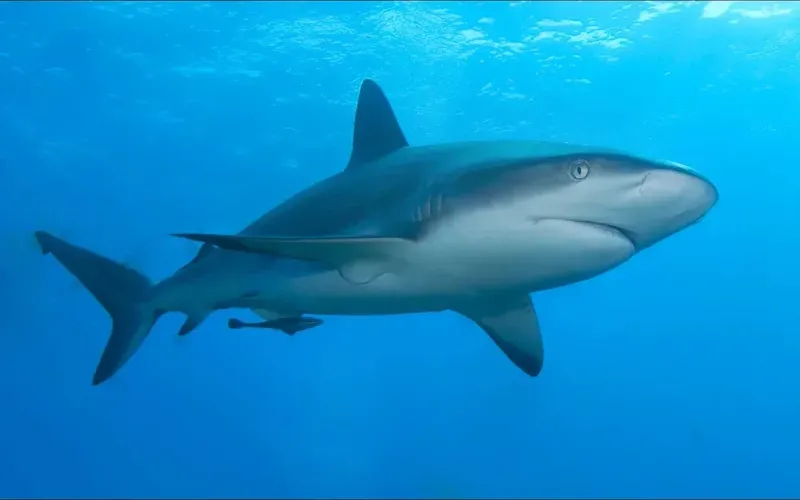
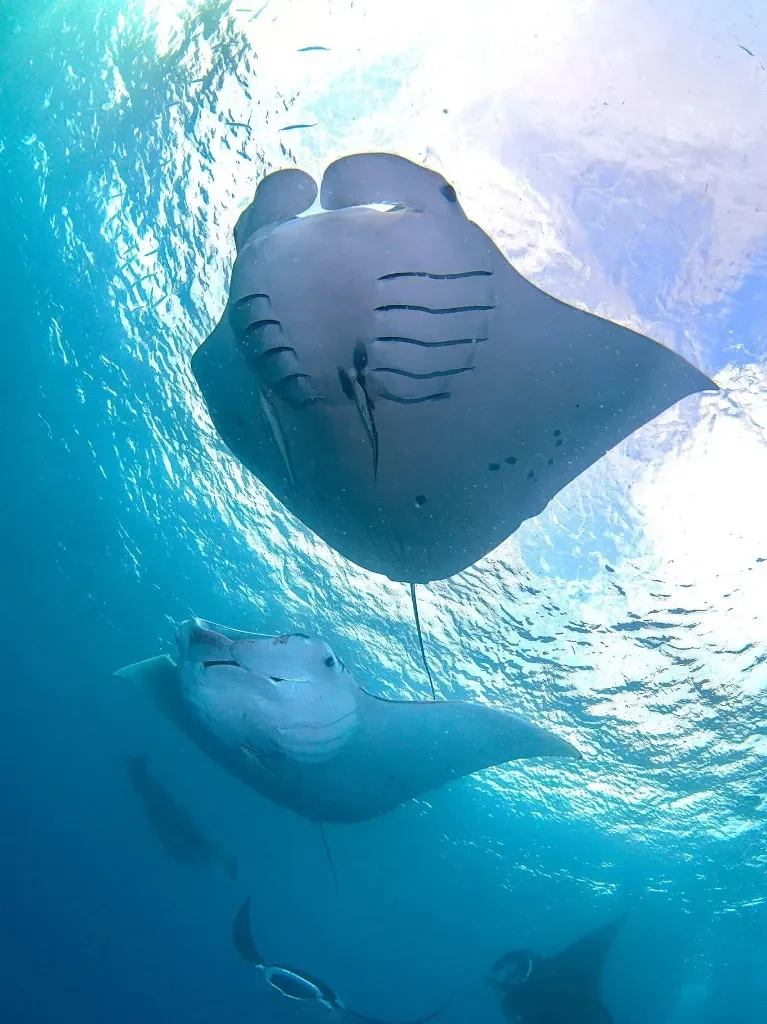
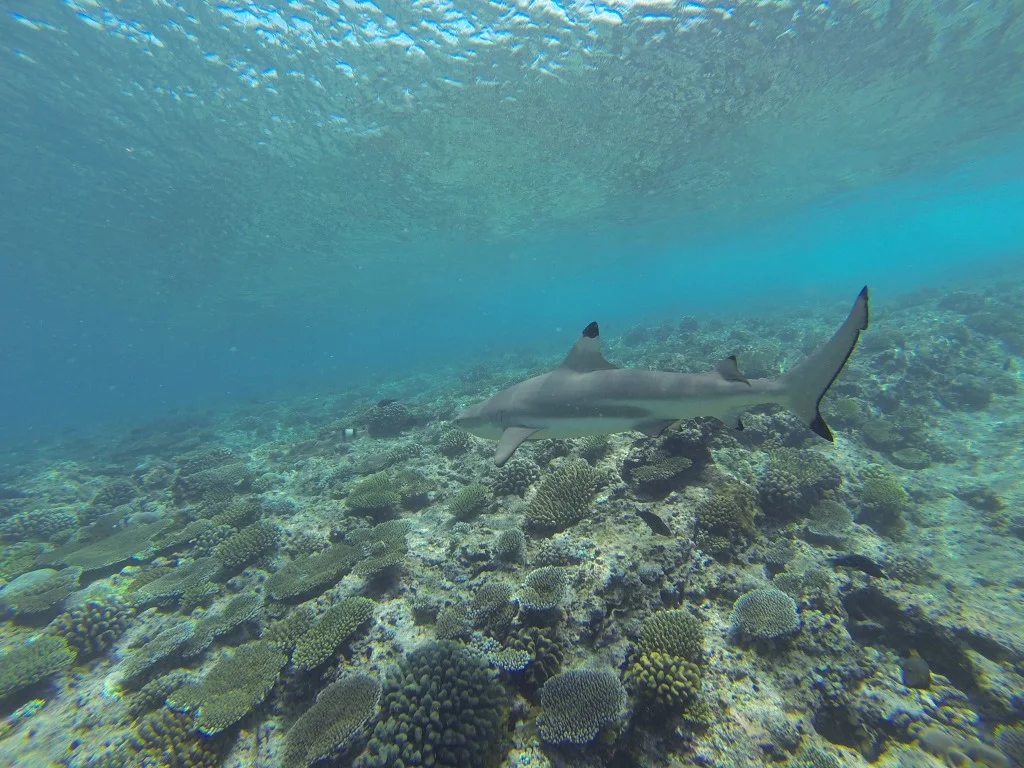
The vibrant underwater landscape here supports a range of impressive marine life, often concentrated around its unspoiled hard and soft coral formations. Divers frequently encounter significant pelagic species such as Manta Rays and various sharks, including Grey Reef Sharks, Bull Sharks, and Hammerheads.
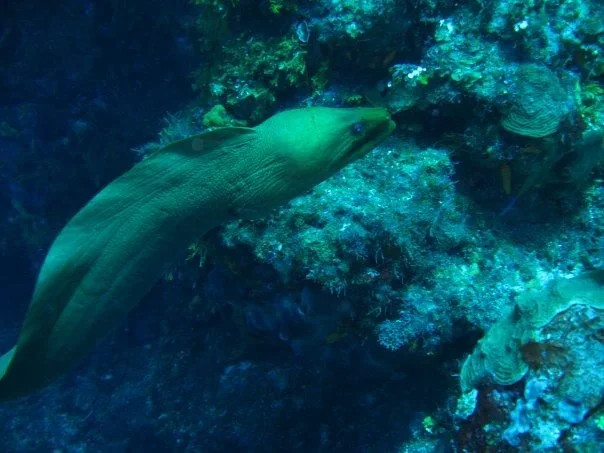
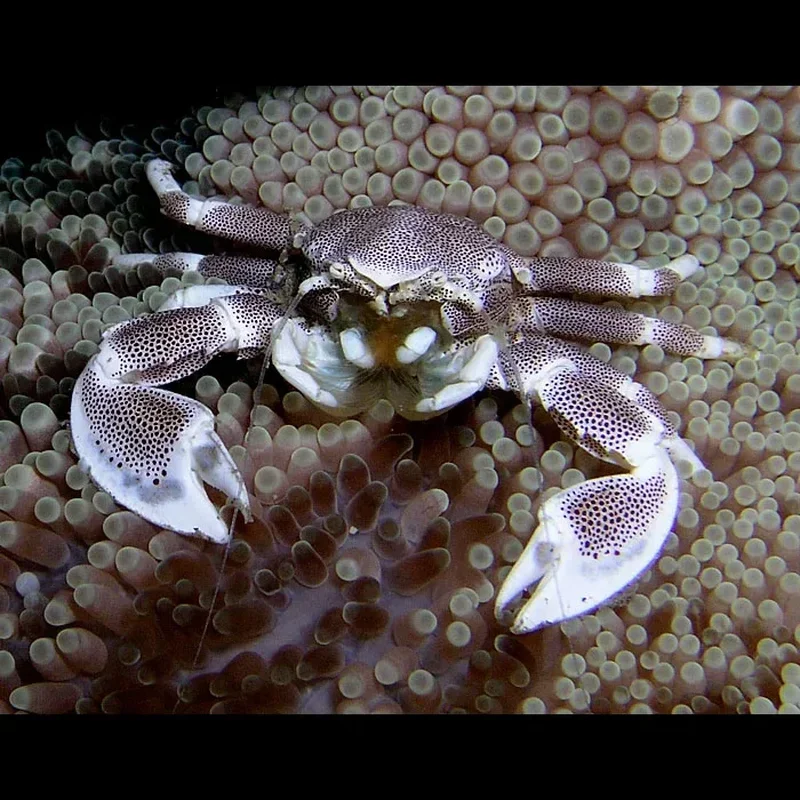
Massive groupers and morays are common sightings, inhabiting the deeper reef structures. Along with these larger residents, the reefs are home to a diverse array of smaller creatures, from guitarfish and stingrays to colorful nudibranchs, porcelain crabs, and Christmas tree worms.
Green and Hawksbill turtles also frequent the area, often seen gracefully navigating the coral gardens or resting on sandy bottoms.
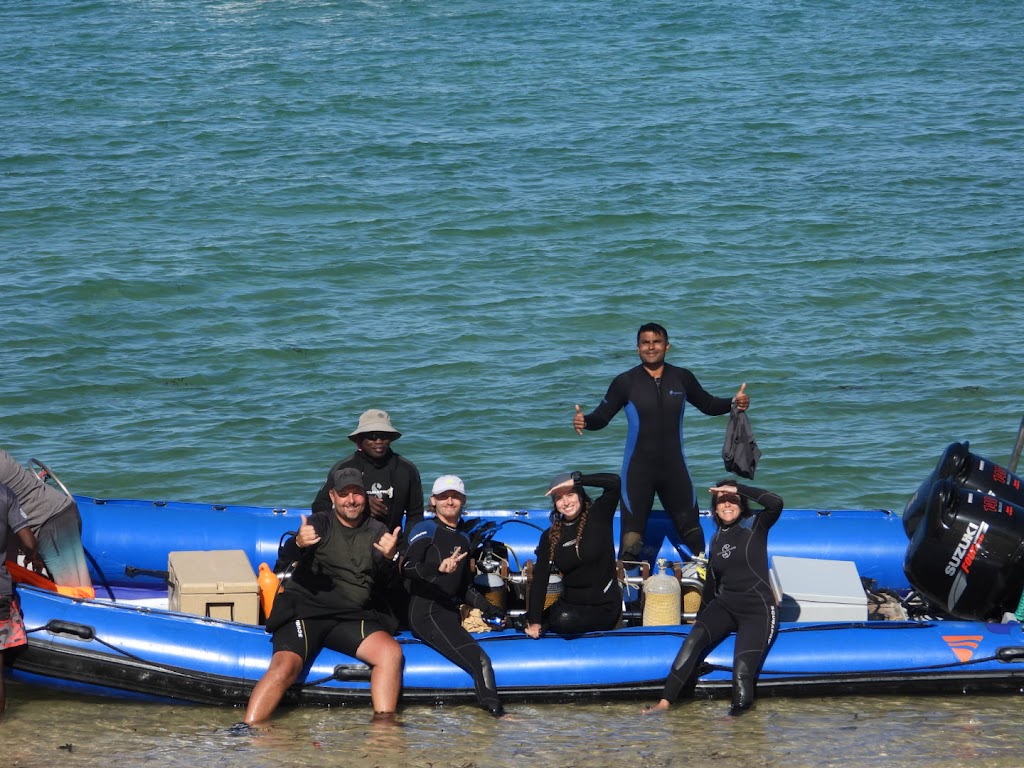
Dive Centers Near Sao Sebastiao
Today: 07:00 - 18:00
Nearest Airports
Nearest airports to help plan travel to this dive area.
Search Flights
Check available flights and routes on Expedia, using the nearby airports listed in this section.
Search Flights on ExpediaFrequently Asked Questions
What skill level is required for diving at Sao Sebastiao?
Sao Sebastiao is primarily an advanced dive site. The strong currents and dynamic conditions necessitate experienced divers who are comfortable with drift diving and managing variable underwater environments.
When is the best time to dive for optimal visibility?
The period from May to November generally offers the clearest waters and best visibility. December and January can have warmer water but reduced visibility due to plankton blooms.
What are the typical water temperatures?
Water temperatures vary, ranging from approximately 22°C (72°F) in cooler months like August, up to 29°C (84°F) during the warmest periods. Average temperatures are around 21°C (70°F).
Are there strong currents at the dive site?
Yes, Sao Sebastiao is known for its strong currents. Conditions can range from mild drifts to heavy surge, making it a challenging site that often requires advanced diving skills.
What kind of marine life can I expect to see?
Divers often encounter large pelagics like Manta Rays, Bull Sharks, Hammerheads, and massive groupers. The reefs also host turtles, guitarfish, stingrays, morays, and various macro life.
Is Nitrox available in the Vilanculos/Bazaruto area?
According to available information, Nitrox is not consistently reported as available in Vilanculos, which is the common access point for the Bazaruto Archipelago.
What depths are typically explored?
Dives at Sao Sebastiao commonly range between 15-18 meters (50-60 ft), exploring reef and sandy bottom combinations. The maximum depth can vary depending on the specific dive site.
Planning to dive Sao Sebastiao?
Send one inquiry and receive offers directly from the best verified local dive operators.
Conditions are Good
Optimal conditions expected
Current conditions near Sao Sebastiao show 24° air, 26° sea temperature, 1.0 m waves, and 30 km/h wind. Forecast data is refreshed regularly to ensure accuracy.