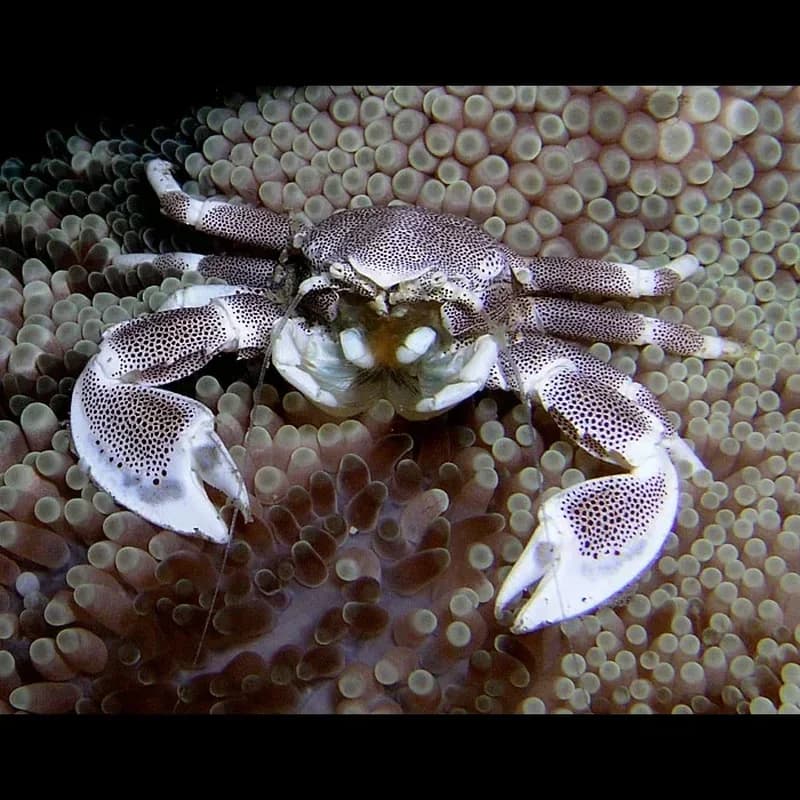
What Divers Should Know About Porcelain Crabs

Learn all about the Porcelain Crabs, including dynamic specs, encounter highlights, habitats, and the best dive sites to find them.
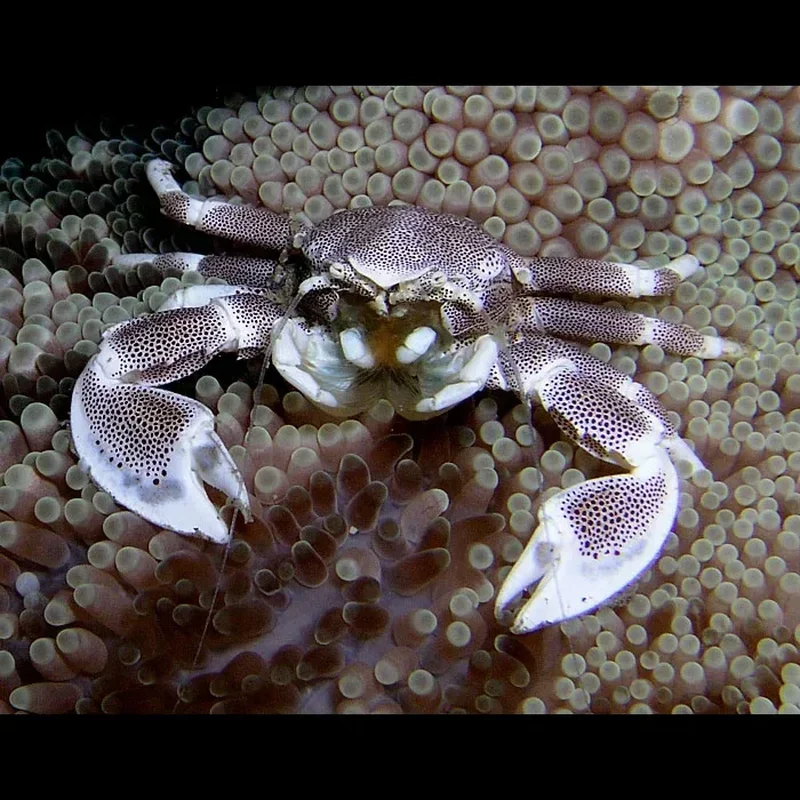
Delicate porcelain crab (Porcellanidae) sheltering among sea anemone tentacles on a reef
Scientific Name

Porcellanidae

Size

1–2 cm

Depth

0–50 m

Habitat

coral reef, rocky reef, tide pool

Conservation

Not evaluated (NE)

Danger Level

Harmless

About the Porcelain Crabs

Porcelain crabs are fascinating decapod crustaceans, often mistaken for true crabs due to their flattened, compact bodies. These delicate creatures get their name from their tendency to readily shed a limb when startled or attacked, a defense mechanism allowing them to escape. With body widths typically less than 15 millimeters, they are quite small and specifically adapted for life in tight rock crevices. A key distinguishing feature for divers is their three apparent pairs of walking legs, as their fourth pair is reduced and tucked close to the carapace.

When exploring the reef, divers can often spot these shy residents tucked away under rocks or within small ledges. Some species, such as the Caribbean's Porcellana sayana, even live commensally within the shells inhabited by large hermit crabs. Porcelain crabs are primarily filter feeders, using specialized feathery mouthparts to comb plankton and other organic particles from the water column. Observing them, you’ll note they tend to be stationary while feeding, but will quickly scurry for cover if disturbed, underscoring their fragile nature.

Further Reading

Did You Know?

Anemone-Dwelling Crab Impostors That Fish With Feathery Mouth Nets

“Tucked serenely among the venomous stinging tentacles of giant tropical sea anemones or beneath cold-water kelp boulders, porcelain crabs look so thoroughly crab-like that only counting their legs gives away their evolutionary secret. True crabs walk on four visible pairs of legs, whereas Porcellanidae belong to the squat-lobster and hermit-crab infraorder Anomura—walking on just three visible pairs while a tiny fourth pair folds forward purely for grooming their gills. Instead of hunting with oversized flat pincers, spotted anemone porcelain crabs (Neopetrolisthes maculatus) unfurl twin fan-like maxilliped mouthparts framed with feathery bristles to sweep passing plankton out of the surge. Grabbed by a hungry wrasse, they instantly snap off a claw along a pre-scored fracture plane like fragile porcelain to escape unharmed.”

Where You Can See Porcelain Crabs

This map highlights the main regions where divers may encounter Porcelain Crabs or where the species is commonly associated with suitable marine habitats. Actual sightings depend on local dive sites, season, visibility, depth, and natural behaviour.

World distribution map showing regions where divers can see Porcelain Crabs: Caribbean, East Pacific, Atlantic, Indian Ocean, Asia Pacific, Mediterranean
Caribbean
East Pacific
Atlantic
Indian Ocean
Asia Pacific
Mediterranean

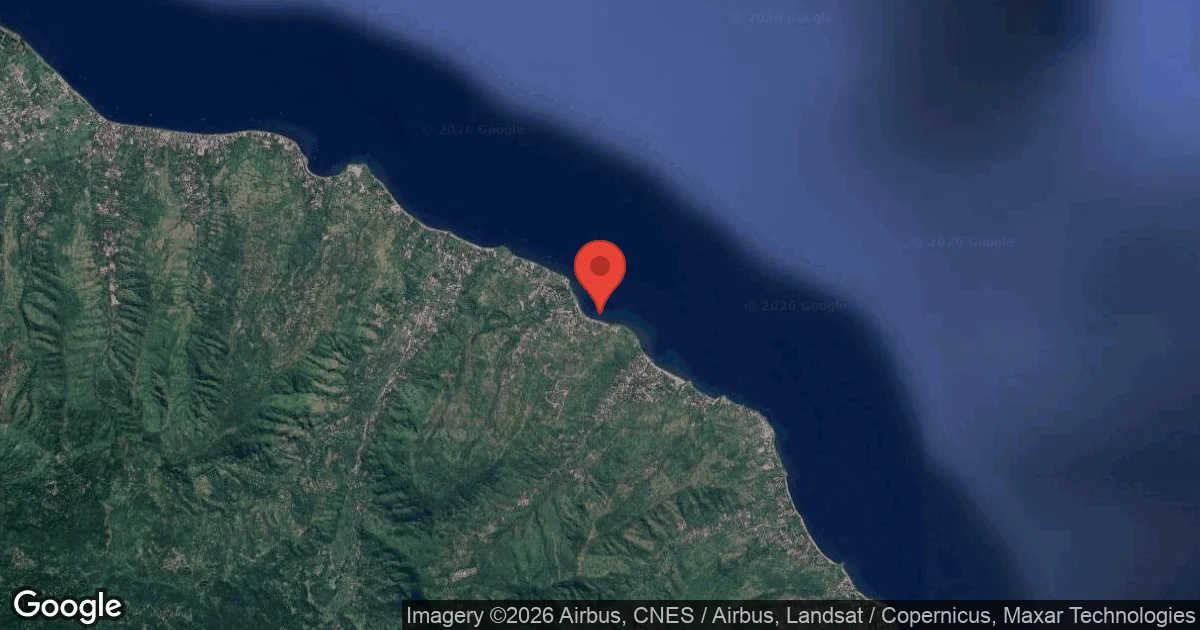
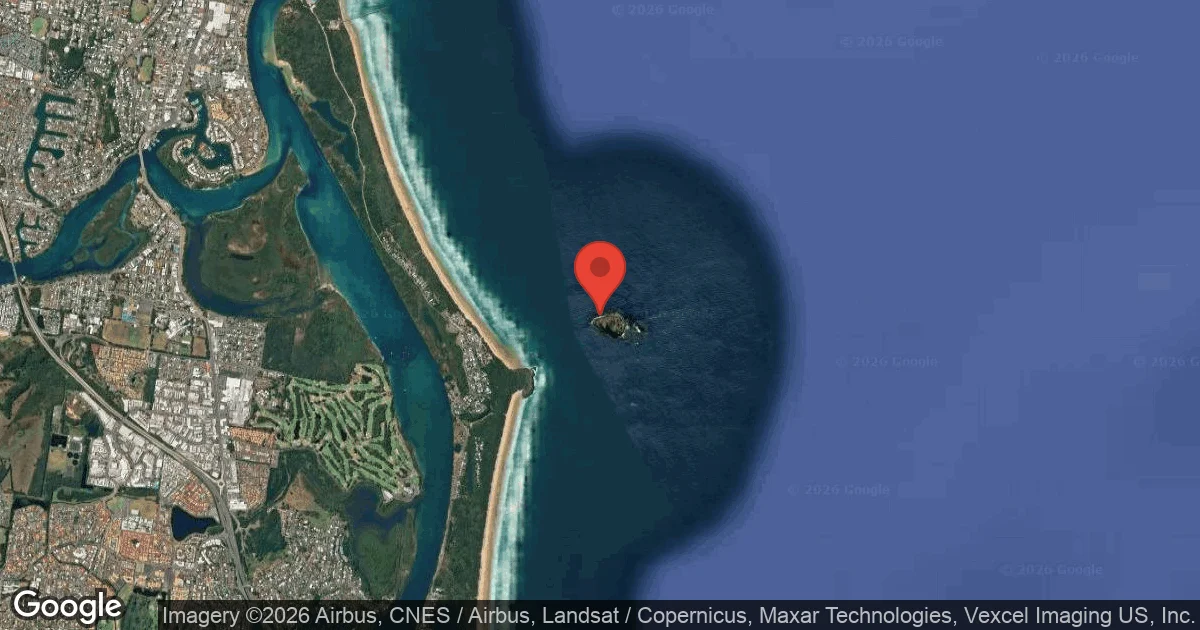
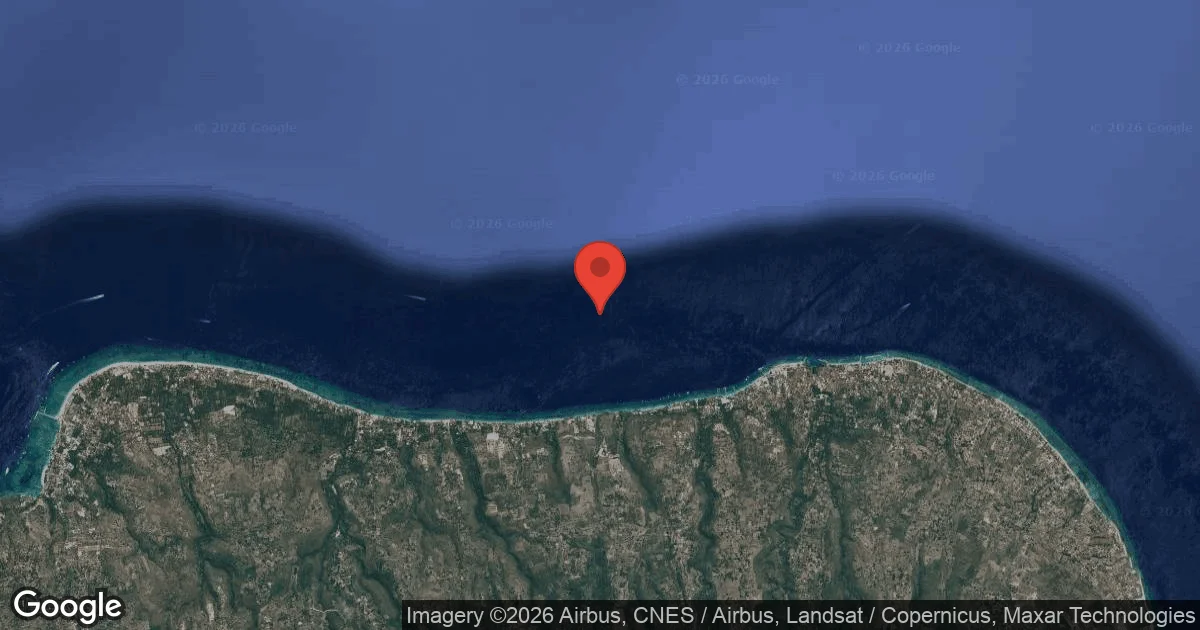
Dive Sites with Porcelain Crabs

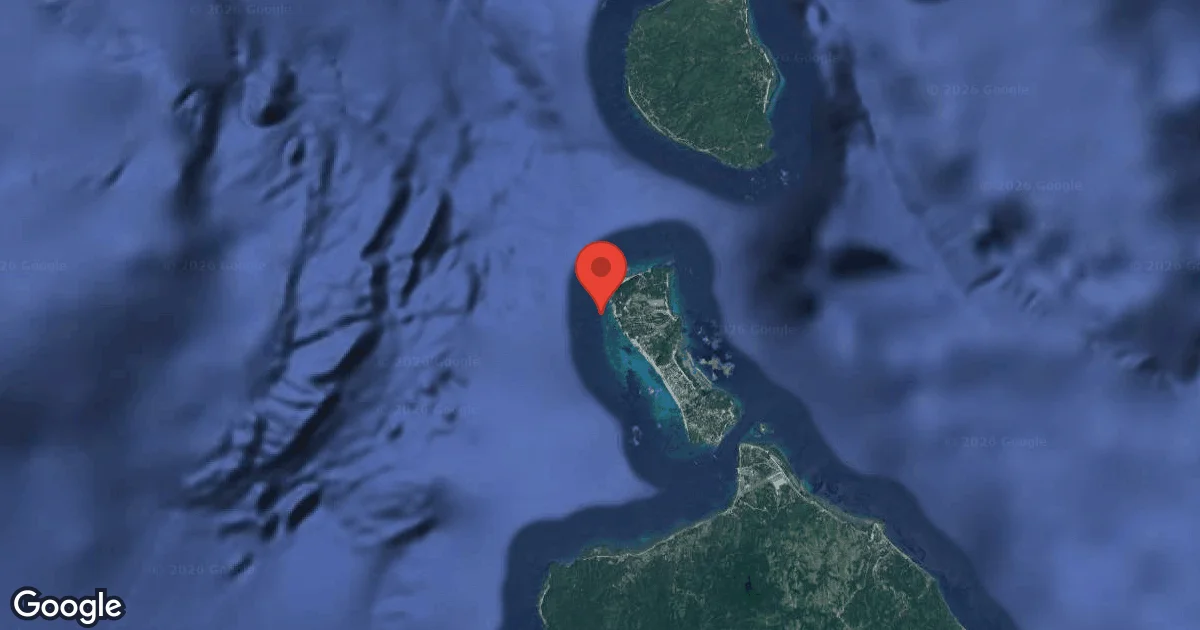
Discover 12 of 23 breathtaking locations where you can encounter this species.
Related Marine Life

Explore other incredible species you can encounter on your diving adventures.