
Diving at Spot Light (Papua New Guinea)
Papua New Guinea's underwater world is celebrated for its incredible biodiversity, and Spot Light, characterized by its impressive wall, certainly contributes to this reputation. Divers here anticipate encounters with a vibrant array of reef dwellers alongside potential pelagic sightings. This site promises an immersive experience within a dynamic marine ecosystem, showcasing the rich aquatic life typical of the region's diverse habitats.
Tonight's objective overview for Spot Light shows an air temperature of 29.5°C. The measured surface conditions include wave heights around 1.3 m. This environmental data is logged for the close of the day.
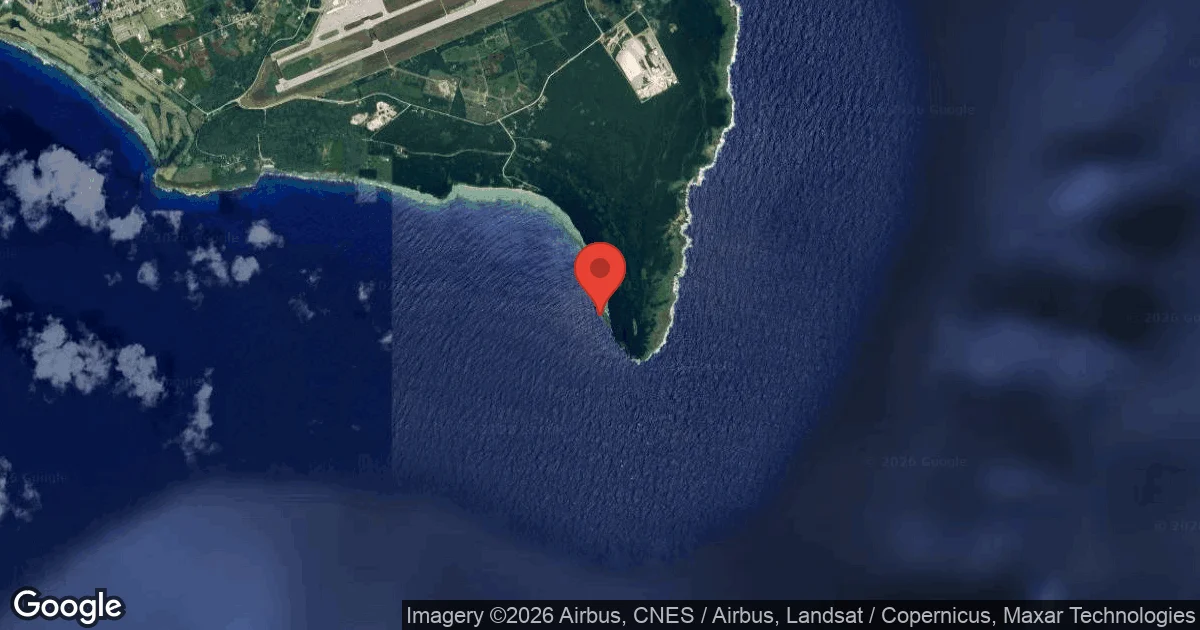
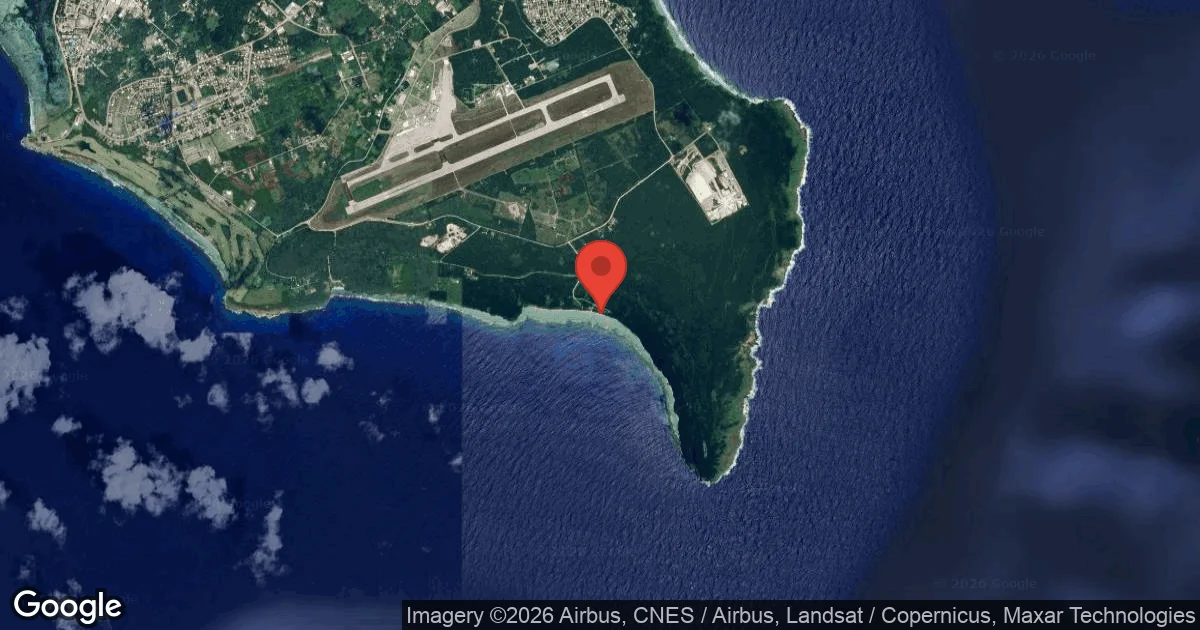
Dive Site Location & Key Facts
Dive Site Overview
Exploring Spot Light invites divers into a quintessential Papua New Guinea wall dive experience. While specific detailed reports for this particular site are limited, its defining feature is a significant underwater wall.
Wall diving in PNG typically offers a dramatic descent, often revealing a vibrant tapestry of hard and soft corals clinging to vertical faces. These dynamic environments can attract a wide spectrum of marine life, from smaller reef creatures nestled within crevices to larger pelagic species patrolling the blue. A dive here often begins with an initial drop along the reef crest, transitioning into the sheer expanse of the wall itself.
Current conditions can vary, influencing both visibility and the types of marine encounters; this is a common characteristic of PNG's dynamic passages and outer reefs. Generally, divers can anticipate good visibility, often extending to around 30 m (100 ft) under favorable conditions.
Ample opportunities exist for both macro observation on the wall's surface and scanning the open water for transient visitors, making each exploration potentially unique.
Conditions are Good
Optimal conditions expected
Current conditions near Spot Light show 29° air, 30° sea temperature, 1.4 m waves, and 26 km/h wind. Forecast data is refreshed regularly to ensure accuracy.
Best Time to Dive
While diving in Papua New Guinea is generally possible year-round, conditions at Spot Light are often most favorable from June to September. During these months, system data indicates lower average wave heights, around 1.3 to 1.4 m (4.3 to 4.6 ft), and lighter wind speeds, typically ranging from 22 to 24.7 km/h (13.7 to 15.3 mph). This period contrasts with the first few months of the year, where wave heights can exceed 2 m (6.6 ft) and winds are stronger, potentially impacting sea conditions and overall dive comfort. Although precipitation shows a slight increase during late winter and early spring, good dive scores are maintained. For warmer air temperatures, average air temperatures range from 27-28.5°C (81-83°F) throughout the year, with less fluctuation seasonally. Divers should note that water temperatures are not consistently reported but generally remain warm in this tropical region, varying depending on local upwellings and depth.
PEAK SEASON SCORE
Scores combine air & water temps, waves, wind & rainfall for overall conditions.
BEST MONTHS TO DIVE
Monthly records compiled from satellite and marine observation nodes over the last 3 years. Data provided by Open-Meteo and MET Norway.
Dive Experience & Conditions
The defining feature of Spot Light is its impressive wall, offering a varied depth profile suitable for advanced open water divers. Vertical formations can begin in shallower waters, potentially around 5 m (16 ft), before dropping away to significant depths, often exceeding 30 m (100 ft). Divers explore the nuances of the wall, observing marine life at different strata. Visibility here is typically good, often around 20-30 m (66-100 ft), influenced by tidal flows and plankton density. Currents, which can vary from mild to strong, play a vital role in bringing nutrients and attracting pelagic life; understanding and managing these currents is crucial. Water temperature at depth is not consistently reported for this specific site but generally aligns with warm tropical waters. Surface conditions, including waves, tend to be calmer during the mid-year months, providing a more comfortable entry and exit experience.
Dive Difficulty & Safety Guidelines
Navigating the conditions at a site like Spot Light, particularly its wall features and potential currents, generally recommends an Advanced Open Water certification or equivalent experience. Divers should always plan their dive according to current conditions, especially considering the dynamic tidal flows common in passages and along outer reefs in Papua New Guinea. There are no site-specific hazards consistently reported for Spot Light; however, being prepared for varying currents is always prudent.
Always dive with a reliable buddy and carry appropriate safety equipment, such as a surface marker buoy (SMB). Respect for the marine environment is paramount; maintain neutral buoyancy to avoid contact with delicate corals and other organisms. Local dive operators will provide the most up-to-date information regarding real-time conditions.
Recommended Equipment
- Dive Computer
This gear list is based on verified equipment signals for Spot Light, Papua New Guinea. Always confirm final gear choices with your dive operator, guide, or liveaboard.
Recommended Dive Suit
In conditions like these, many divers prefer diving with dive skin or rash guard. A hood or vest is suggested for sensitive divers due to surface winds.
Current readings at Spot Light show water temperatures near 30°C (87°F). Surface air temperatures are resting at 29°C (85°F).
Environmental conditions appear stable for the near future.
Emergency & Medical Support
Essential information to help you plan your dive trip to Spot Light.

Hyperbaric chambers are a critical part of dive safety infrastructure. Availability varies significantly by region, and not all dive areas have immediate access.
Before diving, it's recommended to:
- confirm nearest medical facilities
- check emergency procedures with local dive operators
- ensure dive insurance covers evacuation if required
Divers Alert Network
Diving emergency assistance available through DAN World.
+1-919-684-9111- 24/7 emergency hotline
- Diving medical assistance
- Evacuation coordination
Emergency contacts are provided for reference. Always verify local emergency services before diving.
Marine Life at Spot Light
The vertical face of the wall at Spot Light provides a habitat rich with varied marine life, typical of Papua New Guinea's diverse ecosystems. Divers can expect to observe a vibrant assortment of hard and soft corals, sponges, and gorgonians clinging to the sheer rock face.
This structure offers countless hiding spots for smaller reef fish and crustaceans. Wall dives in PNG frequently attract a mix of resident reef inhabitants and occasional pelagic visitors; specific species aren't consistently reported for this particular site. Keep an eye out into the blue for larger fish moving along the currents that sweep past the wall.

Dive Sites Near Spot Light
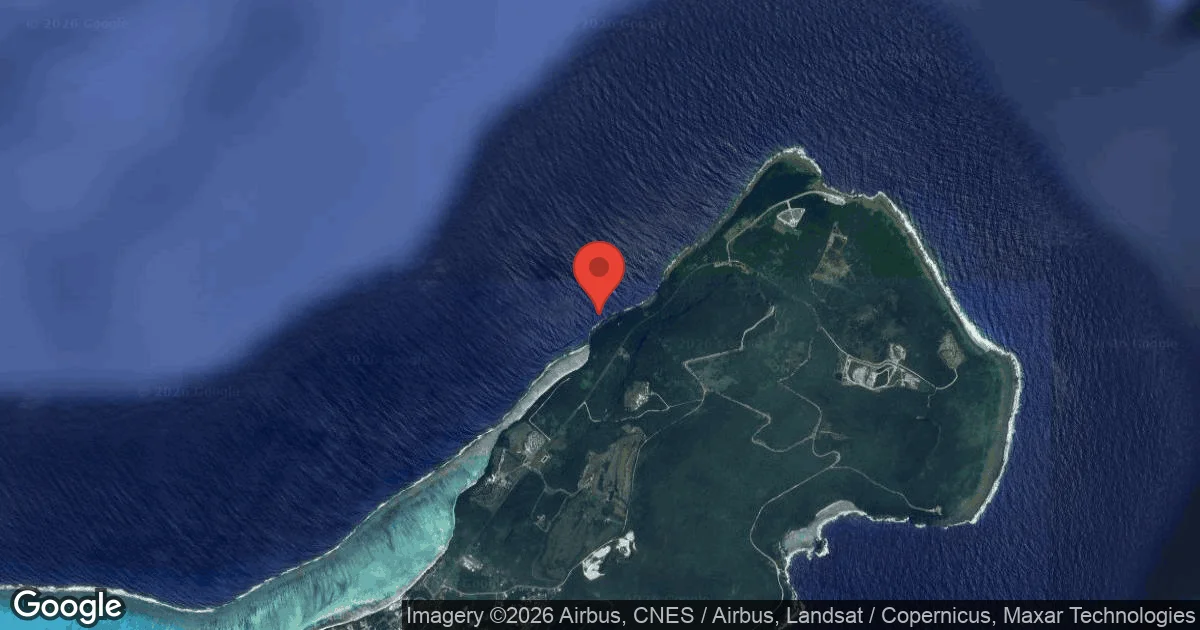
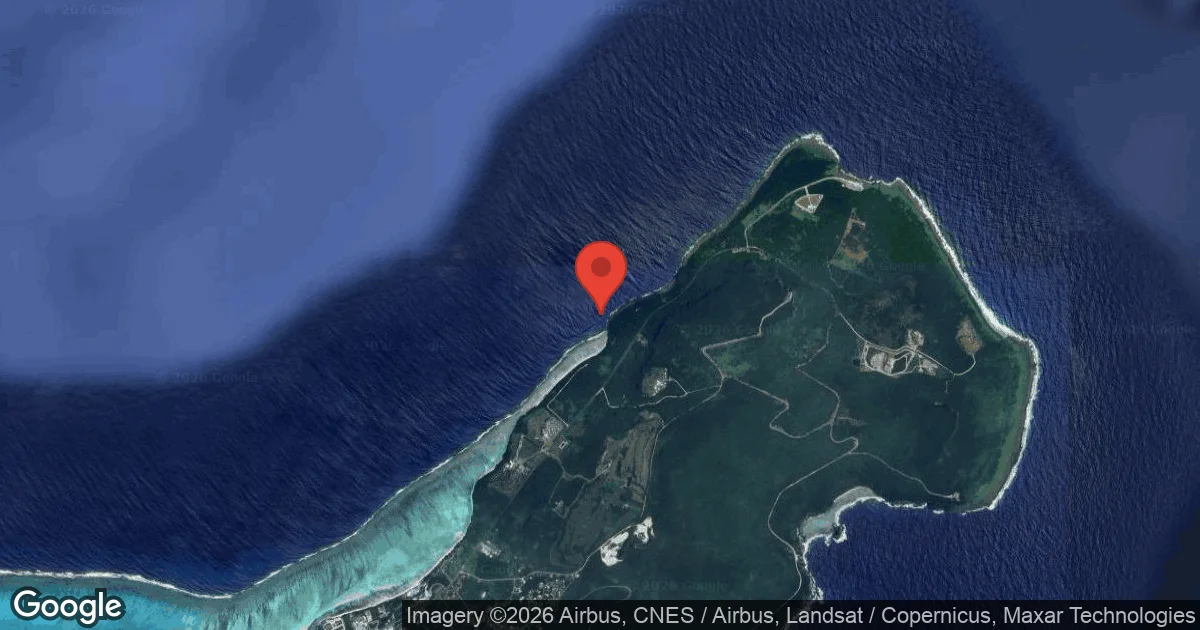
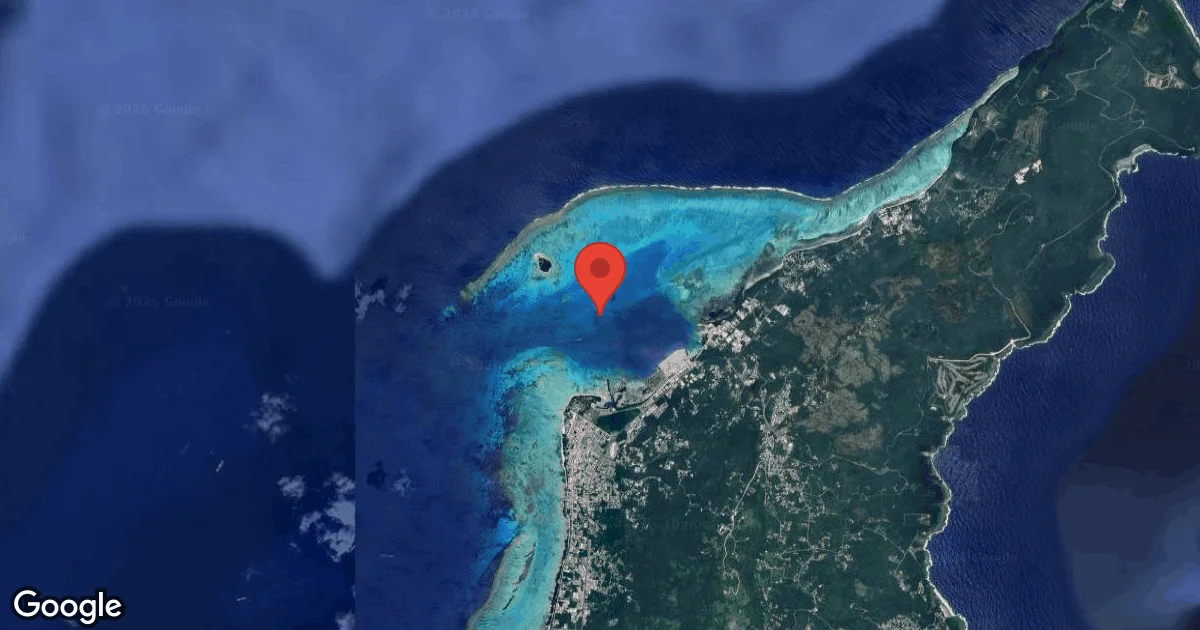
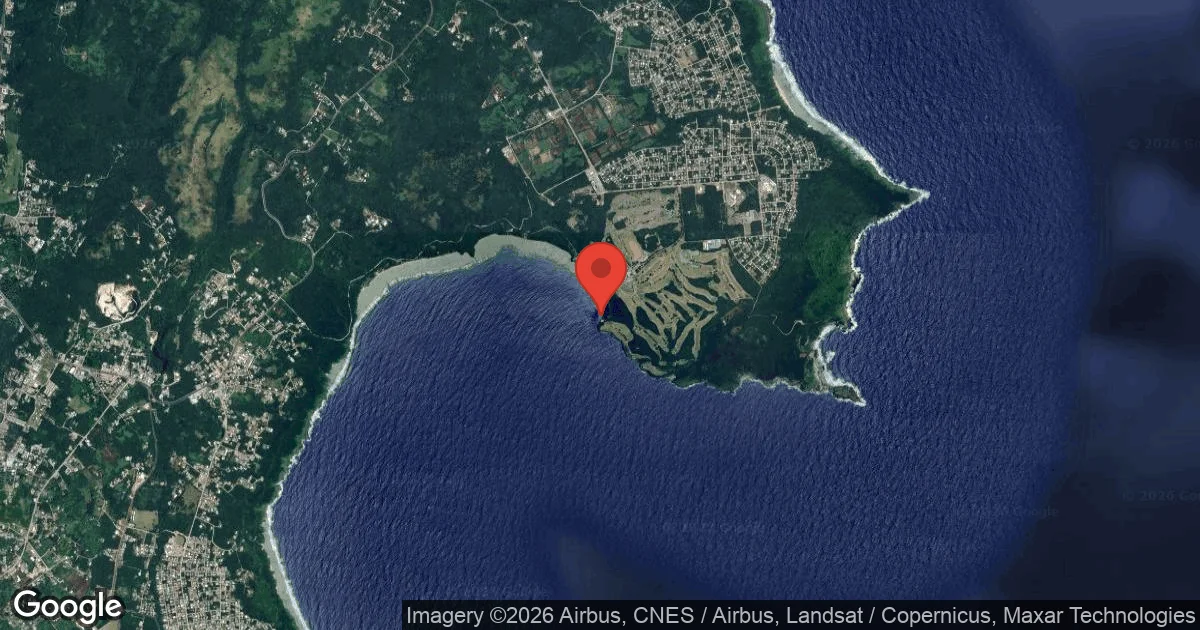
View all dive sites in Papua New GuineaDiscover more underwater gems in this area.
Dive Centers Near Spot Light
No Dive Centers Local To Spot Light
Are you a dive center visiting this location? Get listed to reach divers.
Nearest Airports
Nearest airports to help plan travel to this dive area.
Frequently Asked Questions
What is the primary feature of Spot Light?
The main characteristic of Spot Light is its impressive underwater wall. These vertical structures often feature a rich array of corals and attract diverse marine life.
What is the typical visibility at Spot Light?
Visibility at wall dive sites in Papua New Guinea, including potentially Spot Light, is generally good, often ranging from 20 to 30 meters (66 to 100 ft), depending on tidal conditions and current.
What level of diving experience is recommended for Spot Light?
An Advanced Open Water certification or comparable experience is recommended for wall dives like Spot Light, primarily due to potential depth and current considerations.
Are currents common at Spot Light?
As a wall dive, currents can be present and vary in strength. Divers should be prepared for dynamic conditions, which are typical for many outer reef and passage dives in Papua New Guinea.
What kind of marine life might I see on the wall?
The wall hosts a variety of reef organisms, including hard and soft corals, sponges, and numerous reef fish. Pelagic species may also pass by in the blue, drawn by the currents.
When is the best time of year to dive Spot Light?
The period from June to September generally offers more favorable surface conditions with lower waves and lighter winds, although diving is possible year-round in Papua New Guinea.
What are the water temperatures like?
Specific water temperatures for Spot Light are not consistently reported. However, the region is tropical, suggesting warm water conditions generally suitable for 3mm wetsuits or shorties.
Planning to dive Spot Light?
Send one inquiry and receive offers directly from the best verified local dive operators.
Conditions are Good
Optimal conditions expected
Current conditions near Spot Light show 29° air, 30° sea temperature, 1.4 m waves, and 26 km/h wind. Forecast data is refreshed regularly to ensure accuracy.