
Diving at Obyan (Papua New Guinea)
Obyan presents a dive site offering diverse underwater topography, with depths often extending into the recreational range of 30 m (100 ft) or more. Its underwater structures contribute to a varied profile, catering to different dive preferences. Expect conditions where clear visibility enhances the exploration of these deeper sections. Water temperatures generally remain warm, supporting extended bottom times for divers.
Current morning readings from Obyan indicate an air temperature of 30.5°C. Surface wave heights are averaging around 1.3 m at this time. These local measurements provide a baseline for your daily dive planning.
Dive Site Location & Key Facts
Dive Site Overview
Obyan provides access to Papua New Guinea's vibrant underwater environments, characterized by dynamic reef systems and historical remnants. As one of the dive sites around the country, it typically reflects the region's rich marine diversity.
Divers can anticipate encountering expansive coral gardens, intricate wall formations, and potentially isolated sea-mounts, though site-specific details for Obyan itself are not consistently reported. The general area is known for its extensive reef systems, spanning over 45,000 kilometers (28,000 miles), where divers often find themselves exploring without other groups nearby.
Visibility frequently extends between 25-40 m (80-130 ft), making for excellent photographic opportunities across these structures.
Additionally, Papua New Guinea is noted for its World War II wreck sites, which include ships and aircraft, adding a historical dimension to the diving landscape in many areas.
Conditions are Moderate
Optimal conditions expected
Current conditions near Obyan show 31° air, 30° sea temperature, 1.3 m waves, and 23 km/h wind. Forecast data is refreshed regularly to ensure accuracy.
Best Time to Dive
Optimizing a trip to Obyan often hinges on maximizing underwater visibility and comfortable surface conditions. While diving is possible year-round in Papua New Guinea, the period between May and November is generally considered peak season. April stands out with a 'Good' dive score, reflecting favorable conditions. Air temperatures during this time average a comfortable 28°C (82°F), with rainfall typically at lower levels compared to other months, around 2.5 mm. Even outside this peak, average air temperatures consistently range from 27°C (81°F) to 28.5°C (83°F) throughout the year. Wave heights vary, generally between 1.2 m (3.9 ft) in June and 1.9 m (6.2 ft) in February, which can influence boat travel to certain sites. Surface conditions are often calmer during the drier months, contributing to better overall dive scores.
PEAK SEASON SCORE
Scores combine air & water temps, waves, wind & rainfall for overall conditions.
BEST MONTHS TO DIVE
Monthly records compiled from satellite and marine observation nodes over the last 3 years. Data provided by Open-Meteo and MET Norway.
Dive Experience & Conditions
Approaching Obyan, divers typically find a relatively accessible entry point, with some sites potentially featuring a sandy bottom leading to reef structures. The water in this region of Papua New Guinea is consistently warm, with temperatures generally ranging between 26-31°C (79-88°F), though specific Obyan readings are not available. Visibility here is frequently exceptional, often allowing clear views of 25-40 m (80-130 ft) or more, which greatly enhances the underwater experience. While current intensity can vary across different sites in Papua New Guinea, with some locations experiencing vigorous flows, Obyan's specific current patterns are not always consistently reported. Divers should always be prepared for potential drift and plan accordingly. The vibrant hard and soft coral formations benefit from these stable, warm conditions.
Dive Difficulty & Safety Guidelines
Diving at Obyan, like any remote site, requires adherence to careful planning and safety protocols. Given the potential for strong currents in some areas of Papua New Guinea, always consult local dive operators about prevailing conditions. Maintaining proper buoyancy control is essential to protect the delicate coral ecosystems and ensure diver safety.
Ensure your equipment is well-maintained, and a reliable dive computer is always recommended. Always dive within your certification limits and consider additional training for more challenging environments.
It's prudent to carry a signaling device, such as a surface marker buoy, especially when diving in areas with potential boat traffic or currents. Staying hydrated and being aware of your dive buddy's status are fundamental safety practices.
Recommended Equipment
- Dive Computer
This gear list is based on verified equipment signals for Obyan, Papua New Guinea. Always confirm final gear choices with your dive operator, guide, or liveaboard.
Recommended Dive Suit
Divers visiting Obyan today can expect water conditions around 30°C (86°F). Surface air temperatures are resting at 31°C (87°F).
Dive skin or rash guard generally offers enough warmth for most dives under these conditions.
Forecast conditions over the next few days suggest temperatures will remain relatively stable.
Emergency & Medical Support
Essential information to help you plan your dive trip to Obyan.

Hyperbaric chambers are a critical part of dive safety infrastructure. Availability varies significantly by region, and not all dive areas have immediate access.
Before diving, it's recommended to:
- confirm nearest medical facilities
- check emergency procedures with local dive operators
- ensure dive insurance covers evacuation if required
Divers Alert Network
Diving emergency assistance available through DAN World.
+1-919-684-9111- 24/7 emergency hotline
- Diving medical assistance
- Evacuation coordination
Emergency contacts are provided for reference. Always verify local emergency services before diving.
Marine Life at Obyan
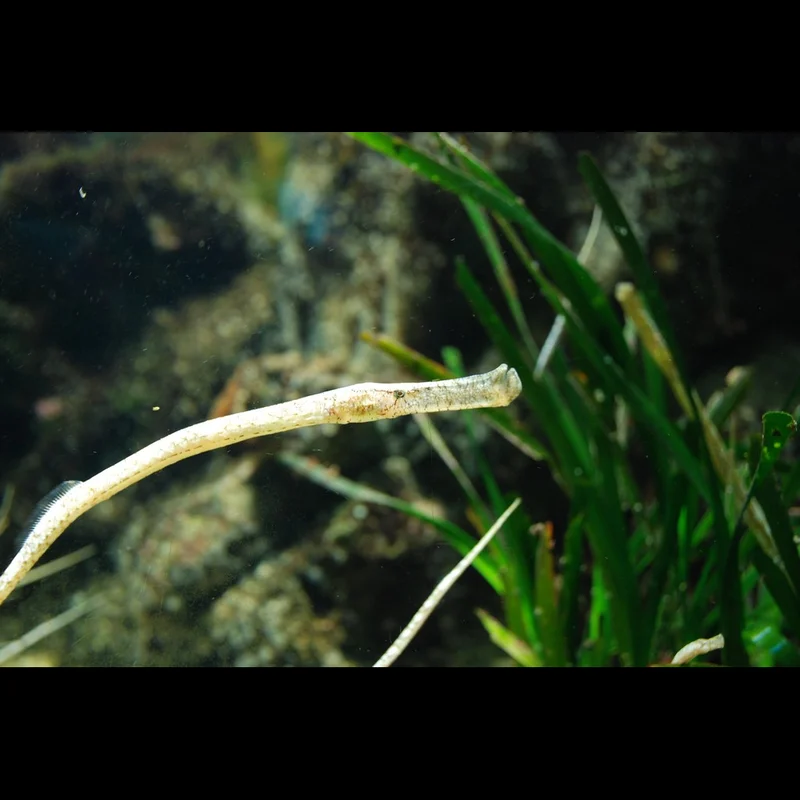
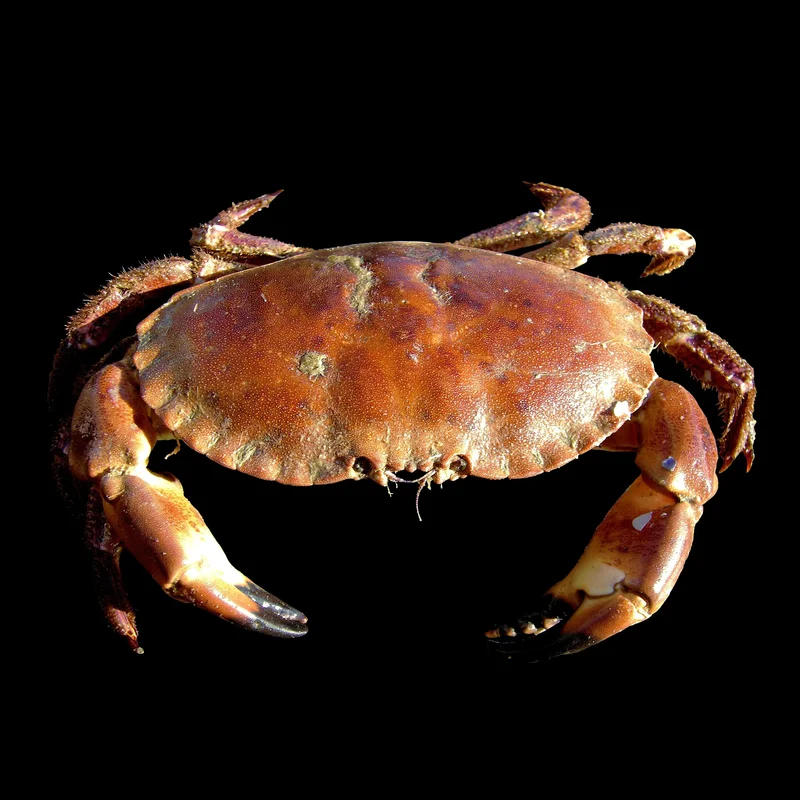
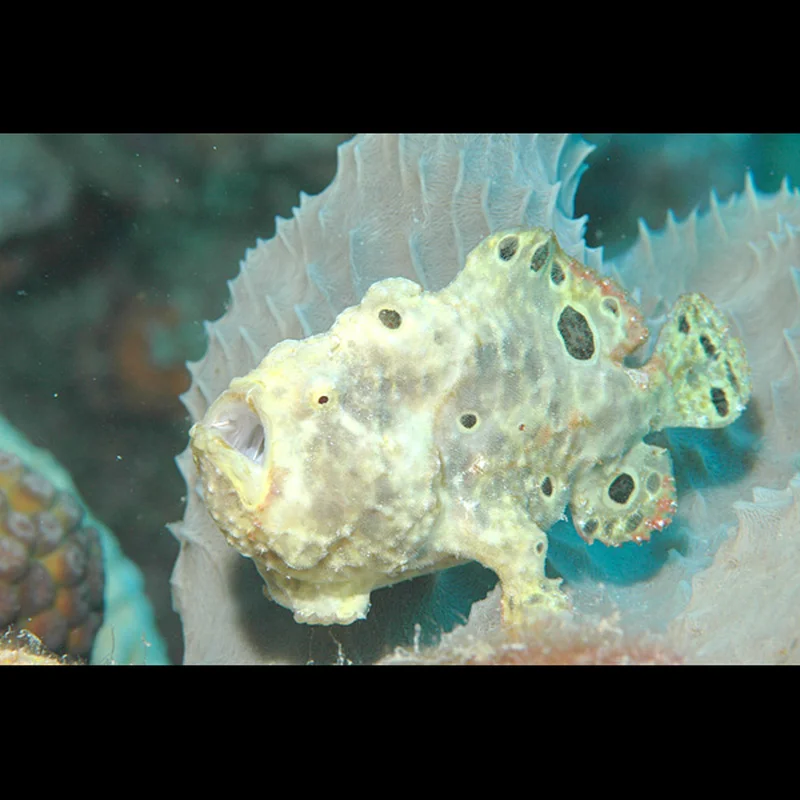
Descending into Obyan's waters, the immediate impression is often the sheer biodiversity characteristic of the Coral Triangle. Expect to encounter a wide array of macro life, including various frogfish, pipefish, seahorses, and an abundance of exotic nudibranchs, crabs, and shrimp.
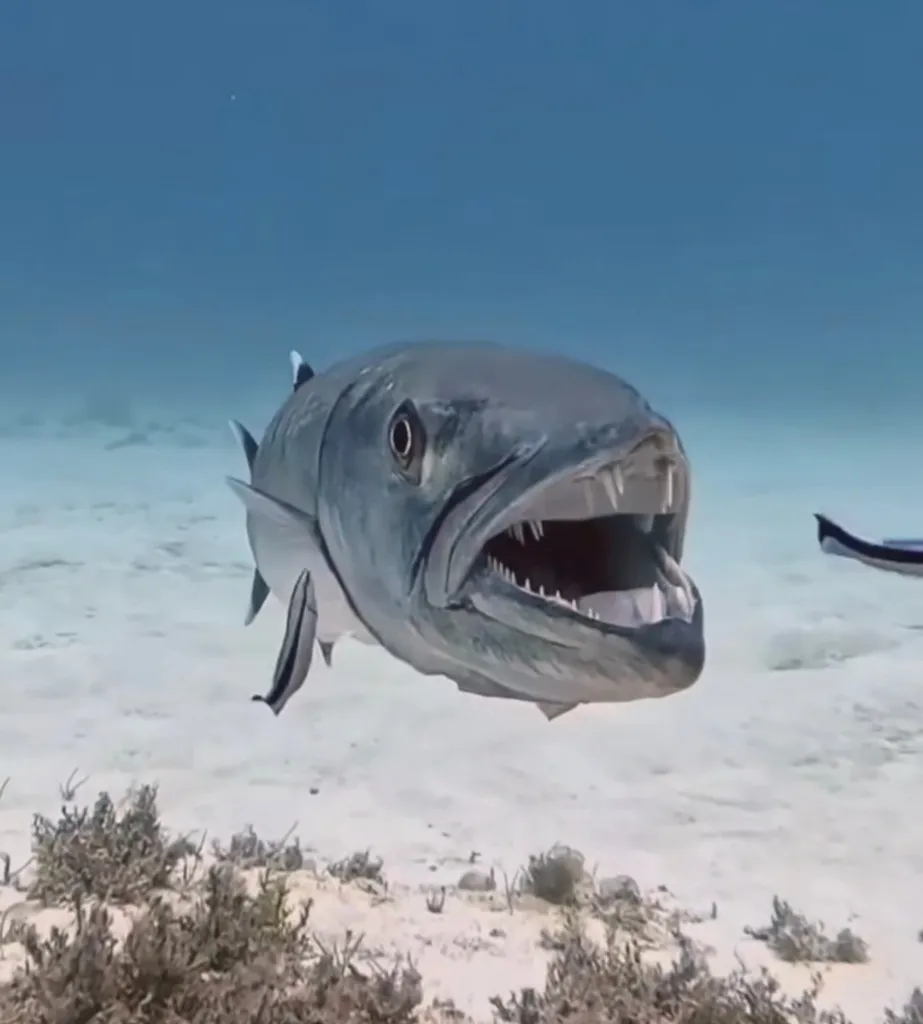
Glimpses of larger pelagic species, such as reef sharks and barracudas, are also common as you explore the reef edges and deeper sections. The diverse coral gardens themselves host numerous schooling fish, while the deeper walls and sea-mounts provide habitats for sponges and colorful soft corals. Turtles and sea snakes are frequently observed, adding to the rich tapestry of marine encounters.

Dive Sites Near Obyan
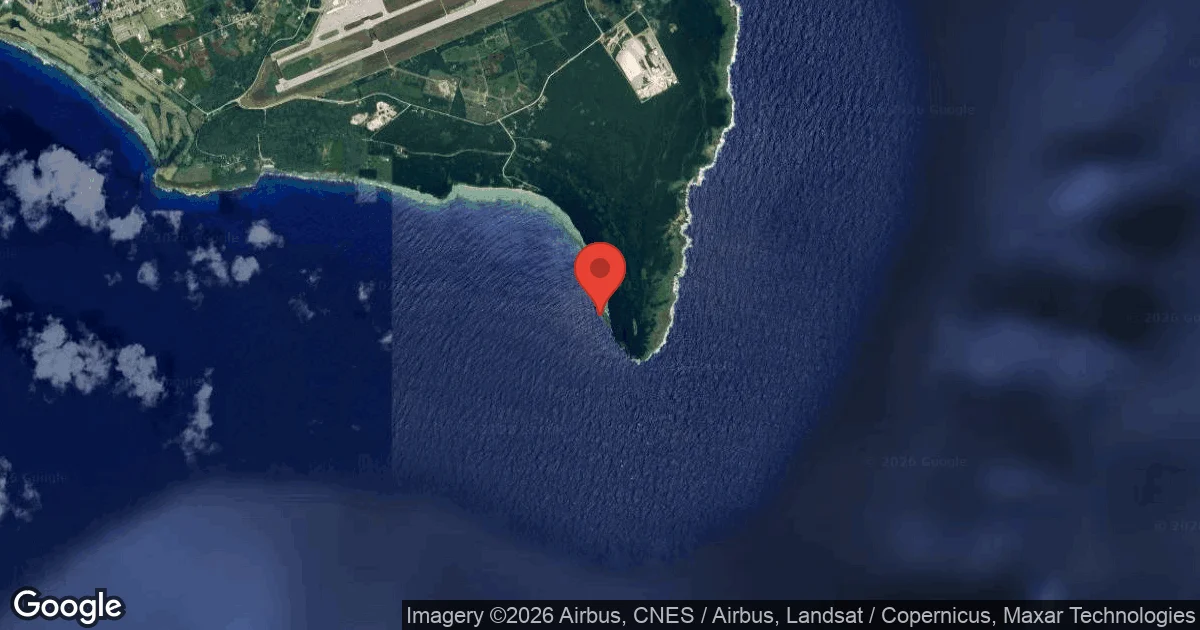
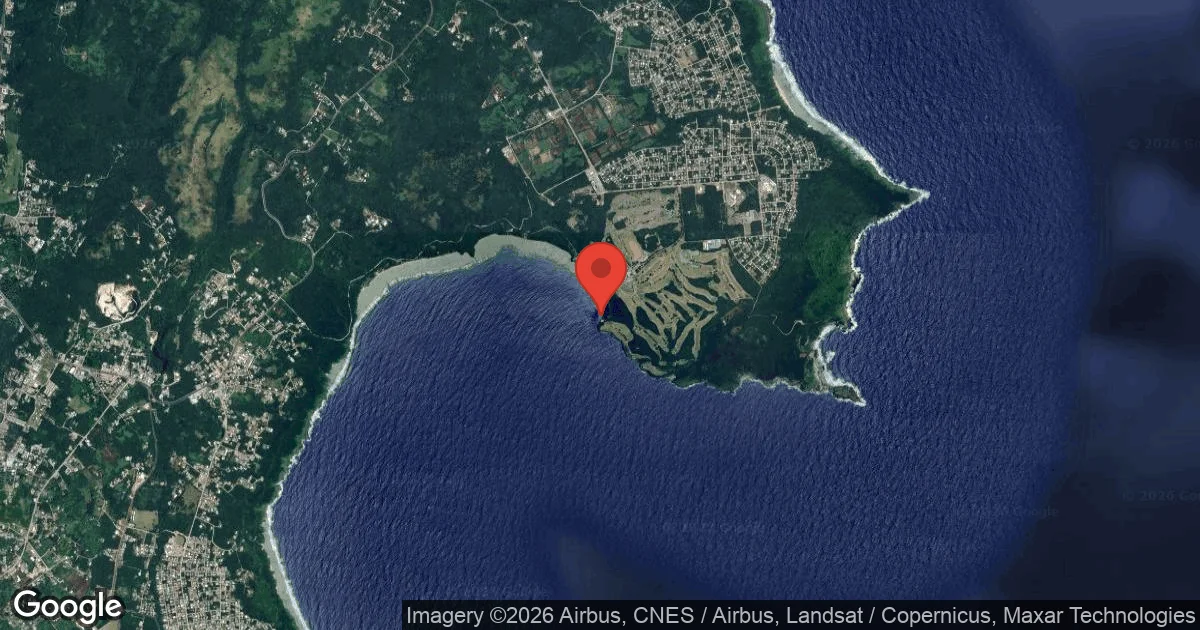
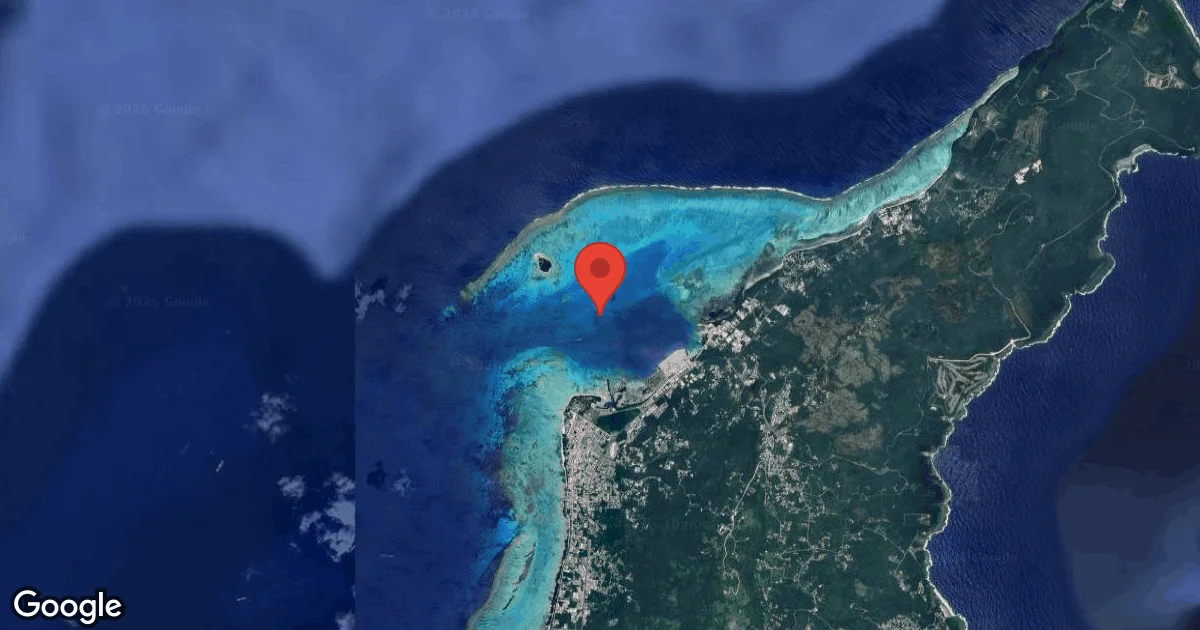
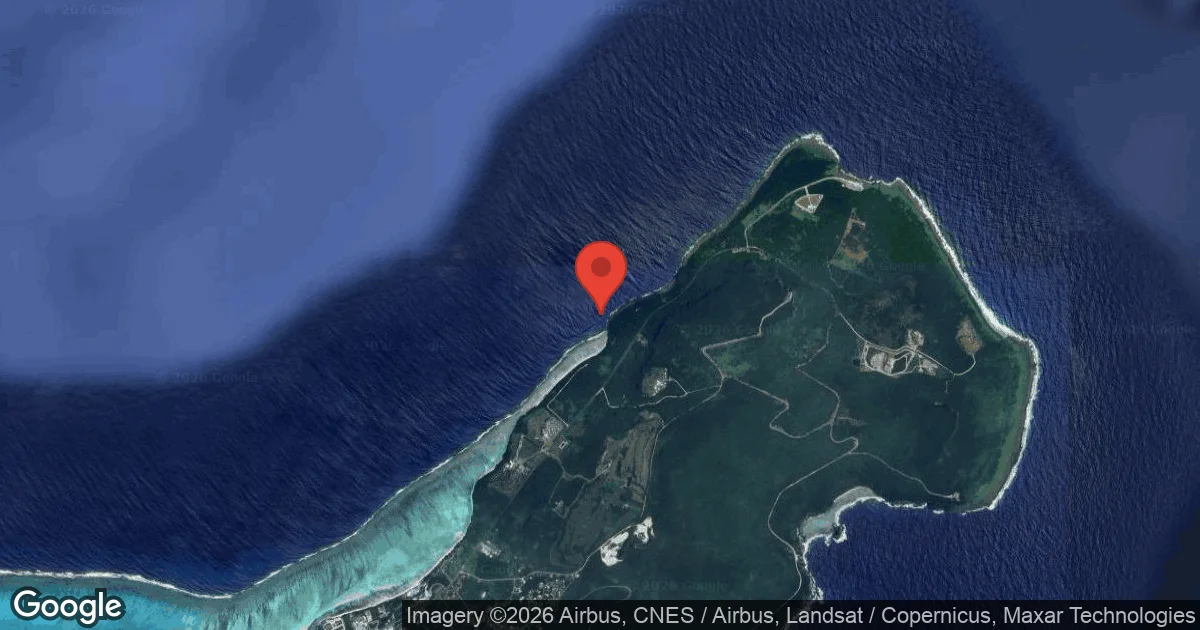
View all dive sites in Papua New GuineaDiscover more underwater gems in this area.
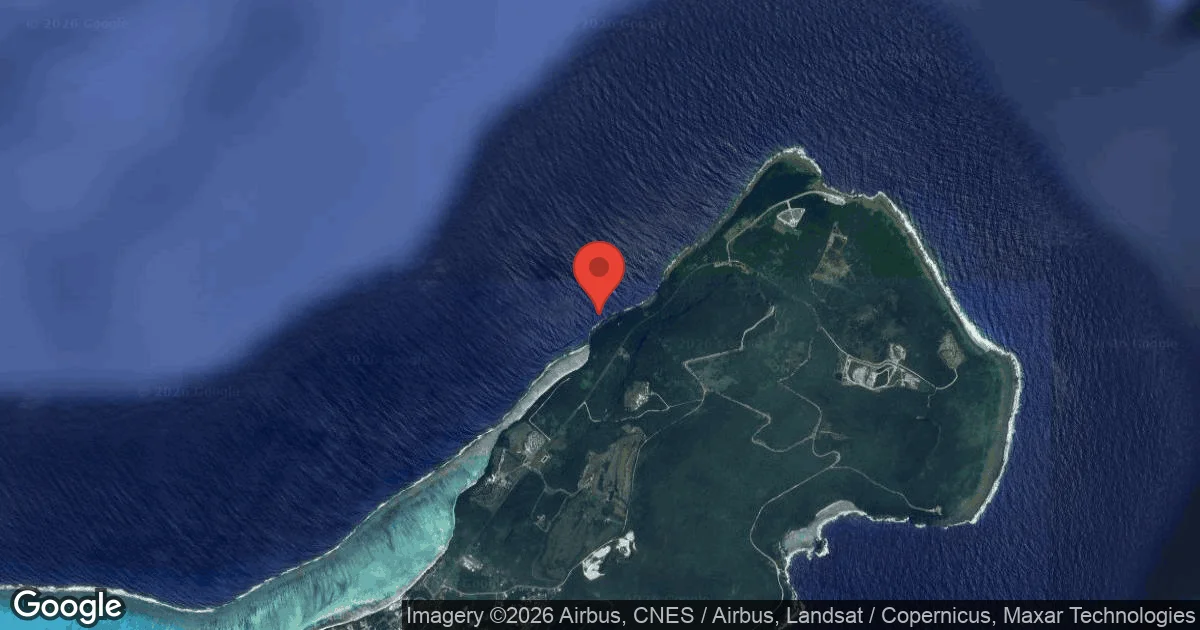
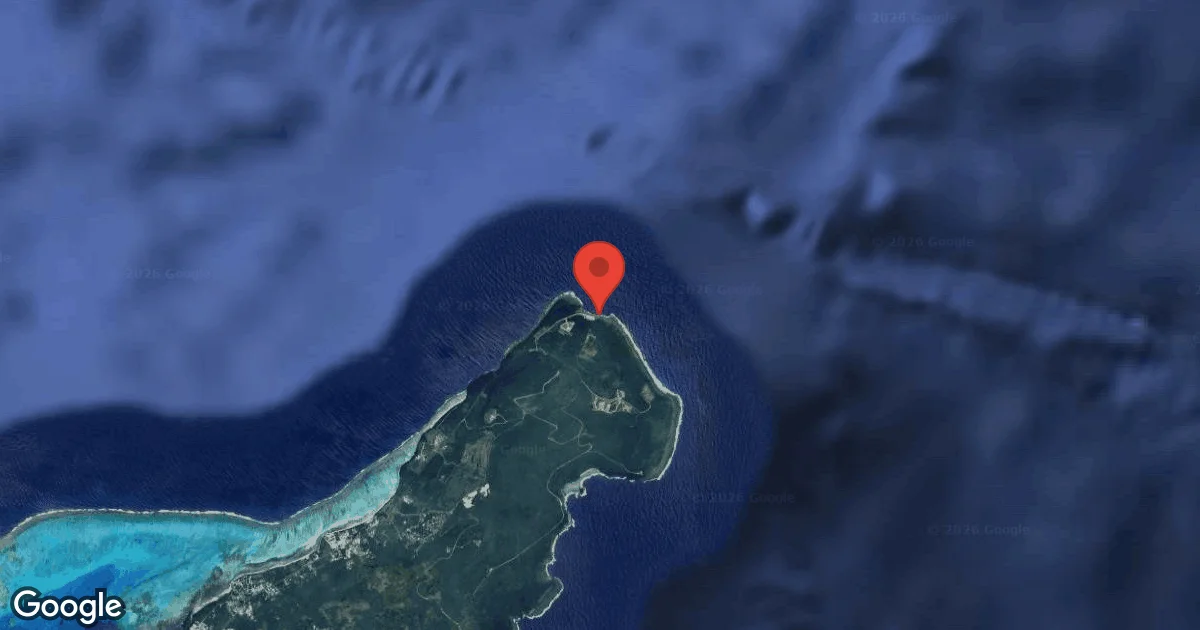
Dive Centers Near Obyan
No Dive Centers Local To Obyan
Are you a dive center visiting this location? Get listed to reach divers.
Nearest Airports
Nearest airports to help plan travel to this dive area.
Frequently Asked Questions
What is the typical water temperature at Obyan?
While specific water temperatures for Obyan aren't consistently reported, the surrounding Papua New Guinea waters are typically warm, ranging from 26-31°C (79-88°F). Divers can generally expect comfortable conditions throughout the year.
What kind of visibility can I expect?
Visibility in the region, including Obyan, is often excellent, with reports frequently noting clear conditions between 25-40 meters (80-130 feet). This clarity allows for expansive views of the underwater topography and marine life.
Are there strong currents at Obyan?
Current conditions can vary across dive sites in Papua New Guinea; some locations are known for vigorous currents. It's always best to consult with local dive operators regarding the specific current patterns at Obyan during your visit to ensure a safe dive.
Is Obyan suitable for all diver experience levels?
With varied topography and potential for currents, Obyan likely offers dives suitable for different experience levels. Shallower reef areas may be appropriate for less experienced divers, while deeper sections or those with stronger currents might be better for advanced divers. Always assess conditions with your dive guide.
What marine life is commonly seen at Obyan?
Obyan, like much of Papua New Guinea, is rich in marine biodiversity. You can expect to see a mix of macro life like nudibranchs and seahorses, alongside larger pelagic fish, reef sharks, turtles, and diverse coral ecosystems. The area is within the Coral Triangle, promising a vibrant underwater experience.
When is the best time to dive Obyan?
The peak diving season for Papua New Guinea generally runs from May to November, though diving is possible year-round. April often shows good dive scores, with comfortable air temperatures and lower rainfall, contributing to excellent visibility and surface conditions.
Are there any wrecks to explore near Obyan?
Papua New Guinea is well-known for its World War II wrecks, including ships and aircraft, scattered across its waters. While specific wrecks at Obyan are not detailed, many dive regions in the country offer historical wreck exploration opportunities.
Planning to dive Obyan?
Send one inquiry and receive offers directly from the best verified local dive operators.
Conditions are Moderate
Optimal conditions expected
Current conditions near Obyan show 31° air, 30° sea temperature, 1.3 m waves, and 23 km/h wind. Forecast data is refreshed regularly to ensure accuracy.