
Diving at East Bay (Papua New Guinea)
East Bay diving means anticipating expansive, vibrant reef systems and potential wreck discoveries characterizing Papua New Guinea's Milne Bay region. Divers here explore significant marine biodiversity across untouched coral formations. This area delivers a remote, rewarding underwater journey, providing a genuine sense of exploration within its diverse aquatic landscapes.
Evening condition tracking at East Bay features an air temperature of 30°C. We have recorded wave heights measuring 1.4 m during this period. These figures outline the environmental parameters currently present.
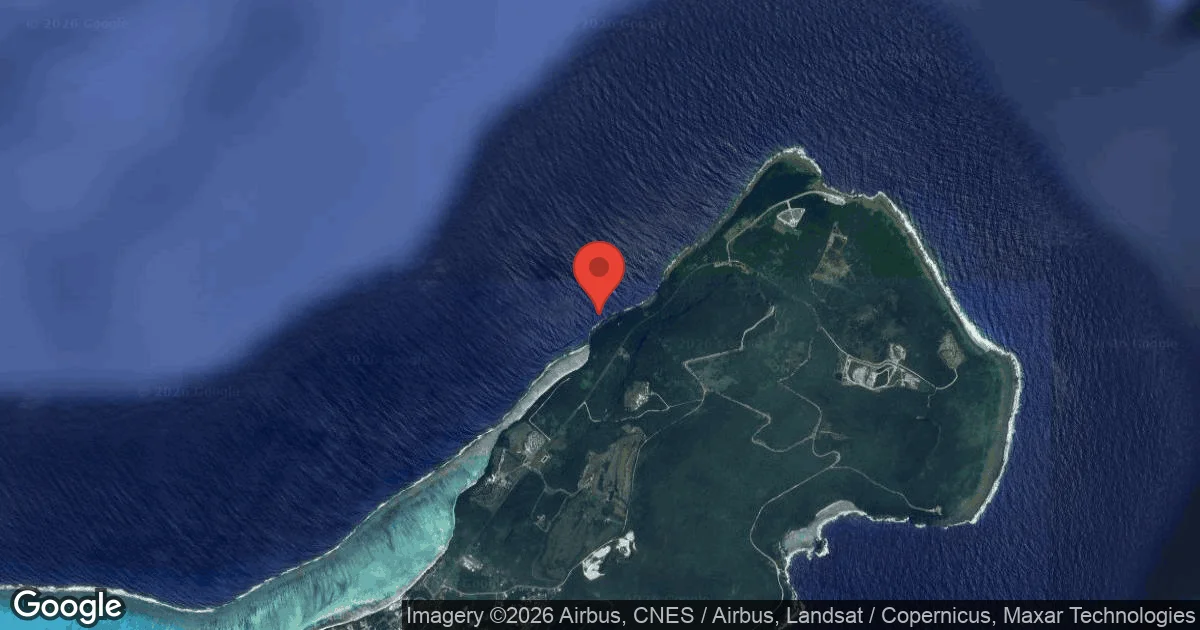
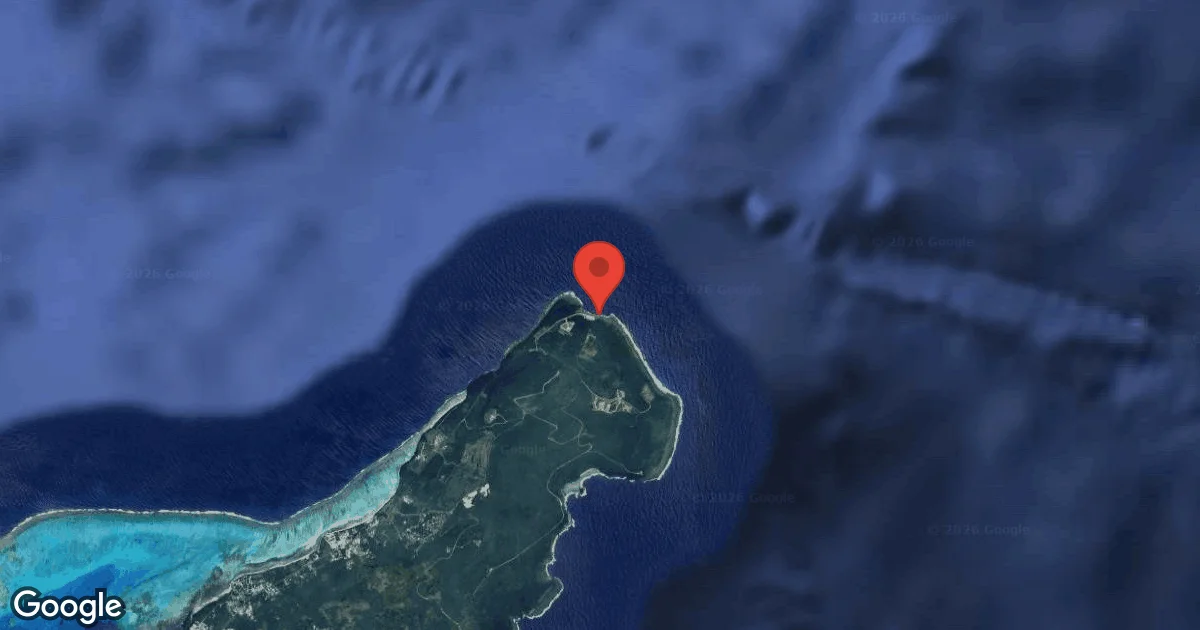
Dive Site Location & Key Facts
Dive Site Overview
East Bay diving provides a rare opportunity to immerse yourself in one of the world's most biodiverse marine environments, the Coral Triangle. With an estimated 45,000 kilometers (28,000 miles) of reef systems in Papua New Guinea, finding your boat as the sole vessel in a dive area is a common, appealing aspect of the experience.
Divers encounter an abundance of diverse marine life, ranging from intricate macro subjects to larger pelagic species. Average visibility consistently reaches 25-40 meters (80-130 feet), allowing for extensive views of the stunning reefs and any hidden World War II wrecks. These waters, typically around 28°C (82°F), invite exploration of both vibrant coral gardens and the historical remnants of conflict.
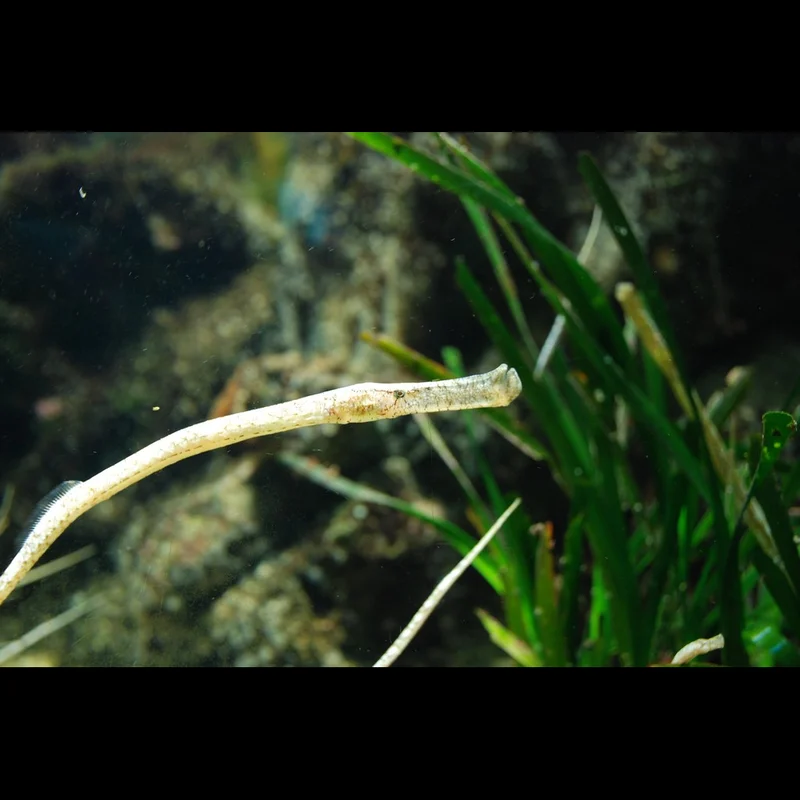
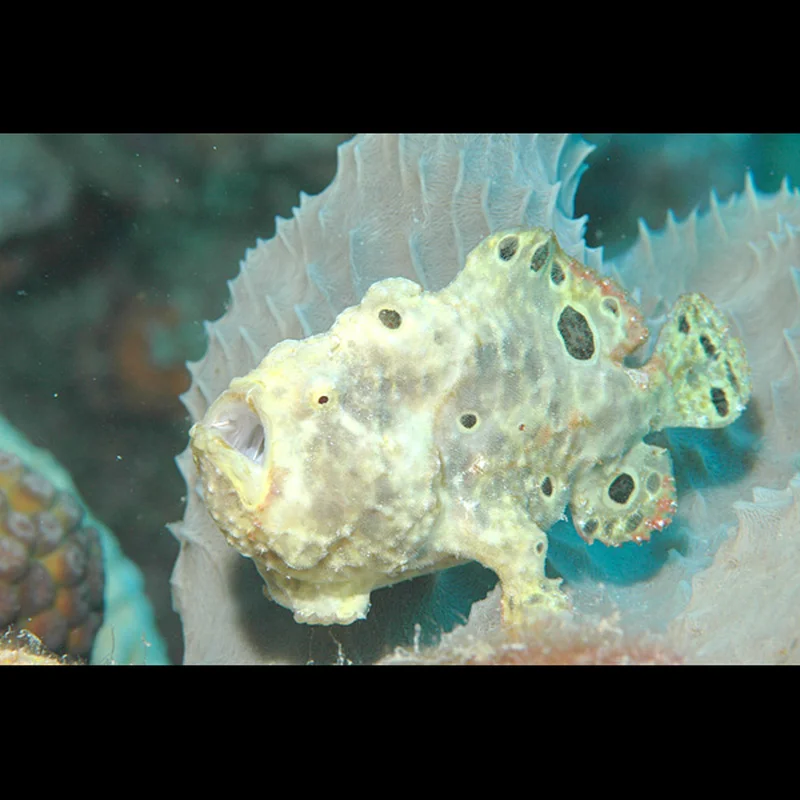
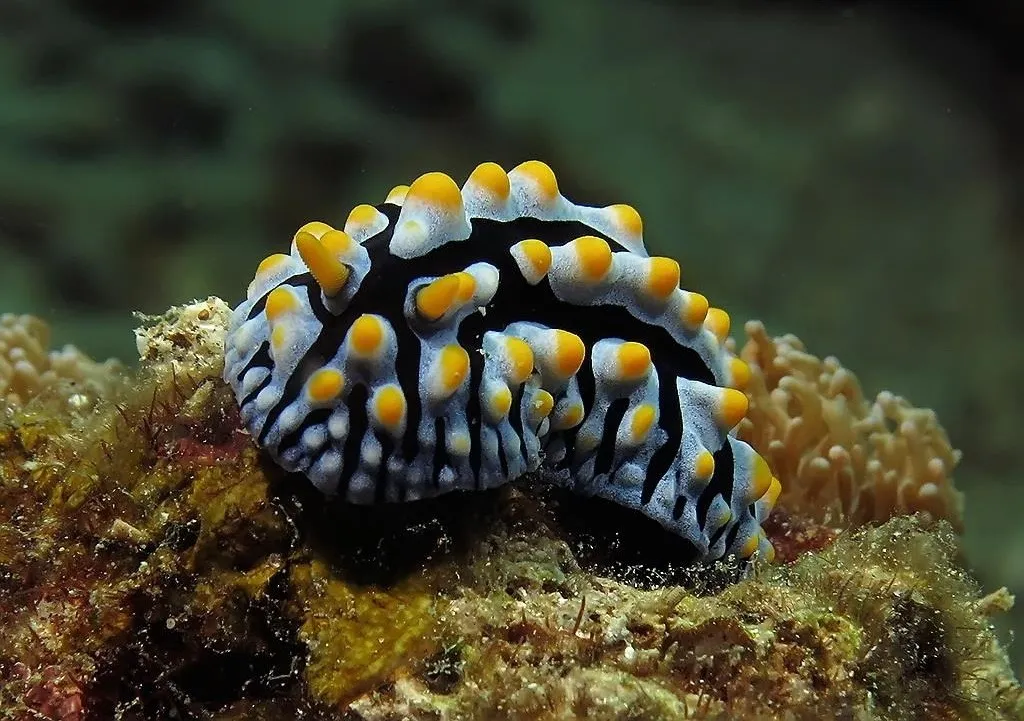
It's an environment where detailed observation of critters like frogfish and nudibranchs complements sightings of sharks and turtles.
Conditions are Moderate
Optimal conditions expected
Current conditions near East Bay show 30° air, 30° sea temperature, 1.4 m waves, and 28 km/h wind. Forecast data is refreshed regularly to ensure accuracy.
Best Time to Dive
For an optimal dive experience, planning a trip to East Bay between May and November aligns with Papua New Guinea's peak diving season. During these months, the conditions generally offer calmer seas and consistently good visibility. Air temperatures average between 28°C (82°F) and 28.5°C (83°F), creating a comfortable surface environment. While diving is possible year-round, months outside this peak season, such as January through April, exhibit moderate dive scores with higher average wave heights, sometimes exceeding 1.9 meters (6.2 feet), and increased wind speeds, impacting surface travel. Rainfall varies, with some of the lower averages observed in April and November. The generally higher air temperatures and more favorable sea conditions during the peak period enhance underwater exploration and overall comfort.
PEAK SEASON SCORE
Scores combine air & water temps, waves, wind & rainfall for overall conditions.
BEST MONTHS TO DIVE
Monthly records compiled from satellite and marine observation nodes over the last 3 years. Data provided by Open-Meteo and MET Norway.
Dive Experience & Conditions
Exploring the dive sites around East Bay often involves navigating varied depth profiles, from shallower reef tops to dramatic drop-offs into deeper sections. While specific depths for East Bay are not consistently reported, comparable sites in the region, like Bradford Shoals, feature reefs rising to within 20 meters (65 ft) of the surface before a sheer vertical descent after about 27 meters (90 ft). These conditions cater to a range of certified divers, from those seeking vibrant coral gardens at recreational depths to more advanced divers exploring wall dives. Water temperatures remain consistently warm, averaging around 28°C (82°F) across the region. Visibility is typically exceptional, frequently allowing views of 25-40 meters (80-130 ft), making long-range observations of marine life and reef structures possible. While currents can vary depending on the specific site and tidal conditions, they often contribute to the health of the coral ecosystems.
Dive Difficulty & Safety Guidelines
Diving in the remote setting of East Bay requires a thoughtful approach to safety and preparation. Given the pristine and often uncrowded nature of these dive sites, it's advisable for divers to hold an advanced certification or to dive under the guidance of experienced local dive operators. Emergency services are less accessible than in more developed regions, underscoring the importance of meticulous dive planning and adherence to established safety protocols.
Divers should always maintain appropriate dive profiles and monitor air consumption carefully. Respect for the fragile marine environment, including avoiding contact with corals and marine life, is paramount.
Access to the area typically involves international flights into Port Moresby, followed by regional connections, so logistical planning is essential.
Recommended Equipment
- Dive Computer
This gear list is based on verified equipment signals for East Bay, Papua New Guinea. Always confirm final gear choices with your dive operator, guide, or liveaboard.
Recommended Dive Suit
Divers who spend more time observing marine life often prefer slightly warmer gear.
Environmental readings suggest that the waters surrounding East Bay are about 30°C (86°F) at the moment. Surface air temperatures are resting at 30°C (86°F). Water temperatures in this range are often well suited to diving with dive skin or rash guard. A hood or vest is suggested for sensitive divers due to surface winds.
Forecast models indicate that diving conditions should remain largely unchanged.
Emergency & Medical Support
Essential information to help you plan your dive trip to East Bay.

Hyperbaric chambers are a critical part of dive safety infrastructure. Availability varies significantly by region, and not all dive areas have immediate access.
Before diving, it's recommended to:
- confirm nearest medical facilities
- check emergency procedures with local dive operators
- ensure dive insurance covers evacuation if required
Divers Alert Network
Diving emergency assistance available through DAN World.
+1-919-684-9111- 24/7 emergency hotline
- Diving medical assistance
- Evacuation coordination
Emergency contacts are provided for reference. Always verify local emergency services before diving.
Marine Life at East Bay
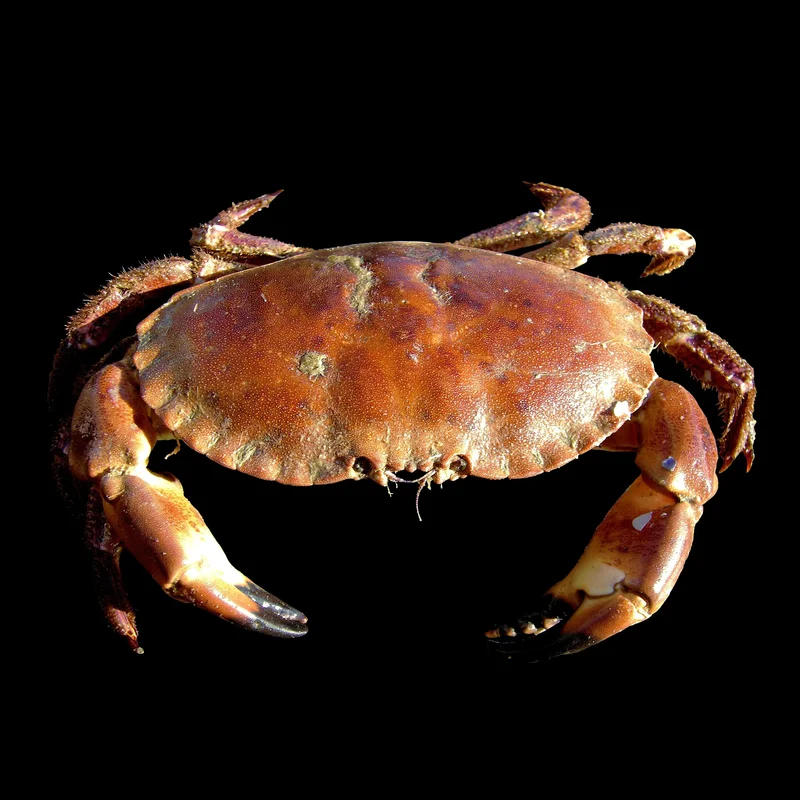
East Bay's vibrant waters host a spectacular array of marine life, a clear reflection of its Coral Triangle location. Macro enthusiasts frequently spot elusive frogfish, various pipefish, seahorses, and a diverse collection of nudibranchs, crabs, and shrimp.
Beyond these intricate critters, larger pelagic encounters occur regularly. Divers often observe reef sharks, different species of pelagic fish, and graceful turtles. While not guaranteed, an occasional sea snake might be seen, adding to the rich biodiversity.

Dive Sites Near East Bay
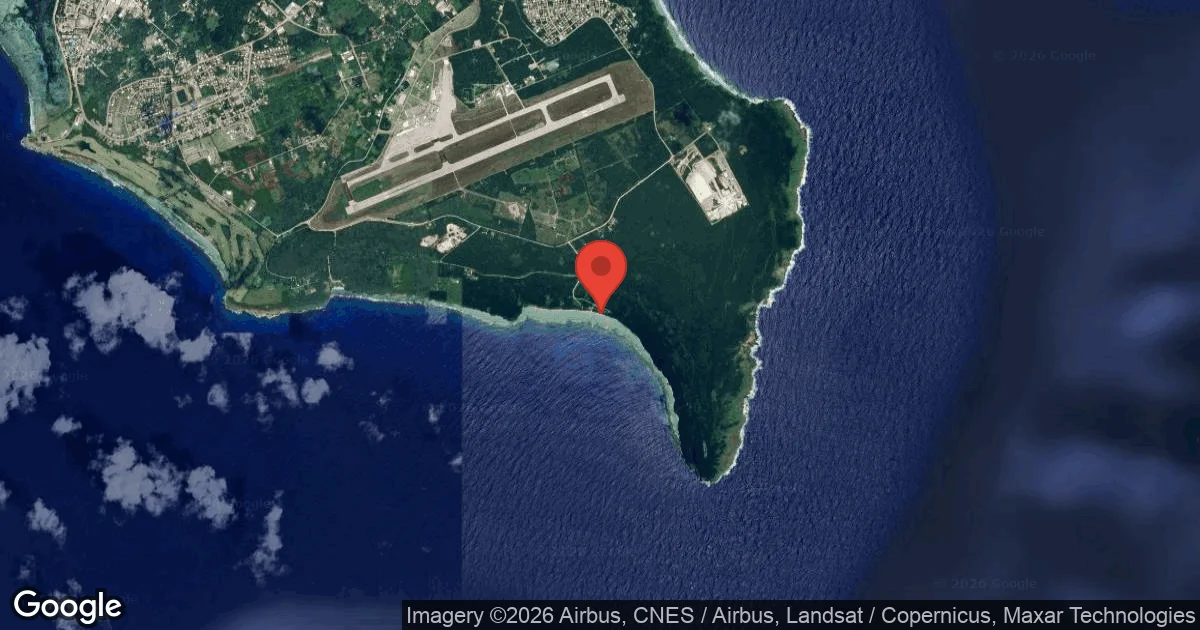
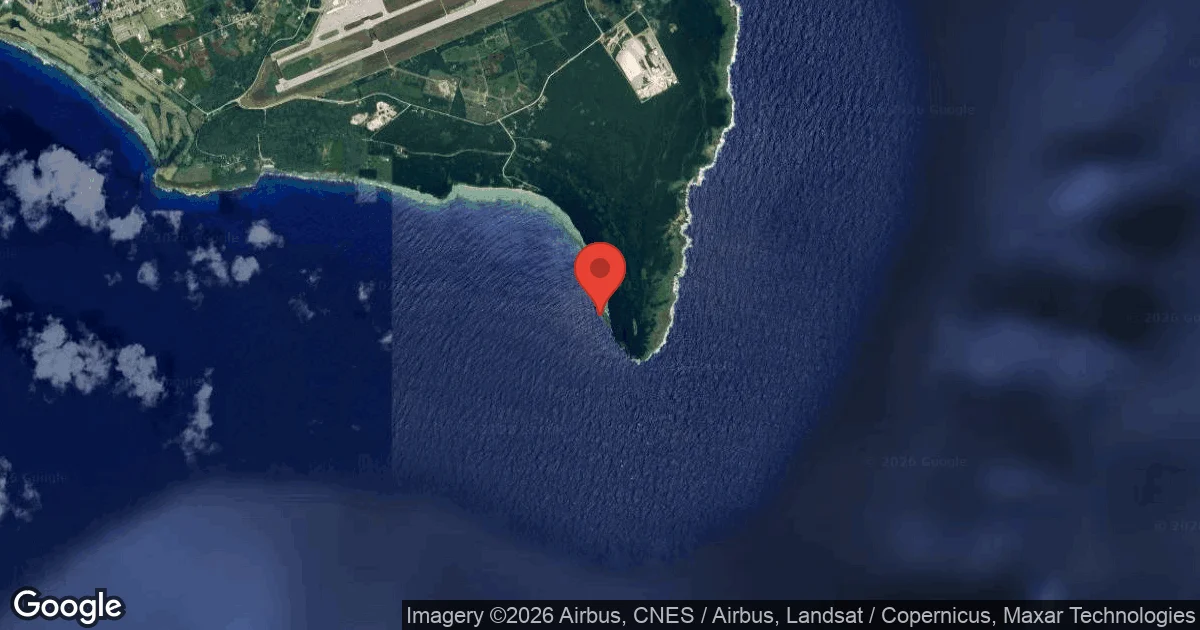
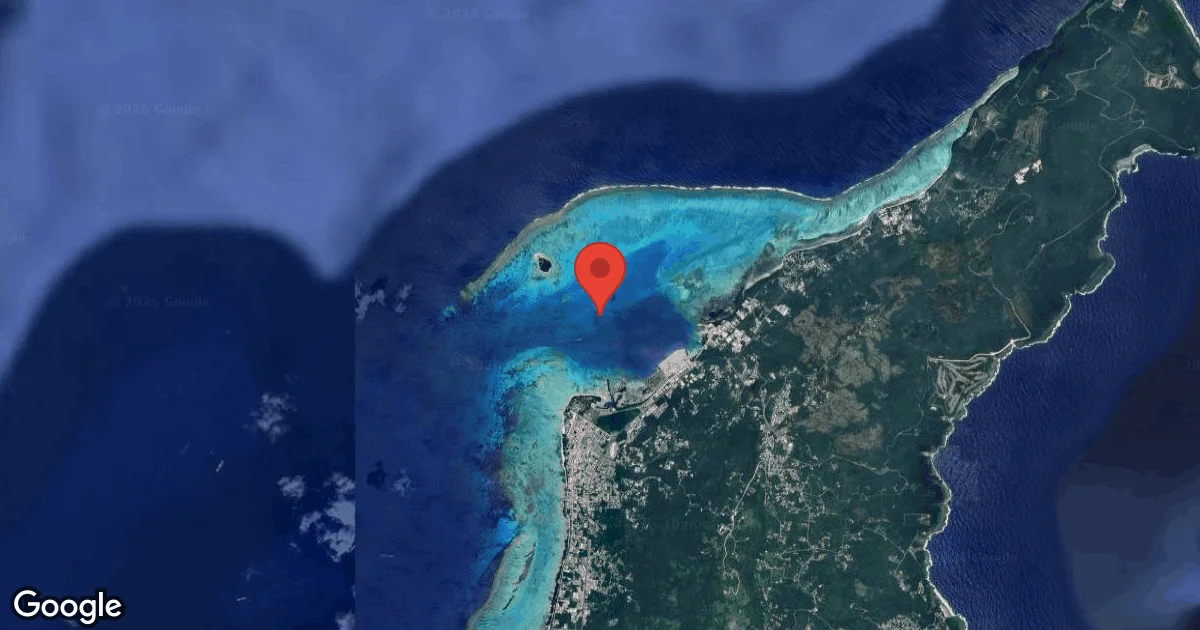
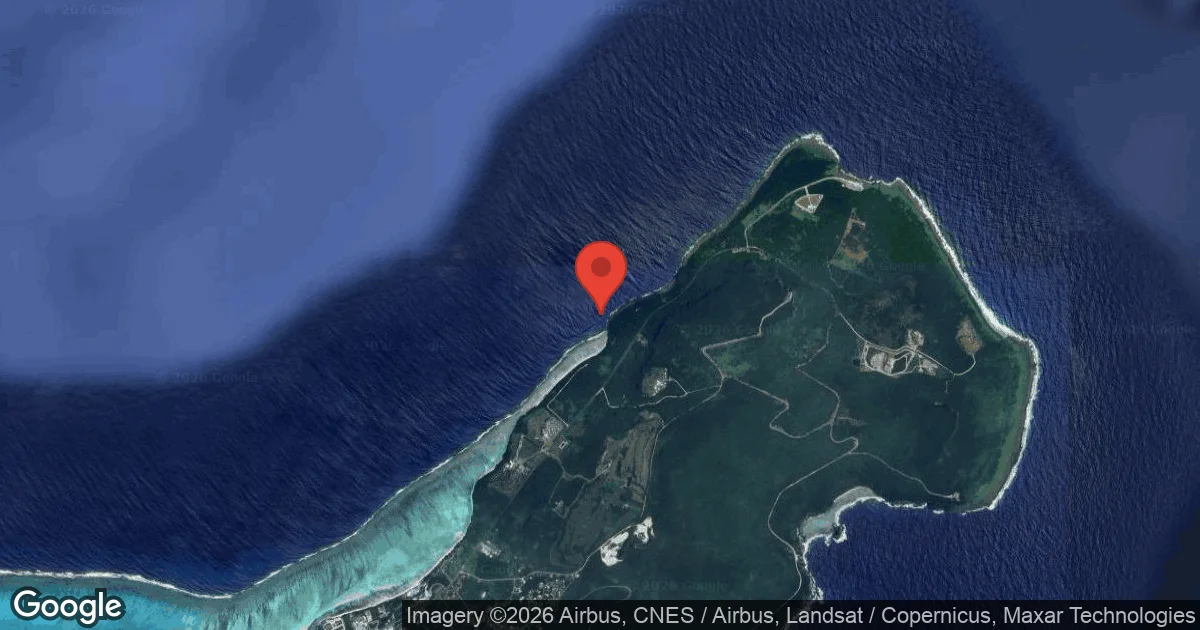
View all dive sites in Papua New GuineaDiscover more underwater gems in this area.
Dive Centers Near East Bay
No Dive Centers Local To East Bay
Are you a dive center visiting this location? Get listed to reach divers.
Nearest Airports
Nearest airports to help plan travel to this dive area.
Frequently Asked Questions
What is the average water temperature in East Bay?
Water temperatures in the East Bay region are consistently warm, averaging around 28°C (82°F). This allows for comfortable diving with minimal exposure protection.
What is the typical underwater visibility like?
Visibility in East Bay is generally excellent, often ranging from 25 to 40 meters (80 to 130 feet). This provides expansive views of the reefs and marine inhabitants.
What kind of marine life can I expect to see?
Divers can anticipate a rich variety of marine life, from numerous macro creatures like frogfish, pipefish, and nudibranchs, to larger pelagic species such as reef sharks, various fish, and turtles. The area is within the Coral Triangle, so biodiversity is high.
Are there many dive sites to choose from?
While East Bay itself isn't detailed, the broader Milne Bay region, which East Bay is part of, offers a substantial number of dive sites. Papua New Guinea as a whole boasts 28,000 miles (45,000 kms) of reef systems, ensuring diverse options.
Is East Bay suitable for beginner divers?
Given the generally remote nature of diving in Papua New Guinea and potentially varied conditions, it's advisable for divers to have some experience or to dive with local guides. Advanced certifications are often beneficial for exploring deeper or more exposed sites.
How do I get to East Bay, Papua New Guinea?
Access typically involves an international flight into Jacksons International Airport (Port Moresby), followed by domestic flights on Air Niugini or PNG Air to reach regional hubs closer to East Bay and Milne Bay. Air travel is the recommended method for navigating within Papua New Guinea.
Planning to dive East Bay?
Send one inquiry and receive offers directly from the best verified local dive operators.
Conditions are Moderate
Optimal conditions expected
Current conditions near East Bay show 30° air, 30° sea temperature, 1.4 m waves, and 28 km/h wind. Forecast data is refreshed regularly to ensure accuracy.