
Diving at Wing Arch (Papua New Guinea)
Wing Arch, a geological marvel in Papua New Guinea, offers a dramatic structural contrast to the region’s expansive reef systems. Its distinctive natural arch formation presents a unique focal point for underwater exploration. While specific details about Wing Arch are limited in available reports, it stands as an intriguing example of the diverse submerged topography found within this rich marine environment. Divers seeking distinctive rock formations alongside vibrant coral ecosystems will find compelling features here.
Evening condition tracking at Wing Arch features an air temperature of 29.5°C. We have recorded wave heights measuring 1.4 m during this period. These figures outline the environmental parameters currently present.
Dive Site Location & Key Facts
Dive Site Overview
Wing Arch's defining feature is its namesake geological formation, a compelling structure divers can typically navigate. While precise dimensions aren't consistently reported, such arches often create intricate swim-throughs and overhangs, inviting thorough exploration.
Adjacent to the arch, the underwater landscape in this region commonly transitions from vibrant coral gardens into steep wall sections or deeper areas of the canyon. Papua New Guinea's reef structures frequently comprise dramatic sea mounts and pinnacles, supporting a rich diversity of life. Divers typically explore within recreational depth limits, finding shallower sections and maximum depths suitable for certified divers, depending on the specific profile of the arch and its surrounding reef.
Conditions often provide good visibility, regularly extending over considerable distances. Exceptional clarity can occur, offering expansive views.
This clear water facilitates comprehensive appreciation of the structural beauty and the abundant marine ecosystems, revealing intricate details across the varied topography. Descending around the arch, divers might discover a sandy bottom surrounding the base, contrasting with the vibrant coral growth higher up.
Exploring the arch itself can reveal hidden passages and unique perspectives, a testament to the dynamic forces shaping this underwater environment. Its formation provides both sheltered areas and exposed sections, each hosting different micro-habitats.
Conditions are Moderate
Optimal conditions expected
Current conditions near Wing Arch show 29° air, 30° sea temperature, 1.4 m waves, and 30 km/h wind. Forecast data is refreshed regularly to ensure accuracy.
Best Time to Dive
Optimal visibility typically coincides with Papua New Guinea’s high season, which runs from May through November. During these months, surface conditions generally stabilize, making for more favorable diving. Average air temperatures during this period are quite consistent, usually hovering between 28-28.5°C (82-83°F), with the warmest air in June and November. Rainfall tends to be lower in the latter half of the year, particularly from June to December, reducing runoff that might affect inshore visibility. For instance, December sees an average of 2.3 mm of rain, while August experiences more, around 10.2 mm. Though diving is available year-round, conditions between May and November are generally considered more conducive, with dive scores rated Moderate. Water temperatures in the Bismarck Sea, where areas like Wing Arch are found, consistently remain warm, around 26-31°C (79-88°F), ensuring comfort throughout the year.
PEAK SEASON SCORE
Scores combine air & water temps, waves, wind & rainfall for overall conditions.
BEST MONTHS TO DIVE
Monthly records compiled from satellite and marine observation nodes over the last 3 years. Data provided by Open-Meteo and MET Norway.
Dive Experience & Conditions
Diving conditions at Wing Arch are often shaped by prevailing currents, a common characteristic of many dynamic sites in Papua New Guinea. Tidal movements can bring nutrient-rich waters, potentially attracting pelagic species, particularly during incoming tides which can enhance visibility. While specific current strengths for Wing Arch aren't regularly documented, divers should be prepared for moderate to strong currents at some sites in the region. These conditions generally make Wing Arch a site better suited for intermediate to advanced divers. Water temperatures remain consistently warm, typically between 26-31°C (79-88°F), allowing for extended bottom times without thermal discomfort. Depths are suitable for Open Water certified divers, though those with Advanced Open Water or deep diving certifications will have greater access to deeper sections of the arch and its surrounding walls.
Dive Difficulty & Safety Guidelines
Ensuring a safe dive at Wing Arch requires careful planning and adherence to established protocols, particularly given the potentially remote nature of some dive sites in Papua New Guinea. Divers should always prioritize diving within their certification limits and experience levels. While no specific hazards are reported for Wing Arch, divers should remain vigilant for strong currents, especially when navigating through or around the arch structure.
Always dive with a buddy and maintain good buoyancy control to avoid damaging delicate coral formations or stirring up sediment. It's advisable to carry essential safety equipment like a dive computer, surface marker buoy (SMB), and an audible signaling device.
Consulting local dive operators for real-time conditions and site-specific guidance is crucial before entering the water.
Recommended Equipment
- Dive Computer
This gear list is based on verified equipment signals for Wing Arch, Papua New Guinea. Always confirm final gear choices with your dive operator, guide, or liveaboard.
Recommended Dive Suit
Dive skin or rash guard is often considered an appropriate level of exposure protection for conditions like these. Consider warmer surface protection (like a boat coat) due to brisk winds.
Divers planning a dive at Wing Arch today will likely encounter water temperatures close to 30°C (86°F). Surface air temperatures are resting at 29°C (85°F).
The upcoming forecast points to generally steady conditions in the area.
Emergency & Medical Support
Essential information to help you plan your dive trip to Wing Arch.

Hyperbaric chambers are a critical part of dive safety infrastructure. Availability varies significantly by region, and not all dive areas have immediate access.
Before diving, it's recommended to:
- confirm nearest medical facilities
- check emergency procedures with local dive operators
- ensure dive insurance covers evacuation if required
Divers Alert Network
Diving emergency assistance available through DAN World.
+1-919-684-9111- 24/7 emergency hotline
- Diving medical assistance
- Evacuation coordination
Emergency contacts are provided for reference. Always verify local emergency services before diving.
Marine Life at Wing Arch
A spectrum of marine life thrives around Wing Arch, supported by its unique topography. While specific fauna sightings at the arch itself are not extensively documented, the wider Papua New Guinea region hosts a vibrant ecosystem.
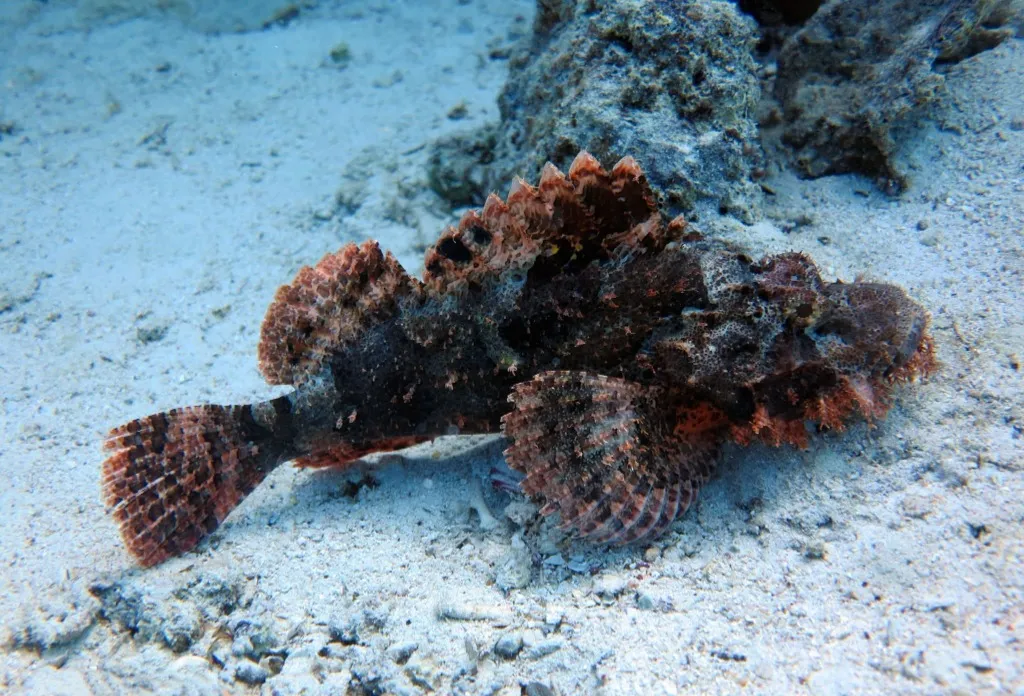
Divers often encounter diverse reef fish, including anthias, triggerfish, and scorpionfish, alongside impressive invertebrate life such as barrel sponges, gorgonian fans, and sea-whips. Varied reefscapes, encompassing coral gardens and wall sections, provide habitat for a healthy shark population, notably white tip and grey reef sharks.
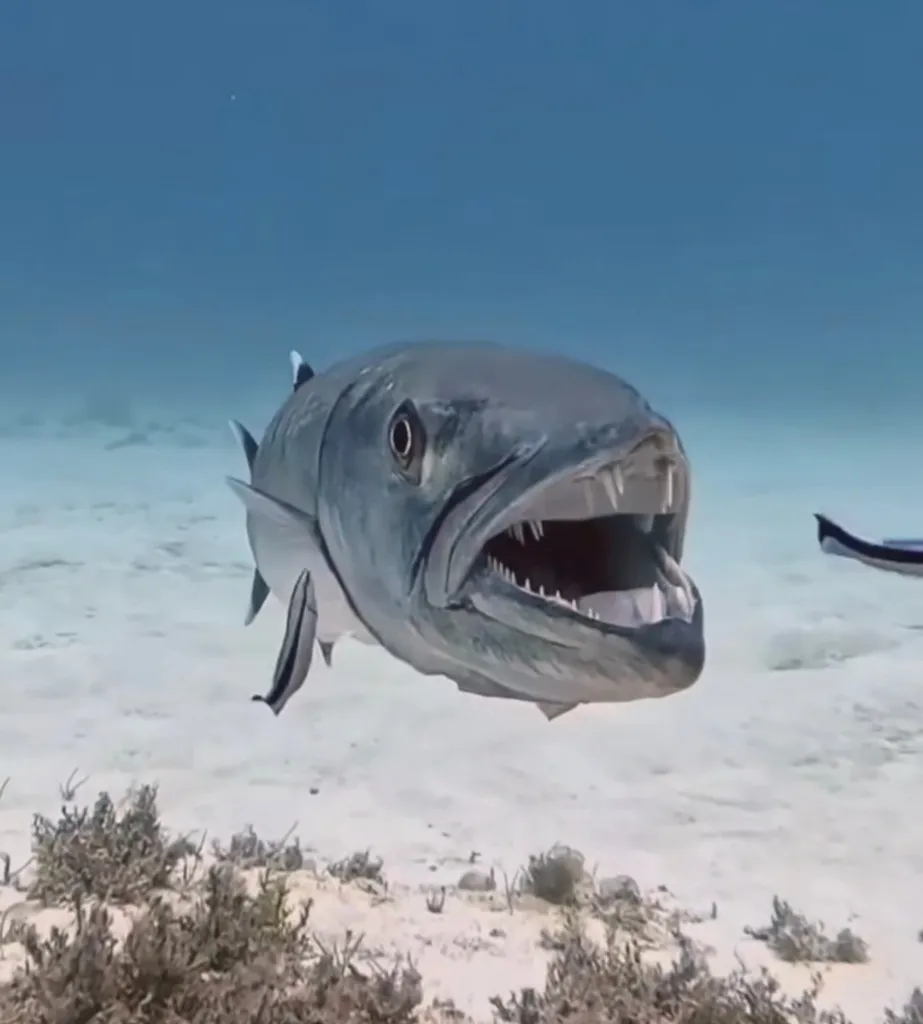
Hawksbill and green turtles are also frequent visitors to these rich waters. The potential for nutrient-rich currents could also draw larger pelagic species like barracuda, tuna, and various ray species to the area.



Dive Sites Near Wing Arch
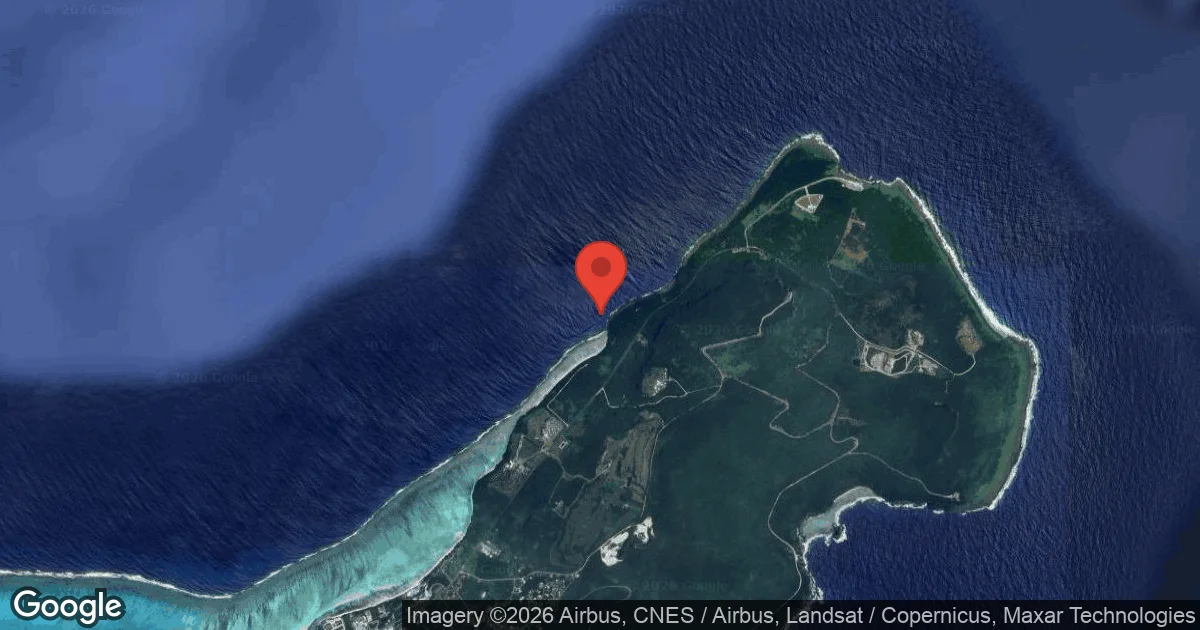
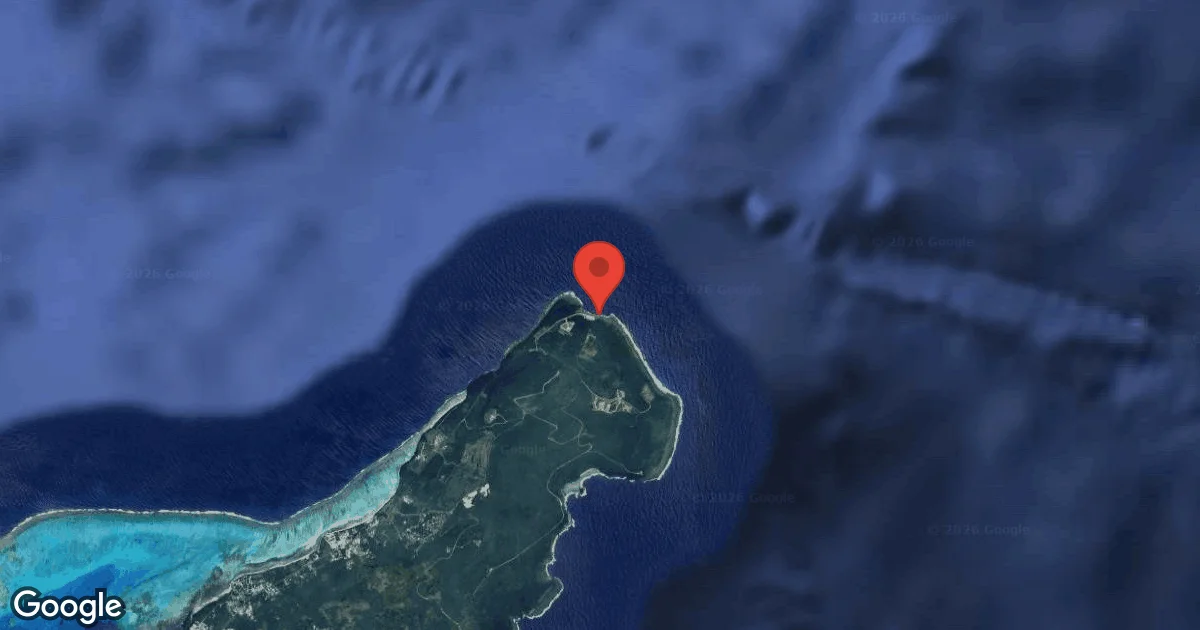
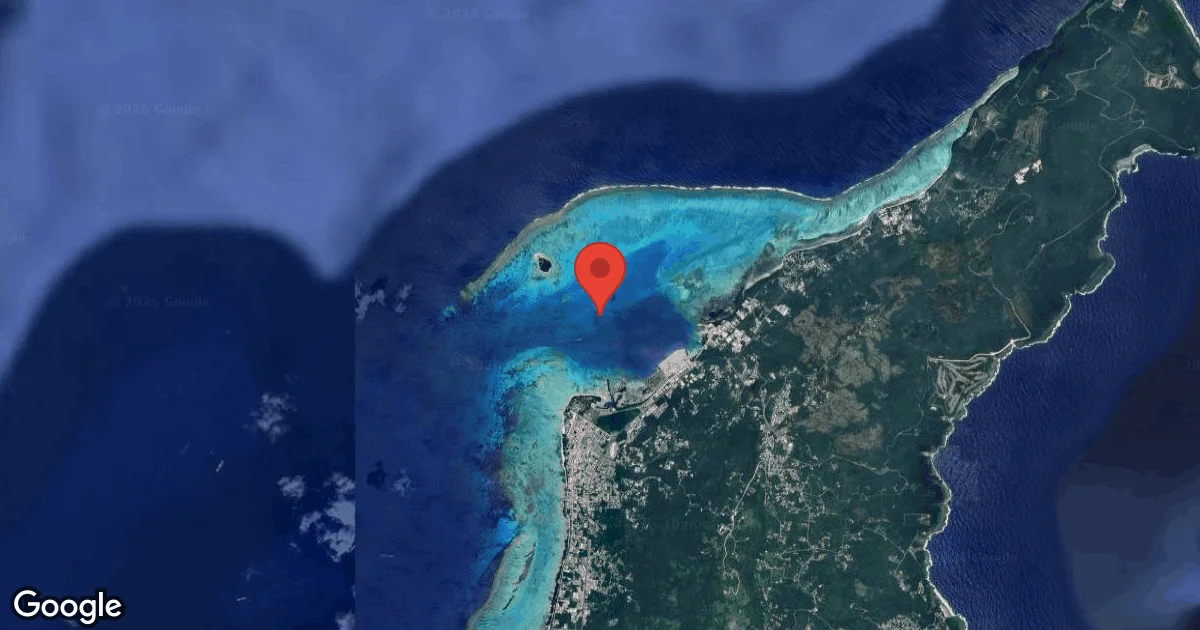
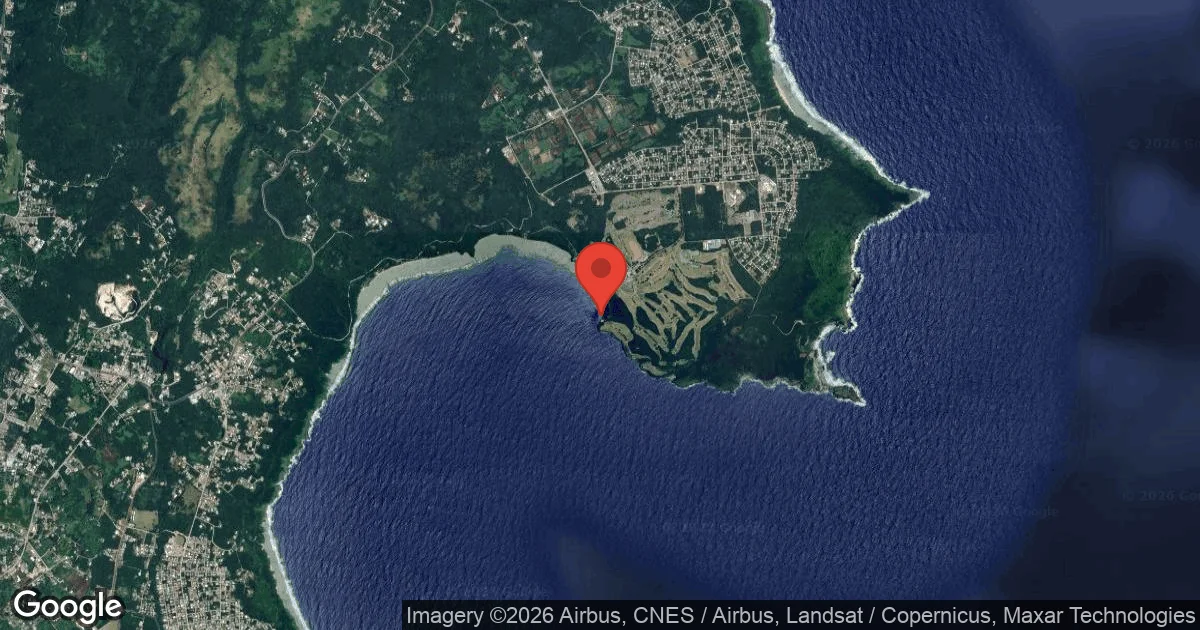
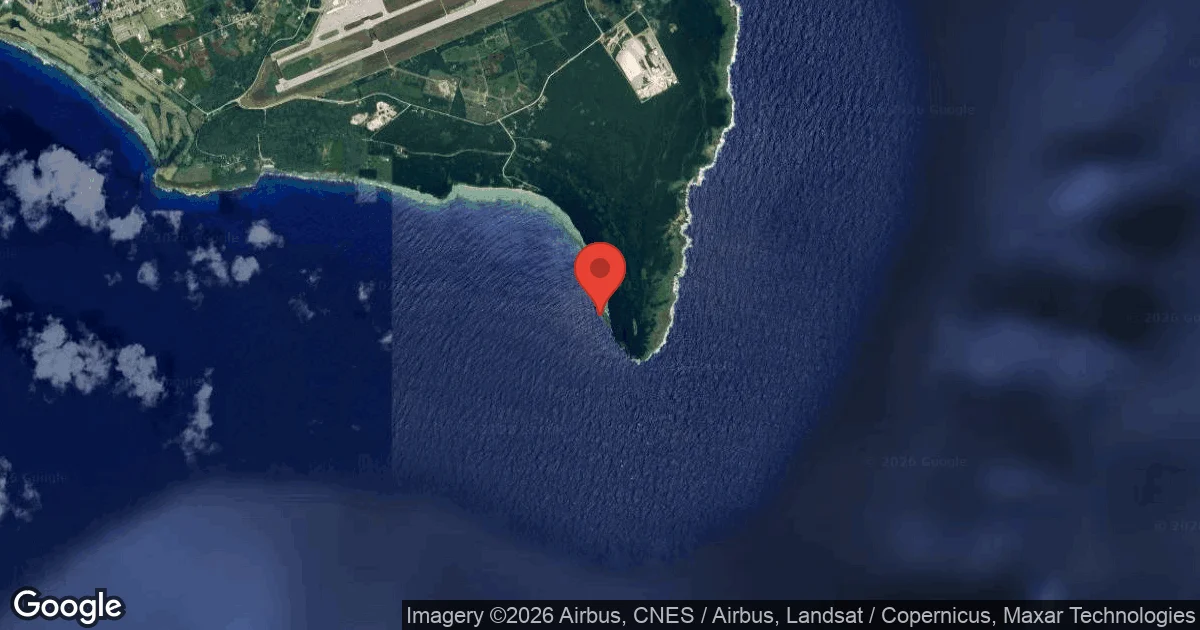
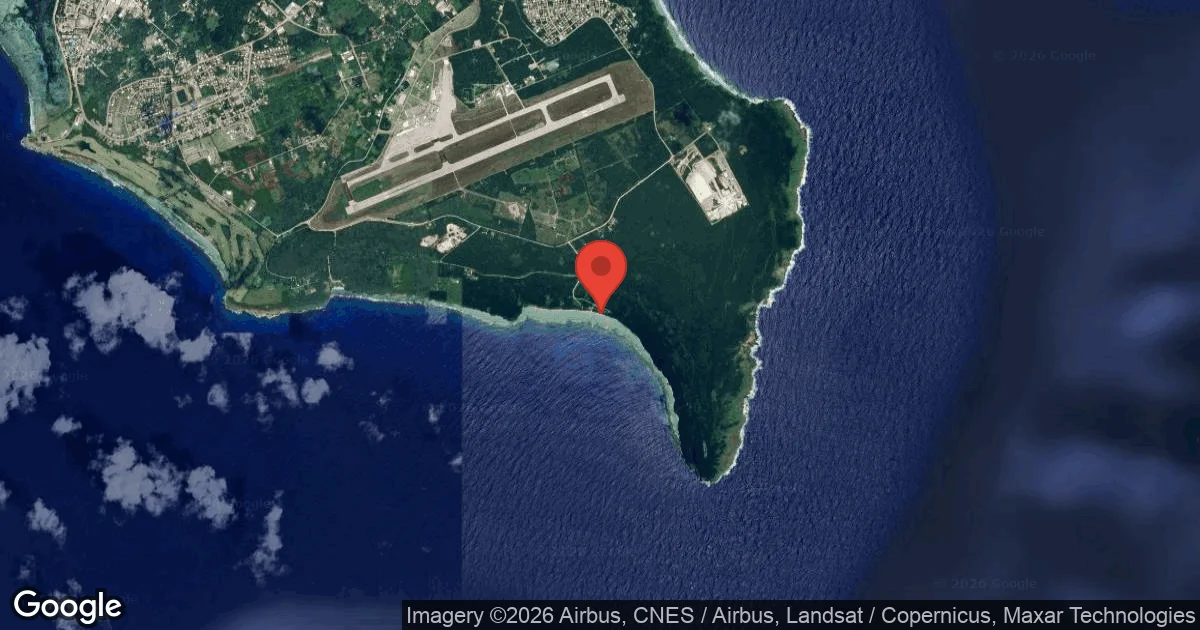
View all dive sites in Papua New GuineaDiscover more underwater gems in this area.
Dive Centers Near Wing Arch
No Dive Centers Local To Wing Arch
Are you a dive center visiting this location? Get listed to reach divers.
Nearest Airports
Nearest airports to help plan travel to this dive area.
Frequently Asked Questions
What is the typical depth range for diving at Wing Arch?
Diving at Wing Arch generally explores recreational depths. Divers can expect to explore areas from around 10 m (33 ft) in shallower sections to maximum depths often reaching 30 m (100 ft) or more, depending on the specific profile of the arch and its surrounding reef structure.
What kind of visibility can be expected?
Visibility at Wing Arch is typically good, often ranging between 20-30 m (65-100 ft). Under exceptionally favorable conditions, visibility can even extend beyond 45 m (150 ft), offering clear views of the arch and marine life.
Are there strong currents at Wing Arch?
Currents at Wing Arch, like many sites in Papua New Guinea, can vary. Tidal movements can introduce moderate to strong currents, which can also attract pelagic species. Divers should be prepared for dynamic conditions and consult with local guides for current forecasts.
What is the water temperature like?
Water temperatures around Wing Arch are consistently warm throughout the year. The Bismarck Sea typically maintains temperatures ranging from 26-31°C (79-88°F), ensuring comfortable diving conditions.
What level of diving experience is recommended?
Given the potential for currents and deeper sections, Wing Arch is generally recommended for intermediate to advanced divers. Open Water divers can explore shallower areas, but an Advanced Open Water certification is beneficial for full site access.
What kind of marine life might I see?
Wing Arch and its surrounding reefs support diverse marine life. You might observe a variety of reef fish, turtles, and a healthy population of reef sharks. The area also hosts colorful soft corals, sponges, and potentially larger pelagics depending on the currents.
Planning to dive Wing Arch?
Send one inquiry and receive offers directly from the best verified local dive operators.
Conditions are Moderate
Optimal conditions expected
Current conditions near Wing Arch show 29° air, 30° sea temperature, 1.4 m waves, and 30 km/h wind. Forecast data is refreshed regularly to ensure accuracy.