
Diving at Sub Chaser (Papua New Guinea)
Descending into the tranquil waters of Papua New Guinea, divers encounter the tangible history of the Sub Chaser. This site provides a poignant glimpse into World War II's underwater legacy, resting within a region celebrated for its diverse dive landscapes. Its appeal draws those seeking both historical exploration and the quiet reverence of a submerged past. The wreck offers a distinct atmosphere.
Tonight's objective overview for Sub Chaser shows an air temperature of 30°C. The measured surface conditions include wave heights around 1.3 m. This environmental data is logged for the close of the day.
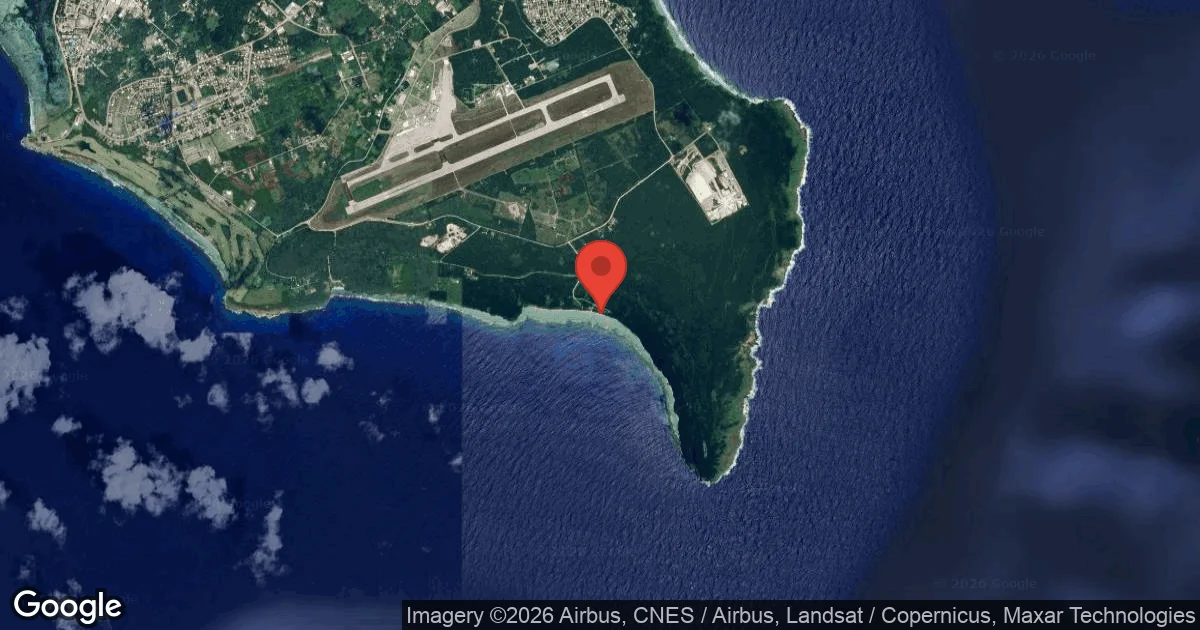
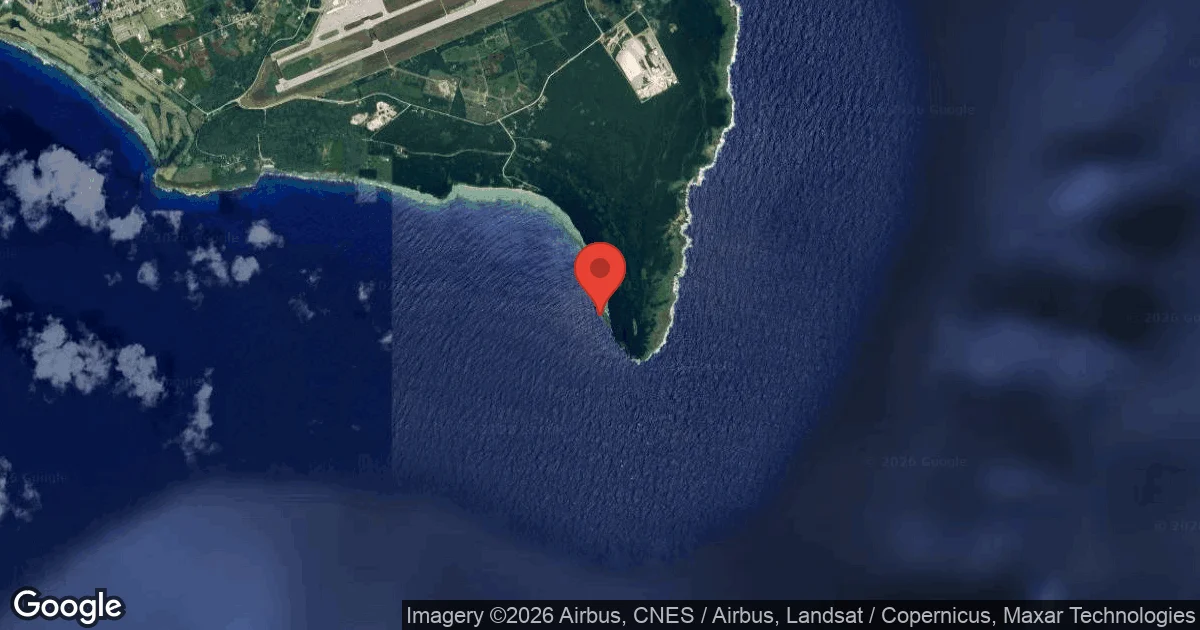
Dive Site Location & Key Facts
Dive Site Overview
Among Papua New Guinea's extensive collection of World War II relics, the Sub Chaser stands as a specific point of interest for wreck enthusiasts. Located in an area known for its underwater historical sites, this vessel forms part of a larger network of submerged military hardware, including various Japanese ships and aircraft.
While exact details on its specific location and depth are not consistently reported, it's generally considered accessible within recreational diving limits. Exploring this site allows divers to navigate a piece of history, where the structure has begun to integrate with the surrounding marine environment. This destination caters to serious divers, photographers, and videographers, offering a profound experience beyond typical reef dives.
Planning for this type of dive demands specific wreck diving skills, making it a targeted expedition for experienced individuals. Its presence underscores the significant historical narrative preserved beneath these waters.
Conditions are Good
Optimal conditions expected
Current conditions near Sub Chaser show 30° air, 30° sea temperature, 1.4 m waves, and 25 km/h wind. Forecast data is refreshed regularly to ensure accuracy.
Best Time to Dive
Planning your expedition to the Sub Chaser is best aligned with understanding Papua New Guinea's climate patterns. The region generally experiences air temperatures ranging from 27°C (81°F) in February to 28.5°C (83°F) in June and November, offering consistently warm conditions year-round. While specific water temperature data for the site isn't consistently reported, the warm air temperatures suggest comfortable diving. Rain levels vary, with July and August showing slightly higher rainfall at around 6.6-10.2 mm (0.26-0.40 inches), whereas December and February see less, at about 2.3-2.7 mm (0.09-0.11 inches). Wave heights tend to be lower during May through September, often around 1.0-1.2 m (3-4 ft), providing potentially calmer surface conditions for boat travel to the dive site. Wind speeds remain moderate, typically between 22-29 km/h (14-18 mph) throughout the year, impacting surface conditions more than underwater experience. A dive score consistently rated 'Moderate' across all months indicates generally favorable, but not always pristine, conditions.
PEAK SEASON SCORE
Scores combine air & water temps, waves, wind & rainfall for overall conditions.
BEST MONTHS TO DIVE
Monthly records compiled from satellite and marine observation nodes over the last 3 years. Data provided by Open-Meteo and MET Norway.
Dive Experience & Conditions
Encountering the Sub Chaser underwater presents a dive experience focused on historical exploration within a dynamic marine setting. As a wreck site, conditions can vary depending on local currents and visibility, which are not consistently reported for this specific location. Divers should anticipate a recreational depth range, typically extending to around 30 m (100 ft), allowing for thorough inspection of the vessel's structure. The wreck's age means its integrity might be compromised in sections, requiring careful navigation. Marine growth has begun to reclaim the metal structure, creating an artificial reef that attracts various species. Expect the overall water clarity to be good on average, characteristic of many PNG sites, though localized conditions around the wreck might be influenced by currents or sediment. This isn't a drift dive; it's a focused examination of a submerged relic.
Dive Difficulty & Safety Guidelines
Navigating wreck sites like the Sub Chaser requires specific safety considerations and adherence to established guidelines. Given the nature of a historical wreck, penetration should only be attempted by divers with appropriate training and equipment, and only if the wreck's stability has been assessed. Strong currents, while not consistently reported for this specific site, can occur in parts of Papua New Guinea and would necessitate careful planning and current-specific diving techniques.
Always carry redundant air sources when exploring wrecks. Communication with your dive buddy is paramount throughout the dive, particularly when examining potential overhead environments.
Given the remote nature of many PNG dive locations, having a comprehensive emergency action plan and knowing the location of the nearest recompression chamber is essential for all divers.
Recommended Equipment
Overhead / entanglement risk. Wreck penetration requires proper training.
- Dive Computer
- DSMB
- Primary & Backup Lights
- Wreck Reel
- Cutting Tool
This gear list is based on verified equipment signals for Sub Chaser, Papua New Guinea. Always confirm final gear choices with your dive operator, guide, or liveaboard.
Recommended Dive Suit
Thermal protection such as dive skin or rash guard is commonly used for water temperatures in this range. A hood or vest is suggested for sensitive divers due to surface winds.
Current readings at Sub Chaser show water temperatures near 30°C (86°F). Surface air temperatures are resting at 30°C (86°F).
Current forecasts indicate relatively stable conditions for the coming days.
Emergency & Medical Support
Essential information to help you plan your dive trip to Sub Chaser.

Hyperbaric chambers are a critical part of dive safety infrastructure. Availability varies significantly by region, and not all dive areas have immediate access.
Before diving, it's recommended to:
- confirm nearest medical facilities
- check emergency procedures with local dive operators
- ensure dive insurance covers evacuation if required
Divers Alert Network
Diving emergency assistance available through DAN World.
+1-919-684-9111- 24/7 emergency hotline
- Diving medical assistance
- Evacuation coordination
Emergency contacts are provided for reference. Always verify local emergency services before diving.
Marine Life at Sub Chaser
Over time, the Sub Chaser wreck has transformed into an artificial reef, offering refuge and a living habitat for marine organisms. While specific marine life sightings for this wreck aren't extensively documented, wrecks in Papua New Guinea commonly attract a variety of reef fish, crustaceans, and corals that colonize hard surfaces.
Expect to observe schools of fish sheltering within its structure. The nooks and crannies of the submerged vessel become ideal hiding spots for smaller creatures.
Corals and sponges gradually encrust the metal, adding vibrant colors to the historical hulk, creating a fascinating blend of history and biology.
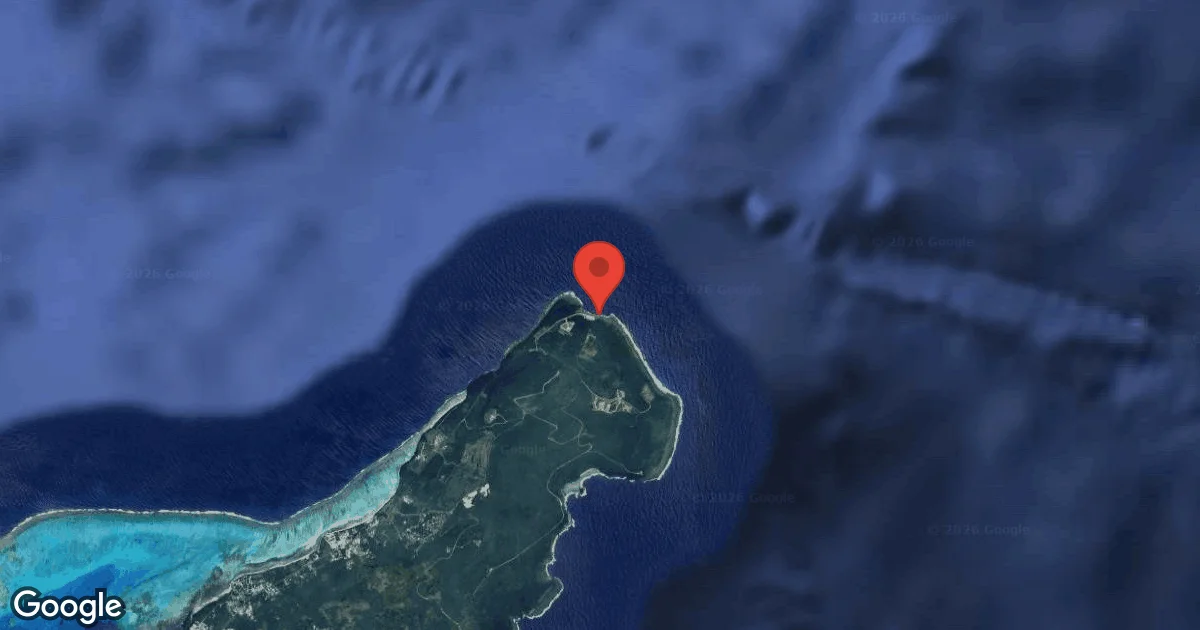
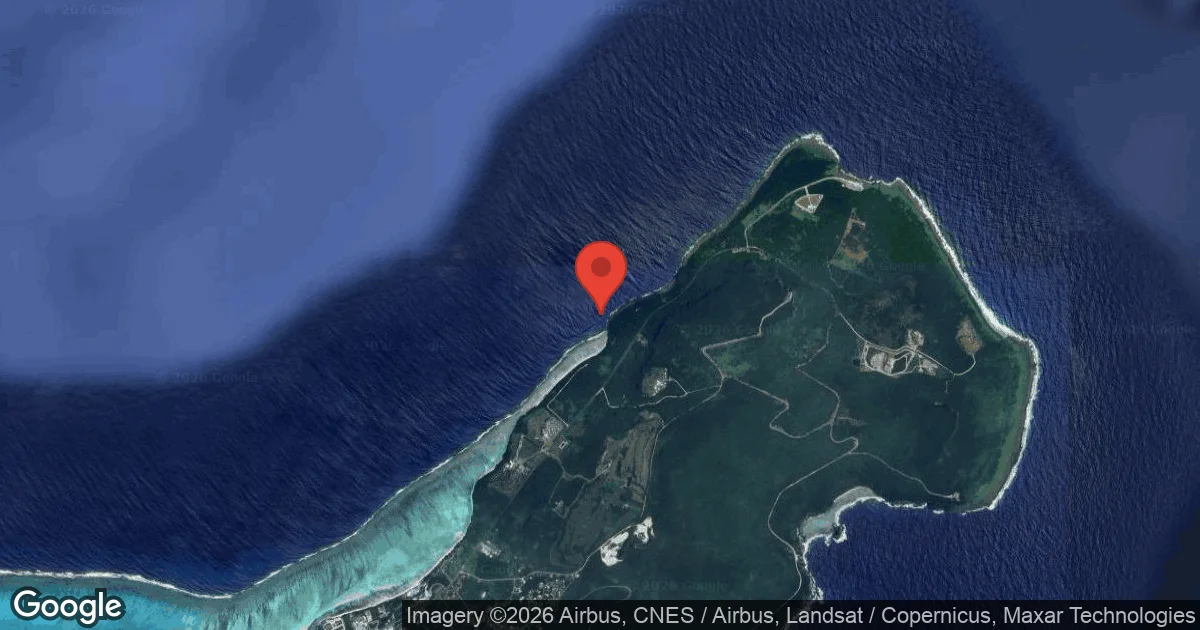
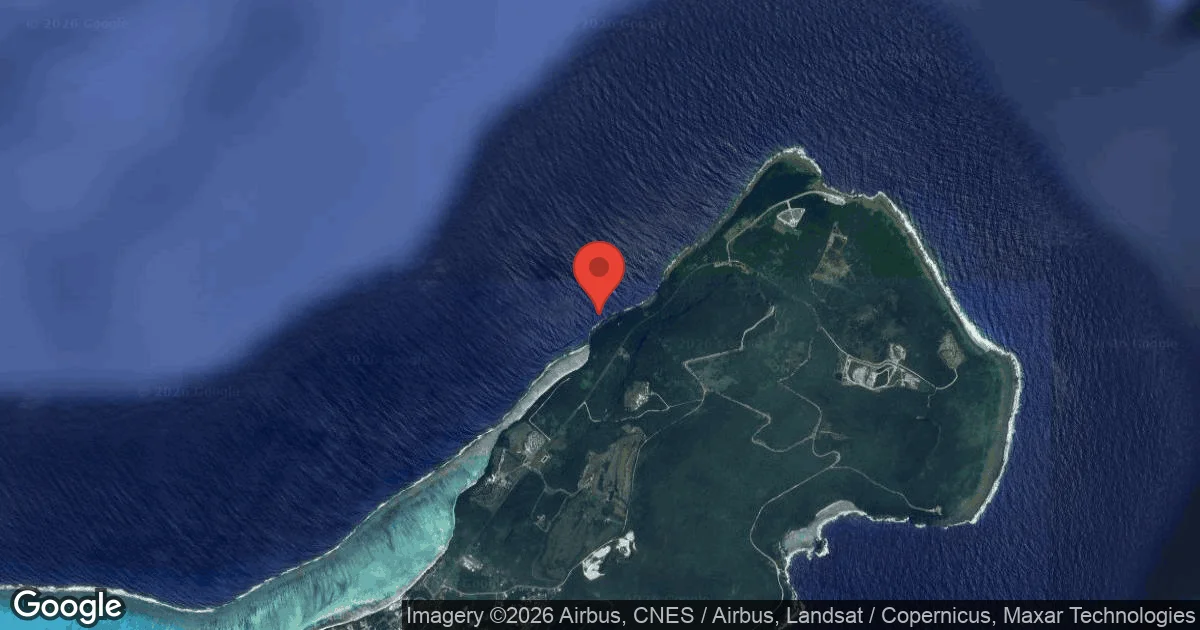
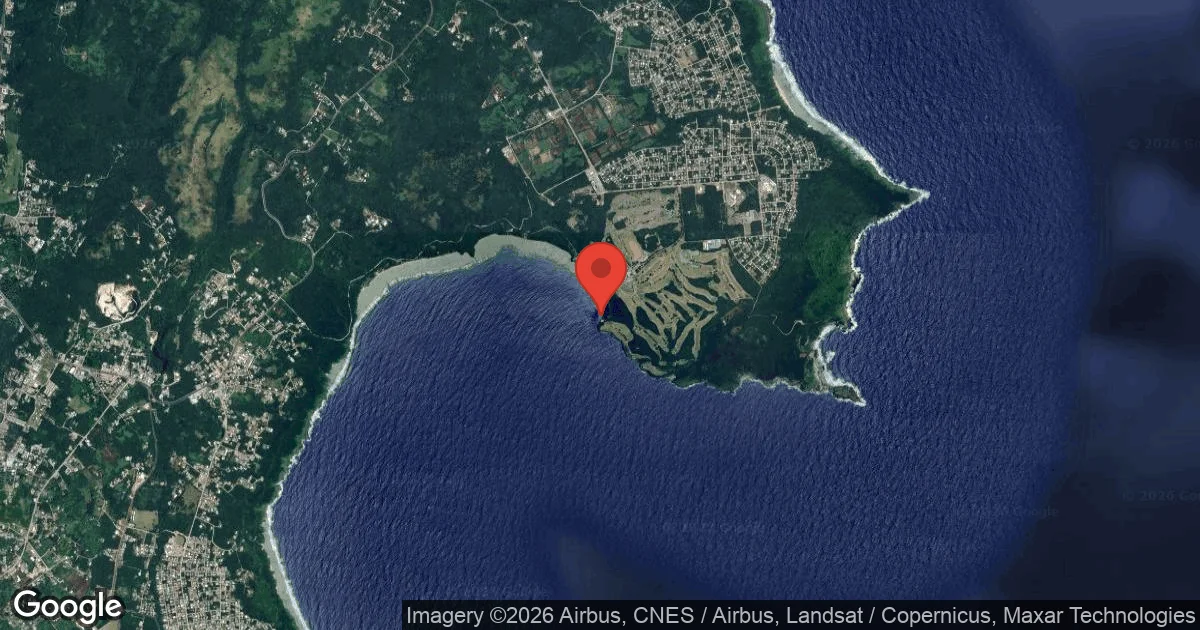
Dive Sites Near Sub Chaser
View all dive sites in Papua New GuineaDiscover more underwater gems in this area.
Dive Centers Near Sub Chaser
No Dive Centers Local To Sub Chaser
Are you a dive center visiting this location? Get listed to reach divers.
Nearest Airports
Nearest airports to help plan travel to this dive area.
Frequently Asked Questions
What kind of wreck is the Sub Chaser?
The Sub Chaser is a World War II era naval vessel, part of the many historical wrecks found in Papua New Guinea's waters. It's a specific type of military ship used to hunt submarines.
What's the typical depth for diving the Sub Chaser?
Exact depth details for the Sub Chaser are not consistently reported. However, it's generally considered a recreational dive, likely accessible within depths extending to around 30 m (100 ft).
Are there strong currents at the Sub Chaser?
Specific current information for the Sub Chaser isn't consistently available. However, currents can vary significantly across dive sites in Papua New Guinea; divers should always check local conditions before entering the water.
What marine life can be seen on the wreck?
Wrecks in this region typically attract a variety of marine life as they become artificial reefs. You can expect to see various reef fish, crustaceans, and soft corals colonizing the Sub Chaser's structure.
Is wreck penetration allowed at the Sub Chaser?
Wreck penetration should only be undertaken by divers with advanced wreck diving training and appropriate equipment. The stability of the Sub Chaser, like any historical wreck, should be assessed before considering penetration.
What's the water temperature in Papua New Guinea?
Specific water temperature data for the Sub Chaser is not consistently reported. However, air temperatures in the region are consistently warm, ranging from 27-28.5°C (81-83°F) year-round.
What's the best time of year to visit?
Diving is possible year-round, with consistently warm air temperatures. May through September often see slightly lower wave heights, which can contribute to calmer surface conditions for boat travel to dive sites.
Planning to dive Sub Chaser?
Send one inquiry and receive offers directly from the best verified local dive operators.
Conditions are Good
Optimal conditions expected
Current conditions near Sub Chaser show 30° air, 30° sea temperature, 1.4 m waves, and 25 km/h wind. Forecast data is refreshed regularly to ensure accuracy.