
Diving at Cars (Philippines)
Visibility at Car Wrecks often reaches 15 m (50 ft), though conditions can vary. Divers experience warm waters, typically 27-31°C (81-88°F), ideal for extended bottom times. Currents range from light to moderate, adding a dynamic element to the dive. An engaging dive awaits, combining sunken structures on a gently sloping sandy bottom.
As evening covers Cars, the local air temperature is measured at 26°C. The current wave height at the surface is recorded at 0.5 m. These late-day readings characterize the surface conditions for the night.
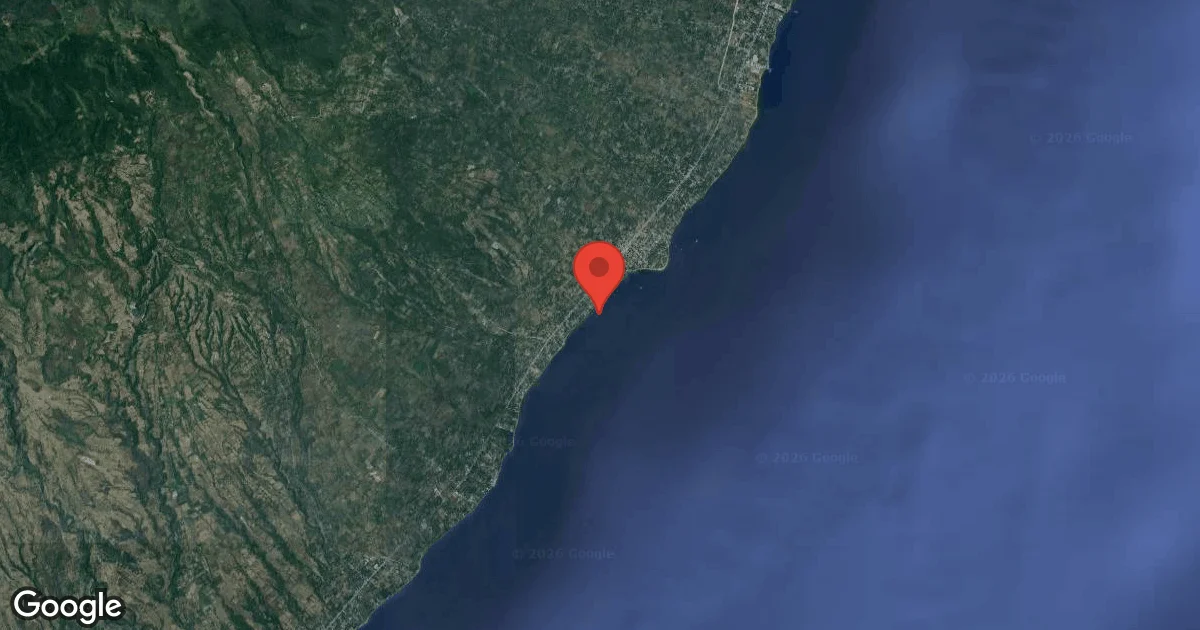
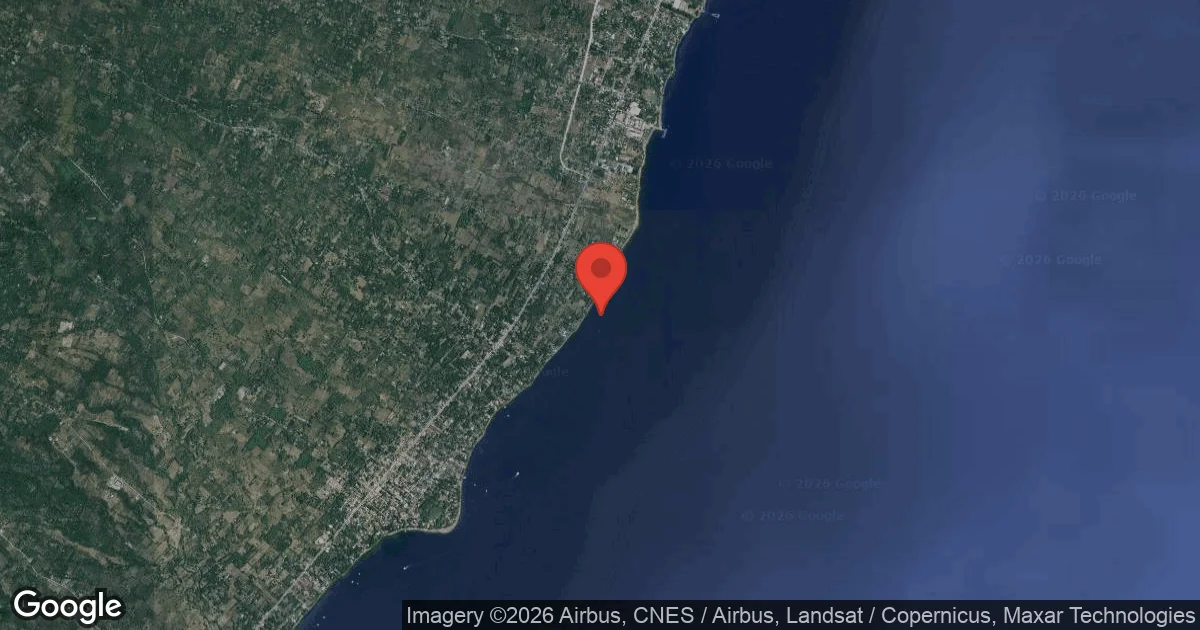
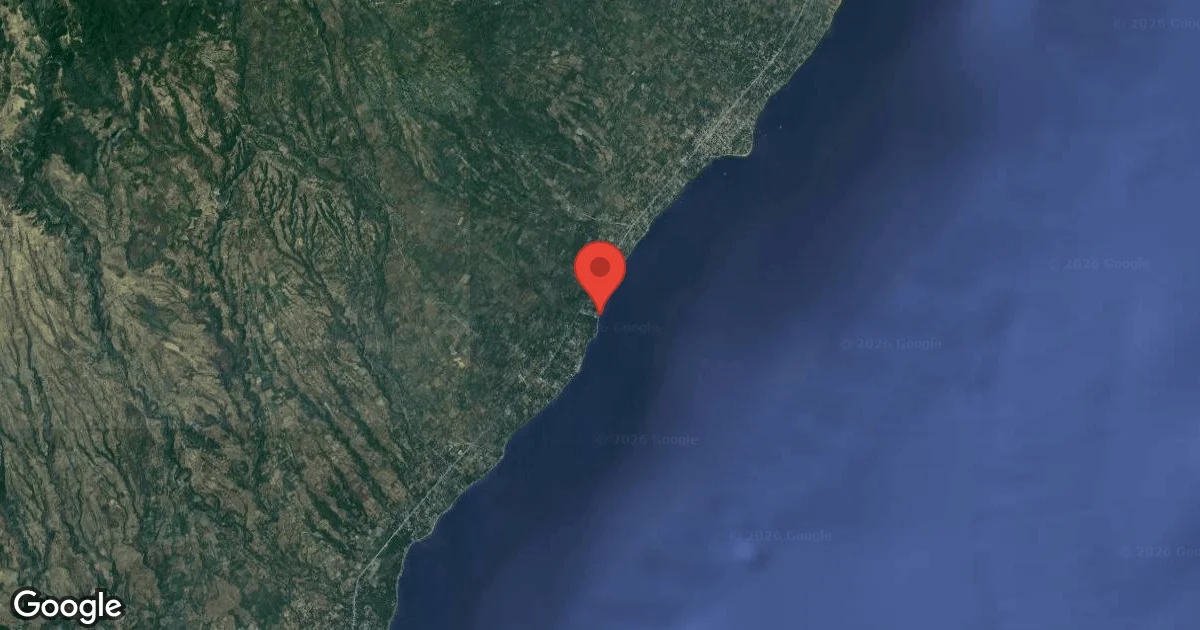
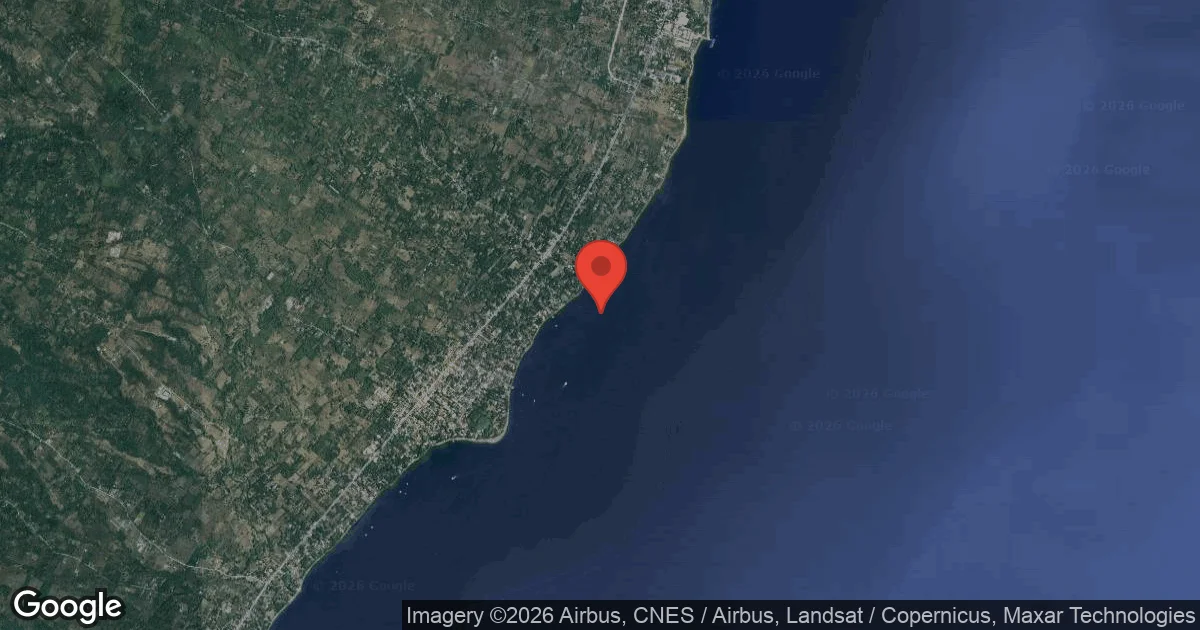
Dive Site Location & Key Facts
Dive Site Overview
Originating from a deliberate initiative, the Car Wrecks site cultivates marine habitats and provides divers an engaging experience around its artificial reef components. Spanning approximately 70 m (230 ft), its structure consists of intentionally placed concrete tubes and steel boxes, serving as a robust foundation for marine colonization.
Two actual sunken cars, fully integrated into the main body of the site, act as primary points of interest. Divers have the opportunity to explore inside these vehicles, which adds a distinct wreck diving dimension within recreational limits. Beyond these central artificial structures, a sandy slope extends gently, connecting the site to the shore and the nearby Poblacion area.
Combining artificial reef structures and the adjacent sandy bottom creates a diverse terrain, particularly attractive for underwater photographers seeking a wide array of subjects, from macro life nestled in crevices to larger residents patrolling the artificial reef. This site also fosters a rich ecosystem, acting as a nursery for numerous juvenile species.
Conditions are Excellent
07:00 - 14:00
Optimal conditions expected
Current conditions near Cars show 26° air, 30° sea temperature, 0.5 m waves, and 27 km/h wind. Forecast data is refreshed regularly to ensure accuracy.
Best Time to Dive
Planning a trip to Car Wrecks reveals favorable conditions throughout the year; however, January to May typically provides the most pleasant diving experience. During these months, dive scores often register as 'Good' to 'Excellent', with April and May frequently earning the highest ratings. Air temperatures, according to averaged data, range from a comfortable 27°C (81°F) to 28.5°C (83°F) across the year, with surface conditions generally feeling warmer. Rainfall is also minimal during the early part of the year, averaging between 1.7 to 4.8 mm, contributing to calmer surface conditions and often better visibility. Wave heights tend to be lower in April and May, making boat entries and shore dives more predictable.
PEAK SEASON SCORE
Scores combine air & water temps, waves, wind & rainfall for overall conditions.
BEST MONTHS TO DIVE
Monthly records compiled from satellite and marine observation nodes over the last 3 years. Data provided by Open-Meteo and MET Norway.
Dive Experience & Conditions
Descending into Car Wrecks, divers immediately encounter an intriguing blend of artificial reef and sandy bottom. Maximum depth reaches approximately 30 m (98 ft), providing ample room for exploration within recreational limits. Visibility here can extend to 15 m, allowing clear views of the structures and the marine life they host. Currents vary from light to moderate, adding a dynamic element to the dive, particularly when navigating around the concrete tubes and sunken cars. Water temperature remains consistently warm, typically between 27-31°C (81-88°F). Access to the site is flexible, allowing for both boat and shore entries, catering to different diving preferences and logistical considerations.
Dive Difficulty & Safety Guidelines
Diving Car Wrecks necessitates adherence to standard safety practices, especially given the presence of artificial structures and potential moderate currents. Before entering the water, a thorough dive briefing from a local professional is recommended to understand current conditions and site specifics. Divers should practice good buoyancy control to avoid contact with the artificial reef and its inhabitants.
Recommended training for this site includes PADI Open Water Diver for general competency, and PADI Advanced Open Water Diver for those exploring deeper sections or navigating varying currents. Divers interested in the wreck components may also benefit from the PADI Enriched Air Diver course, allowing for extended bottom times. Always dive within your certification limits and with a reliable buddy.
Recommended Equipment
- Dive Computer
- DSMB
This gear list is based on verified equipment signals for Cars, Philippines. Always confirm final gear choices with your dive operator, guide, or liveaboard.
Recommended Dive Suit
Exposure protection is partly a personal preference.
Dive skin or rash guard typically provides a reliable level of thermal protection for dives here. A hood or vest is suggested for sensitive divers due to surface winds. Weather models currently point toward consistent diving conditions over the next several days.
Divers heading to Cars today should expect water temperatures around 30°C (85°F). Surface air temperatures are resting at 26°C (79°F).
Emergency & Medical Support
Essential information to help you plan your dive trip to Cars.

Hyperbaric chambers are a critical part of dive safety infrastructure. Availability varies significantly by region, and not all dive areas have immediate access.
Before diving, it's recommended to:
- confirm nearest medical facilities
- check emergency procedures with local dive operators
- ensure dive insurance covers evacuation if required
Divers Alert Network
Diving emergency assistance available through DAN World.
+1-919-684-9111- 24/7 emergency hotline
- Diving medical assistance
- Evacuation coordination
Emergency contacts are provided for reference. Always verify local emergency services before diving.
Marine Life at Cars
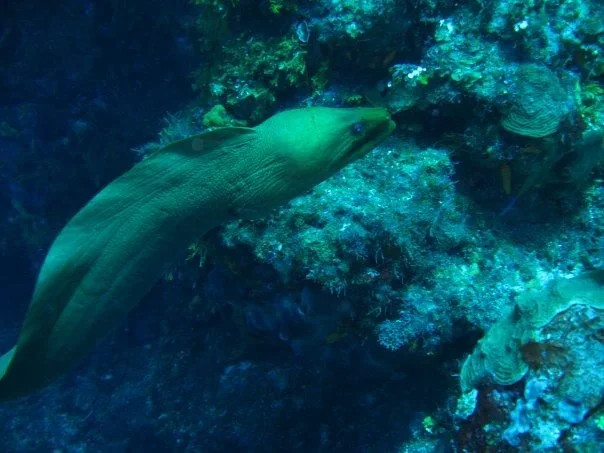
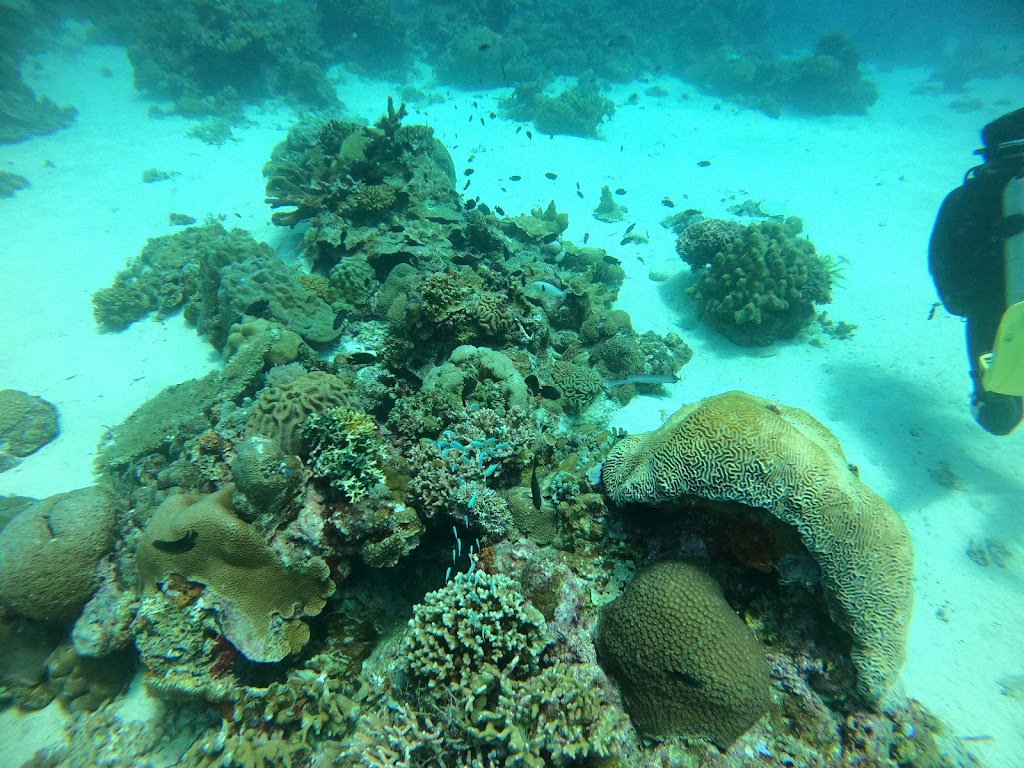
Car Wrecks immediately reveals an impressive density of marine life, particularly macro subjects. Within the nooks of the artificial reef and the sunken cars, divers often first notice moray eels, which have made the structures their home.
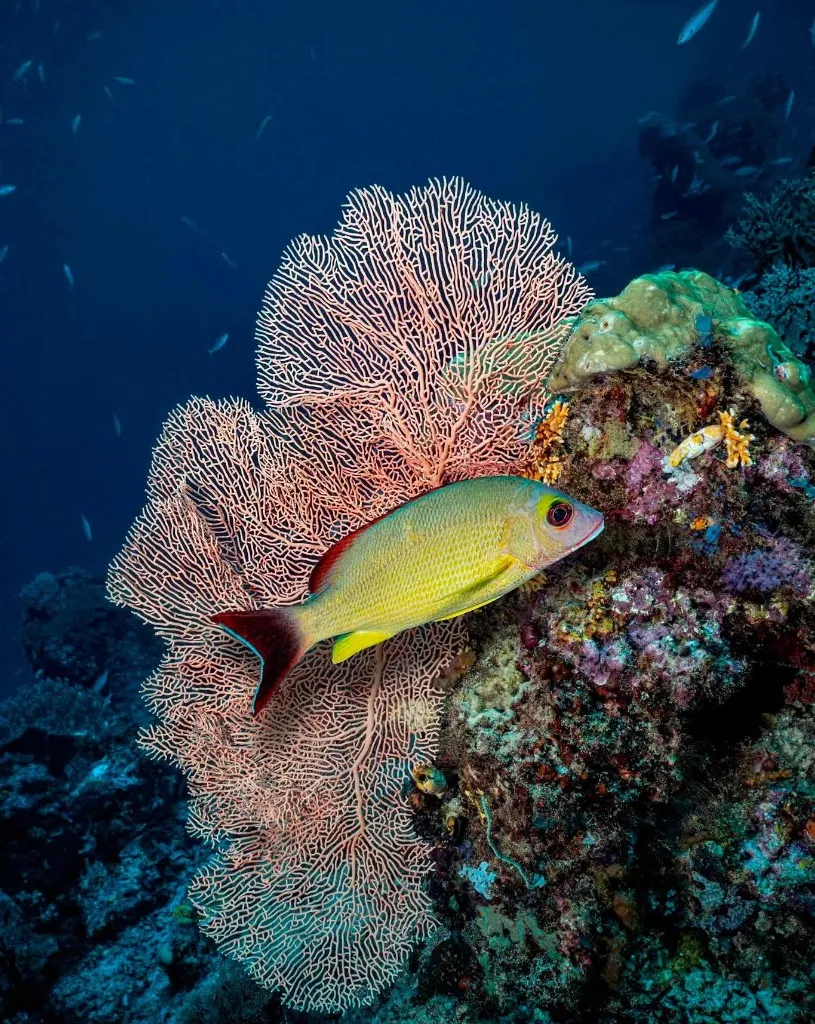
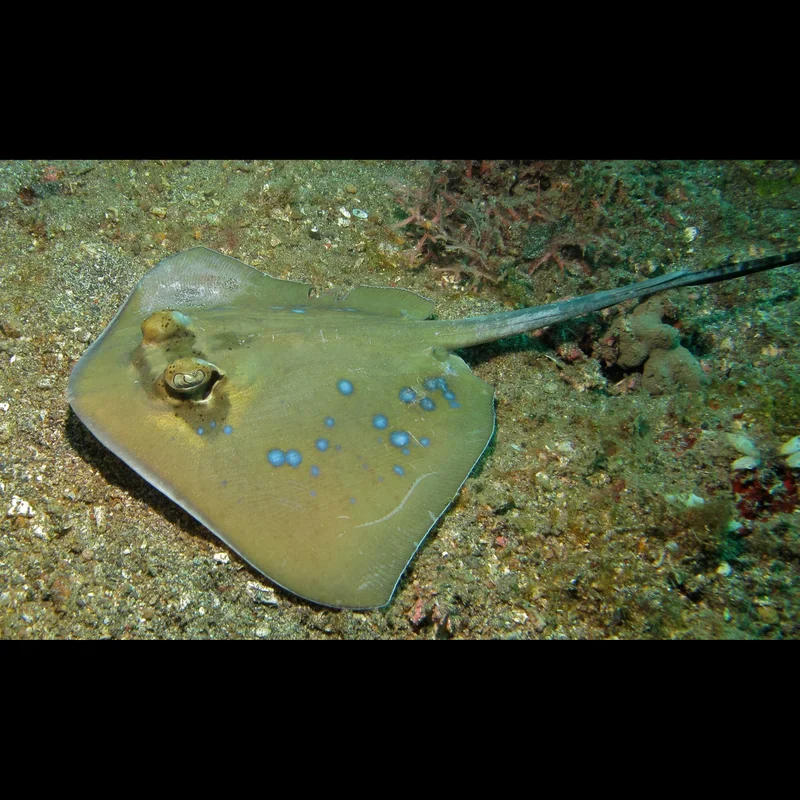
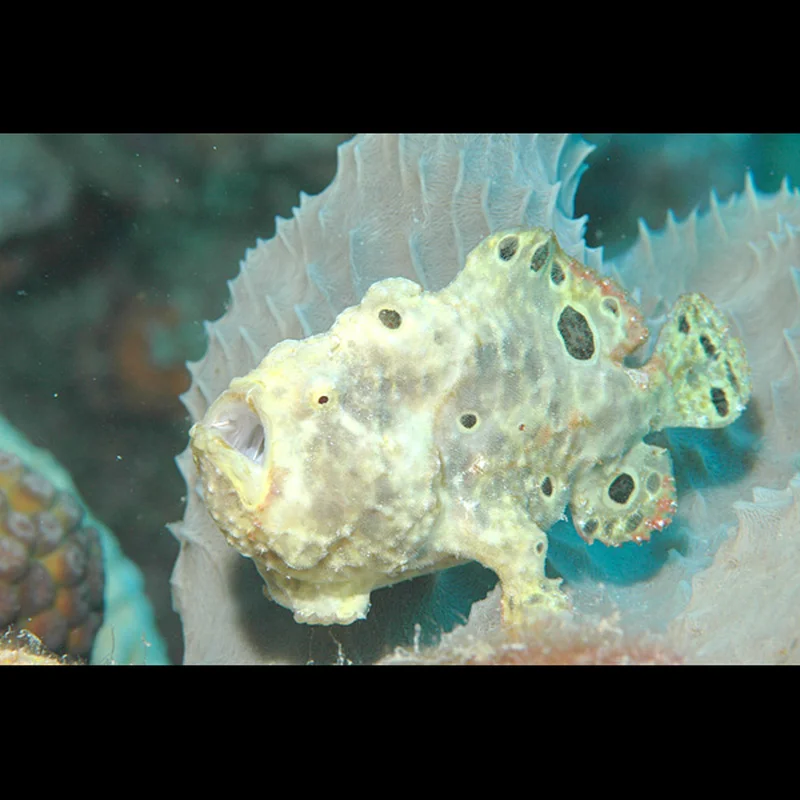
Lionfish and blue-spotted stingrays are also frequent residents, often found resting on the sandy bottom nearby. Keep an eye out for frogfish and various snappers.
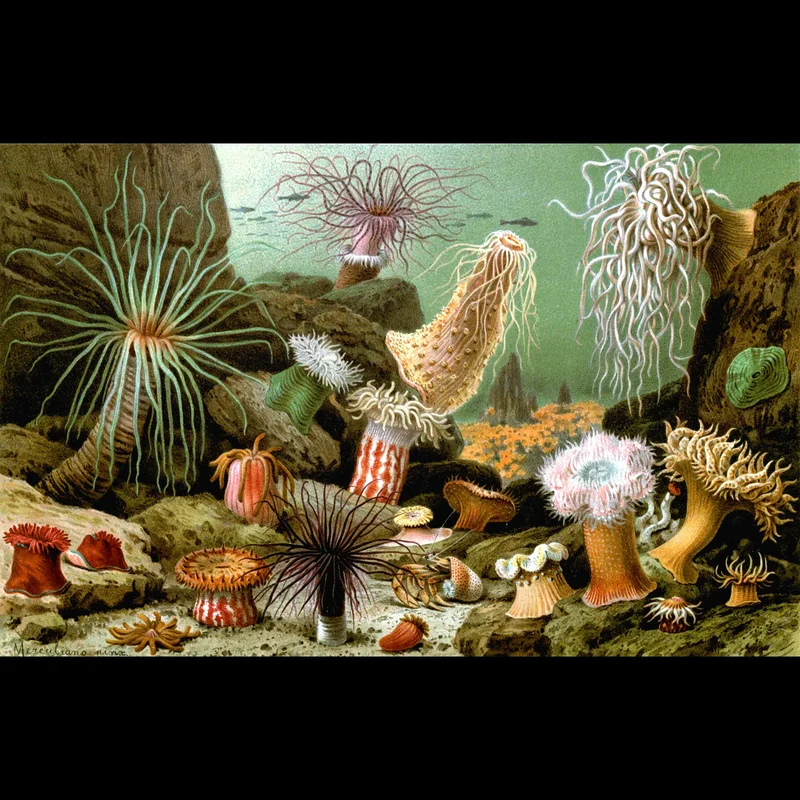
Smaller creatures thrive here, including seahorses, a wide array of colorful nudibranchs, and various species of shrimps. Anemones, often hosting clownfish, add vibrant splashes of color against the artificial structures and the sand slope.
Dive Sites Near Cars
View all dive sites in PhilippinesDiscover more underwater gems in this area.
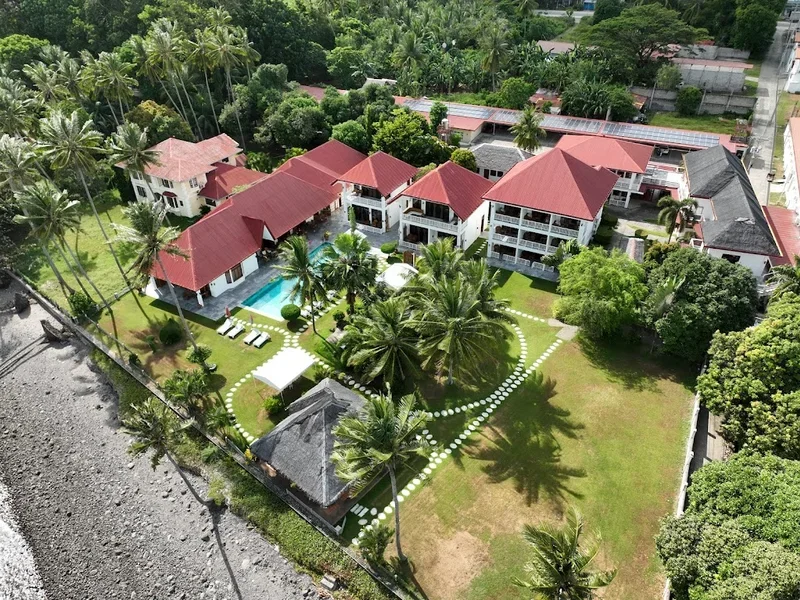
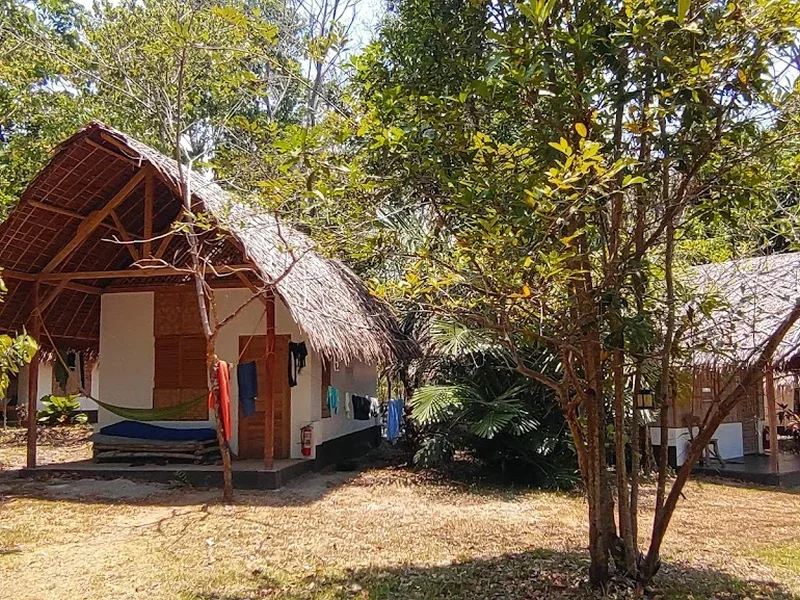
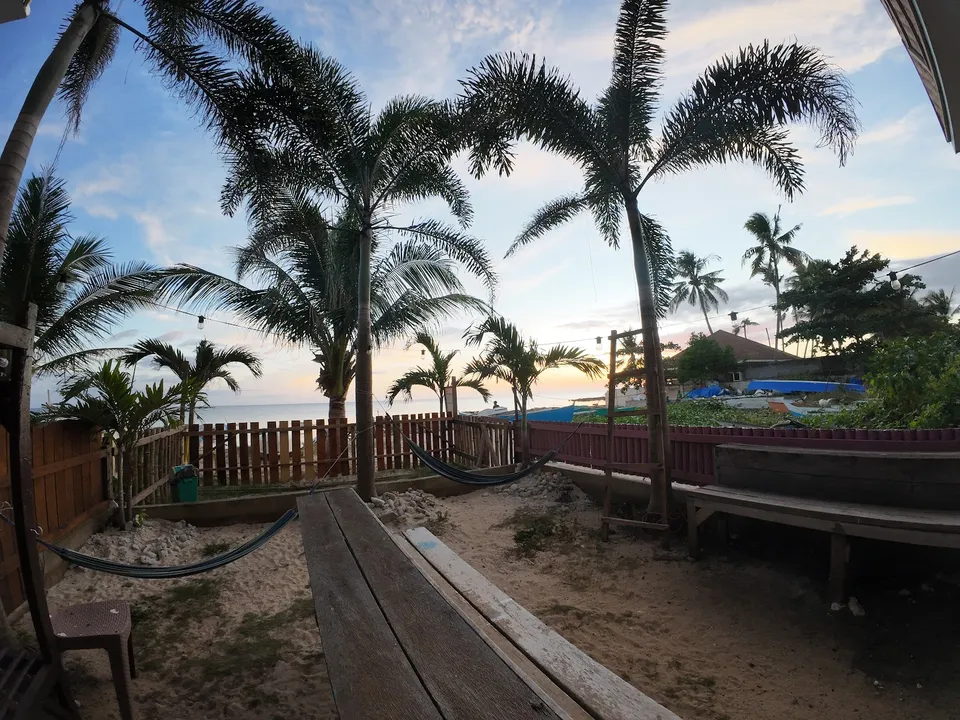
Dive Centers Near Cars
Today: 08:00 - 17:00
Nearest Airports
Nearest airports to help plan travel to this dive area.
Search Flights
Check available flights and routes on Expedia, using the nearby airports listed in this section.
Search Flights on ExpediaFrequently Asked Questions
What is the maximum depth at The Car Wrecks?
Recreational diving at Car Wrecks reaches a maximum depth of 30 m (98 ft). Divers can explore both shallower artificial reef components and deeper sandy slope sections effectively.
What type of dive site is The Car Wrecks?
Car Wrecks combines an artificial reef and muck dive, featuring concrete tubes, steel boxes, and two sunken cars. It also includes a sandy slope that connects to the shore, offering diverse habitats.
What marine life can I expect to see here?
Divers commonly encounter moray eels, lionfish, blue-spotted stingrays, and frogfish. The site is also excellent for macro photography, with abundant seahorses, nudibranchs, shrimps, and anemones with clownfish.
Is The Car Wrecks suitable for novice divers?
Yes, Car Wrecks is considered suitable for novice divers. While currents can vary, they are generally light to moderate, and the maximum depth is within recreational limits for certified divers.
What are the typical water temperatures and visibility?
Water temperatures are consistently warm, ranging from 27-31°C (81-88°F). Visibility typically extends up to 15 m, though it can fluctuate based on specific conditions.
Can divers enter the sunken cars?
Yes, divers can safely swim inside the sunken cars that form part of the artificial reef. This adds a unique wreck diving dimension to the overall experience at the site.
What PADI courses are recommended for this site?
PADI Open Water Diver and Advanced Open Water Diver certifications are useful for exploring this site. An Enriched Air Diver course can also be beneficial for those looking to maximize their bottom time.
Planning to dive Cars?
Send one inquiry and receive offers directly from the best verified local dive operators.
Conditions are Excellent
07:00 - 14:00
Optimal conditions expected
Current conditions near Cars show 26° air, 30° sea temperature, 0.5 m waves, and 27 km/h wind. Forecast data is refreshed regularly to ensure accuracy.