
Diving at San Miguel (Philippines)
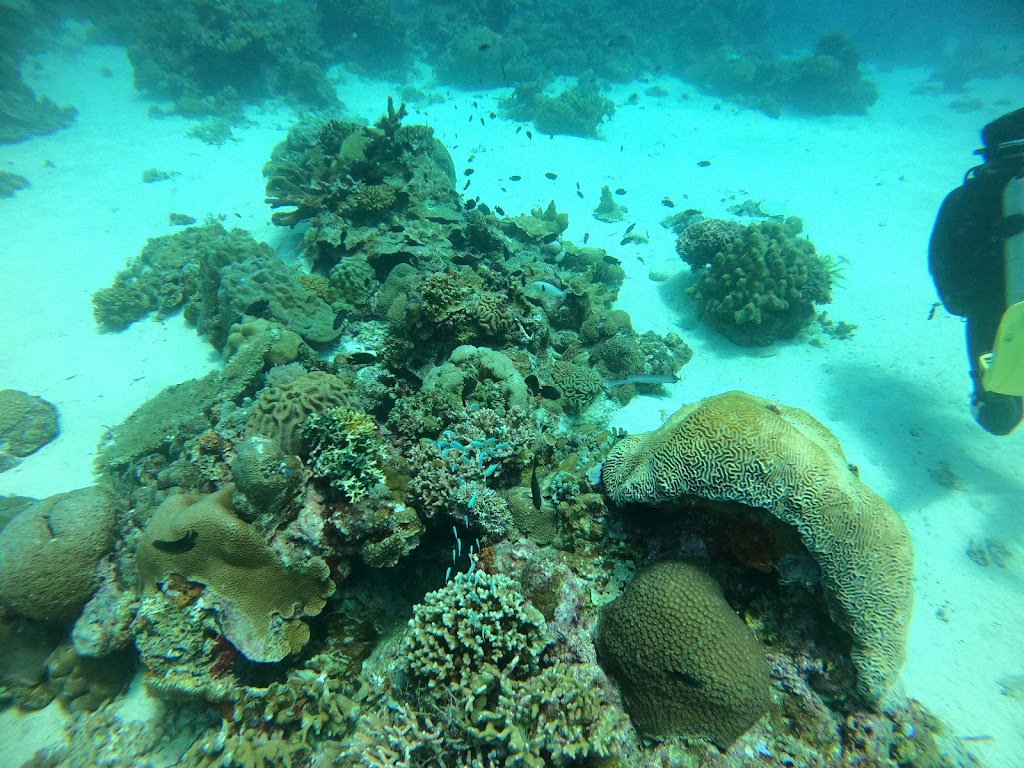
Approaching San Miguel, divers first encounter a gentle sandy slope that transitions into a vibrant coral formation. This immediate contrast sets the scene for a dive site celebrated for its macro life and diverse underwater topography. Adjacent to an amazing muck site, the area quickly reveals its potential for discovering unique critters right from the initial descent.
As evening covers San Miguel, the local air temperature is measured at 31°C. The current wave height at the surface is recorded at 0.3 m. These late-day readings characterize the surface conditions for the night.
Dive Site Location & Key Facts
Dive Site Overview
The established reputation of San Miguel as a premier critter diving destination within Dauin is well-deserved. Divers access the site via a brief boat ride, encountering a layout that primarily comprises a shallow sandy area.
This begins often around 2.5 m (8 ft) deep, gradually sloping down to greater depths. This expansive sandy area eventually meets a thriving coral reef to the north, offering a varied dive experience from one zone to the next. Explorers can find soft corals and coral bommies scattered throughout the site, providing essential shelter and hunting grounds for a wide array of marine species.
Deeper sections incorporate strategically placed scattered tires, creating an ideal habitat for specific creatures like frogfish. The site, found within Dauin, generally presents comfortable water temperatures ranging from 25° to 28°C (77° to 82°F).
Visibility typically holds between 10 to 15 m (30 to 50 ft), offering ample clarity for detailed observation. It's a site that inherently emphasizes slow, meticulous exploration rather than swift drifts, creating unhurried conditions perfect for critter hunting and macro photography.
Conditions are Excellent
07:00 - 14:00
Optimal conditions expected
Current conditions near San Miguel show 31° air, 30° sea temperature, 0.5 m waves, and 25 km/h wind. Forecast data is refreshed regularly to ensure accuracy.
Best Time to Dive
Considering dive conditions, San Miguel offers favorable periods throughout much of the year, with optimal conditions generally experienced from October to June during the region's drier season. During these months, average air temperatures are pleasant, often around 27-28°C (81-82°F), creating comfortable topside conditions. Rainfall tends to be minimal from February to May, with average monthly precipitation often below 5 mm, contributing to better visibility potential. Wave heights are typically lower during April and May, averaging between 0.31 and 0.4 meters, indicating calmer surface conditions. While diving is possible year-round, these periods align with lower chances of disruption from weather, reflected in higher dive scores during April, May, and August.
PEAK SEASON SCORE
Scores combine air & water temps, waves, wind & rainfall for overall conditions.
BEST MONTHS TO DIVE
Monthly records compiled from satellite and marine observation nodes over the last 3 years. Data provided by Open-Meteo and MET Norway.
Dive Experience & Conditions
Descending into San Miguel feels like entering an underwater treasure hunt, where the focus shifts to meticulous observation of small details. The site is characterized by its gentle sandy slope and seagrass beds, inviting divers to slowly glide over the terrain in search of camouflaged life. You might begin in the shallow sandy area, perhaps 5 m (15 ft) deep, spotting a juvenile frogfish or a pair of dragon sea moths. As the dive progresses, encountering a light brown hairy frogfish tucked behind a rock at around 7 m (23 ft) is not uncommon. While the region can experience medium currents on some sites, San Miguel's conditions generally allow for relaxed exploration. Water temperatures consistently hover between 25° and 28°C (77° and 82°F). Visibility within Dauin's dive sites, including San Miguel, typically ranges from 10 to 15 m (30 to 50 ft), providing adequate clarity for macro photography and critter identification.
Dive Difficulty & Safety Guidelines
An experienced diver will approach San Miguel with a focus on refined buoyancy control, particularly due to its muck diving nature and the need for close observation of delicate marine life. This site often involves slow movement across sandy bottoms and near coral structures, making precise trim essential to avoid disturbing the environment. While most dives here are shallow, with a maximum depth of 30 meters (98 ft), being aware of your dive profile and no-decompression limits is always prudent.
Given that medium currents can sometimes occur in the broader Dauin area, carrying a surface marker buoy (SMB) and knowing how to deploy it is a practical expert tip. Maintaining your dive gear ensures reliability and comfort during these detail-oriented explorations.
Recommended Equipment
- Dive Computer
- DSMB
This gear list is based on verified equipment signals for San Miguel, Philippines. Always confirm final gear choices with your dive operator, guide, or liveaboard.
Recommended Dive Suit
Divers planning deeper dives may feel cooler than those staying in shallower areas.
Many divers find that dive skin or rash guard offers a comfortable balance between warmth and mobility. A hood or vest is suggested for sensitive divers due to surface winds. Surface temperatures may decrease slightly later in the week. Cooler days are ahead; you might want a warmer option for later in the week. Carrying a secondary suit is common practice among experienced divers.
Divers heading to San Miguel today should expect water temperatures around 30°C (86°F). Surface air temperatures are resting at 31°C (87°F).
Emergency & Medical Support
Essential information to help you plan your dive trip to San Miguel.

Hyperbaric chambers are a critical part of dive safety infrastructure. Availability varies significantly by region, and not all dive areas have immediate access.
Before diving, it's recommended to:
- confirm nearest medical facilities
- check emergency procedures with local dive operators
- ensure dive insurance covers evacuation if required
Divers Alert Network
Diving emergency assistance available through DAN World.
+1-919-684-9111- 24/7 emergency hotline
- Diving medical assistance
- Evacuation coordination
Emergency contacts are provided for reference. Always verify local emergency services before diving.
Marine Life at San Miguel
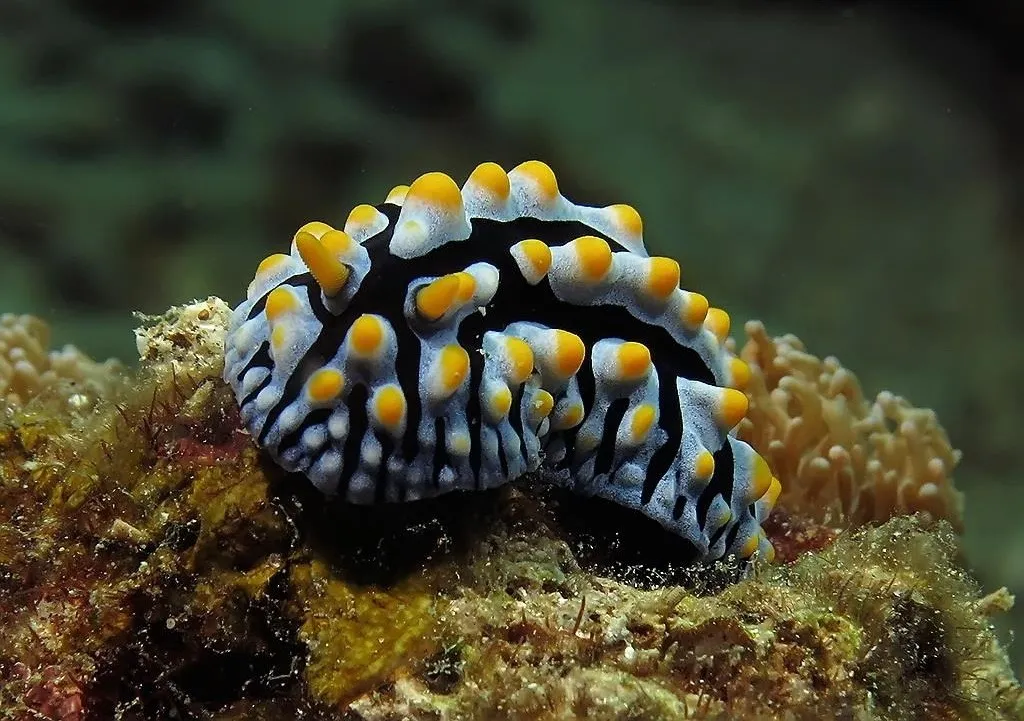
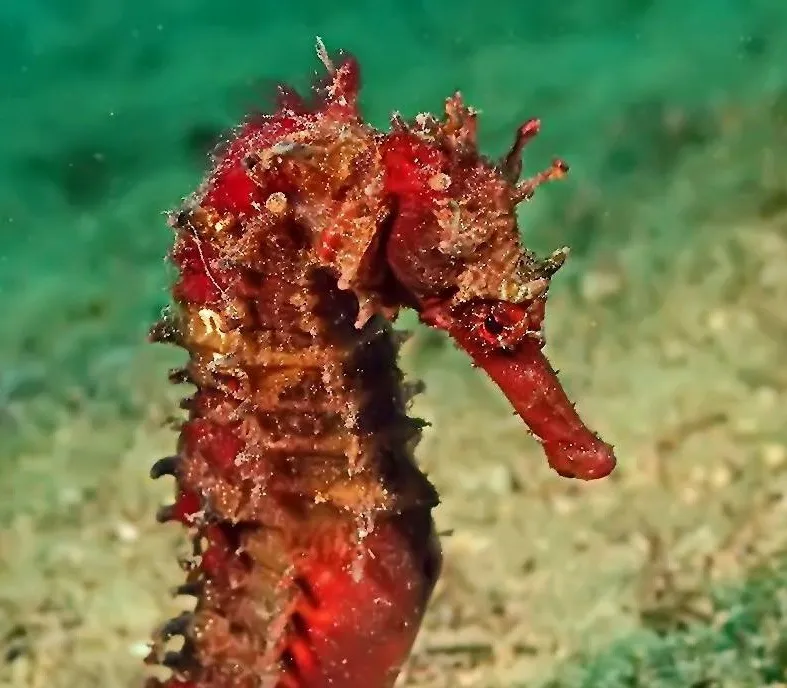
The underwater landscape at San Miguel is a mosaic supporting diverse macro life across its varied habitats. The gentle sandy slope and expansive seagrass areas are prime locations for spotting unique nudibranchs, including the distinctive sheep nudis, as well as various seahorses and frogfishes.
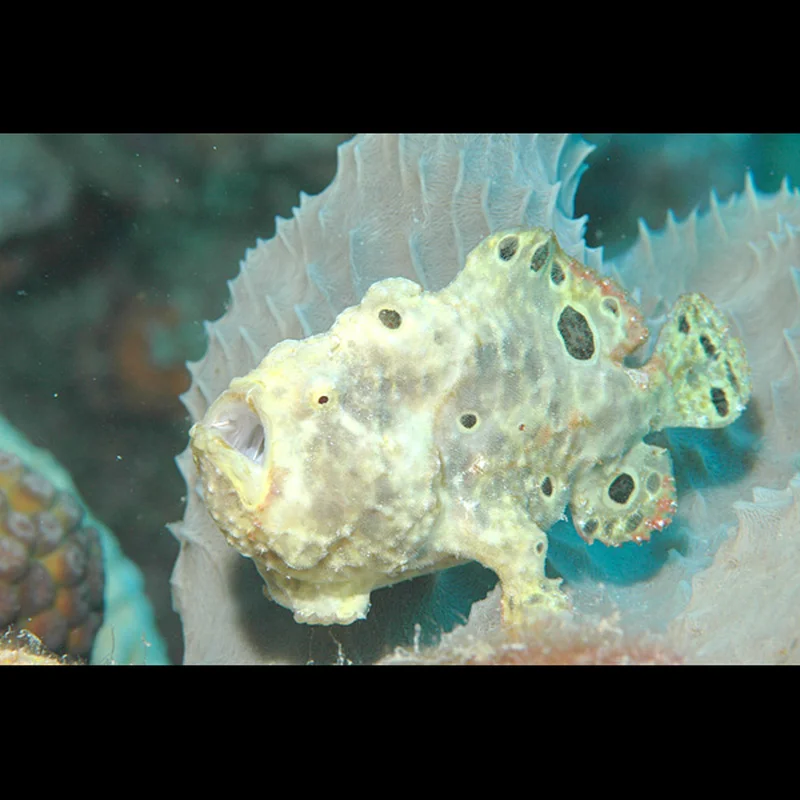
Specific encounters often include yellow juvenile frogfish resting on the sand, dragon sea moths crawling along the bottom, and well-camouflaged hairy frogfish utilizing natural cover. Divers exploring the coral reef sections and coral bommies might encounter a different array of inhabitants, while scattered tires in deeper parts of the site provide hideouts for additional frogfish species.
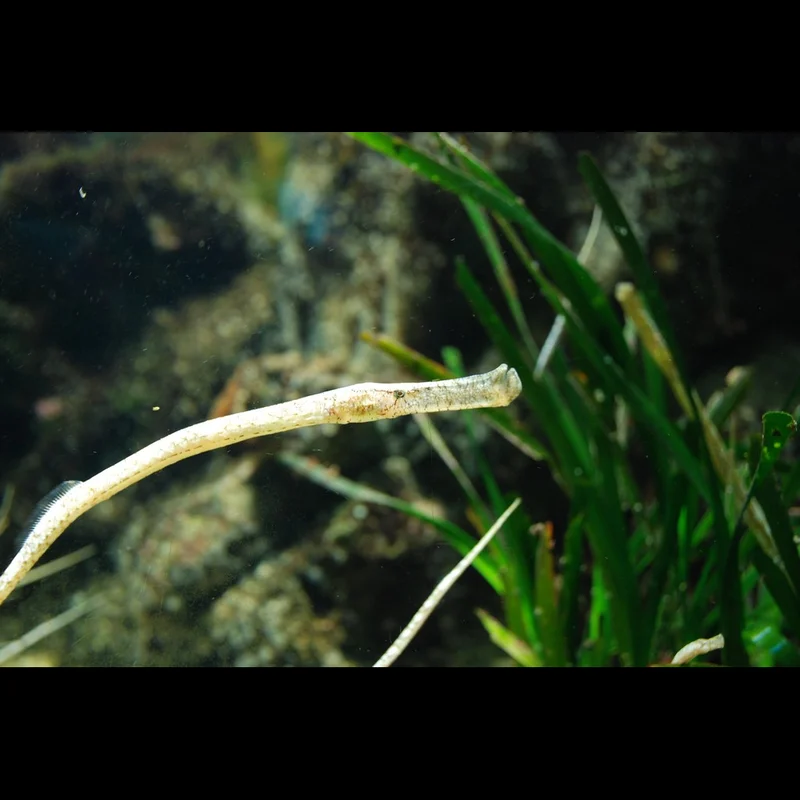
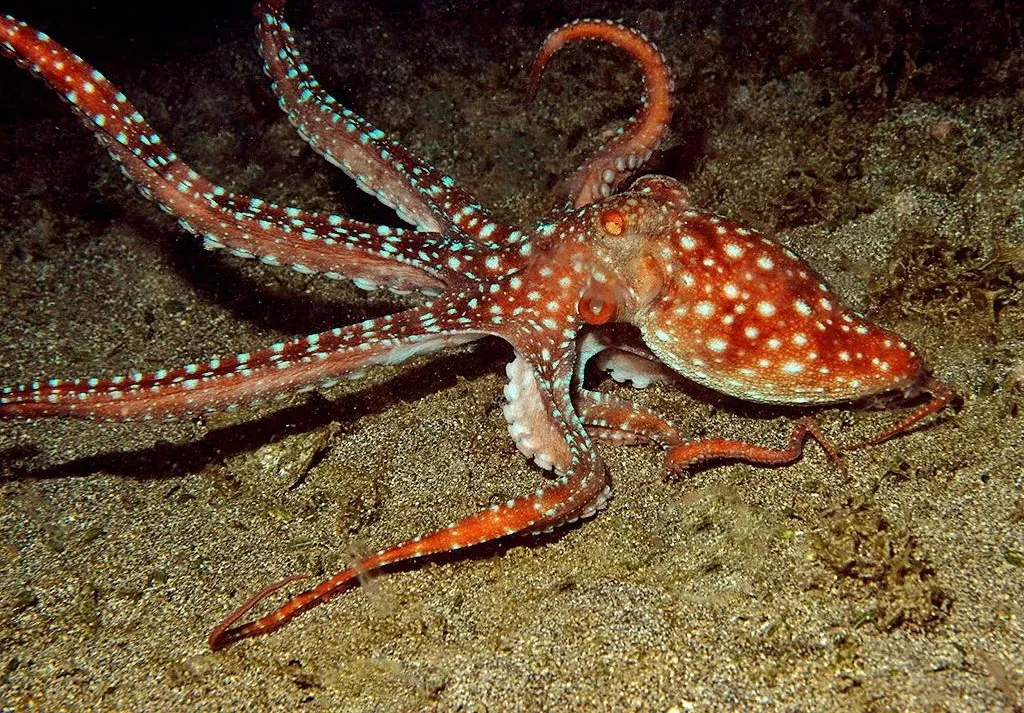
Ghost pipefish, spiny devilfish, and octopuses are also regularly observed throughout this rich ecosystem.
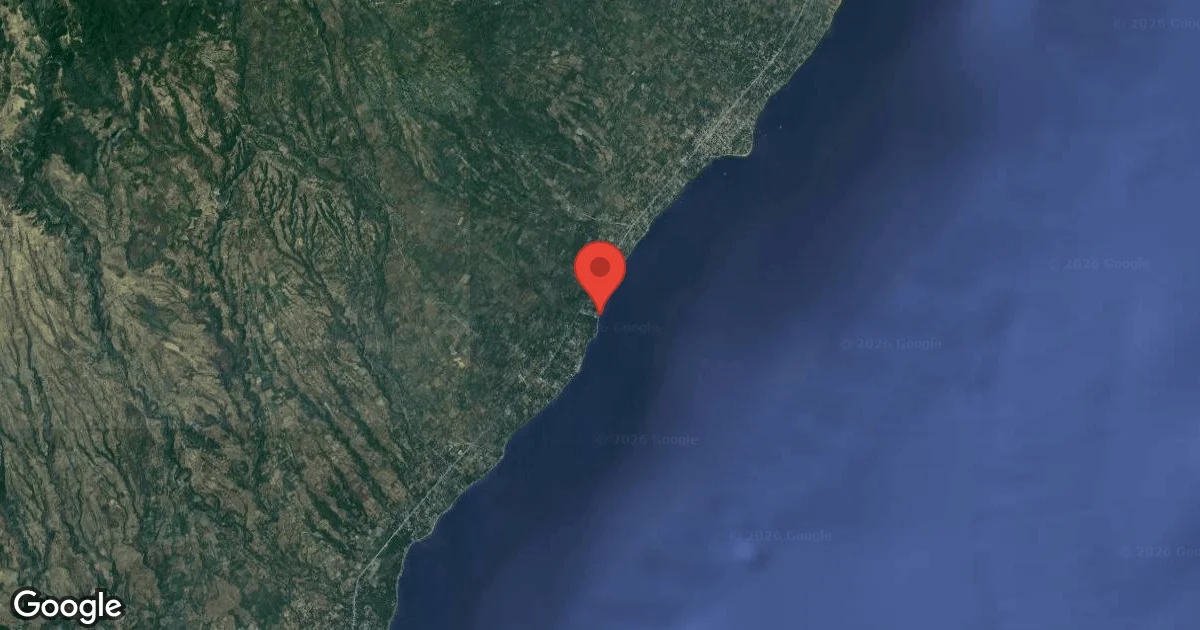
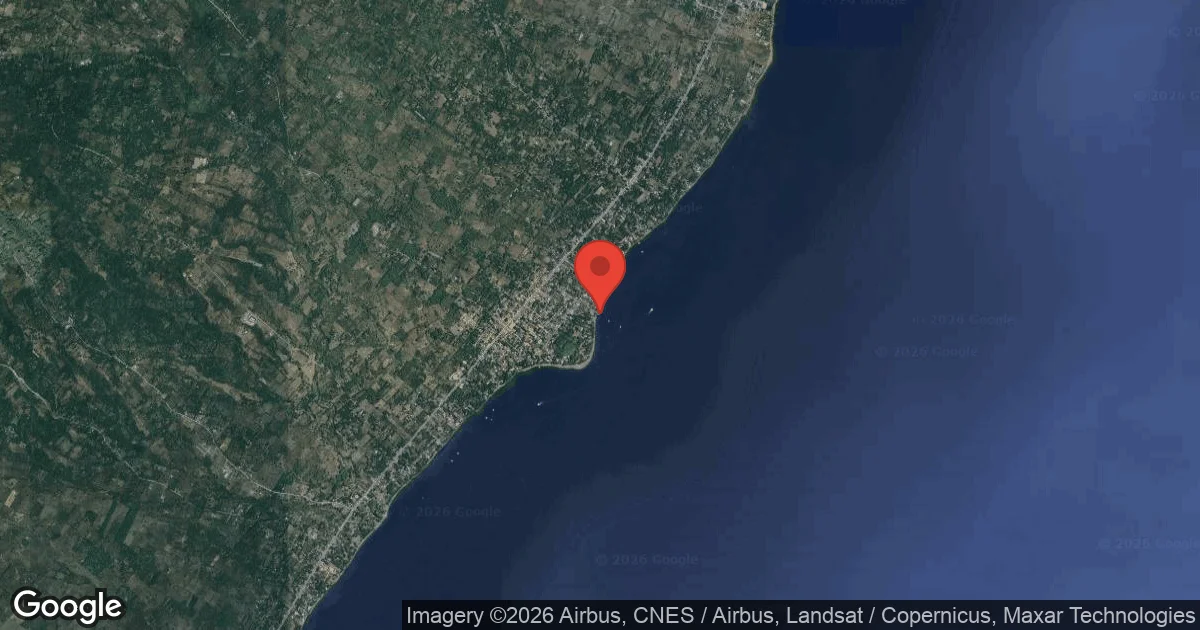
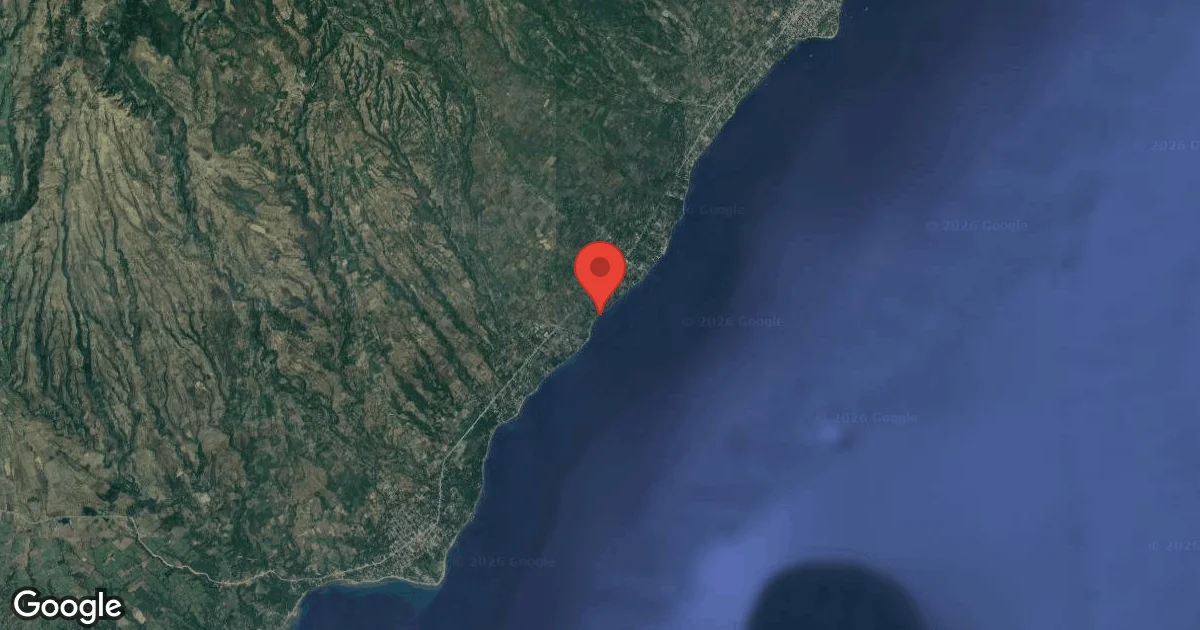
Dive Sites Near San Miguel
View all dive sites in PhilippinesDiscover more underwater gems in this area.
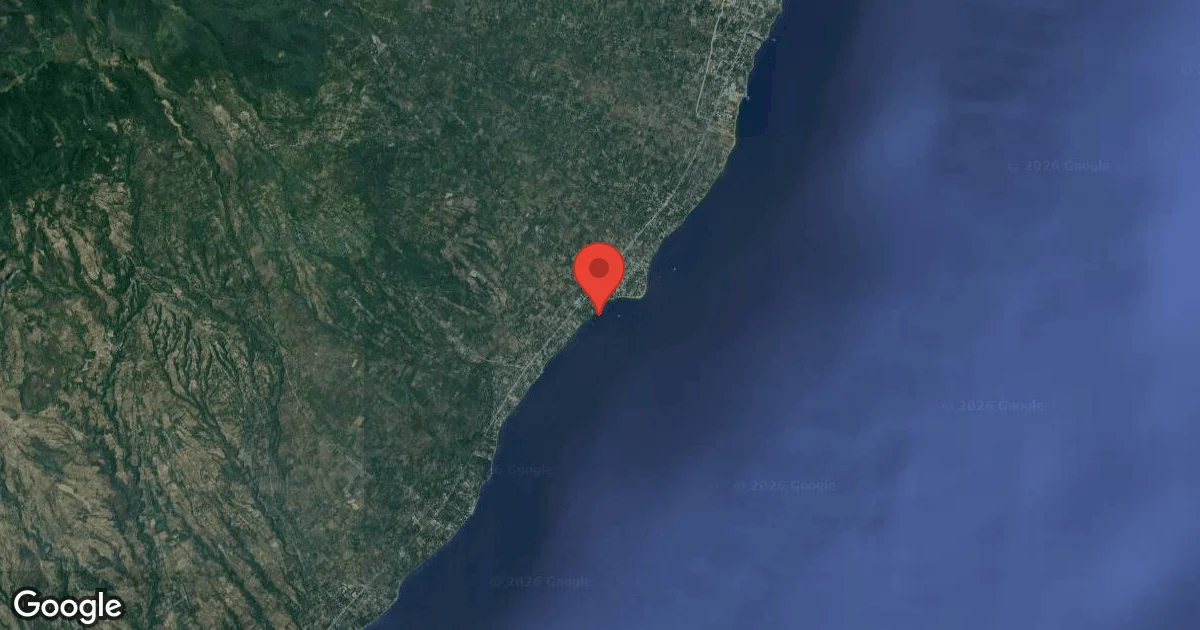
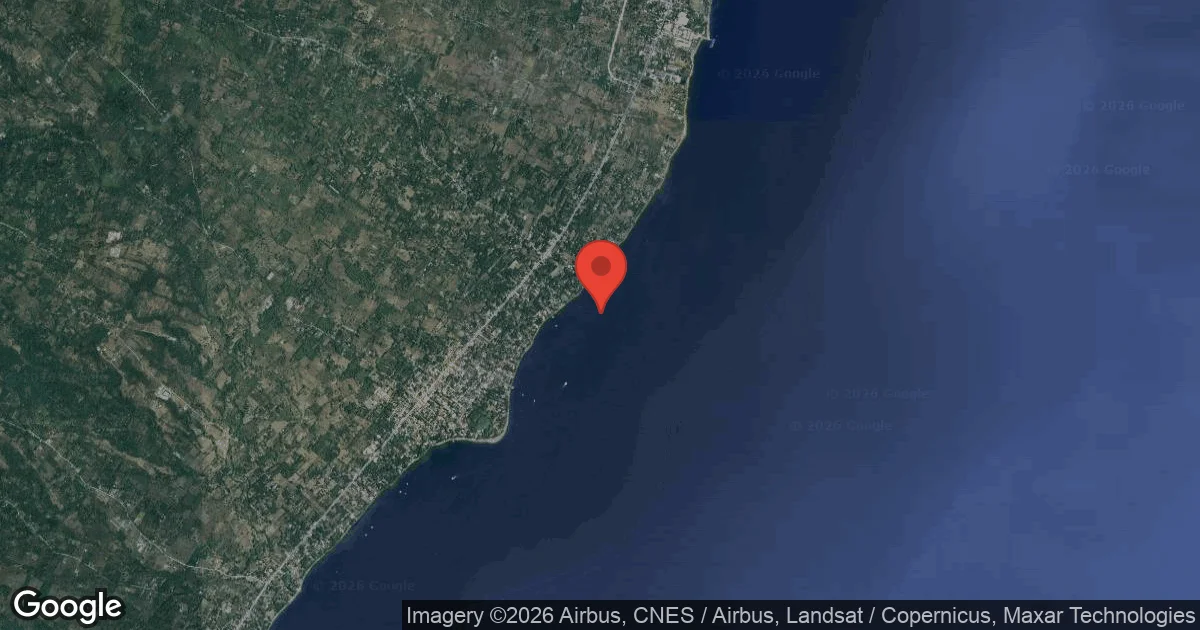
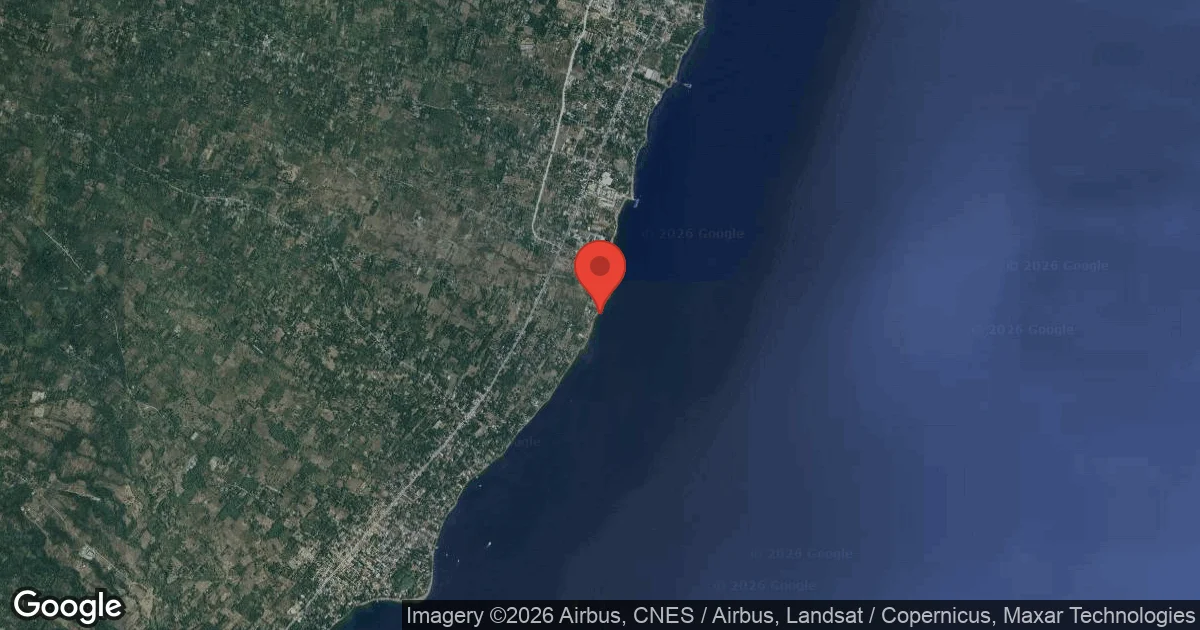
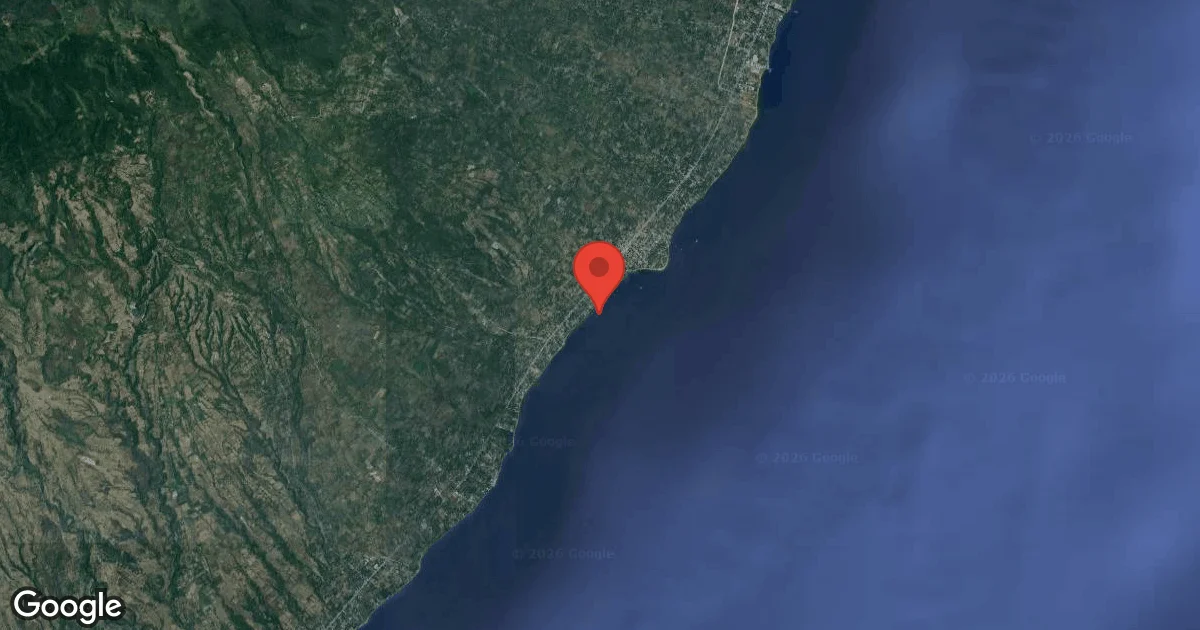
Dive Centers Near San Miguel
Today: 08:00 - 17:00
Nearest Airports
Nearest airports to help plan travel to this dive area.
Search Flights
Check available flights and routes on Expedia, using the nearby airports listed in this section.
Search Flights on ExpediaFrequently Asked Questions
What type of diving is San Miguel best known for?
San Miguel is primarily known for its excellent muck diving and critter hunting opportunities. Divers focus on discovering a wide variety of macro marine life across sandy slopes and seagrass beds.
What is the typical depth range at San Miguel?
Dives often commence in shallow areas, starting around 2.5 meters. The site progressively slopes, reaching its maximum depth of 30 meters, providing diverse exploration opportunities.
When is the best time of year to dive San Miguel?
The period from October to June is generally considered the best time to dive San Miguel. These months fall within the region's dry season, offering more stable weather, calmer seas, and minimal rainfall.
What kind of marine life can I expect to see?
Divers can expect to encounter an abundance of macro life, including various nudibranchs, seahorses, and multiple species of frogfish. Other sightings may include dragon sea moths, octopuses, cuttlefish, and ghost pipefish.
How are the currents at San Miguel?
Currents at San Miguel are typically manageable, allowing for detailed critter searching. While some sites in the broader Dauin area can experience medium currents, San Miguel's conditions generally permit relaxed exploration.
What are the visibility conditions like?
Visibility at San Miguel, consistent with other Dauin dive sites, typically ranges from 10 to 15 m (30 to 50 ft). This clarity is usually sufficient for macro observation and photography.
How do I get to San Miguel dive site?
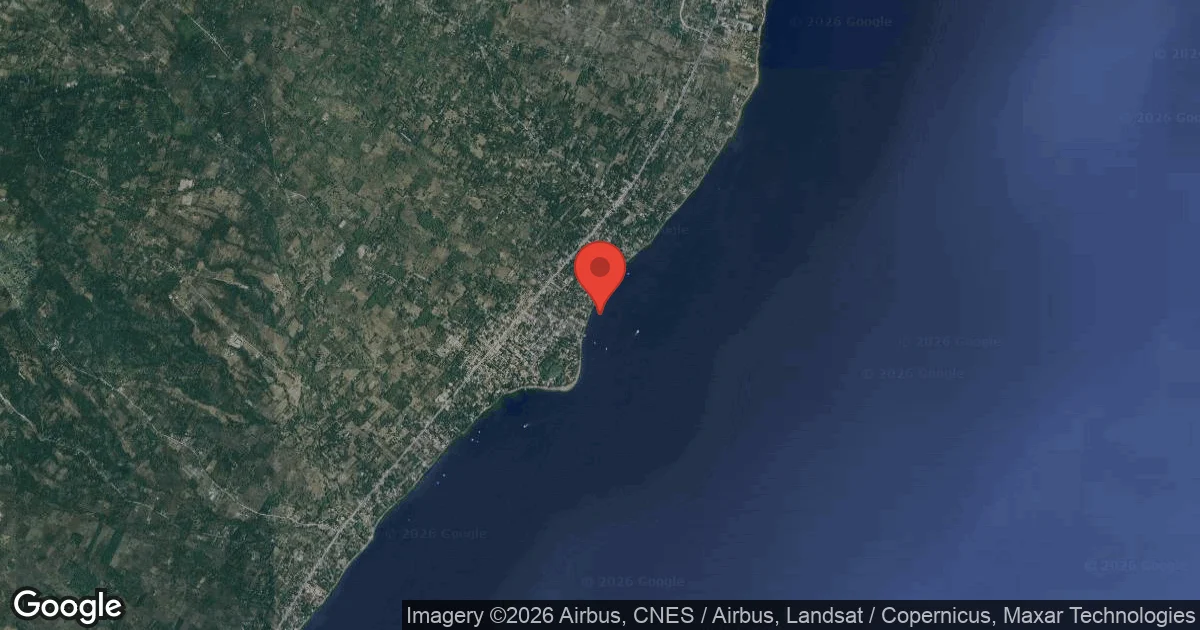
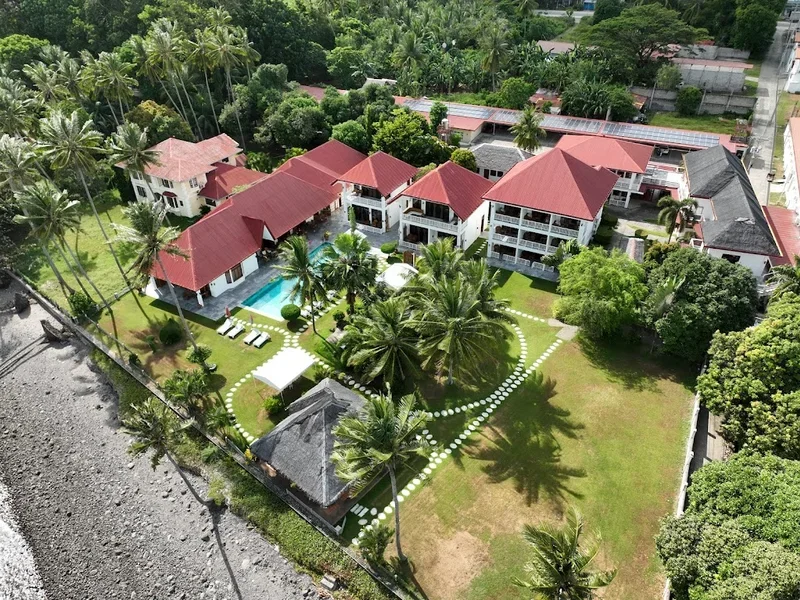
Accessing San Miguel is straightforward, typically a one-minute boat ride from Atlantis Dive Resort Dumaguete. Dauin resorts are generally a short taxi trip from Dumaguete, which connects via direct flights from Manila (MNL).
Planning to dive San Miguel?
Send one inquiry and receive offers directly from the best verified local dive operators.
Conditions are Excellent
07:00 - 14:00
Optimal conditions expected
Current conditions near San Miguel show 31° air, 30° sea temperature, 0.5 m waves, and 25 km/h wind. Forecast data is refreshed regularly to ensure accuracy.