
Diving at Sahara (Philippines)
Sahara presents a diverse depth profile, inviting divers to explore artificial reefs before descending to a sandy slope. Maximum depth is reported at 30 m / 98 ft, and the site is often divided into 'Sahara Deep' and 'Sahara Shallow' due to its extensive underwater landscape. This includes coral heads and specialized muck diving opportunities, providing varied experiences for different certification levels.
Tonight's objective overview for Sahara shows an air temperature of 25°C. The measured surface conditions include wave heights around 0.7 m. This environmental data is logged for the close of the day.
Dive Site Location & Key Facts
Dive Site Overview
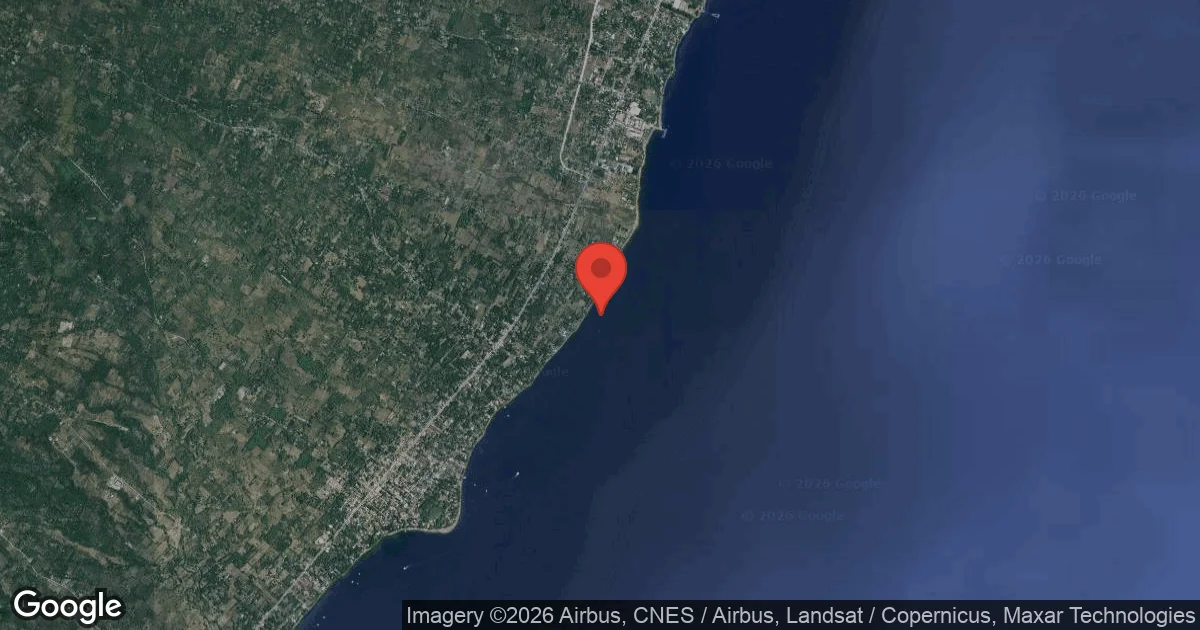
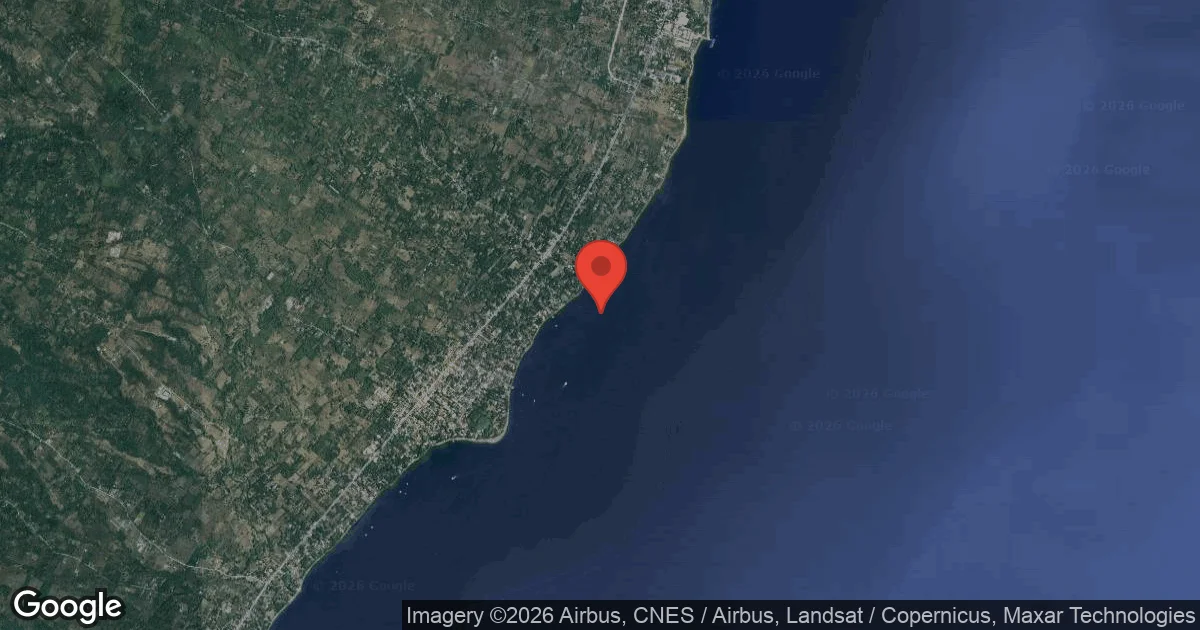
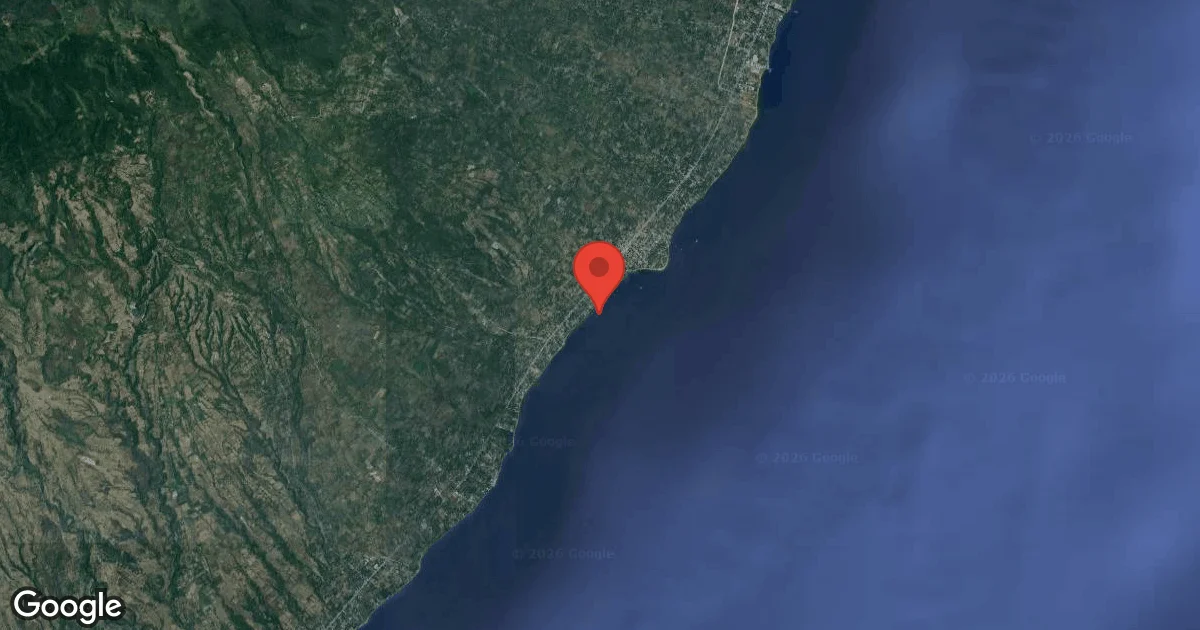
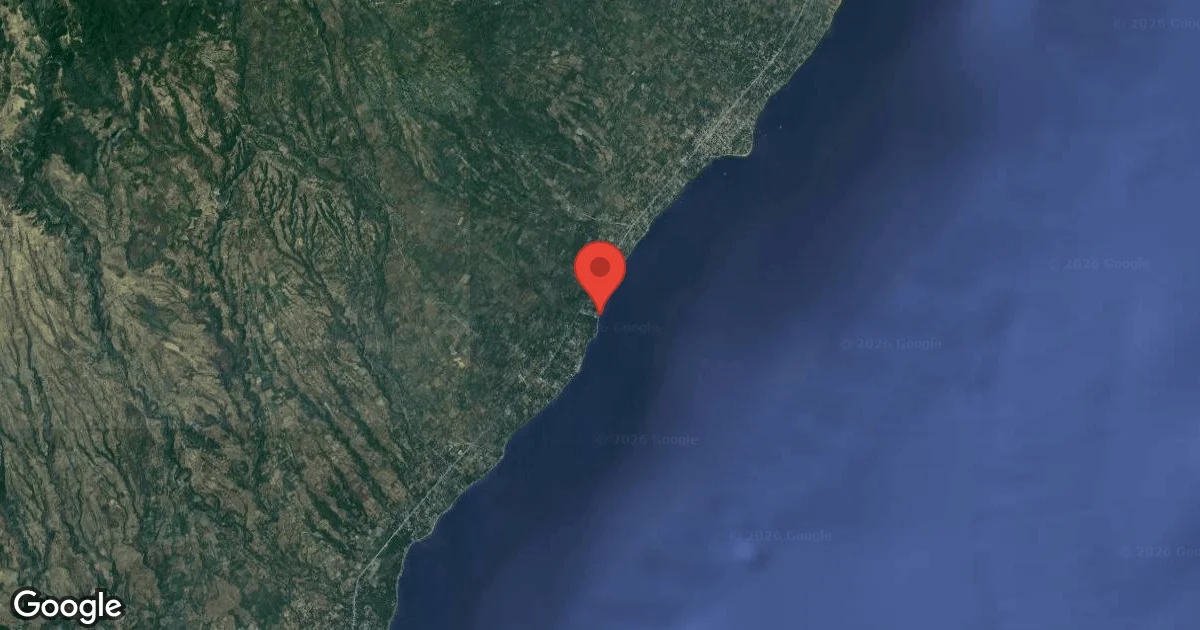
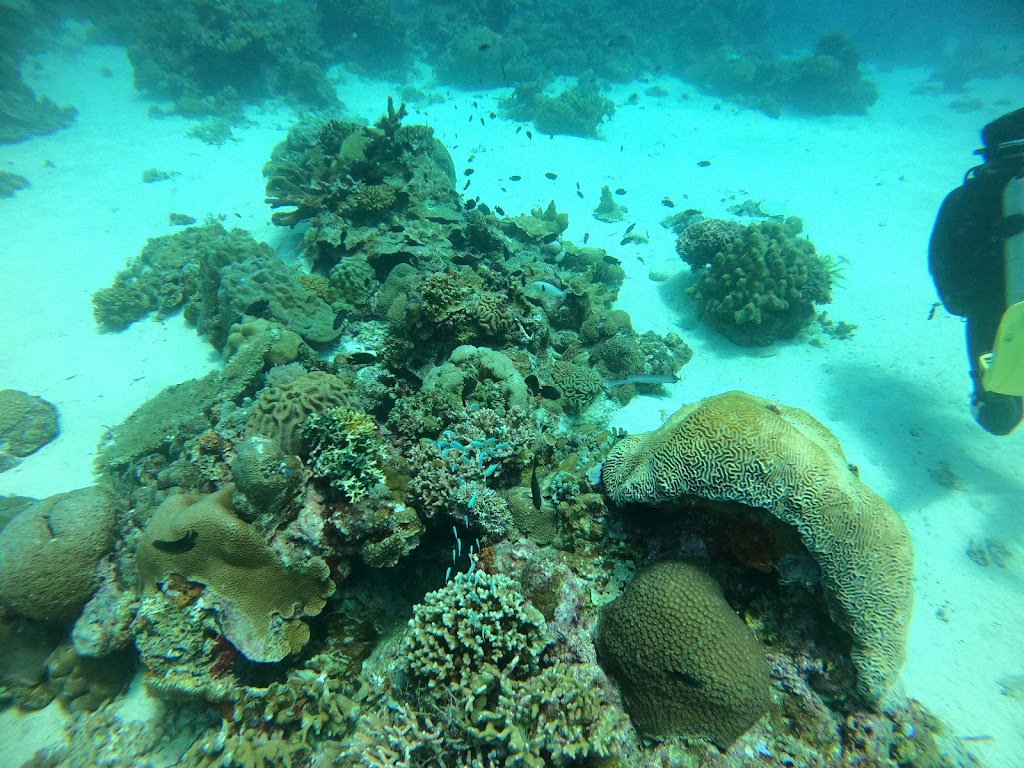
Sahara features a fascinating mix of natural and artificial underwater landscapes off the coast of Dauin, Dumaguete. Divers typically begin their exploration among a collection of artificial reef structures, including crates of bottles, concrete reef balls, and two old boats.
These intentionally scuttled items provide a foundational habitat, drawing a range of marine species. Beyond these structures, a distinct sandy slope gradually descends, offering different substrates for specialized macro life and unique bottom dwellers. Moving further, divers discover patchy coral gardens, which, despite fragmented appearance, host a surprising variety of reef fish and critters.
Expansive sand banks define much of the site's character, earning it the name "Sahara". Varied topography makes it suitable for splitting into 'Sahara Deep' and 'Sahara Shallow' dives, allowing comprehensive exploration of both shallower coral and artificial reefs, and deeper sandy muck areas.
Such a location caters to those interested in wide-angle reef scenes and detailed macro photography. Accessibility from either boat or shore makes planning straightforward for many operations.
Conditions are Good
Optimal conditions expected
Current conditions near Sahara show 25° air, 30° sea temperature, 0.5 m waves, and 30 km/h wind. Forecast data is refreshed regularly to ensure accuracy.
Best Time to Dive
Optimal conditions for diving Sahara often align with months experiencing lower rainfall and calmer seas, enhancing underwater visibility. April and May typically see lower average rain (around 1.7-4.8 mm), combined with minimal wave heights (0.3-0.4 m), contributing to excellent dive scores. Air temperatures during these months average between 28.5°C / 83°F, making for comfortable surface intervals. While good diving is possible year-round, conditions between December and June are frequently favorable. Wind speeds during April and May tend to be lower, averaging 16.3-19.6 km/h, which helps keep the water settled. Varying wave heights occur throughout the year, from a minimum average of 0.3 m / 1.0 ft in May to a maximum of 0.7 m / 2.3 ft in February. Planning around calmer periods maximizes chances of optimal visibility, crucial for spotting the site's diverse macro life and appreciating its artificial and natural reef structures.
PEAK SEASON SCORE
Scores combine air & water temps, waves, wind & rainfall for overall conditions.
BEST MONTHS TO DIVE
Monthly records compiled from satellite and marine observation nodes over the last 3 years. Data provided by Open-Meteo and MET Norway.
Dive Experience & Conditions
Dropping into Sahara, an initial sensation of discovery greets divers as artificial structures emerge from the blue. Navigating the artificial reef section involves a purposeful exploration, examining crates and concrete blocks now teeming with activity. A gradual shift occurs to a more introspective mood when moving over the sandy slope, requiring a keen eye to spot camouflaged critters inhabiting the soft bottom. Water temperatures, though not consistently reported for this specific site, generally track warm air temperatures averaging between 27-28.5°C / 81-83°F throughout the year, suggesting a comfortable dive environment without the need for thick wetsuits. Currents vary, but the site generally accommodates a wide range of diver experience. Patience pays off here; scanning the sand reveals intricate details of garden eels and various crustaceans. Transitioning to patchy coral gardens provides a burst of color and different fish behaviors, completing a diverse sensory journey underwater.
Dive Difficulty & Safety Guidelines
While no specific hazards are reported for Sahara, general dive safety practices apply, especially given the site's varied topography and potential for deeper sections. Divers should always plan their dive within certification limits, particularly when exploring the sandy slope that reaches around 26 m / 85 ft. Awareness of your buddy and surroundings is key among artificial reef structures and in areas with patchy coral.
Currents can be present and may vary, so monitoring conditions and communicating with your dive guide is advisable. Maintaining good buoyancy control is essential to protect delicate marine life, both in natural coral areas and around artificial habitats.
Carry a Surface Marker Buoy (SMB) for safe ascent and surface visibility, a standard safety tool for any open water dive. PADI Open Water and Advanced Open Water certifications are recommended for full exploration.
Recommended Equipment
- Dive Computer
- DSMB
This gear list is based on verified equipment signals for Sahara, Philippines. Always confirm final gear choices with your dive operator, guide, or liveaboard.
Recommended Dive Suit
Forecast trends indicate similar diving conditions over the next few days.
Many experienced divers would consider dive skin or rash guard an appropriate choice here. Consider warmer surface protection (like a boat coat) due to brisk winds.
Current dive conditions indicate that water temperatures around Sahara are sitting at roughly 30°C (85°F). Surface air temperatures are resting at 25°C (77°F).
Due to technical issues with our weather providers, live updates are temporarily delayed. The data above reflects the conditions at the time of the last successful fetch.
Emergency & Medical Support
Essential information to help you plan your dive trip to Sahara.

Hyperbaric chambers are a critical part of dive safety infrastructure. Availability varies significantly by region, and not all dive areas have immediate access.
Before diving, it's recommended to:
- confirm nearest medical facilities
- check emergency procedures with local dive operators
- ensure dive insurance covers evacuation if required
Divers Alert Network
Diving emergency assistance available through DAN World.
+1-919-684-9111- 24/7 emergency hotline
- Diving medical assistance
- Evacuation coordination
Emergency contacts are provided for reference. Always verify local emergency services before diving.
Marine Life at Sahara
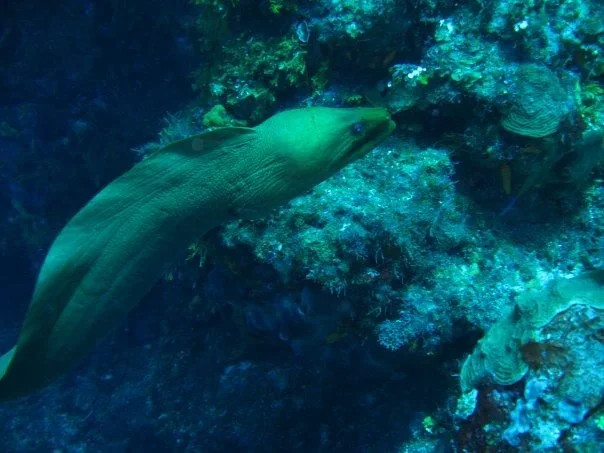
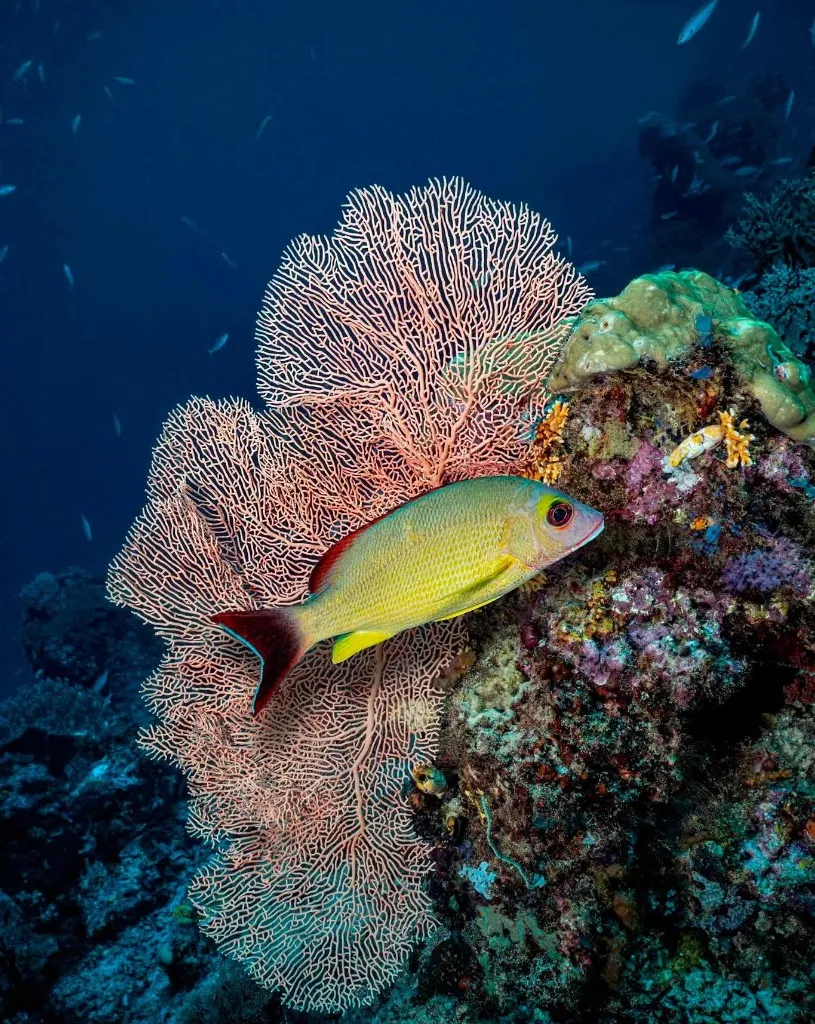
Sahara's underwater environment provides a rich habitat for an impressive array of marine life, appealing to both macro enthusiasts and those seeking reef fish. Artificial reefs are busy with fang blennies, snappers, gropers, and moray eels, while thousands of cardinalfish school around the boat wrecks.
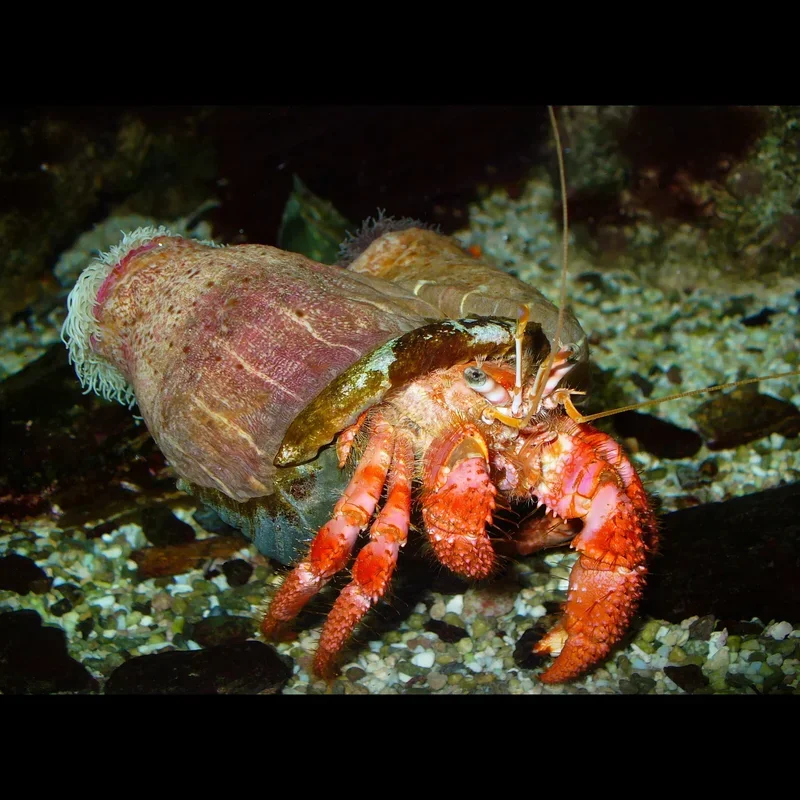
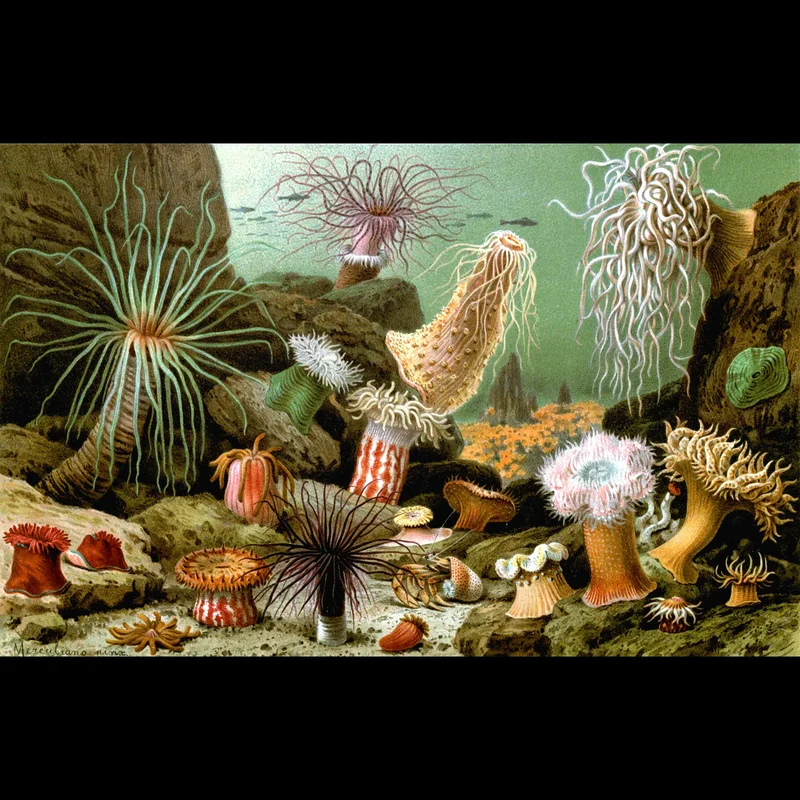
Moving to the sandy slope, divers can observe garden eels swaying from the substrate, snake eels, various hermit crabs, and intricate shrimp gobies alongside mantis shrimps. Tube anemones often host commensal shrimps and the charming harlequin crab.
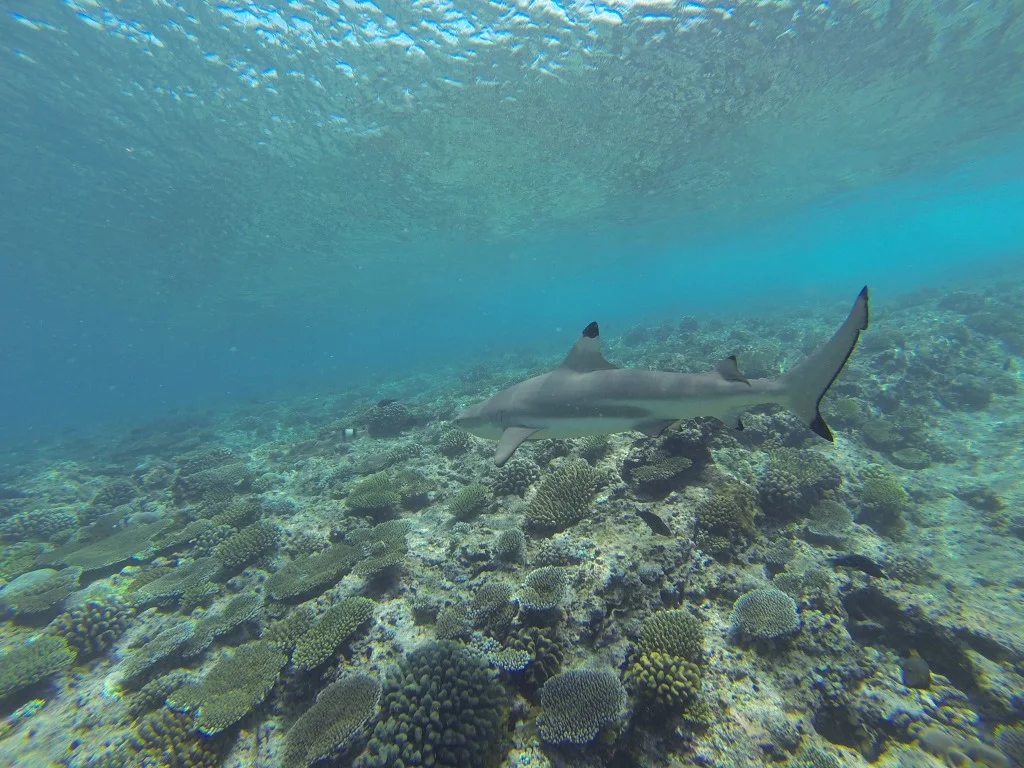
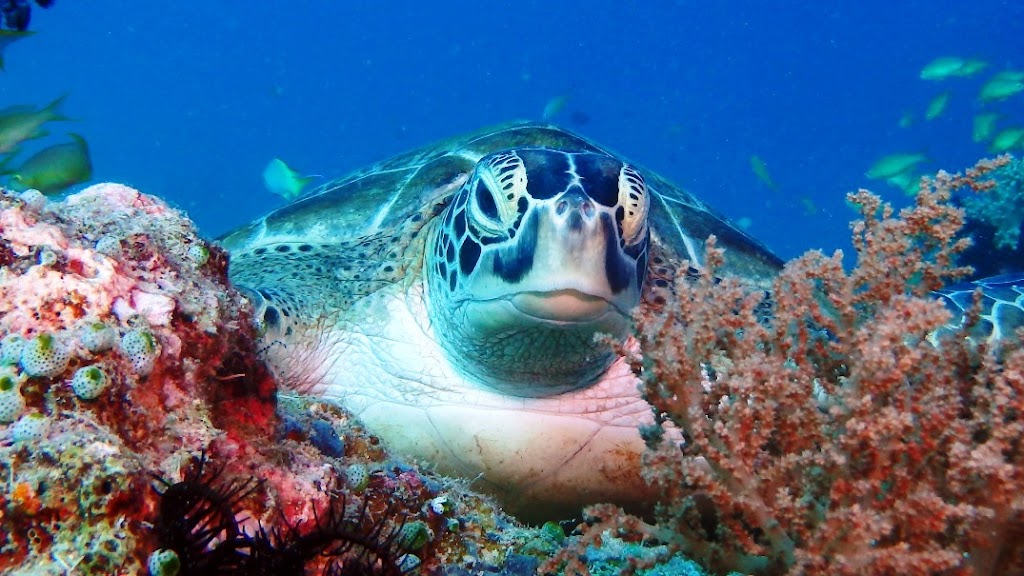
Within patchy coral gardens, expect to find ornate ghostpipefish, well-camouflaged painted frogfish, elusive octopus, lionfish, and the distinctive thorny seahorse. Some reports indicate sightings of sharks, whales, dolphins, and turtles, adding to the site's potential for diverse encounters.
Dive Sites Near Sahara
View all dive sites in PhilippinesDiscover more underwater gems in this area.
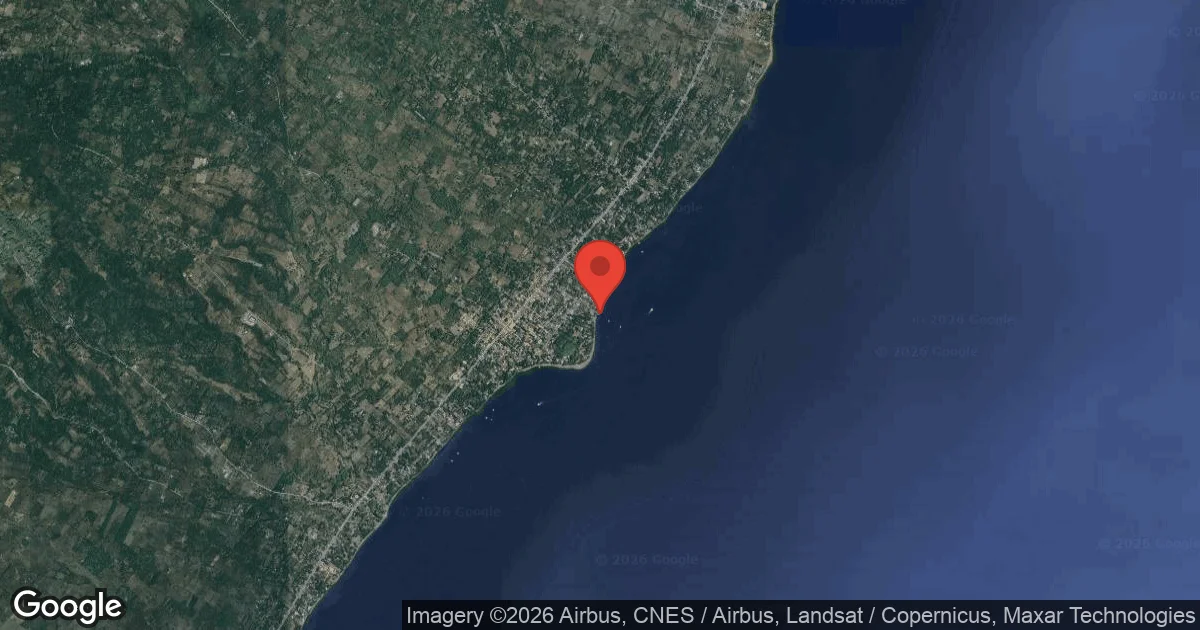
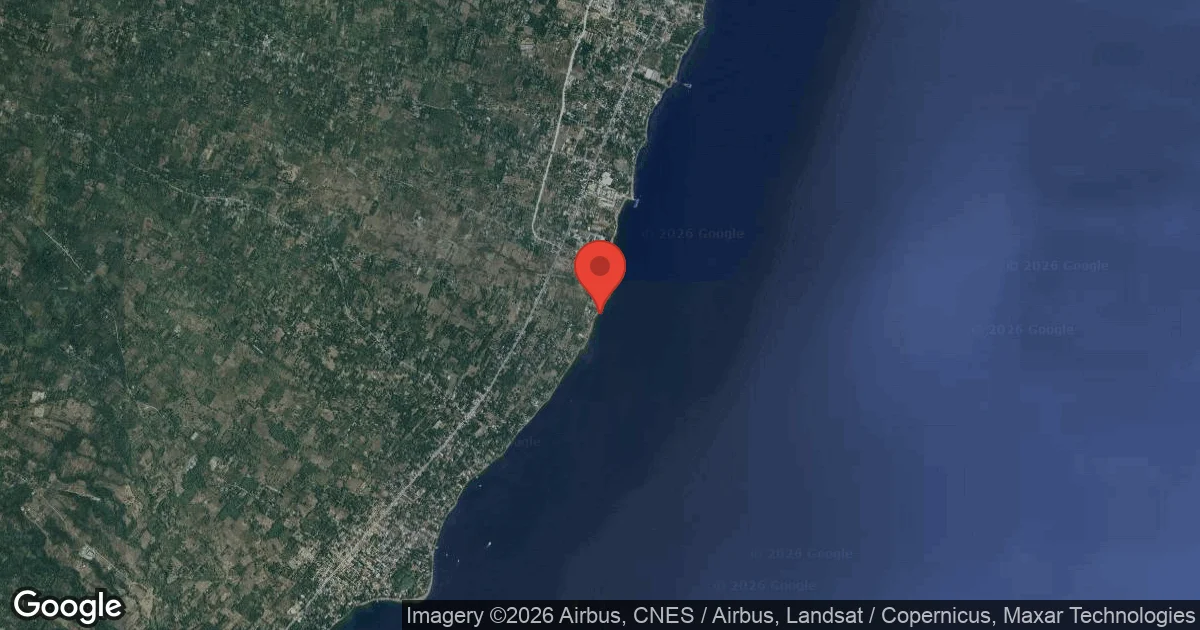
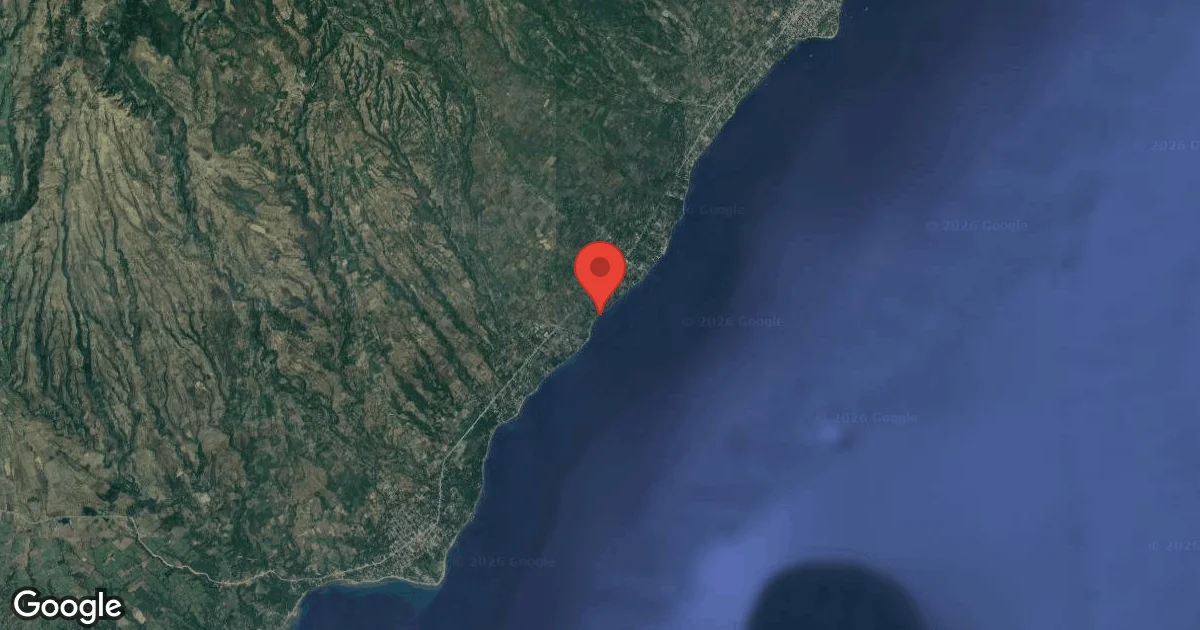
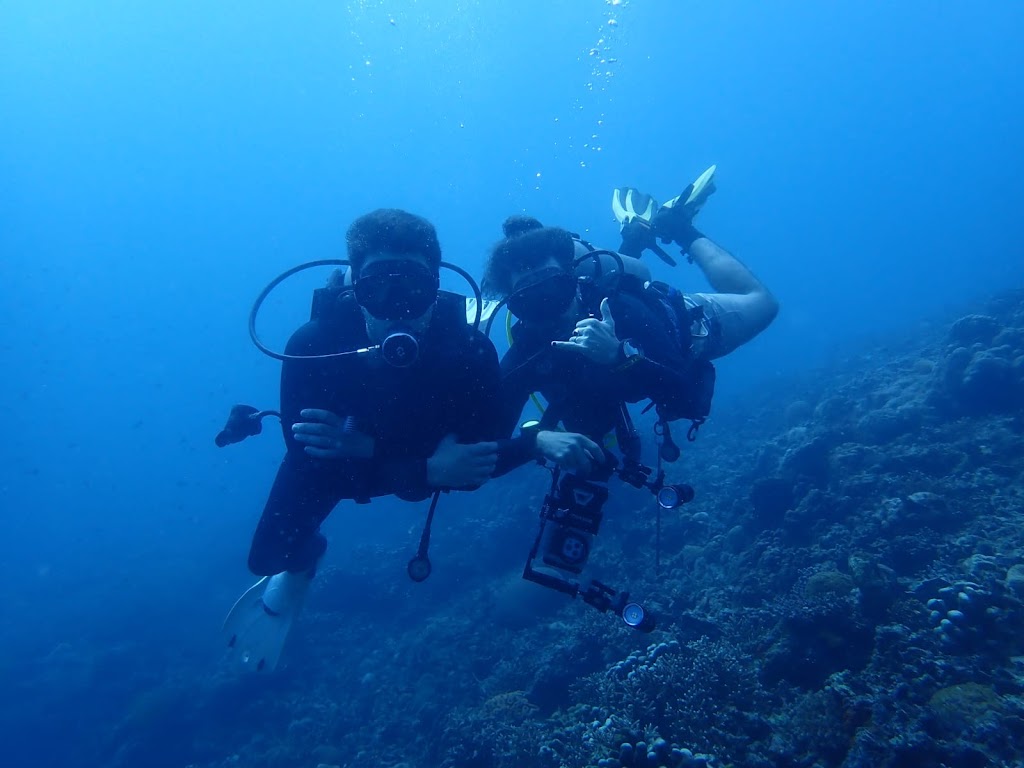
Dive Centers Near Sahara
Today: 08:00 - 17:00
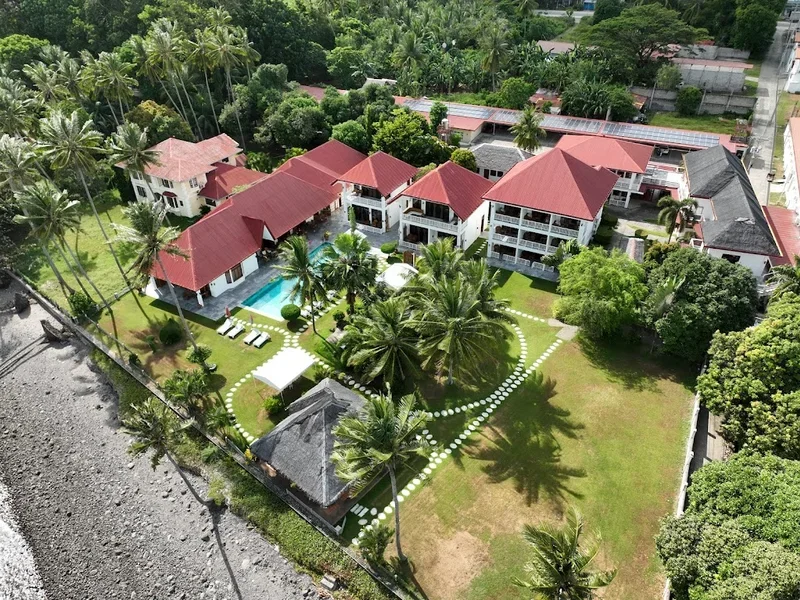
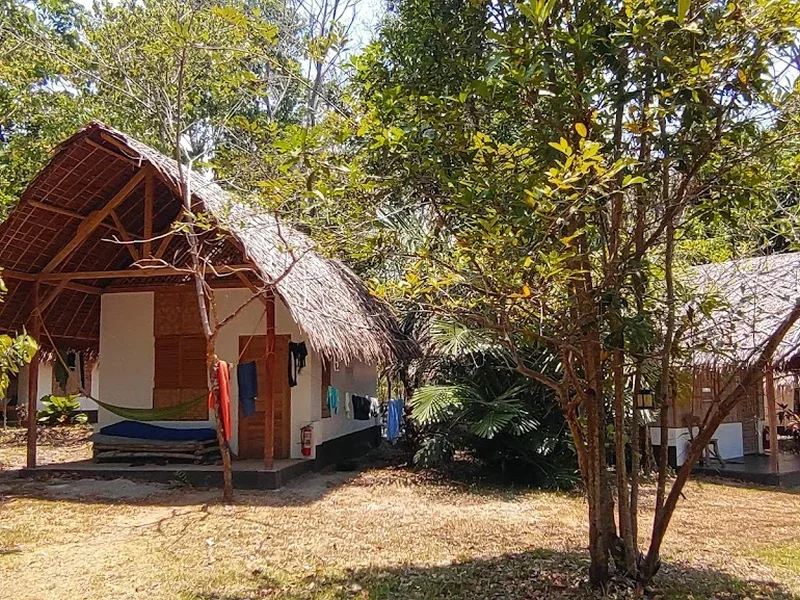
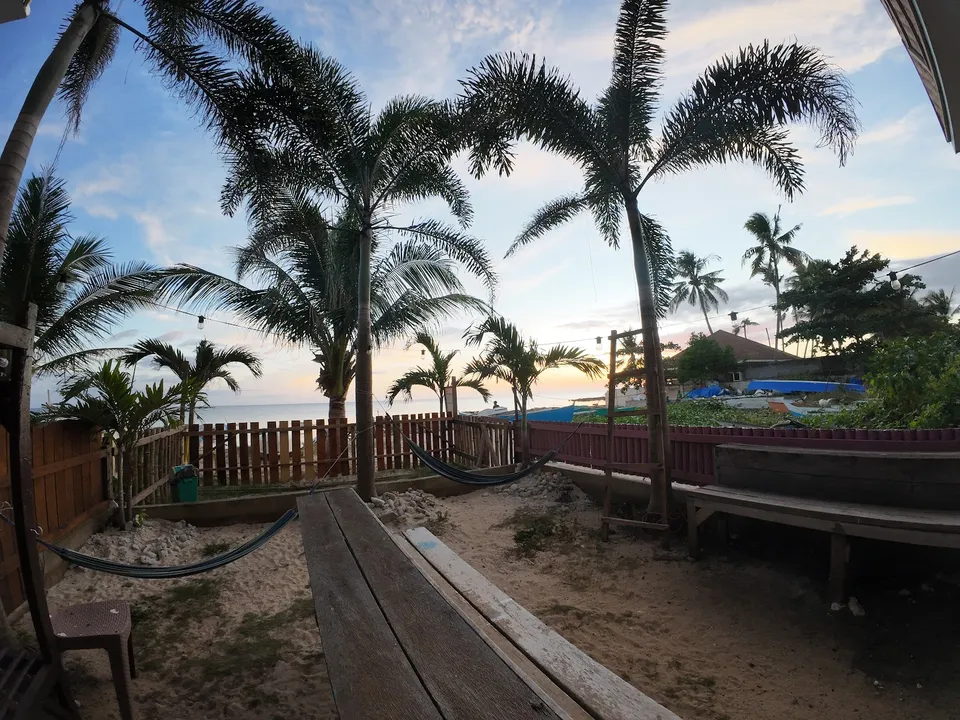
Nearest Airports
Nearest airports to help plan travel to this dive area.
Search Flights
Check available flights and routes on Expedia, using the nearby airports listed in this section.
Search Flights on ExpediaFrequently Asked Questions
What types of reef structures are found at Sahara?
Sahara is known for its extensive artificial reefs, which include various scuttled items like crates of bottles, concrete reef balls, and two old boats. These structures, alongside natural sandy slopes and patchy coral gardens, create diverse habitats for marine life.
Is Sahara suitable for beginner divers?
While sections of Sahara are accessible for Open Water divers, the site offers depths reaching 30 meters and varied conditions, making the PADI Advanced Open Water Diver certification beneficial for full exploration. Good buoyancy control is always recommended.
What kind of marine life can I expect to see at Sahara?
Sahara is particularly rich in macro life, including ornate ghostpipefish, painted frogfish, thorny seahorses, and various critters like garden eels and mantis shrimps. You'll also encounter reef fish such as snappers, gropers, moray eels, and cardinalfish around the artificial structures.
How deep are the dive sites at Sahara?
Sahara offers a range of depths. The top of the artificial reef structures can be as shallow as 12 meters, while the sandy slope descends to around 26 meters, with some areas reaching a maximum depth of 30 meters. This caters to various experience levels.
Can I dive Sahara from shore or only by boat?
Sahara is accessible for diving both by boat and from shore, offering flexibility for dive operators and individual divers. This ease of access contributes to its popularity in the Dumaguete area.
What are the water temperatures like at Sahara?
While specific water temperatures for Sahara are not consistently reported, the region generally experiences warm conditions. Average air temperatures range from 27-28.5°C / 81-83°F throughout the year, suggesting comfortable water for diving.
Is Sahara considered a muck diving site?
Yes, Sahara is recognized as a muck diving site, particularly in its deeper sandy slope areas. These sections are excellent for underwater photographers seeking unique macro critters and unusual bottom dwellers.
Planning to dive Sahara?
Send one inquiry and receive offers directly from the best verified local dive operators.
Conditions are Good
Optimal conditions expected
Current conditions near Sahara show 25° air, 30° sea temperature, 0.5 m waves, and 30 km/h wind. Forecast data is refreshed regularly to ensure accuracy.