
Diving at Ernie's Cave (Philippines)
Ernie's Cave presents a layered dive profile, featuring two distinct caverns at varying depths. A shallower cave is found at approximately 21-22 m (69-72 ft), while a second, deeper cavern descends to 27 m (89 ft). Surrounding these caves, an attractive reef rises towards shallow waters at 5 m (16 ft), adorned with small pinnacles and gorgonian fans. Appreciating the full scope of this site demands an advanced skill level.
As evening covers Ernie's Cave, the local air temperature is measured at 29°C. The current wave height at the surface is recorded at 0.1 m. These late-day readings characterize the surface conditions for the night.
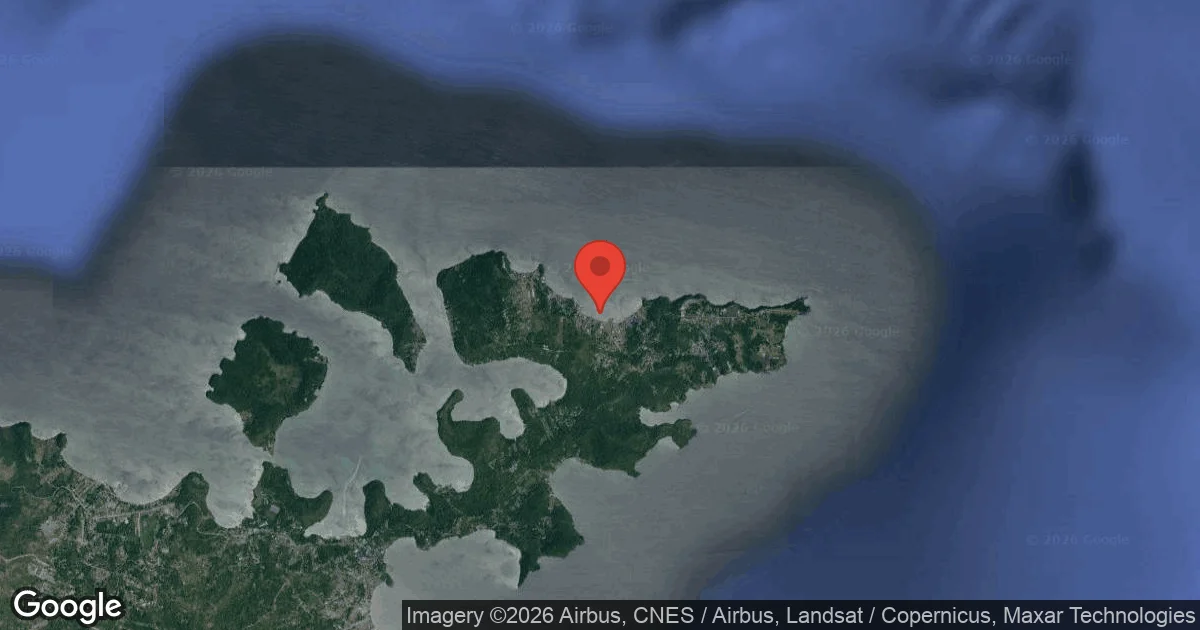
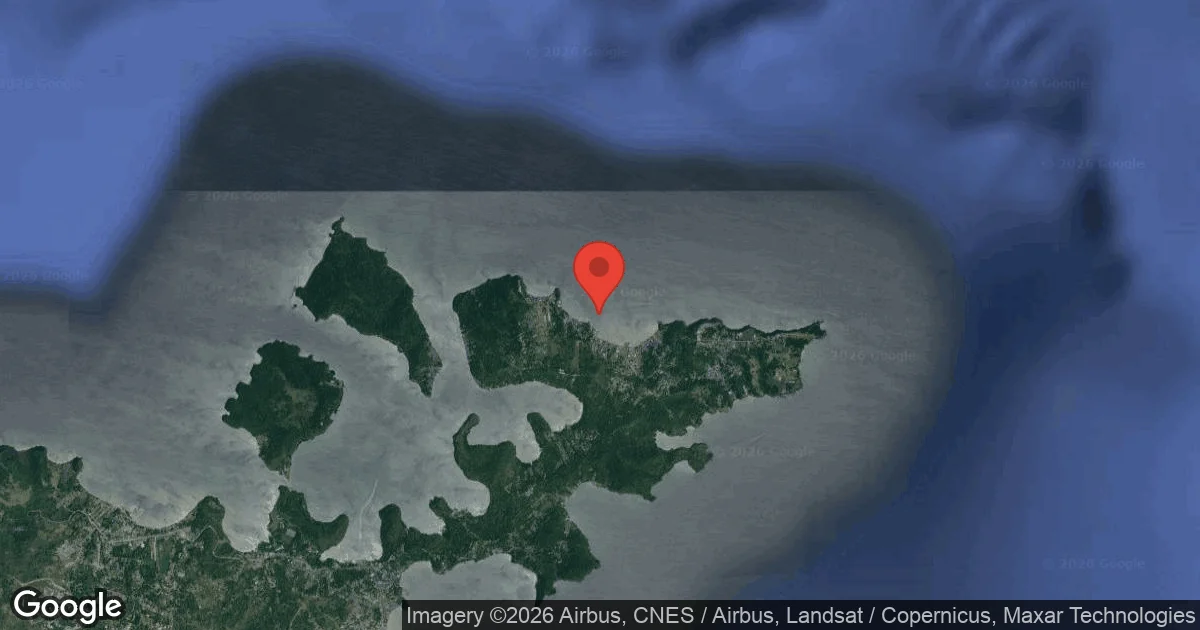
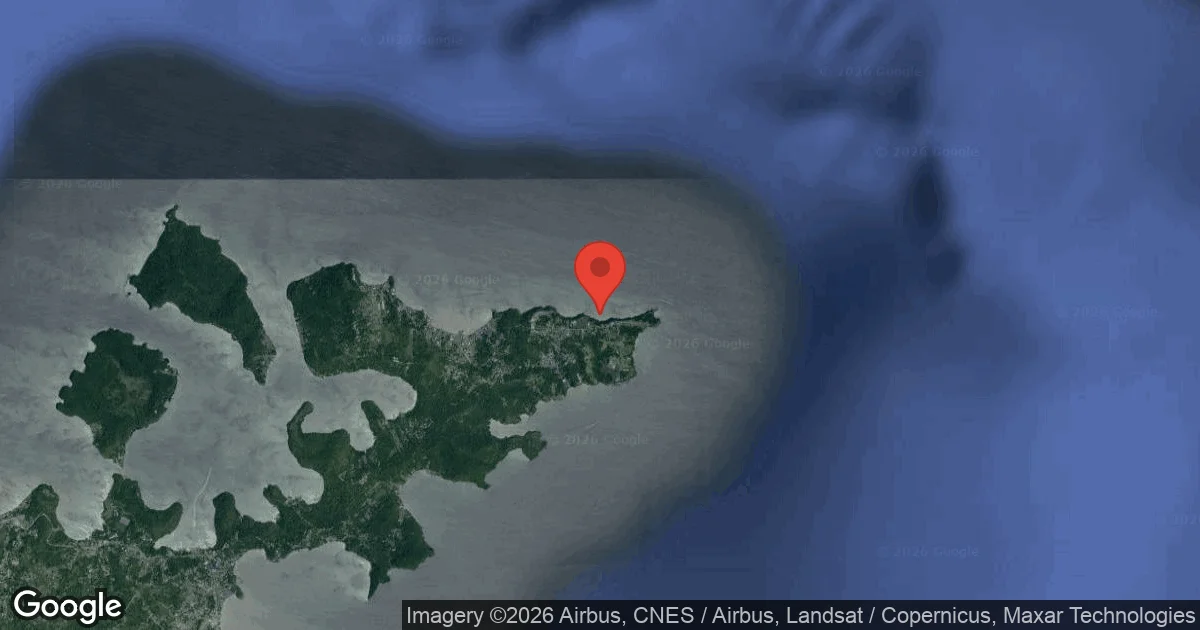
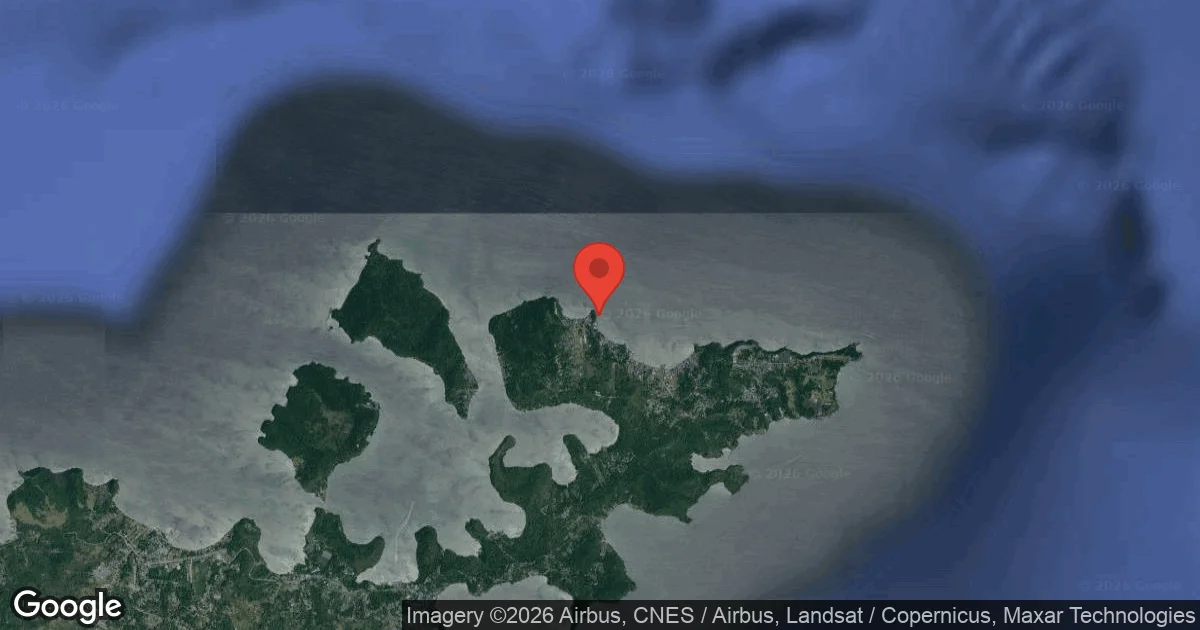
Dive Site Location & Key Facts
Dive Site Overview
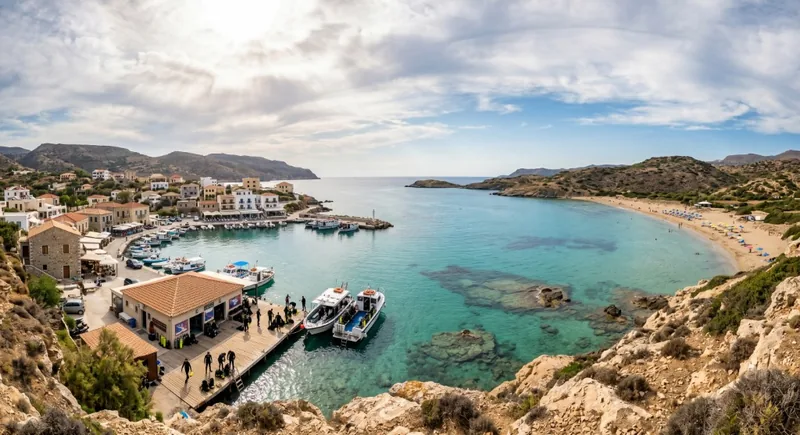
Imposing rock formations frame Ernie's Cave, creating a dramatic underwater vista against usually clear waters. Divers explore not just the named cave, once home to a large grouper, but also another small cavern at around 21 meters.
A second, deeper cave is situated at about 27 meters; both are too compact for extensive penetration. Vibrant corals adorn cave walls, establishing a rich habitat that draws in various marine life, including nudibranchs, sea fans, and a variety of reef fish.
A compelling spot for underwater photographers and enthusiasts, this vibrant tapestry makes for excellent viewing. Ernie the grouper, who inhabited it years ago, lends his name to the initial cave.
Around the mouth of the shallower cave, divers might spot tube-shaped holes where large mantis shrimps build their nests. Beyond these caverns, the surrounding reef features small pinnacles, gorgonian fans, and diverse formations, ascending to a shallow five meters.
Schools of tropical fish frequently inhabit this area, offering a dynamic coral garden experience. The dive here balances tranquil exploration within the reef’s intricate structure with moments of thrill, especially when considering the option of a drift dive from Monkey Beach, which requires careful planning and current awareness.
Conditions are Excellent
07:00 - 14:00
Optimal conditions expected
Current conditions near Ernie's Cave show 29° air, 29° sea temperature, 0.0 m waves, and 17 km/h wind. Forecast data is refreshed regularly to ensure accuracy.
Best Time to Dive
Diving conditions at Ernie's Cave typically peak during the months of March, April, May, and August, presenting an excellent experience. During these periods, average rainfall is notably low, often ranging from 2 to 9 mm, making surface intervals and pre-dive preparations more enjoyable. Air temperatures are comfortably warm, averaging between 26°C and 28.5°C (79-84°F), creating pleasant surface conditions. Other times of the year may see higher rainfall, though dive scores generally remain good. The calmest seas are usually observed from April through September, with wave heights often below 0.3 m (1 ft), which can make boat travel to the site more comfortable. While good diving is possible year-round, these specific months consistently offer the most favorable combination of weather and sea states. Even outside these prime windows, such as November and December, conditions remain quite good, with average rainfall picking up slightly to around 12-18 mm, but generally not disruptive to diving activities.
PEAK SEASON SCORE
Scores combine air & water temps, waves, wind & rainfall for overall conditions.
BEST MONTHS TO DIVE
Monthly records compiled from satellite and marine observation nodes over the last 3 years. Data provided by Open-Meteo and MET Norway.
Dive Experience & Conditions
Beginning the dive at Ernie's Cave often involves descending along the prominent rocky outcrop. As you drop deeper, water clarity typically remains high, offering expansive views of the surrounding topography. Divers will first encounter the shallower cave at approximately 21 meters, a compact cavern adorned with corals. Progression continues to a deeper cavern, situated around 27 meters, where marine life tends to congregate around its entrance. Water temperatures in the area are not consistently reported, but often reflect tropical ranges. Currents can vary significantly; a slack tide allows for leisurely exploration of the reef and cave entrances, while stronger flows may facilitate a drift dive, demanding good buoyancy control and advanced diving skills. Traversing the reef, from the deeper cave area to shallow pinnacles around five meters, requires awareness of changing depths and potentially shifting currents.
Dive Difficulty & Safety Guidelines
Approaching Ernie's Cave requires an Advanced skill level due to the maximum depth and the potential for currents. While the site itself doesn't feature extreme hazards, managing varying current strengths is crucial. Divers should be proficient in drift diving techniques if planning to utilize the currents, especially when considering a potential link from Monkey Beach.
It's important to note that neither of the caves are large enough for penetration, and attempts to enter them beyond the immediate entrance are discouraged for safety reasons. Always dive with a reliable guide familiar with local conditions, ensuring proper planning for slack tide or drift scenarios.
Maintaining situational awareness and good buoyancy control are fundamental throughout the dive, particularly when navigating the intricate reef formations and the approaches to the caves.
Recommended Equipment
- Dive Computer
This gear list is based on verified equipment signals for Ernie's Cave, Philippines. Always confirm final gear choices with your dive operator, guide, or liveaboard.
Recommended Dive Suit
Weather models currently point toward consistent diving conditions over the next several days.
Even in warm destinations, extended dives can gradually draw heat away from the body.
Exposure protection such as dive skin or rash guard is commonly used when diving in waters of this temperature. The surrounding waters at Ernie's Cave are currently registering temperatures of roughly 29°C (84°F). Surface air temperatures are resting at 29°C (84°F).
Due to technical issues with our weather providers, data hasn't been fetched for over 48 hours. The data above reflects the conditions at the time of the last successful fetch.
Emergency & Medical Support
Essential information to help you plan your dive trip to Ernie's Cave.

Hyperbaric chambers are a critical part of dive safety infrastructure. Availability varies significantly by region, and not all dive areas have immediate access.
Before diving, it's recommended to:
- confirm nearest medical facilities
- check emergency procedures with local dive operators
- ensure dive insurance covers evacuation if required
Divers Alert Network
Diving emergency assistance available through DAN World.
+1-919-684-9111- 24/7 emergency hotline
- Diving medical assistance
- Evacuation coordination
Emergency contacts are provided for reference. Always verify local emergency services before diving.
Marine Life at Ernie's Cave
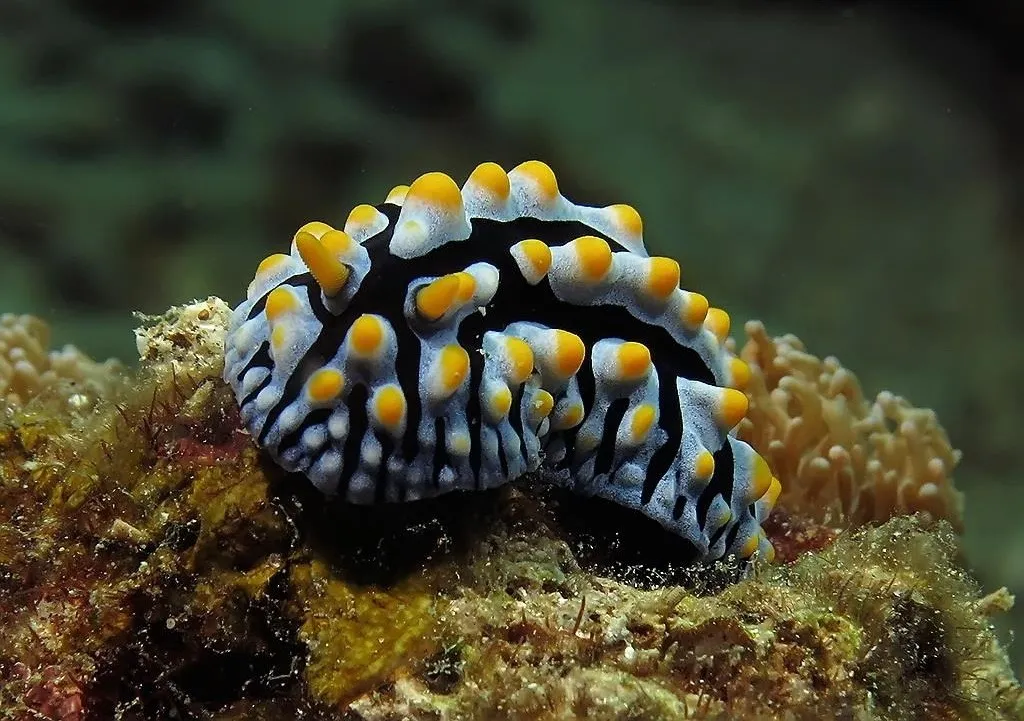
Ernie's Cave's underwater landscape thrives with diverse inhabitants, blending seamlessly with vibrant corals. Around cave entrances and along the rocky outcrop, you'll observe nudibranchs in varied forms and colors, along with numerous reef fish darting among formations.
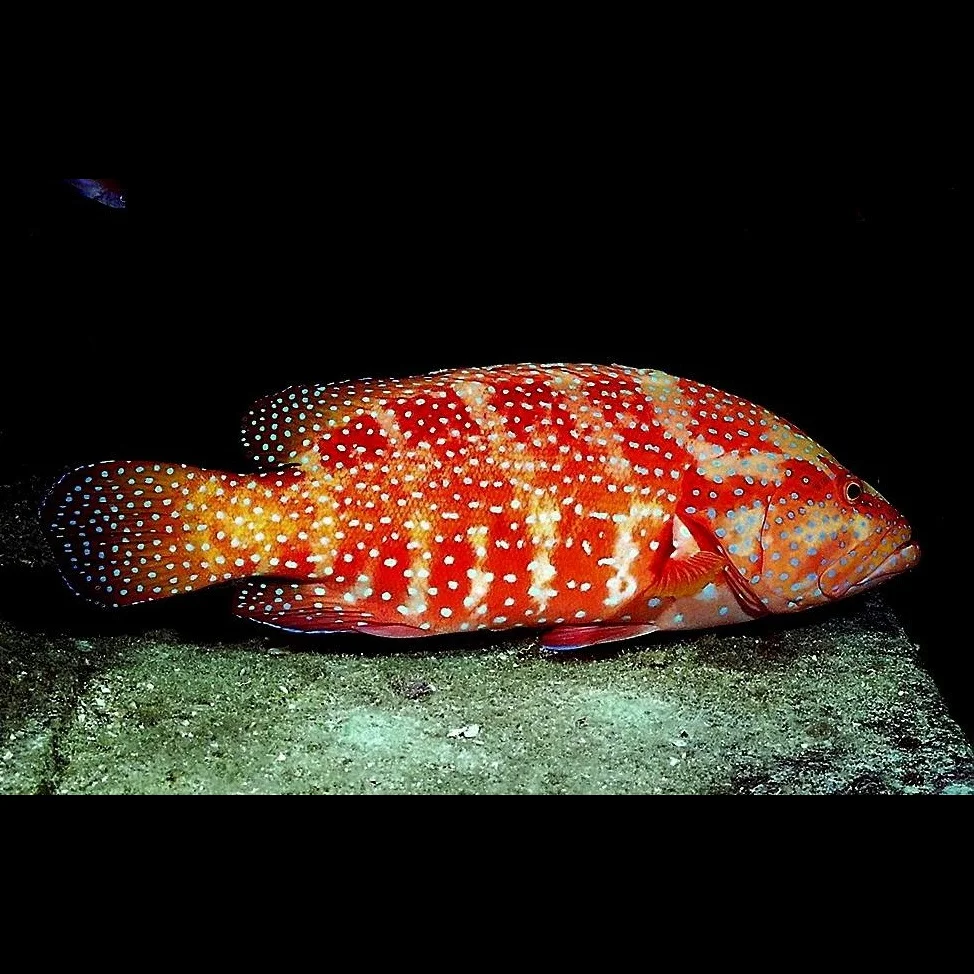
Gorgonian sea fans flourish on the reef, providing shelter and feeding grounds. Smaller groupers are occasionally spotted, honoring the site's namesake.
Keep an eye out for mantis shrimps, known to construct nests within tube-shaped holes near the shallower cave. Schools of trevally and mackerel also frequently patrol open waters surrounding the reef, adding a dynamic element to the scene.

Dive Sites Near Ernie's Cave
View all dive sites in PhilippinesDiscover more underwater gems in this area.
Dive Centers Near Ernie's Cave
Today: Open 24 hours
Nearest Airports
Nearest airports to help plan travel to this dive area.
Search Flights
Check available flights and routes on Expedia, using the nearby airports listed in this section.
Search Flights on ExpediaFrequently Asked Questions
What is the maximum depth at Ernie's Cave?
The deepest cave at Ernie's Cave reaches a maximum depth of 27 meters. A shallower cave is found at approximately 21-22 meters.
What skill level is required for this dive site?
Ernie's Cave is considered an Advanced dive site. Divers should be experienced, particularly with managing currents, and possess good buoyancy control.
Is cave penetration possible at Ernie's Cave?
No, the caves at this site are small and not suitable for penetration. Divers are advised to explore the entrances and surrounding reef areas only.
What kind of marine life can be seen?
Divers frequently encounter nudibranchs, various reef fish, and gorgonian sea fans. Schools of trevally and mackerel are also common, alongside mantis shrimps.
Can you experience currents at Ernie's Cave?
Yes, currents can vary from slack to strong. The site can be done as a slack tide dive or as a drift dive, often originating from Monkey Beach.
What are the best months to dive Ernie's Cave?
The months of March, April, May, and August generally offer excellent diving conditions. These periods feature lower rainfall and comfortable air temperatures.
What is the water temperature like?
Specific water temperatures for Ernie's Cave are not consistently reported. However, the region typically experiences warm, tropical water temperatures suitable for diving.
Are there any unique geological features?
Beyond the two caves, the site is characterized by imposing rock formations and an attractive reef with small pinnacles and gorgonian fan formations that ascend to about five meters.
Planning to dive Ernie's Cave?
Send one inquiry and receive offers directly from the best verified local dive operators.
Conditions are Excellent
07:00 - 14:00
Optimal conditions expected
Current conditions near Ernie's Cave show 29° air, 29° sea temperature, 0.0 m waves, and 17 km/h wind. Forecast data is refreshed regularly to ensure accuracy.