
Diving at Ernie's Point (Philippines)
Divers approaching Ernie's Point should be comfortable with varied conditions and potential currents, making it well-suited for those with advanced open water certification or significant experience. This site offers a dynamic underwater landscape, combining reef, wall, and cavern elements that extend to a maximum depth of approximately 32 m (104 ft). Its features require focused buoyancy control and situational awareness.
As evening covers Ernie's Point, the local air temperature is measured at 27°C. The current wave height at the surface is recorded at 0.1 m. These late-day readings characterize the surface conditions for the night.
Dive Site Location & Key Facts
Dive Site Overview
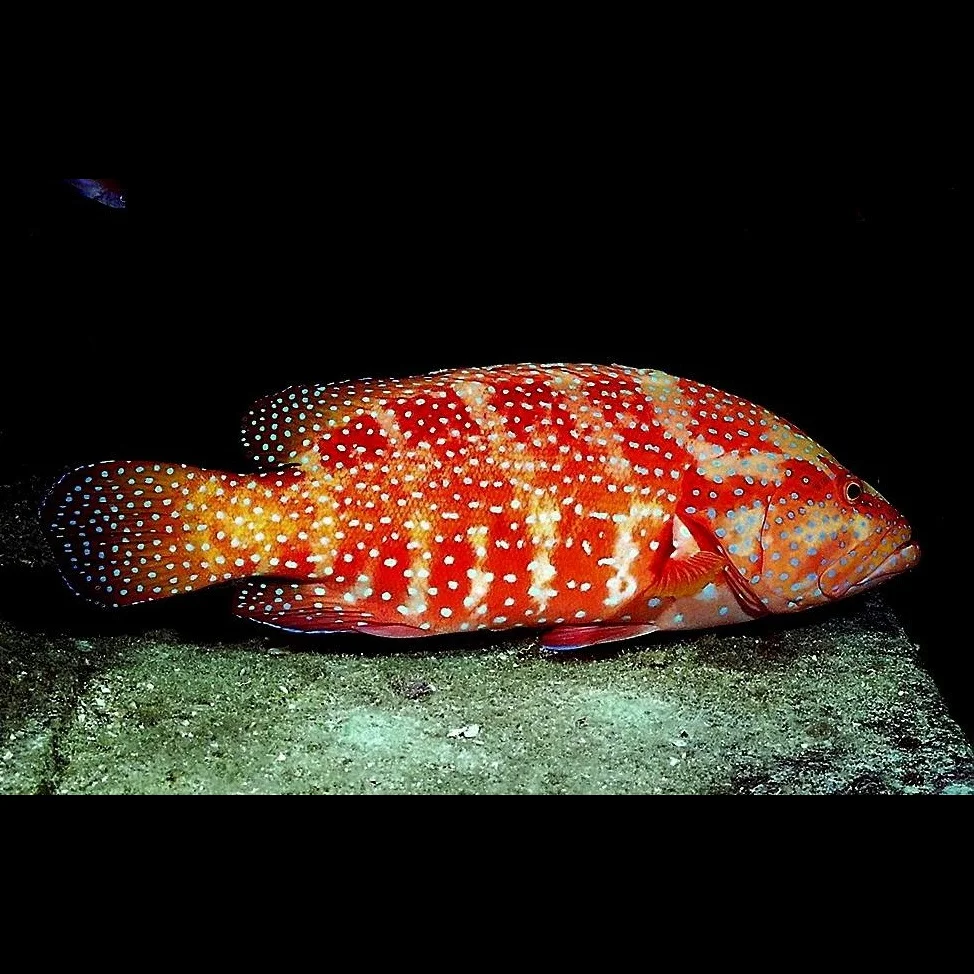
The name Ernie's Point originates from Ernie's Cave, a small cavern at around 21 m (69 ft) once home to a grouper named Ernie. Though Ernie has long since relocated, the site retains its evocative name, preserving a distinct piece of local dive lore.
This tiny cave is positioned at the base of a significant rocky outcrop, which stands as a prominent feature, often adorned with colorful sea fans and providing shelter. Smaller groupers are frequently observed in this vicinity, continuing the tradition of the site's original namesake. Descending further, divers encounter a second, deeper cave situated at 27 m (89 ft), surrounded by an impressive display of marine activity.
Both of these caverns are integral to the site's character, yet neither is intended for penetration; they primarily serve as focal points for observation within the broader reef and wall system. This intricate environment features a rich topography of crevices and overhangs.
The overarching structure supports diverse ecosystems, drawing in both resident reef dwellers and transient pelagic species. Large barrel sponges and various gorgonian fans characterize the wall sections, creating a complex habitat that teems with smaller invertebrate life and provides ample hunting grounds for larger fish.
This blend of structural complexity and biological diversity contributes to a consistently engaging dive experience.
Conditions are Good
07:00 - 14:00
Optimal conditions expected
Current conditions near Ernie's Point show 27° air, 29° sea temperature, 0.1 m waves, and 21 km/h wind. Forecast data is refreshed regularly to ensure accuracy.
Best Time to Dive
Optimal diving conditions at Ernie's Point are typically experienced from March through May, and again in August, when the climate data shows 'Excellent' dive scores. During these months, average air temperatures range from 26-28.5°C (79-83°F), contributing to a comfortable surface interval. Rain activity is at its lowest, with an average of just 2.1-6.1 mm (0.08-0.24 inches) in March-May, significantly reducing freshwater runoff and improving visibility. Wave heights are generally milder, averaging 0.2-0.5 m (0.7-1.6 ft), which can make boat entries and surface conditions more manageable. While conditions are generally favorable during these periods, local factors like tidal changes can still influence current strength, so checking daily reports is advisable.
PEAK SEASON SCORE
Scores combine air & water temps, waves, wind & rainfall for overall conditions.
BEST MONTHS TO DIVE
Monthly records compiled from satellite and marine observation nodes over the last 3 years. Data provided by Open-Meteo and MET Norway.
Dive Experience & Conditions
Entering the water by boat, divers can expect to descend onto a diverse topography featuring reef, wall, and cavern structures. As you explore, the site presents a rocky outcrop leading to Ernie's Cave at roughly 21 m (69 ft), where tube-shaped holes frequently house mantis shrimps. The structure continues downward, revealing another small cavern at about 27 m (89 ft) that buzzes with marine life. This area, with its various depths, transitions into a wall adorned with gorgonian fans and barrel sponges. Visibility varies depending on conditions but is often reported as good. It's important to be mindful of current patterns; strong cross currents, particularly eddies, can occur during significant tidal shifts, requiring attentive diving.
Dive Difficulty & Safety Guidelines
Navigating this site requires careful planning and awareness, particularly given the potential for strong cross currents or eddies during major tidal shifts. Divers should maintain strong buoyancy control and be prepared to manage current, making it a site where PADI Advanced Open Water Diver training is highly beneficial. It's always prudent to dive with a knowledgeable local guide who can interpret real-time conditions.
Ensure your dive plan accounts for the maximum depth of 32 m (104 ft) and allows for conservative bottom times. Always monitor your air supply and no-decompression limits carefully.
Recommended Equipment
Overhead environment. Do not enter beyond training and gas planning limits.
- Dive Computer
- Primary & Backup Lights
- Reel / Spool
- Cutting Tool
This gear list is based on verified equipment signals for Ernie's Point, Philippines. Always confirm final gear choices with your dive operator, guide, or liveaboard.
Recommended Dive Suit
Divers visiting Ernie's Point today can expect water conditions around 29°C (85°F). Surface air temperatures are resting at 27°C (80°F).
Dive skin or rash guard generally offers enough warmth for most dives under these conditions.
Forecast conditions over the next few days suggest temperatures will remain relatively stable.
Due to technical issues with our weather providers, live updates are temporarily delayed. The data above reflects the conditions at the time of the last successful fetch.
Emergency & Medical Support
Essential information to help you plan your dive trip to Ernie's Point.

Hyperbaric chambers are a critical part of dive safety infrastructure. Availability varies significantly by region, and not all dive areas have immediate access.
Before diving, it's recommended to:
- confirm nearest medical facilities
- check emergency procedures with local dive operators
- ensure dive insurance covers evacuation if required
Divers Alert Network
Diving emergency assistance available through DAN World.
+1-919-684-9111- 24/7 emergency hotline
- Diving medical assistance
- Evacuation coordination
Emergency contacts are provided for reference. Always verify local emergency services before diving.
Marine Life at Ernie's Point
Expect to encounter a range of marine life at Ernie's Point. Smaller groupers are frequently spotted around the site's namesake cave, while mantis shrimps inhabit tube-shaped holes near the cave entrance.
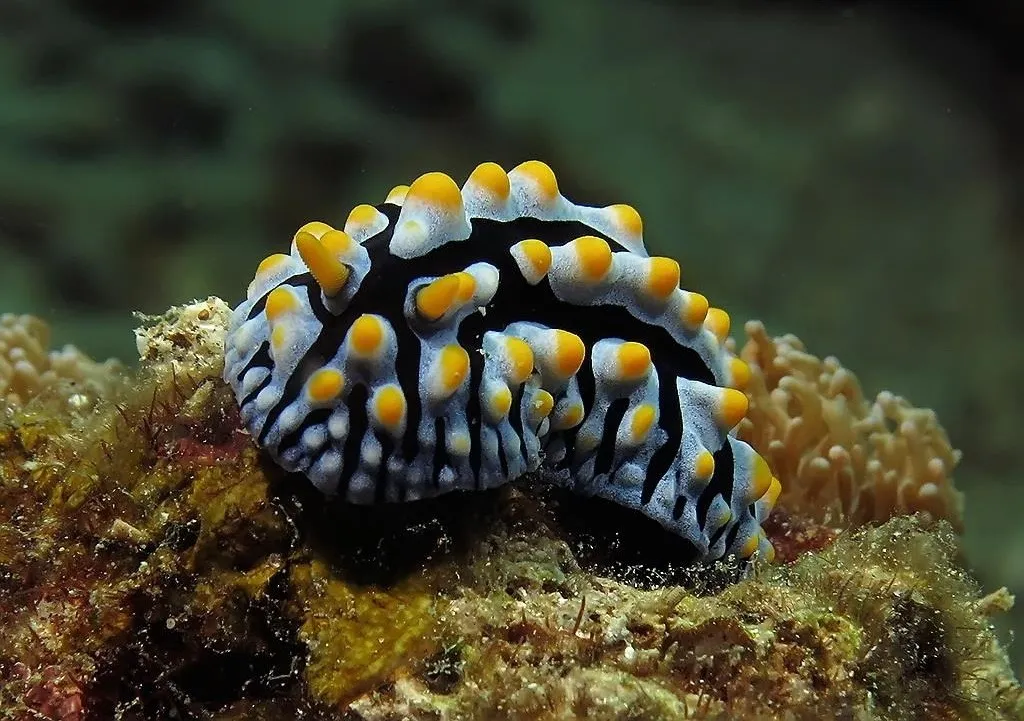
Schools of trevally and mackerel are common here, often observed moving through the open water sections. The reef and wall environments are rich with soft corals, barrel sponges, and prominent sea fans. Keep an eye out for nudibranchs, adding small, colorful details to the vibrant coral formations.

Dive Sites Near Ernie's Point
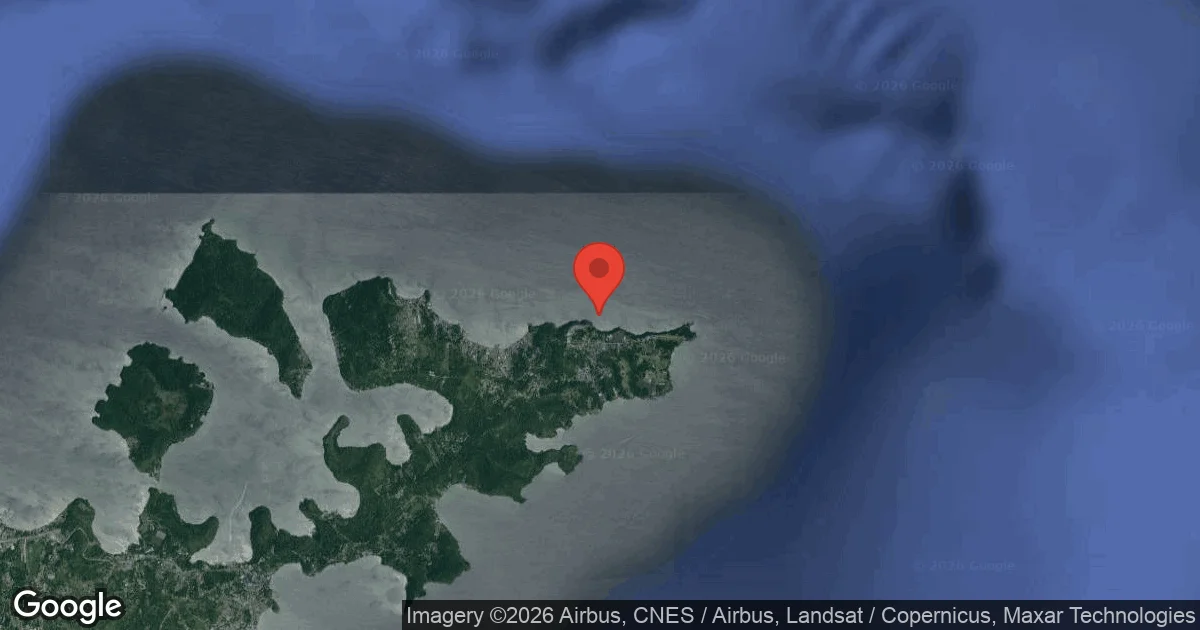
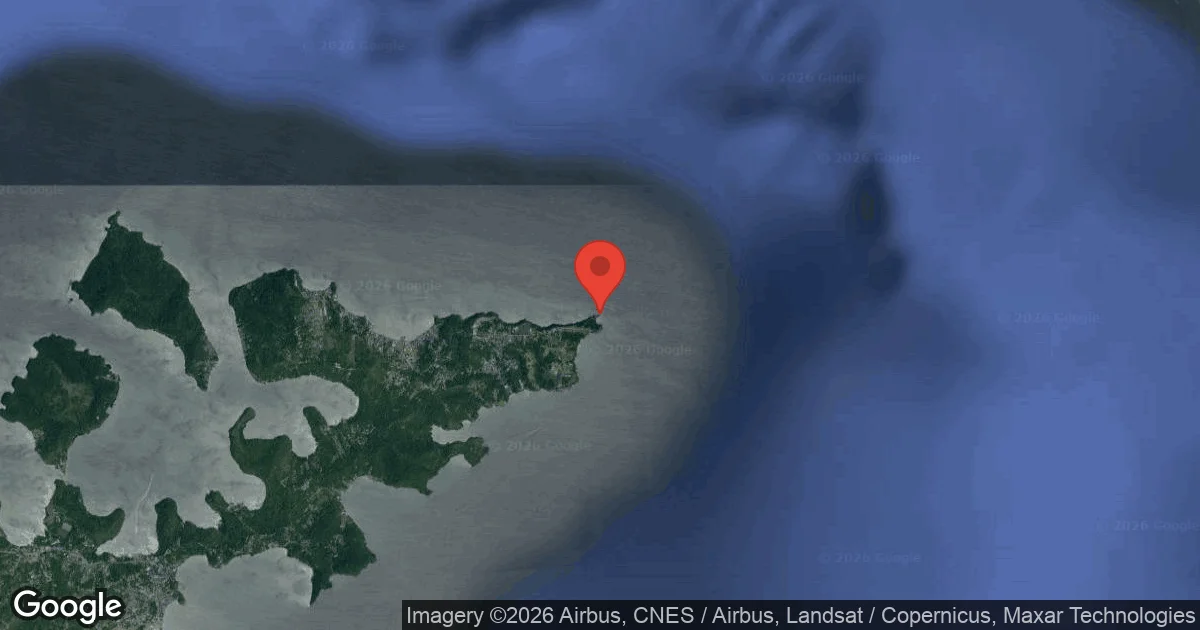
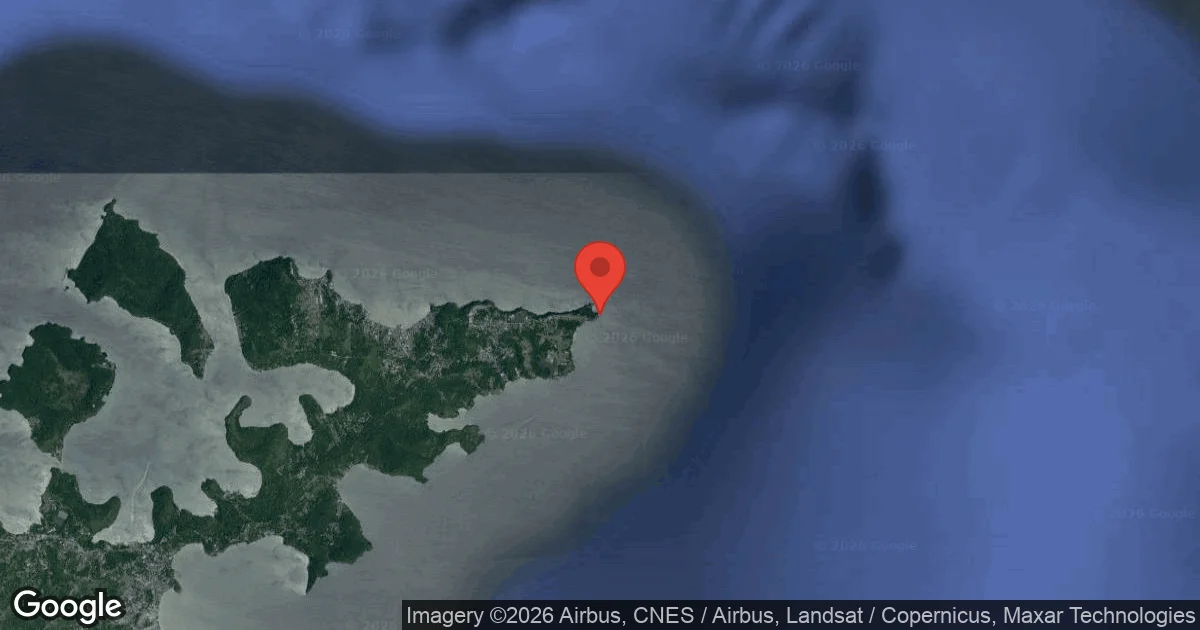
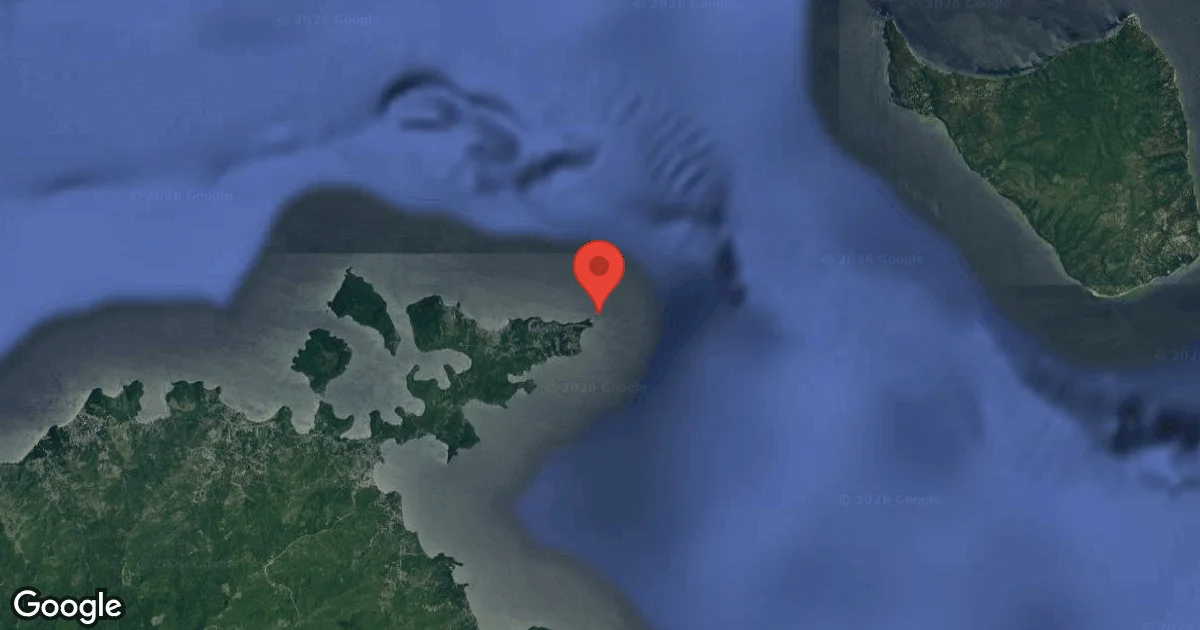
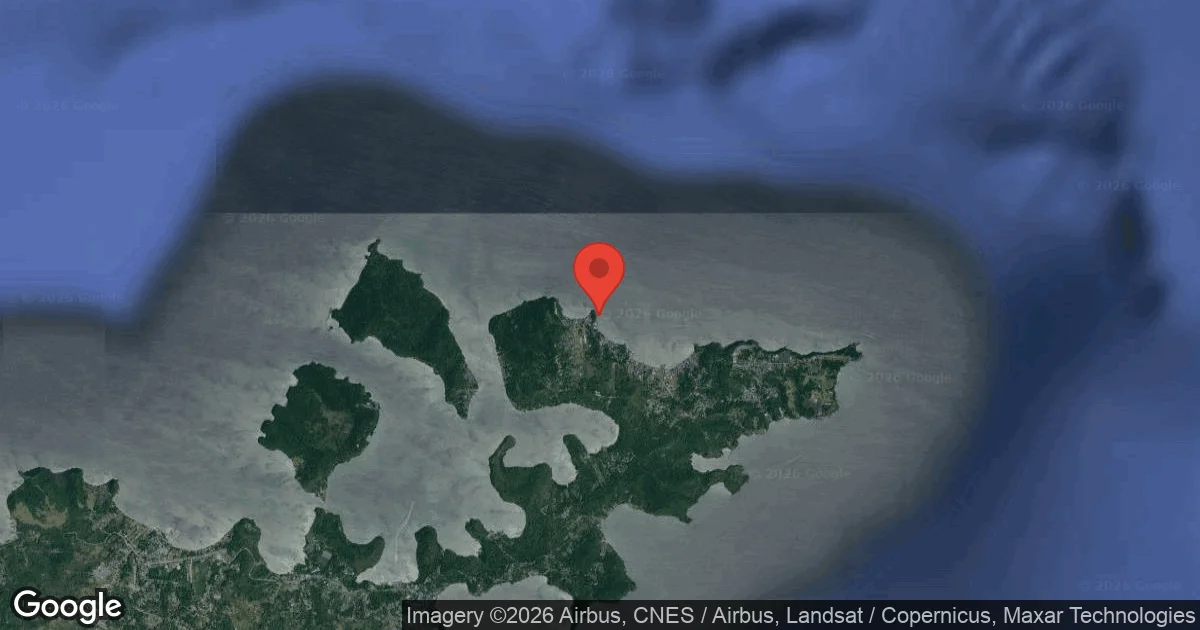
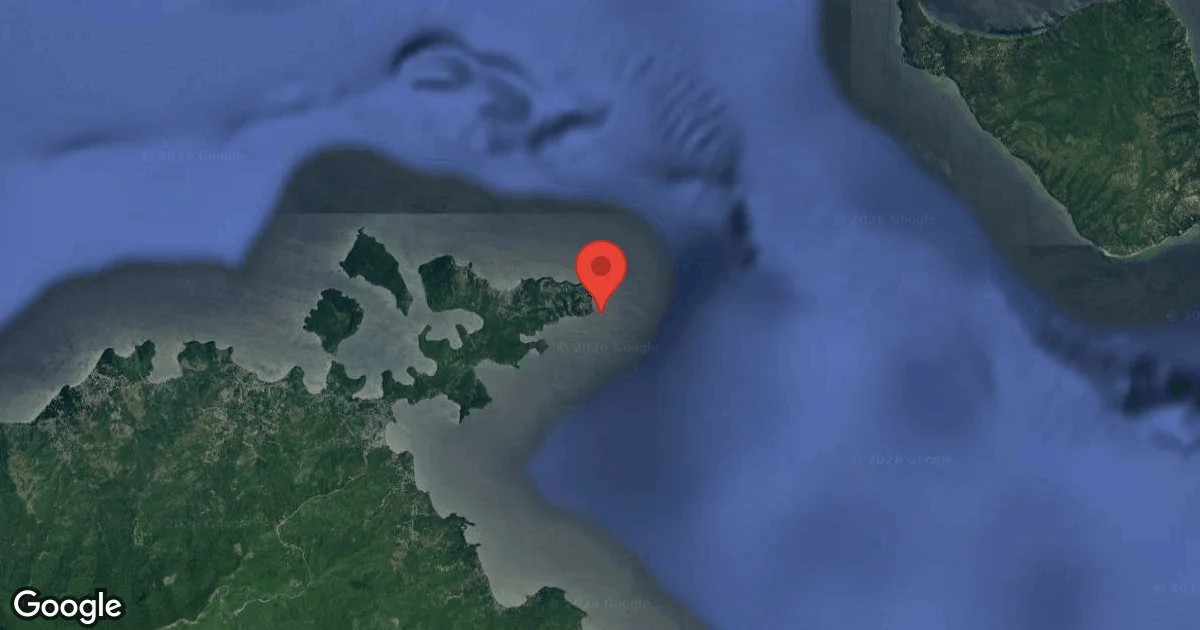
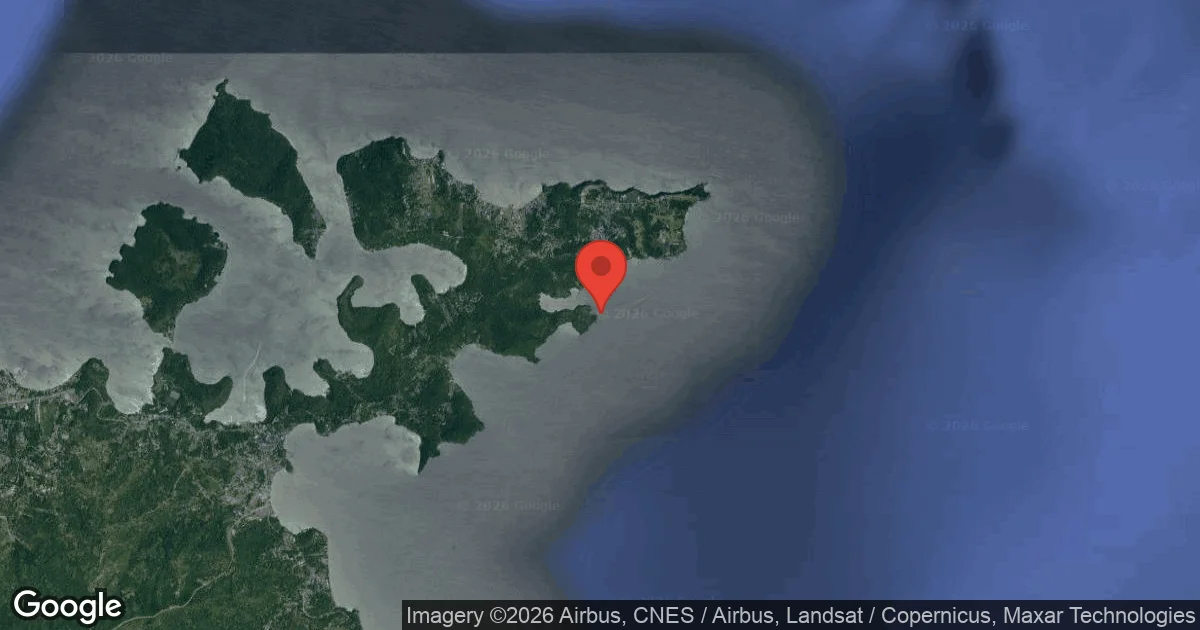
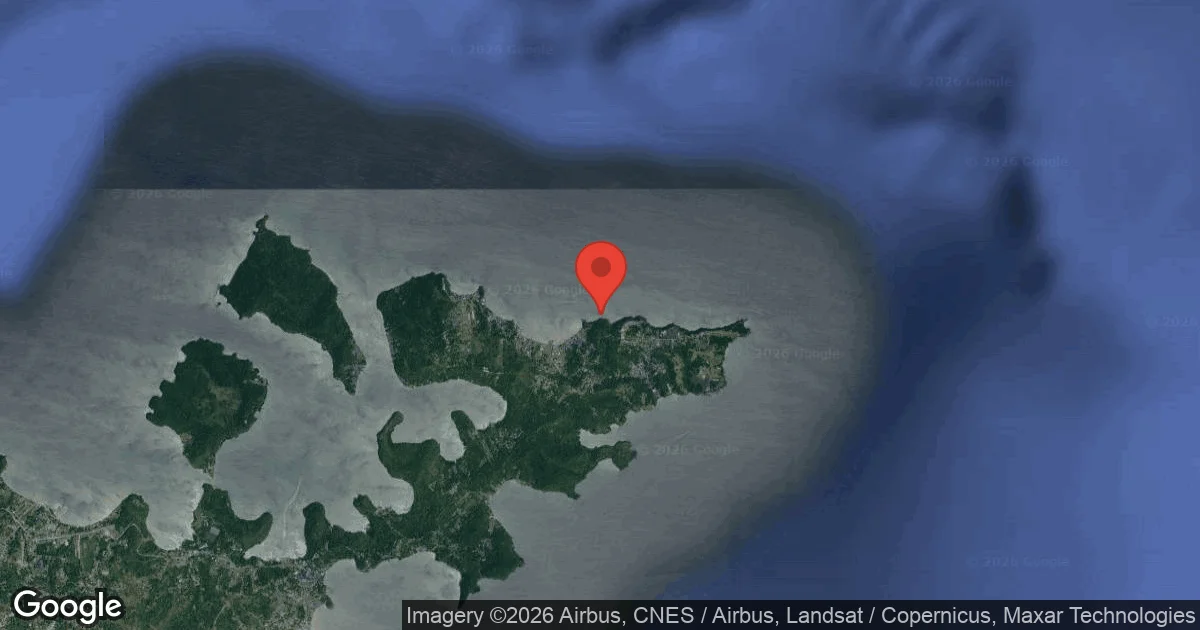
View all dive sites in PhilippinesDiscover more underwater gems in this area.
Dive Centers Near Ernie's Point

Today: Open 24 hours
Nearest Airports
Nearest airports to help plan travel to this dive area.
Search Flights
Check available flights and routes on Expedia, using the nearby airports listed in this section.
Search Flights on ExpediaFrequently Asked Questions
What is the maximum depth at Ernie's Point?
The maximum depth recorded for Ernie's Point is approximately 32 m (104 ft), with features of interest starting shallower and extending down the wall.
Are the caves at Ernie's Point penetrable?
No, neither of the caves at Ernie's Point, including Ernie's Cave, are large enough or suitable for penetration. They are best observed from the outside.
What kind of currents can I expect?
You may encounter strong cross currents, known as eddies, particularly when there are significant tidal changes. Divers should be prepared for varying current conditions.
What marine life is commonly seen here?
Common sightings include smaller groupers, mantis shrimps, schools of trevally and mackerel. The site also features soft coral, barrel sponges, sea fans, and nudibranchs.
Is this site suitable for beginner divers?
Due to the potential for strong currents and deeper sections, Ernie's Point is generally more suited for experienced divers, preferably those with Advanced Open Water certification.
What are the best months to dive Ernie's Point?
The optimal months are typically from March through May and in August, offering milder wave heights, lower rainfall, and comfortable air temperatures for diving.
Planning to dive Ernie's Point?
Send one inquiry and receive offers directly from the best verified local dive operators.
Conditions are Good
07:00 - 14:00
Optimal conditions expected
Current conditions near Ernie's Point show 27° air, 29° sea temperature, 0.1 m waves, and 21 km/h wind. Forecast data is refreshed regularly to ensure accuracy.