
Diving at Hibo Reef (Philippines)
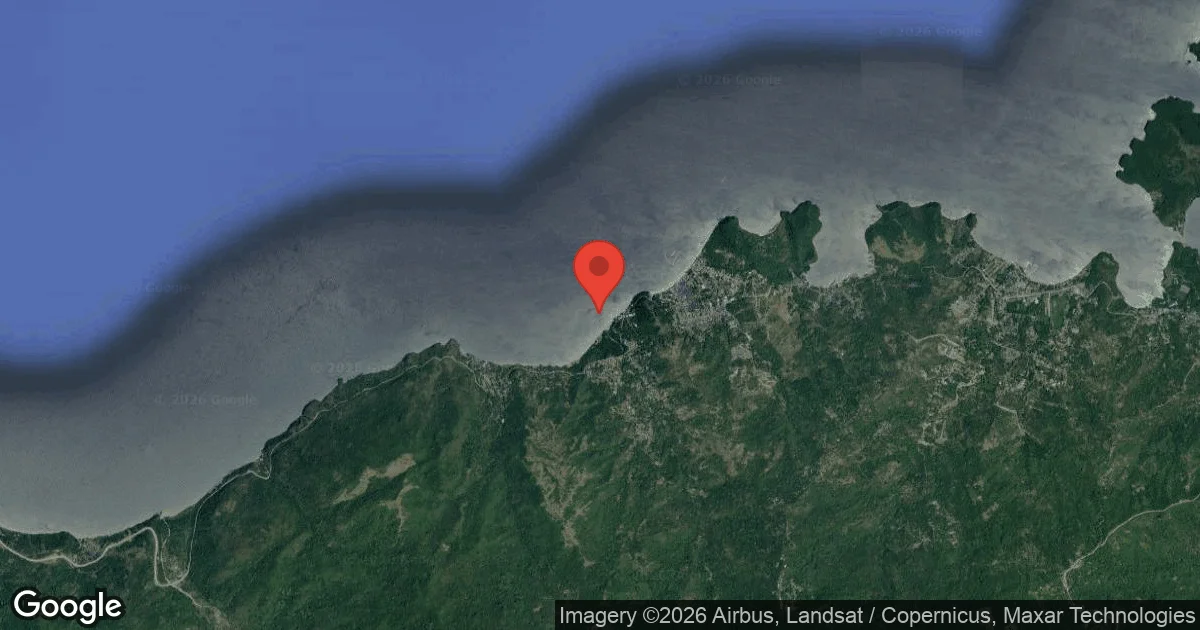
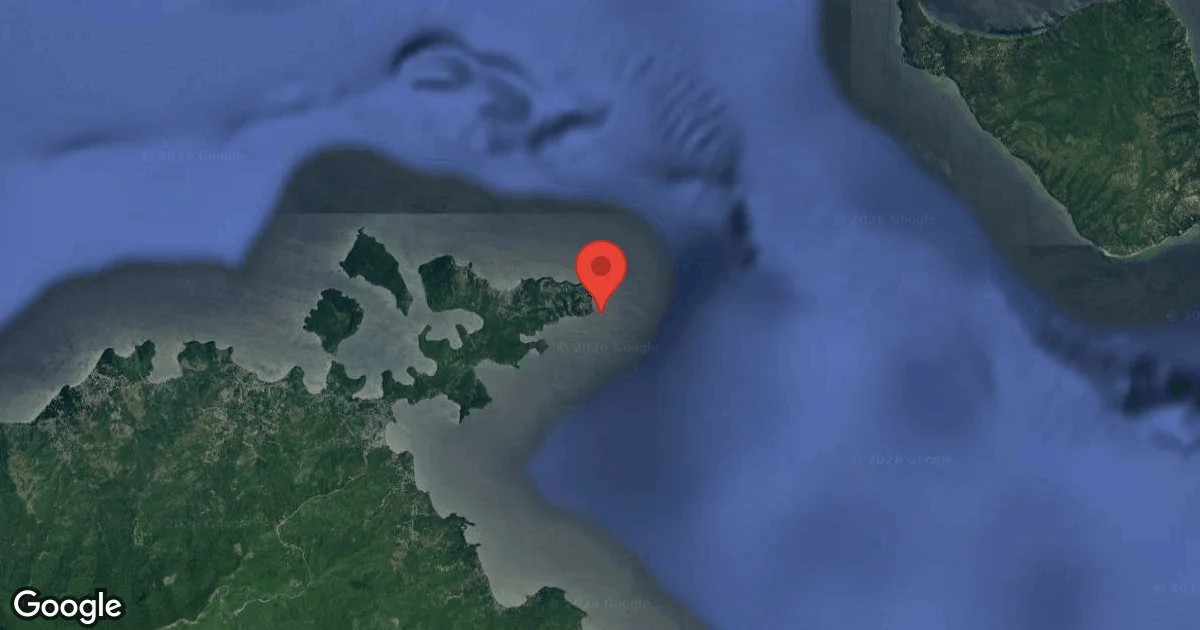
Hibo Reef showcases a dramatic underwater topography, featuring a deep wall plunging into the abyss, reportedly to 500 meters. Near Puerto Galera on Mindoro's coast, this striking reef offers a raw, authentic dive experience. It remains a largely untouched, remote destination.
Tonight's objective overview for Hibo Reef shows an air temperature of 28.5°C. The measured surface conditions include wave heights around 0.3 m. This environmental data is logged for the close of the day.
Dive Site Location & Key Facts
Dive Site Overview
Exploring Hibo Reef truly feels like venturing into one of Puerto Galera's more untamed corners, demanding respect for its conditions. As an advanced dive site, its depths typically range from 18 m (60 ft) down to 40 m (130 ft), with portions of the wall extending much deeper.
Strong currents are a defining characteristic here, often quite noticeable near the surface, though deep-water conditions can sometimes offer a reprieve. Divers must maintain excellent buoyancy control and be proficient in current management. Beneath the waves, the deeper sections of the reef support a diverse range of marine life thriving in the nutrient-rich flow.
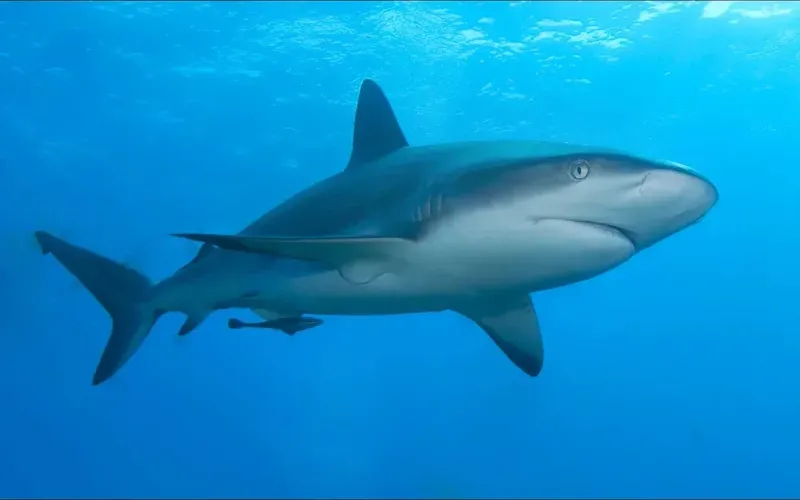
Encounters with free-swimming reef sharks are common; large white-tip sharks, some reaching 1.5 meters (5 feet), and gray reef sharks regularly patrol these waters. Pelagic species like Spanish and rainbow mackerel, tuna, wahoo, and various stingrays are also frequently observed moving along the wall.
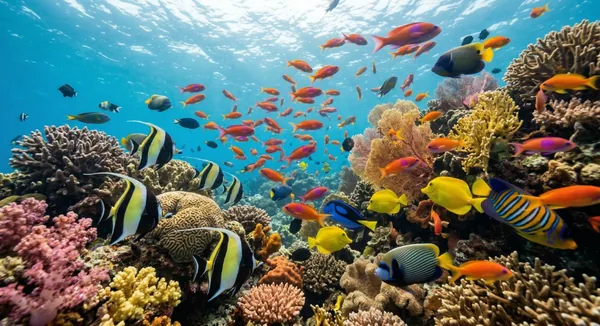
The reef's vibrant structure, adorned with extensive hard and soft corals, presents a compelling and dynamic underwater scenery, rewarding careful exploration. Each dive at Hibo Reef offers a glimpse into a robust ecosystem where larger marine predators hunt amidst a colorful coral tapestry.
Conditions are Good
Optimal conditions expected
Current conditions near Hibo Reef show 28° air, 29° sea temperature, 0.1 m waves, and 18 km/h wind. Forecast data is refreshed regularly to ensure accuracy.
Best Time to Dive
While the Verde Island Passage, encompassing Hibo Reef, is often considered a year-round diving destination, the most favorable conditions typically occur during the dry season. April and May consistently show 'Excellent' dive scores, making them prime months. During this period, average air temperatures are at their warmest, ranging from 28.5-29°C (83-84°F), with significantly less rainfall, typically under 6 mm (0.24 inches). Wave heights also tend to be minimal then, averaging around 0.5 meters (1.6 feet), which generally translates to smoother boat rides and calmer entries. Other months, such as March, June, August, October, and November, still provide 'Good' diving opportunities, but might feature slightly higher rainfall or more varied wave patterns. Water temperatures are not consistently reported but generally align with tropical averages, remaining comfortably warm throughout the year.
PEAK SEASON SCORE
Scores combine air & water temps, waves, wind & rainfall for overall conditions.
BEST MONTHS TO DIVE
Monthly records compiled from satellite and marine observation nodes over the last 3 years. Data provided by Open-Meteo and MET Norway.
Dive Experience & Conditions
Navigating Hibo Reef is an experience shaped profoundly by its variable current dynamics. Strong surface currents are frequently encountered, though a noticeable calm can sometimes prevail in the deeper water. This variability necessitates excellent buoyancy control and proficient current management skills from divers. The dive site features a dramatic wall that descends well beyond recreational limits, inviting exploration of various depths within a safe range. Below the surface, the reef structure flourishes with a rich assortment of hard and soft corals, nourished by the consistent flow. A healthy ecosystem supports a wide array of reef fish, forming a vibrant backdrop against the dramatic drop-off. Visibility generally remains good, but conditions can fluctuate with the current, influencing views of the expansive coral formations and diverse inhabitants.
Dive Difficulty & Safety Guidelines
Diving Hibo Reef presents specific challenges that require appropriate preparation and adherence to safety protocols. Its classification as an advanced dive site, with depths reaching 40 m (130 ft) and the potential for strong currents, necessitates an Advanced Open Water Diver certification or higher. Divers should be proficient in deep diving procedures and comfortable with drift diving techniques.
Always plan your dive carefully, monitoring current conditions with your dive guide, and ensure you have sufficient air supply for the planned depth and duration. Carry a surface marker buoy (SMB) for safety, especially in areas with potential drift.
No specific hazards beyond strong currents and depth are consistently reported, but vigilance remains crucial.
Recommended Equipment
Deep dive hazard. Increased narcosis and gas consumption risk.
Current and surface separation risk. Local briefing strongly recommended.
- Dive Computer
- DSMB
- Primary & Backup Lights
- Reel / Spool
This gear list is based on verified equipment signals for Hibo Reef, Philippines. Always confirm final gear choices with your dive operator, guide, or liveaboard.
Recommended Dive Suit
With water temperatures around 29°C (84°F), many divers find a 2-3mm shorty or light wetsuit provides comfortable protection.
Local dive briefings can provide the most accurate guidance.
The upcoming forecast points to generally steady conditions in the area.
Due to technical issues with our weather providers, live updates are temporarily delayed. The data above reflects the conditions at the time of the last successful fetch.
Emergency & Medical Support
Essential information to help you plan your dive trip to Hibo Reef.

Hyperbaric chambers are a critical part of dive safety infrastructure. Availability varies significantly by region, and not all dive areas have immediate access.
Before diving, it's recommended to:
- confirm nearest medical facilities
- check emergency procedures with local dive operators
- ensure dive insurance covers evacuation if required
Divers Alert Network
Diving emergency assistance available through DAN World.
+1-919-684-9111- 24/7 emergency hotline
- Diving medical assistance
- Evacuation coordination
Emergency contacts are provided for reference. Always verify local emergency services before diving.
Marine Life at Hibo Reef
The underwater landscape of Hibo Reef is an active environment, frequently patrolled by impressive pelagic species. Divers have good opportunities to observe several shark species, notably a resident family of large white-tip sharks and gray reef sharks.
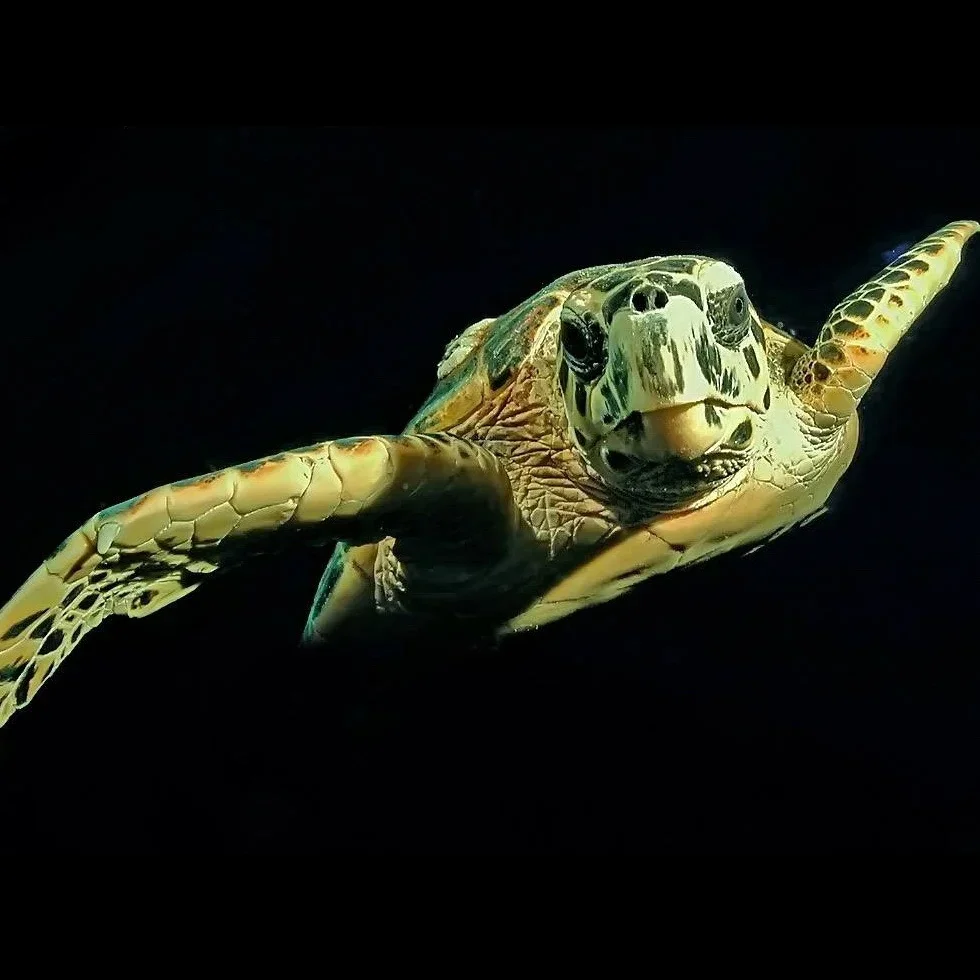
Hawksbill turtles are also seen navigating the reef structures. Schools of Spanish and rainbow mackerel, along with tuna and wahoo, are common sights in the open water.
The diverse reef fish population completes the vibrant ecosystem, complementing the extensive growth of both hard and soft corals found throughout the site.
Dive Sites Near Hibo Reef
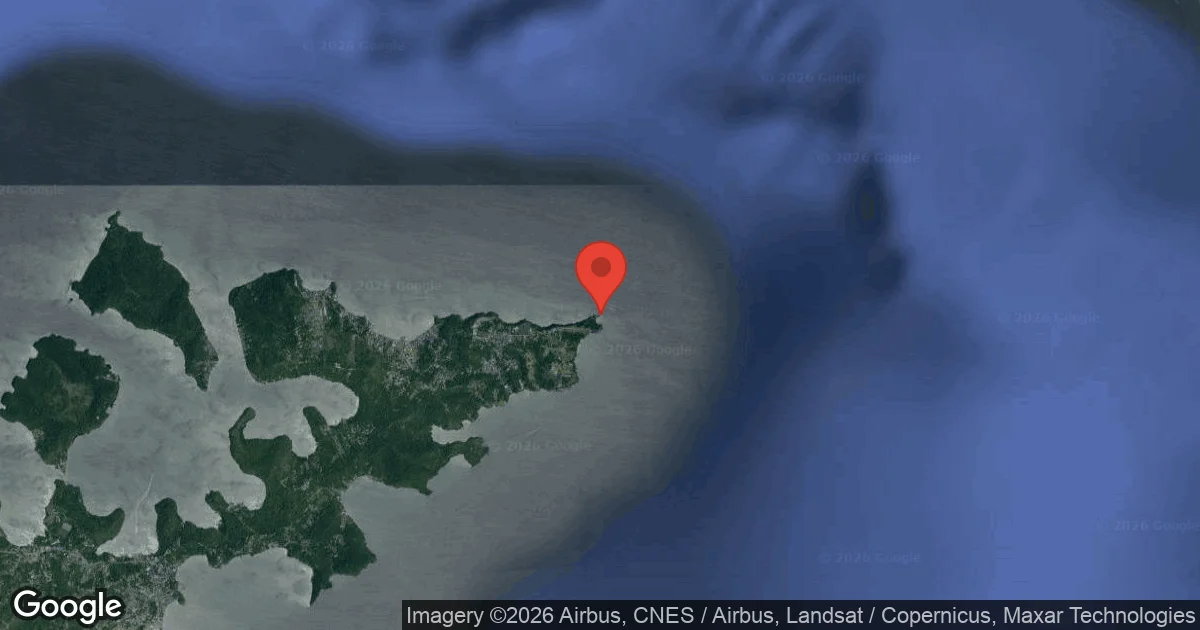
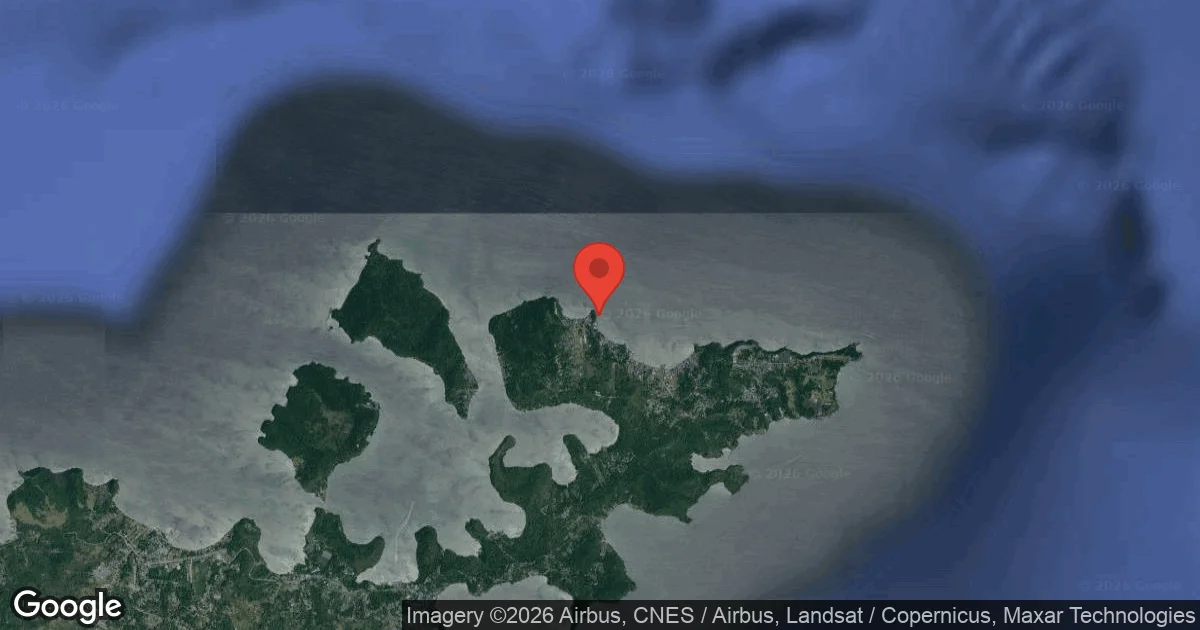
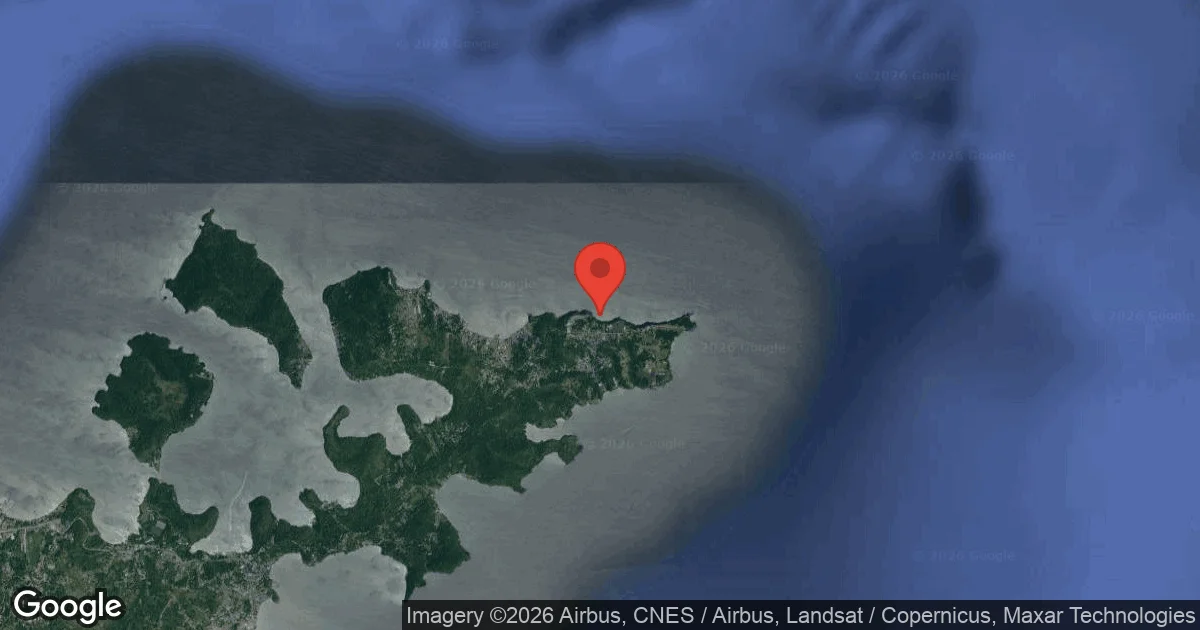
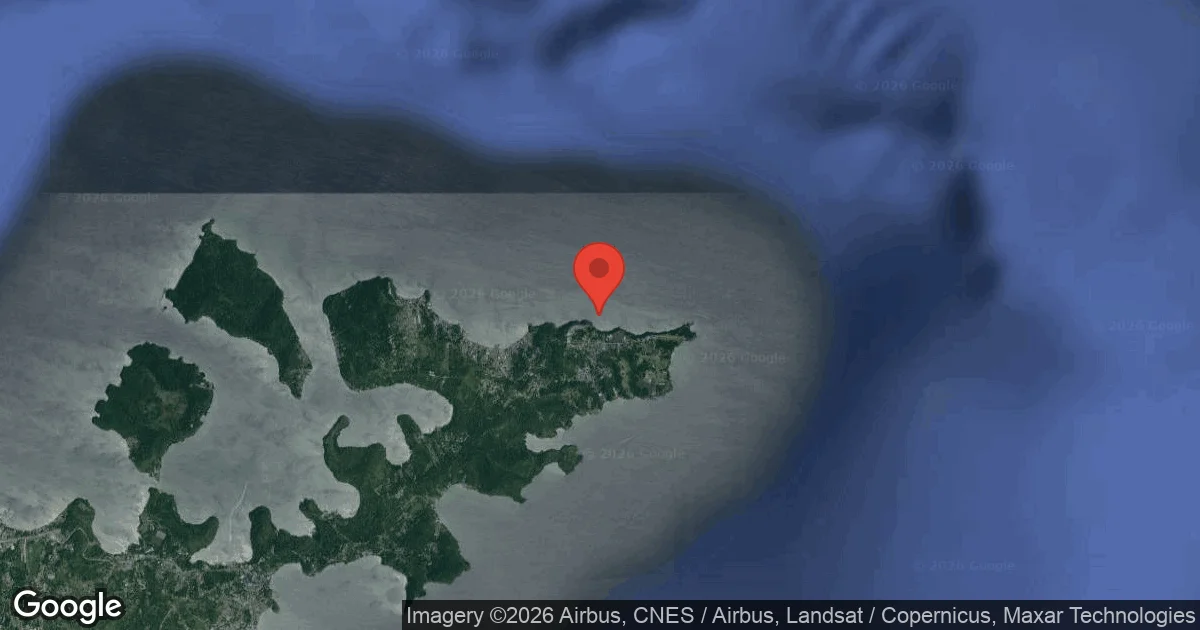
View all dive sites in PhilippinesDiscover more underwater gems in this area.
Dive Centers Near Hibo Reef
Today: Open 24 hours
Nearest Airports
Nearest airports to help plan travel to this dive area.
Search Flights
Check available flights and routes on Expedia, using the nearby airports listed in this section.
Search Flights on ExpediaFrequently Asked Questions
What is the typical depth range for diving Hibo Reef?
Hibo Reef is an advanced dive site with typical depths ranging from 18 m (60 ft) to 40 m (130 ft). The wall structure extends much deeper, reportedly to 500 meters, but recreational dives focus on the shallower portions of the reef.
What kind of currents can be expected at Hibo Reef?
Strong currents are often encountered, particularly on the surface. However, conditions can sometimes be milder in the deeper sections. Divers should be prepared for drift diving and have good current management skills.
What marine life is commonly seen at Hibo Reef?
Hibo Reef is known for pelagic encounters, including white-tip and gray reef sharks, tuna, wahoo, and mackerel. Hawksbill turtles are also frequently sighted, alongside a rich variety of hard and soft corals and reef fish.
Is Hibo Reef suitable for all diver levels?
No, Hibo Reef is classified as an advanced dive site due to its depth and the presence of strong currents. Divers should hold an Advanced Open Water certification or higher and have experience with deep and drift diving.
When is the best time of year to dive Hibo Reef?
The best time to dive Hibo Reef is typically during April and May, offering excellent dive conditions with warmer air temperatures, minimal rainfall, and calmer seas. Other months also provide good diving, but with varying weather patterns.
What equipment is recommended for diving Hibo Reef?
Due to the site's characteristics, a dive computer, a safety sausage (SMB), and a reef hook are highly recommended. These tools aid in managing deep profiles and navigating potential strong currents safely.
Where is Hibo Reef located?
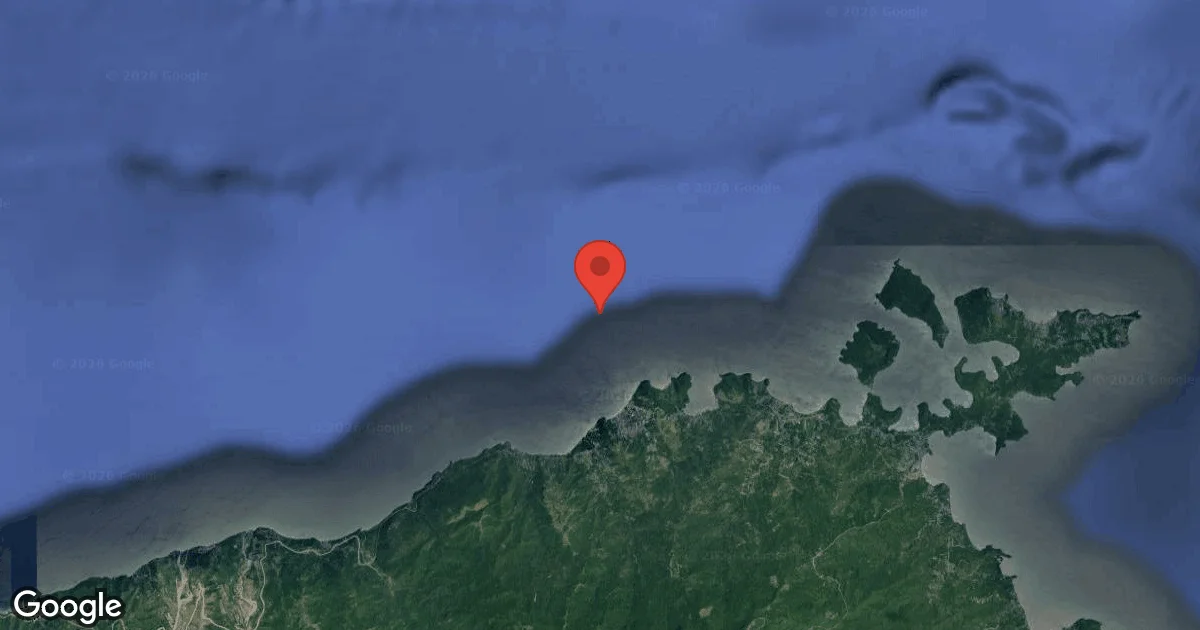
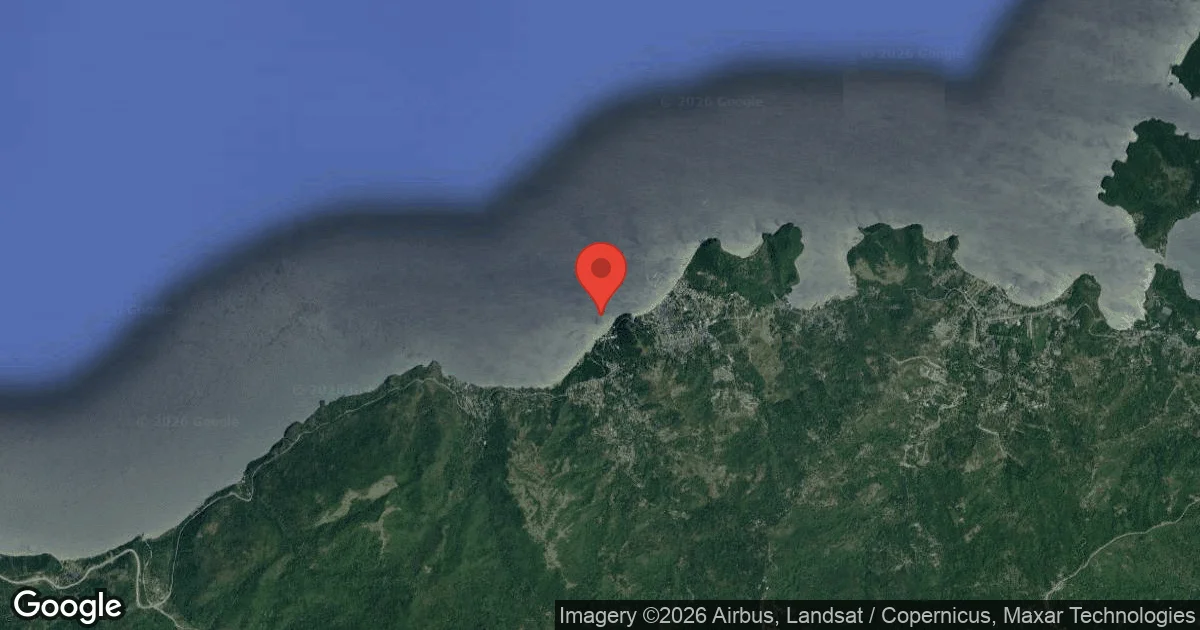
Hibo Reef is located along the coast of Mindoro, Philippines, in the vicinity of Puerto Galera. It is part of the Verde Island Passage, a region celebrated for its marine biodiversity.
Planning to dive Hibo Reef?
Send one inquiry and receive offers directly from the best verified local dive operators.
Conditions are Good
Optimal conditions expected
Current conditions near Hibo Reef show 28° air, 29° sea temperature, 0.1 m waves, and 18 km/h wind. Forecast data is refreshed regularly to ensure accuracy.