
Diving at Manila Channel (Philippines)
Divers of various skill levels find the Manila Channel a rewarding experience, from novices exploring the shallow reefs to advanced photographers seeking out unique macro life on deeper walls. Its varied topography caters to those comfortable with mild to moderate currents, offering opportunities for drift diving and exploring a deeper wreck at around 21 m / 70 ft. For those looking to develop drift diving techniques or simply enjoy abundant coral gardens, Manila Channel offers a dynamic underwater environment.
Evening condition tracking at Manila Channel features an air temperature of 28.5°C. We have recorded wave heights measuring 0.2 m during this period. These figures outline the environmental parameters currently present.
Dive Site Location & Key Facts
Dive Site Overview
Manila Channel has emerged as a prominent dive site near Puerto Galera, drawing divers with its rich underwater ecosystems and diverse topography. Historically, the channel serves as a vital waterway for local transport; its strong currents have fostered a robust coral environment.
Significant hard coral growth characterizes the site, visible from as shallow as 1 m / 3 ft and descending to depths reported up to 26-30 m / 85-100 ft. A notable feature is a 12 m / 40 ft sailboat wreck at roughly 21 m / 70 ft on a sandy bottom, now heavily encrusted with both hard and soft corals. As currents sweep through the channel, they nourish a vibrant ecosystem, supporting not only abundant reef fish populations but also a fascinating array of invertebrates and larger pelagic species.
It's a consistently popular dive, recognized for its accessibility from Muelle Pier and the sheer volume of marine life sustained by the flowing waters.
Conditions are Excellent
07:00 - 14:00
Optimal conditions expected
Current conditions near Manila Channel show 29° air, 29° sea temperature, 0.3 m waves, and 19 km/h wind. Forecast data is refreshed regularly to ensure accuracy.
Best Time to Dive
Diving conditions at Manila Channel are generally favorable throughout the year, though specific periods offer peak experiences. April and May typically present excellent dive scores, characterized by warmer air temperatures averaging 28-28.5°C / 82-83°F and minimal rainfall, around 2-5 mm. These conditions create calm surface conditions conducive to relaxed diving. Conversely, the cooler months from January to March maintain good dive scores, with air temperatures around 25-26°C / 77-79°F, though rainfall is slightly higher, ranging from 6-14 mm. While winter water temperatures are reported between 24-28°C / 75-82°F and summer temperatures between 27-30°C / 81-86°F, the overall warmth makes year-round diving comfortable. For those prioritizing minimal rain and optimal surface clarity, the dry season, particularly November to May, tends to be preferred.
PEAK SEASON SCORE
Scores combine air & water temps, waves, wind & rainfall for overall conditions.
BEST MONTHS TO DIVE
Monthly records compiled from satellite and marine observation nodes over the last 3 years. Data provided by Open-Meteo and MET Norway.
Dive Experience & Conditions
Entering the Manila Channel often involves navigating a mild to moderate current, requiring divers to make adjustments based on the tide. A common approach involves starting near the island rock or along the mangrove area during a rising, flooding tide, then following a mooring line down to about 5 m / 16 ft. Alternatively, a blue water descent in the middle of the channel can lead directly to the wreck at approximately 21 m / 70 ft. Water temperatures typically range from 24-30°C / 75-86°F. Divers encounter two distinct short walls here; one drops at about 12 m / 40 ft, and a second between 18-20 m / 59-66 ft. Visibility varies depending on conditions but generally allows for clear views of the vibrant hard corals and diverse marine inhabitants along the slopes and walls. Each dive presents a slightly different drift experience, reflecting the channel's dynamic nature.
Dive Difficulty & Safety Guidelines
Diving the Manila Channel requires careful planning, particularly due to the consistent presence of mild to moderate currents. Divers should be proficient in drift diving techniques or dive with experienced guides. Always plan for the reported depths of up to 26-30 m / 85-100 ft, ensuring appropriate training and gas management, especially for any planned night dives where conditions can feel more demanding.
It's important to monitor local tide charts, as flooding currents significantly influence the entry points and dive profiles. While no specific hazards are routinely reported beyond currents and depth, general safe diving practices, including staying hydrated and checking equipment, are paramount.
Local government regulations ban all types of fishing within Puerto Galera Bay and towards Manila Channel, contributing to the site's rich marine life preservation.
Recommended Equipment
Current and surface separation risk. Local briefing strongly recommended.
- Dive Computer
- DSMB
- Reel / Spool
This gear list is based on verified equipment signals for Manila Channel, Philippines. Always confirm final gear choices with your dive operator, guide, or liveaboard.
Recommended Dive Suit
Subtle variations in currents or depth can sometimes influence perceived water temperature.
2-3mm shorty or light wetsuit tends to perform well in water temperatures like those currently observed here. Forecast models show minimal temperature variation in the coming days.
Water temperatures across the dive area at Manila Channel are presently estimated to be around 29°C (84°F). Surface air temperatures are resting at 29°C (83°F).
Due to technical issues with our weather providers, data hasn't been fetched for over 48 hours. The data above reflects the conditions at the time of the last successful fetch.
Emergency & Medical Support
Essential information to help you plan your dive trip to Manila Channel.

Hyperbaric chambers are a critical part of dive safety infrastructure. Availability varies significantly by region, and not all dive areas have immediate access.
Before diving, it's recommended to:
- confirm nearest medical facilities
- check emergency procedures with local dive operators
- ensure dive insurance covers evacuation if required
Divers Alert Network
Diving emergency assistance available through DAN World.
+1-919-684-9111- 24/7 emergency hotline
- Diving medical assistance
- Evacuation coordination
Emergency contacts are provided for reference. Always verify local emergency services before diving.
Marine Life at Manila Channel
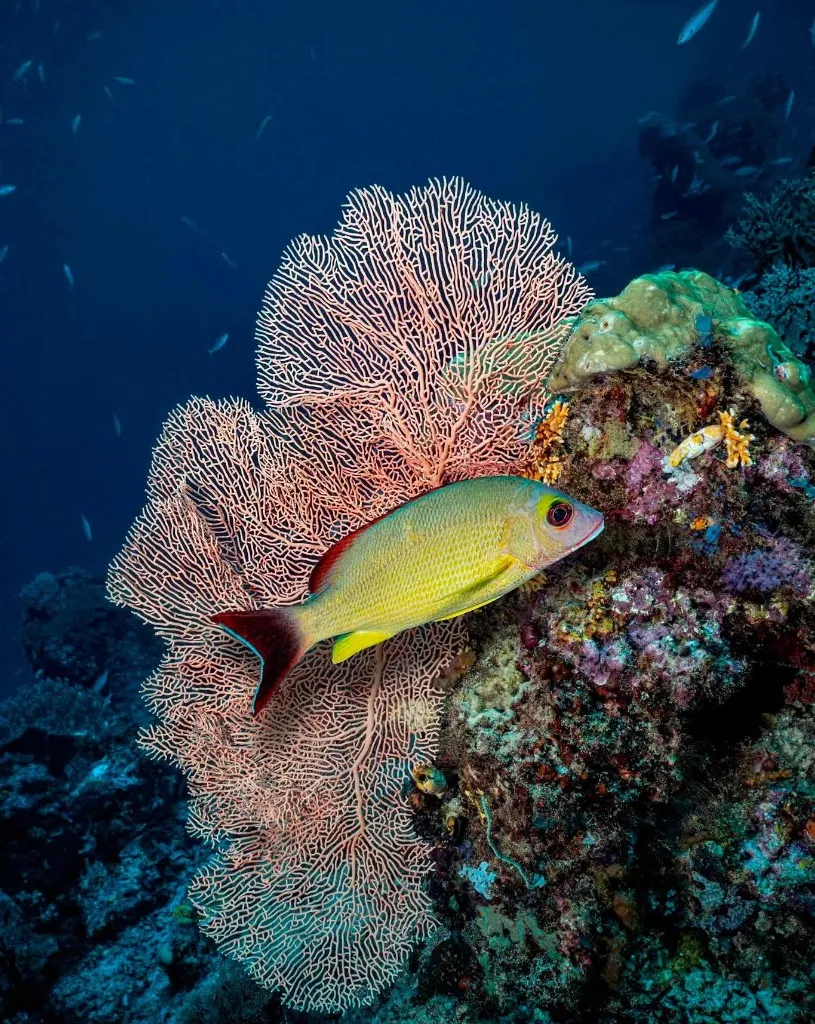
Descending into Manila Channel, divers immediately encounter abundant hard corals, forming a vibrant base for the ecosystem. Along the walls and slopes, large gorgonian sea fans, barrel sponges, and whip corals create intricate backdrops.
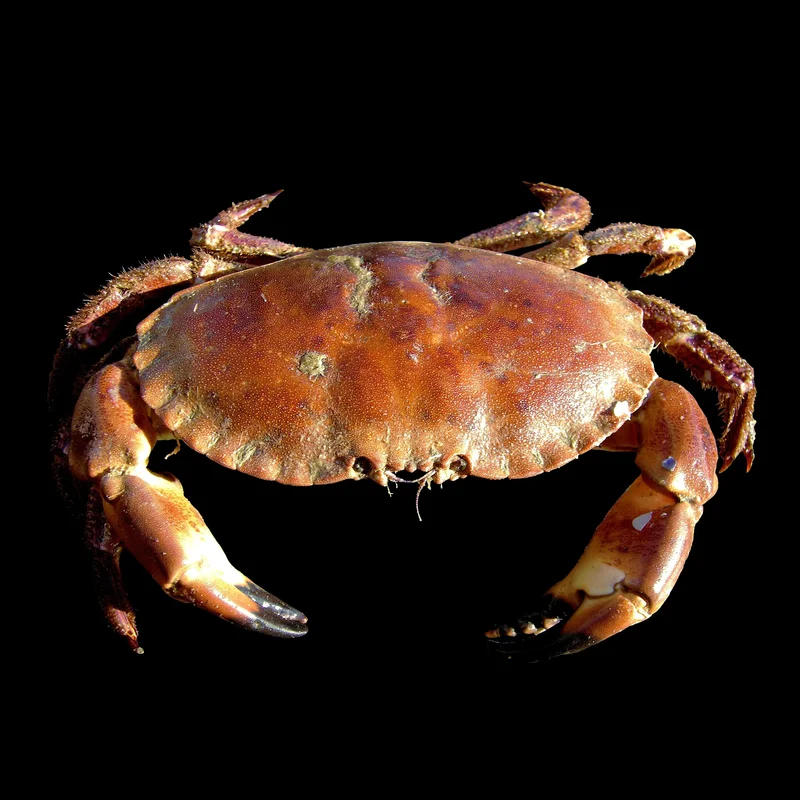
Keep an eye out for resident schools of snapper, batfish, sweetlips, wrasses, and fusiliers swirling in the currents. Closer inspection of the sandy bottom and coral crevices reveals crabs, mantis shrimps, and nudibranchs.
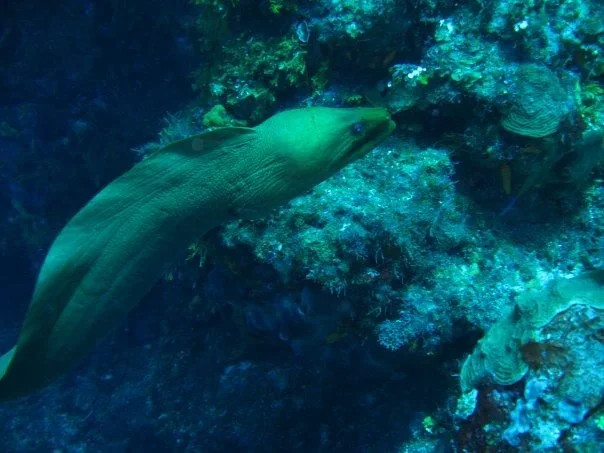
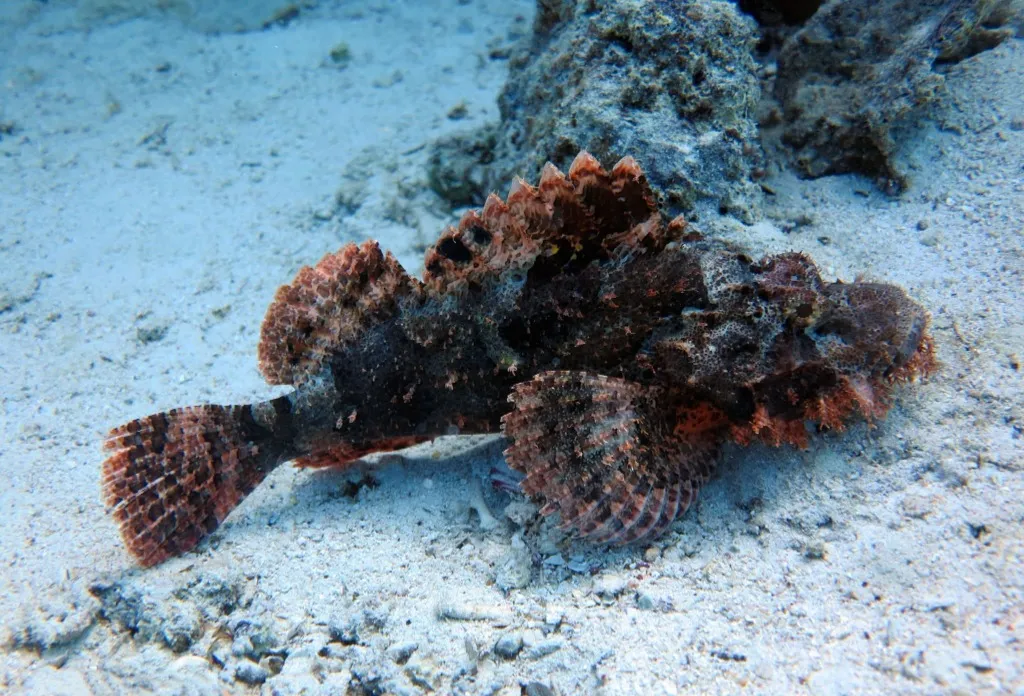
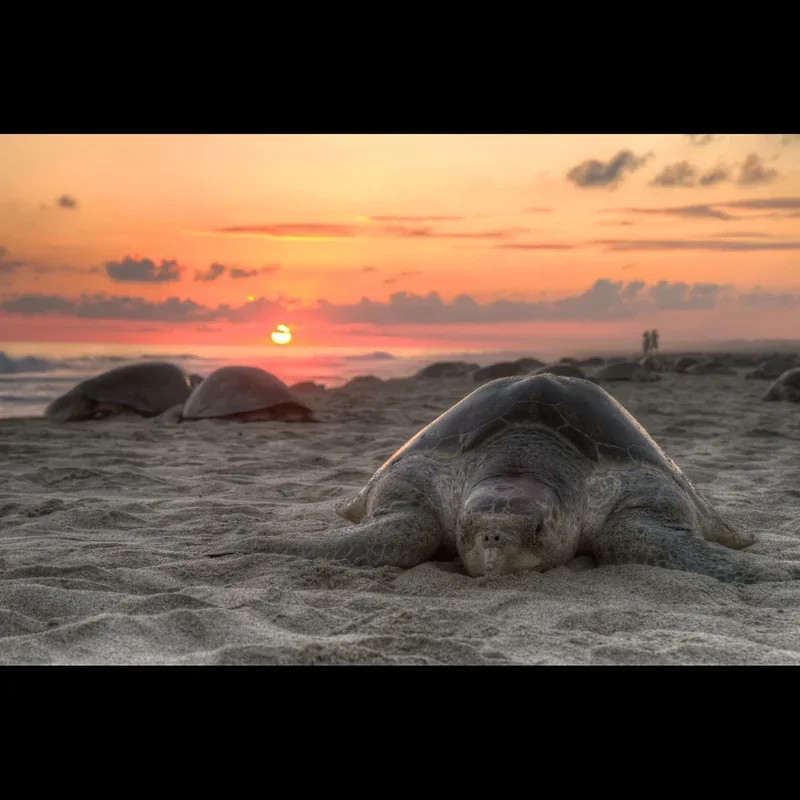
Lucky divers might also spot blue-dotted stingrays, moray eels, banded sea snakes, and even sea turtles in the shallower sections. On the wreck, in particular, divers will find camouflaged lionfish, stonefish, scorpionfish, and frogfish.
Dive Sites Near Manila Channel
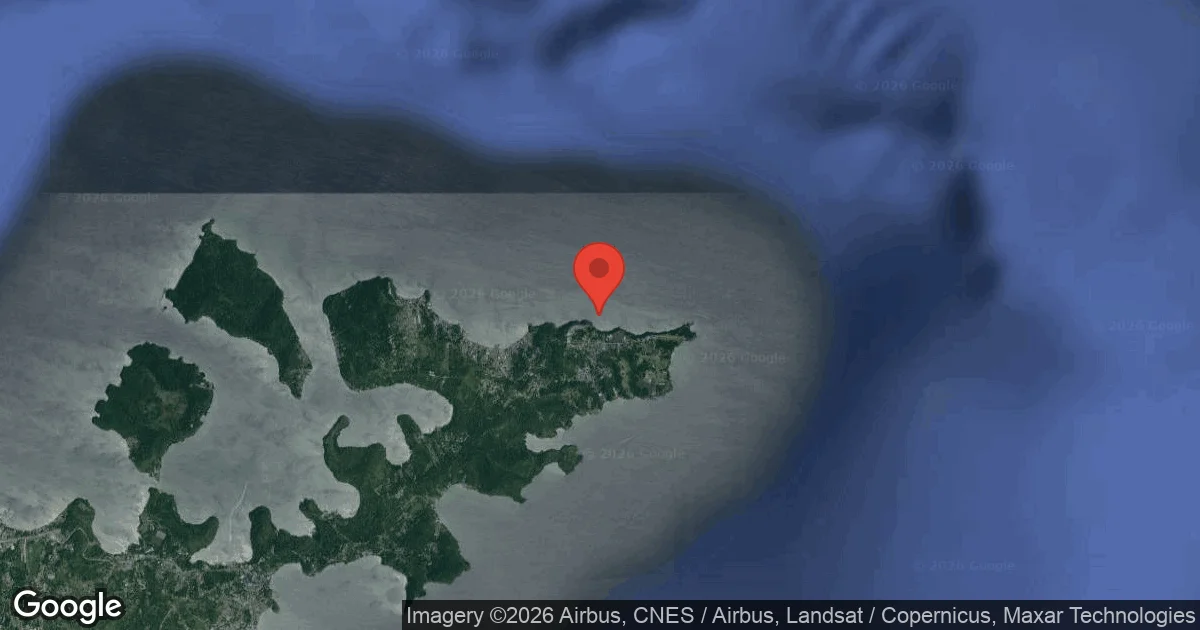
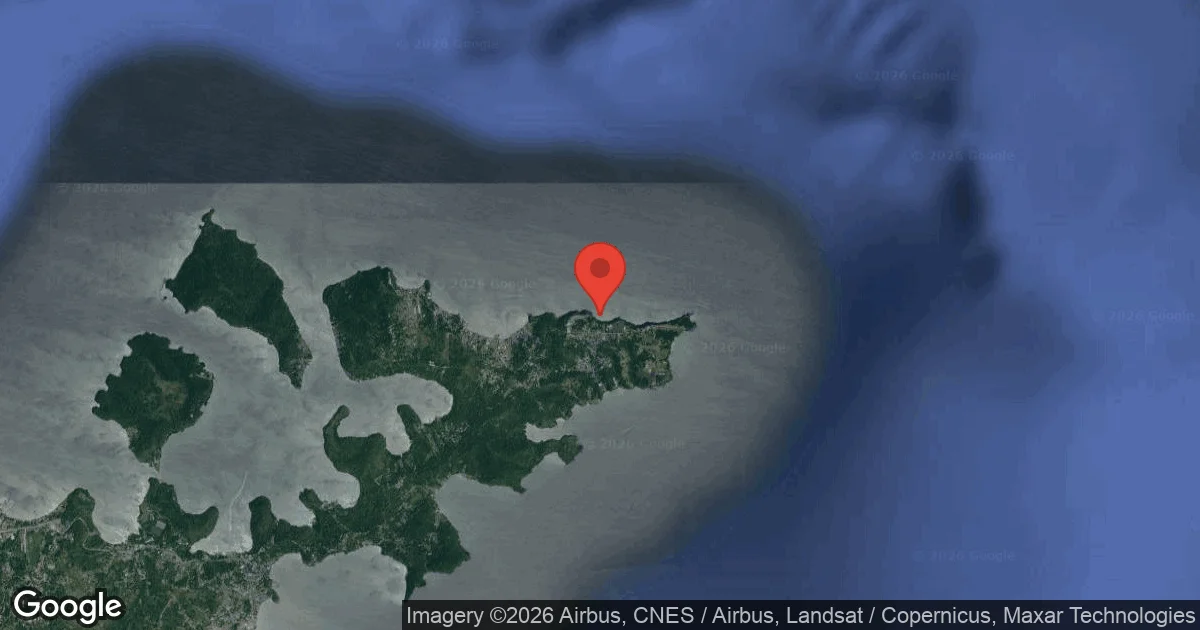
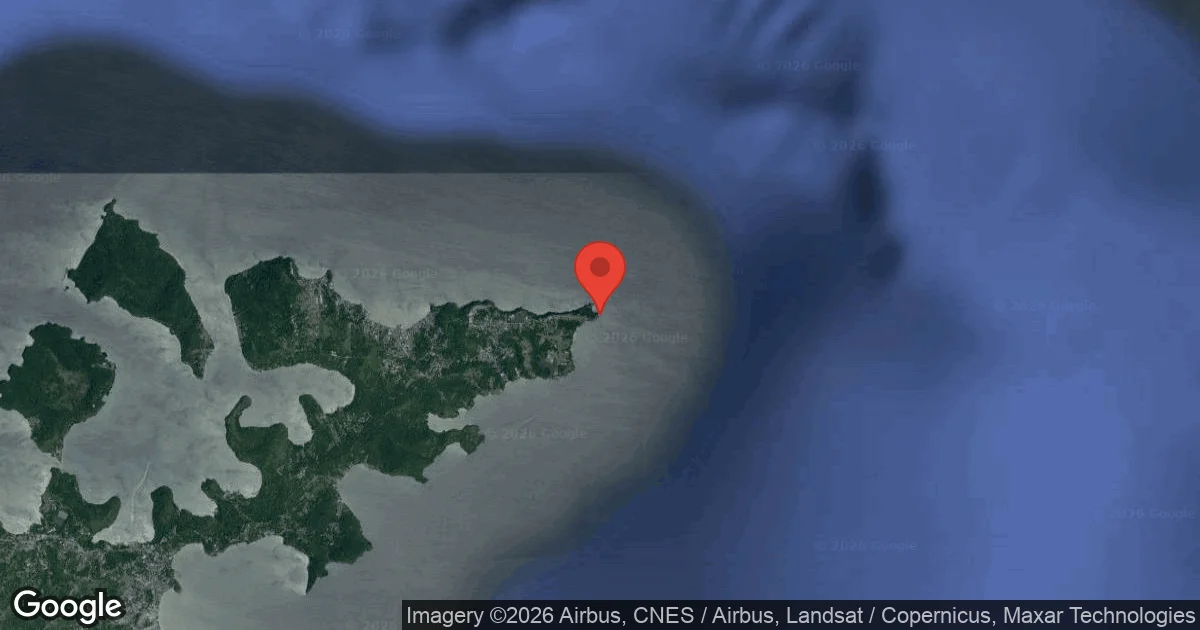
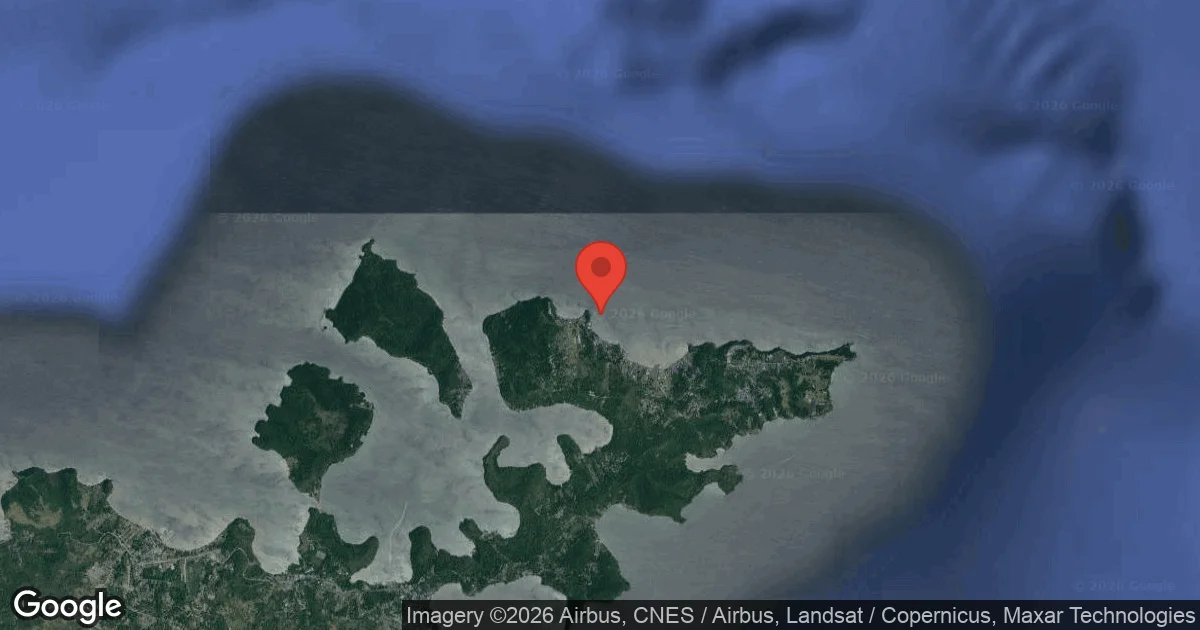
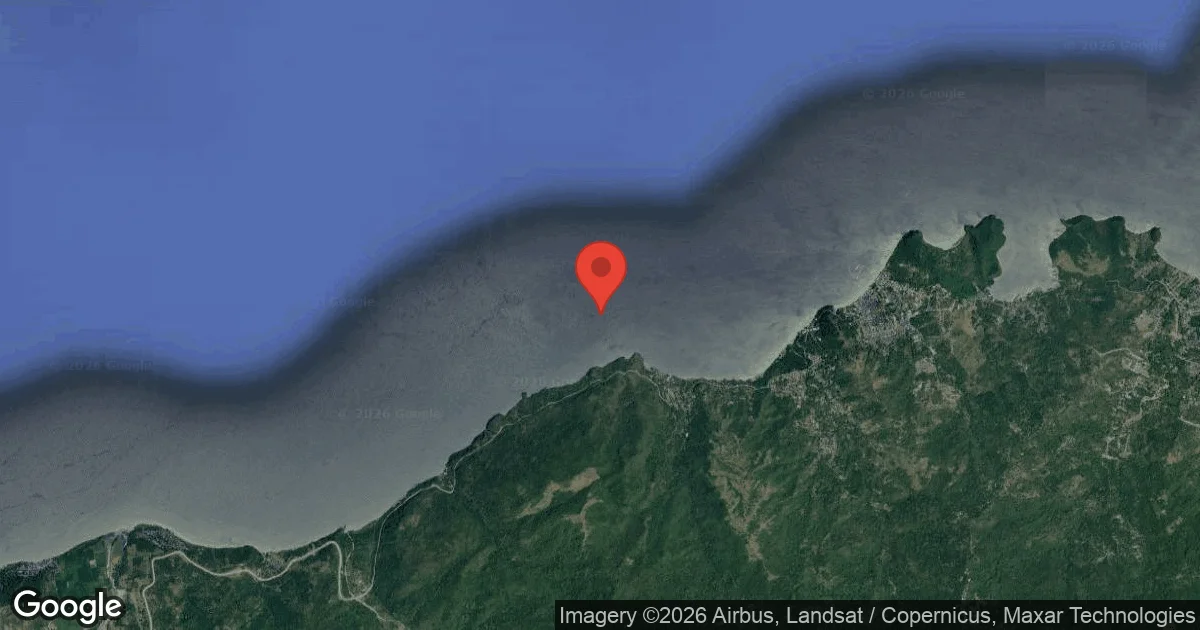
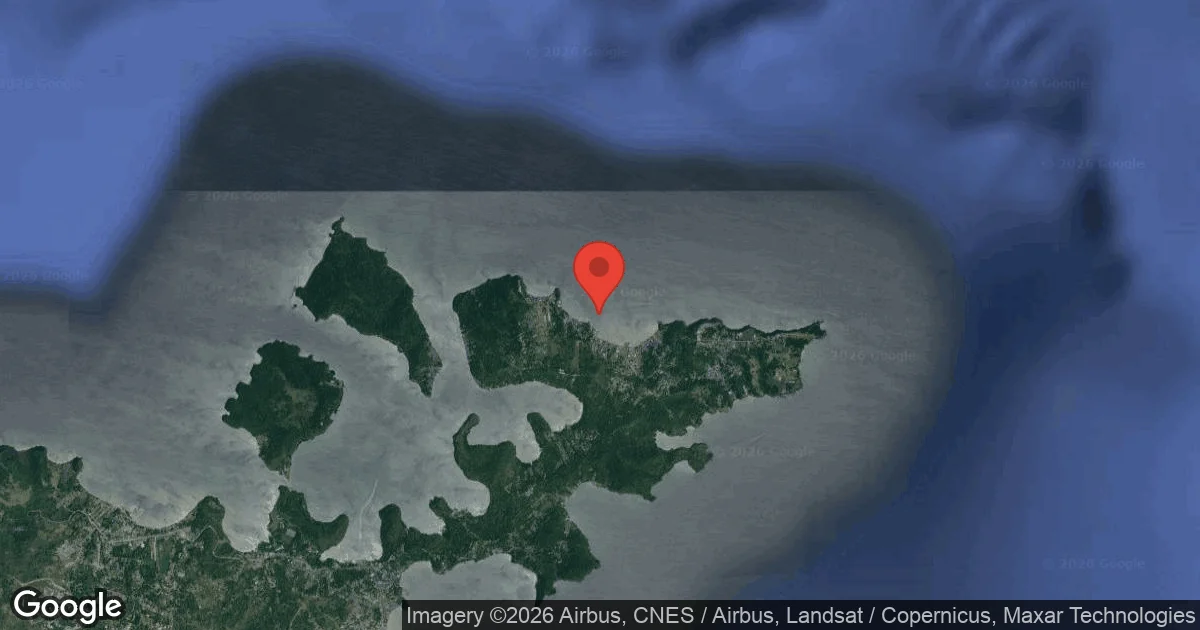
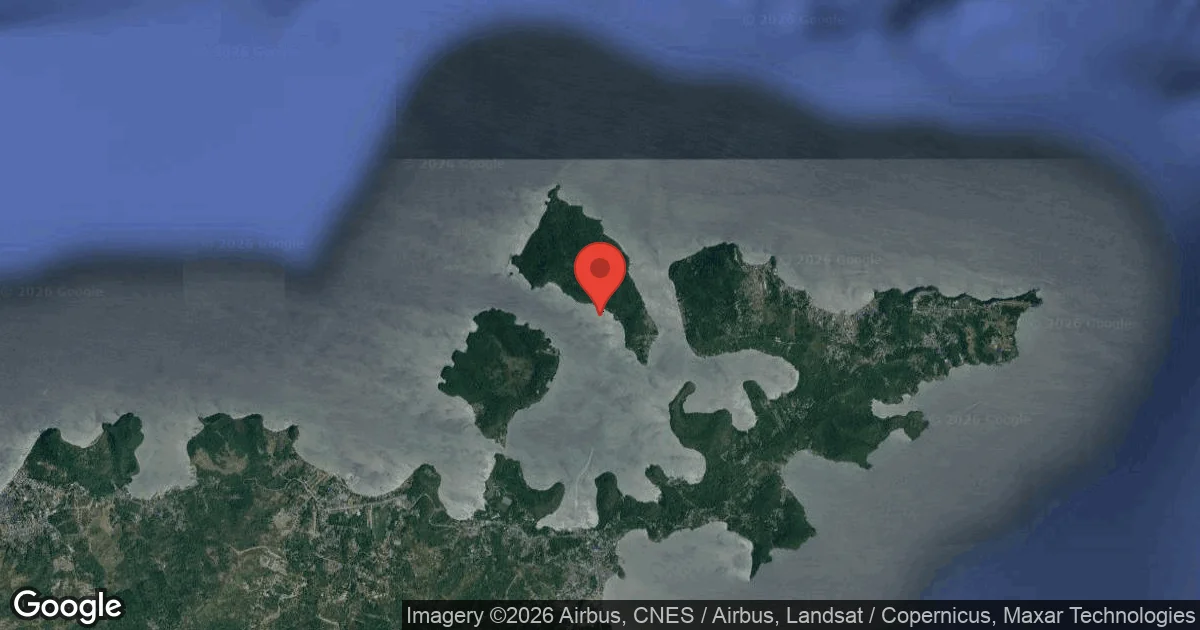
View all dive sites in PhilippinesDiscover more underwater gems in this area.
Dive Centers Near Manila Channel
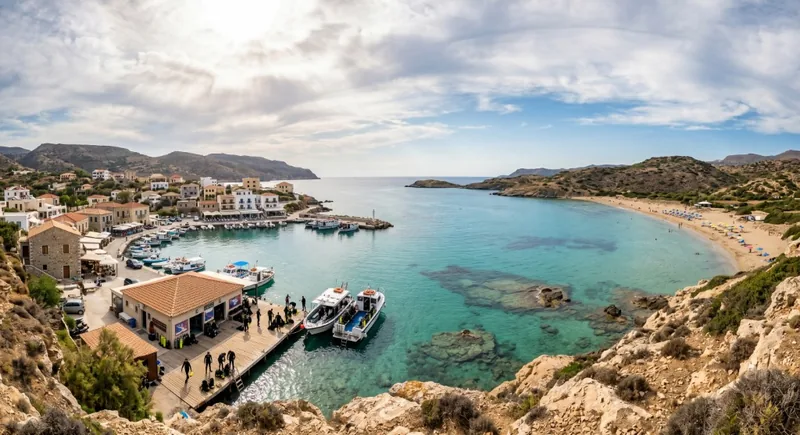
Today: Open 24 hours
Nearest Airports
Nearest airports to help plan travel to this dive area.
Search Flights
Check available flights and routes on Expedia, using the nearby airports listed in this section.
Search Flights on ExpediaFrequently Asked Questions
What is the typical depth range for diving in Manila Channel?
The reported depth range for diving in Manila Channel is up to 26-30 m / 85-100 ft. Hard corals are visible from as shallow as 1 m / 3 ft, and two distinct walls are found at 12 m / 40 ft and 18-20 m / 59-66 ft.
Are there currents in Manila Channel?
Yes, a mild to moderate current is consistently present in Manila Channel. Divers should plan for drift diving and be aware that flooding currents during rising tides may require adjustments to entry points.
What kind of marine life can I expect to see?
You can expect to see abundant hard corals, gorgonian sea fans, barrel sponges, and a variety of fish including snapper, batfish, sweetlips, wrasses, and fusiliers. Macro life like crabs, mantis shrimps, and nudibranchs are common, along with occasional sightings of blue dotted stingrays, moray eels, banded sea snakes, and sea turtles.
Is there a wreck at Manila Channel?
Yes, there is a 12 m / 40 ft sailboat wreck on the sandy bottom at approximately 21 m / 70 ft. It is heavily encrusted with corals and home to various camouflaged creatures like lionfish and frogfish.
What are the best months to dive here?
While diving is good all year round, the dry season from November to May is often considered the best. April and May typically offer excellent conditions with warmer air temperatures and minimal rainfall.
Is Manila Channel suitable for beginner divers?
Manila Channel is generally considered suitable for all levels, from novice to experienced divers. However, due to the presence of mild to moderate currents, beginner divers should be comfortable with basic drift diving techniques or dive with an experienced guide.
Planning to dive Manila Channel?
Send one inquiry and receive offers directly from the best verified local dive operators.
Conditions are Excellent
07:00 - 14:00
Optimal conditions expected
Current conditions near Manila Channel show 29° air, 29° sea temperature, 0.3 m waves, and 19 km/h wind. Forecast data is refreshed regularly to ensure accuracy.