
Diving at Japanese Wreck (Philippines)
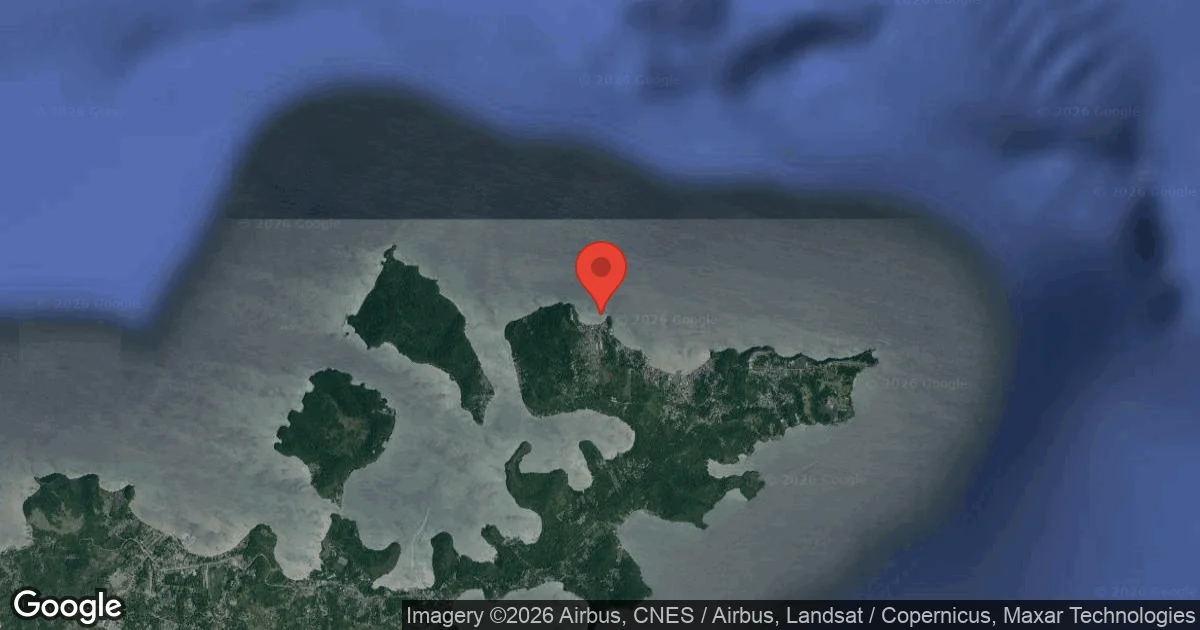
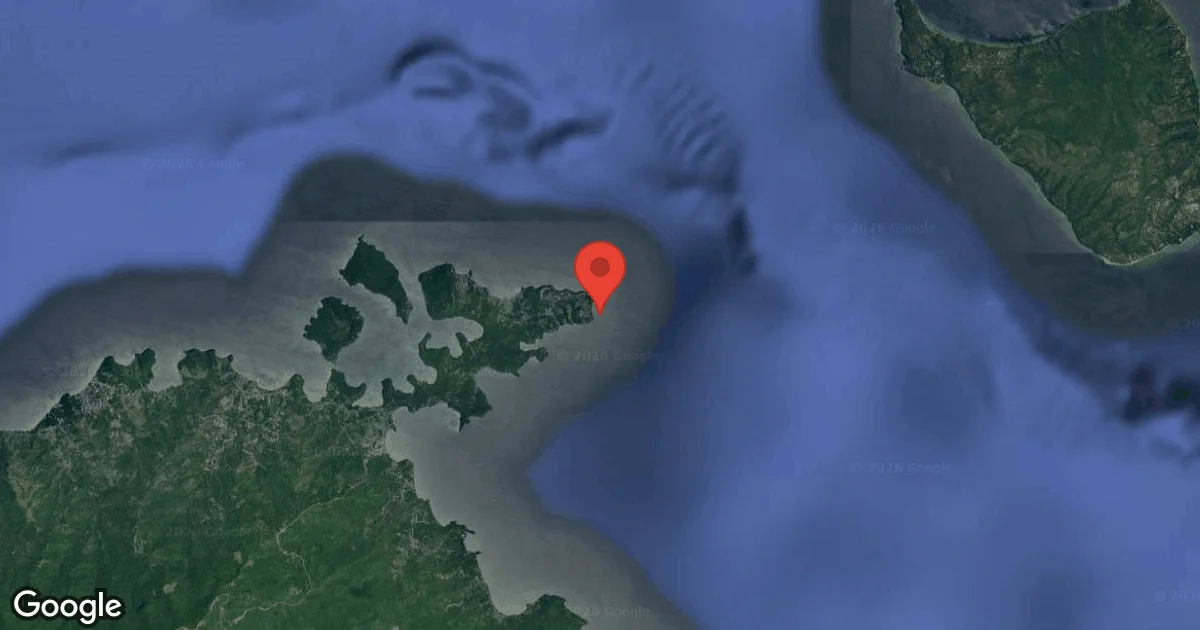
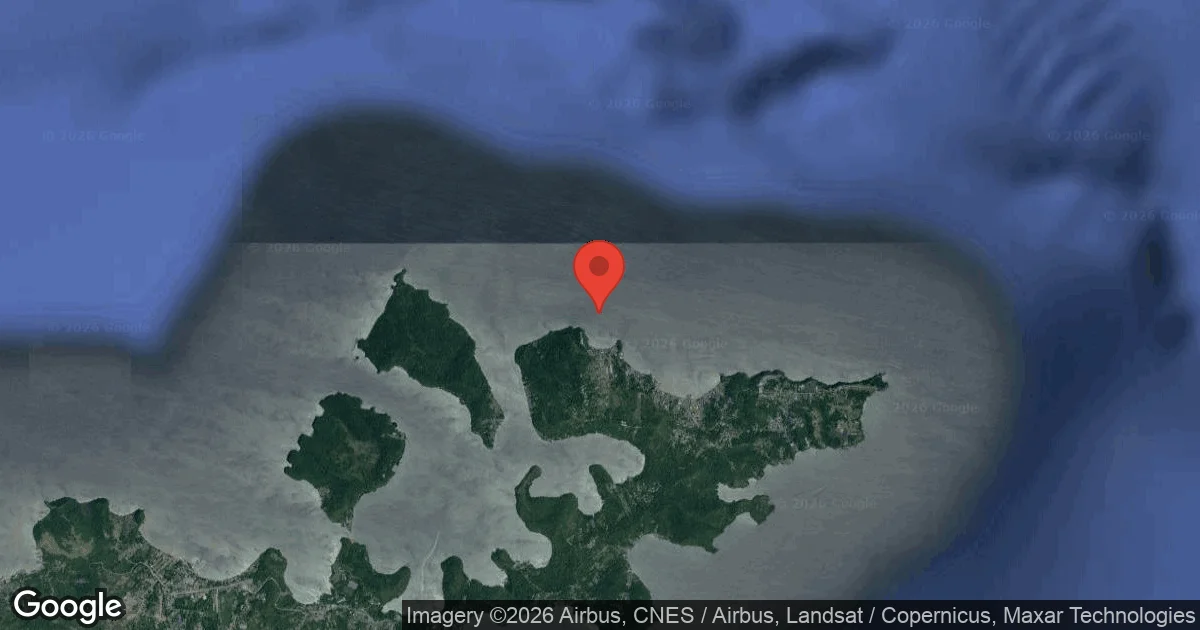
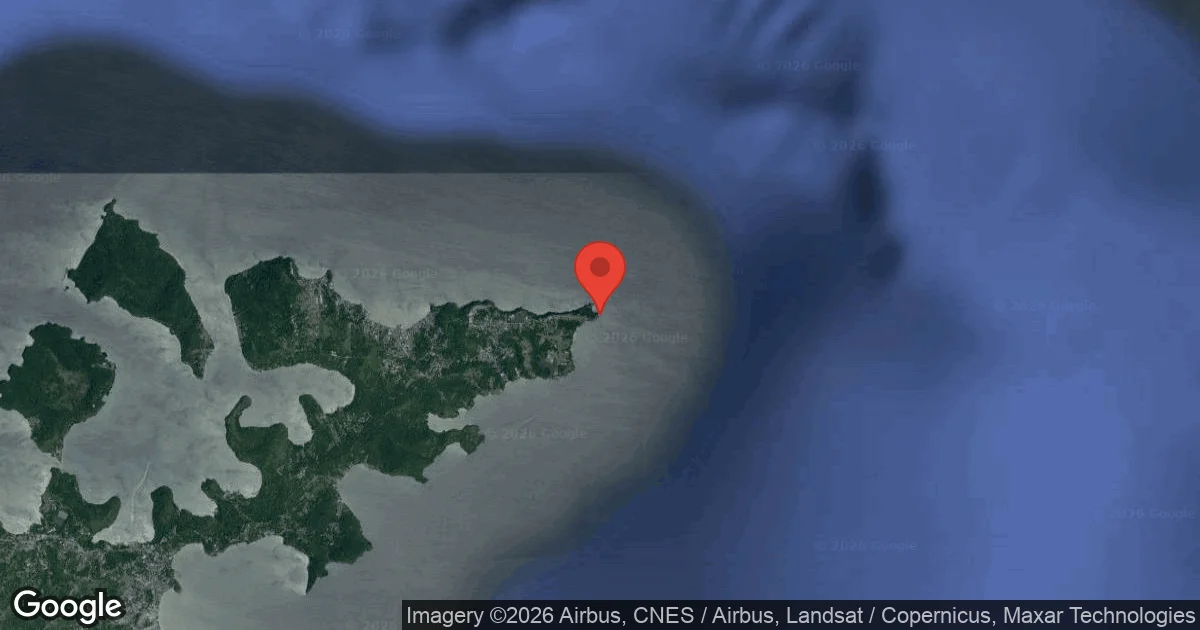
Near Puerto Galera, the Japanese Wreck rests on the ocean floor, serving as an underwater museum and a poignant World War II relic. This sunken vessel, now an artificial reef, is encrusted with diverse corals and draped in marine fauna. It lies within diveable depths, appealing to certified divers seeking both historical exploration and vibrant marine encounters. The site merges history with a thriving ecosystem.
Evening condition tracking at Japanese Wreck features an air temperature of 28°C. We have recorded wave heights measuring 0.1 m during this period. These figures outline the environmental parameters currently present.
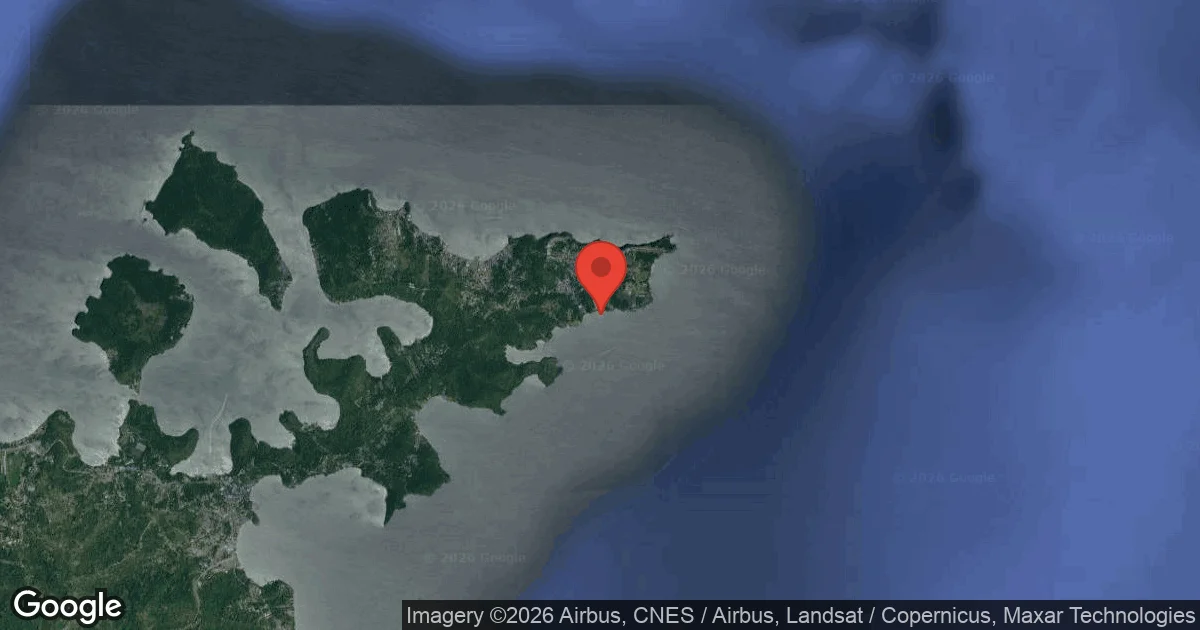
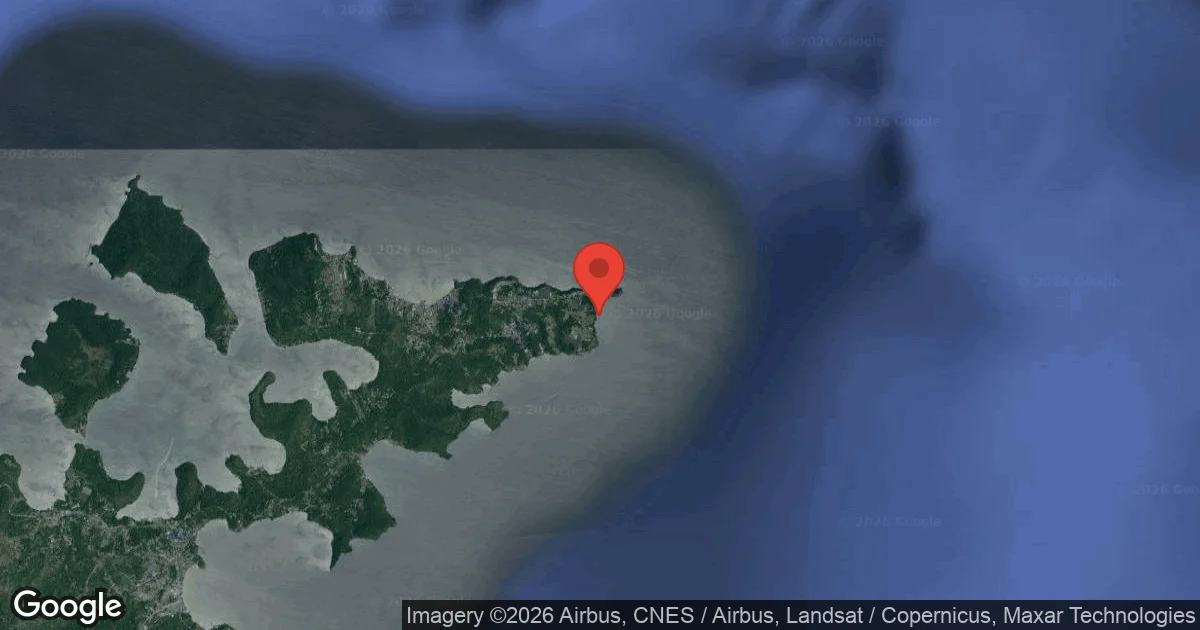
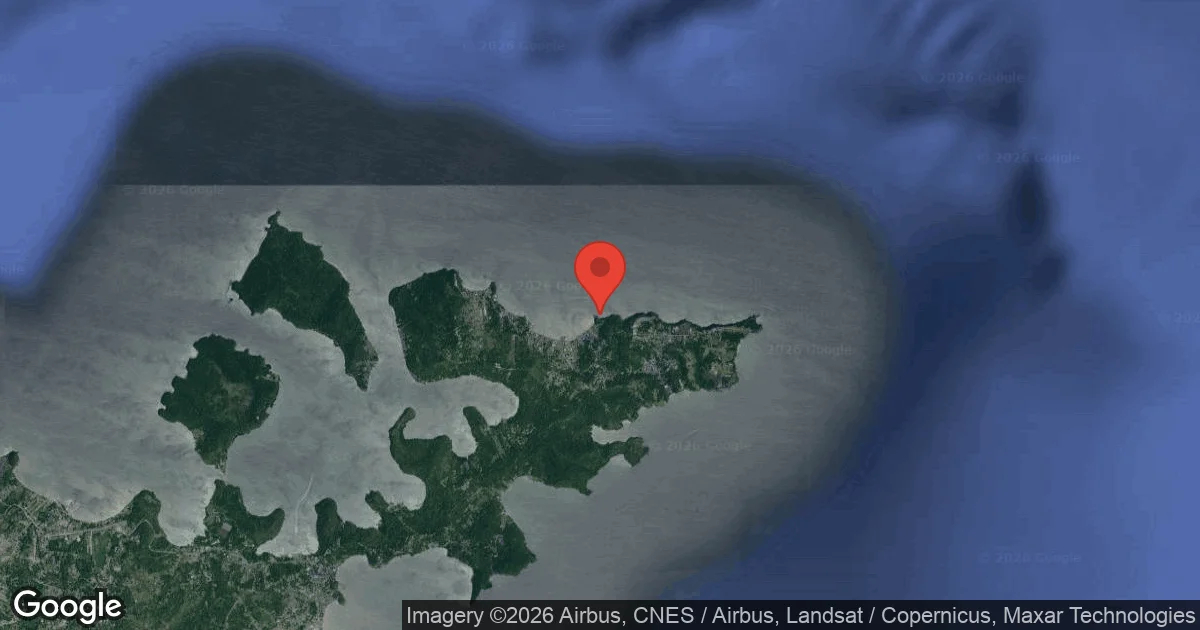
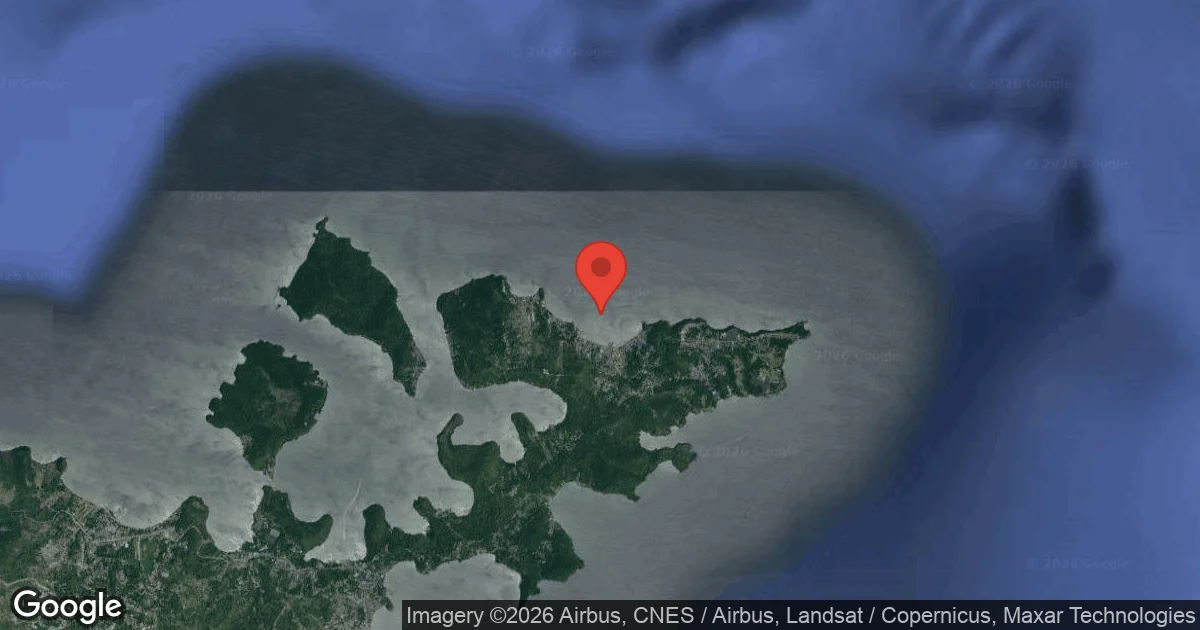
Dive Site Location & Key Facts
Dive Site Overview
A dive at the Japanese Wreck provides a profound experience, inviting exploration amidst thriving marine life. A World War II relic, the vessel stretches across the seabed, offering multiple entry points.
While specific dimensions aren't consistently reported, its general structure does allow for some limited penetration opportunities. Divers with appropriate training may explore internal compartments like cargo holds or engine rooms, revealing hints of its wartime function and previous cargo. Beyond the main hull, wreck surfaces have transformed into vibrant canvases of hard and soft corals, attracting a wide array of marine species.
Navigate through various open sections to observe the intricate interplay of natural reef growth reclaiming a significant historical structure. The surrounding seabed also hosts scattered debris, extending the area of interest and potentially revealing more artifacts.
Expect depths reaching around 45 m / 147 ft at its deepest points, making it suitable for appropriately certified deep divers; shallower sections remain within recreational limits. It's a compelling journey into both history and underwater ecology, often presenting good visibility.
Conditions are Good
Optimal conditions expected
Current conditions near Japanese Wreck show 28° air, 29° sea temperature, 0.1 m waves, and 20 km/h wind. Forecast data is refreshed regularly to ensure accuracy.
Best Time to Dive
Planning a visit to the Japanese Wreck benefits from understanding seasonal patterns. The dry season, running from December to June, generally offers the most favorable diving conditions in the Philippines, with reduced rainfall influencing underwater visibility. March through May frequently prove excellent months, characterized by minimal rain, averaging 2.1 to 6.1 mm, and comfortable air temperatures of 26-28.5°C / 79-83°F. These conditions often translate to calmer surface waters, enhancing dive boat comfort. Conversely, from July to November, the wet season introduces increased precipitation, potentially affecting water clarity in certain areas. While dive scores remain good then, drier periods typically yield calmer surface conditions and clearer underwater visibility, significantly enhancing the wreck exploration experience.
PEAK SEASON SCORE
Scores combine air & water temps, waves, wind & rainfall for overall conditions.
BEST MONTHS TO DIVE
Monthly records compiled from satellite and marine observation nodes over the last 3 years. Data provided by Open-Meteo and MET Norway.
Dive Experience & Conditions
Conditions at the Japanese Wreck present a distinct atmosphere, a blend of historical solemnity and vibrant life. Visibility can vary, but often provides clear views of the encrusted structure, particularly during drier seasons. Water temperatures consistently remain warm, typically ranging from 22-27°C / 72-81°F, enabling comfortable diving with minimal thermal protection. Current conditions aren't consistently reported, though they're generally manageable for experienced wreck divers; however, surge can occasionally be a factor near the surface. Access to the site involves a boat ride, typically arranged from local dive centers in Puerto Galera. Divers should prepare for varying light penetration within the wreck's interior, creating an otherworldly ambiance where life and decay intertwine. Such a setting makes for a memorable dive.
Dive Difficulty & Safety Guidelines
Navigating an underwater wreck requires awareness and appropriate training for safe exploration. Deeper sections of the Japanese Wreck, especially those beyond recreational limits, highly recommend advanced certifications like PADI Deep Diver or Tec courses. Penetrating the wreck's interior further demands specialized training, such as a PADI Wreck Diver course, coupled with diligent attention to gas management and navigation.
Maintain neutral buoyancy to protect delicate coral growth and avoid disturbing the wreck's integrity. Always dive with a buddy and adhere to local dive operator guidelines to ensure a secure experience.
Recommended Equipment
Technical depth range. Advanced planning, gas management, and appropriate certification required.
Overhead / entanglement risk. Wreck penetration requires proper training.
- Dive Computer
- DSMB
- Primary & Backup Lights
- Wreck Reel
- Cutting Tool
This gear list is based on verified equipment signals for Japanese Wreck, Philippines. Always confirm final gear choices with your dive operator, guide, or liveaboard.
Recommended Dive Suit
Recent conditions suggest the water at Japanese Wreck remains near 29°C (84°F), offering typical conditions for the area. Surface air temperatures are resting at 28°C (82°F).
The upcoming forecast points to generally steady conditions in the area.
Divers who prefer moderate insulation typically choose dive skin or rash guard in similar environments. A hood or vest is suggested for sensitive divers due to surface winds. Many experienced divers adjust their exposure protection depending on the type of dive planned.
Emergency & Medical Support
Essential information to help you plan your dive trip to Japanese Wreck.

Hyperbaric chambers are a critical part of dive safety infrastructure. Availability varies significantly by region, and not all dive areas have immediate access.
Before diving, it's recommended to:
- confirm nearest medical facilities
- check emergency procedures with local dive operators
- ensure dive insurance covers evacuation if required
Divers Alert Network
Diving emergency assistance available through DAN World.
+1-919-684-9111- 24/7 emergency hotline
- Diving medical assistance
- Evacuation coordination
Emergency contacts are provided for reference. Always verify local emergency services before diving.
Marine Life at Japanese Wreck
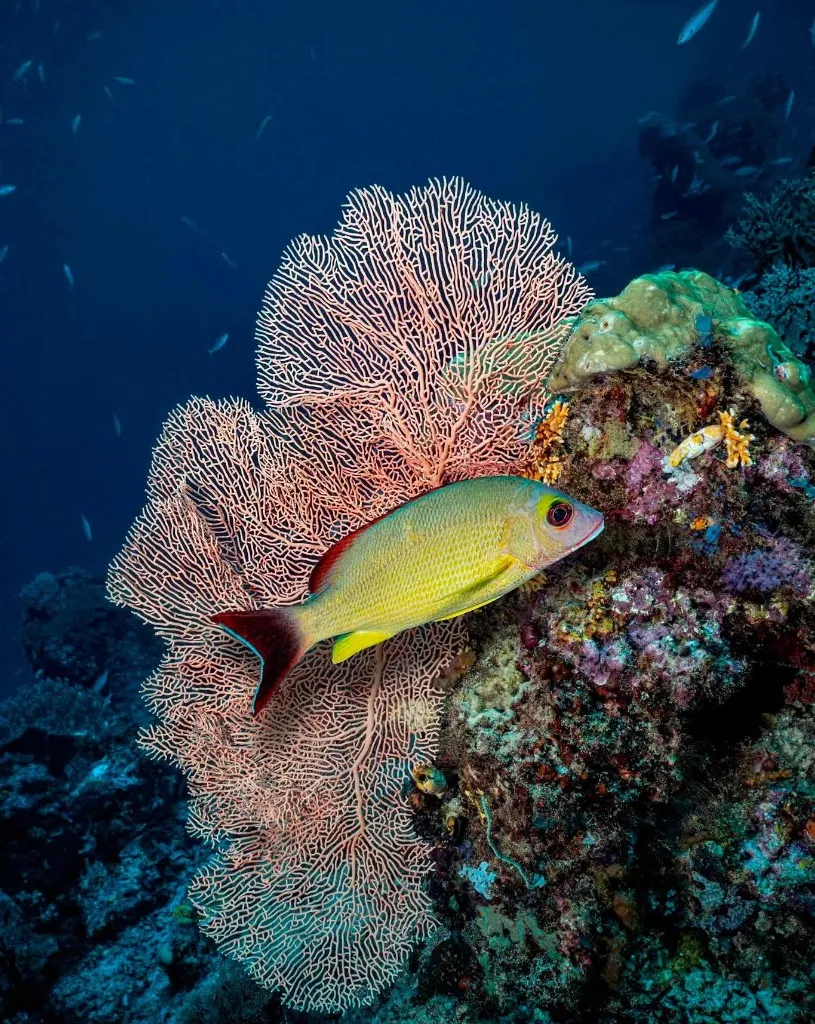
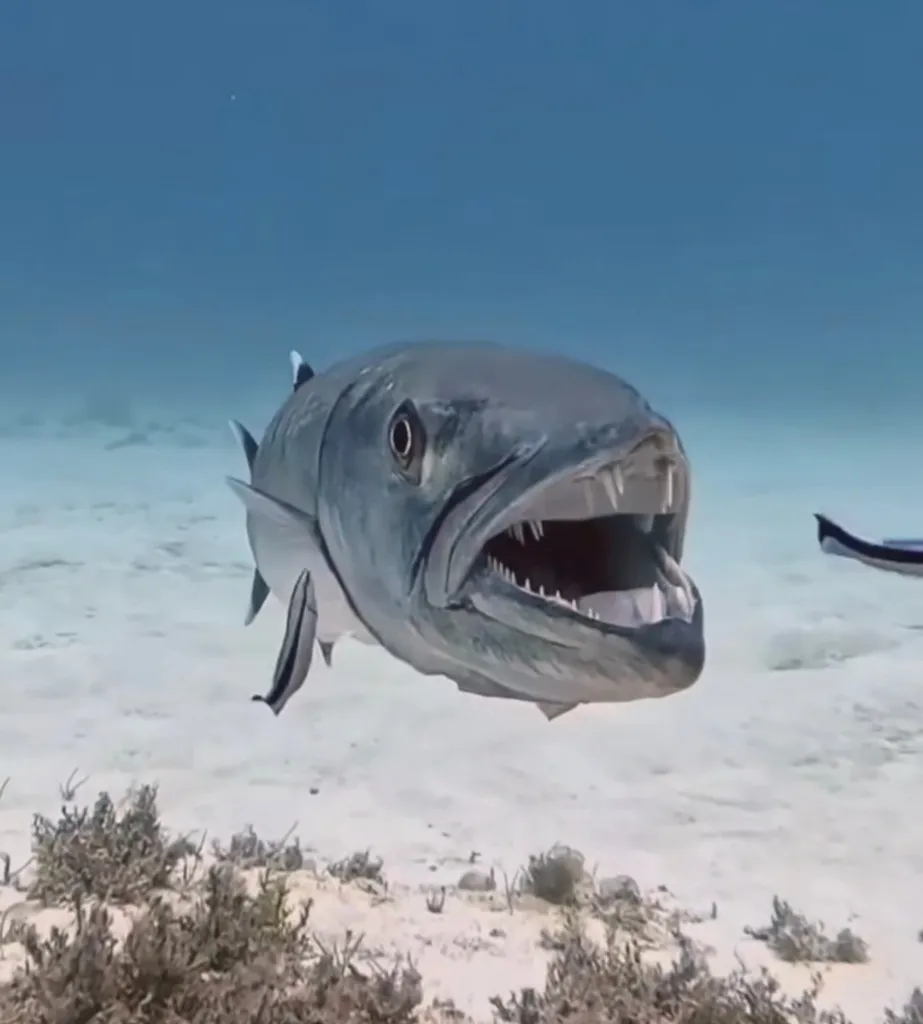
An encrusted structure, the Japanese Wreck creates a diverse underwater landscape supporting varied macro and schooling marine life. Around its skeletal remains, divers commonly encounter barracudas and snappers weaving through the metal framework.
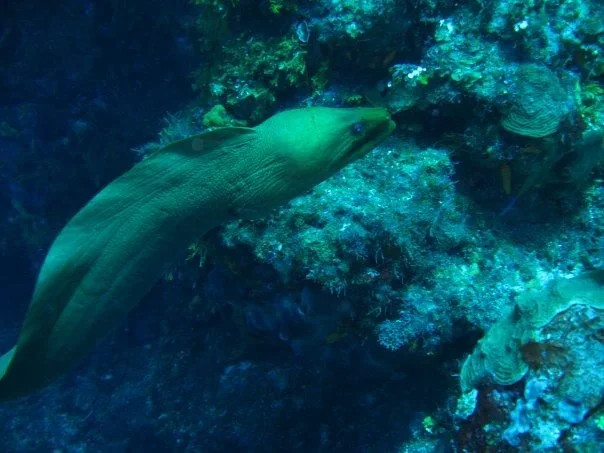
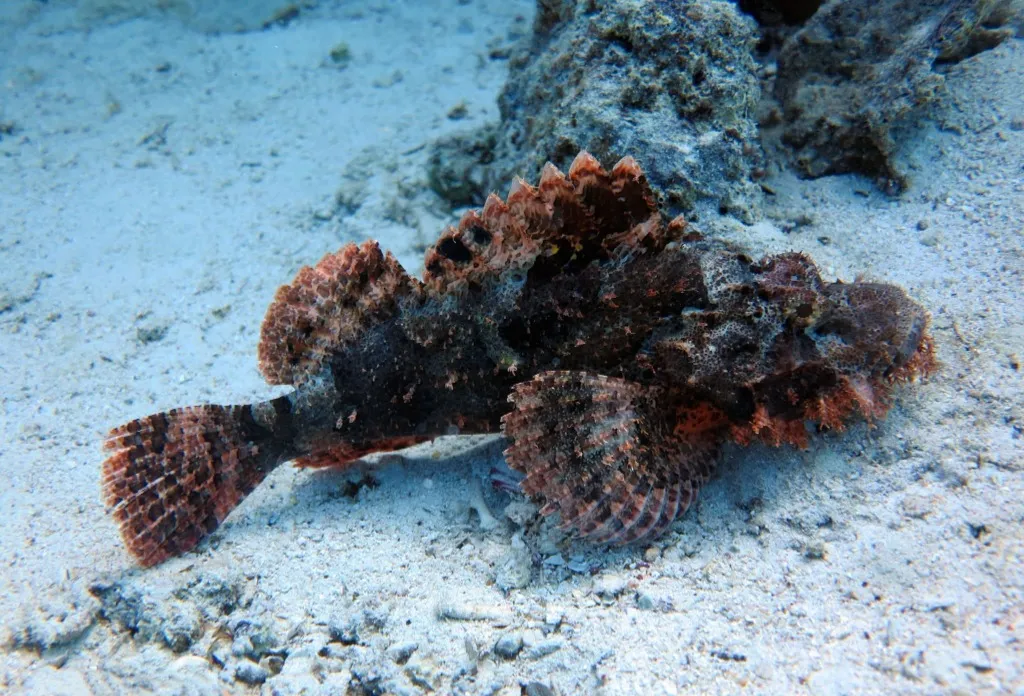
Inside the wreck's nooks and crannies, camouflaged scorpionfish blend seamlessly with their surroundings; elusive moray eels peer from hidden refuges. Vibrant reef fish add splashes of color against darker wreckage tones, illustrating nature's powerful reclamation of human artifacts.
Dive Sites Near Japanese Wreck
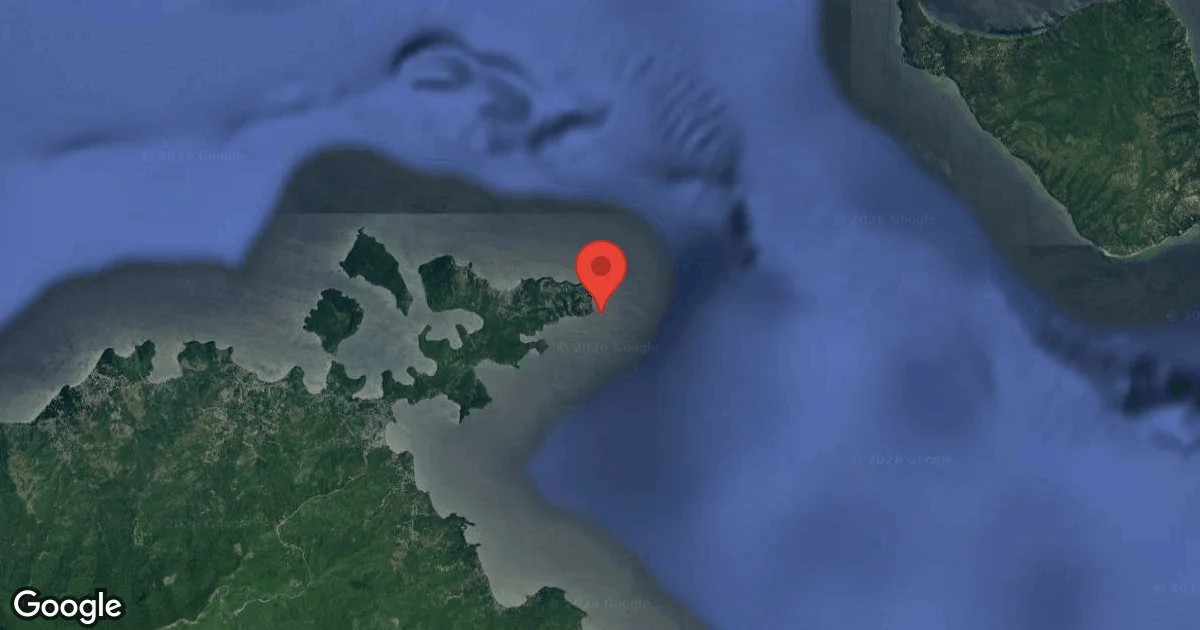
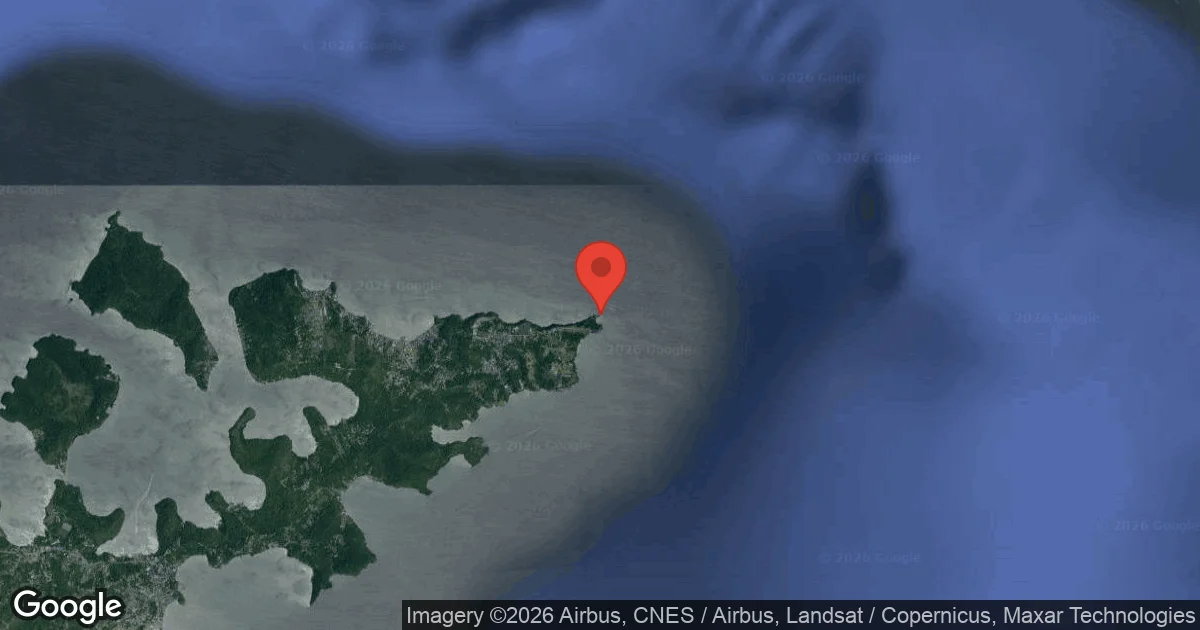
View all dive sites in PhilippinesDiscover more underwater gems in this area.
Dive Centers Near Japanese Wreck
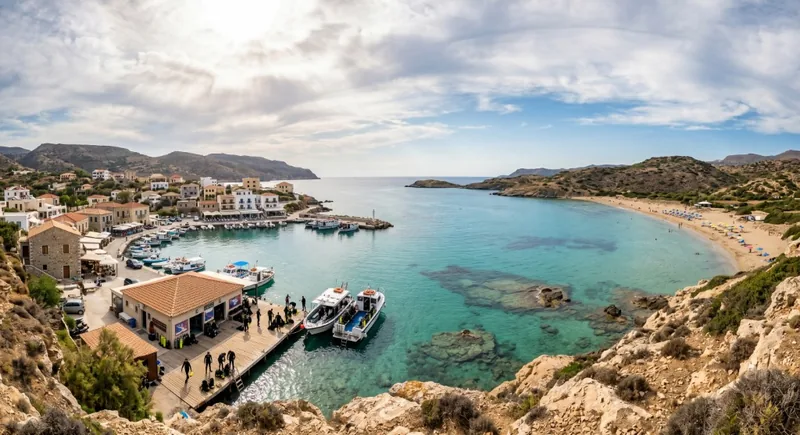
Today: Open 24 hours
Nearest Airports
Nearest airports to help plan travel to this dive area.
Search Flights
Check available flights and routes on Expedia, using the nearby airports listed in this section.
Search Flights on ExpediaFrequently Asked Questions
What kind of dive experience does the Japanese Wreck offer?
Combines historical exploration with vibrant marine life observation. Divers can explore a World War II relic while encountering diverse aquatic species that have made it their home.
What is the maximum depth of the Japanese Wreck?
Extending to approximately 45 m / 147 ft, the Japanese Wreck accommodates both recreational diving on shallower sections and technical diving for appropriately certified individuals exploring deeper parts.
What marine life can be seen at the Japanese Wreck?
Common sightings include barracudas, snappers, and a variety of vibrant reef fish. Divers may also spot camouflaged scorpionfish hiding in crevices and elusive moray eels.
What training is recommended for diving the Japanese Wreck?
For deeper sections, PADI Deep Diver or Tec courses are beneficial. For those interested in penetrating the wreck, a PADI Wreck Diver certification is highly recommended to ensure a safe and responsible exploration.
How do I get to the Japanese Wreck dive site?
Site access is typically by boat from dive centers in Puerto Galera. Travel times vary depending on your specific departure point and local dive operator.
What are the typical water temperatures at this site?
Regional water temperatures are generally warm, creating comfortable year-round diving conditions. While specific data for this site isn't consistently available, the tropical climate suggests warm conditions.
Planning to dive Japanese Wreck?
Send one inquiry and receive offers directly from the best verified local dive operators.
Conditions are Good
Optimal conditions expected
Current conditions near Japanese Wreck show 28° air, 29° sea temperature, 0.1 m waves, and 20 km/h wind. Forecast data is refreshed regularly to ensure accuracy.