
Diving at Batangas Channel (Philippines)
Navigating Batangas Channel presents a rewarding drift diving experience, particularly for those looking to build confidence in moving water. Divers planning a visit here should anticipate variable currents, which shape the dive profile. This area gradually slopes to a sandy seabed, reaching depths of up to 15 m (49 ft). Success relies on precise tidal timing, transforming a potentially demanding environment into an exhilarating glide across diverse underwater formations. Prepare for dynamic conditions and the thrill of a guided drift.
As evening covers Batangas Channel, the local air temperature is measured at 28°C. The current wave height at the surface is recorded at 0.1 m. These late-day readings characterize the surface conditions for the night.
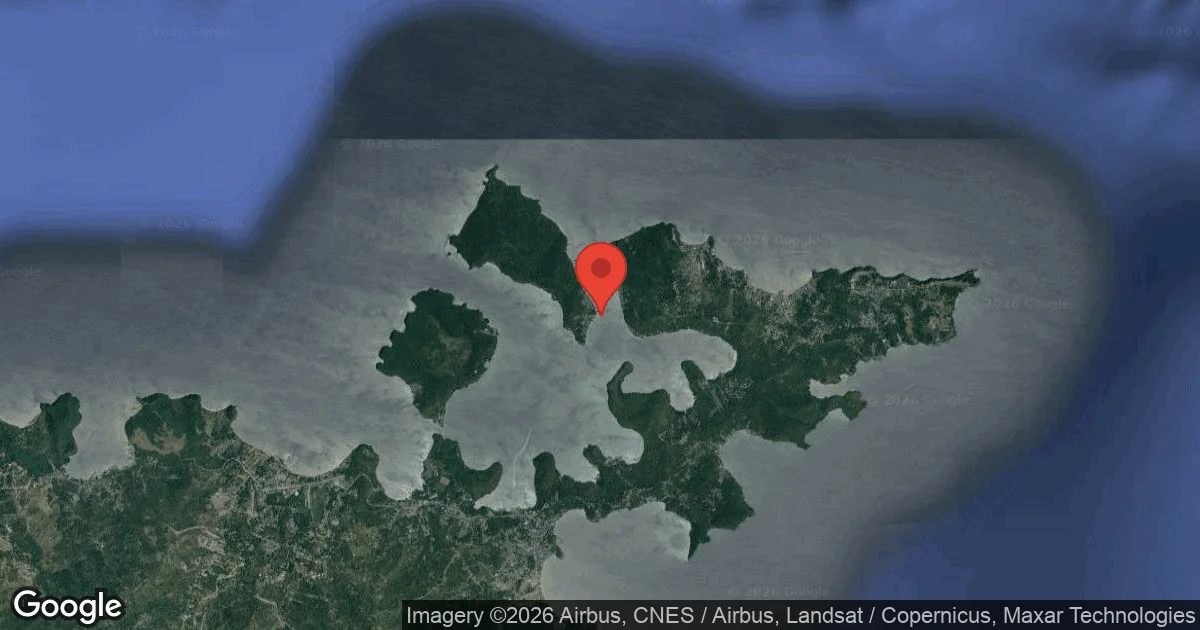
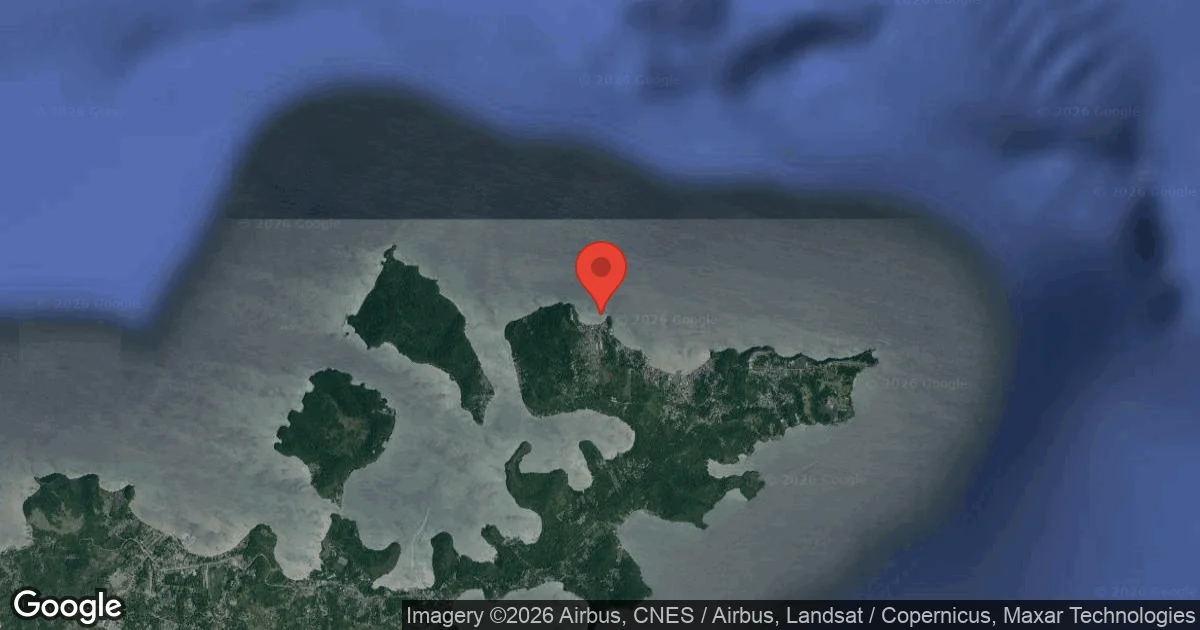
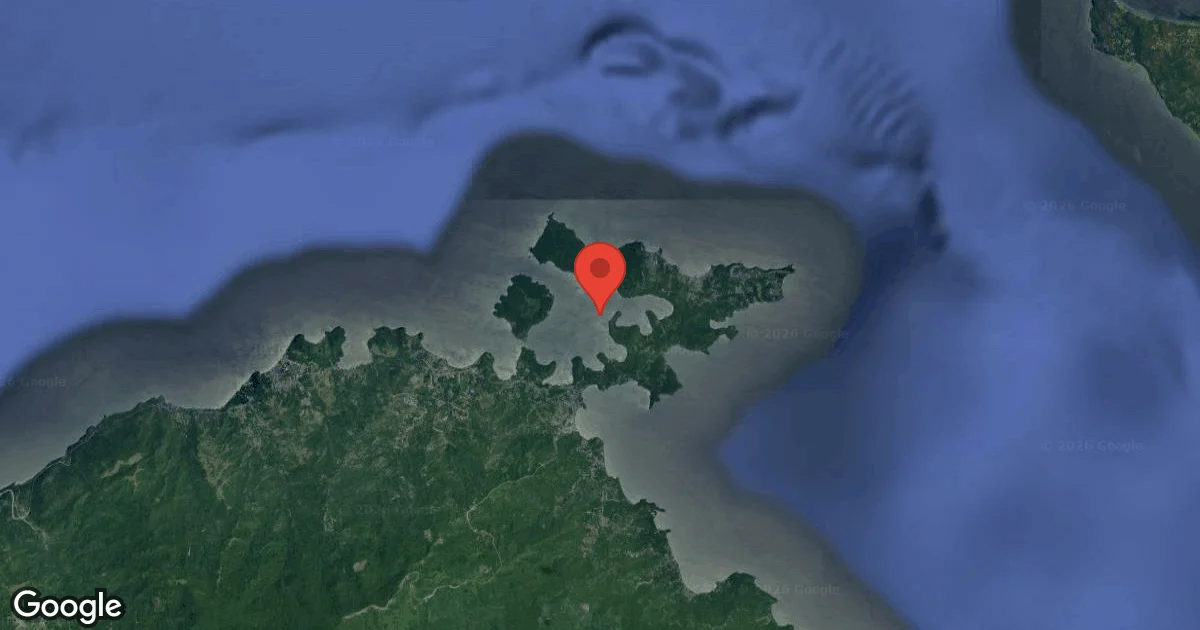
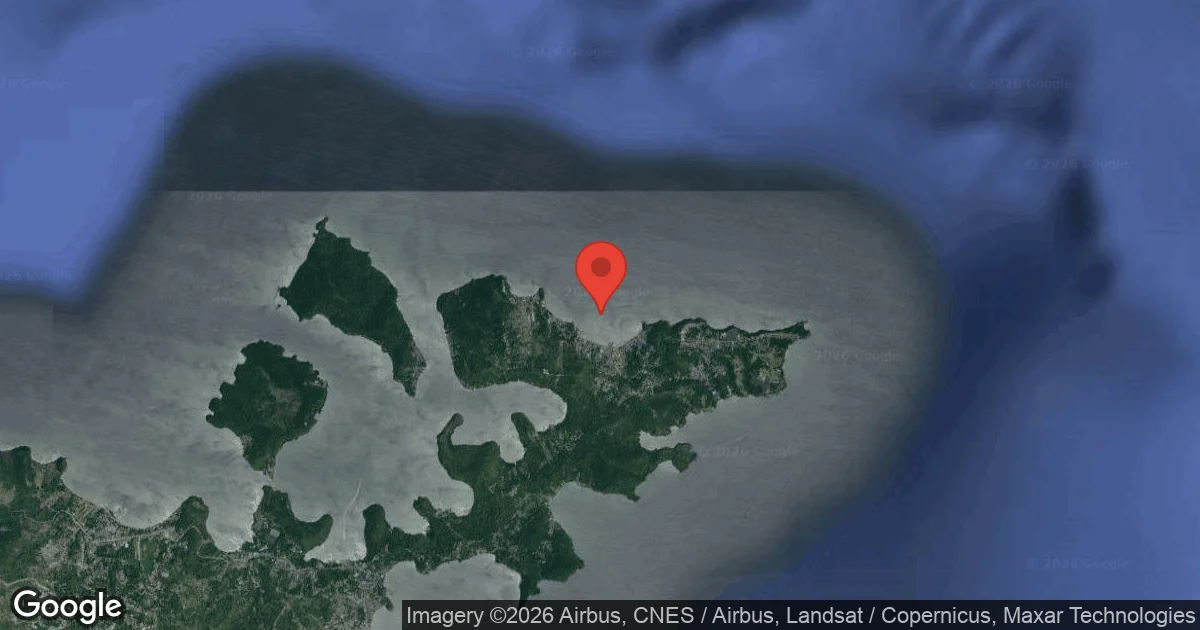
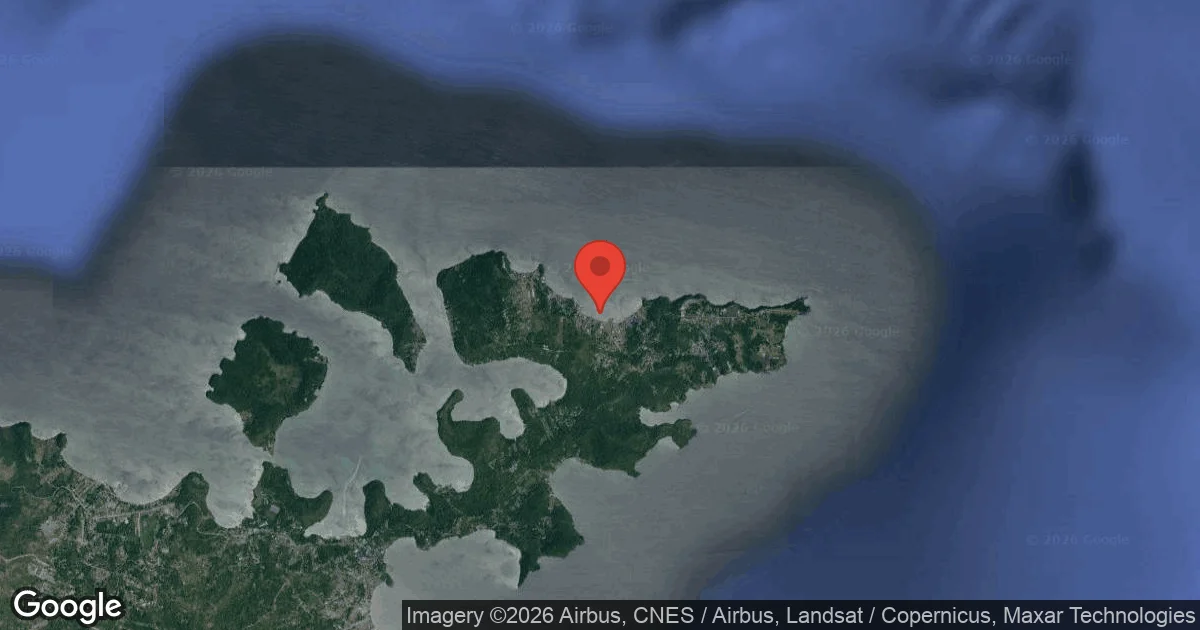
Dive Site Location & Key Facts
Dive Site Overview
Exploring Batangas Channel offers a gentle introduction to drift diving, appealing greatly to novice divers. Characteristic topography at this site includes a gentle sloping bottom giving way to a soft, sandy seabed at depths around 15 m (49 ft).
A primary allure here is the opportunity for a relaxed drift, particularly when tidal conditions are favorable. Along the way, divers will encounter a fascinating array of unusual coral and sponge formations, creating an almost alien 'lunar landscape' with twisted shapes and undulating plains. These formations, adorned with vibrant green tree corals and expansive table corals, often resemble large underwater mushrooms, providing cover for various creatures.
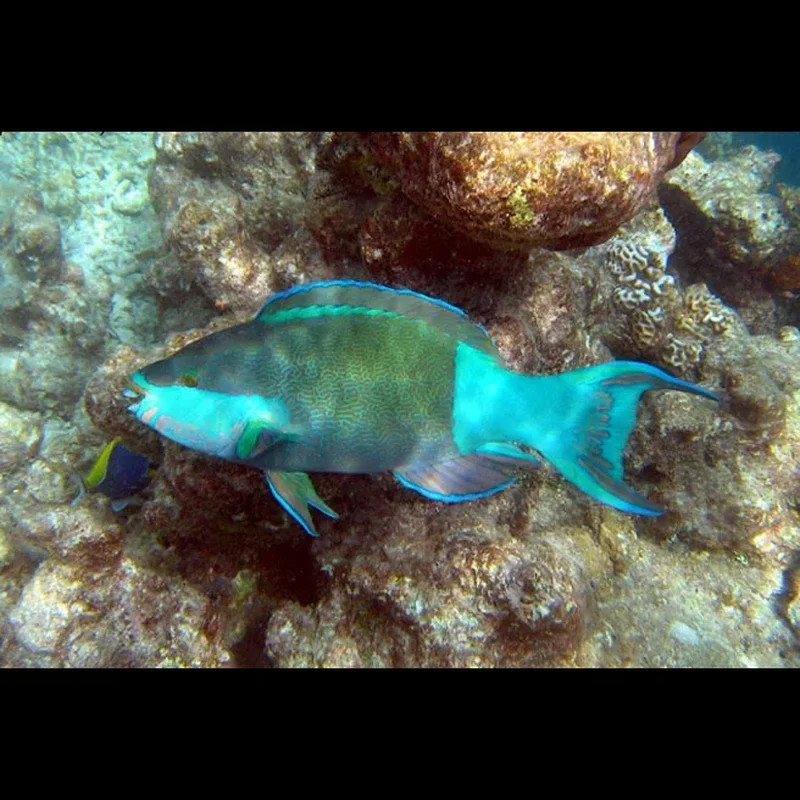
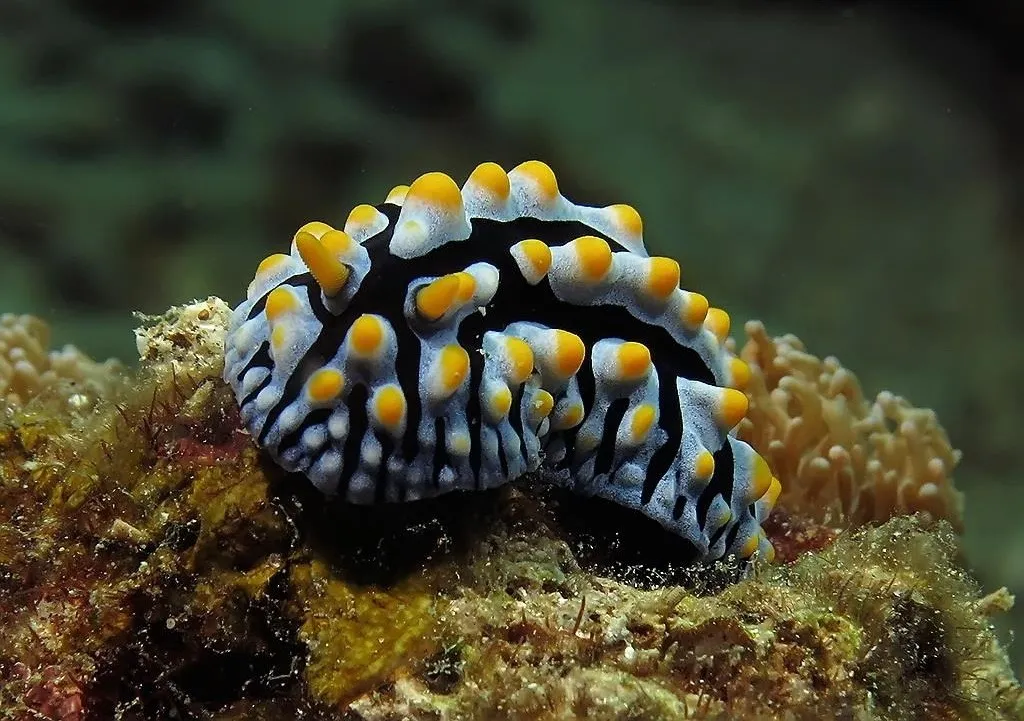
Keep an eye out for diverse macro life nestled among these structures. Navigating this unique environment reveals tropical marine life such as anemonefish, parrotfish, and nudibranchs.
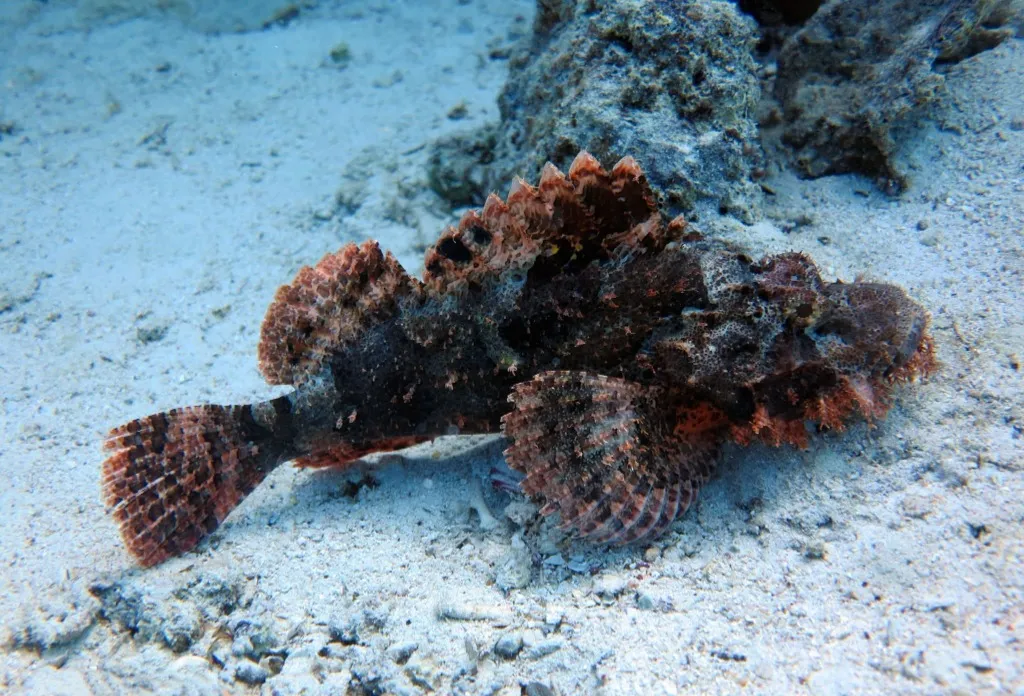
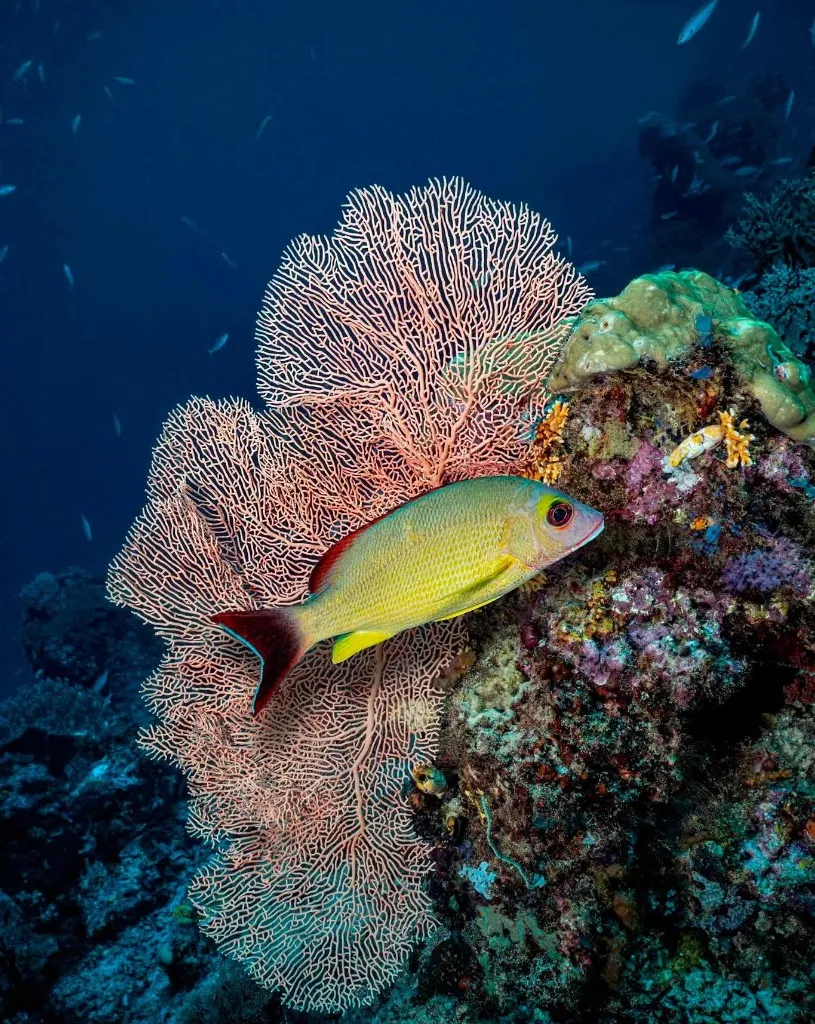
Snappers are also commonly observed patrolling the area. Dive masters often excel at pointing out rarer critters and well-camouflaged species like stonefish and scorpionfish.
A careful approach to buoyancy and hand placement is advised, especially near these well-hidden bottom dwellers. Planning a descent in the shallower sections and allowing the ebbing tide to carry you towards the open ocean defines the optimal experience at this location.
Conditions are Good
07:00 - 14:00
Optimal conditions expected
Current conditions near Batangas Channel show 28° air, 29° sea temperature, 0.1 m waves, and 22 km/h wind. Forecast data is refreshed regularly to ensure accuracy.
Best Time to Dive
Optimal visibility at this dive location often aligns with the drier and calmer periods, typically from March through May. During these months, the average air temperature hovers between 26°C and 29°C (79-84°F), contributing to comfortable surface conditions. Rainfall is notably minimal in this period, particularly in April, which averages only around 2.1 mm. This reduction in freshwater runoff often translates to clearer underwater views. Wave heights and wind speeds also tend to decrease significantly from April to October, further enhancing the diving experience by providing smoother boat rides and less surface chop. While excellent dive conditions can extend through August, the peak months of March, April, and May generally present the most consistent combination of pleasant weather and favorable underwater clarity. Even during the monsoon season, good diving is possible, though conditions may vary more depending on daily weather patterns and localized rainfall.
PEAK SEASON SCORE
Scores combine air & water temps, waves, wind & rainfall for overall conditions.
BEST MONTHS TO DIVE
Monthly records compiled from satellite and marine observation nodes over the last 3 years. Data provided by Open-Meteo and MET Norway.
Dive Experience & Conditions
Understanding the current dynamics is fundamental for a rewarding dive in this area. This site is primarily experienced as a drift dive, with conditions largely dictated by the tides. Divers should anticipate a moderate current, which, when timed correctly with an ebbing tide, provides a gentle ride along the sloping bottom. The site gradually descends to a sandy seabed, reaching a maximum depth of 15 m (49 ft), making it suitable for less experienced divers to practice drift techniques. Water temperatures in this tropical region generally range from 22-27°C (72-81°F), though specific data for the site itself is not consistently reported. Visibility typically remains good, often around 15 m (49 ft), allowing clear views of the unusual coral and sponge formations. Surface conditions are generally calm outside of stormy periods, but underwater, the current remains the most influential factor, shaping both the dive trajectory and the observed marine life patterns.
Dive Difficulty & Safety Guidelines
Prioritizing diver safety and understanding local guidelines is paramount when exploring this location. This site is best approached as a guided drift dive, especially for novice divers. Always consult with local dive masters regarding optimal tidal conditions to ensure a controlled and enjoyable experience.
Poor timing can lead to unexpectedly swift currents, demanding strong finning or requiring an early ascent. Underwater, divers should remain vigilant for well-camouflaged stonefish and scorpionfish that inhabit the bottom and rock formations; touching these surfaces without extreme care could result in painful encounters.
Practicing good buoyancy control is essential to avoid disturbing the delicate coral and sponge structures and to maintain a safe distance from these hidden hazards. Prioritize staying close to your buddy and following the dive guide's instructions throughout the drift.
Recommended Equipment
Current and surface separation risk. Local briefing strongly recommended.
- Dive Computer
- DSMB
- Reel / Spool
This gear list is based on verified equipment signals for Batangas Channel, Philippines. Always confirm final gear choices with your dive operator, guide, or liveaboard.
Recommended Dive Suit
Repeated dives during the same day can gradually reduce overall body warmth.
Divers exploring Batangas Channel today will likely encounter water temperatures close to 29°C (84°F). Surface air temperatures are resting at 28°C (82°F). Divers spending extended time underwater often rely on 2-3mm shorty or light wetsuit for balanced warmth and flexibility.
The forecast outlook suggests that temperatures will stay close to current levels.
Emergency & Medical Support
Essential information to help you plan your dive trip to Batangas Channel.

Hyperbaric chambers are a critical part of dive safety infrastructure. Availability varies significantly by region, and not all dive areas have immediate access.
Before diving, it's recommended to:
- confirm nearest medical facilities
- check emergency procedures with local dive operators
- ensure dive insurance covers evacuation if required
Divers Alert Network
Diving emergency assistance available through DAN World.
+1-919-684-9111- 24/7 emergency hotline
- Diving medical assistance
- Evacuation coordination
Emergency contacts are provided for reference. Always verify local emergency services before diving.
Marine Life at Batangas Channel
The underwater landscape of this area provides a backdrop for diverse tropical marine life. Within its unusual coral and sponge formations, divers frequently observe various anemonefish tending their homes and colorful parrotfish grazing on the reef.
Snappers are a common sight, often patrolling the edges of rock formations. Keep an eye out for nudibranchs, often found crawling across sponges and soft corals.
Critters like the distinctive blue-ribbon eel are also spotted with some regularity, adding an element of excitement to the drift. Stonefish and scorpionfish, masters of camouflage, blend seamlessly with the sandy seabed and rocky patches, making careful observation a rewarding challenge.

Dive Sites Near Batangas Channel
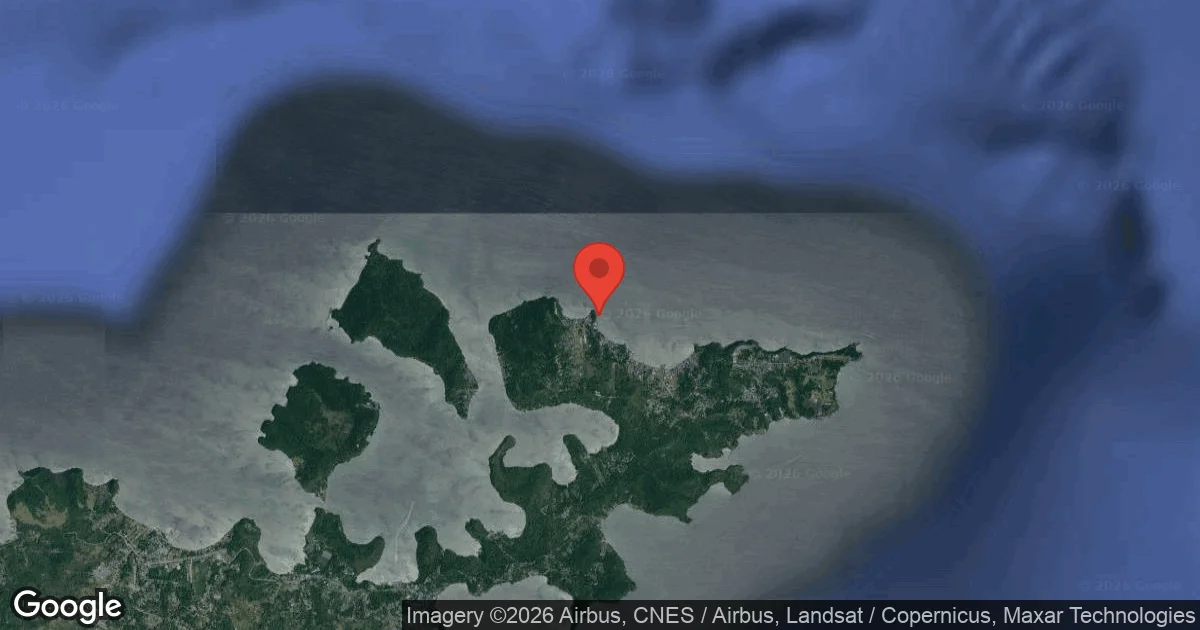
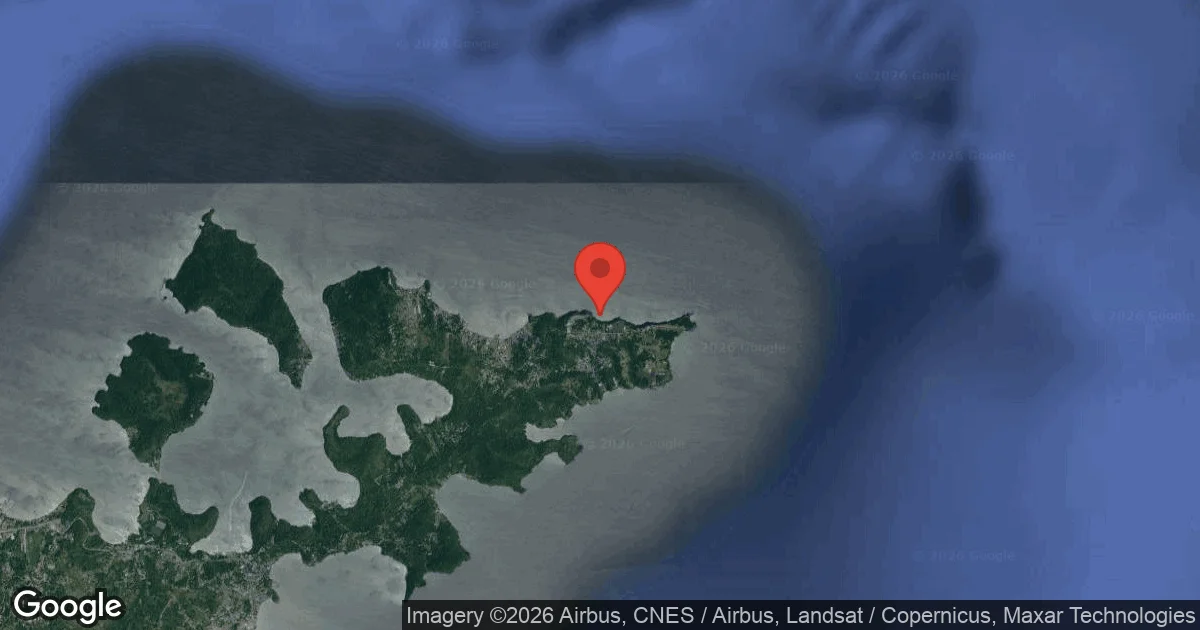
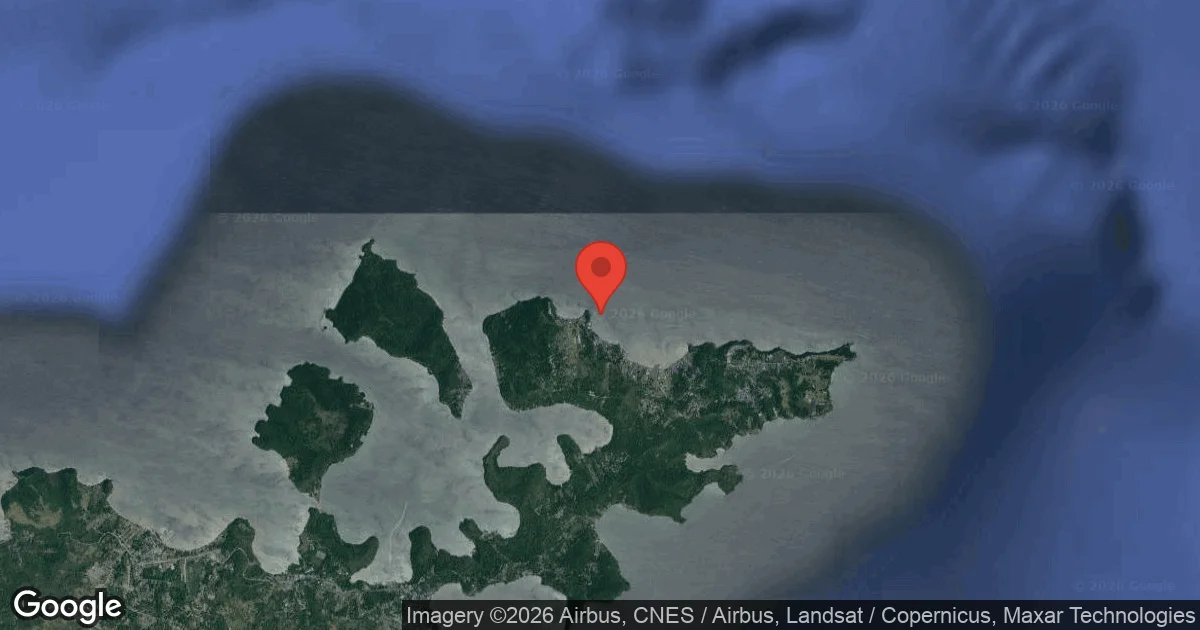
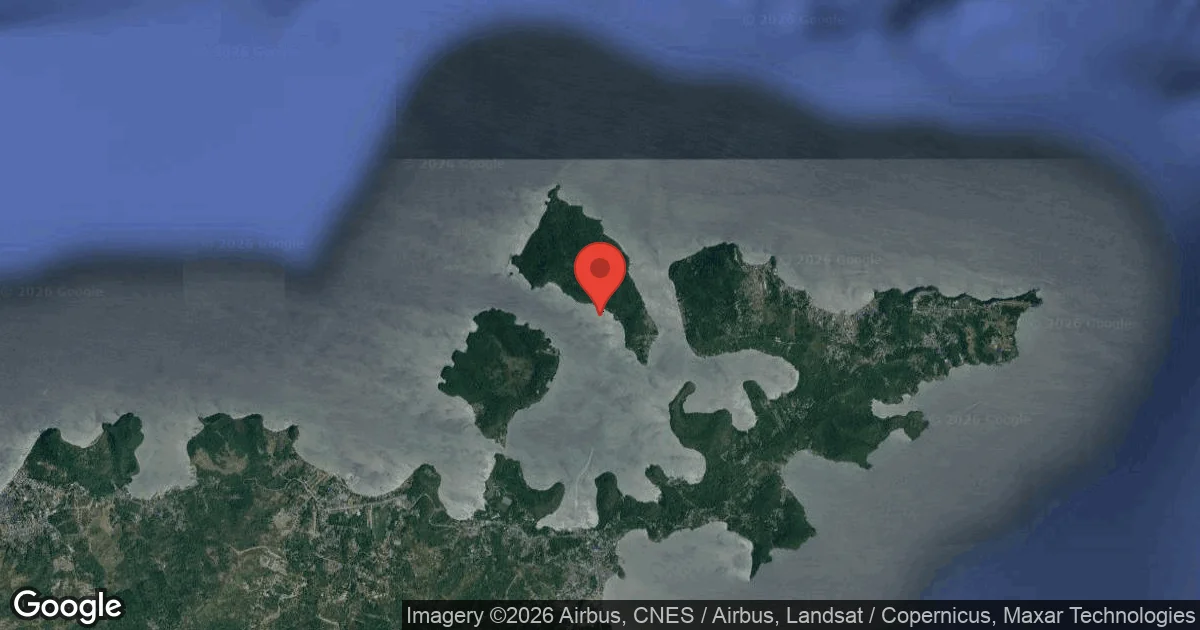
View all dive sites in PhilippinesDiscover more underwater gems in this area.
Dive Centers Near Batangas Channel

Today: Open 24 hours
Nearest Airports
Nearest airports to help plan travel to this dive area.
Search Flights
Check available flights and routes on Expedia, using the nearby airports listed in this section.
Search Flights on ExpediaFrequently Asked Questions
Is this dive site suitable for beginner divers?
Yes, this location is considered suitable for novice divers, especially when guided. The site's gentle slope and moderate depths, typically within recreational limits, make it an ideal location to experience drift diving for the first time in controlled conditions.
How strong are the currents at this site?
Currents in this area are described as moderate, primarily influenced by tidal conditions. During optimal ebbing tides, divers can enjoy a gentle drift. However, currents can become strong if not timed correctly, so local guidance is highly recommended.
What kind of marine life can I expect to see?
Divers commonly encounter tropical marine life such as anemonefish, parrotfish, and various nudibranchs. Snappers are also present. Keep an eye out for well-camouflaged stonefish and scorpionfish, and occasionally the distinctive blue-ribbon eel.
What is the typical depth range for diving at this location?
A gentle sloping bottom leads down to a sandy seabed, keeping dives within the recreational depth range. Its shallow profile makes it accessible for recreational divers.
What are the unique underwater formations at this site?
The site is notable for its unusual coral and sponge formations, described as a "lunar landscape" of twisted shapes. You'll observe large sponges in various colors, alongside rock formations adorned with green tree corals and table corals.
What is the best way to dive this area?
The dive is best conducted as a drift dive, ideally on an ebbing tide. You typically drop in the shallower entry point and then gently drift along the shore towards the open ocean, guided by the current.
Planning to dive Batangas Channel?
Send one inquiry and receive offers directly from the best verified local dive operators.
Conditions are Good
07:00 - 14:00
Optimal conditions expected
Current conditions near Batangas Channel show 28° air, 29° sea temperature, 0.1 m waves, and 22 km/h wind. Forecast data is refreshed regularly to ensure accuracy.