
Diving at Liloan Corner (Philippines)
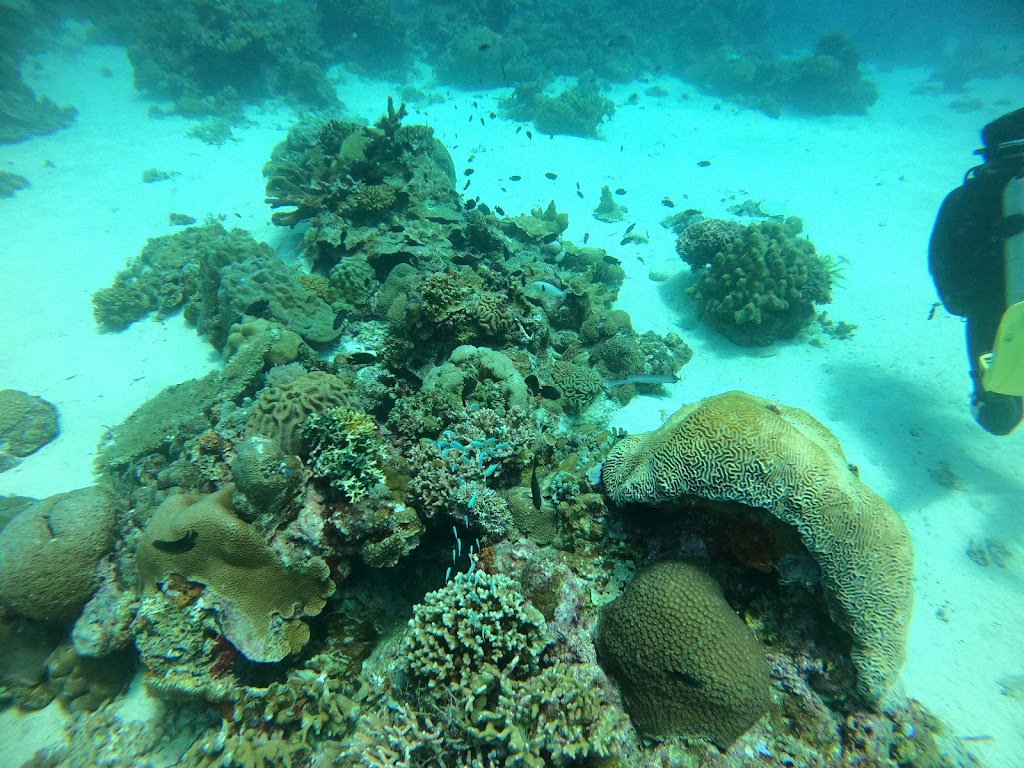
Liloan Corner presents an engaging underwater topography, characterized by a steep wall descending to deeper waters. Divers encounter a reef structure adorned with vibrant corals and expansive sea fans, creating a visually rich environment. Site’s dynamic nature allows for relaxing drift dives, letting the current guide exploration along its diverse features. This location offers a compelling backdrop for both macro observation and wide-angle photography.
Evening condition tracking at Liloan Corner features an air temperature of 31.5°C. We have recorded wave heights measuring 0.3 m during this period. These figures outline the environmental parameters currently present.
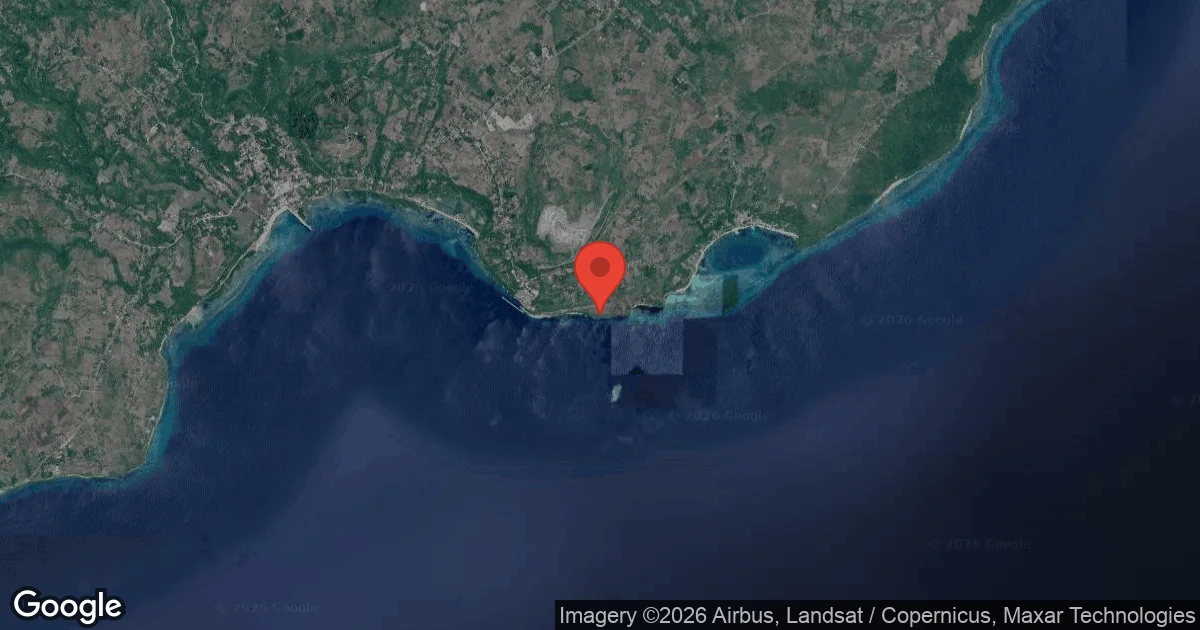
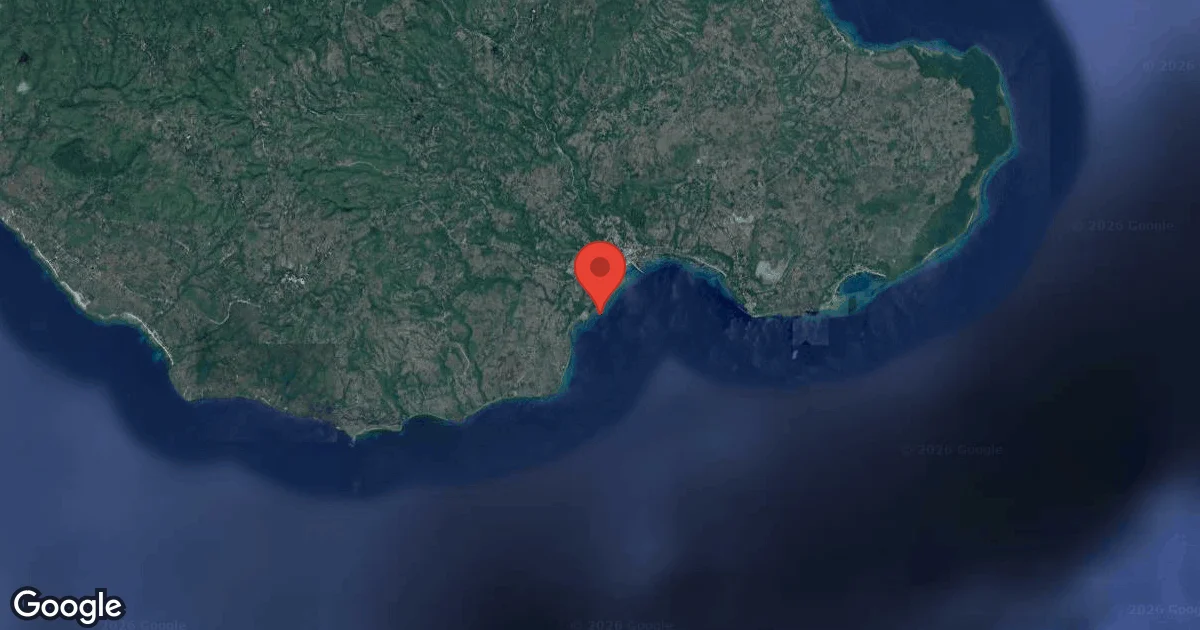
Dive Site Location & Key Facts
Dive Site Overview
Liloan Corner offers a dual appeal for divers, combining the thrill of a wall descent with the ease of a drift. Accessible by boat off Siquijor Island, dives typically begin on the reef top, progressing along an impressive wall.
Maximum depth for the main wall reaches 40 m (131 ft), accommodating Open Water divers in shallower sections and Deep Diver certified individuals exploring deeper segments. Separate from the main corner, the MV San Juan wreck in Liloan Bay, approximately 30 minutes from Mactan, offers a distinct experience.
Lying on the sand at 50 m (165 ft), its top sections are found between 32-34 m (105-110 ft), with depth influenced by tides. While recreational divers certified as PADI or SSI deep divers can visit upper parts for a limited 10-15 minute bottom time, certified technical divers (like SSI Extended Range or PADI Tec 50) will truly appreciate exploring its depths, including the engine room, for over 20 minutes.
It's often considered a valuable training ground for aspiring wreck divers. Both sites showcase active marine ecosystems; coral growth on wreck surfaces and throughout Liloan Corner’s reef supports diverse fish populations.
Conditions are Excellent
07:00 - 14:00
Optimal conditions expected
Current conditions near Liloan Corner show 31° air, 30° sea temperature, 0.5 m waves, and 22 km/h wind. Forecast data is refreshed regularly to ensure accuracy.
Best Time to Dive
Identifying the prime diving window at Liloan Corner often means considering periods of calmer weather and less rain, which typically enhance underwater visibility. Months like May, June, and October are rated "Excellent" for diving, characterized by lower average wave heights, ranging from 0.4 m (May) to 0.5 m (June), and less intense winds, often around 14-15 km/h. During these periods, rain levels are moderate, averaging 5.8-8.2 mm. Conversely, January to April, July to September, and November and December generally maintain a "Good" dive score. These months may see slightly higher average wave heights, sometimes up to 0.8 m in February, and stronger winds. Air temperatures remain consistently warm year-round, typically ranging from 26.5°C (80°F) to 28.5°C (83°F). Diving is possible throughout the year, but 'Excellent' rated months generally provide more predictable and comfortable surface conditions, potentially improving overall dive experience.
PEAK SEASON SCORE
Scores combine air & water temps, waves, wind & rainfall for overall conditions.
BEST MONTHS TO DIVE
Monthly records compiled from satellite and marine observation nodes over the last 3 years. Data provided by Open-Meteo and MET Norway.
Dive Experience & Conditions
Divers here will navigate a dynamic depth profile, beginning in shallower reef areas and transitioning to a significant wall. Maximum depth at Liloan Corner itself extends to 40 m (131 ft). Water conditions are generally clear, contributing to good visibility across reef and wall sections. Currents at this corner often facilitate relaxing drift dives, allowing divers to effortlessly explore the site's features. Surface Marker Buoys are suggested for drift diving operations. San Juan wreck provides a different set of conditions, with its top section accessible around 32 to 34 m (105-110 ft) and main wreck resting at 50 m (165 ft). Current can vary at both sites; strong currents sometimes encountered, particularly at the corner or deeper on the wreck. Understanding the dive plan and current direction is crucial for a comfortable and safe descent and ascent. Recreational divers on the wreck will face strict no-decompression limits due to the depth.
Dive Difficulty & Safety Guidelines
Approaching Liloan Corner requires attention to currents, as drift diving is a common mode of exploration here; conditions can shift. Divers should always deploy a Surface Marker Buoy (SMB) during ascents, especially when drift diving, to signal their position to the boat crew. Deep sections of the wall and the MV San Juan wreck pose specific challenges for recreational limits.
For the wreck, staying within no-decompression limits is paramount for recreational divers, typically allowing only 10-15 minutes on the upper parts of the structure. Exploring inside the San Juan wreck demands specific wreck diver certification due to potential entanglement hazards from fishing nets and inherent risks of overhead environments.
While the wreck is generally considered safe for certified wreck divers, thorough training is essential for those venturing beyond external observation. Always dive with a reputable local guide who understands site's specific conditions and local current patterns.
Recommended Equipment
Deep dive hazard. Increased narcosis and gas consumption risk.
Current and surface separation risk. Local briefing strongly recommended.
- Dive Computer
- DSMB
- Primary & Backup Lights
- Reel / Spool
This gear list is based on verified equipment signals for Liloan Corner, Philippines. Always confirm final gear choices with your dive operator, guide, or liveaboard.
Recommended Dive Suit
Recent conditions suggest the water at Liloan Corner remains near 30°C (86°F), offering typical conditions for the area. Surface air temperatures are resting at 31°C (89°F).
Weather models indicate a small drop in surface temperatures later this week. Cooler days are ahead; you might want a warmer option for later in the week. A neoprene vest or hood can add flexibility if temperatures feel cooler underwater.
Most divers exploring waters at this temperature rely on dive skin or rash guard for effective insulation. Water temperature is only one factor influencing overall comfort during a dive.
Emergency & Medical Support
Essential information to help you plan your dive trip to Liloan Corner.

Hyperbaric chambers are a critical part of dive safety infrastructure. Availability varies significantly by region, and not all dive areas have immediate access.
Before diving, it's recommended to:
- confirm nearest medical facilities
- check emergency procedures with local dive operators
- ensure dive insurance covers evacuation if required
Divers Alert Network
Diving emergency assistance available through DAN World.
+1-919-684-9111- 24/7 emergency hotline
- Diving medical assistance
- Evacuation coordination
Emergency contacts are provided for reference. Always verify local emergency services before diving.
Marine Life at Liloan Corner
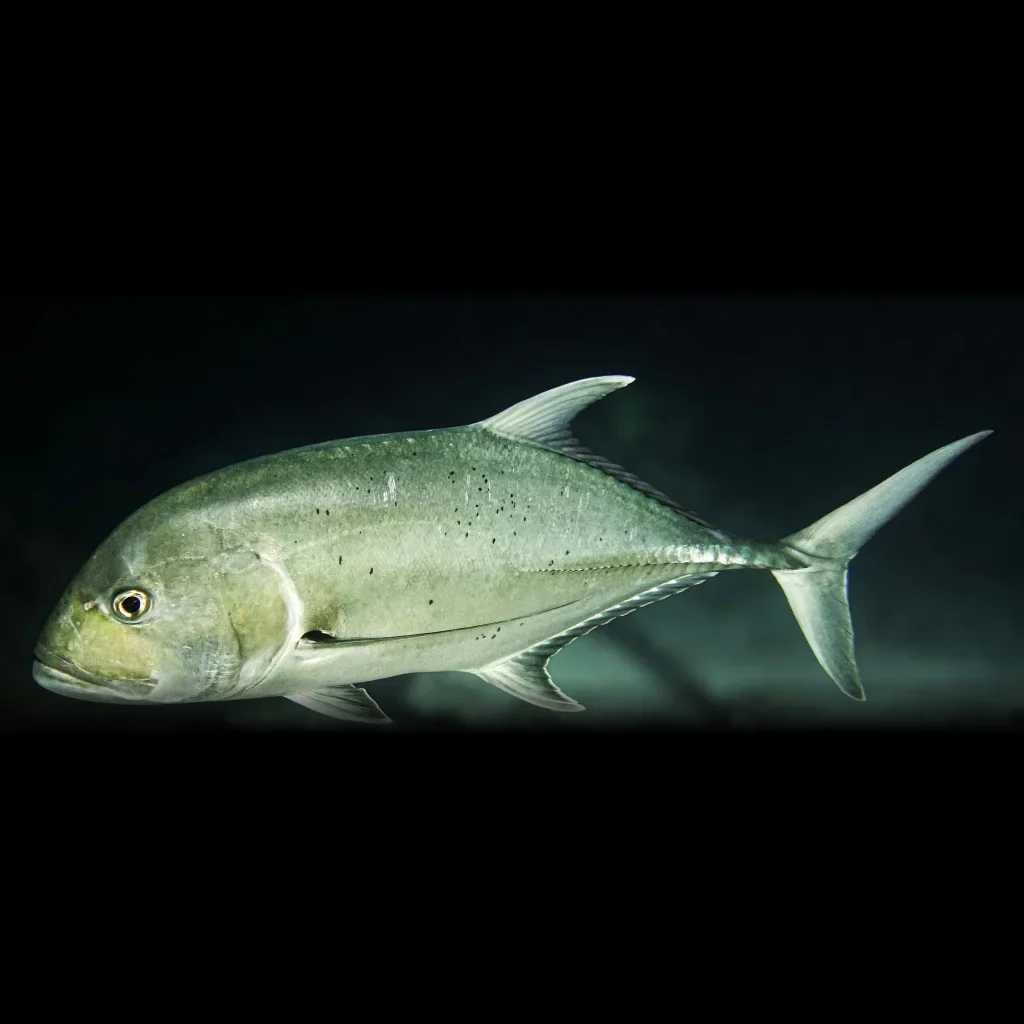
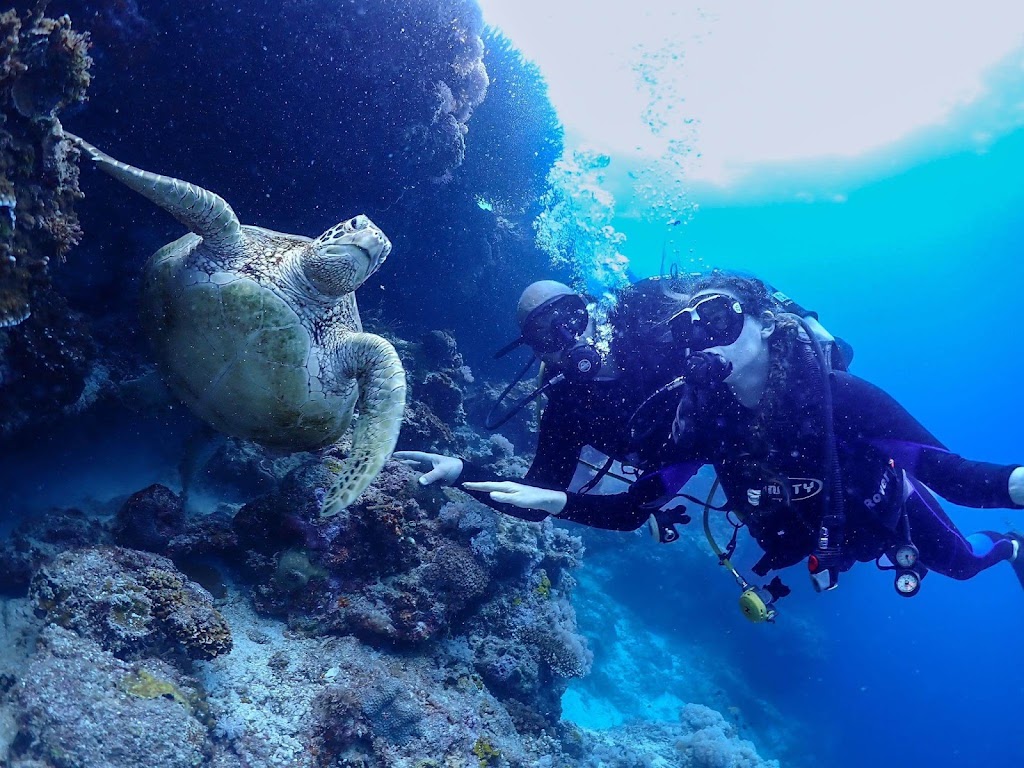
Liloan Corner's vibrant reef ecosystem supports a rich array of marine species. Divers frequently observe jackfish schooling, while black corals and expansive sea fans adorn the wall, providing shelter and feeding grounds.
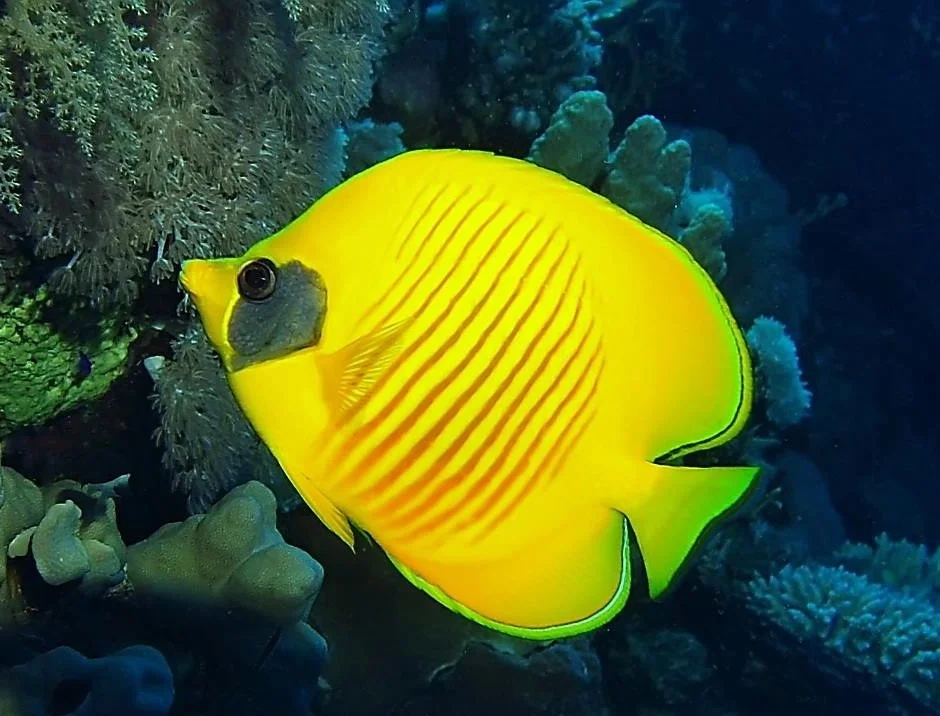
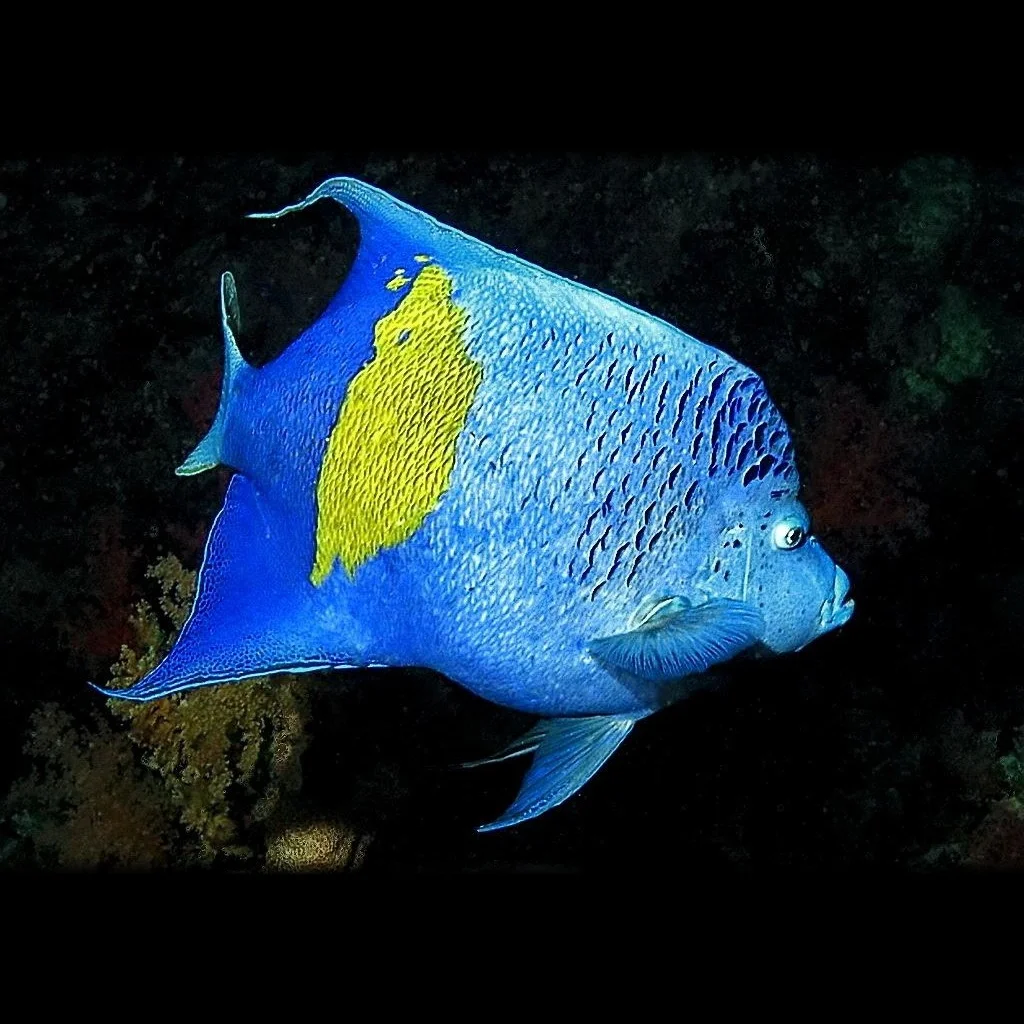
Smaller reef fish, including various butterflyfish, angelfish, and anemonefish, are abundant among coral gardens. The MV San Juan wreck, despite its history, has become an artificial reef attracting significant biodiversity.
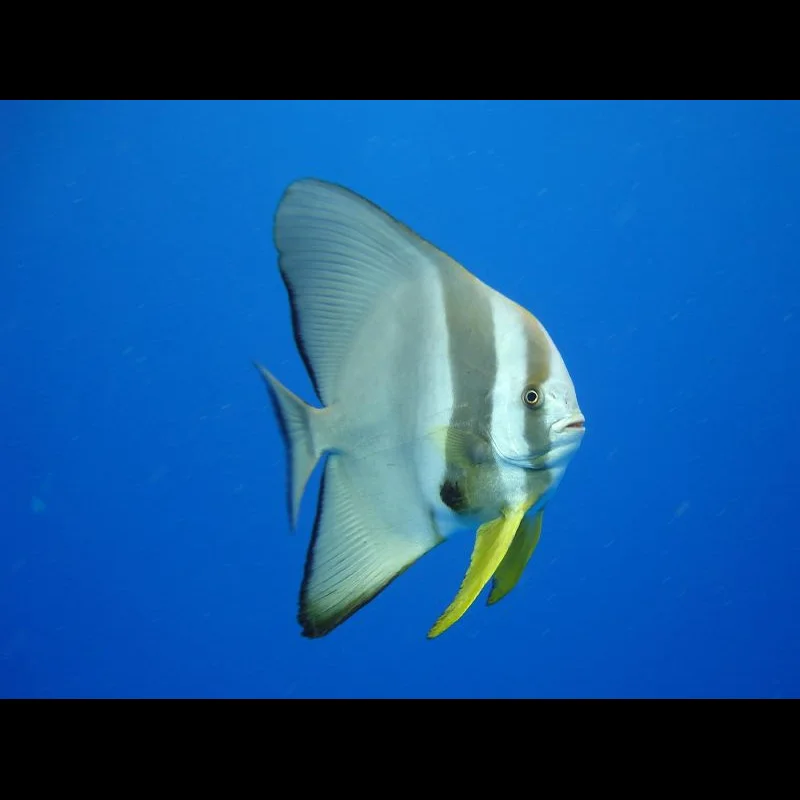
Large shoals of batfish often greet divers upon descent to the wreck. Giant trevally are also present, cruising deeper sections. Wreck itself hosts a micro-ecosystem, with corals growing on its structure and smaller creatures finding refuge within its nooks.

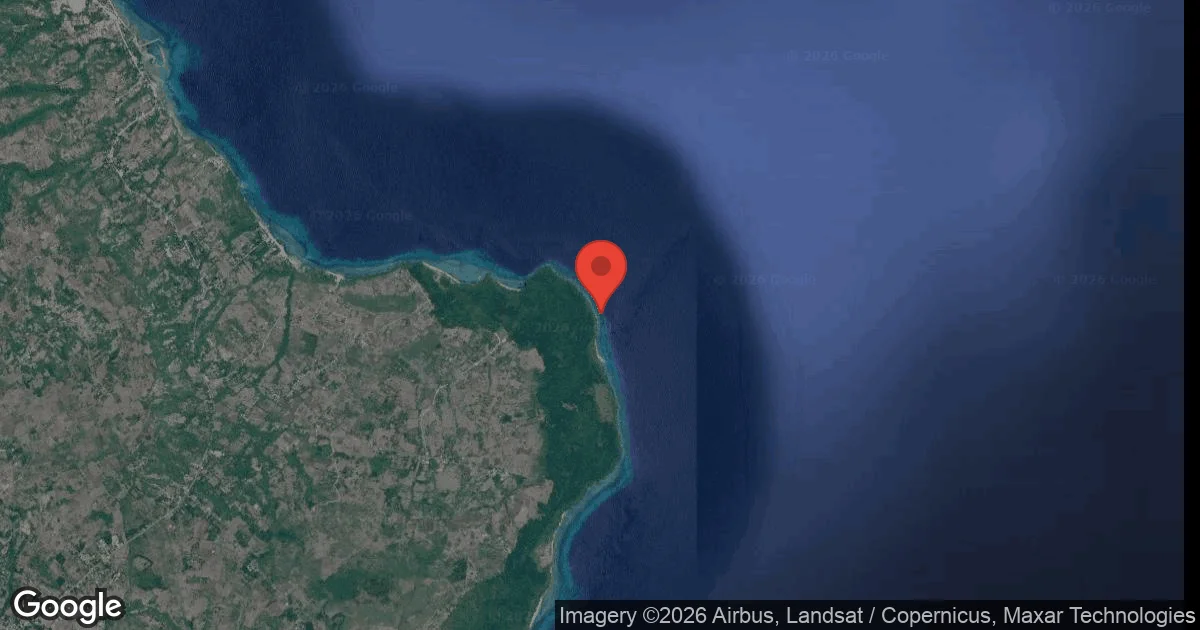
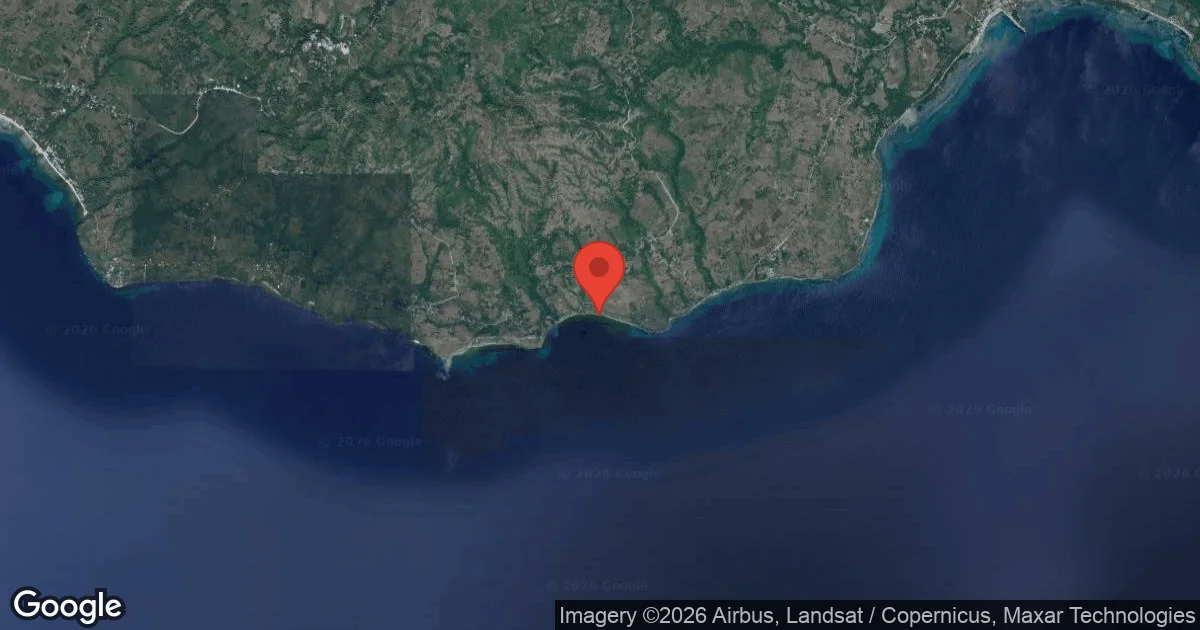
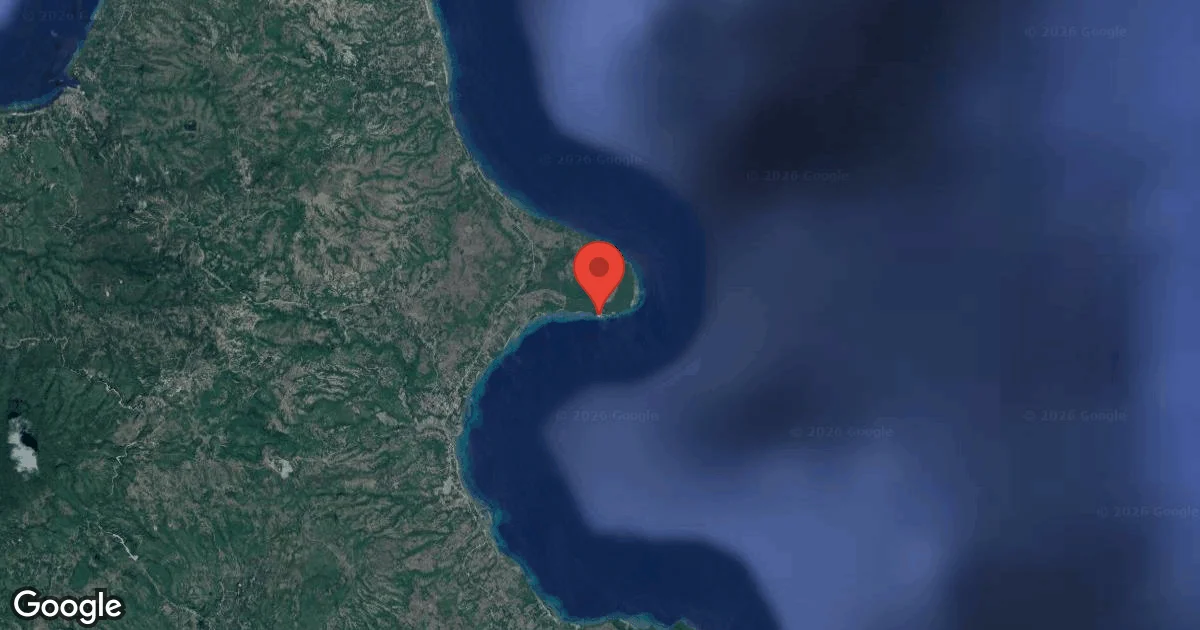
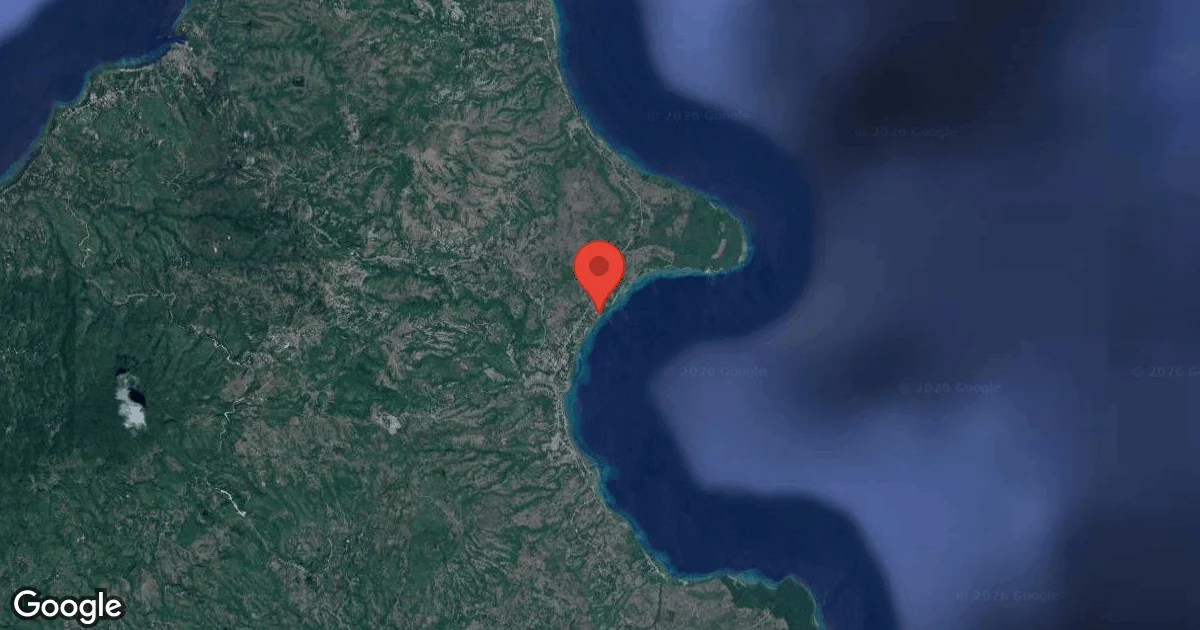
Dive Sites Near Liloan Corner
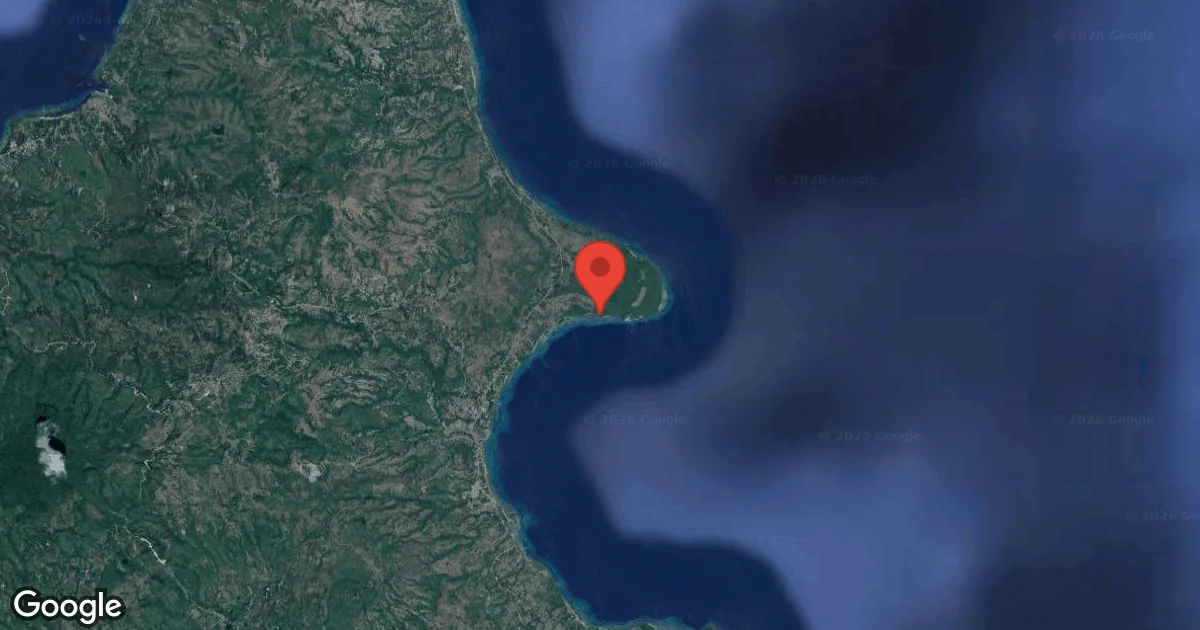
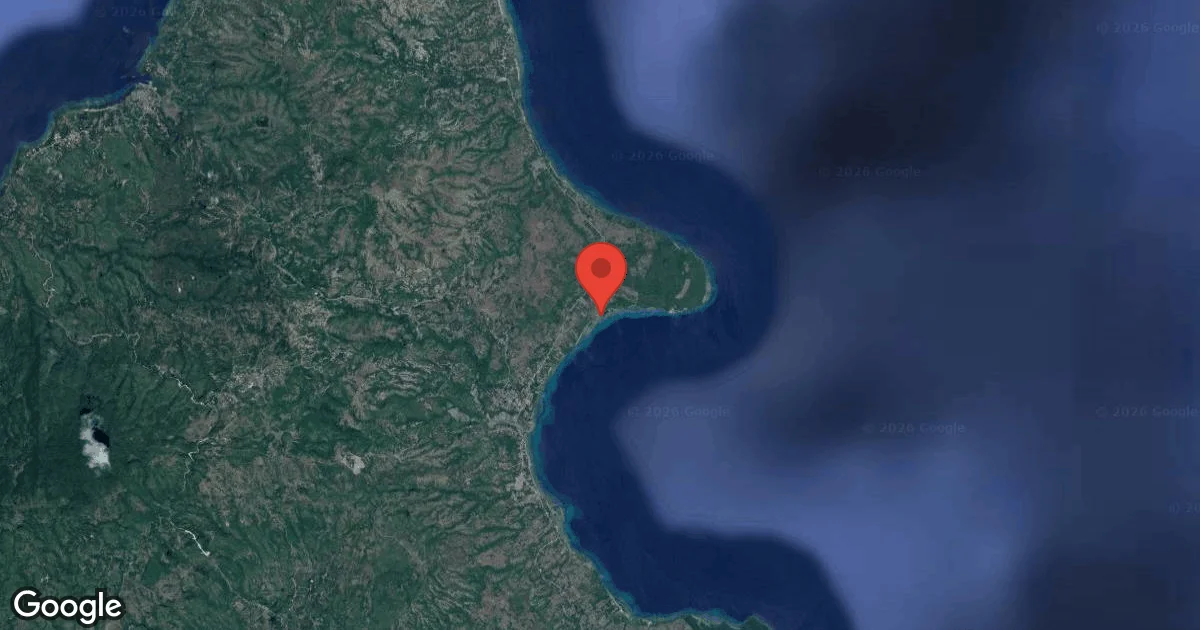
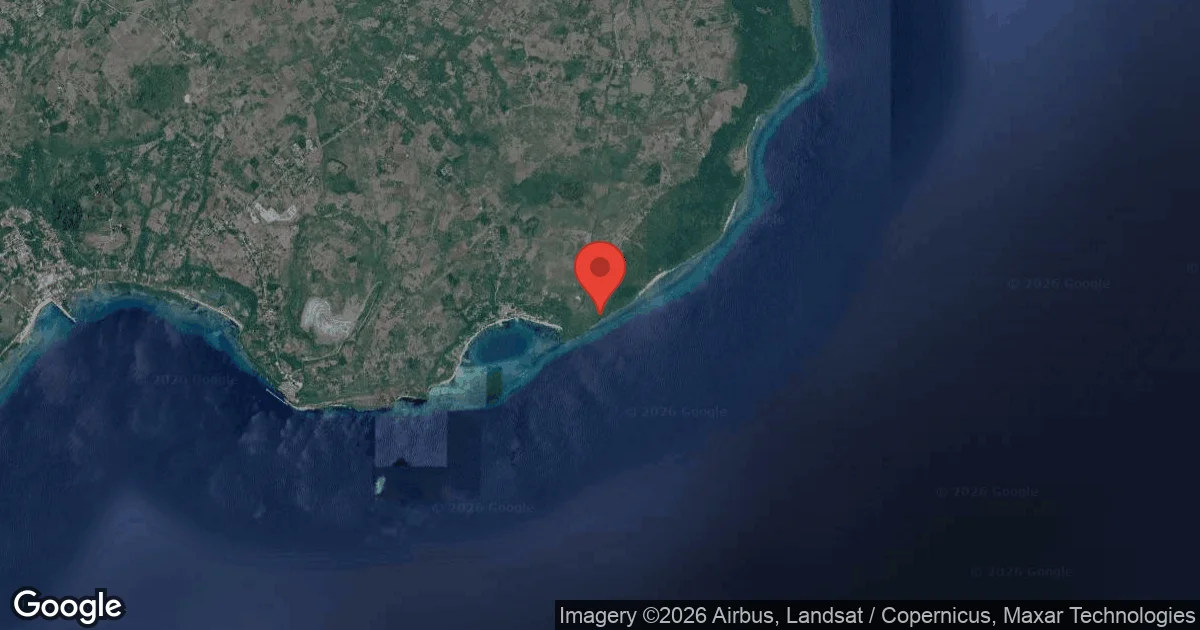
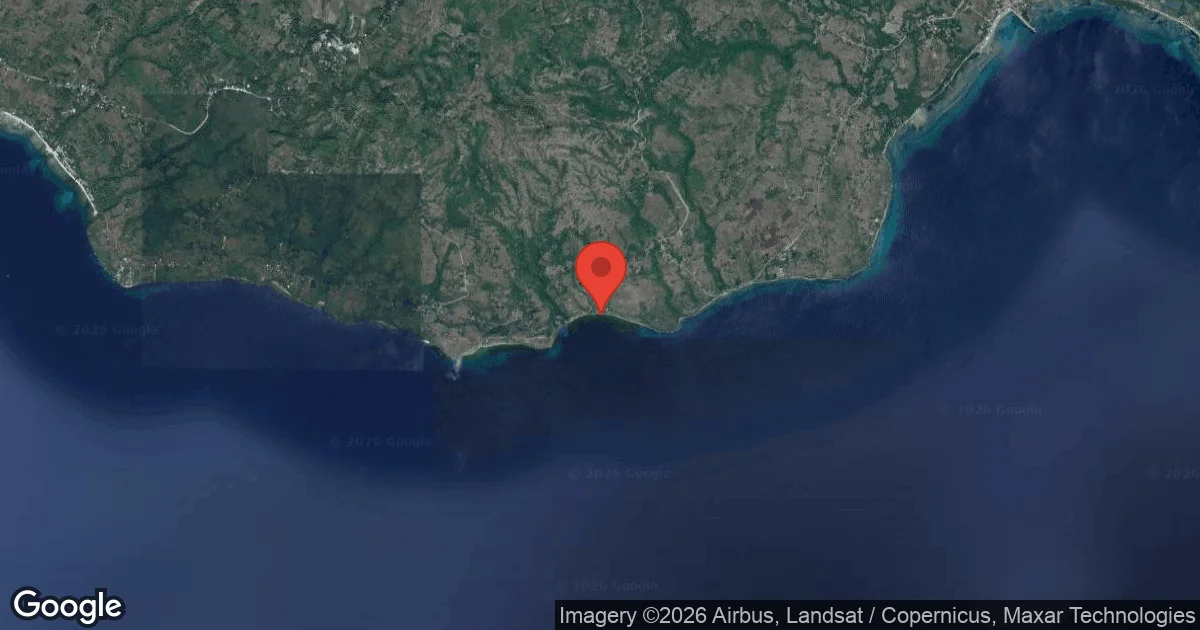
View all dive sites in PhilippinesDiscover more underwater gems in this area.
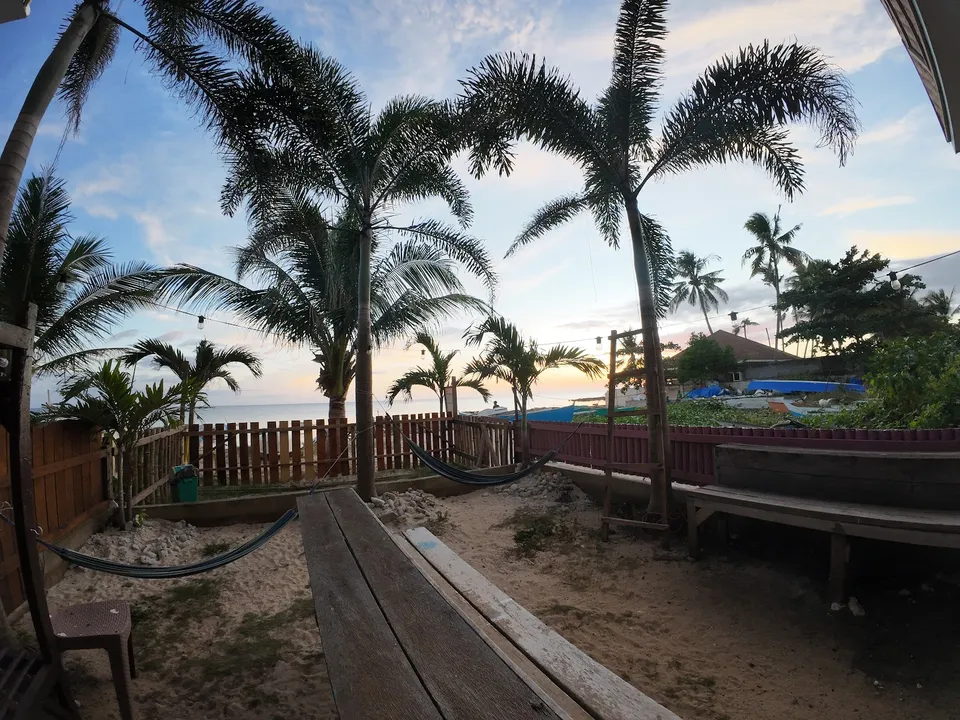
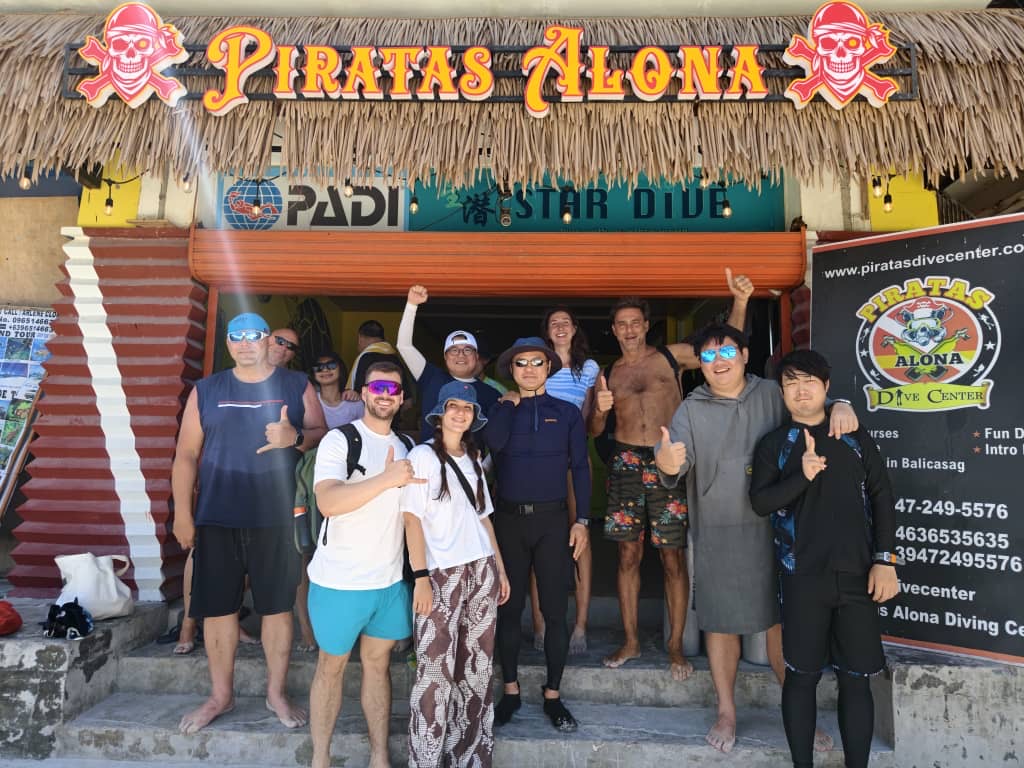
Dive Centers Near Liloan Corner
Today: 07:30 - 17:00
Nearest Airports
Nearest airports to help plan travel to this dive area.
Search Flights
Check available flights and routes on Expedia, using the nearby airports listed in this section.
Search Flights on ExpediaFrequently Asked Questions
What is the maximum depth at Liloan Corner?
The maximum depth at Liloan Corner itself reaches 40 m (131 ft). For those interested in the nearby MV San Juan wreck, its top sits around 32-34 m (105-110 ft), with the main structure resting at 50 m (165 ft).
Is Liloan Corner suitable for Open Water divers?
Yes, Open Water certified divers can explore the shallower reef and wall sections of Liloan Corner. However, accessing the full depth of the wall or the MV San Juan wreck requires Advanced Open Water or Deep Diver certifications.
What types of diving can I expect at Liloan Corner?
Liloan Corner primarily offers wall and reef diving, often experienced as a relaxing drift dive. The site is known for its vibrant corals and diverse marine species.
Are currents strong at Liloan Corner?
Currents at Liloan Corner can vary, often providing a gentle drift that enhances the dive experience. However, conditions can sometimes bring stronger currents, requiring divers to be prepared and follow guide instructions.
What marine life might I see?
You can expect to see schooling jackfish, black corals, and sea fans at Liloan Corner. The San Juan wreck also attracts large batfish schools, reef fish like butterflyfish, angelfish, and occasionally giant trevally.
What equipment is recommended for diving here?
A Surface Marker Buoy (SMB) is highly recommended for drift dives at Liloan Corner to ensure visibility to the dive boat. A dive computer is also essential for managing dive profiles and bottom time effectively.
Is the MV San Juan wreck safe for recreational divers?
Recreational deep divers can safely visit the upper parts of the MV San Juan wreck, typically for 10-15 minutes due to no-decompression limits. Exploring inside the wreck requires specific wreck diver certification and experience due to overhead environment risks.
When is the best time to dive Liloan Corner?
The months of May, June, and October are generally considered excellent for diving, offering calmer conditions, lower wave heights, and moderate rainfall. Diving is possible year-round, with other months still providing good conditions.
Planning to dive Liloan Corner?
Send one inquiry and receive offers directly from the best verified local dive operators.
Conditions are Excellent
07:00 - 14:00
Optimal conditions expected
Current conditions near Liloan Corner show 31° air, 30° sea temperature, 0.5 m waves, and 22 km/h wind. Forecast data is refreshed regularly to ensure accuracy.