
Diving at Mantigue Island (Philippines)
Approaching Mantigue Island by boat reveals a small, distinct landmass off Camiguin Island, signalling the start of a dive into its protected waters. Divers prepare for sites merging shallow reef formations with gradual slopes leading to deeper walls. Catering to various skill levels, it offers accessibility for new and experienced explorers seeking the Philippines' rich underwater environments. An engaging subaquatic exploration begins here.
Evening condition tracking at Mantigue Island features an air temperature of 29°C. We have recorded wave heights measuring 0.3 m during this period. These figures outline the environmental parameters currently present.
Dive Site Location & Key Facts
Dive Site Overview
Mantigue Island dive sites present a diverse underwater topography, anchored by an extensive fringing reef system. These sites transition from vibrant shallow reef gardens, abundant with life, to more dramatic slopes descending into deeper wall sections.
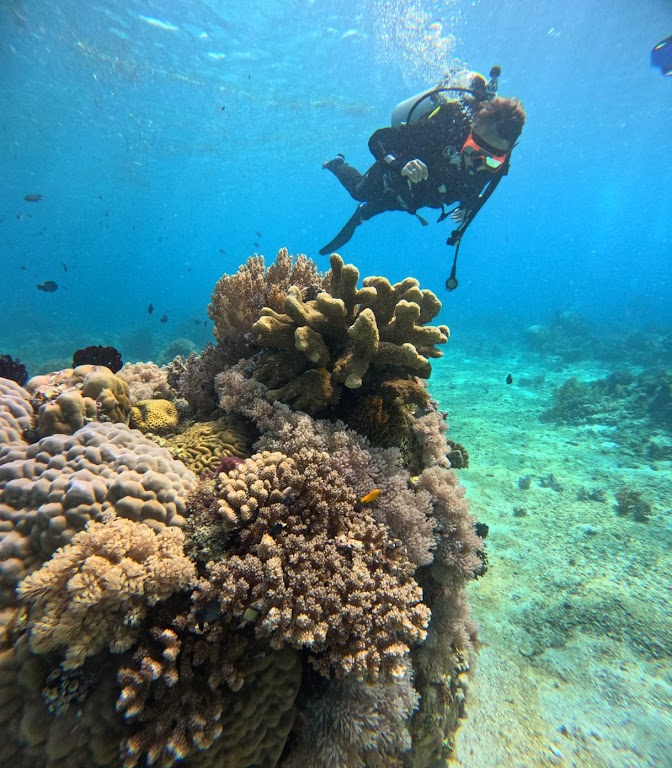
Maximum reported depths for diving reach 30 m / 98 ft, accommodating a range of certification levels, from Open Water to Advanced. Its reef structure is composed of both robust hard and delicate soft corals, often interspersed with feather stars, hydroids, and whip corals.
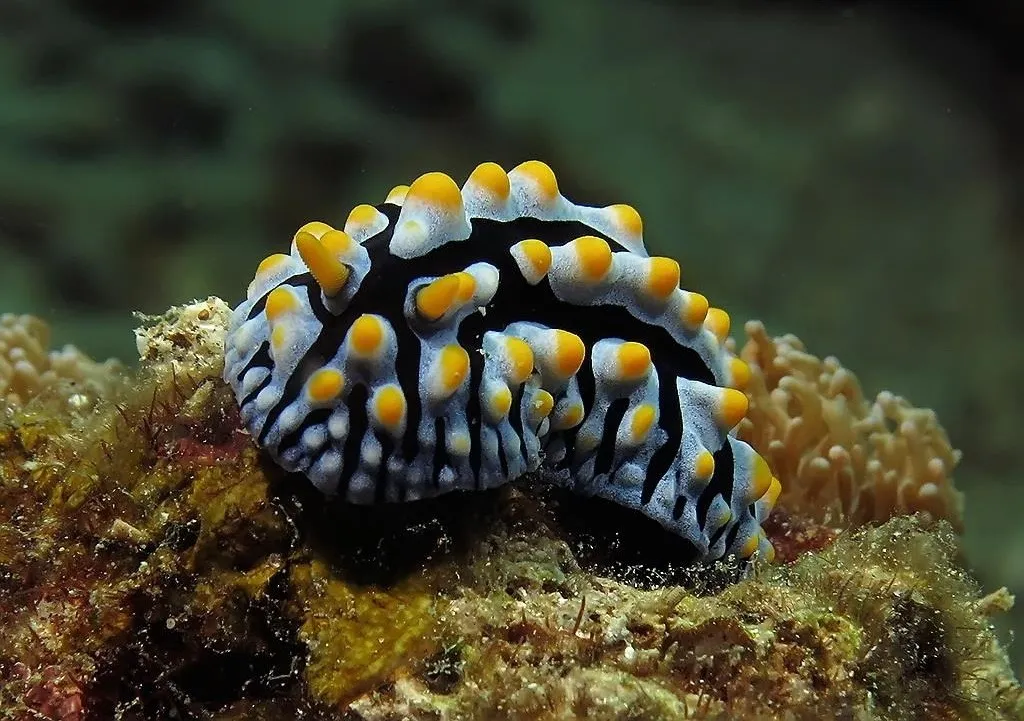
These formations are crucial, providing essential shelter and feeding grounds for a multitude of smaller marine creatures, including nudibranchs and shrimp. Access to all dive locations requires boat entry, usually a brief journey from Camiguin Island.
Dive profiles can be varied, allowing for leisurely explorations of the shallow, sunlit reefs or more advanced descents along the walls to observe different ecosystems and potentially encounter pelagic species passing by. Such a layered environment ensures each dive offers new perspectives and encounters within its rich oceanic framework, making for engaging underwater navigation.
Conditions are Good
07:00 - 14:00
Optimal conditions expected
Current conditions near Mantigue Island show 29° air, 30° sea temperature, 0.5 m waves, and 22 km/h wind. Forecast data is refreshed regularly to ensure accuracy.
Best Time to Dive
Planning a dive trip to Mantigue Island often prioritizes excellent visibility, which is typically most consistent from April through June, and again from August to December. During these months, the dive scores are frequently rated as "Excellent," indicating favorable conditions. April and May historically show the lowest rainfall, averaging only 1.5-3.1 mm, contributing to clearer waters. Air temperatures during this peak season are comfortably warm, ranging from 26°C in February to 29°C in May. While January, February, and March still offer "Good" diving conditions, they experience slightly higher average wave heights, around 0.5-0.6 m, and increased rainfall compared to the drier months. July also rates "Good" with higher waves, about 0.5 m. For the clearest conditions and calmest seas, focusing on the April to June window, or the extended period from August through December, is advisable, maximizing the potential for expansive underwater views.
PEAK SEASON SCORE
Scores combine air & water temps, waves, wind & rainfall for overall conditions.
BEST MONTHS TO DIVE
Monthly records compiled from satellite and marine observation nodes over the last 3 years. Data provided by Open-Meteo and MET Norway.
Dive Experience & Conditions
Conditions within Mantigue Island's waters support a comfortable and engaging dive experience, suitable for various skill levels. Divers encounter a salt water environment where conditions generally support relaxed exploration. Dive sites blend accessible shallow reefs with more challenging deeper walls, allowing Open Water divers to enjoy the vibrant coral gardens, while advanced divers can explore the full 30 m / 98 ft depth range. Conditions are often characterized by mild currents, though these can vary. Visibility is typically good to excellent during peak seasons, revealing intricate details of the reef system and its inhabitants. An overall feeling underwater is one of discovery, with abundant macro life blending into larger reef scenes. It's a site that rewards attentive exploration, from spotting small nudibranchs among the corals to observing schooling fish in open water.
Dive Difficulty & Safety Guidelines
Ensuring a safe dive experience at Mantigue Island involves adhering to standard diving practices and local regulations. Given that entry is always by boat, attention to boat procedures and maintaining situational awareness around dive vessels is important. Although specific local hazards are not consistently reported, practicing good buoyancy control helps protect the delicate fringing reef system and prevents unintended contact with marine life.
Divers should carry a surface marker buoy (SMB) for safety, especially if drift diving conditions are encountered or for surface signaling after ascent. Mantigue Island is a designated sanctuary, which means respecting marine life, avoiding touching corals, and refraining from collecting any specimens are mandatory.
Additionally, divers should be aware of any local sanctuary fees that apply to support conservation efforts.
Recommended Equipment
- Dive Computer
- DSMB
This gear list is based on verified equipment signals for Mantigue Island, Philippines. Always confirm final gear choices with your dive operator, guide, or liveaboard.
Recommended Dive Suit
Dive skin or rash guard usually provides adequate warmth in water around this temperature. A hood or vest is suggested for sensitive divers due to surface winds. For divers entering the water at Mantigue Island, temperatures are currently hovering around 30°C (86°F). Surface air temperatures are resting at 29°C (84°F).
Weather models currently point toward consistent diving conditions over the next several days.
Conditions can vary slightly across different parts of the same dive site.
Emergency & Medical Support
Essential information to help you plan your dive trip to Mantigue Island.

Hyperbaric chambers are a critical part of dive safety infrastructure. Availability varies significantly by region, and not all dive areas have immediate access.
Before diving, it's recommended to:
- confirm nearest medical facilities
- check emergency procedures with local dive operators
- ensure dive insurance covers evacuation if required
Divers Alert Network
Diving emergency assistance available through DAN World.
+1-919-684-9111- 24/7 emergency hotline
- Diving medical assistance
- Evacuation coordination
Emergency contacts are provided for reference. Always verify local emergency services before diving.
Marine Life at Mantigue Island
Beneath the surface, Mantigue Island's underwater landscape thrives with a diverse array of life interwoven with its coral structures. Reefs are rich with hard and soft corals, creating intricate shelters for numerous small marine creatures such as nudibranchs and shrimp.
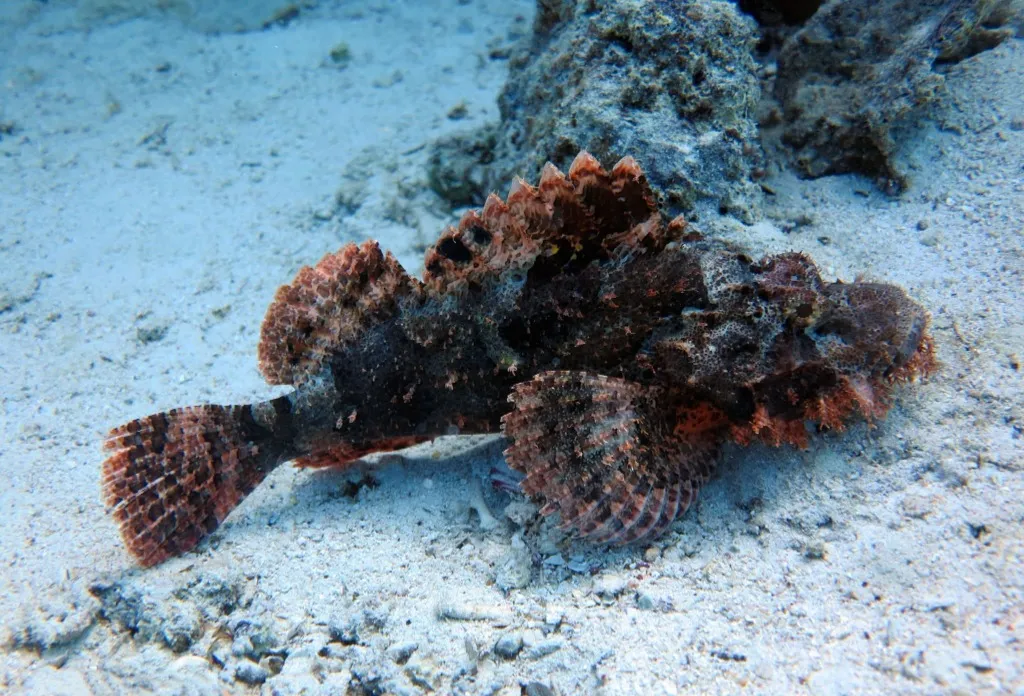
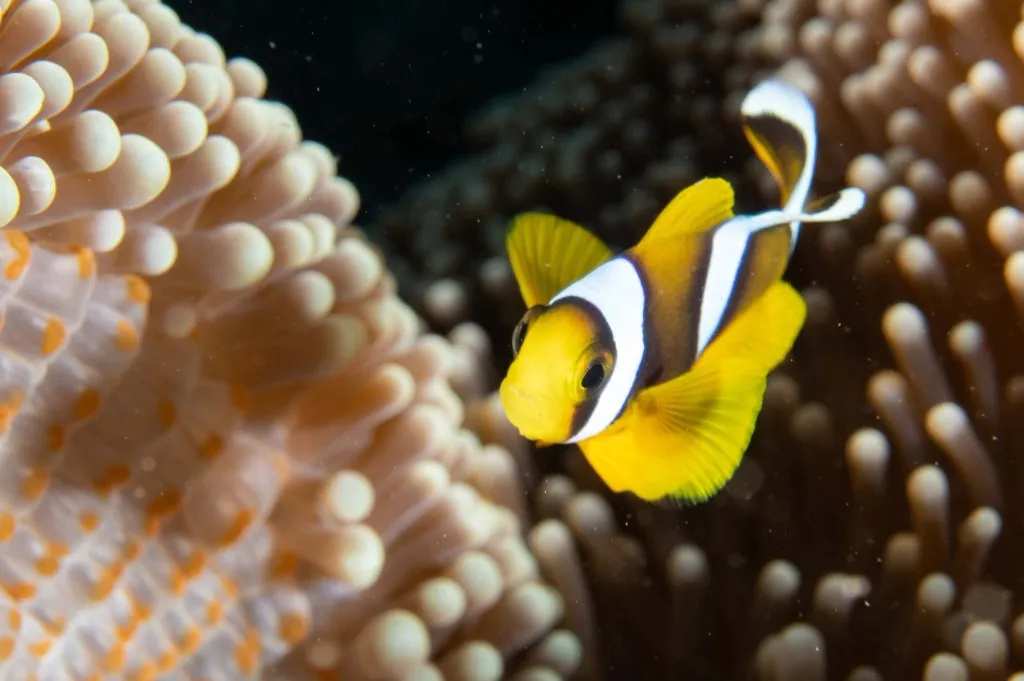
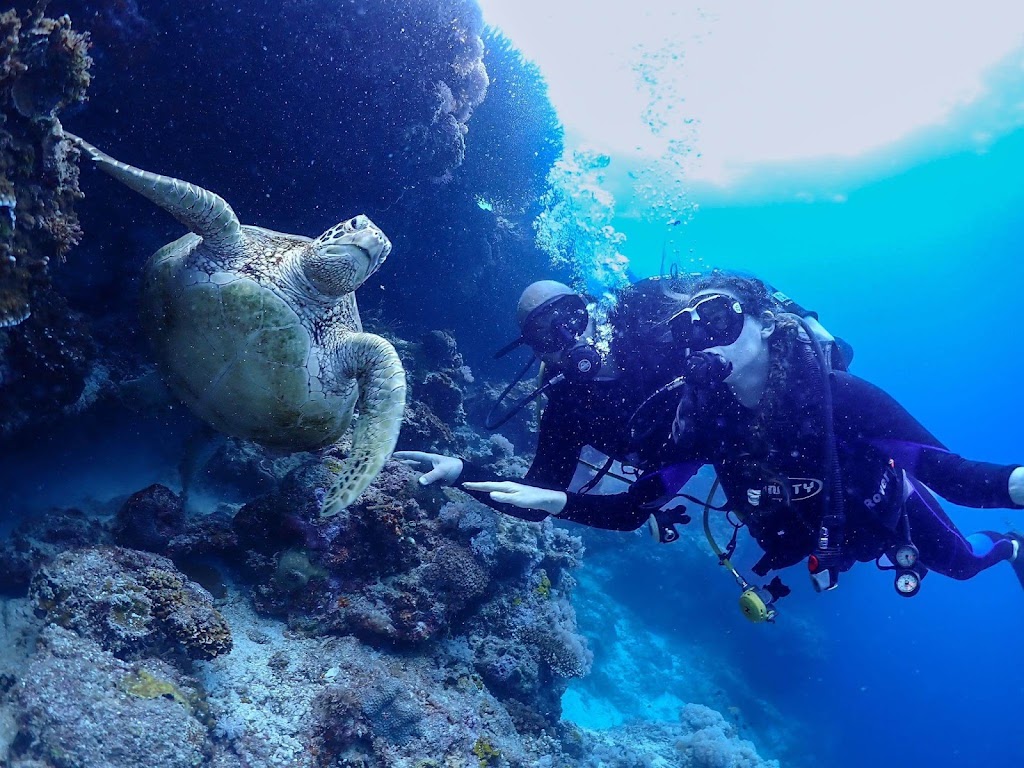
Divers frequently spot a variety of reef fish, including colorful clownfish and elusive scorpionfish. Larger species like turtles and rays are common visitors, often seen navigating the reef or gliding past.
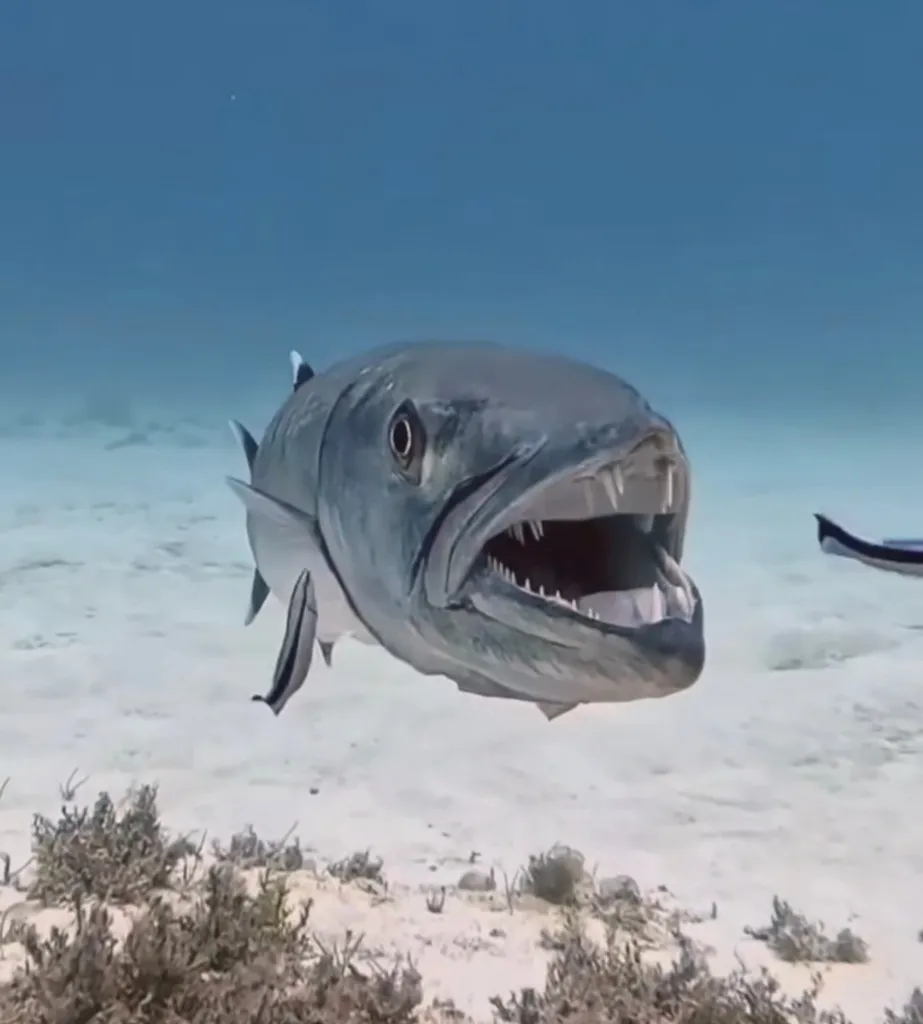
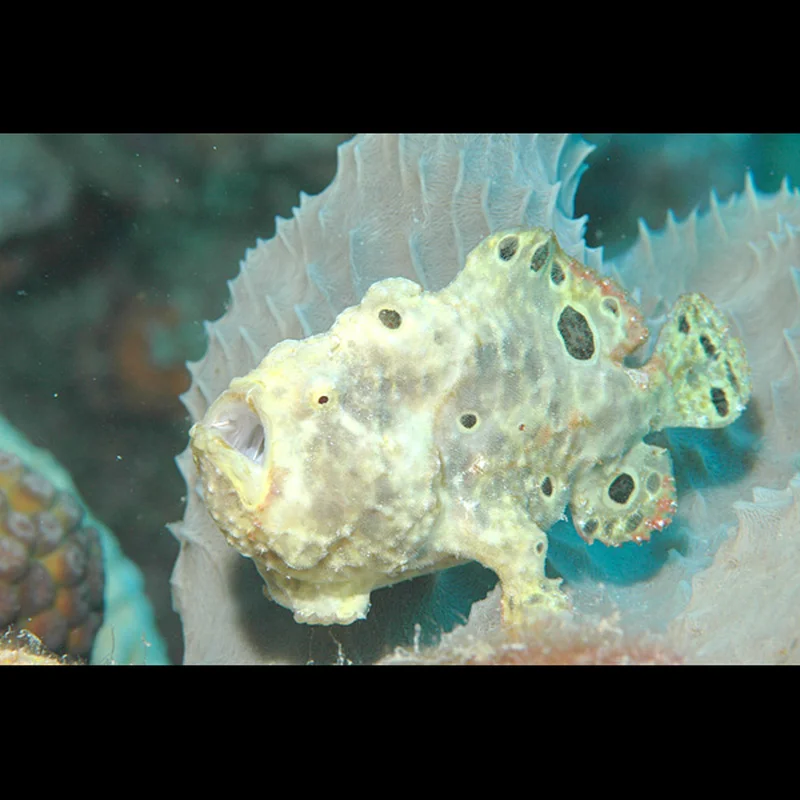
Schools of barracuda and jackfish are also present, adding dynamic movement to open water sections. Keep an eye out for frogfish camouflaged amongst the corals, offering a rewarding macro photography subject.
Dive Sites Near Mantigue Island
View all dive sites in PhilippinesDiscover more underwater gems in this area.
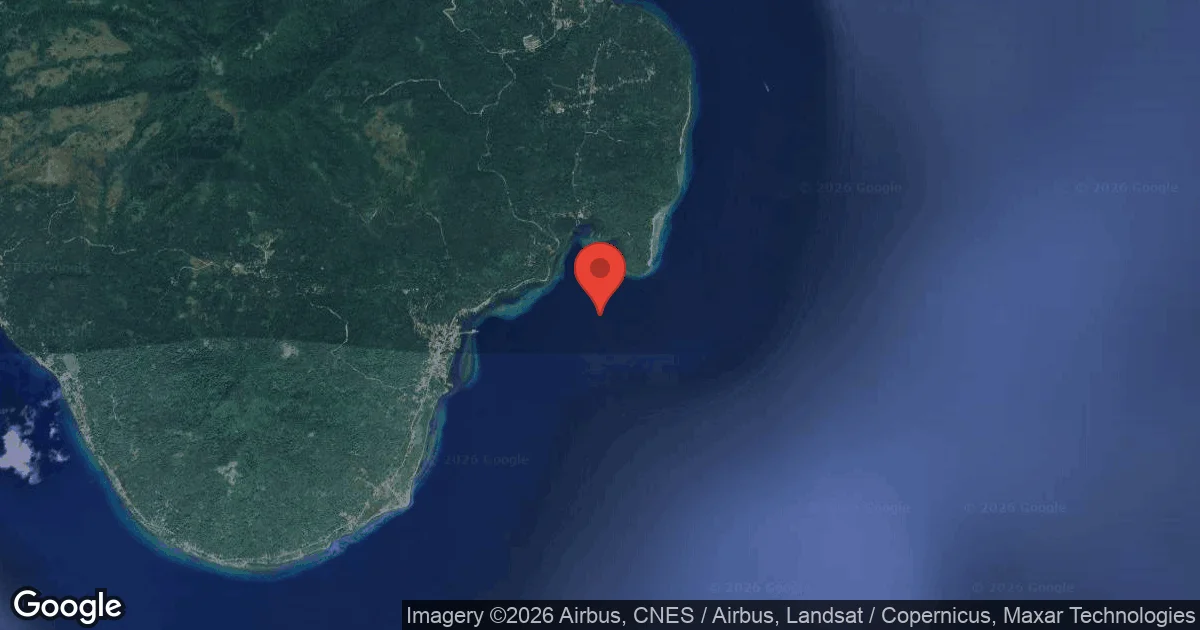
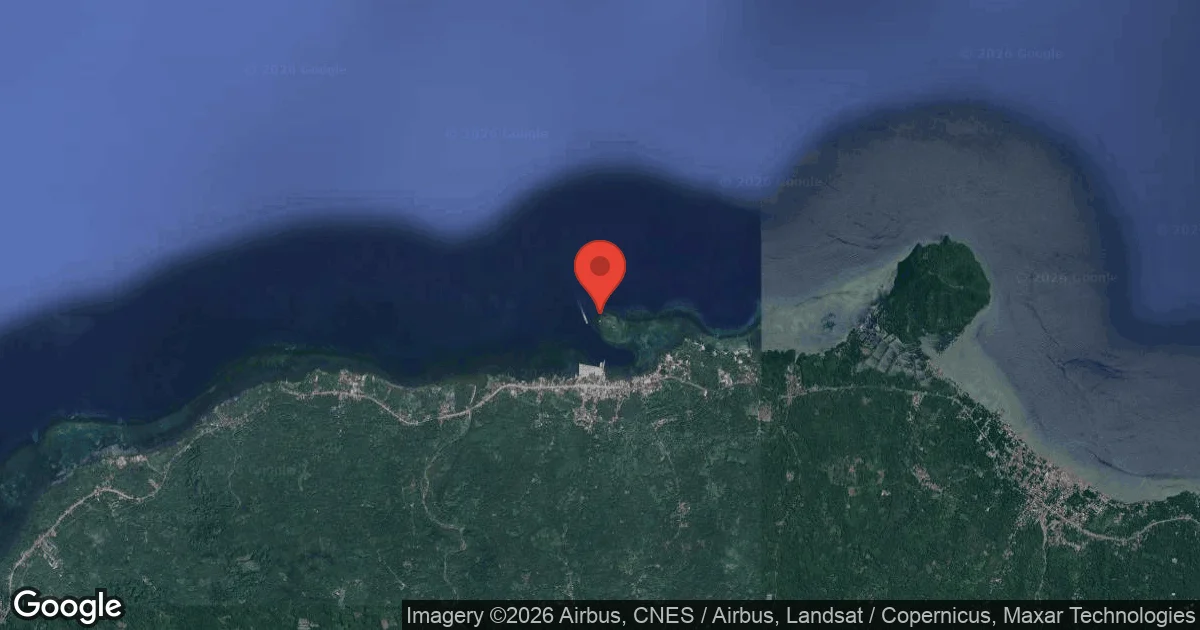
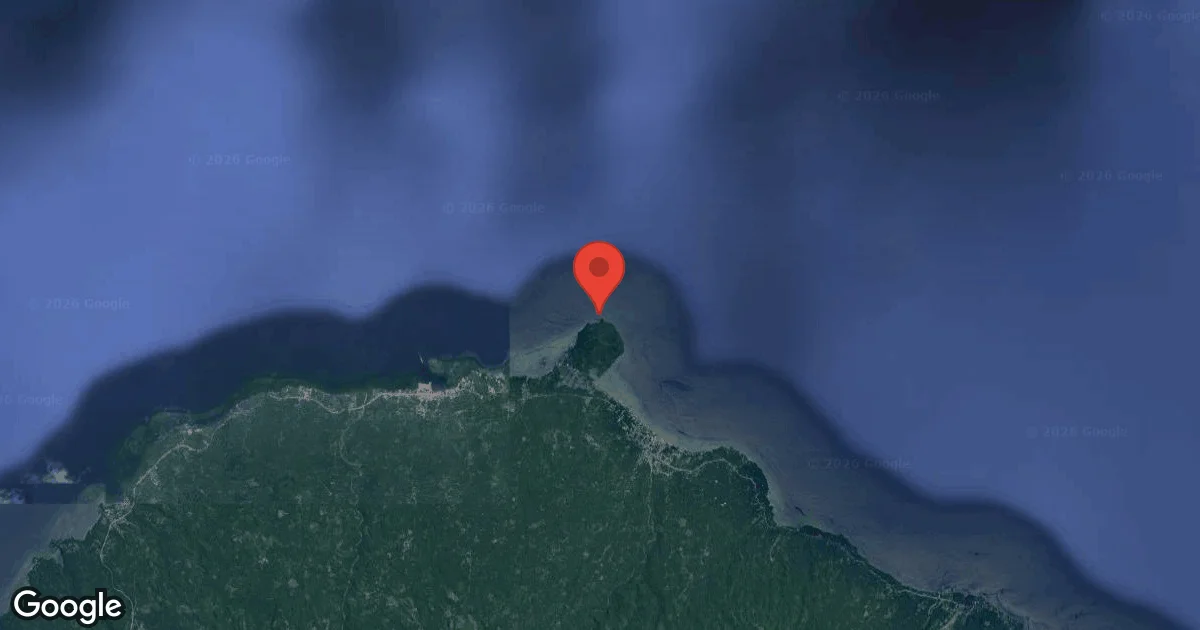
Dive Centers Near Mantigue Island
Nearest Airports
Nearest airports to help plan travel to this dive area.
Search Flights
Check available flights and routes on Expedia, using the nearby airports listed in this section.
Search Flights on ExpediaFrequently Asked Questions
What is the maximum diving depth at Mantigue Island?
The dive sites around Mantigue Island feature a maximum reported depth of 30 meters or 98 feet. This range accommodates both recreational and more advanced diving profiles, exploring both shallow reefs and deeper walls.
Is Mantigue Island suitable for beginner divers?
Yes, Mantigue Island offers dive sites suitable for beginners. Its mix of shallow reef areas allows Open Water certified divers to experience the vibrant coral gardens and observe diverse marine life comfortably.
What marine life can I expect to see?
Divers frequently encounter turtles, rays, and various reef fish, including clownfish and scorpionfish. The reefs also host smaller creatures like nudibranchs and shrimp, alongside schools of barracuda and jackfish, and occasional frogfish.
When is the best time of year to dive at Mantigue Island?
The best time for diving is generally from April to June and then from August to December, which consistently offers excellent dive conditions. These periods typically feature lower rainfall and calmer seas, contributing to better visibility.
How do divers access the Mantigue Island dive sites?
All dive sites at Mantigue Island are accessed exclusively by boat. Operators from nearby Camiguin Island provide short boat trips to reach the various dive locations around the island.
Are there any specific fees for diving at Mantigue Island?
Yes, divers should be aware that sanctuary fees are typically required for diving at Mantigue Island. These fees contribute to the protection and maintenance of the island's marine environment.
Planning to dive Mantigue Island?
Send one inquiry and receive offers directly from the best verified local dive operators.
Conditions are Good
07:00 - 14:00
Optimal conditions expected
Current conditions near Mantigue Island show 29° air, 30° sea temperature, 0.5 m waves, and 22 km/h wind. Forecast data is refreshed regularly to ensure accuracy.