
Diving at Sipaka Point Talisayan (Philippines)
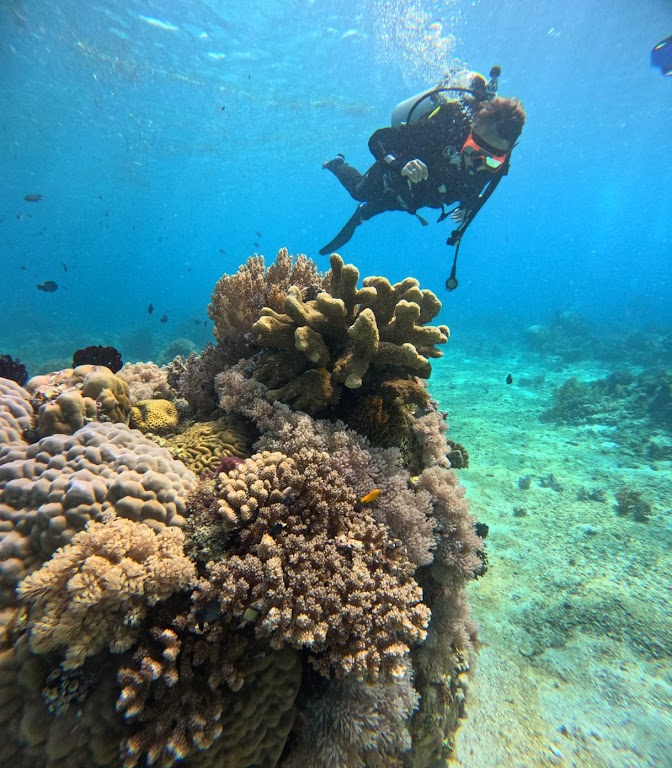
Sipaka Point, situated in Talisayan, offers a gradual sloping reef profile, making it a versatile destination for various dive experiences. Its coordinates at 9.01733, 124.87558 delineate a vibrant ocean environment, primarily characterized by extensive coral cover. The site caters to both Open Water and Advanced Open Water certified divers looking to explore diverse reef structures.
Evening condition tracking at Sipaka Point Talisayan features an air temperature of 28.5°C. We have recorded wave heights measuring 0.3 m during this period. These figures outline the environmental parameters currently present.
Dive Site Location & Key Facts
Dive Site Overview
Divers frequently return to Sipaka Point, often describing it as a cherished site for its diverse marine life and relaxing underwater vistas. Personal accounts frequently highlight its appeal as a 'diving home,' a consistent draw for those seeking vibrant depths.
Many visitors note returning repeatedly, sometimes after cancelled plans elsewhere, underscoring its reliable quality as a dive destination. Observations chronicle dives extending to depths of 30 m / 100 ft, featuring extensive hard and soft coral areas. While some excursions focus on shallower explorations around 18 meters, the site consistently delivers visually rich experiences.
Using EAN30 (30% Nitrox) for dives here suggests many approach Sipaka Point with extended bottom times in mind, allowing for thorough exploration of its diverse ecosystems. Sipaka Point has provided memorable encounters for divers seeking both wide-angle reef scenes and detailed macro observations, consistently living up to its reputation for colorful depths. Its diverse ecosystems offer rich photographic opportunities.
Conditions are Good
07:00 - 14:00
Optimal conditions expected
Current conditions near Sipaka Point Talisayan show 29° air, 30° sea temperature, 0.4 m waves, and 22 km/h wind. Forecast data is refreshed regularly to ensure accuracy.
Best Time to Dive
Planning your dive around prevalent climate patterns at Sipaka Point ensures optimal conditions for a rewarding experience. A period spanning April through December generally offers excellent dive scores. During these months, average air temperatures comfortably range between 27-29°C / 81-84°F, contributing to pleasant surface intervals. Rainfall is consistently low, typically ranging from 1 to 7 mm, minimizing runoff and maintaining good underwater visibility. Calmer conditions are ideal for exploring the sloping reefs and observing marine activity without significant environmental interruptions. While July has a 'Good' dive score, conditions overall remain favorable for much of the year, making spontaneous trips viable. Expect stable sea states.
PEAK SEASON SCORE
Scores combine air & water temps, waves, wind & rainfall for overall conditions.
BEST MONTHS TO DIVE
Monthly records compiled from satellite and marine observation nodes over the last 3 years. Data provided by Open-Meteo and MET Norway.
Dive Experience & Conditions
Descending into Sipaka Point reveals a gradual sloping reef, immediately immersing divers in a world of extensive hard and soft corals. Underwater topography allows for varied depth profiles; a typical dive might reach around 18 meters, while deeper explorations can extend to 30 m / 100 ft. Throughout a descent, the reef showcases a rich tapestry of colors, adorned with tropical species. Water conditions are generally described as calm, though specific times of day or localized currents could influence the feel of a dive. An overall experience is often described as relaxing, with ample opportunities for both broad reef viewing and detailed observation of smaller creatures nestled within corals. Divers should expect saltwater conditions, with average wave heights typically below 0.6 meters.
Dive Difficulty & Safety Guidelines
For an expert approach to diving Sipaka Point, careful attention to dive planning and buddy protocols is essential. It's advisable to dive with a local guide, especially if planning night dives or exploring areas where currents might be present, as a guide's local knowledge can enhance safety and help locate specific marine life. Maintaining situational awareness and staying with your dive group is important; instances of temporary separation have been noted during explorations.
While no specific hazards are reported, standard safety practices, including monitoring air consumption and depth, are always paramount. Consider specialized training such as PADI Advanced Open Water Diver to safely explore the site's deeper sections.
Recommended Equipment
- Dive Computer
- DSMB
This gear list is based on verified equipment signals for Sipaka Point Talisayan, Philippines. Always confirm final gear choices with your dive operator, guide, or liveaboard.
Recommended Dive Suit
Experienced divers often bring flexible gear options.
Environmental readings suggest that the waters surrounding Sipaka Point Talisayan are about 30°C (86°F) at the moment. Surface air temperatures are resting at 29°C (84°F). Divers who spend longer periods underwater often choose dive skin or rash guard.
The next few days appear likely to bring similar environmental conditions.
Emergency & Medical Support
Essential information to help you plan your dive trip to Sipaka Point Talisayan.

Hyperbaric chambers are a critical part of dive safety infrastructure. Availability varies significantly by region, and not all dive areas have immediate access.
Before diving, it's recommended to:
- confirm nearest medical facilities
- check emergency procedures with local dive operators
- ensure dive insurance covers evacuation if required
Divers Alert Network
Diving emergency assistance available through DAN World.
+1-919-684-9111- 24/7 emergency hotline
- Diving medical assistance
- Evacuation coordination
Emergency contacts are provided for reference. Always verify local emergency services before diving.
Marine Life at Sipaka Point Talisayan
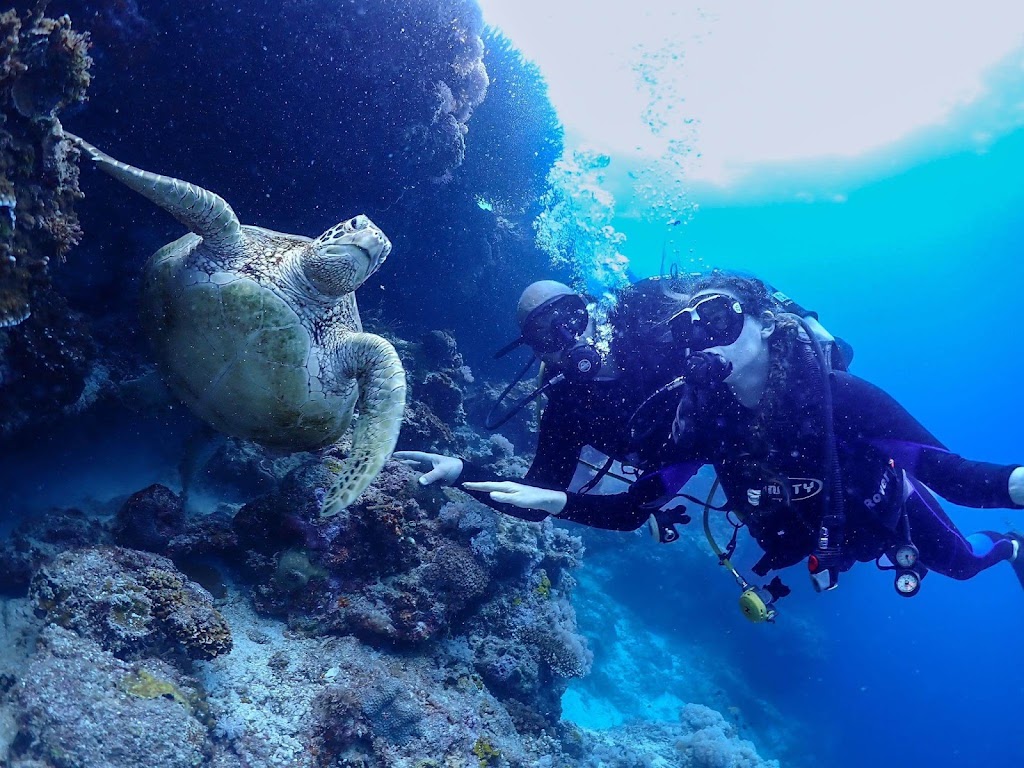
A dynamic display of marine life makes every dive a discovery at Sipaka Point. Divers can anticipate encountering a vibrant array of tropical fish, including spade fish, emperors, wrasses, chromis, damsels, and especially colorful anthias that densely populate the reef.
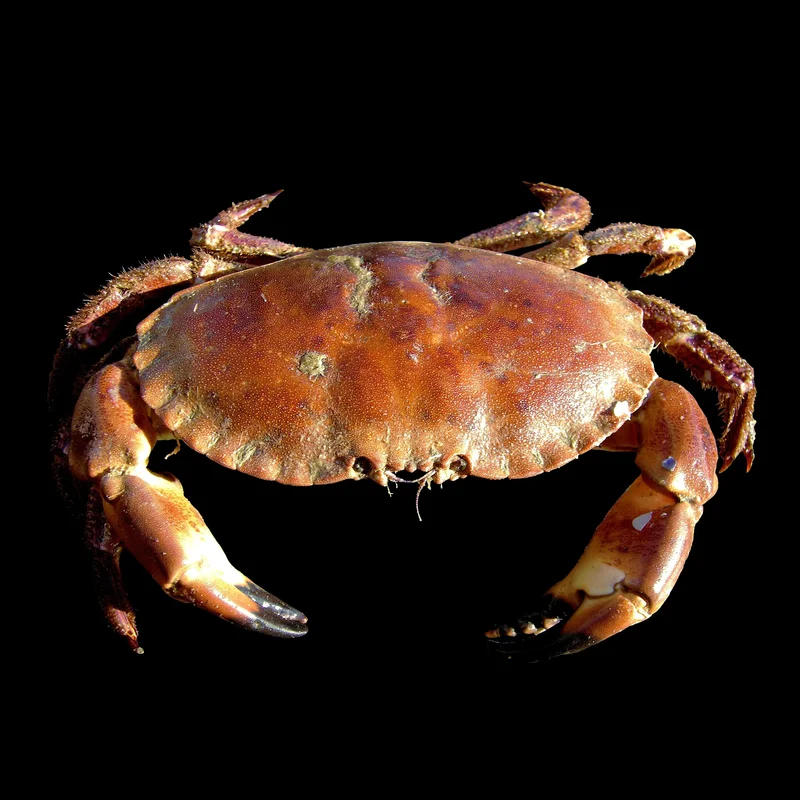
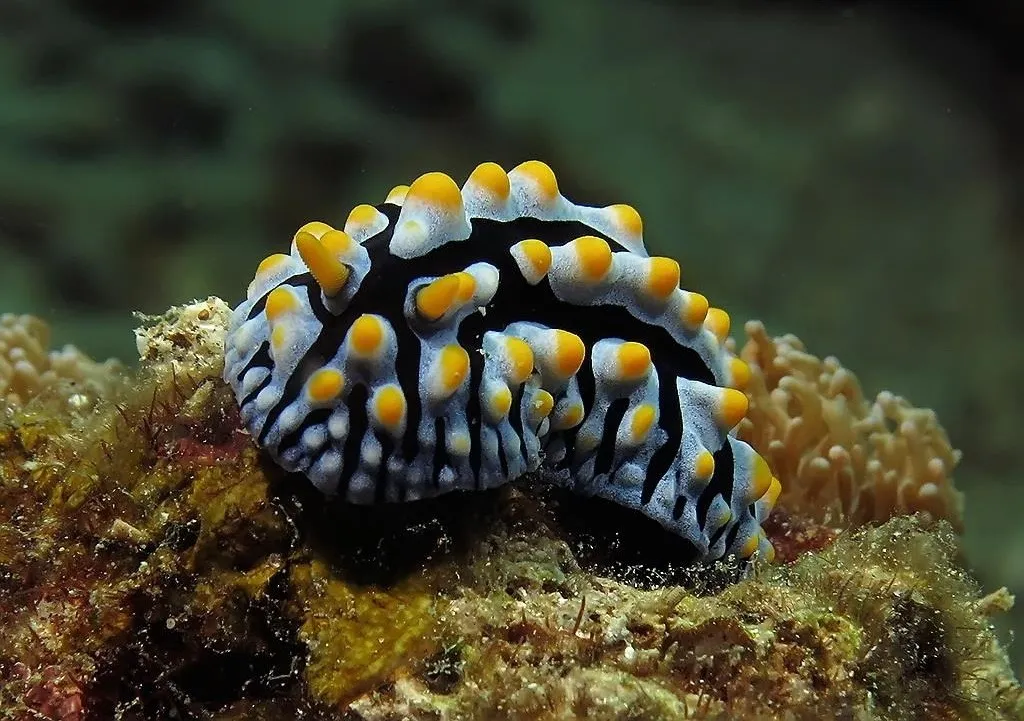
Schools of jacks often appear, sometimes exhibiting interesting behaviors like a drummer fish manipulating a female jack. Closer inspection of corals reveals diverse 'denizens' such as featherstars, nudibranchs, and various colorful shrimps and crabs.
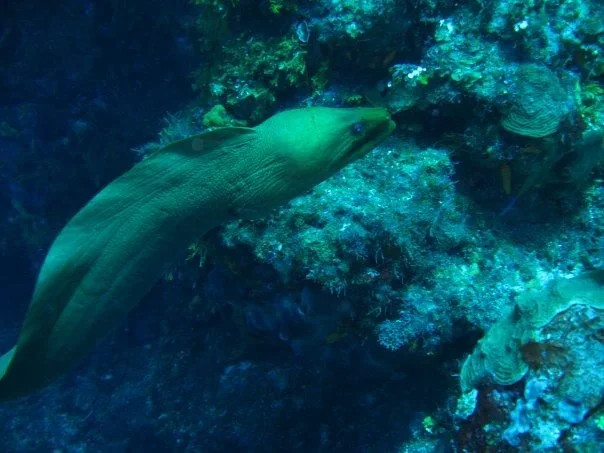
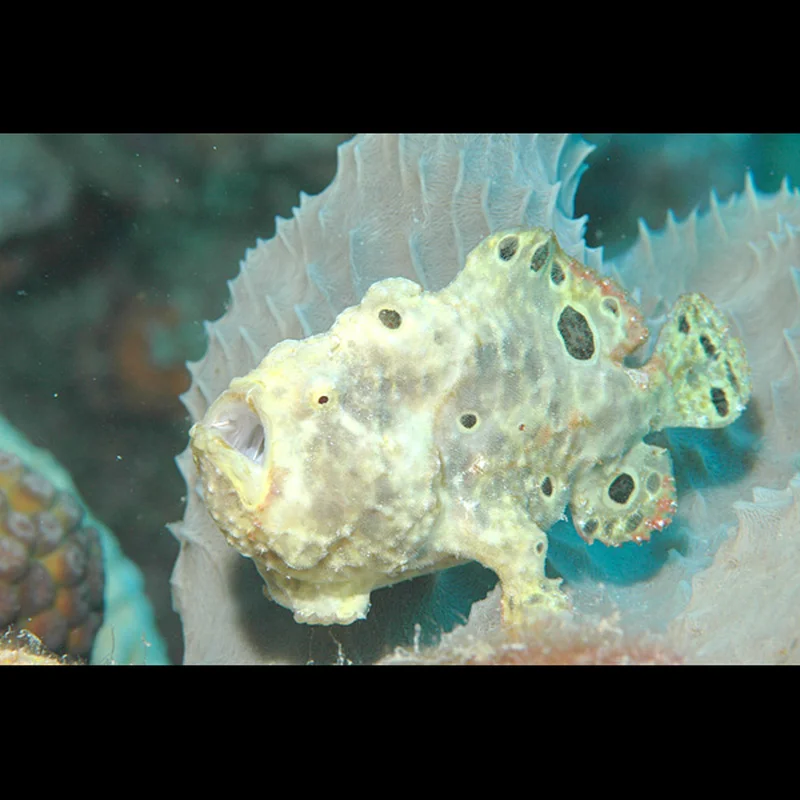
Keep an eye out for larger creatures like giant moray eels and giant groupers, or the more camouflaged stonefish and frogfish. Banded sea snakes have also been observed, adding to this site's rich biodiversity.

Dive Sites Near Sipaka Point Talisayan
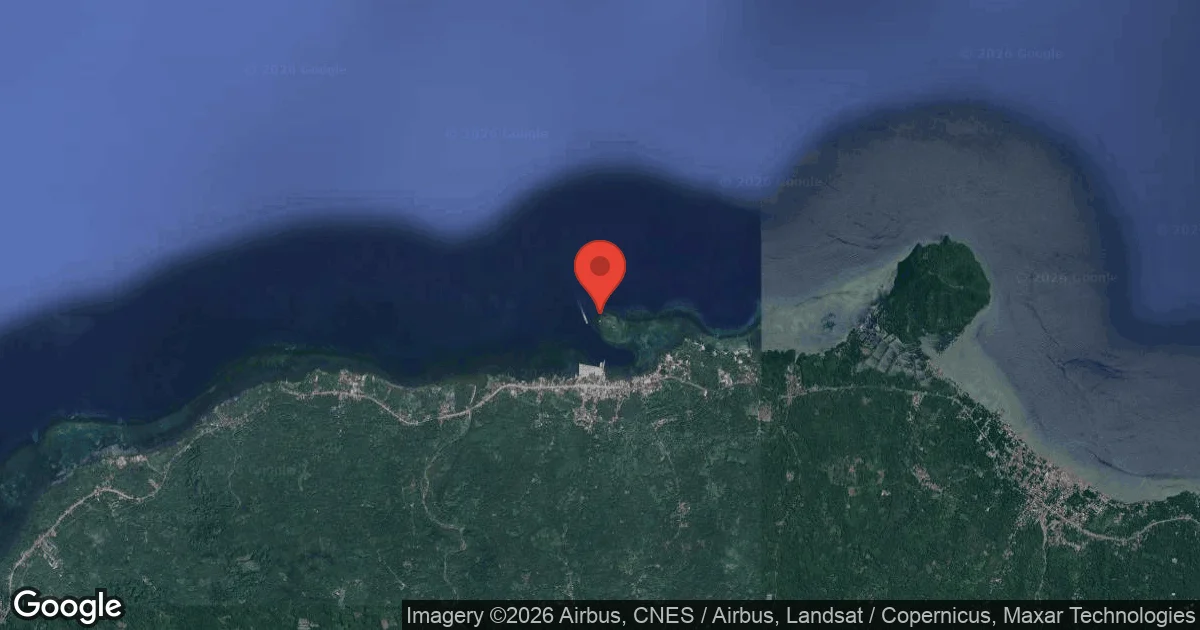
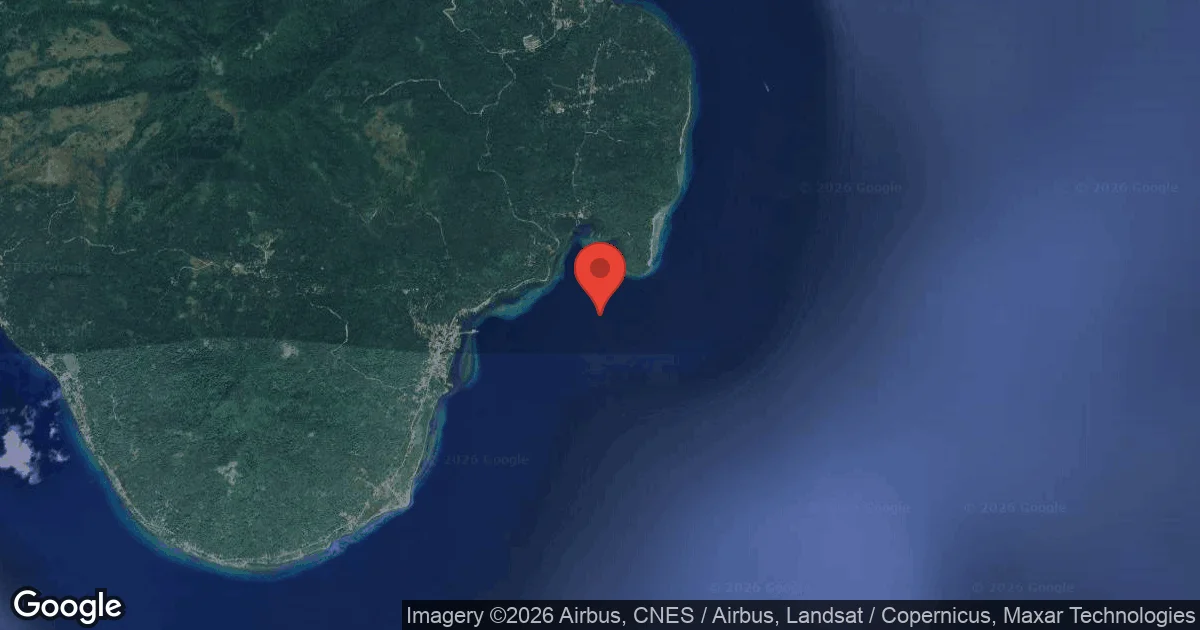
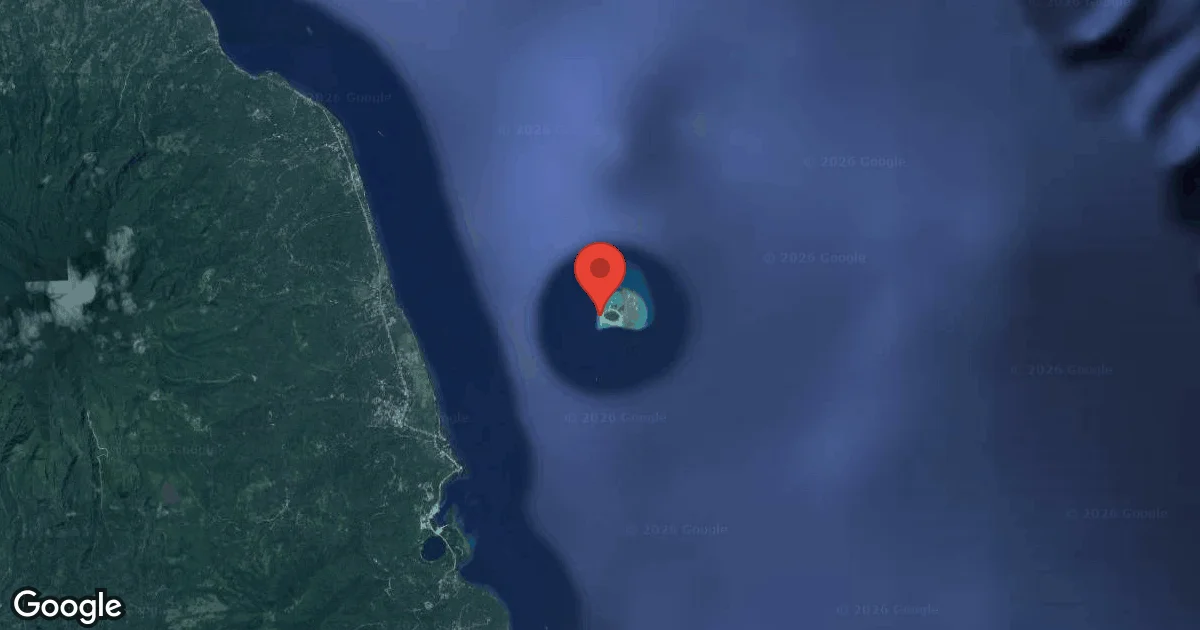
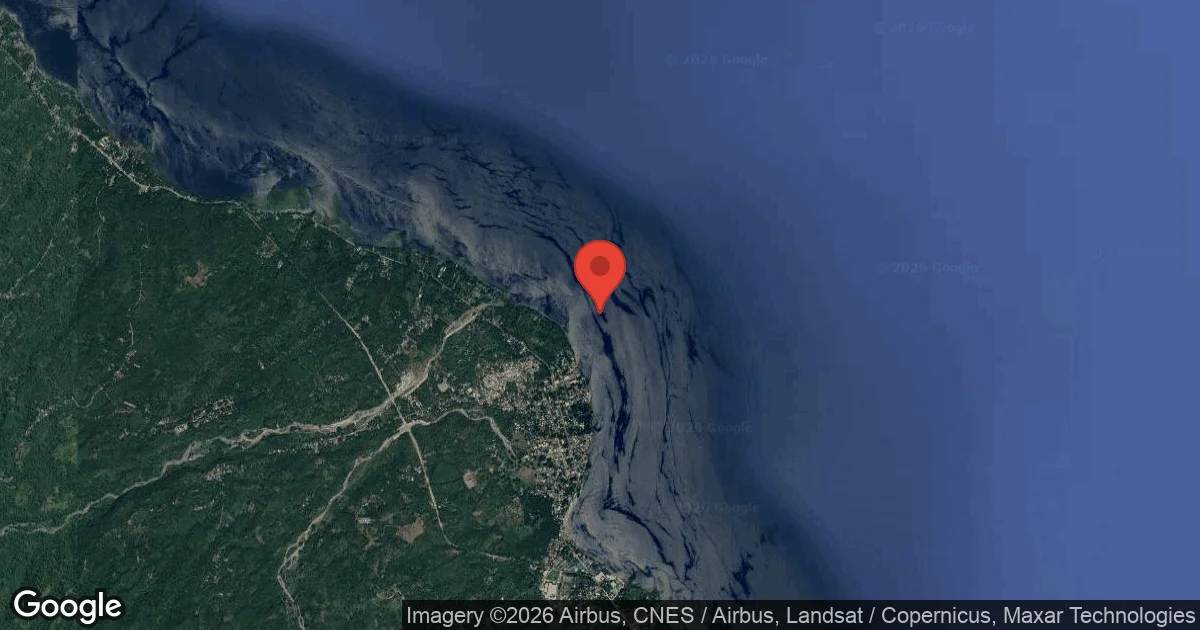
View all dive sites in PhilippinesDiscover more underwater gems in this area.
Dive Centers Near Sipaka Point Talisayan


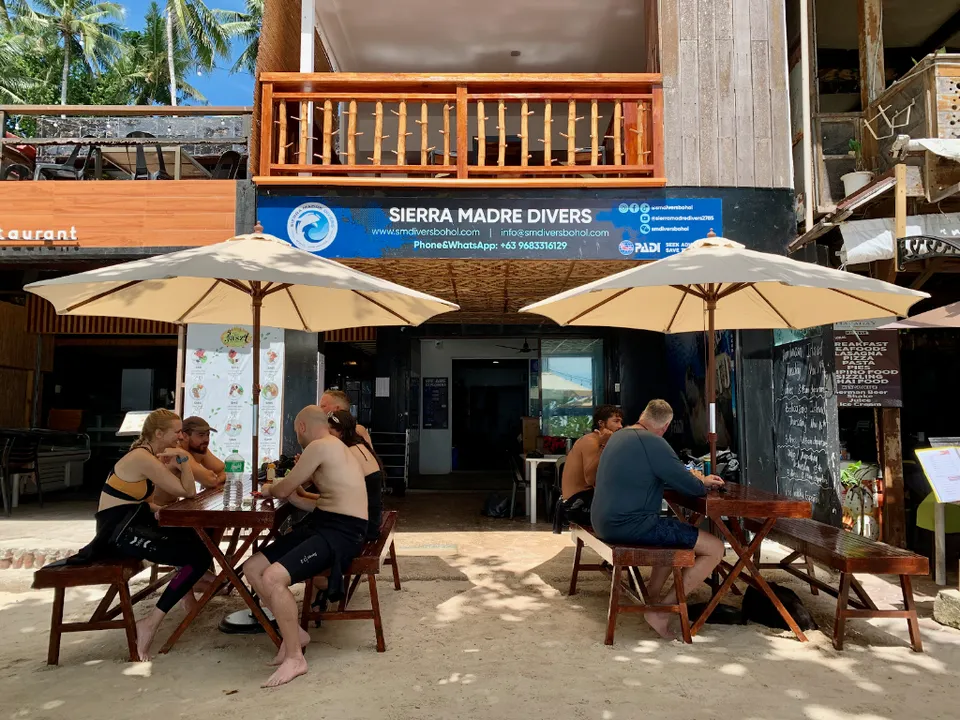
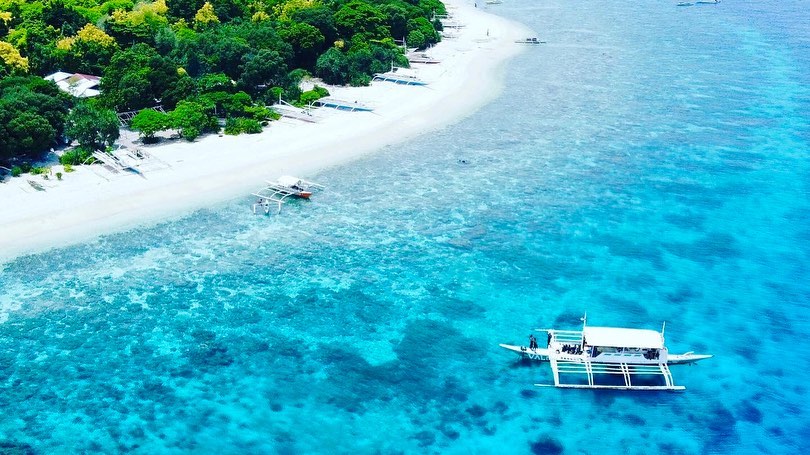
Nearest Airports
Nearest airports to help plan travel to this dive area.
Search Flights
Check available flights and routes on Expedia, using the nearby airports listed in this section.
Search Flights on ExpediaFrequently Asked Questions
What is the typical maximum depth for diving at Sipaka Point?
Sipaka Point is a sloping site, allowing for varied depths. Recreational dives are often comfortably conducted around 18 meters (60 feet), with deeper sections of the reef explored to 30 meters (100 feet).
What kind of marine life can I expect to see?
The site is rich with diverse marine life. You'll likely encounter colorful anthias, spade fish, wrasses, and schools of jacks. Macro enthusiasts will appreciate sightings of nudibranchs, colorful shrimps, crabs, and impressive Christmas Tree Worms.
Are there any specific safety considerations for this dive site?
Always dive with a buddy and maintain awareness of your dive group, as temporary separations can occur. Utilizing a local dive guide is recommended for optimal navigation and to enhance your chances of spotting unique critters, especially during night dives.
Is Nitrox recommended for diving at Sipaka Point?
Yes, some divers have opted to use 30% Nitrox (EAN30) for their dives at Sipaka Point. This can be beneficial for extending bottom times and safely managing multiple dives, given the site's depth range and rich exploration opportunities.
What are the common water conditions at Sipaka Point?
The water type is saltwater, and conditions are generally described as calm. Average wave heights are typically below 0.6 meters, contributing to comfortable diving and surface intervals.
What certification level is suitable for Sipaka Point?
The site is suitable for PADI Open Water Divers, particularly for shallower reef explorations. However, PADI Advanced Open Water Diver certification is recommended to fully appreciate and safely explore the deeper sections of Sipaka Point's sloping reef.
Planning to dive Sipaka Point Talisayan?
Send one inquiry and receive offers directly from the best verified local dive operators.
Conditions are Good
07:00 - 14:00
Optimal conditions expected
Current conditions near Sipaka Point Talisayan show 29° air, 30° sea temperature, 0.4 m waves, and 22 km/h wind. Forecast data is refreshed regularly to ensure accuracy.