
Diving at Maris Rock (Philippines)
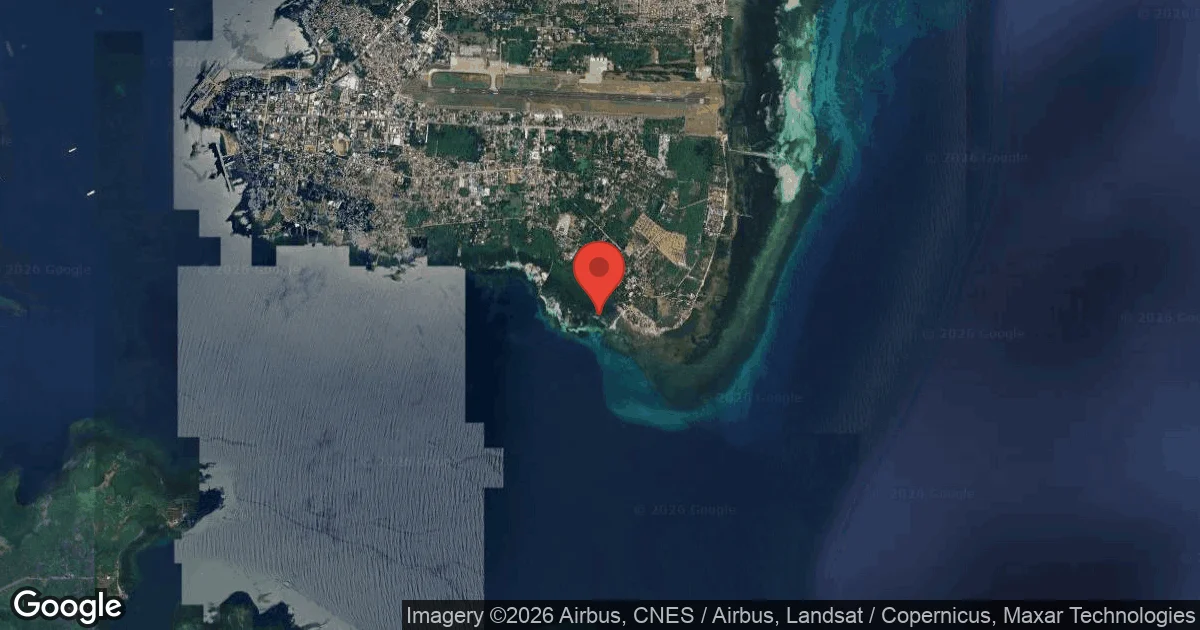
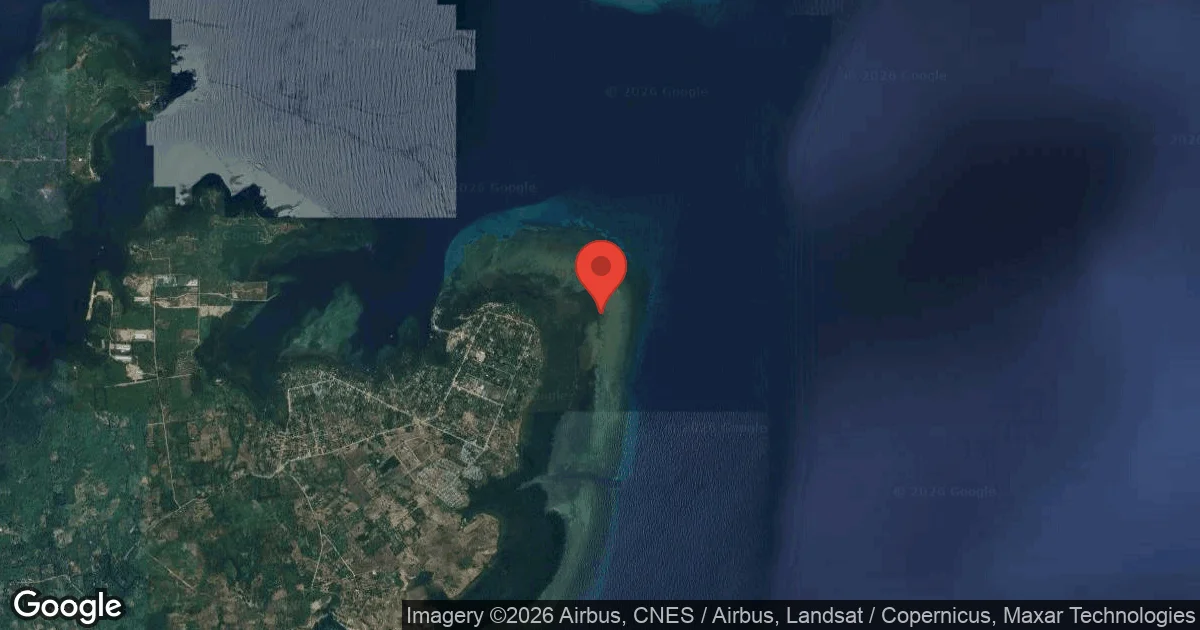
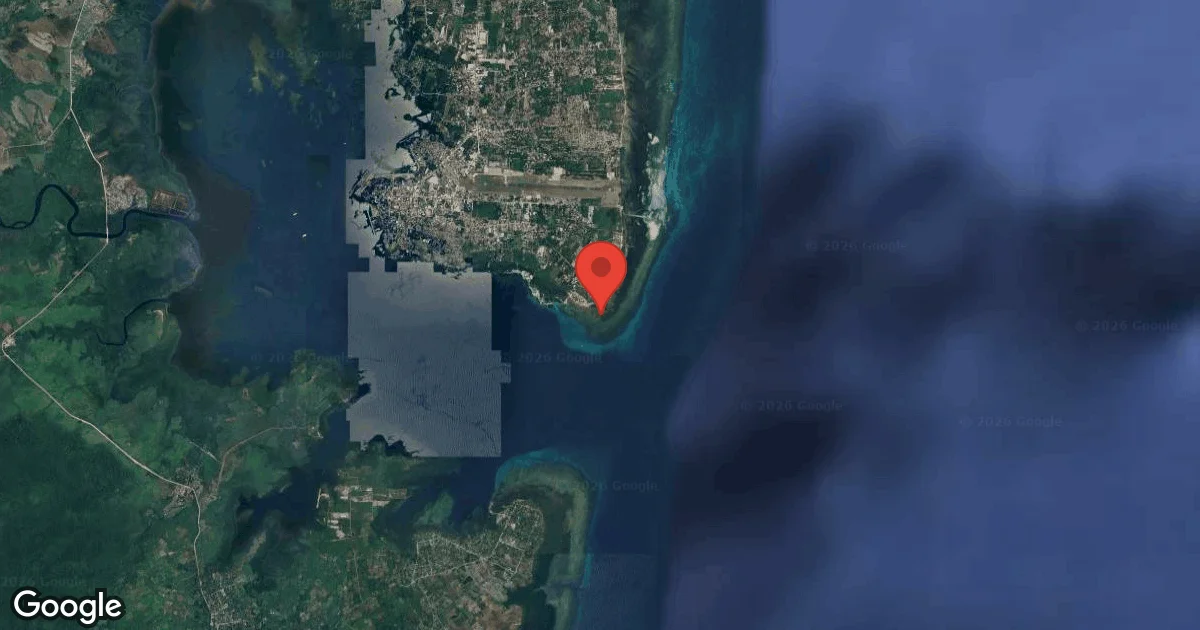
Maris Rock emerges as a prominent underwater pinnacle off Puerto Princesa, Philippines, defining a vibrant reef structure. This site features a gentle slope descending from shallow coral gardens into deeper waters, establishing a distinct topography for marine exploration. Divers here navigate around the rock formation, which provides shelter and habitat for a diverse array of reef life, reaching a maximum depth of 25 meters (82 feet).
Tonight's objective overview for Maris Rock shows an air temperature of 27.5°C. The measured surface conditions include wave heights around 0.6 m. This environmental data is logged for the close of the day.
Dive Site Location & Key Facts
Dive Site Overview
Exploring Maris Rock offers a captivating narrative for any diver, unfolding across a vibrant underwater landscape. This site presents stunning coral formations and a rich, diverse marine ecosystem, appealing to a broad range of experience levels.
Descending from approximately 10 meters (33 feet), divers traverse a gentle slope that gradually leads into deeper sections, allowing for extended bottom times and relaxed exploration. During a dive here, you might encounter an impressive array of life, including mantis shrimp darting between crevices, crocodile fish camouflaged on the substrate, and schools of colorful reef fish navigating the coral heads.
The waters consistently maintain a comfortable temperature of around 30°C (86°F), making for pleasant dives. Access to the site is exclusively by boat, typically arranged through local dive operators in Puerto Princesa, facilitating seamless entry to this dynamic reef environment. Expect generally clear visibility, which usually ranges from 8-12 meters (26-39 feet).
Weather Error: fetch failed
Best Time to Dive
Seasonality plays a significant role in the overall dive experience at Maris Rock, with conditions contrasting between different months. The period from April to May and then again in August and October typically offers excellent diving, characterized by warmer air temperatures averaging 27-28°C (81-82°F) and significantly calmer seas, with wave heights often below 0.4 meters. These months also generally see less rainfall, contributing to more stable and enjoyable surface conditions. Conversely, other periods like January to March and November to December are still considered good for diving, though they might involve slightly more active sea conditions, with wave heights sometimes reaching 0.7-0.9 meters and cooler air temperatures in the 26-27°C (79-81°F) range. Even during these months, rainfall remains relatively low. Regardless of the season, the water temperature remains consistently warm, hovering around 30°C (86°F).
PEAK SEASON SCORE
Scores combine air & water temps, waves, wind & rainfall for overall conditions.
BEST MONTHS TO DIVE
Monthly records compiled from satellite and marine observation nodes over the last 3 years. Data provided by Open-Meteo and MET Norway.
Dive Experience & Conditions
Diving at Maris Rock provides a sensory immersion into a thriving tropical reef environment. The sensation of gliding along its gentle slope is a highlight, with the reef gradually revealing its diverse inhabitants as you descend from 10 meters (33 feet) towards the maximum depth of 25 meters (82 feet). Visibility varies depending on conditions but generally allows for clear views of the vibrant coral formations and abundant marine life, typically ranging from 8-12 meters (26-39 feet). The water is noticeably warm, maintaining around 30°C (86°F), which ensures a comfortable experience even with minimal thermal protection. Expect generally mild currents, although specific conditions can always fluctuate with tides and local weather patterns. Observing the intricate interactions of reef inhabitants against the backdrop of healthy corals creates a truly engaging dive.
Dive Difficulty & Safety Guidelines
Approaching Maris Rock with an awareness of general safe diving practices enhances the experience. Given its reef environment and varied marine life, maintaining excellent buoyancy control is crucial to protect the delicate coral formations and prevent accidental contact. While the site is generally suitable for all diver levels, conditions can vary; therefore, always dive within your certification limits and stay close to your buddy or guide.
Respecting marine life by observing from a distance and refraining from touching any organisms helps preserve the site's natural integrity. Always conduct a thorough gear check before entering the water, and be mindful of your air consumption to ensure a comfortable safety stop and ample reserve for surfacing.
Recommended Equipment
- Dive Computer
- DSMB
This gear list is based on verified equipment signals for Maris Rock, Philippines. Always confirm final gear choices with your dive operator, guide, or liveaboard.
Recommended Dive Suit
Water temperatures at Maris Rock are currently estimated to be around 30°C (87°F), shaping the overall diving conditions for today. Surface air temperatures are resting at 27°C (81°F).
For the majority of recreational dives here, dive skin or rash guard should provide suitable protection. A hood or vest is suggested for sensitive divers due to surface winds.
Weather models currently point toward consistent diving conditions over the next several days.
Emergency & Medical Support
Essential information to help you plan your dive trip to Maris rock.

Hyperbaric chambers are a critical part of dive safety infrastructure. Availability varies significantly by region, and not all dive areas have immediate access.
Before diving, it's recommended to:
- confirm nearest medical facilities
- check emergency procedures with local dive operators
- ensure dive insurance covers evacuation if required
Divers Alert Network
Diving emergency assistance available through DAN World.
+1-919-684-9111- 24/7 emergency hotline
- Diving medical assistance
- Evacuation coordination
Emergency contacts are provided for reference. Always verify local emergency services before diving.
Marine Life at Maris Rock
The immediate visual impact at Maris Rock often involves the abundance of smaller, fascinating creatures that inhabit its reef. Divers frequently spot mantis shrimp exhibiting their vibrant colors, or a crocodile fish perfectly camouflaged against the seabed.
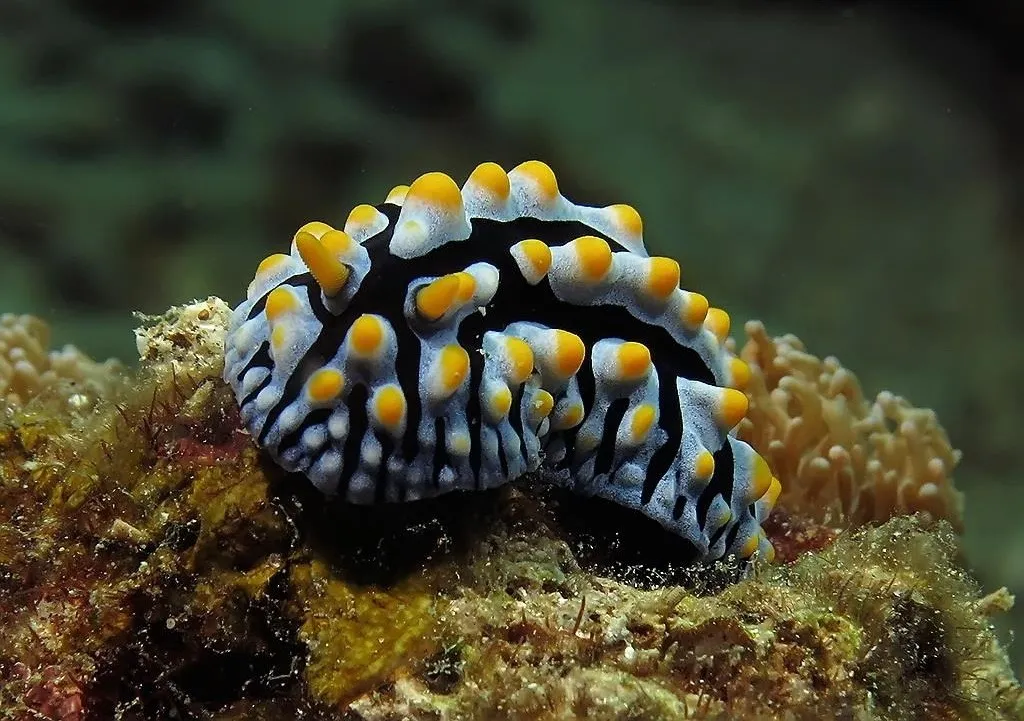
Numerous species of nudibranchs are quite common, revealing their intricate patterns across the corals. Beyond these smaller inhabitants, the reef teems with various colorful reef fish.
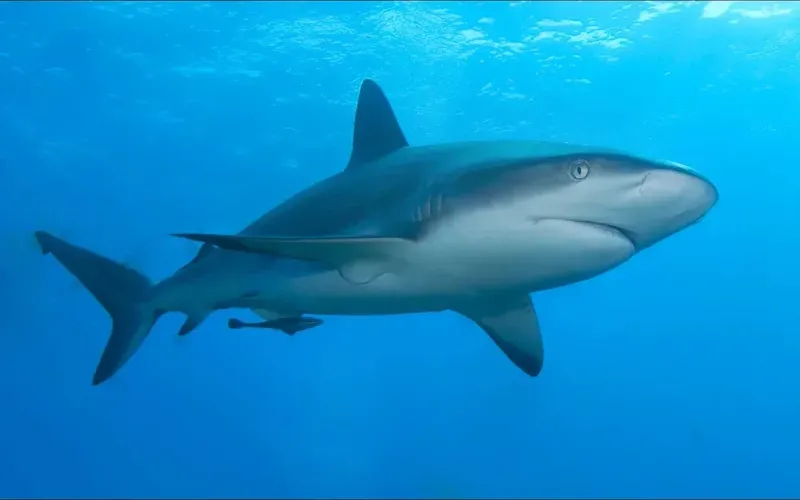
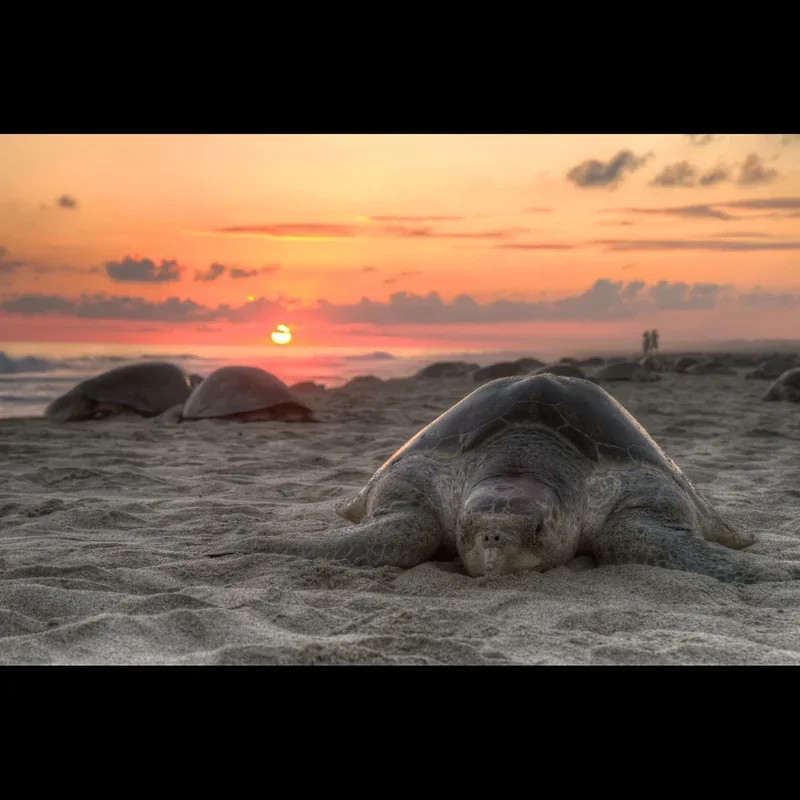
Keep an eye out for porcupine fish, puffer fish, and the occasional trigger fish. While less frequent, sightings of sea turtles and reef sharks can occur, adding an exciting dimension to the dive.

Dive Sites Near Maris Rock
View all dive sites in PhilippinesDiscover more underwater gems in this area.
Dive Centers Near Maris Rock
No Dive Centers Local To Maris Rock
Are you a dive center visiting this location? Get listed to reach divers.
Nearest Airports
Nearest airports to help plan travel to this dive area.
Search Flights
Check available flights and routes on Expedia, using the nearby airports listed in this section.
Search Flights on ExpediaFrequently Asked Questions
What is the maximum depth at Maris Rock?
The maximum depth recorded at Maris Rock is 25 meters (82 feet). The dive typically starts shallower, around 10 meters (33 feet), following a gentle slope down.
Is Maris Rock suitable for beginner divers?
Yes, Maris Rock is considered ideal for divers of all levels, including beginners. The gentle slope and generally mild conditions make it a welcoming site for those gaining experience.
What is the typical water temperature at Maris Rock?
Divers can expect consistently warm waters at Maris Rock, with sea temperatures generally around 30°C (86°F). This allows for comfortable diving with minimal thermal protection.
What kind of marine life might I see here?
You can anticipate seeing a diverse array of marine life, including mantis shrimp, crocodile fish, porcupine fish, and many nudibranchs. Colorful reef fish are abundant, and occasional sightings of sea turtles or reef sharks also occur.
How do divers access Maris Rock?
Access to Maris Rock is exclusively by boat. Dive operators from Puerto Princesa typically arrange trips to this site, providing convenient transport to the dive location.
What is the visibility like at Maris Rock?
Visibility at Maris Rock is generally clear, though it can vary. Divers typically experience visibility ranging from 8-12 meters (26-39 feet) depending on prevailing conditions.
When is the best time of year to dive Maris Rock?
April, May, August, and October generally offer excellent diving conditions with calmer seas and less rain. However, other months from January to March and November to December also provide good diving opportunities.