
Diving at Northstar (Puerto Rico)
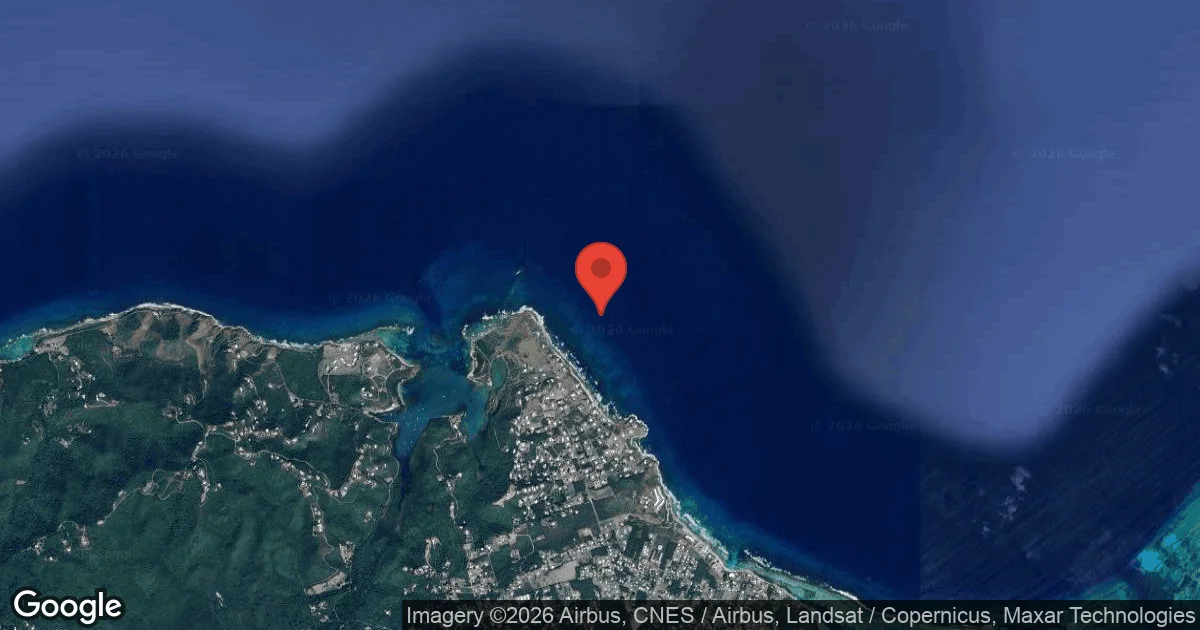
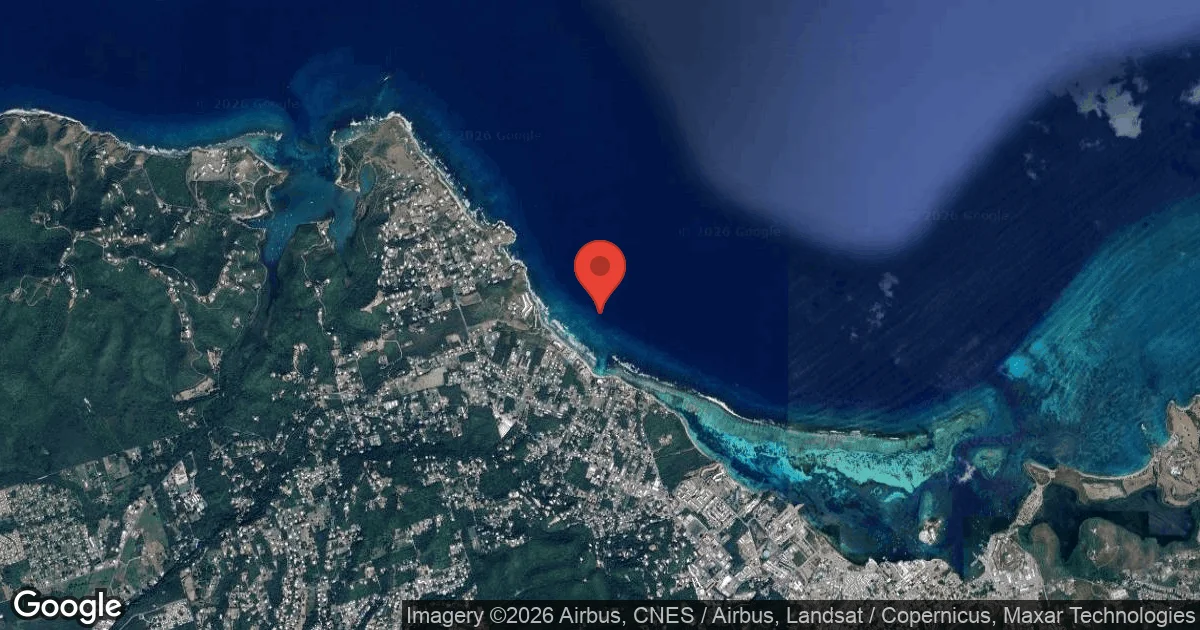
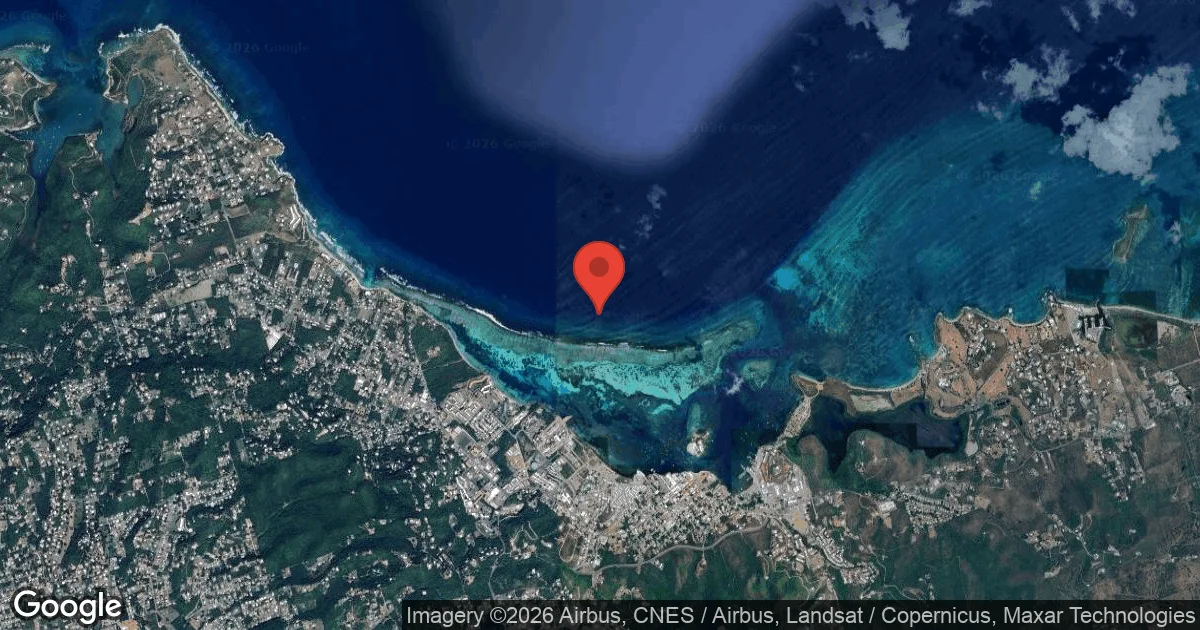
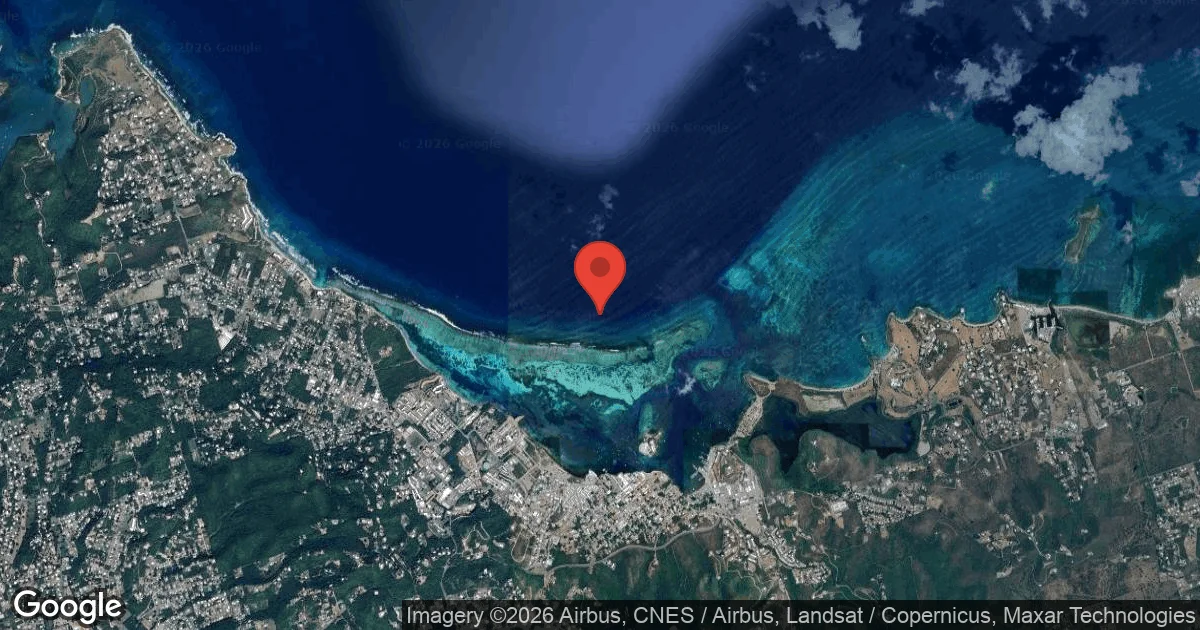
Divers approaching Northstar on St. Croix should be aware of the site's close proximity to the shore, particularly the potentially rocky shore entry. While convenient, this entry method demands careful planning to navigate the uneven terrain. Operators typically moor their boats within about 100 yards of the point, placing divers almost directly over the wall upon entry. This setup allows for quick access to the deeper sections, minimizing surface travel.
Evening condition tracking at Northstar features an air temperature of 25.5°C. We have recorded wave heights measuring 1.1 m during this period. These figures outline the environmental parameters currently present.
Dive Site Location & Key Facts
Dive Site Overview
Diving Northstar provides an immediate connection to a significant underwater wall, uniquely close to shore. This distinct proximity shapes a dynamic dive profile, allowing for diverse exploration across cave, reef, and direct wall environments.
Boat entries place divers almost instantly over the deep drop-off, offering direct access to deeper sections without extensive surface swimming. While much of the site lies within recreational depth limits, deeper areas along the wall invite careful planning, particularly concerning bottom time and gas management. Expect generally clear underwater visibility, frequently extending up to 30.5 m (100 ft), which enhances views of the expansive wall face and its intricate details.
Water temperatures typically remain warm year-round, ranging from 22-27°C (72-81°F), supporting comfortable diving even on extended bottom times. Northstar particularly appeals to divers seeking dramatic geological formations and varied ecosystems.
Its multi-faceted environment allows for different dive plans, from exploring shallower reef sections abundant with smaller fish to drifting along the deep wall, where larger pelagics might make an appearance. Careful buoyancy management and attention to current changes are crucial for a rewarding experience.
Individual dives here can feel distinct, whether hovering over coral gardens or descending alongside the sheer drop-off.
Conditions are Good
Optimal conditions expected
Current conditions near Northstar show 26° air, 30° sea temperature, 0.7 m waves, and 21 km/h wind. Forecast data is refreshed regularly to ensure accuracy.
Best Time to Dive
Planning a visit to Northstar is feasible across the entire year, a characteristic shared with much of the Caribbean region. Divers can expect average air temperatures that fluctuate from approximately 26°C (79°F) in February to 29°C (84°F) in September, indicating consistently warm conditions. Rainfall tends to be lowest in December and January, around 1.03-1.04 mm, and highest in October, with about 4.02 mm, though these amounts are generally manageable. Average wave heights remain moderate, typically ranging from 0.9 meters in September to 1.2 meters during winter months, potentially affecting surface conditions and shore entry. The dive scores consistently rate as 'Good' for most months, only dipping to 'Moderate' in August and November, suggesting favorable conditions year-round.
PEAK SEASON SCORE
Scores combine air & water temps, waves, wind & rainfall for overall conditions.
BEST MONTHS TO DIVE
Monthly records compiled from satellite and marine observation nodes over the last 3 years. Data provided by Open-Meteo and MET Norway.
Dive Experience & Conditions
Diving conditions at Northstar are largely influenced by its prominent wall and varied underwater topography. Sections described as caves and reefs offer diverse exploration within recreational depth limits. While specific water temperature data isn't consistently reported for Northstar, surrounding tropical Caribbean waters usually remain warm, generally between 22-27°C (72-81°F). Visibility often reaches 30.5 m (100 ft) on calm days, providing clear views of the expansive underwater landscape. However, localized currents can vary significantly, especially along the wall, demanding consistent attention to diver positioning and buoyancy control. Near-shore wall proximity contributes to a distinctive dive profile. Maintaining awareness of depth and gas is critical, particularly when exploring deeper sections or within any overhead environments. Conditions sometimes shift, so divers should confirm current reports on site. Stronger surges might affect shore entries, even if boat diving remains calm.
Dive Difficulty & Safety Guidelines
An essential expert tip for Northstar divers involves a thorough understanding of the site's unique entry and its deep-water characteristics. The rocky shore entry, though possible, can present challenges and requires careful negotiation. Boat entries, which bring divers close to the wall, minimize surface effort but necessitate immediate depth management.
Divers exploring the wall and potential cave sections should be properly certified for such environments. Always monitor your bottom time and no-decompression limits, particularly in deeper areas.
Maintaining good buoyancy control is crucial for protecting the delicate reef structures and navigating confined spaces if exploring any cave features.
Recommended Equipment
Overhead environment. Do not enter beyond training and gas planning limits.
- Dive Computer
- Primary & Backup Lights
- Reel / Spool
- Cutting Tool
This gear list is based on verified equipment signals for Northstar, Puerto Rico. Always confirm final gear choices with your dive operator, guide, or liveaboard.
Recommended Dive Suit
With water temperatures around 30°C (85°F), many divers find a dive skin or rash guard provides comfortable protection.
Local dive briefings can provide the most accurate guidance.
Surface conditions are expected to warm up slightly in the coming days. A warming trend is expected over the next few days.
Due to technical issues with our weather providers, data hasn't been fetched for over 48 hours. The data above reflects the conditions at the time of the last successful fetch.
Emergency & Medical Support
Essential information to help you plan your dive trip to Northstar.

Hyperbaric chambers are a critical part of dive safety infrastructure. Availability varies significantly by region, and not all dive areas have immediate access.
Before diving, it's recommended to:
- confirm nearest medical facilities
- check emergency procedures with local dive operators
- ensure dive insurance covers evacuation if required
Divers Alert Network
Diving emergency assistance available through DAN World.
+1-919-684-9111- 24/7 emergency hotline
- Diving medical assistance
- Evacuation coordination
Emergency contacts are provided for reference. Always verify local emergency services before diving.
Marine Life at Northstar
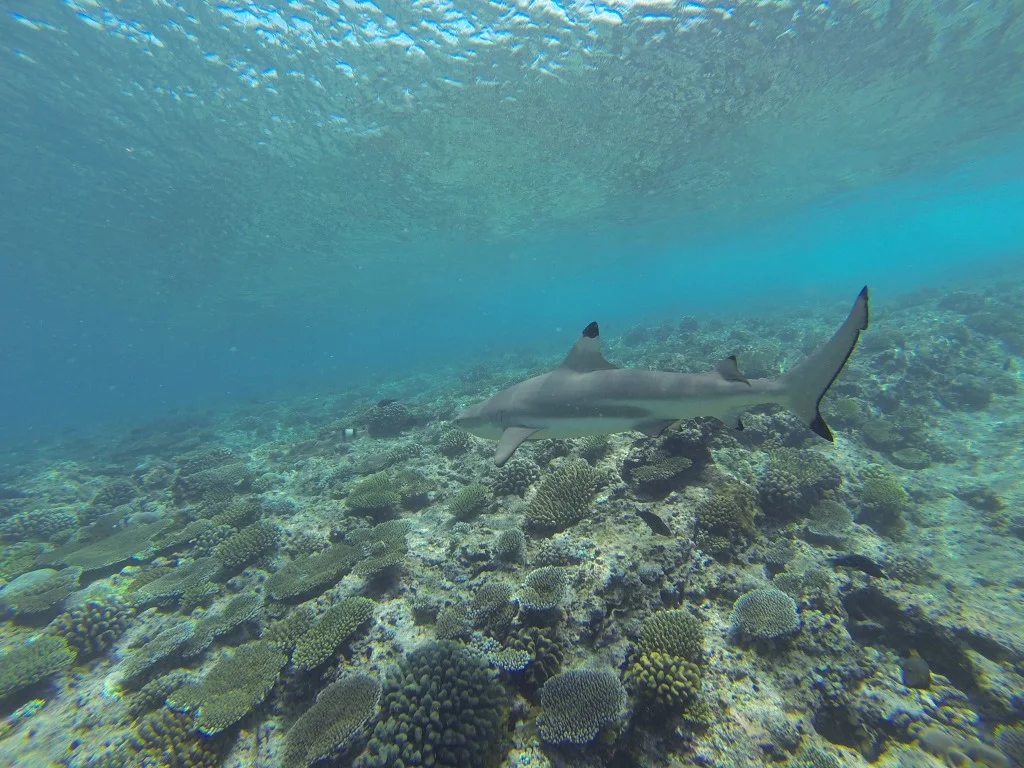
Focusing on the larger pelagic and resident species often sighted, Northstar provides opportunities to encounter notable marine life. Divers occasionally report sightings of sharks, whales, and dolphins in the vicinity.
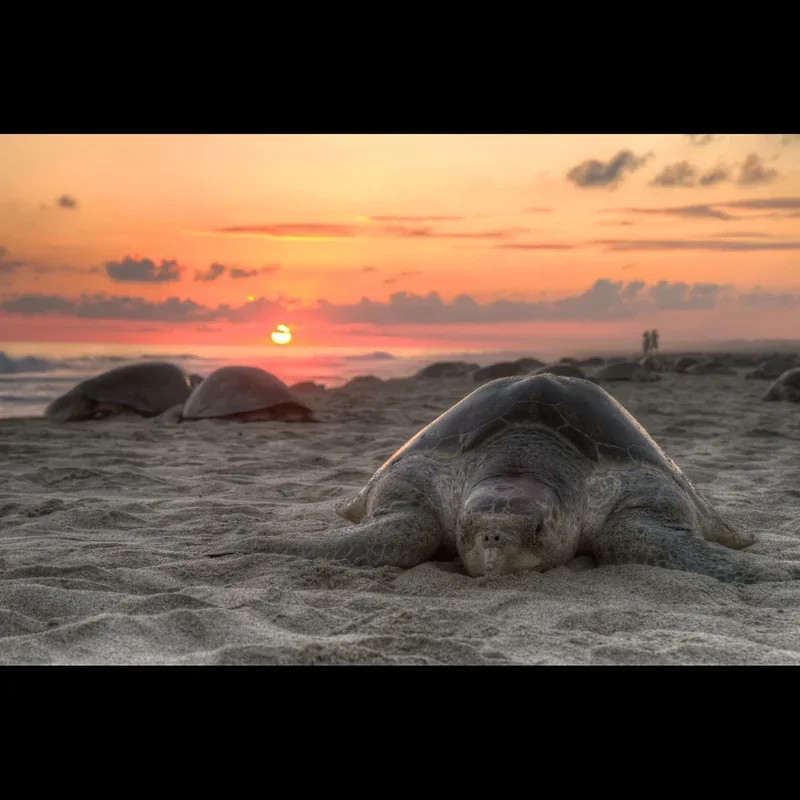
Sea turtles are frequently observed navigating the reef areas. Additionally, the varied reef structures likely host a range of reef fish, though specific species are not consistently reported.
The wall drop-off might also attract larger pelagics or migratory species, adding an element of unpredictability to each dive.
Dive Sites Near Northstar
View all dive sites in Puerto RicoDiscover more underwater gems in this area.
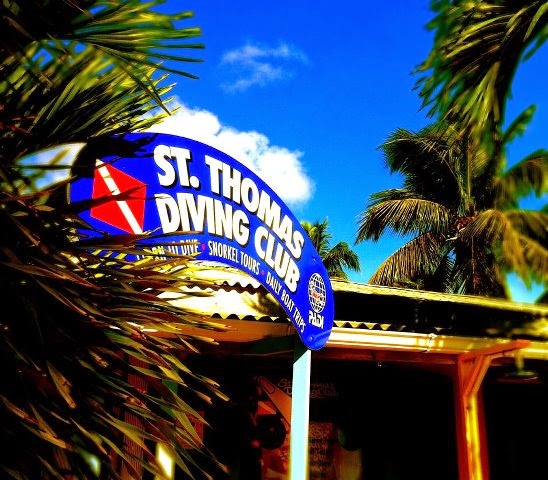
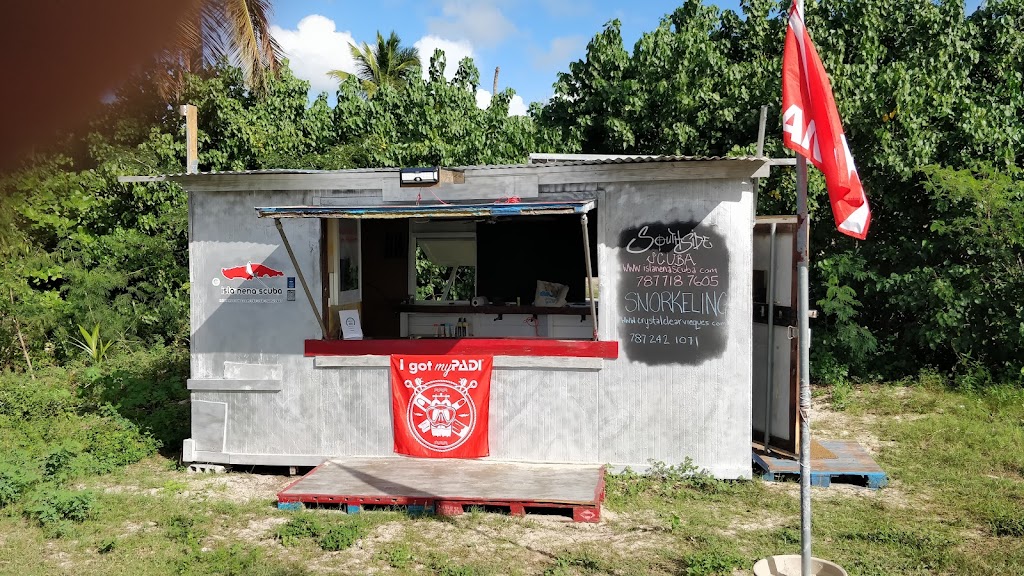
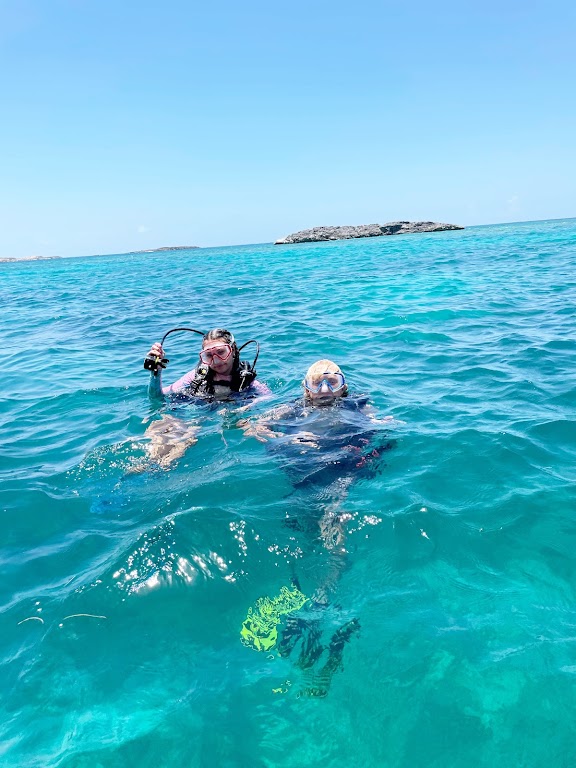
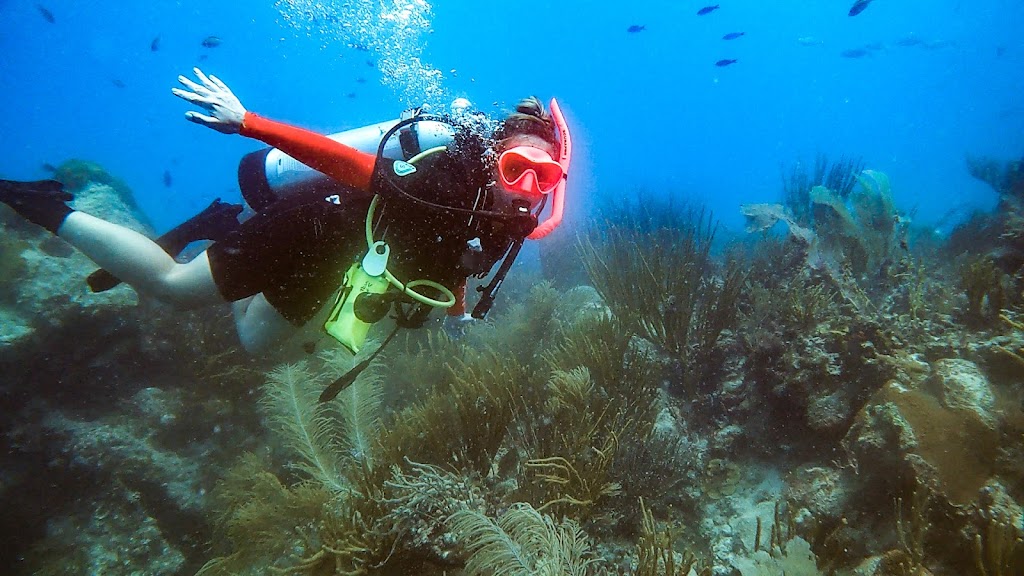
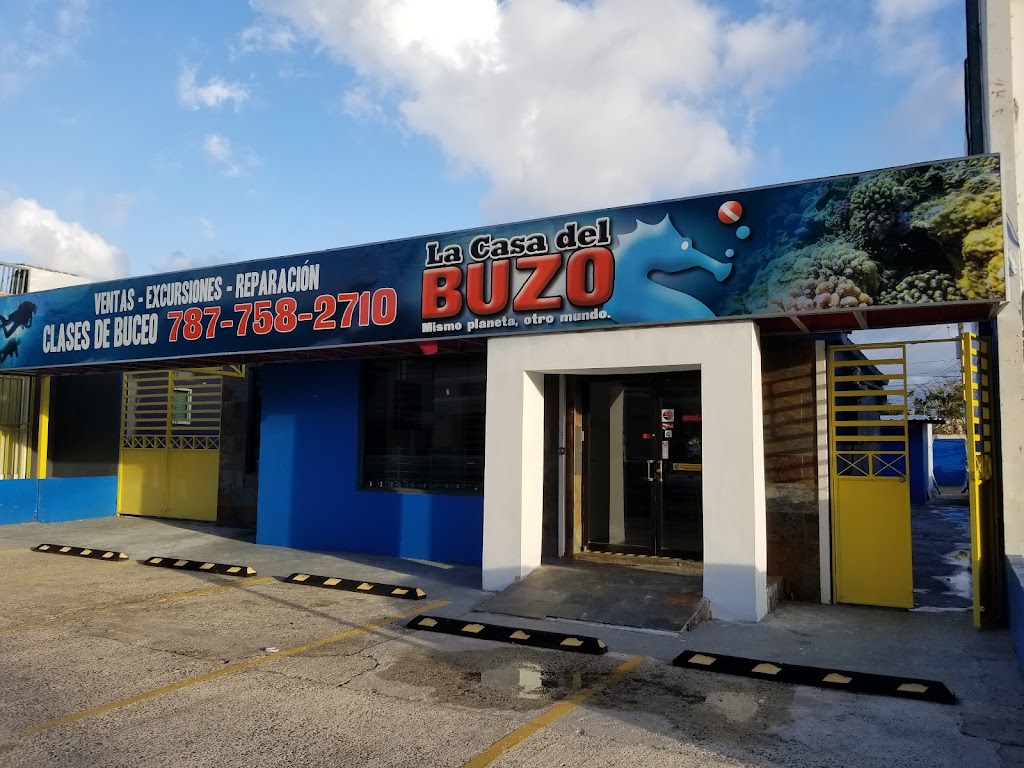
Dive Centers Near Northstar
Today: 08:00 - 17:00
Nearest Airports
Nearest airports to help plan travel to this dive area.
Search Flights
Check available flights and routes on Expedia, using the nearby airports listed in this section.
Search Flights on ExpediaFrequently Asked Questions
Where is Northstar located?
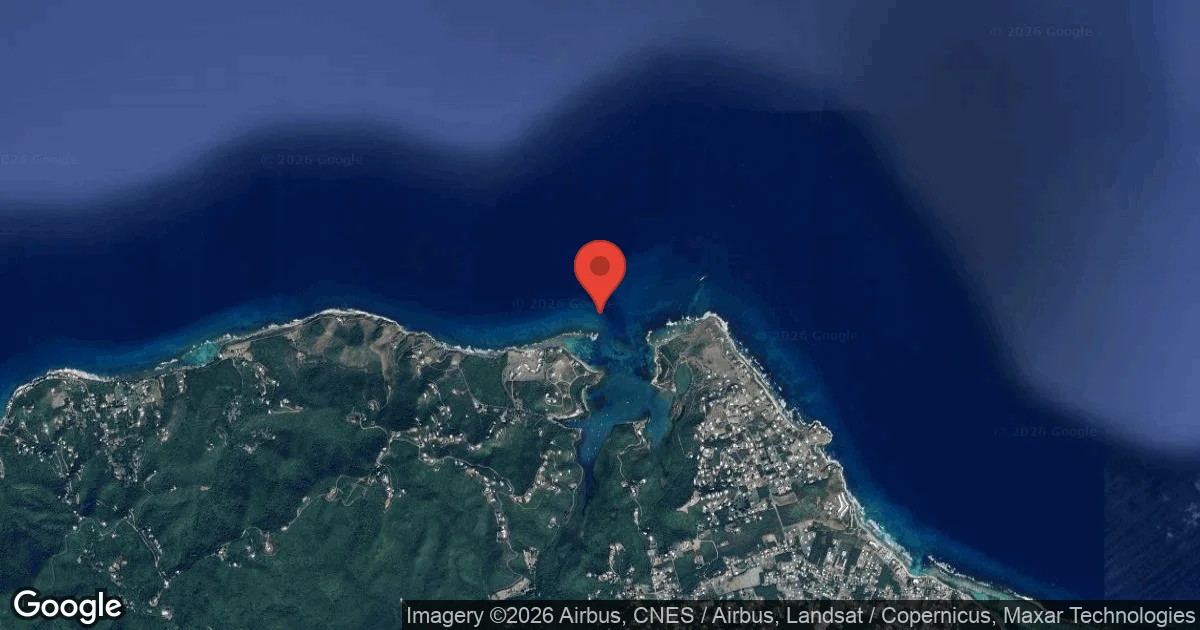
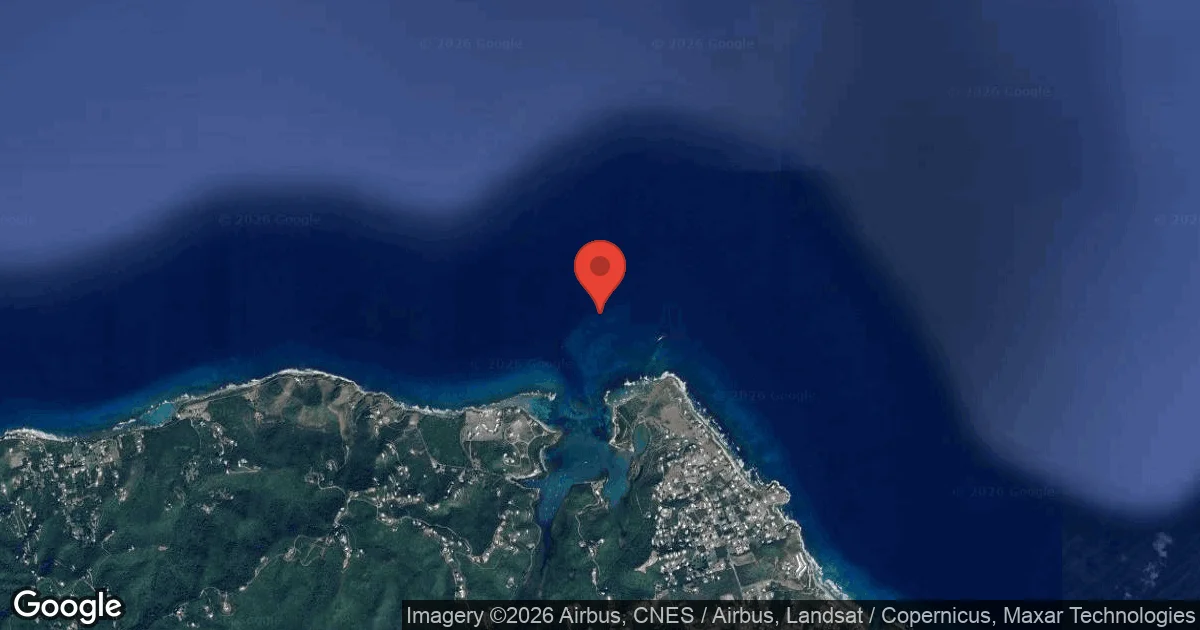
Northstar is a dive site on St. Croix, one of the U.S. Virgin Islands. This site is found within the broader Caribbean region, near Puerto Rico.
What types of diving can I do at Northstar?
Northstar offers diverse dive experiences, including wall dives, reef explorations, and opportunities to explore cave formations. It caters to divers interested in dramatic underwater topography.
Is there shore entry available at Northstar?
Yes, a shore entry is possible at Northstar, though it's described as potentially rocky. Many divers choose boat entry, as moorings are close to the wall.
What is the visibility like at Northstar?
Visibility at Northstar, consistent with the wider Caribbean, can often reach up to 30.5 m (100 ft). This allows for clear views of the wall and reef structures.
What marine life might I see?
Divers have reported sightings of larger marine animals like sharks, whales, dolphins, and turtles at Northstar. You'll also encounter various reef fish among the coral formations.
What are the typical water temperatures?
While specific water temperature data for Northstar is not available, the surrounding tropical Caribbean waters are generally warm and comfortable for diving year-round.
What's the best time of year to dive Northstar?
Diving at Northstar is generally good throughout the year. The region experiences consistently warm air temperatures and manageable rainfall, with dive scores typically rated as 'Good' for most months.
Planning to dive Northstar?
Send one inquiry and receive offers directly from the best verified local dive operators.
Conditions are Good
Optimal conditions expected
Current conditions near Northstar show 26° air, 30° sea temperature, 0.7 m waves, and 21 km/h wind. Forecast data is refreshed regularly to ensure accuracy.