
Diving at Twin Anchors (Puerto Rico)
As you begin your descent into Twin Anchors, the visibility often allows you to glimpse the reef structure taking shape below, even from the surface. The initial light penetration creates a vibrant, shifting canvas across the coral formations. You'll gradually ease into the warmth of the Caribbean Sea, settling towards the upper reef, where details emerge with increasing clarity as you approach the main features of the site.
Tonight's objective overview for Twin Anchors shows an air temperature of 29°C. The measured surface conditions include wave heights around 0.8 m. This environmental data is logged for the close of the day.
Dive Site Location & Key Facts
Dive Site Overview
Twin Anchors presents a vibrant Caribbean reef ecosystem, characterized by formations typical of Puerto Rican waters, often displaying a mix of spur-and-groove structures or gradually descending slopes. Divers can explore this site from its shallower reef crests down to approximately 30 m (100 ft), where coral formations transition into sandy flats or delineate a gentle wall.
An intriguing name suggests the presence of historical anchors or other substantial debris, now completely assimilated into the reef. These submerged artifacts have become unique, encrusted points of interest, drawing attention as natural navigational markers. Coral growth across the site is robust and diverse, typical of the region, featuring an array of hard and soft corals that collectively craft a rich, textured underwater landscape.
Expect to spend time navigating through prominent coral heads, appreciating their varied shapes and colours. Exploring numerous crevices, overhangs, and small caves often reveals a hidden world of smaller marine species finding shelter.
Site topography invites close inspection, with its varied contours providing ample opportunities for observing intricate reef life. A general feel for the dive emphasizes gentle exploration, allowing divers to absorb the details of this resilient underwater environment and its unique blend of natural and historical elements.
Conditions here encourage a relaxed pace, rewarding patient observers with a deeper understanding of the reef's subtle dynamics.
Conditions are Good
Optimal conditions expected
Current conditions near Twin Anchors show 29° air, 29° sea temperature, 0.8 m waves, and 23 km/h wind. Forecast data is refreshed regularly to ensure accuracy.
Best Time to Dive
While diving conditions at Twin Anchors can be enjoyable year-round, distinct patterns emerge, offering varied experiences. The months from January to April, along with June, July, and September, generally present the most favorable 'Good' dive scores, benefiting from air temperatures averaging 26-29°C (79-84°F) and lower rainfall. Conversely, May, August, October, and November are often rated 'Moderate', with increased rainfall and slightly higher air temperatures. Winter months, particularly December, may see more significant wave heights, averaging 1.3 meters, and stronger northeasterly winds, which can impact visibility and access, especially for sites exposed to oceanic swells. Planning your trip during the calmer periods will usually provide the best conditions for exploring this reef.
PEAK SEASON SCORE
Scores combine air & water temps, waves, wind & rainfall for overall conditions.
BEST MONTHS TO DIVE
Monthly records compiled from satellite and marine observation nodes over the last 3 years. Data provided by Open-Meteo and MET Norway.
Dive Experience & Conditions
Descending into the Twin Anchors reef often provides a sensation of entering a dynamic, living gallery. Water temperatures typically remain comfortably warm, generally between 26-29°C (79-84°F), making for pleasant extended dives without the need for heavy thermal protection. Visibility can vary, commonly ranging from 15-30 meters (50-100 ft) on calm days, though it might be reduced by seasonal swells or strong winds, particularly during winter months. Currents are not consistently reported as strong for this specific site, but divers should always be prepared for moderate drift, especially on exposed sections of the reef. The feeling of sunlight dappling through the water onto the corals contributes to a generally serene dive experience.
Dive Difficulty & Safety Guidelines
Approaching any reef dive requires careful attention to safety protocols, and Twin Anchors is no exception. While no specific hazards are listed, common concerns like unpredictable currents or changing weather patterns that can create swell should be considered. Divers should maintain excellent buoyancy control to avoid contact with the fragile coral formations, preventing both personal injury and environmental damage.
Always dive within your certification limits and stay aware of your depth and no-decompression limits. It's prudent to review local conditions with a dive operator prior to entry, as swell and current can shift. Carrying a surface marker buoy is always a recommended practice.
Recommended Equipment
- Dive Computer
This gear list is based on verified equipment signals for Twin Anchors, Puerto Rico. Always confirm final gear choices with your dive operator, guide, or liveaboard.
Recommended Dive Suit
Thermal protection such as dive skin or rash guard is commonly used for water temperatures in this range. A hood or vest is suggested for sensitive divers due to surface winds.
Current readings at Twin Anchors show water temperatures near 29°C (85°F). Surface air temperatures are resting at 29°C (84°F).
Current forecasts indicate relatively stable conditions for the coming days.
Emergency & Medical Support
Essential information to help you plan your dive trip to Twin Anchors.

Hyperbaric chambers are a critical part of dive safety infrastructure. Availability varies significantly by region, and not all dive areas have immediate access.
Before diving, it's recommended to:
- confirm nearest medical facilities
- check emergency procedures with local dive operators
- ensure dive insurance covers evacuation if required
Divers Alert Network
Diving emergency assistance available through DAN World.
+1-919-684-9111- 24/7 emergency hotline
- Diving medical assistance
- Evacuation coordination
Emergency contacts are provided for reference. Always verify local emergency services before diving.
Marine Life at Twin Anchors
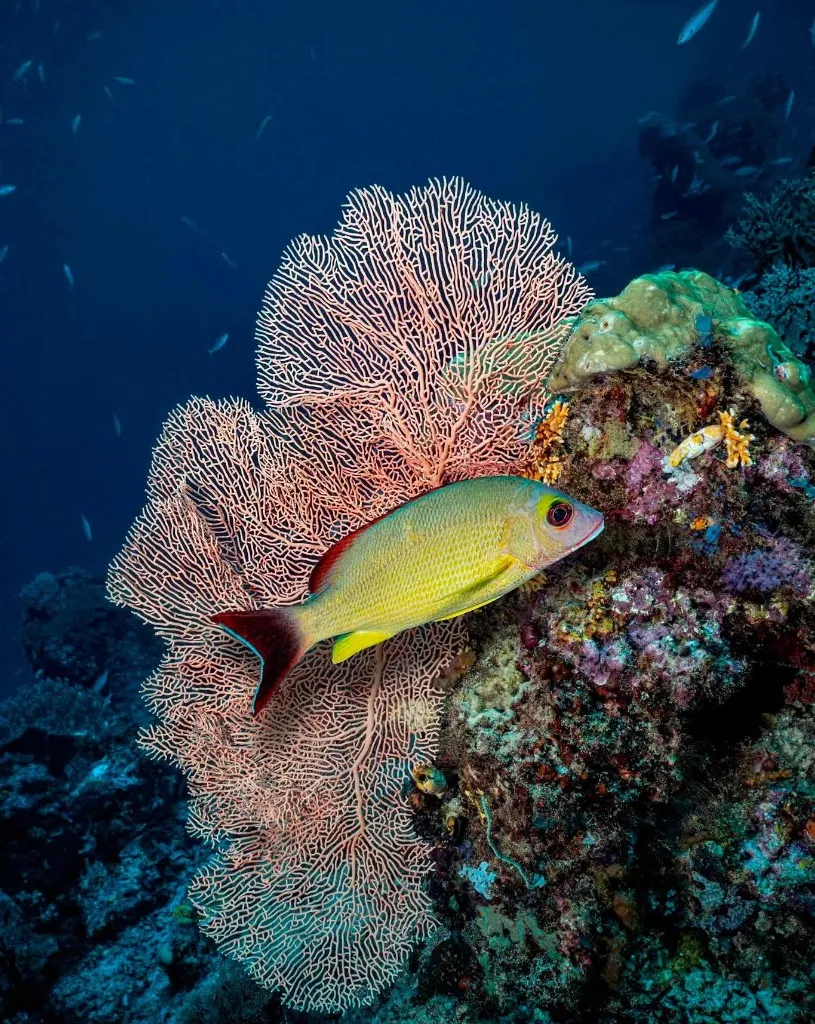
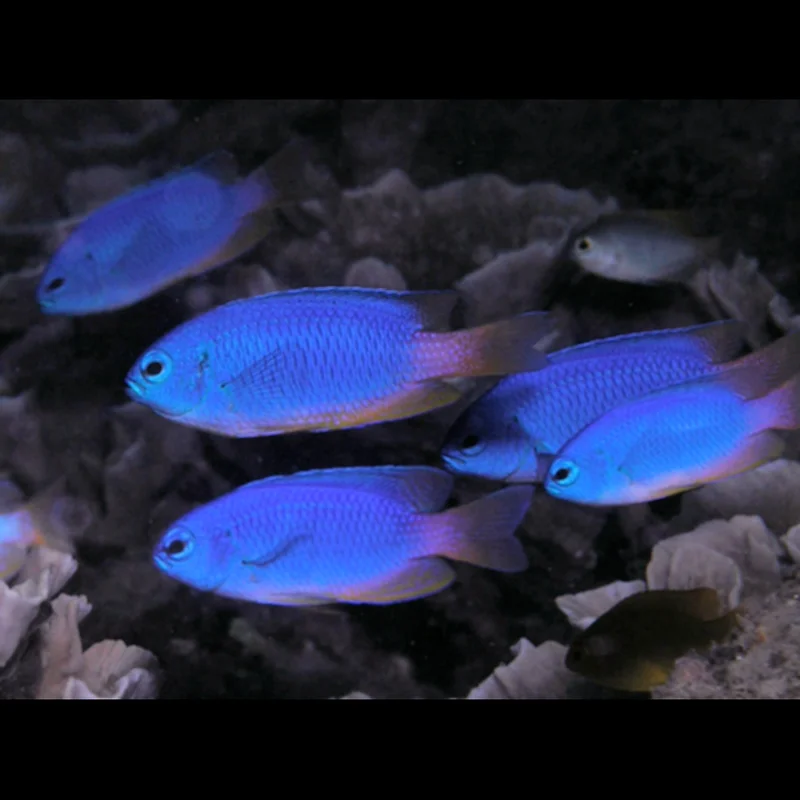
The reef environment at Twin Anchors supports a variety of marine life commonly found in the Caribbean. Divers often encounter schools of reef fish, including snapper, grunt, and damselfish, darting among the corals.
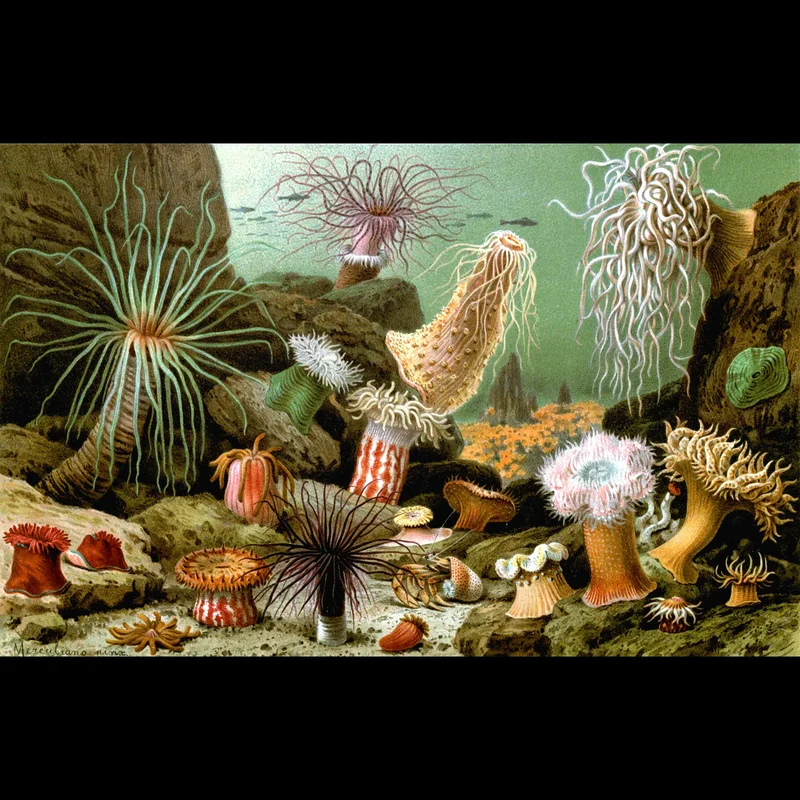
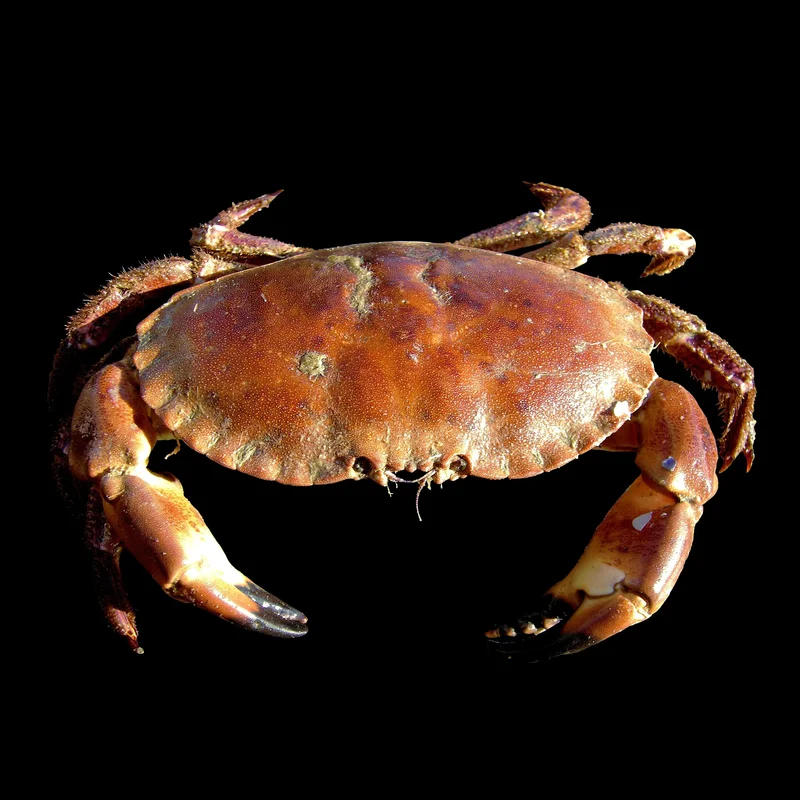
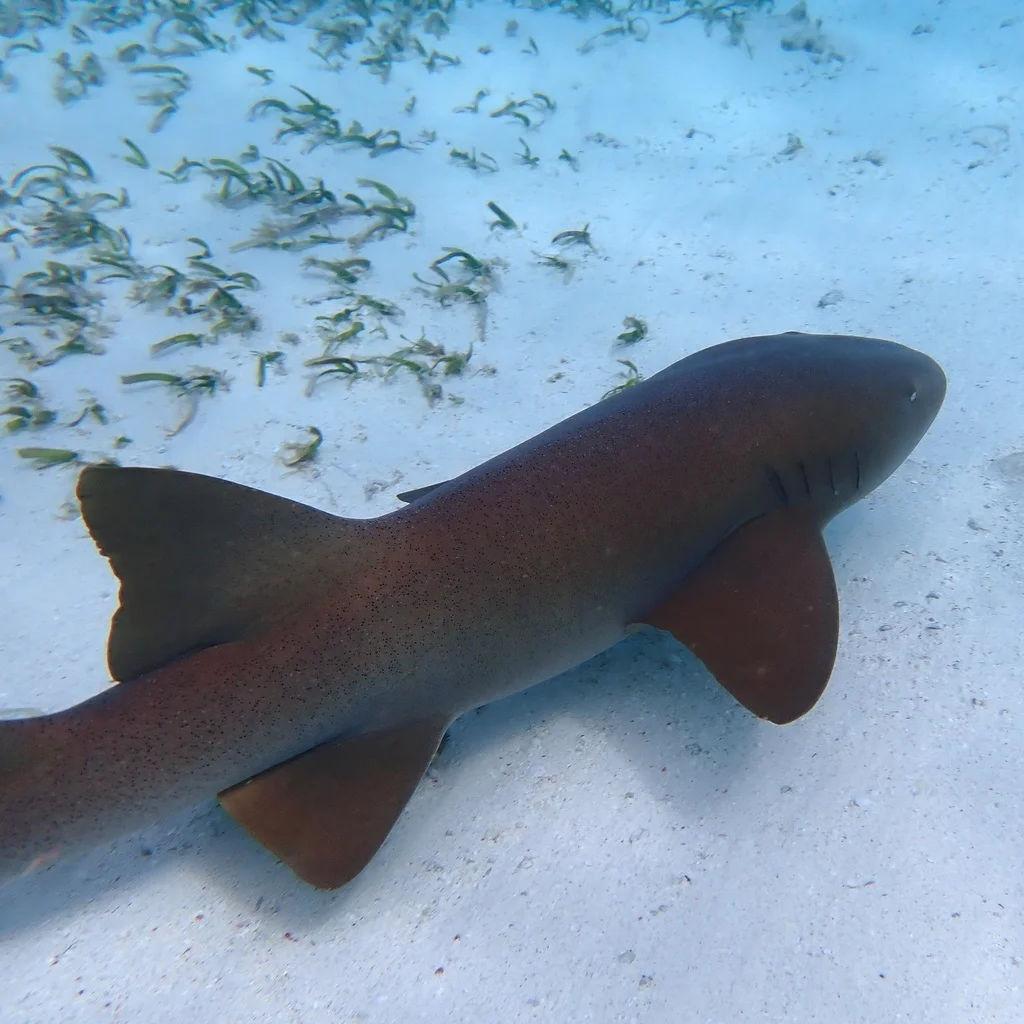
Keep an eye out for green sea turtles or hawksbill turtles gracefully gliding through the water or resting on ledges. The coral structures themselves host a range of invertebrates, from colourful sea anemones to small crabs and shrimp, adding intricate detail to the reef's tapestry. Rays or nurse sharks might occasionally be spotted in the sandier areas adjacent to the reef.
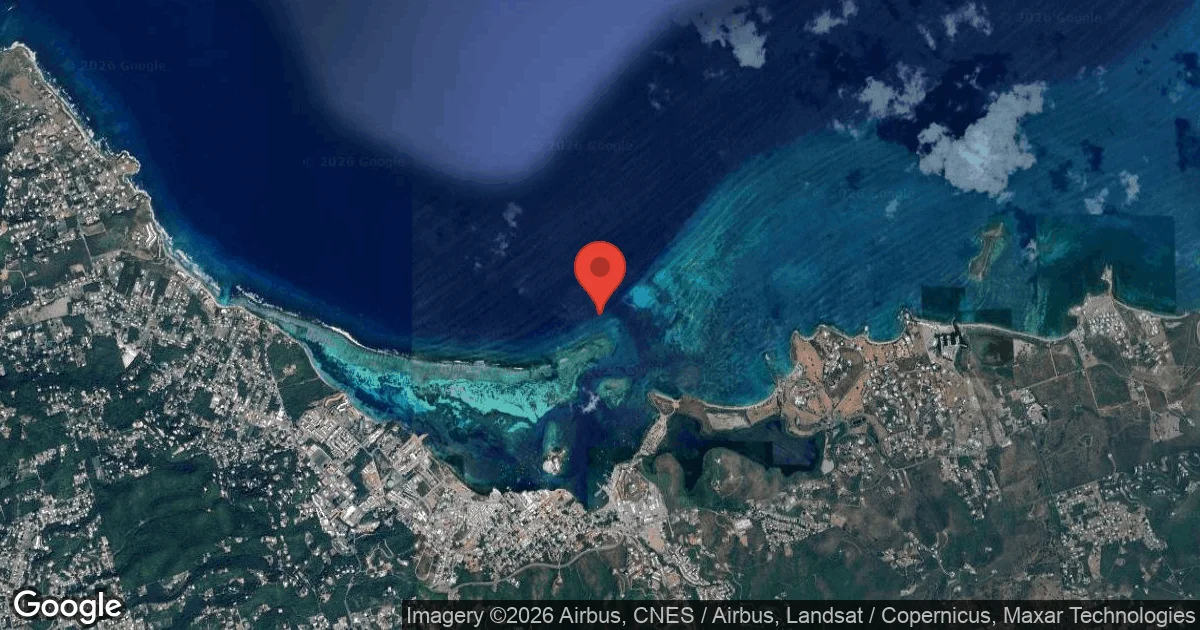
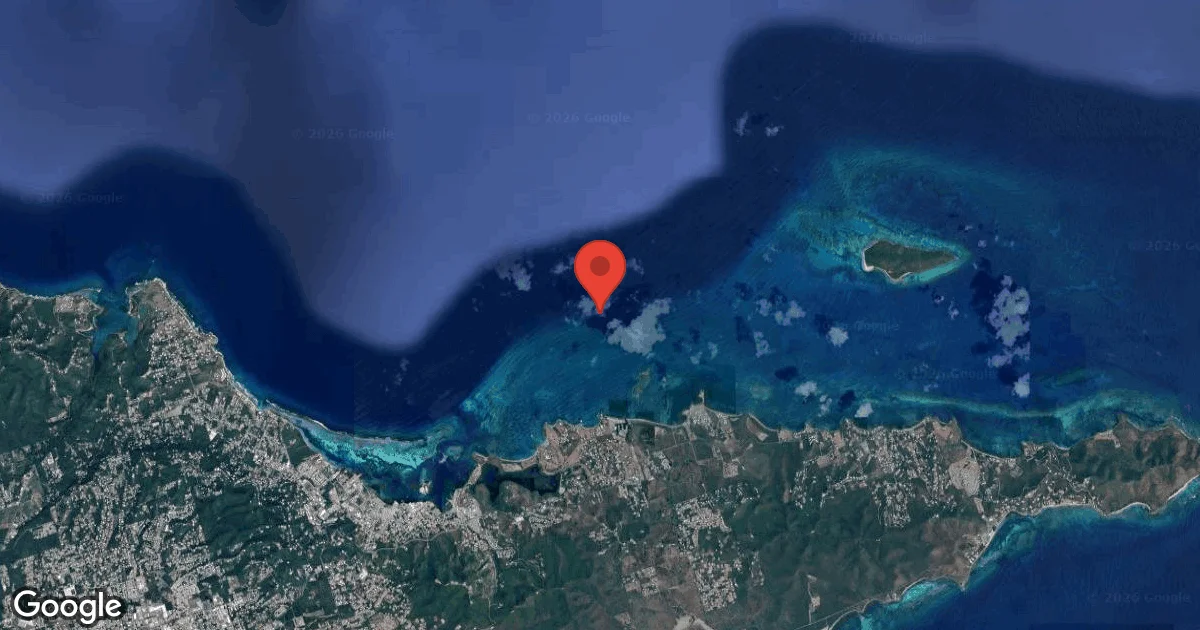
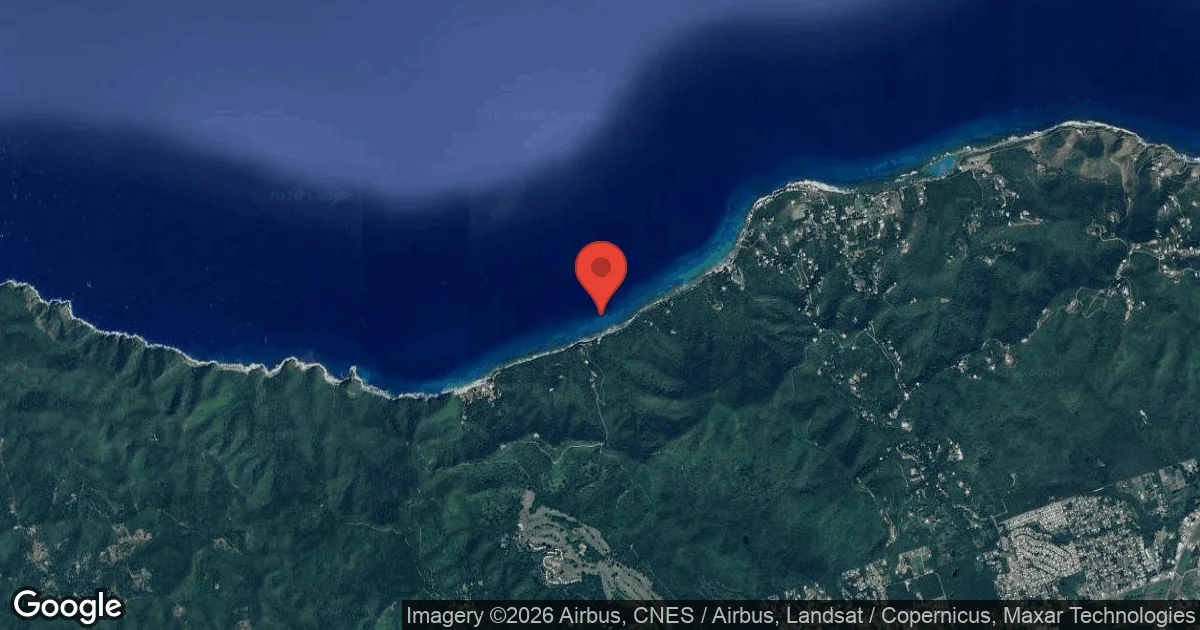
Dive Sites Near Twin Anchors
View all dive sites in Puerto RicoDiscover more underwater gems in this area.
Dive Centers Near Twin Anchors
Today: 08:00 - 17:00
Nearest Airports
Nearest airports to help plan travel to this dive area.
Search Flights
Check available flights and routes on Expedia, using the nearby airports listed in this section.
Search Flights on ExpediaFrequently Asked Questions
What is the typical depth range for diving at Twin Anchors?
Divers exploring Twin Anchors can expect to navigate depths generally ranging from shallow reef crests down to approximately 30 meters (100 ft). The site offers varied topography for different experience levels.
Are there strong currents at this dive site?
While currents are not consistently reported as a primary concern for Twin Anchors, conditions can vary depending on weather and tides. Divers should always be prepared for moderate drift, especially in more exposed areas of the reef.
Is Twin Anchors suitable for beginner divers?
With proper guidance from a local dive operator, the shallower sections of Twin Anchors could be suitable for newly certified or less experienced divers. However, deeper areas or those with potential currents require more advanced skills.
What marine life can I expect to see at Twin Anchors?
Expect to see typical Caribbean reef fish, various hard and soft corals, and possibly sea turtles. The reef's structure provides habitat for a diverse array of invertebrates and smaller marine creatures.
What are the water temperatures like?
Water temperatures at Twin Anchors are consistently warm, generally ranging between 26-29°C (79-84°F). This allows for comfortable diving experiences throughout the year.
How clear is the water usually?
Visibility at Twin Anchors can be quite good, often between 15-30 meters (50-100 ft) on calm days. However, it can be impacted by strong winds or seasonal swells.
Is this a shore dive or a boat dive?
Information on this specific site is limited, but many of Puerto Rico's desirable reef sites are accessed via boat. It's best to confirm access methods with a local dive operator.
Planning to dive Twin Anchors?
Send one inquiry and receive offers directly from the best verified local dive operators.
Conditions are Good
Optimal conditions expected
Current conditions near Twin Anchors show 29° air, 29° sea temperature, 0.8 m waves, and 23 km/h wind. Forecast data is refreshed regularly to ensure accuracy.