
Diving at Blue Hole (Puerto Rico)
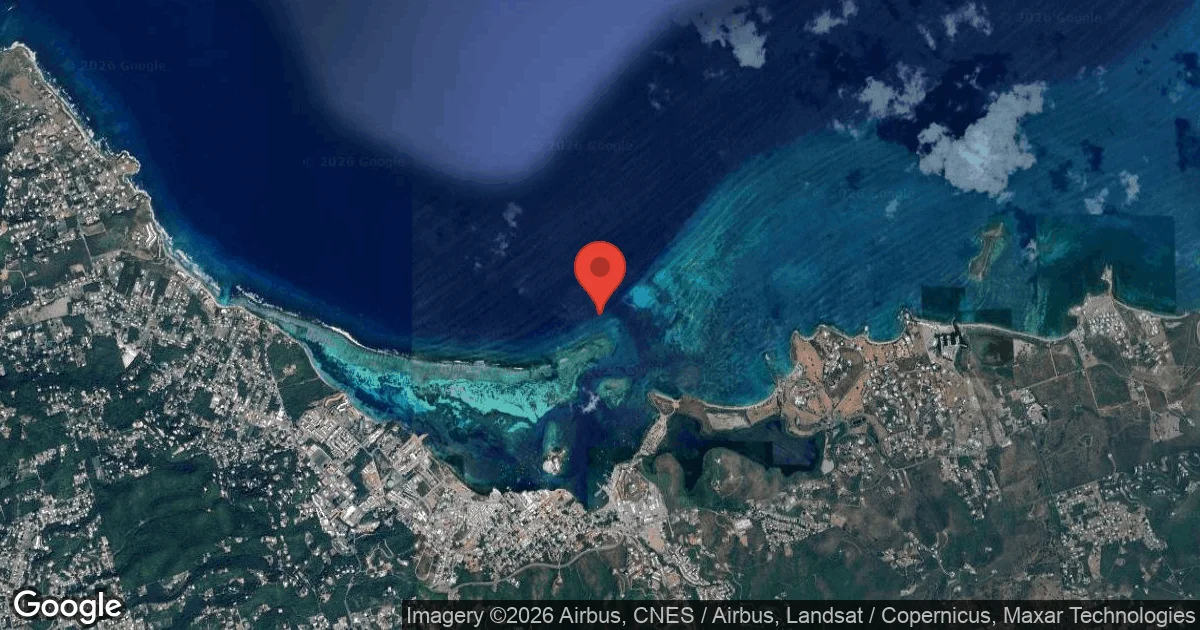
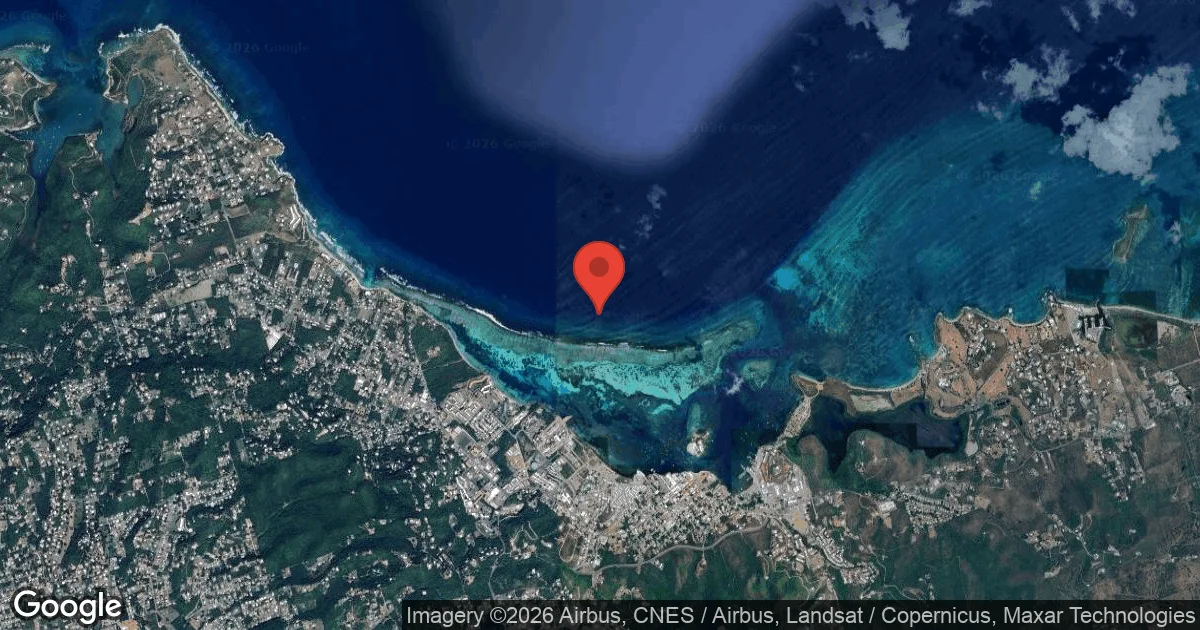
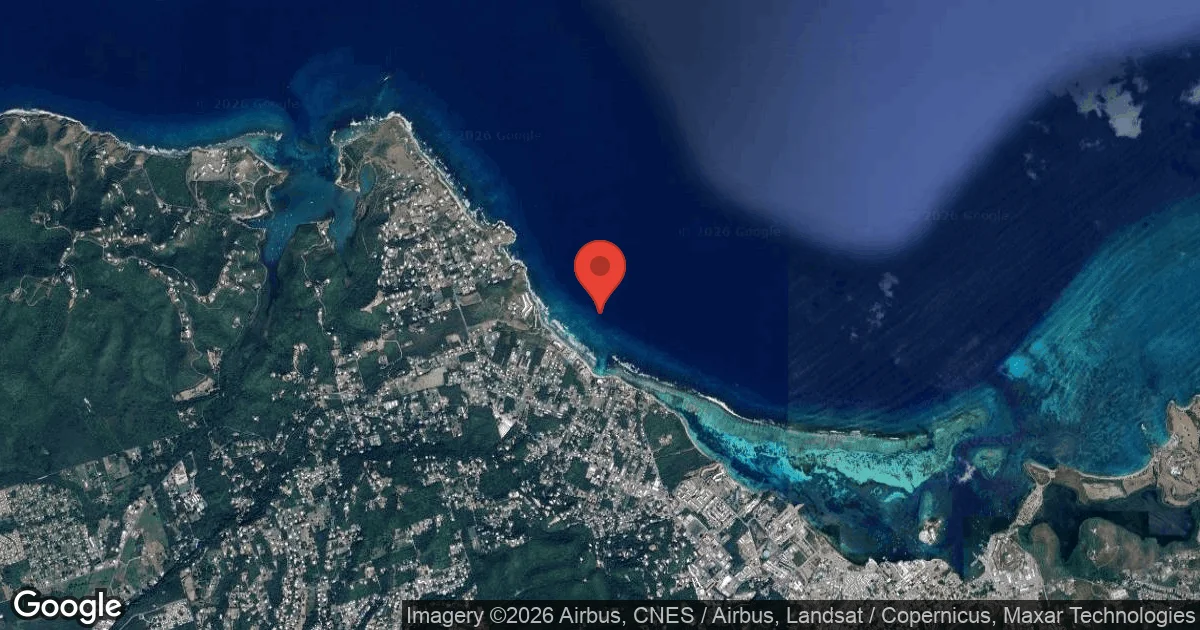
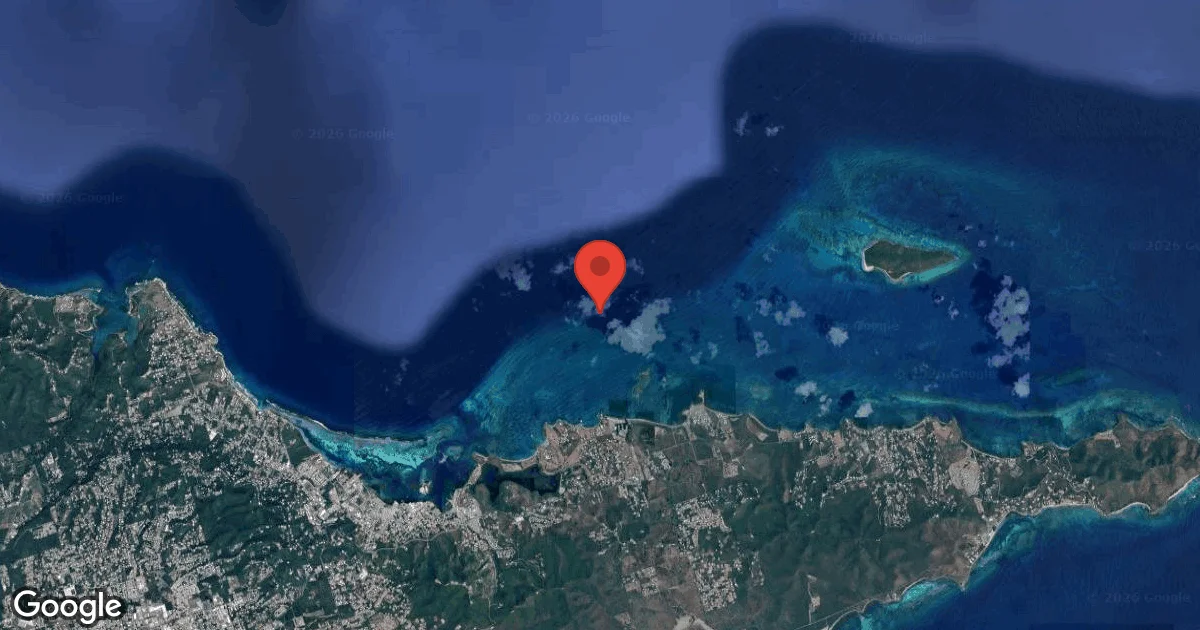
Nestled on Isabela's dramatic northwest coast, Blue Hole, Puerto Rico, offers a distinctive underwater exploration. This offshore reef depression, known for its clear waters, features impressive limestone formations both above and below the surface. Divers and snorkelers typically access this site via boat or kayak, exploring a vibrant marine environment.
As evening covers Blue Hole, the local air temperature is measured at 29.5°C. The current wave height at the surface is recorded at 1 m. These late-day readings characterize the surface conditions for the night.
Dive Site Location & Key Facts
Dive Site Overview
Accessing Blue Hole requires careful planning; its significant reef break makes shore entry extremely challenging, therefore boat or kayak remains the recommended method. Below the surface, divers encounter a highly dynamic topography, characterized by extensive elkhorn coral formations, a series of small caves, and fascinating underwater tunnels.
Navigating these geological features reveals numerous shelters and habitats for various marine species, creating an engaging environment for underwater photography and observational diving. This site's maximum depth typically reaches around 30 m (100 ft), while shallower sections present the reef's intricate structure more prominently. Conditions are notably dynamic, heavily influenced by the area's exposure to north Atlantic swells and the significant energy from the Mona Passage, which collectively shape the rugged coastal landscape.
During periods of increased swell, divers might experience noticeable surge, particularly near the shallower coral gardens. Exploring the more confined spaces, such as the small caves and tunnels, demands confident swimming skills and precise buoyancy control.
These environments require careful attention to position, especially considering the site's occasionally strong currents that can affect external sections. While visibility is often excellent, it can fluctuate based on recent weather and ocean conditions, particularly after heavy rainfall or sustained wind.
Divers should always assess current conditions prior to entry. Preparing for these variable factors ensures a comprehensive and safer exploration of Blue Hole's distinctive underwater terrain.
Conditions are Good
Optimal conditions expected
Current conditions near Blue Hole show 30° air, 29° sea temperature, 0.8 m waves, and 25 km/h wind. Forecast data is refreshed regularly to ensure accuracy.
Best Time to Dive
Optimizing a dive trip to Blue Hole largely depends on avoiding the region's hurricane season and seeking the calmest conditions. The best season for visiting generally runs from December through April. During these months, the average air temperatures are comfortable, ranging from approximately 26°C to 27°C (79-81°F), with lower rainfall, typically between 1.0 mm and 2.3 mm. Wind speeds average around 22-25 km/h (14-15 mph), contributing to more favorable surface conditions. Visibility is often excellent during this period. Conversely, the hurricane season, spanning from June to November, can bring higher wave heights, increased wind speeds, and more frequent rain, potentially impacting dive quality and accessibility.
PEAK SEASON SCORE
Scores combine air & water temps, waves, wind & rainfall for overall conditions.
BEST MONTHS TO DIVE
Monthly records compiled from satellite and marine observation nodes over the last 3 years. Data provided by Open-Meteo and MET Norway.
Dive Experience & Conditions
Descending into Blue Hole presents divers with an immediate sense of the site's geological character. The water often provides excellent visibility, allowing for clear views of the expansive coral structures and the cavernous openings. Within the shallower areas, the reef's proximity demands precise buoyancy control to prevent accidental contact. Currents here can vary, occasionally presenting a stronger push, particularly outside the main reef wall, which may require more experienced divers. The interaction of the water with the limestone cliffs above creates a visually stunning backdrop, enhancing the overall dive experience. Inside the blue hole itself, conditions can be calmer, but navigating the tunnels and overhangs still requires situational awareness.
Dive Difficulty & Safety Guidelines
Ensuring a safe dive at Blue Hole prioritizes careful consideration of the site's inherent conditions. Currents can be strong, particularly in exposed areas, necessitating attention to dive planning and entry/exit strategies. Due to the shallow nature of some reef sections, a collision with coral is a real possibility, emphasizing the need for impeccable buoyancy control.
Access to the site is primarily by boat or kayak, as shore entry is difficult and not recommended because of the reef break. Divers exploring the caves and tunnels should possess appropriate experience and training, as these environments demand specific skill sets.
Always check local weather and sea conditions before visiting, especially concerning wave height and wind speed, as these factors significantly influence safety.
Recommended Equipment
- Dive Computer
This gear list is based on verified equipment signals for Blue Hole, Puerto Rico. Always confirm final gear choices with your dive operator, guide, or liveaboard.
Recommended Dive Suit
Divers planning deeper dives may feel cooler than those staying in shallower areas.
Many divers find that dive skin or rash guard offers a comfortable balance between warmth and mobility. A hood or vest is suggested for sensitive divers due to surface winds. Forecast trends indicate similar diving conditions over the next few days.
Divers heading to Blue Hole today should expect water temperatures around 29°C (85°F). Surface air temperatures are resting at 30°C (85°F).
Emergency & Medical Support
Essential information to help you plan your dive trip to Blue Hole.

Hyperbaric chambers are a critical part of dive safety infrastructure. Availability varies significantly by region, and not all dive areas have immediate access.
Before diving, it's recommended to:
- confirm nearest medical facilities
- check emergency procedures with local dive operators
- ensure dive insurance covers evacuation if required
Divers Alert Network
Diving emergency assistance available through DAN World.
+1-919-684-9111- 24/7 emergency hotline
- Diving medical assistance
- Evacuation coordination
Emergency contacts are provided for reference. Always verify local emergency services before diving.
Marine Life at Blue Hole
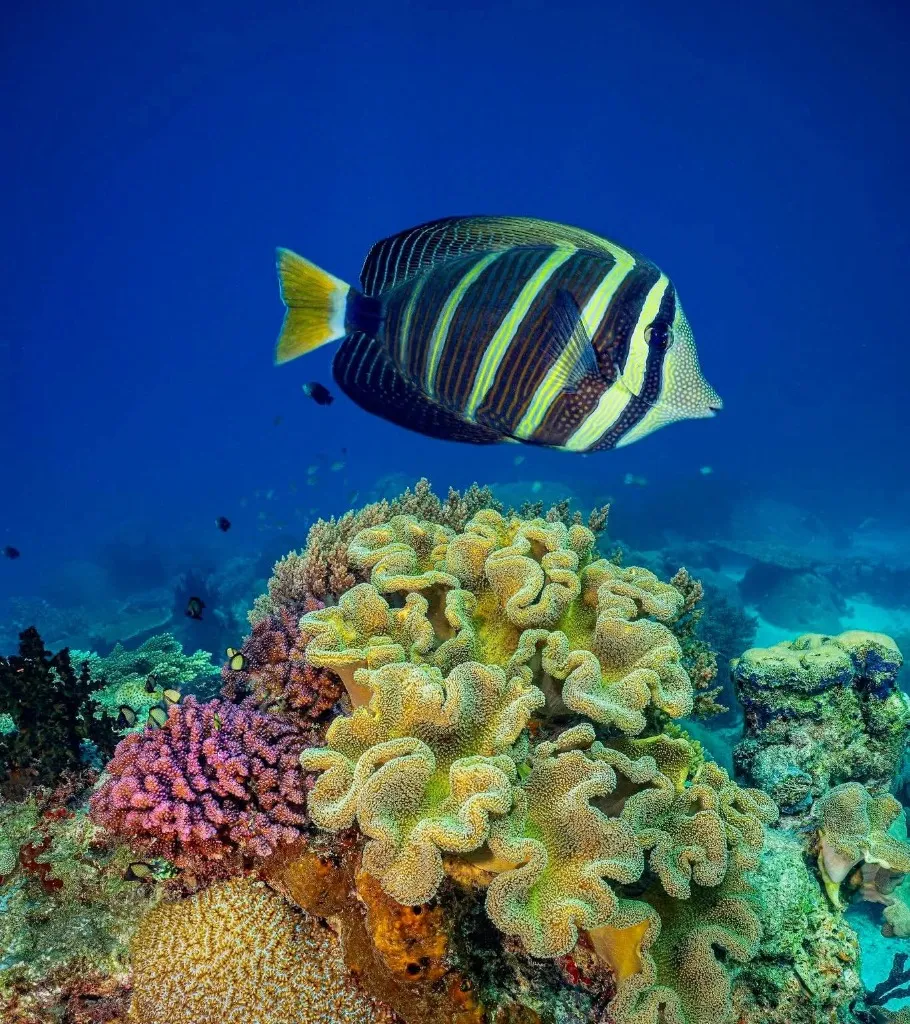
Amidst the impressive limestone structures and coral formations, Blue Hole supports a variety of marine inhabitants. Divers frequently encounter schools of blue tang moving across the reef and peacock flounder camouflaged against the substrate.
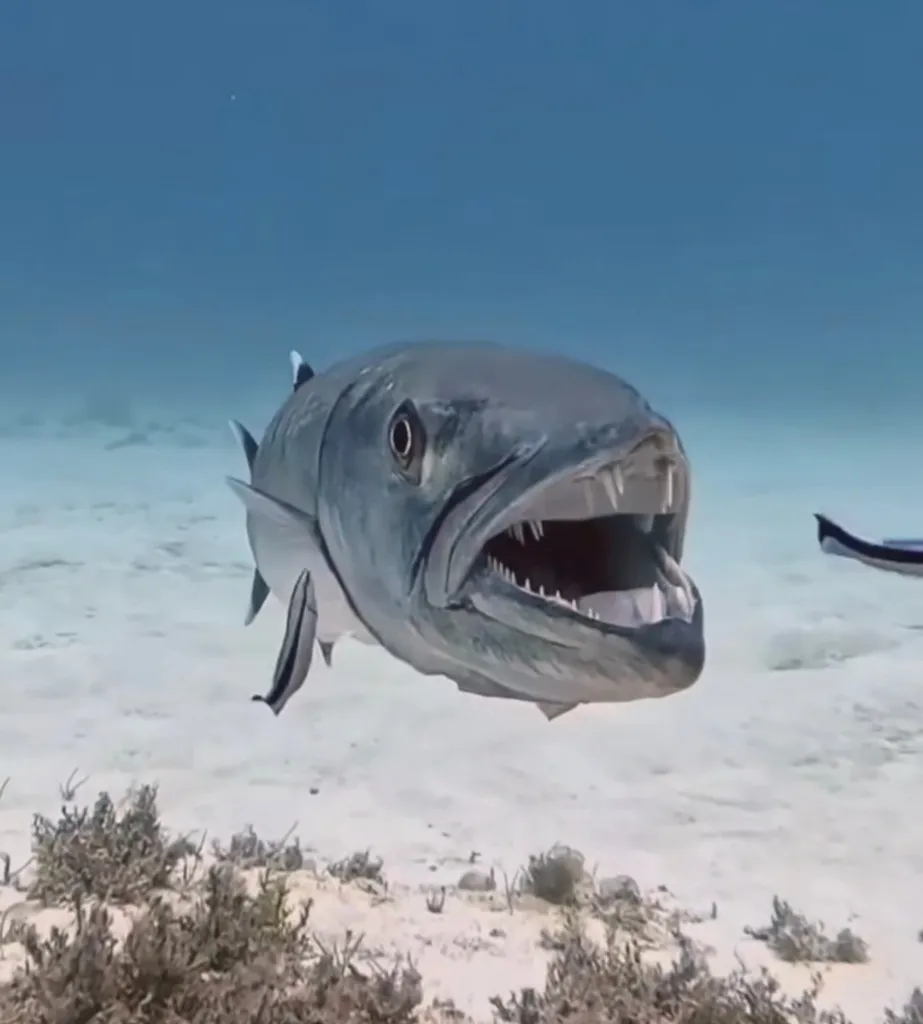
A highlight for some is spotting a barracuda, occasionally seen lurking near the deeper sections or within the shadow of an overhang. The extensive elkhorn formations provide intricate microhabitats, sheltering smaller reef fish.
Schools of squid have also been observed navigating the underwater landscape, adding to the site's dynamic ecosystem. Observing these patterns requires patience and a keen eye during your exploration.

Dive Sites Near Blue Hole
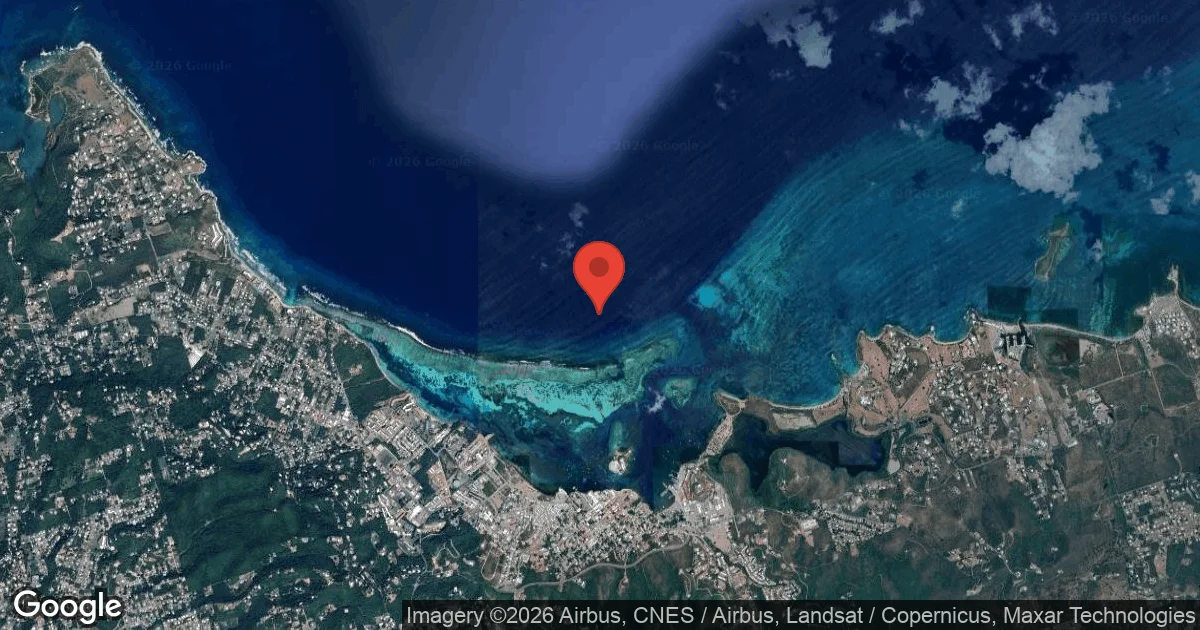
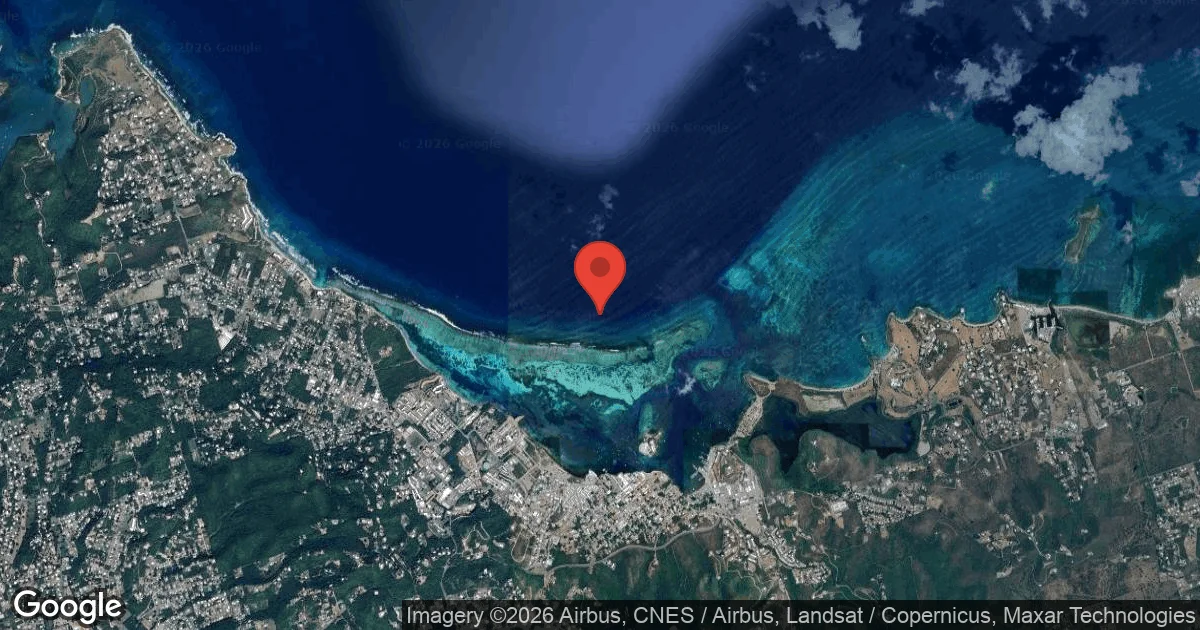
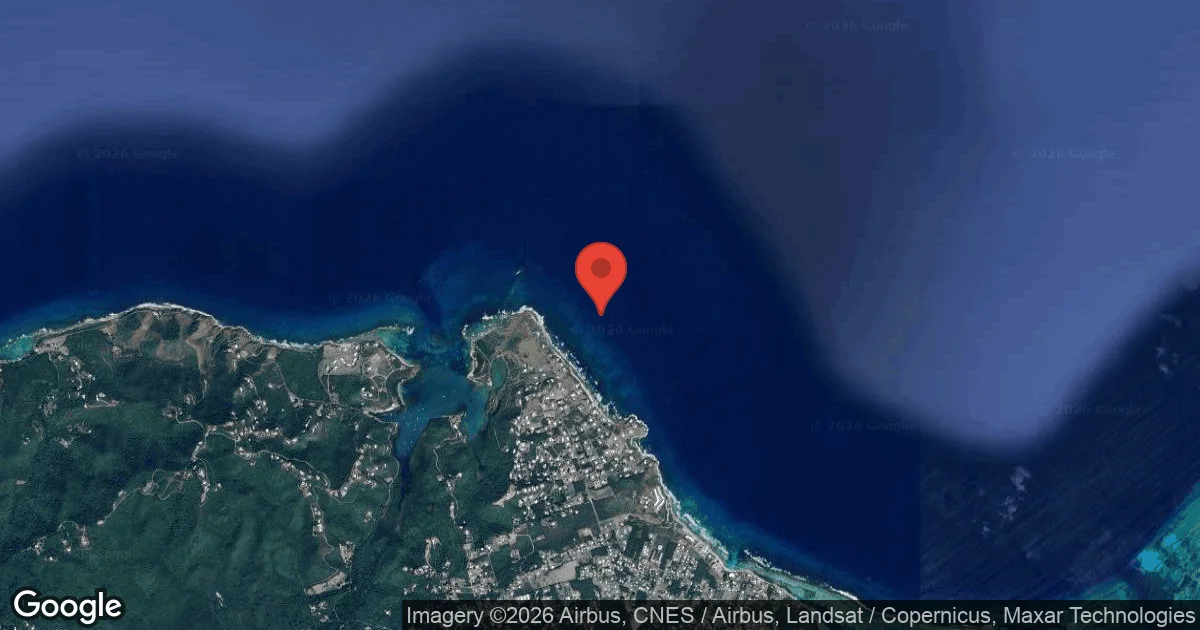
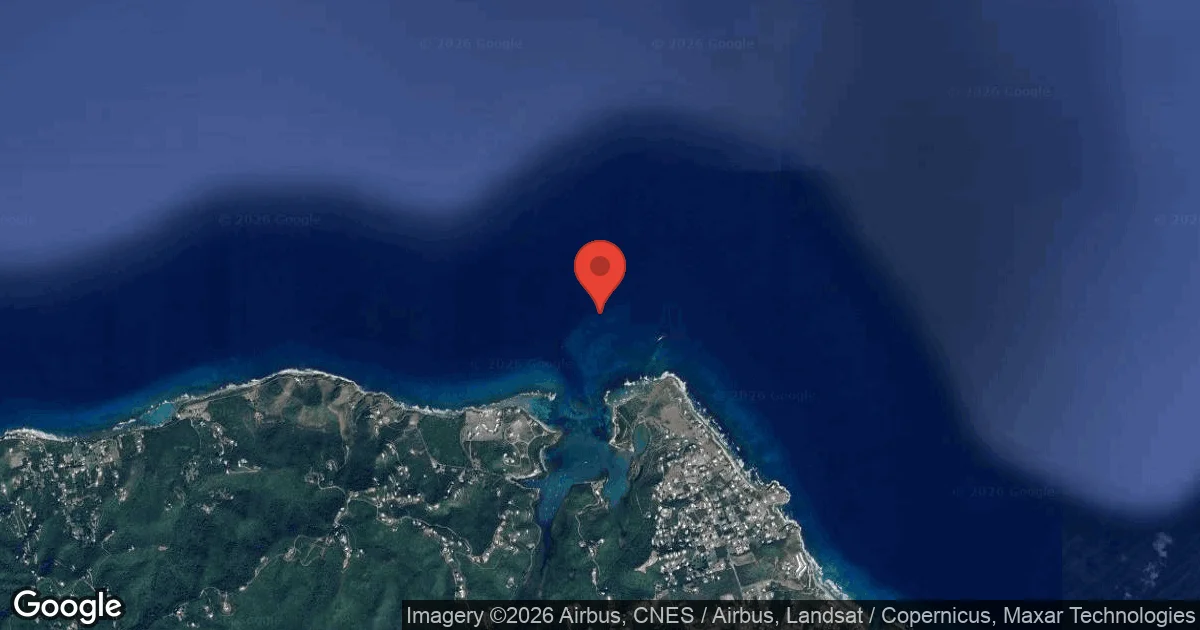
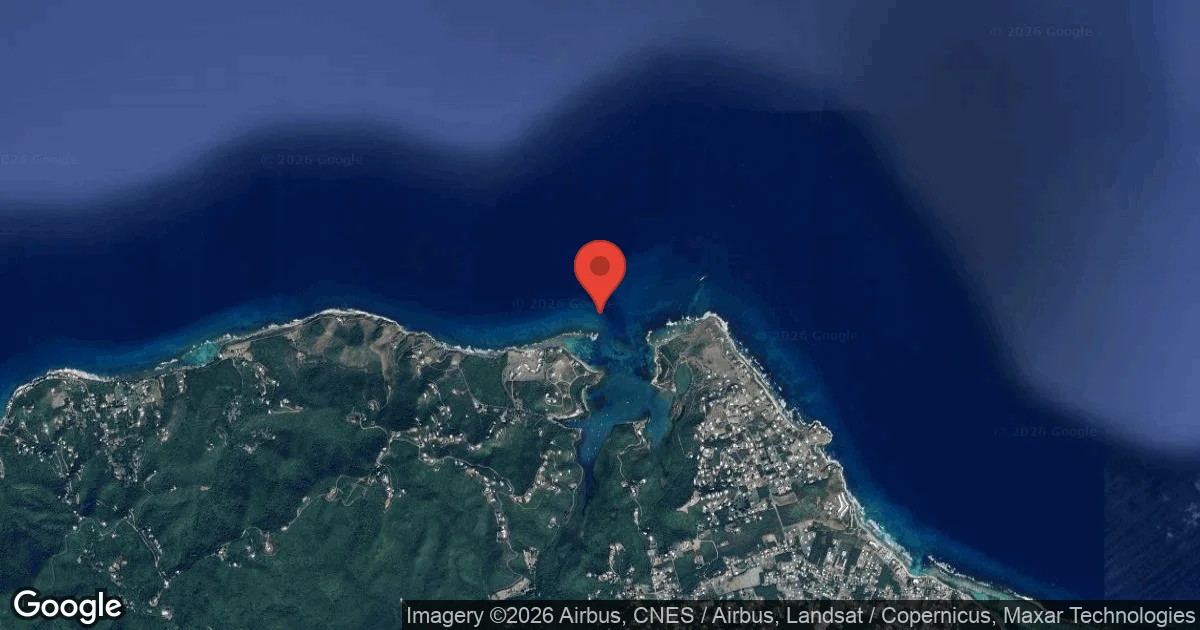
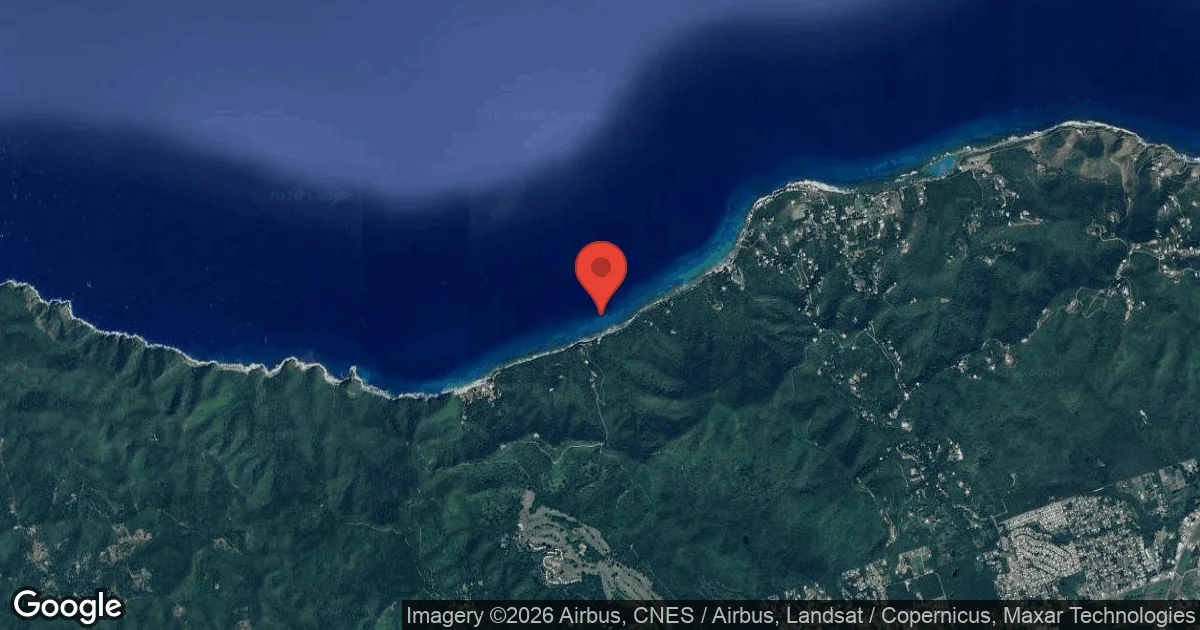
View all dive sites in Puerto RicoDiscover more underwater gems in this area.
Dive Centers Near Blue Hole
Today: 08:00 - 17:00
Nearest Airports
Nearest airports to help plan travel to this dive area.
Search Flights
Check available flights and routes on Expedia, using the nearby airports listed in this section.
Search Flights on ExpediaFrequently Asked Questions
What is the typical depth range at Blue Hole?
Blue Hole offers a recreational depth range for divers, with shallower sections around the reef and deeper areas that can reach up to approximately 30 m (100 ft). The terrain includes various overhangs and tunnels.
Is Blue Hole accessible from the shore?
No, Blue Hole is generally not accessible from the shore. Its reef break makes shore entry difficult, so accessing the site by boat or kayak is strongly advised for safety and convenience.
Are there strong currents at Blue Hole?
Currents can be strong at Blue Hole, particularly outside the reef wall. Divers should be prepared for varying conditions and plan their dives accordingly, especially if exploring deeper or more exposed sections.
What kind of marine life can I expect to see?
Divers often observe diverse marine life, including schools of blue tang, peacock flounder, and barracuda. The site's extensive elkhorn coral formations also provide habitat for numerous other reef species, enriching the underwater experience.
When is the best time of year to dive Blue Hole?
The optimal time to dive Blue Hole is generally from December through April. These months typically offer more favorable conditions with lower rainfall, milder winds, and better visibility compared to the hurricane season.
Do I need special equipment for diving the caves and tunnels?
Exploring the caves and tunnels at Blue Hole requires specific skills and potentially specialized equipment beyond standard recreational gear. A primary dive light and backup light are recommended due to overhead environments, and experience in cavern or cave diving is beneficial.
Planning to dive Blue Hole?
Send one inquiry and receive offers directly from the best verified local dive operators.
Conditions are Good
Optimal conditions expected
Current conditions near Blue Hole show 30° air, 29° sea temperature, 0.8 m waves, and 25 km/h wind. Forecast data is refreshed regularly to ensure accuracy.