
Diving at Eagle Ray (Puerto Rico)
While Puerto Rico is often recognized for its vibrant culture and diverse landscapes, its underwater realm remains a less-explored treasure. Many fantastic dive sites here, often overlooked due to limited promotion, offer genuinely rewarding experiences that challenge preconceived notions of Caribbean diving. This destination highlights the island’s considerable potential for serious dive travel.
As evening covers Eagle Ray, the local air temperature is measured at 29.5°C. The current wave height at the surface is recorded at 1.3 m. These late-day readings characterize the surface conditions for the night.
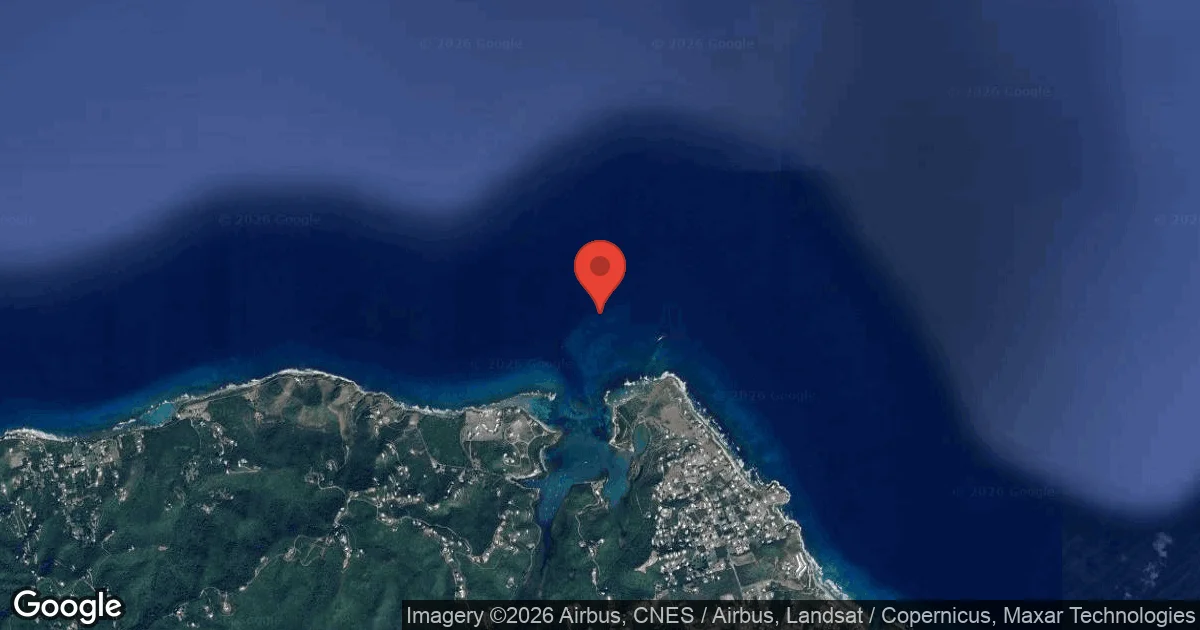
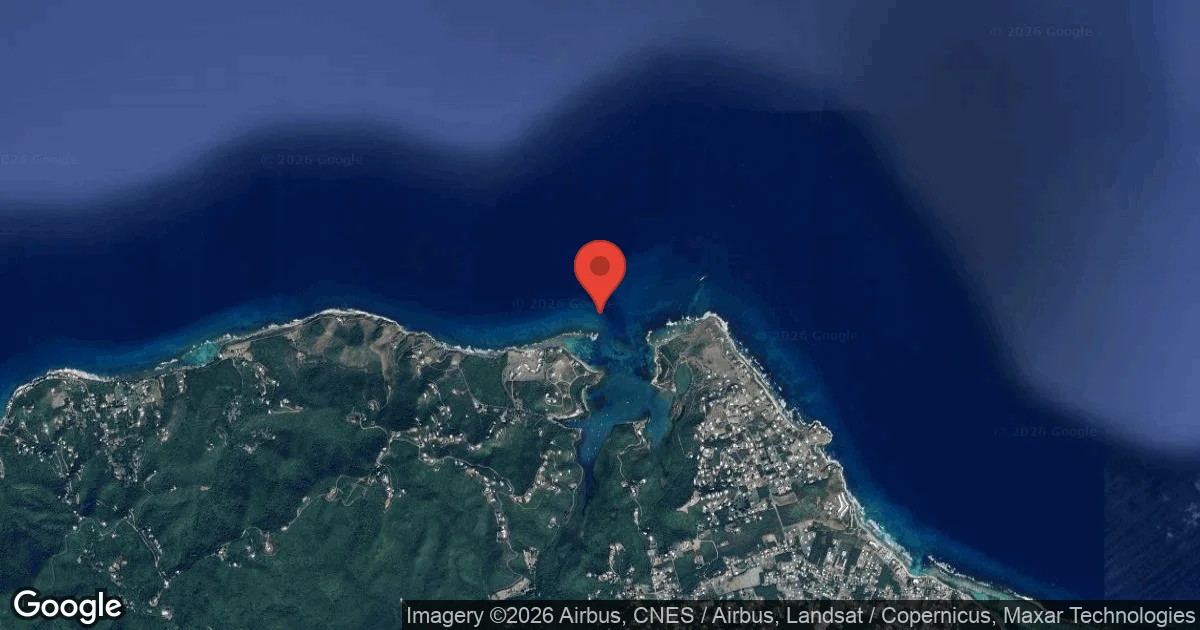
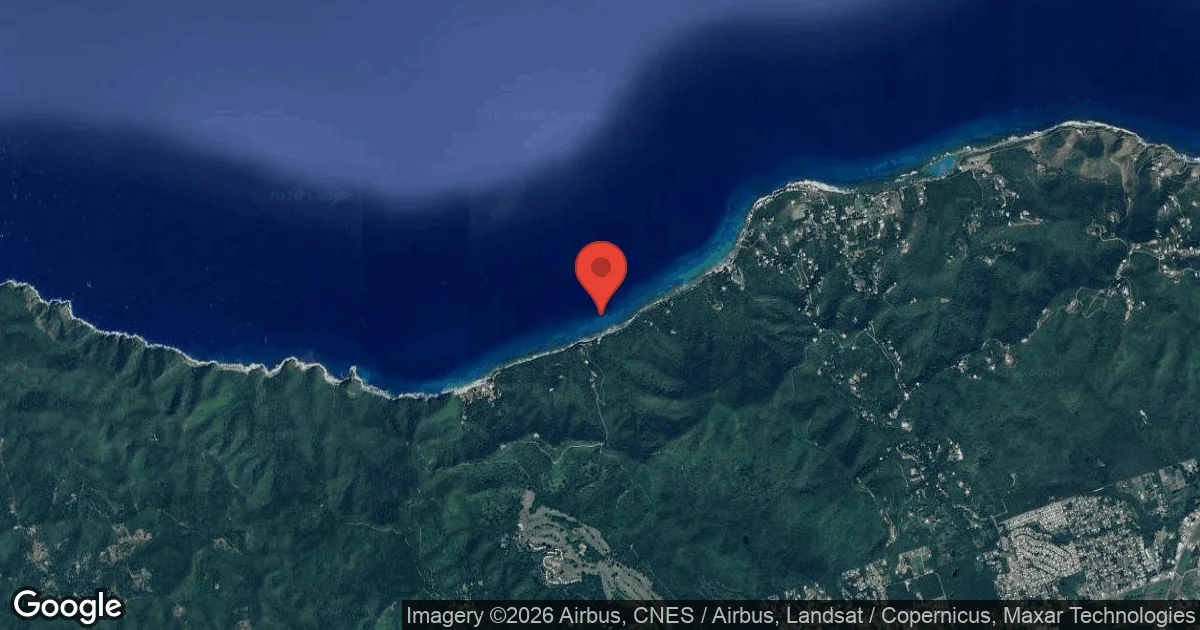
Dive Site Location & Key Facts
Dive Site Overview
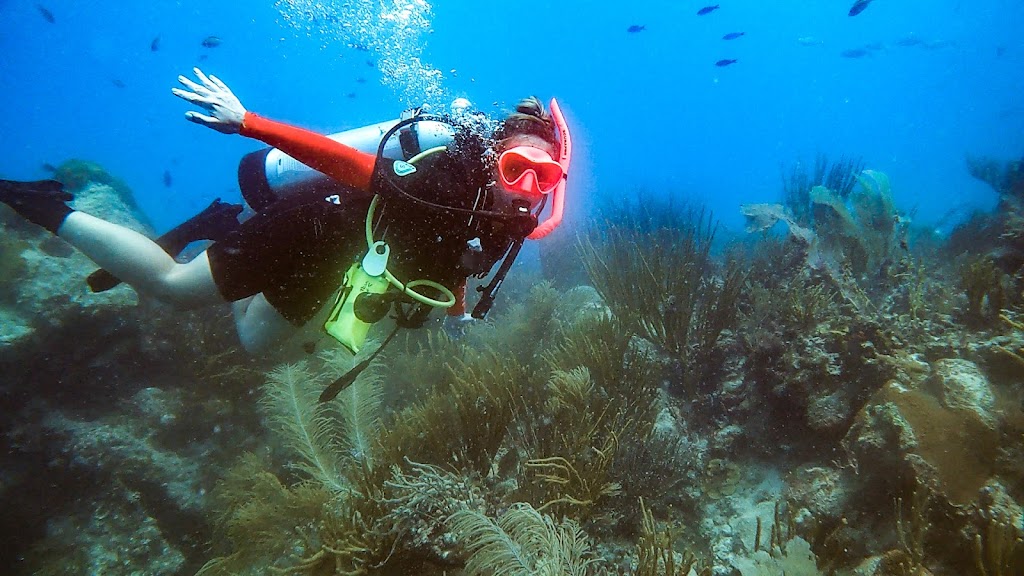
Exploring Puerto Rico's varied underwater topography where spotted eagle rays are frequently encountered reveals a dynamic environment. Sites often feature a gradual sandy bottom that transitions into extensive spur-and-groove coral formations, such as those found at depths ranging from 3 to 11 m (10 to 35 ft).
Further out, the reef can transform into a more defined wall, descending from about 11 m (35 ft) to a maximum depth of 21 m (70 ft), adorned with a vibrant array of corals and sponges. Divers might navigate through natural holes and channels, some large enough for passage, adding an element of exploration. This structure creates prime conditions for various marine life, including the majestic eagle rays known to traverse these deeper sections.
Other areas might present large coral head formations, offering intricate shelter for smaller reef species. The diverse structures, from sloping reefs to brief walls and sandy patches, provide a comprehensive snapshot of Caribbean reef ecosystems.
Conditions are Good
Optimal conditions expected
Current conditions near Eagle Ray show 29° air, 30° sea temperature, 0.8 m waves, and 21 km/h wind. Forecast data is refreshed regularly to ensure accuracy.
Best Time to Dive
Planning a dive trip when visibility is paramount should focus on the drier, cooler months. December through April generally offer favorable conditions, with lower average rainfall, typically ranging from 1.0 to 2.3 mm, and less pronounced wave heights. During these months, average air temperatures hover between 26-26.5°C (79-80°F), indicating pleasant surface conditions for pre and post-dive activities. September often shows improved dive scores due to lower wave heights around 0.9 meters (3.0 ft) and lighter winds, despite higher rainfall. While conditions remain generally good through July, late summer and fall can see increased rain, with averages sometimes reaching 3.8-4.0 mm, potentially impacting visibility in shallower areas depending on localized runoff.
PEAK SEASON SCORE
Scores combine air & water temps, waves, wind & rainfall for overall conditions.
BEST MONTHS TO DIVE
Monthly records compiled from satellite and marine observation nodes over the last 3 years. Data provided by Open-Meteo and MET Norway.
Dive Experience & Conditions
Entering the water often reveals calm surface conditions, particularly in sheltered areas, though some sites may exhibit a gentle, steady current that guides divers along the reef. Water temperatures are consistently warm, averaging between 22-27°C (72-81°F) year-round, making for comfortable extended bottom times. Visibility is frequently excellent, often rated as some of the best in the region, which enhances the experience of tracking marine life. Shallower sections of the reef can occasionally experience a typical Caribbean surge, especially when closer to the surface. These conditions, combined with diverse topography, cater to a range of experience levels, from relaxed introductory dives to more involved explorations of deeper walls or canyons.
Dive Difficulty & Safety Guidelines
While the primary focus is on marine observation, divers should remain aware of potential environmental impacts. Some sites, like Patti's Reef, are known to host invasive lionfish, offering an opportunity for vigilant divers to report or assist in eradication efforts where permitted.
Additionally, specific areas like Mosquito Pier have seen increased recreational fishing activity, which can inadvertently affect the marine ecosystem; maintaining situational awareness is advised. Always ensure your dive operator is PADI certified and understands local conditions.
Observing marine life from a respectful distance and avoiding contact with corals or animals is crucial for preserving the delicate ecosystem.
Recommended Equipment
- Dive Computer
This gear list is based on verified equipment signals for Eagle Ray, Puerto Rico. Always confirm final gear choices with your dive operator, guide, or liveaboard.
Recommended Dive Suit
Divers visiting Eagle Ray today can expect water conditions around 30°C (85°F). Surface air temperatures are resting at 29°C (85°F).
Many divers choose dive skin or rash guard when diving in similar conditions. Consider warmer surface protection (like a boat coat) due to brisk winds.
Short-term weather patterns suggest stable conditions for divers visiting the area.
Due to technical issues with our weather providers, data hasn't been fetched for over 48 hours. The data above reflects the conditions at the time of the last successful fetch.
Emergency & Medical Support
Essential information to help you plan your dive trip to Eagle Ray.

Hyperbaric chambers are a critical part of dive safety infrastructure. Availability varies significantly by region, and not all dive areas have immediate access.
Before diving, it's recommended to:
- confirm nearest medical facilities
- check emergency procedures with local dive operators
- ensure dive insurance covers evacuation if required
Divers Alert Network
Diving emergency assistance available through DAN World.
+1-919-684-9111- 24/7 emergency hotline
- Diving medical assistance
- Evacuation coordination
Emergency contacts are provided for reference. Always verify local emergency services before diving.
Marine Life at Eagle Ray
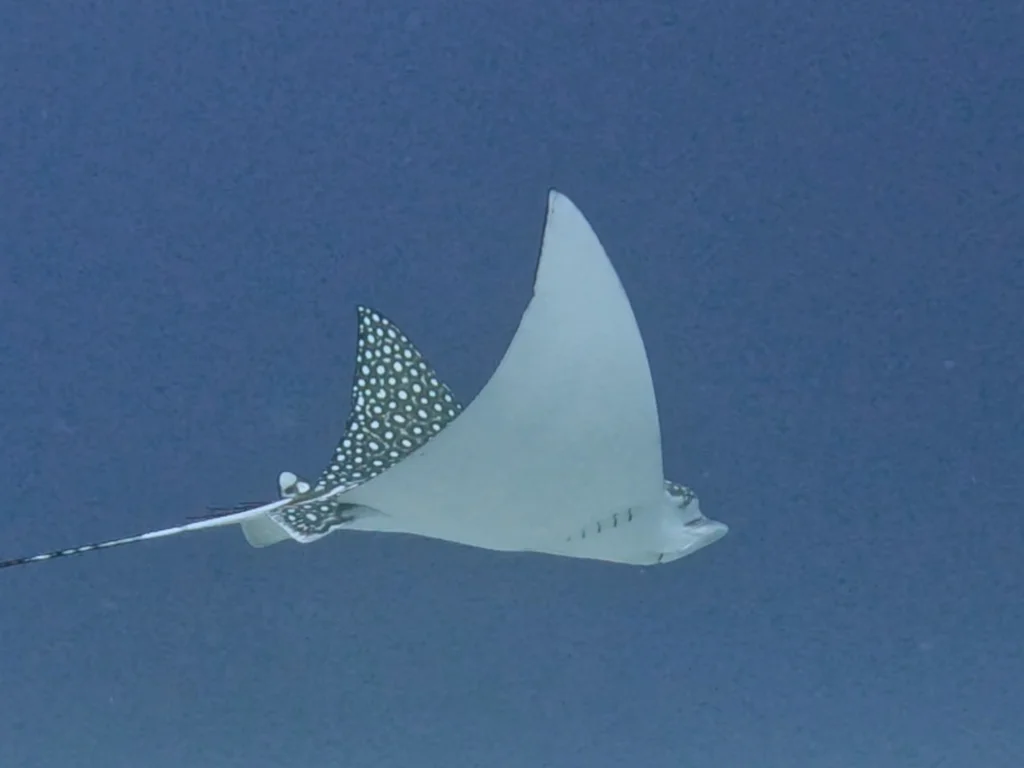
What you'll likely notice first are the graceful movements of spotted eagle rays, frequently observed cruising over the reef, sometimes in pairs or small groups. Beyond these magnificent cartilaginous fish, a rich variety of marine life populates the coral gardens and sandy expanses.
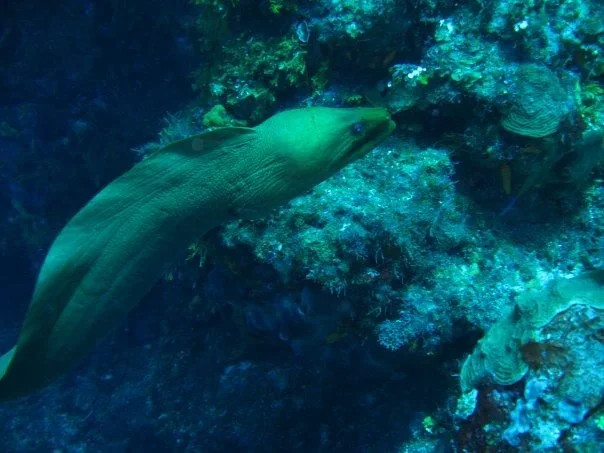
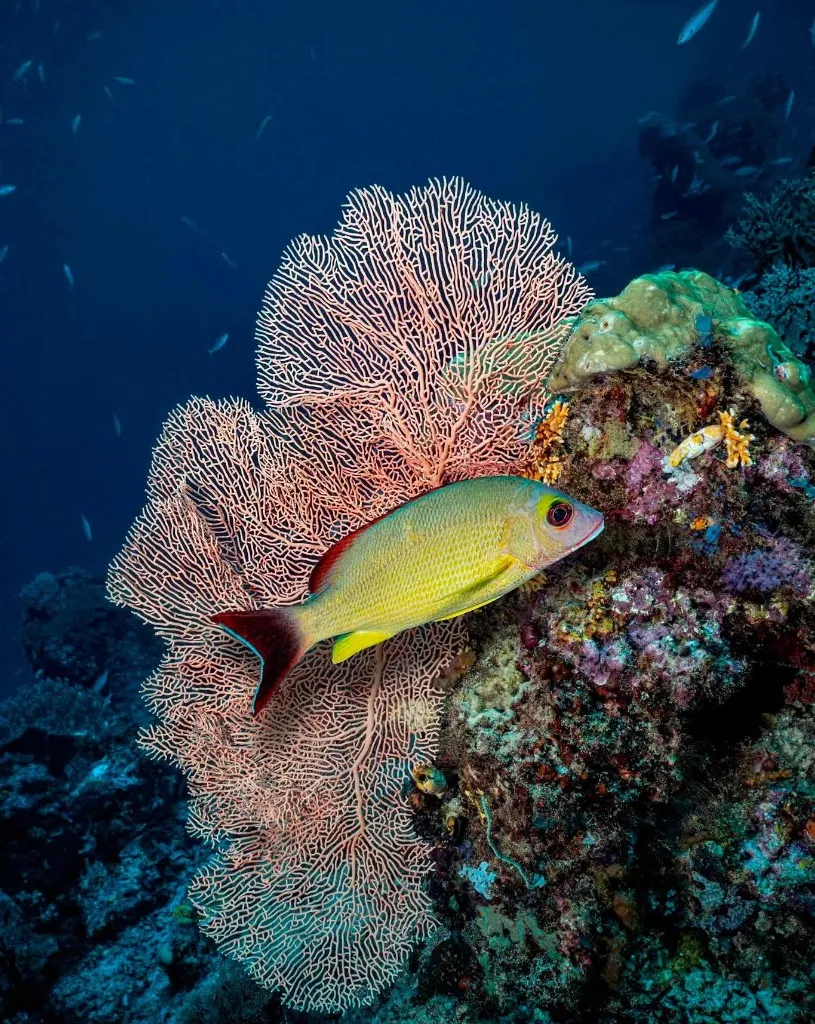
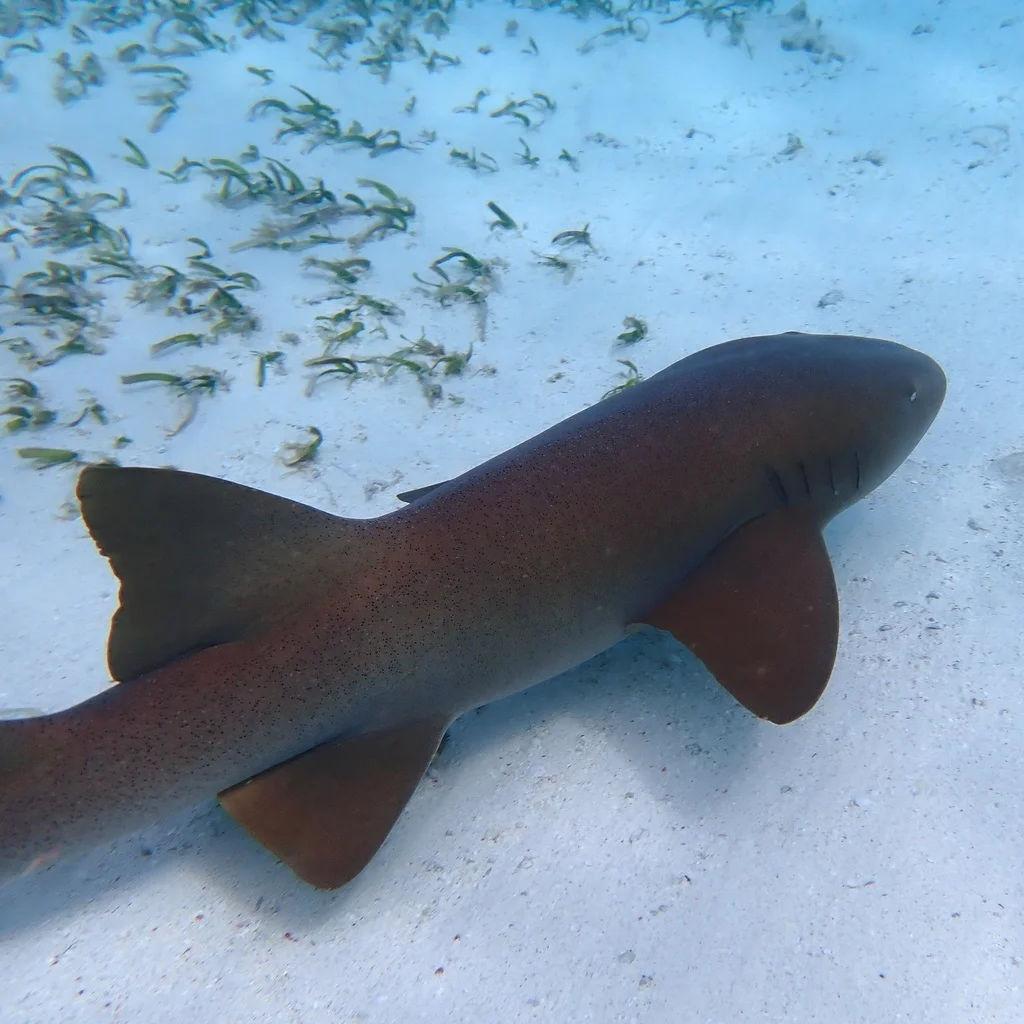
Expect to encounter moray eels, nurse sharks resting on the bottom, and schools of colorful fish such as French grunts, yellowtail snappers, and blue-headed wrasses. Caribbean lobsters often hide within small caves and crevices.
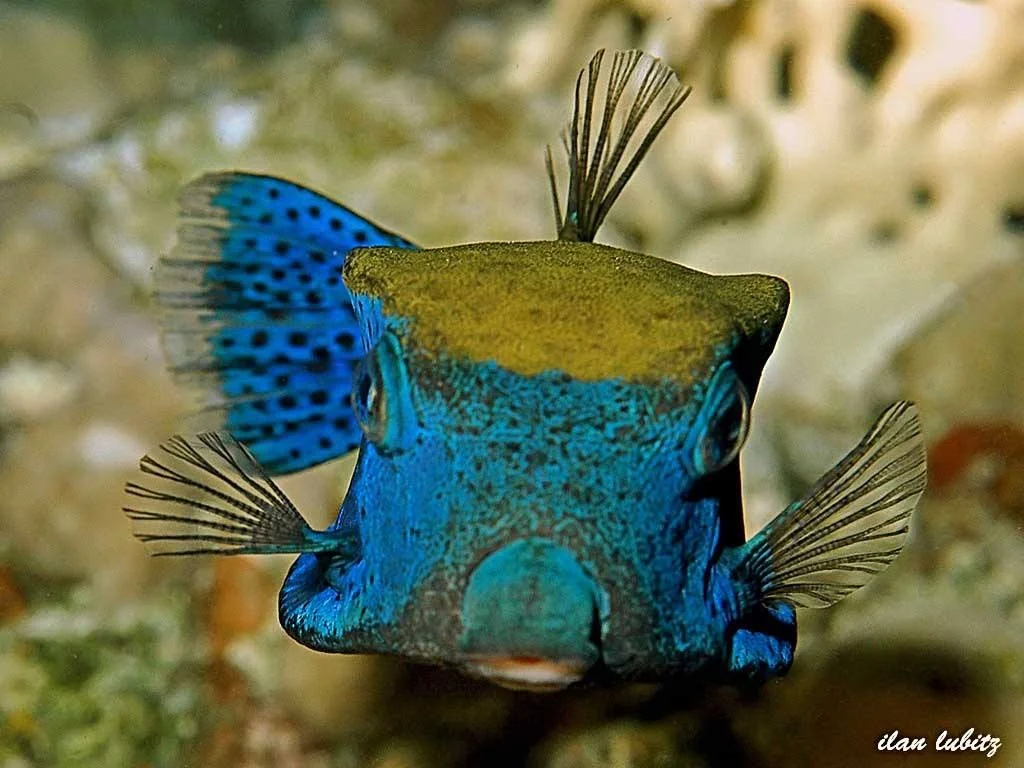
Divers might also spot green and hawksbill turtles, barracudas, groupers, and various puffers and boxfish, adding to the vibrant underwater tableau.
Dive Sites Near Eagle Ray
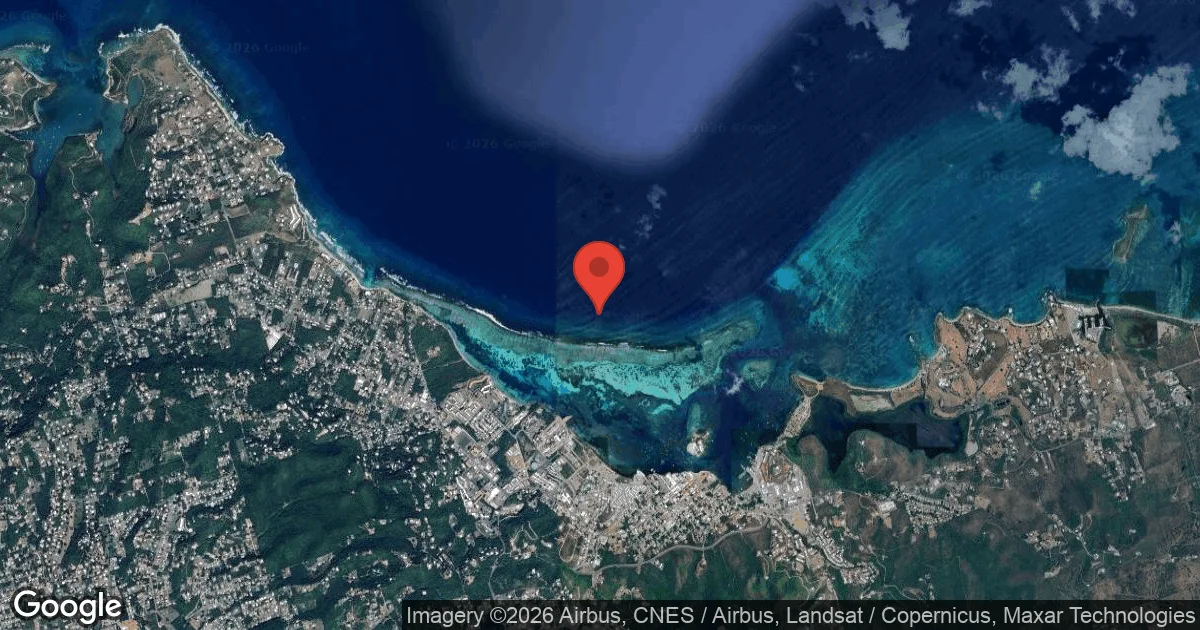
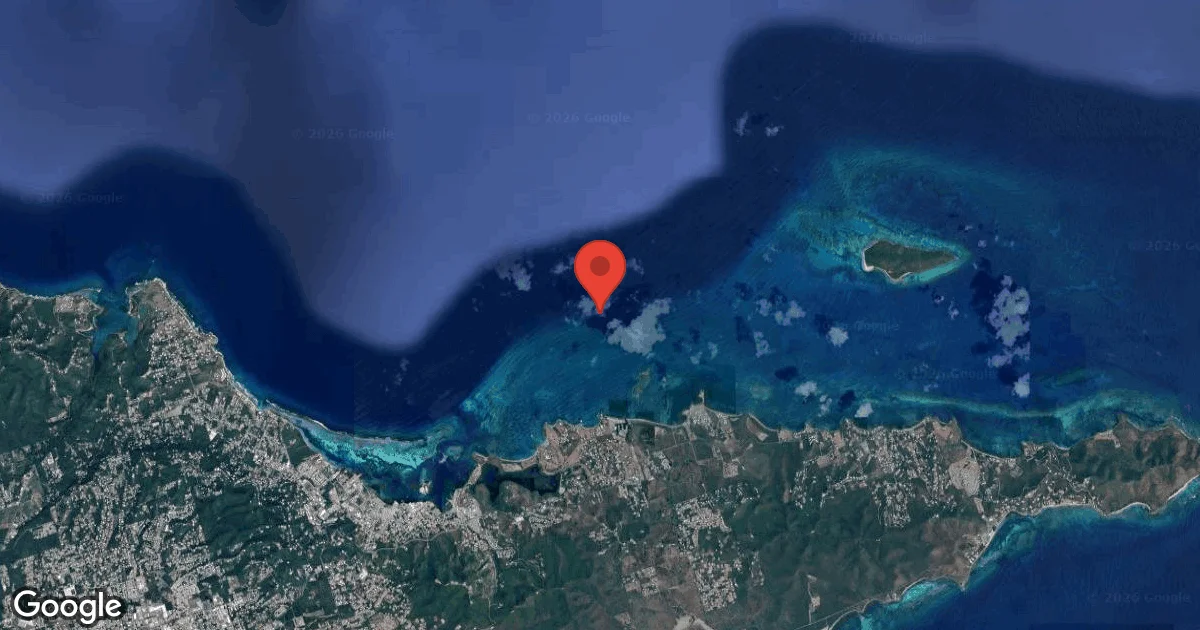
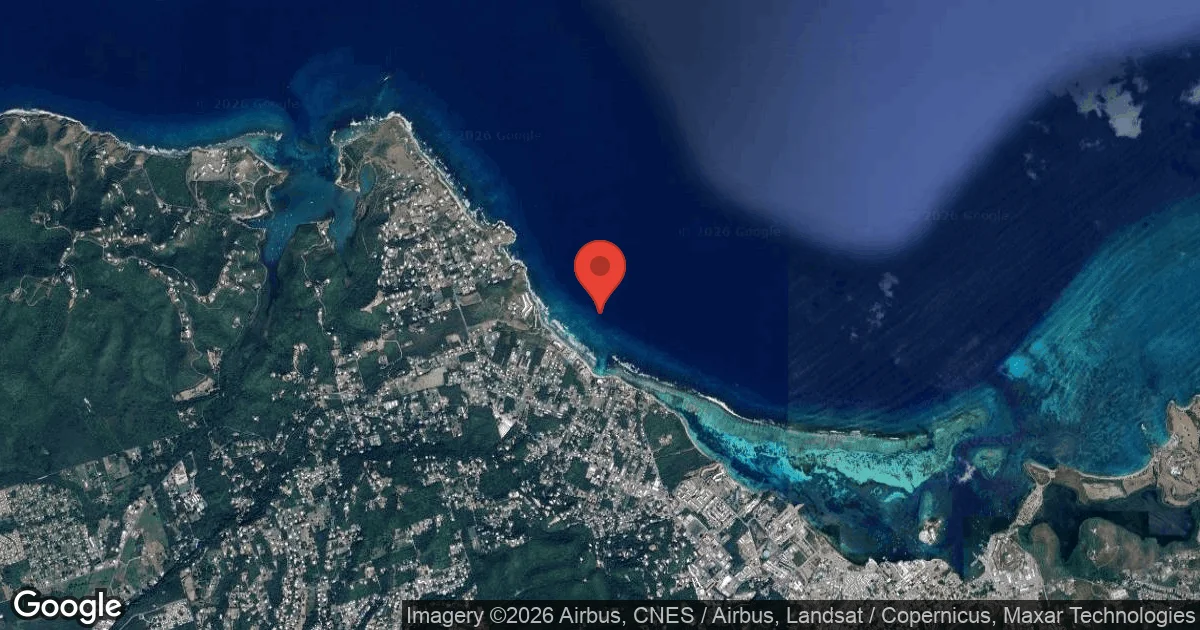
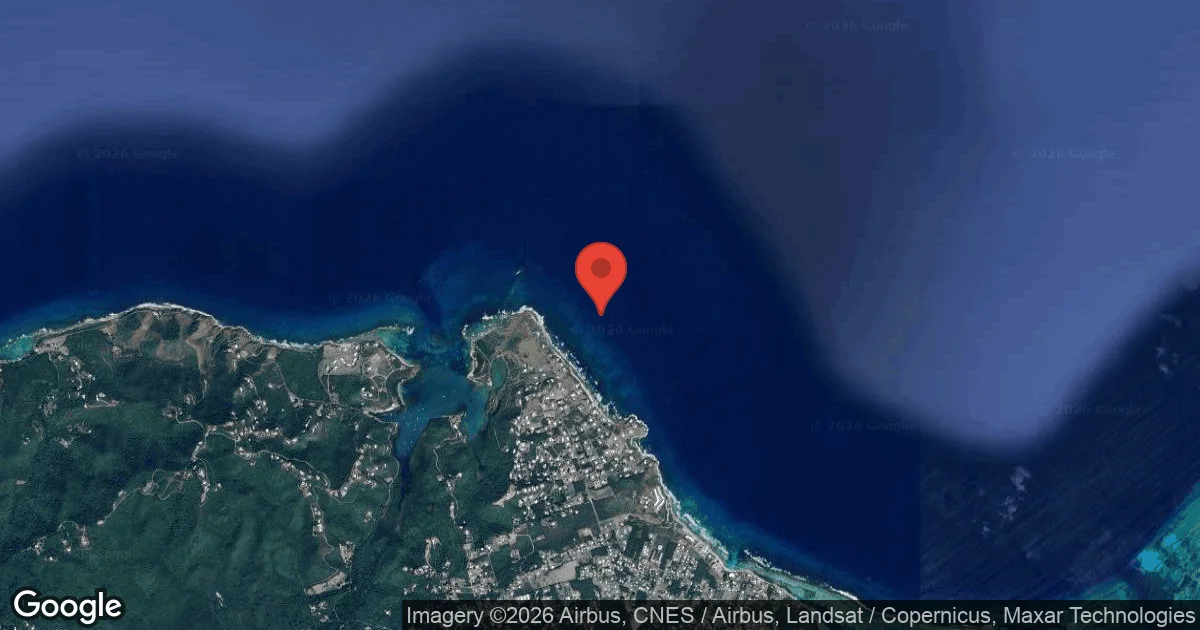
View all dive sites in Puerto RicoDiscover more underwater gems in this area.
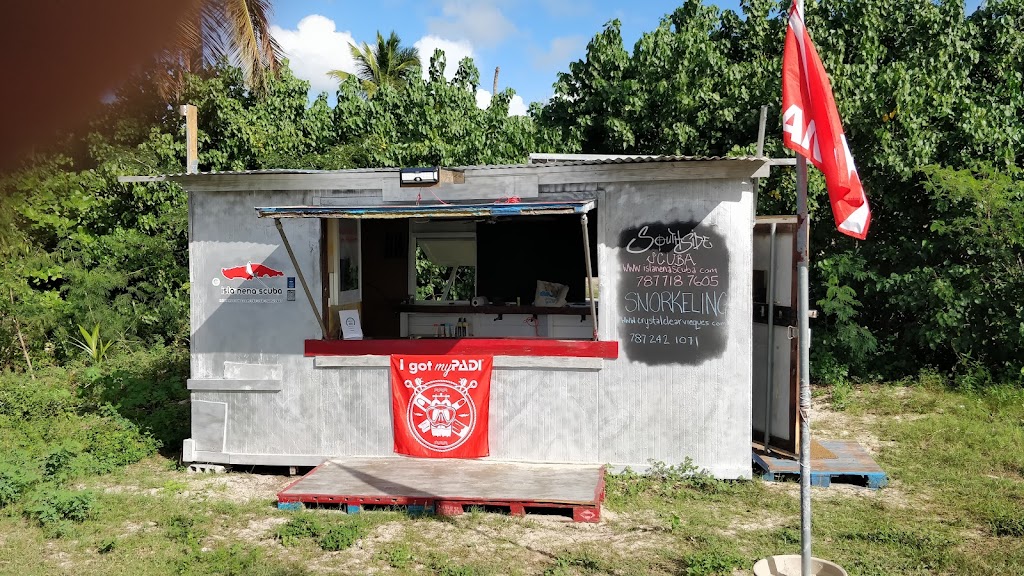
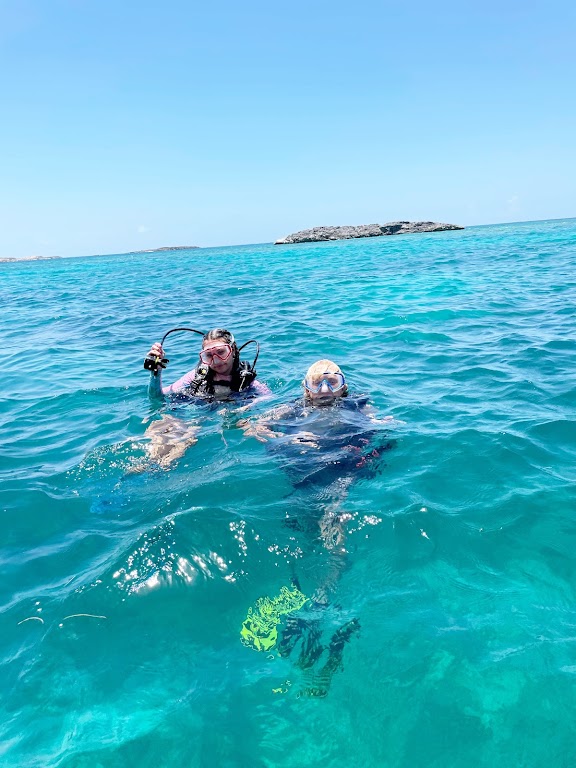
Dive Centers Near Eagle Ray
Today: 08:00 - 17:00
Nearest Airports
Nearest airports to help plan travel to this dive area.
Search Flights
Check available flights and routes on Expedia, using the nearby airports listed in this section.
Search Flights on ExpediaFrequently Asked Questions
What is the typical water temperature?
Water temperatures in Puerto Rico are consistently warm throughout the year, ranging between 22-27°C (72-81°F). This provides comfortable diving conditions for extended bottom times.
Are there strong currents at the dive sites?
Currents vary by site. While some areas, particularly shallower sections, might experience a gentle surge, other sites, like Palomino reef, are known for being calm with no significant currents. It's best to check with local dive operators for specific site conditions.
What kind of coral formations can I expect to see?
The reefs display a wide variety of healthy corals, including elkhorn, staghorn, pillar, finger, star, brain, plate, sheet, and lettuce corals. You'll also see sea fans, sea rods, and sea plumes swaying with the water movement.
Is Puerto Rico suitable for beginner divers?
Yes, many sites offer shallow and easy dives with minimal currents, making them ideal for beginners. Palomino reef, for instance, is described as perfect for novice divers due to its permanently calm conditions.
What unique marine life can be spotted?
Beyond spotted eagle rays, divers might encounter green and hawksbill turtles, nurse sharks, various moray eels, barracudas, and groupers. There are also frequent sightings of dolphins and occasional reports of manatees and even manta rays.
How good is the underwater visibility?
Visibility is generally excellent in Puerto Rican waters. Many operators report it as often being among the best in the area, contributing to an ideal scuba diving experience.
Planning to dive Eagle Ray?
Send one inquiry and receive offers directly from the best verified local dive operators.
Conditions are Good
Optimal conditions expected
Current conditions near Eagle Ray show 29° air, 30° sea temperature, 0.8 m waves, and 21 km/h wind. Forecast data is refreshed regularly to ensure accuracy.