
Diving at Crosses (South Africa)
Divers exploring Crosses will find an accessible shoreline rocky reef, a rewarding site for those comfortable with shore entries and navigating kelp ecosystems. Its maximum depth of 22 m (72 ft) suits recreational divers with a basic to intermediate skill level. This location provides opportunities for underwater photography amidst its distinct topography, inviting attentive exploration rather than challenging maneuvers.
As evening covers Crosses, the local air temperature is measured at 12.5°C. The current wave height at the surface is recorded at 2.3 m. These late-day readings characterize the surface conditions for the night.
Dive Site Location & Key Facts
Dive Site Overview
Crosses, known locally as Kruis, carries a solemn historical significance, named for the cross marking the memory of J.F. Marais, who tragically drowned nearby.
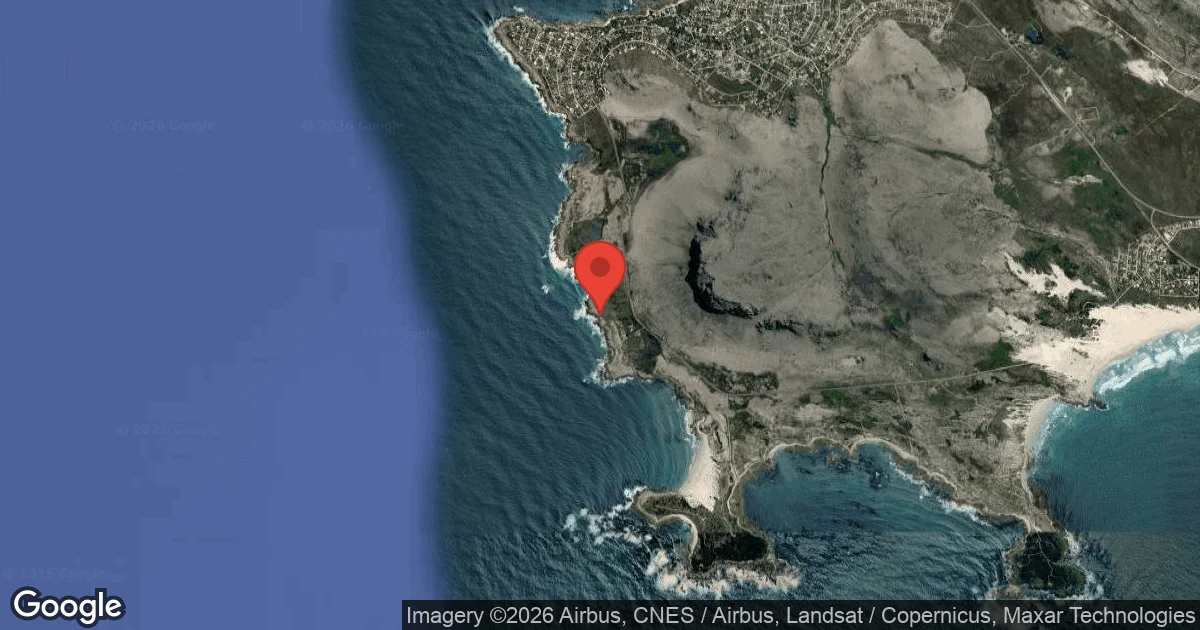
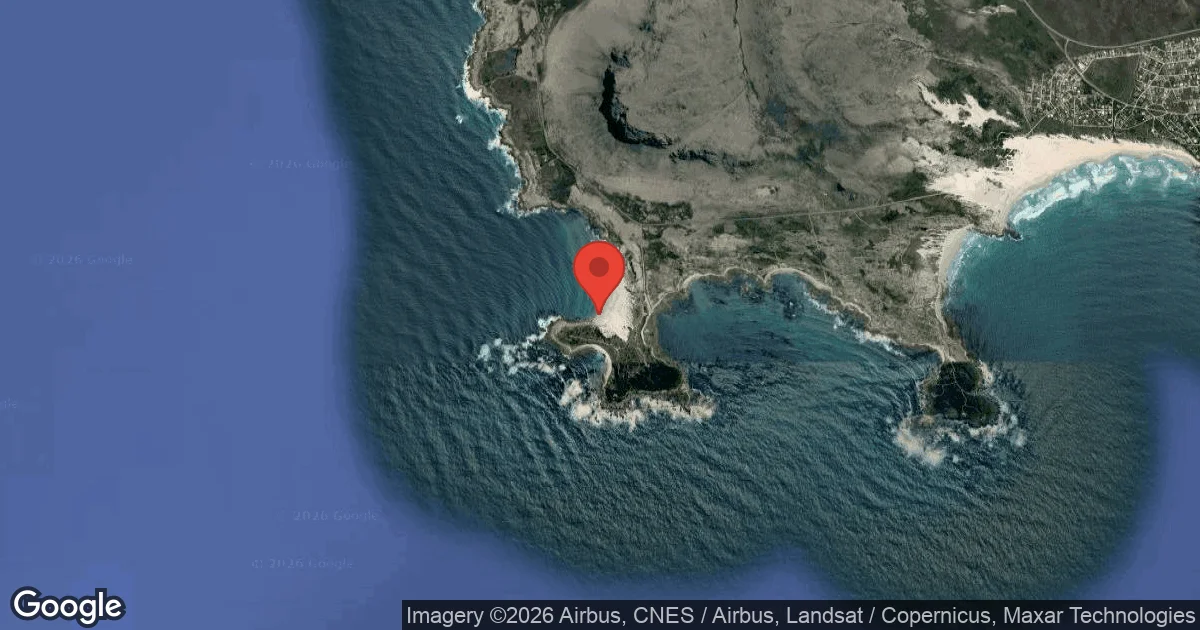
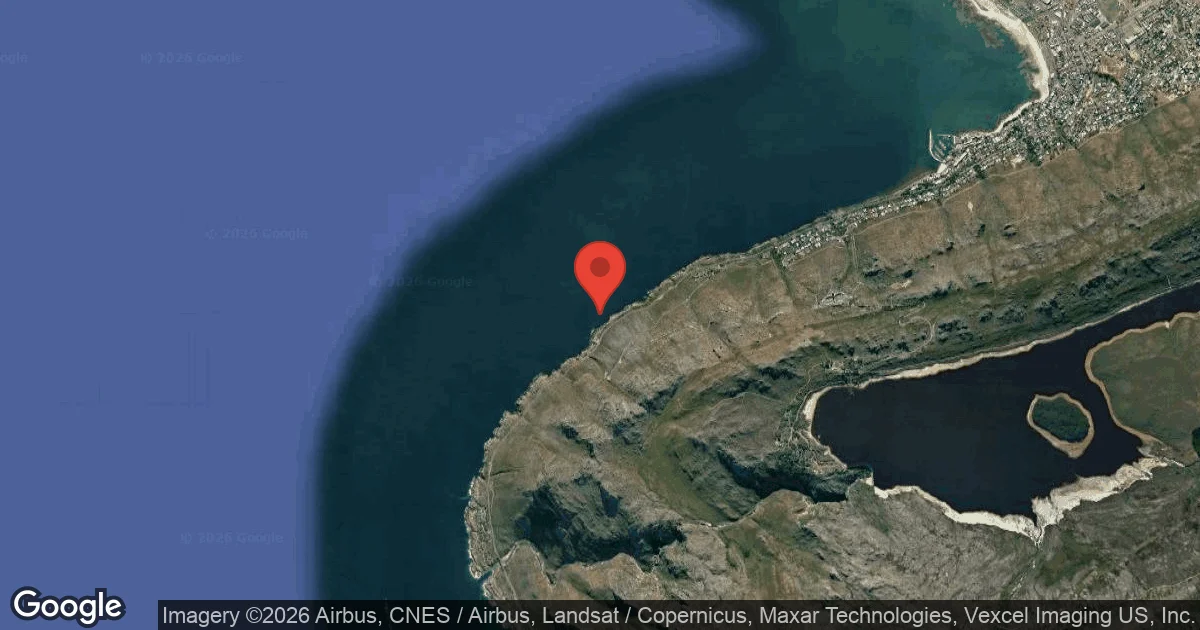
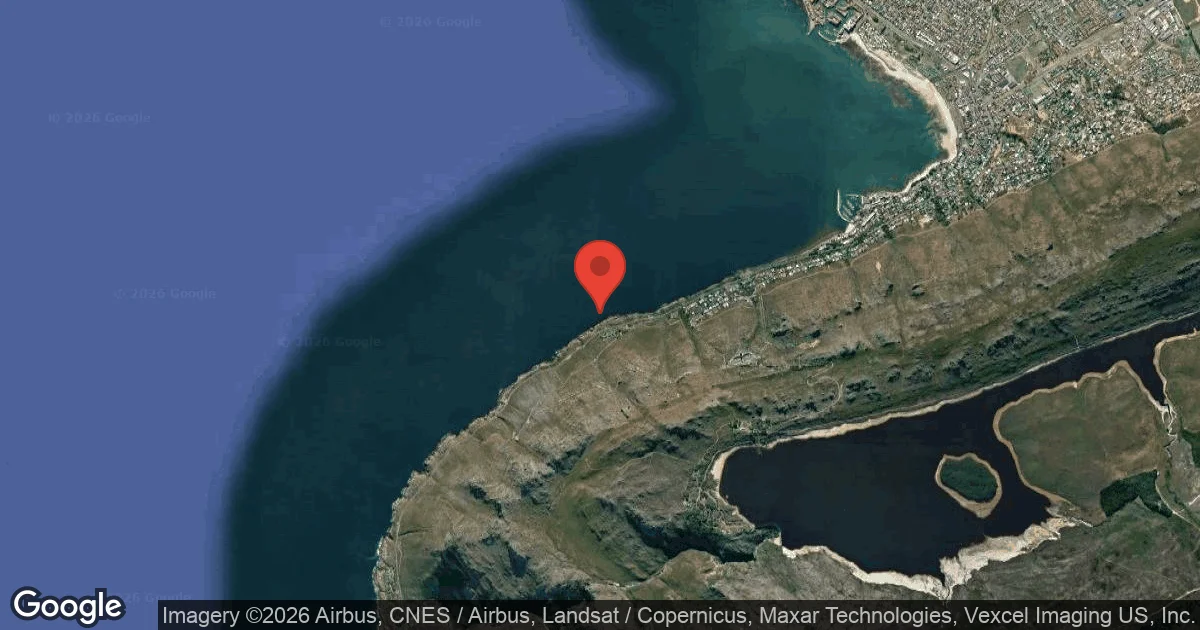
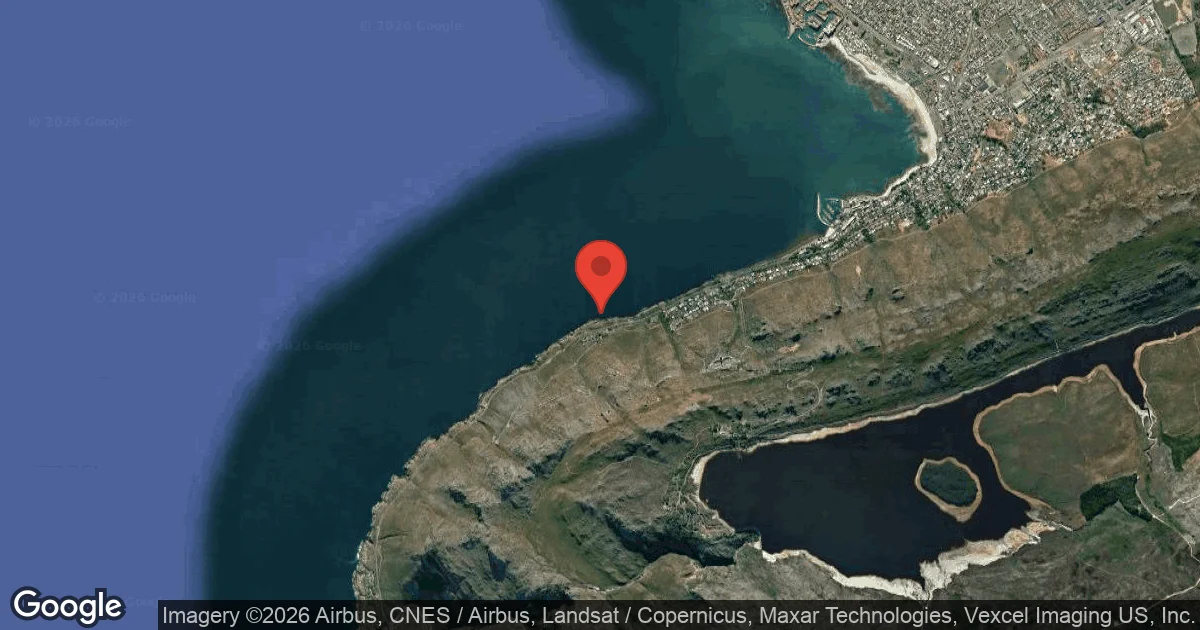
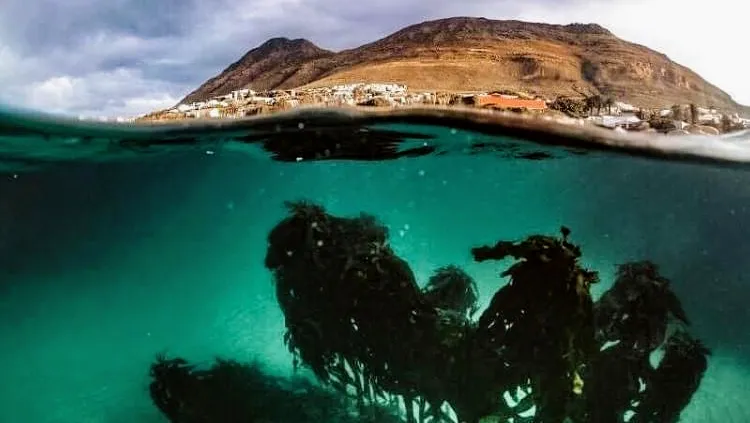
This dive site unfolds along the east side of False Bay, adjacent to Cape Town in South Africa's Western Cape province, approximately 18 km (11 miles) south of Gordon’s Bay. It forms the tip of a blunt headland just north of the Rooi-Els beach, presenting itself as a robust shoreline rocky reef. Divers can expect to explore an intricate underwater landscape featuring dense kelp forests closer to shore, which transition into exposed shallows characterized by heavy red-bait.
Deeper sections of the reef reveal a prominent high structure before gradually descending to a sandy bottom at a maximum depth of 22 m (72 ft). The site's varied topography, from inshore kelp to the deeper reef, invites thorough exploration for recreational divers.
Its distinct features and accessible nature make it a noteworthy local dive spot for those comfortable with shore entries.
Conditions are Poor
High Swell Advisory. Not recommended.
Current conditions near Crosses show 13° air, 13° sea temperature, 2.1 m waves, and 51 km/h wind. Forecast data is refreshed regularly to ensure accuracy.
Best Time to Dive
Planning a dive at Crosses is best aligned with the region's summer months, typically from December through April and October to November, when dive conditions are generally rated as 'Moderate.' During these periods, average air temperatures are more comfortable, ranging from 17-21.5°C (63-71°F). Wave heights also tend to be less pronounced, averaging around 2.3-2.5 meters. Rainfall is minimal, often below 1.5 mm per month, contributing to better overall visibility and a more pleasant experience. While specific water temperature data for Crosses isn't consistently reported, coastal waters in the Western Cape can vary. The winter months, from May to September, often present 'Poor' dive scores, marked by cooler air temperatures, higher wave activity often exceeding 3 meters, and increased rainfall, sometimes reaching 6.7 mm in July.
PEAK SEASON SCORE
Scores combine air & water temps, waves, wind & rainfall for overall conditions.
BEST MONTHS TO DIVE
Monthly records compiled from satellite and marine observation nodes over the last 3 years. Data provided by Open-Meteo and MET Norway.
Dive Experience & Conditions
Beginning the dive at Crosses involves a shore entry, leading directly to the vibrant shallow sections. Immediately divers encounter exposed shallows carpeted with heavy red-bait, transitioning swiftly into a dense kelp forest that thrives closer to the shoreline. Descending further, the underwater landscape gradually unfolds into a prominent high reef, providing varied topography to explore. Eventually, the reef gives way to a sandy bottom at the maximum depth of about 22 m (72 ft). Water movement at this specific site is not consistently reported, but coastal diving in False Bay often means conditions can vary, sometimes requiring divers to be aware of potential currents. Prevailing winds average around 22-28 km/h (14-17 mph) throughout the year, which can influence surface conditions.
Dive Difficulty & Safety Guidelines
Approaching a dive at Crosses requires sound planning and respect for its natural environment. Given its nature as a shoreline rocky reef, divers should be proficient in shore entries and exits, especially considering potential surge in shallower areas. There are no specific hazards listed for this site beyond general coastal diving considerations, but always check local conditions before entering the water.
Adhere strictly to local regulations regarding marine life; limit your catch, and observe without disturbing the ecosystem. No special permits are required, as the site is not within a Marine Protected Area.
Maintaining good buoyancy control is crucial to protect the delicate kelp forest and reef structures.
Recommended Equipment
- Dive Computer
This gear list is based on verified equipment signals for Crosses, South Africa. Always confirm final gear choices with your dive operator, guide, or liveaboard.
Recommended Dive Suit
7mm wetsuit or semidry is often considered an appropriate level of exposure protection for conditions like these. Strong winds are present; please take strong precautions against rapid cooling during surface intervals. A thermal robe or jacket is recommended between dives.
Divers entering the water at Crosses today can expect temperatures near 13°C (56°F) beneath the surface. Surface air temperatures are resting at 13°C (55°F).
Environmental models indicate a modest warming trend ahead. A warming trend is expected over the next few days.
Due to technical issues with our weather providers, live updates are temporarily delayed. The data above reflects the conditions at the time of the last successful fetch.
Emergency & Medical Support
Essential information to help you plan your dive trip to Crosses.

Hyperbaric chambers are a critical part of dive safety infrastructure. Availability varies significantly by region, and not all dive areas have immediate access.
Before diving, it's recommended to:
- confirm nearest medical facilities
- check emergency procedures with local dive operators
- ensure dive insurance covers evacuation if required
Divers Alert Network
Diving emergency assistance available through DAN Southern Africa.
+27828106010- 24/7 emergency hotline
- Diving medical assistance
- Evacuation coordination
Emergency contacts are provided for reference. Always verify local emergency services before diving.
Marine Life at Crosses
The underwater landscape at Crosses directly influences the marine life observed. Entering the dense kelp forest inshore reveals a thriving ecosystem, offering shelter and foraging grounds for many species.
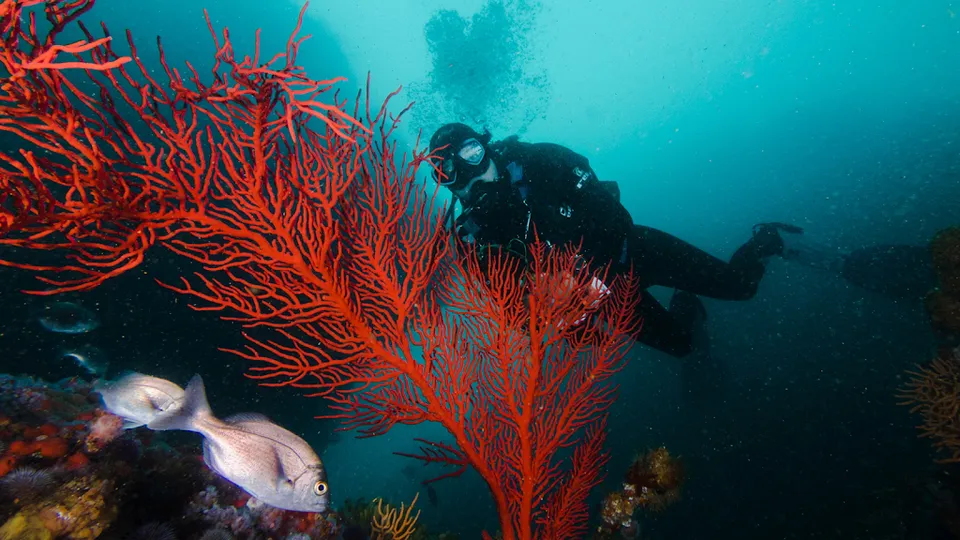
Exposed shallows are characterized by heavy red-bait, forming a distinct habitat. Over the higher reef sections, divers frequently encounter Galjoen, a common fish species in the region.
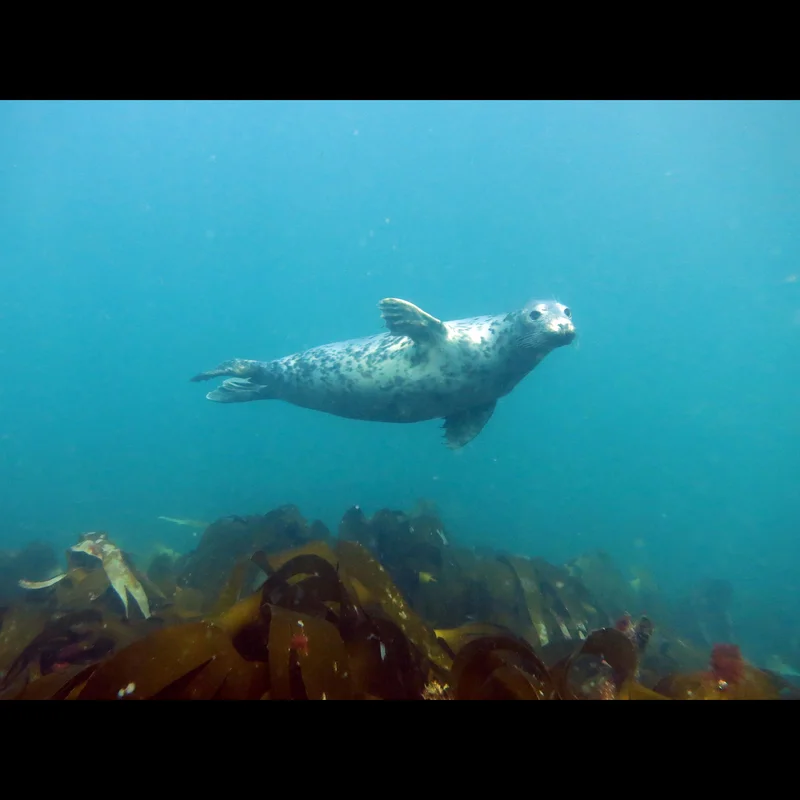
A variety of invertebrates typical for the Western Cape waters are also present, adding to the site's biodiversity. On occasion, divers might be fortunate enough to spot an inquisitive seal making a visit, adding a dynamic element to the dive. The overall setting provides good opportunities for underwater photography, particularly for macro subjects and wide-angle shots of the kelp.
Dive Sites Near Crosses
View all dive sites in South AfricaDiscover more underwater gems in this area.
Dive Centers Near Crosses
Today: 08:00 - 16:30
Nearest Airports
Nearest airports to help plan travel to this dive area.
Search Flights
Check available flights and routes on Expedia, using the nearby airports listed in this section.
Search Flights on ExpediaFrequently Asked Questions
What is the maximum depth at Crosses?
The maximum depth divers can reach at Crosses is approximately 22 m (72 ft), where the rocky reef meets the sand. Shallower sections of the dive site offer diverse habitats for exploration within recreational limits.
What kind of marine life can I expect to see?
Divers can expect to observe dense kelp forests, heavy red-bait in the shallows, and Galjoen over the reef. The site also hosts various invertebrates characteristic of the region, and occasionally, seals may visit the area.
What are the typical water conditions?
Specific water temperature data for Crosses isn't consistently reported, but coastal waters in the Western Cape can be cooler. Wave heights can vary, averaging between 2.3-3.4 m, and divers should be prepared for typical False Bay coastal conditions.
Is a permit required to dive at Crosses?
No, a permit is not required to dive at Crosses. The site is accessible to the public and does not fall within a designated Marine Protected Area.
Where exactly is Crosses located?
Crosses can be accessed from the east side of False Bay, adjacent to Cape Town in South Africa's Western Cape province. The site lies approximately 18 km (11 miles) south of Gordon’s Bay, marking a headland just north of the Rooi-Els beach.
Is Crosses suitable for beginner divers?
Crosses is generally suitable for recreational divers with basic to intermediate skills. Its shoreline entry and the potential for variable coastal conditions suggest that some experience with shore diving is beneficial.
What is the origin of the name 'Crosses'?
The site name 'Crosses,' or 'Kruis,' refers to a cross erected above the site. It commemorates J.F. Marais, the Rector of Paul Roos Gymnasium, who tragically drowned in the vicinity.
Planning to dive Crosses?
Send one inquiry and receive offers directly from the best verified local dive operators.
Conditions are Poor
High Swell Advisory. Not recommended.
Current conditions near Crosses show 13° air, 13° sea temperature, 2.1 m waves, and 51 km/h wind. Forecast data is refreshed regularly to ensure accuracy.