
Diving at Rocky Bay (South Africa)
Rocky Bay's dive sites are primarily a series of offshore reefs, not a literal bay, shaped by ancient geological processes. These formations, once fossilized sand dunes, now present a varied underwater landscape of drop-offs, gullies, and overhangs. Divers explore a realm where ancient earth history has sculpted intricate habitats. Such complex topography contributes to its appeal and unique character, differentiating it from many coastal areas.
As evening covers Rocky Bay, the local air temperature is measured at 13°C. The current wave height at the surface is recorded at 1.8 m. These late-day readings characterize the surface conditions for the night.
Dive Site Location & Key Facts
Dive Site Overview
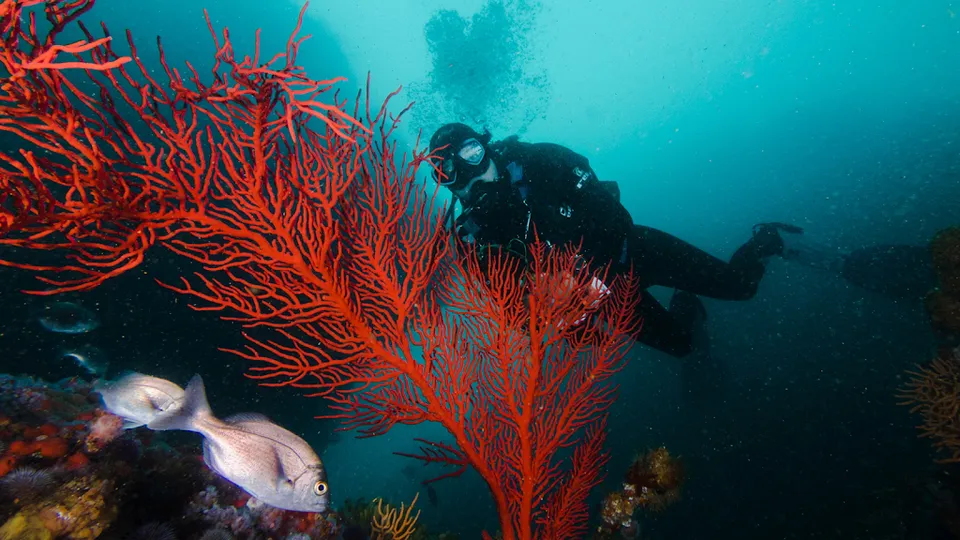
Offshore reefs stretch for several kilometers from the South African coast, just south of Aliwal Shoal, defining Rocky Bay's underwater realm. Intricate reef structures characterize this destination, featuring massive boulders and expansive gullies often connecting to flatter reef sections.
Traversing these formations, divers commonly note their appearance, often described as 'boulders dropped from heaven'. Typical dive depths generally reach around 15 m (50 ft), with some specific sites dropping to maximum depths of 25 m (82 ft). For those with advanced certifications, particular areas offer deeper exploration, extending between 20 m (66 ft) and 40 m (130 ft).
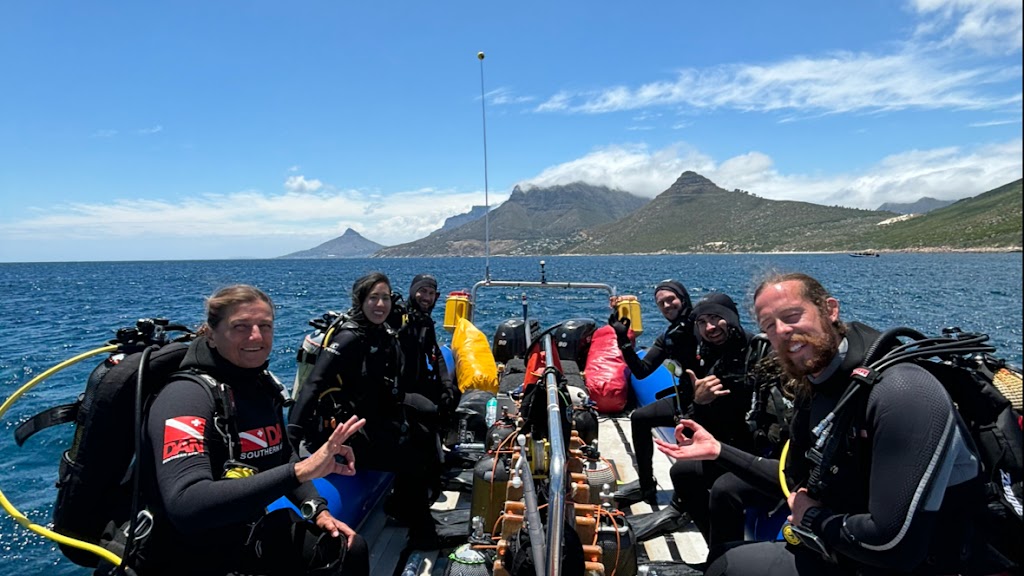
Access to these diverse sites is exclusively via boat, usually launched from the nearby shore. An underwater environment provides ample opportunity for both wide-angle reef photography and detailed macro observation, confirming its versatility for various diving interests.
A dynamic reef system supports a rich ecosystem, constantly revealing new perspectives with each descent.
Conditions are Moderate
High Wind Advisory (48km/h). Unsafe surface.
Current conditions near Rocky Bay show 13° air, 13° sea temperature, 1.8 m waves, and 48 km/h wind. Forecast data is refreshed regularly to ensure accuracy.
Best Time to Dive
For divers prioritizing comfort and optimal conditions, the warmer months from October to March generally offer a more pleasant experience. During this period, average air temperatures range from 17°C (63°F) to 21°C (70°F), with rainfall typically at its lowest, contributing to moderate dive scores. Water temperatures during this time are consistently reported between 20-24°C (68-75°F), providing comfortable diving without overly thick exposure suits. While the winter months, June to August, see cooler air temperatures of 12-14°C (54-57°F) and higher rainfall, wave heights also tend to increase, often resulting in poorer dive scores. However, these cooler periods correspond with the seasonal aggregation of ragged-tooth sharks, drawing specific interest despite the less favorable general conditions. Visibility during optimal times can reach 10-25 m (33-82 ft), but it does vary.
PEAK SEASON SCORE
Scores combine air & water temps, waves, wind & rainfall for overall conditions.
BEST MONTHS TO DIVE
Monthly records compiled from satellite and marine observation nodes over the last 3 years. Data provided by Open-Meteo and MET Norway.
Dive Experience & Conditions
Entering the water at Rocky Bay, divers are immediately immersed in a world of varied reef topography. Sites are characterized by substantial boulders, deep gullies, and often relatively flat reef sections. Soft coral predominantly covers many surfaces, with seaweed also present across the reef. Expect visibility to range considerably, typically between 10-25 m (33-82 ft), although conditions are highly dependent on currents and recent weather. Water temperatures are generally warm, sitting comfortably between 20-24°C (68-75°F). Navigating these formations requires attention; staying with your dive group is crucial, especially within complex rock structures that can occasionally obscure sight of a dive master. A shingle bottom on certain sections appears stable, often with well-established benthic growth.
Dive Difficulty & Safety Guidelines
Diving at Rocky Bay requires a degree of experience, as its classification leans towards intermediate difficulty. Given that some dive spots can reach depths of 20 m (66 ft) to 40 m (130 ft), an advanced qualification is advisable for exploring these deeper areas. Maintaining close proximity to your dive group and dive master is paramount, particularly around the site's extensive boulder formations and gullies where separation can occur.
Divers should ensure their equipment is well-maintained and suitable for boat diving. Always conduct thorough buddy checks before descending.
There are no consistently reported unique environmental hazards specific to Rocky Bay beyond typical ocean conditions like currents, which can vary.
Recommended Equipment
- Dive Computer
This gear list is based on verified equipment signals for Rocky Bay, South Africa. Always confirm final gear choices with your dive operator, guide, or liveaboard.
Recommended Dive Suit
For divers planning standard recreational dives, 7mm wetsuit or semidry is usually a suitable option. Consider warmer surface protection (like a boat coat) due to brisk winds. A thermal robe or jacket is recommended between dives. Divers vary widely in how quickly they feel cold underwater.
The waters surrounding Rocky Bay are currently maintaining temperatures close to 13°C (56°F). Surface air temperatures are resting at 13°C (55°F).
Temperatures look set to gradually increase over the next several days. A warming trend is expected over the next few days.
Emergency & Medical Support
Essential information to help you plan your dive trip to Rocky Bay.

Hyperbaric chambers are a critical part of dive safety infrastructure. Availability varies significantly by region, and not all dive areas have immediate access.
Before diving, it's recommended to:
- confirm nearest medical facilities
- check emergency procedures with local dive operators
- ensure dive insurance covers evacuation if required
Divers Alert Network
Diving emergency assistance available through DAN Southern Africa.
+27828106010- 24/7 emergency hotline
- Diving medical assistance
- Evacuation coordination
Emergency contacts are provided for reference. Always verify local emergency services before diving.
Marine Life at Rocky Bay
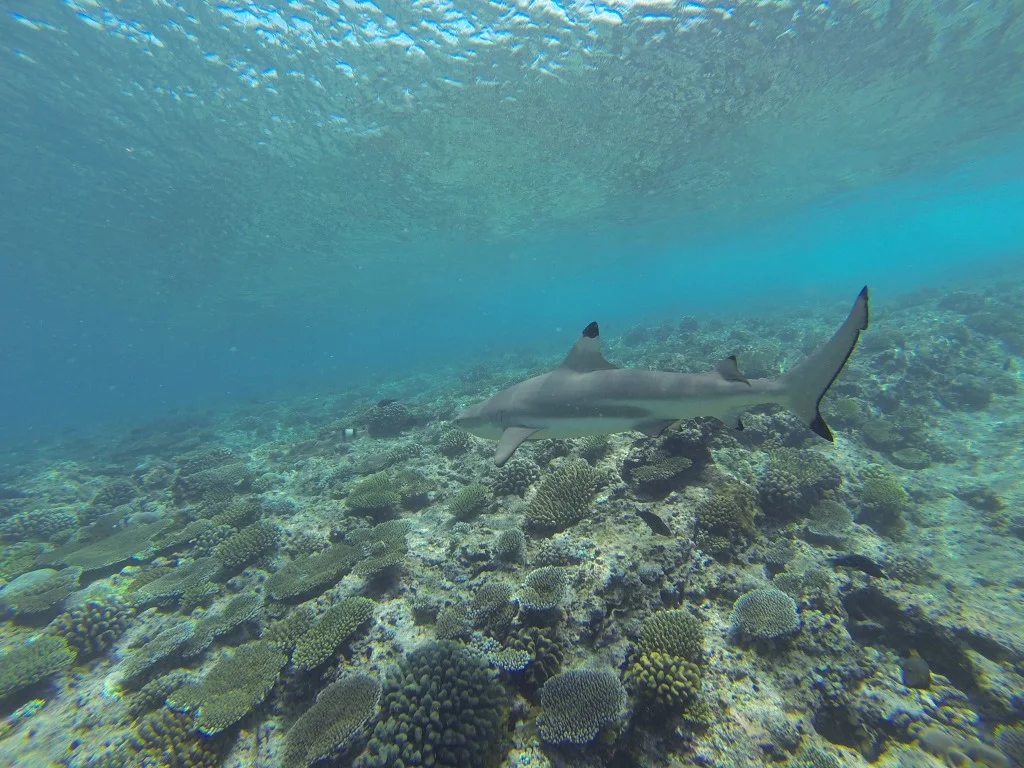
Rocky Bay's underwater realm is rich with varied marine organisms. During the winter aggregation, ragged-tooth sharks become a primary draw on the reefs.
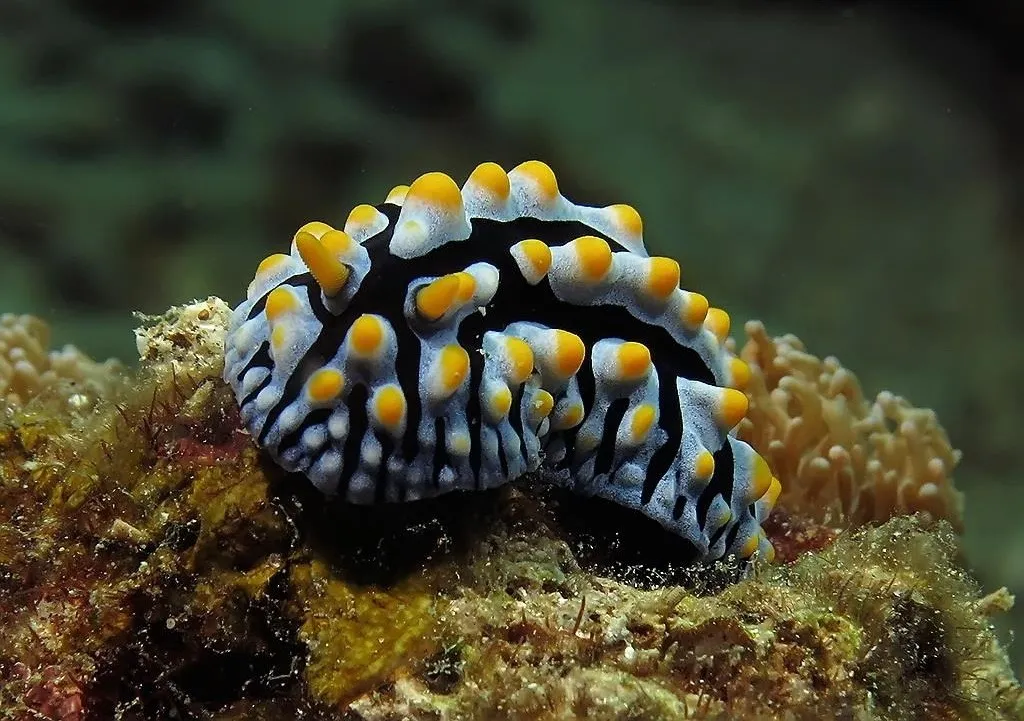
Beyond larger pelagic species, reefs host an impressive array of macro life; nudibranchs are frequently spotted nestled within crevices and across seaweed-covered surfaces. Deeper reefs often reveal basket stars, while inshore gullies sometimes contain galjoen.
Divers will also observe solitary squirts, common feather stars, and golden cucumbers, alongside diverse encrusting sponges and a few small sea fans, all contributing to a vibrant reef ecosystem. Turtles and rays are also commonly encountered, adding to the diversity.

Dive Sites Near Rocky Bay
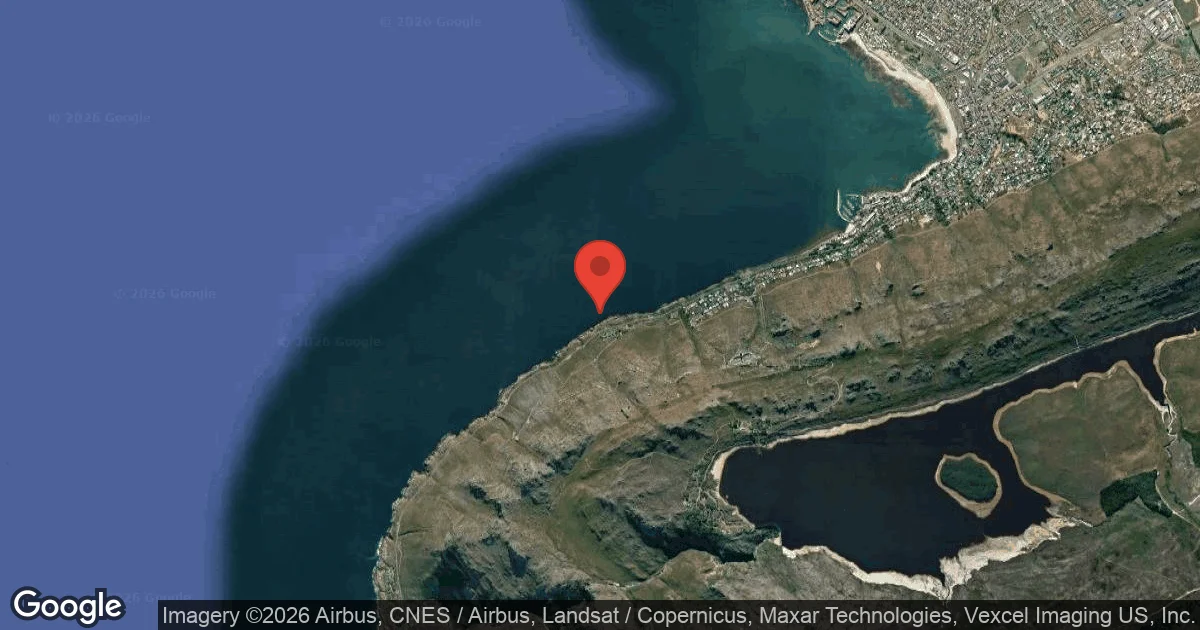
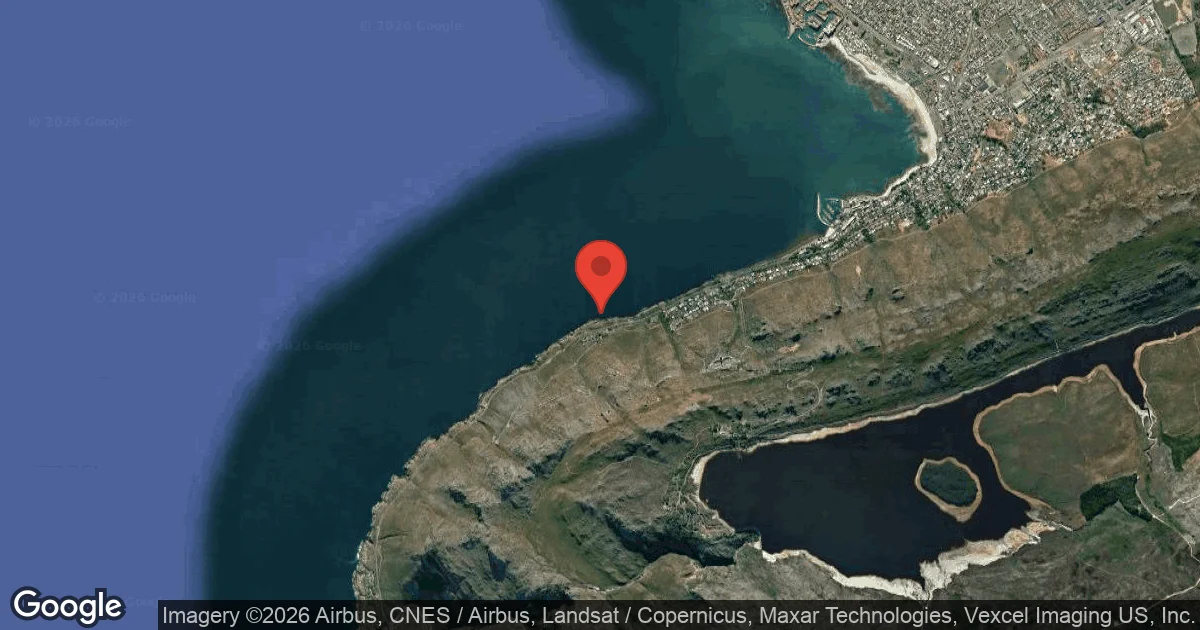
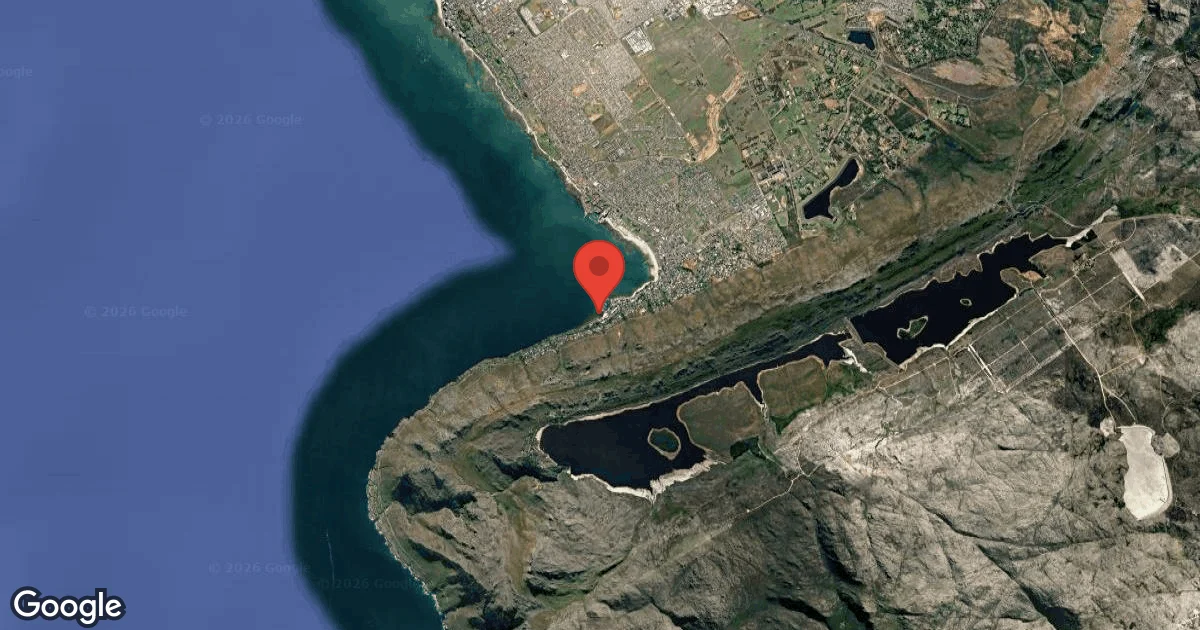
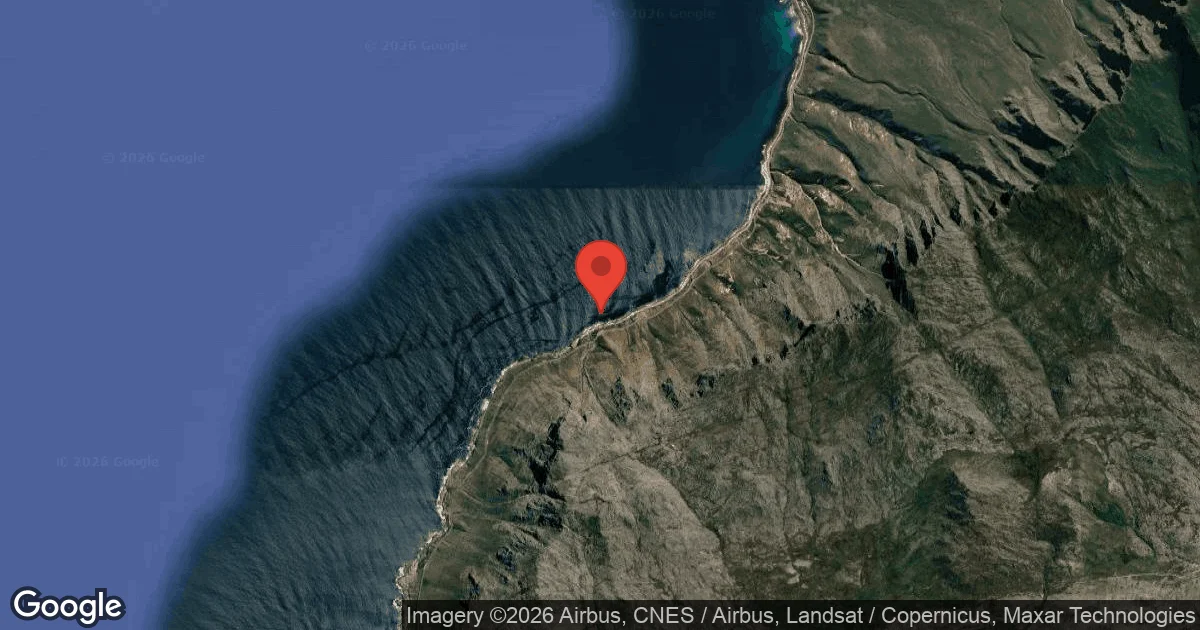
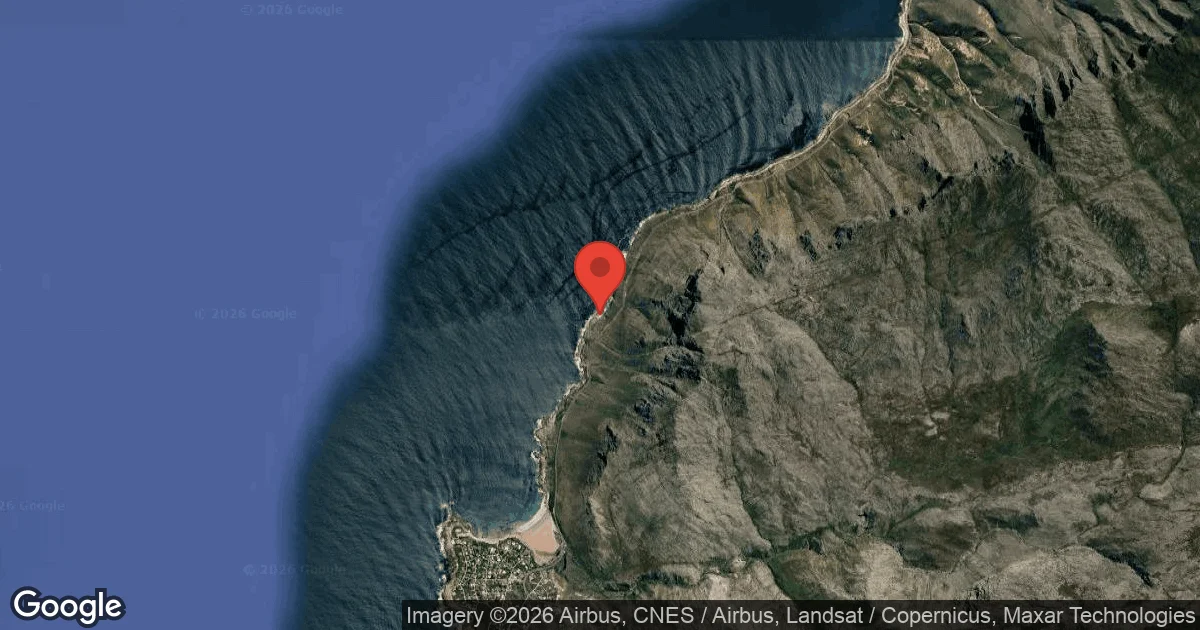
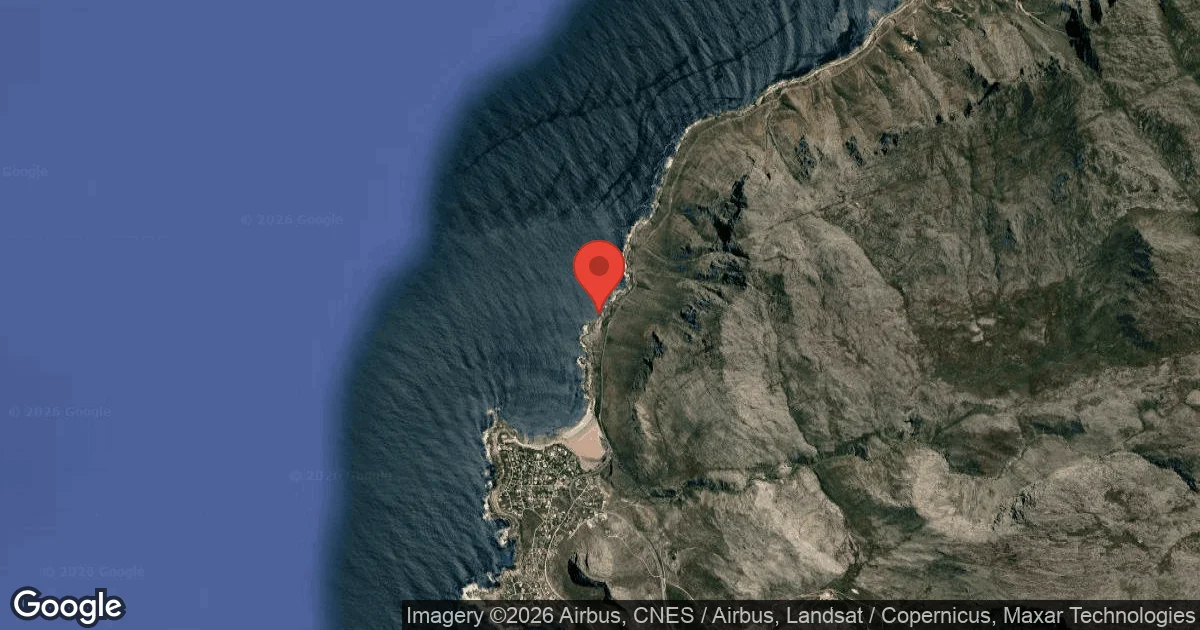
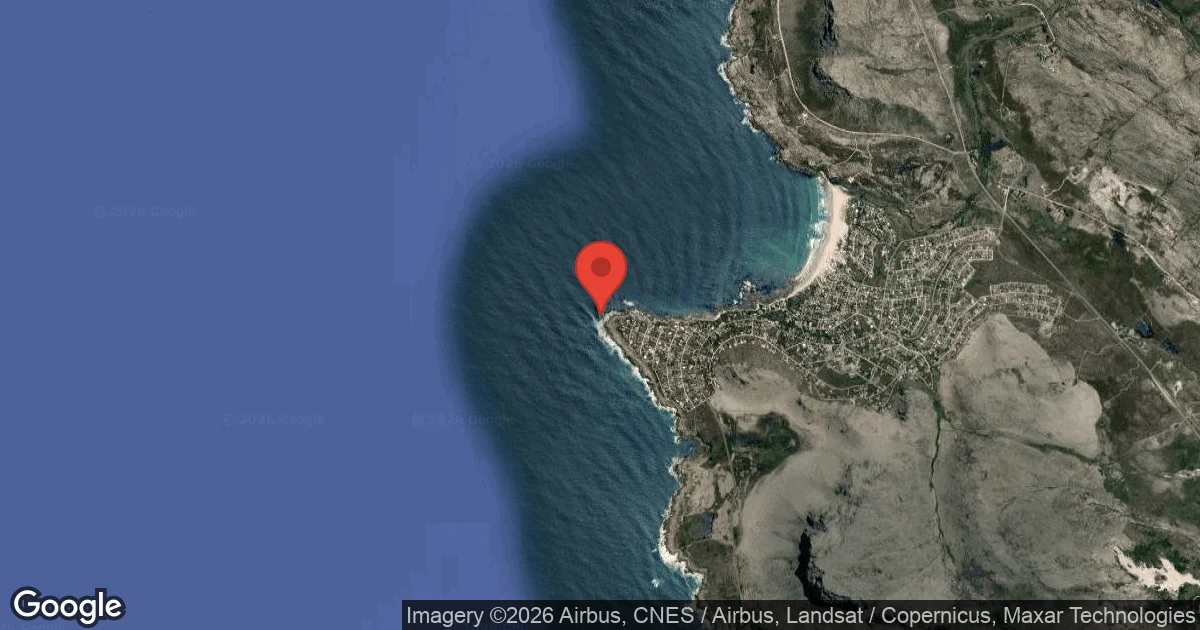
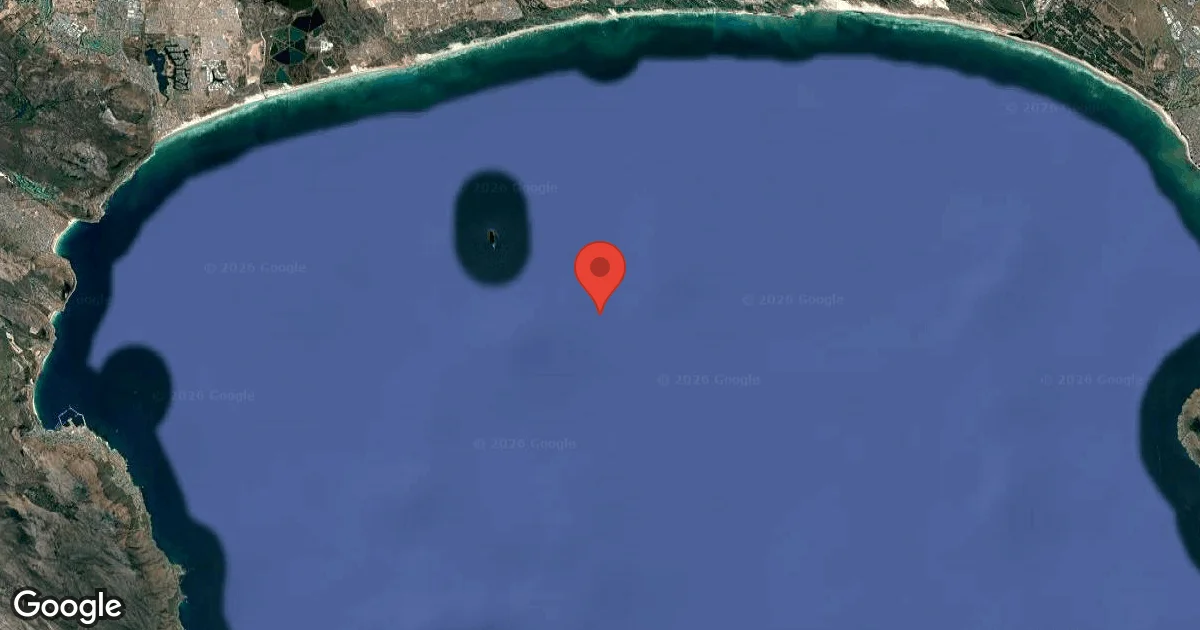
View all dive sites in South AfricaDiscover more underwater gems in this area.
Dive Centers Near Rocky Bay
Today: 08:00 - 16:30



Nearest Airports
Nearest airports to help plan travel to this dive area.
Search Flights
Check available flights and routes on Expedia, using the nearby airports listed in this section.
Search Flights on ExpediaFrequently Asked Questions
What is the typical dive depth at Rocky Bay?
Average dive depths are around 15 m (50 ft), but specific sites can reach a maximum of 25 m (82 ft). For advanced divers, some areas go as deep as 40 m (130 ft).
What is the visibility like at Rocky Bay?
Visibility generally ranges from 10-25 m (33-82 ft). However, actual conditions depend heavily on recent weather patterns and prevailing currents.
When is the best time to see ragged-tooth sharks?
Ragged-tooth sharks are seasonally present, typically aggregating during the cooler winter months. This period can offer excellent shark encounters despite potentially less favorable general dive conditions.
What level of diving experience is recommended for Rocky Bay?
Rocky Bay is considered an intermediate dive site. Divers exploring the deeper reefs (20-40 m / 66-130 ft) should possess an Advanced Open Water certification or equivalent experience.
How do divers access the dive sites?
All dive sites at Rocky Bay are accessed exclusively by boat. Charters typically operate from a launch area near Rocky Bay Resorts.
What kind of marine life can I expect to see beyond sharks?
Beyond the seasonal ragged-tooth sharks, divers frequently encounter diverse macro life like nudibranchs, basket stars, and various reef fish such as galjoen. The reefs also host turtles, rays, and a rich assortment of invertebrates like feather stars and sponges.
Is Rocky Bay part of a Marine Protected Area?
Yes, Rocky Bay is perfectly positioned to provide easy access to the northern and southern reefs of the Aliwal Shoal Marine Protected Area (MPA), which protects a large diversity of marine life.
Planning to dive Rocky Bay?
Send one inquiry and receive offers directly from the best verified local dive operators.
Conditions are Moderate
High Wind Advisory (48km/h). Unsafe surface.
Current conditions near Rocky Bay show 13° air, 13° sea temperature, 1.8 m waves, and 48 km/h wind. Forecast data is refreshed regularly to ensure accuracy.