
Diving at Mike's Point (South Africa)
Mike's Point presents a dive site close to shore, though boat access is often favored over the long swim from Container Bay. Originally "Ankers," named for a house above its cove, the reef sits on False Bay's east side, near Cape Town. Divers planning a visit should anticipate variable conditions.
Evening condition tracking at Mike's Point features an air temperature of 14°C. We have recorded wave heights measuring 2.4 m during this period. These figures outline the environmental parameters currently present.
Dive Site Location & Key Facts
Dive Site Overview
Diving Mike's Point offers a journey into a reef characterized by rock formations and sandy channels, reaching a maximum depth of about 20 m (66 ft). This area, once known as "Ankers" for a house on the rise above its cove, received a rebuild in 2003.
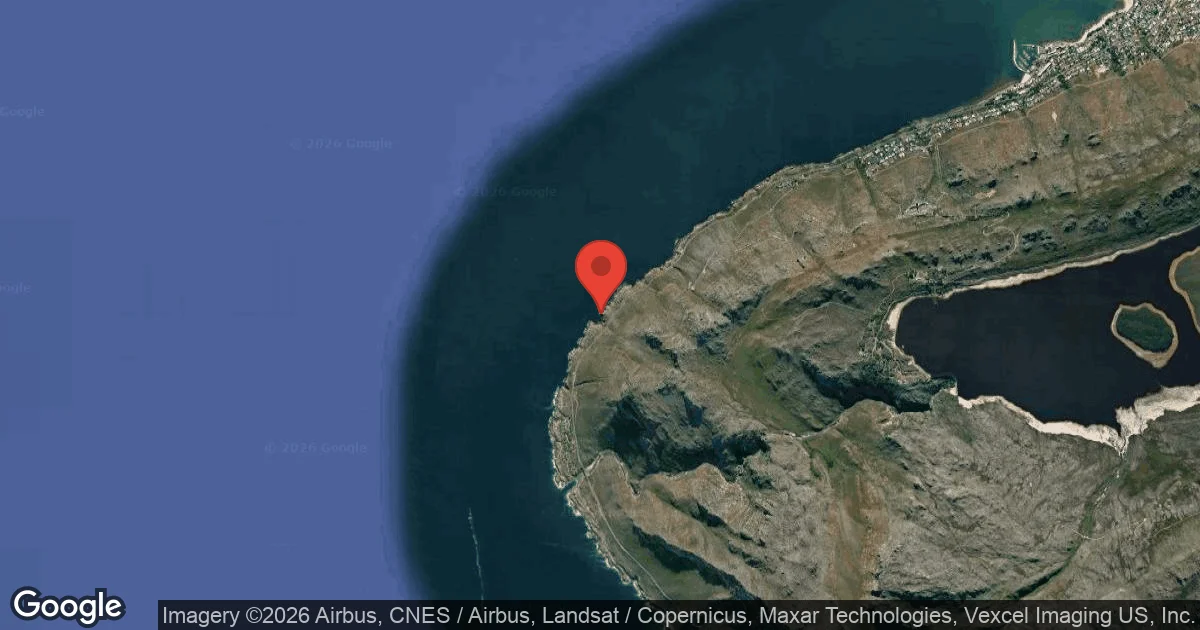
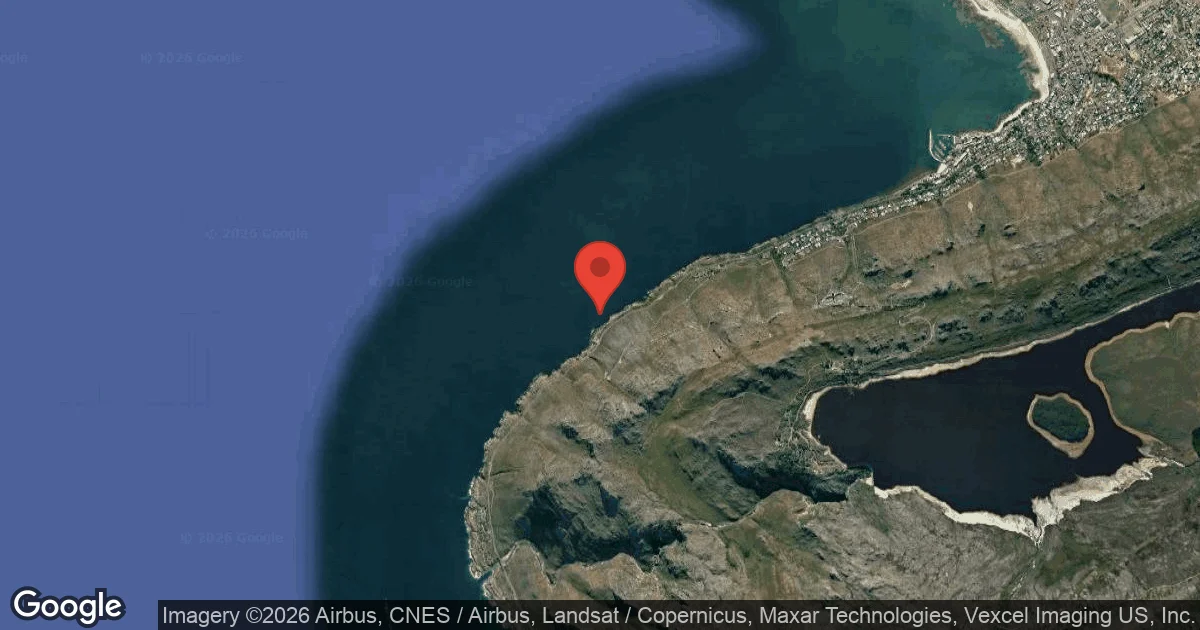
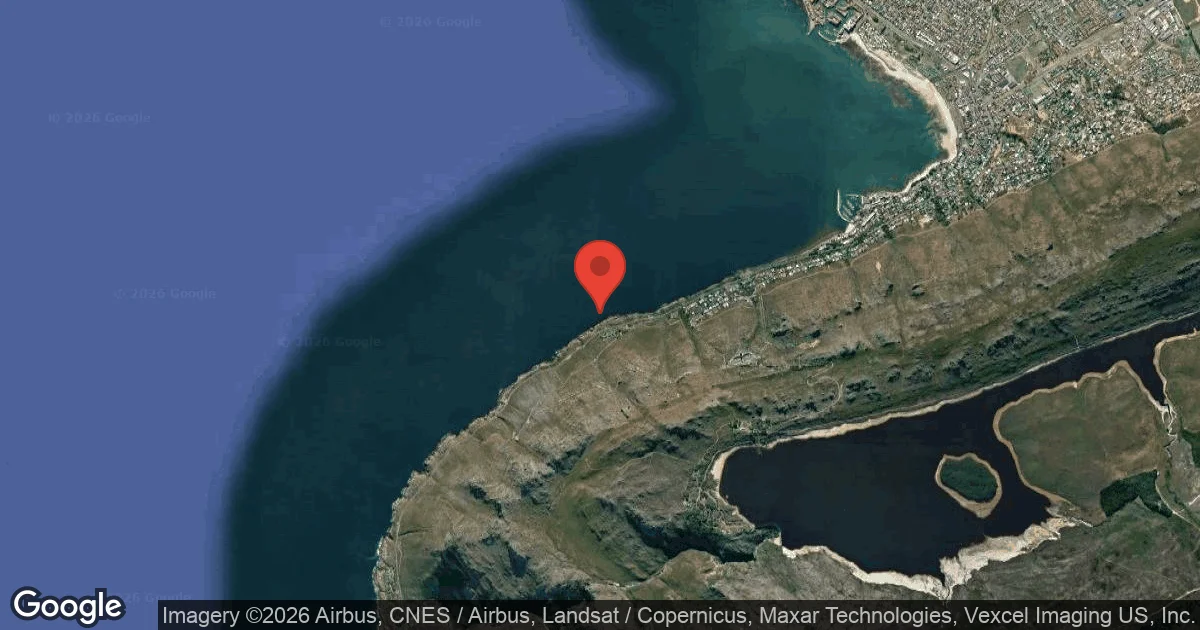
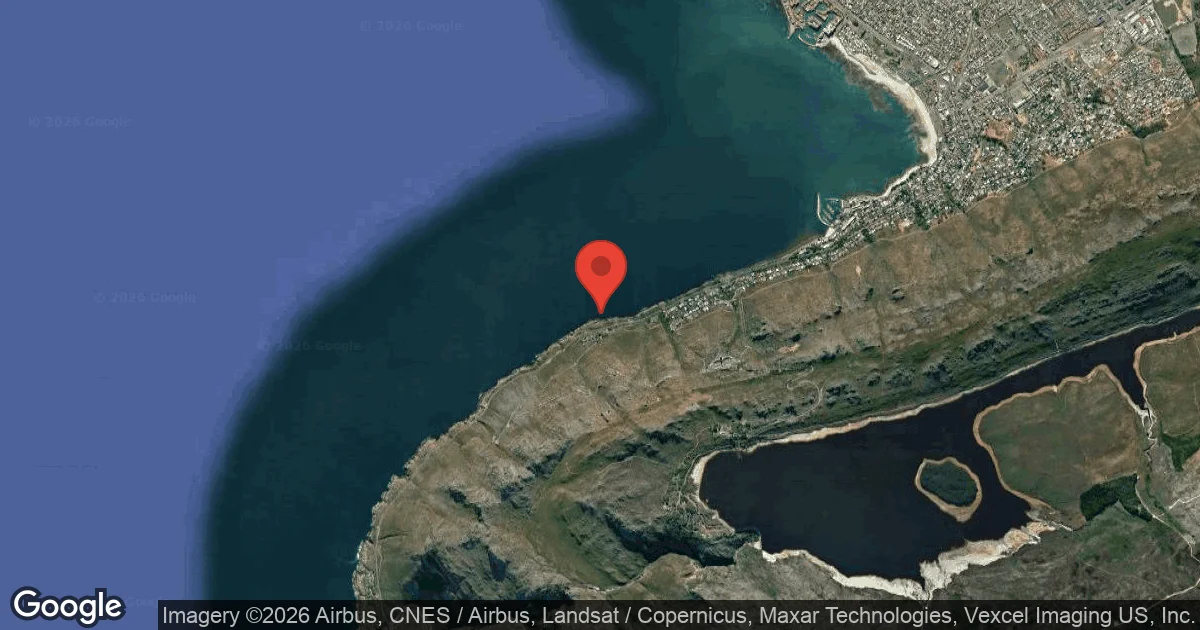
It's situated on False Bay's east side within the Rooi-Els area, near Cape Town. Divers have two primary access options: a boat dive, generally recommended for convenience, or a shore entry from Container Bay. Opting for shore entry demands a swim of at least 200 meters (656 ft) to reach the main dive zone, making boat access a more direct approach despite the site's proximity to shore.
Visibility conditions here usually range from 15 m to 25 m (49 ft to 82 ft), with an average around 20 m (66 ft), facilitating clear views of the underwater topography and resident marine life. Currents are typically limited, fostering a relaxed experience for all certified diver levels.
Expect a calm environment below the surface, which allows ample time for exploring reef crevices and open sand patches.
Conditions are Poor
High Swell Advisory. Not recommended.
Current conditions near Mike's Point show 14° air, 13° sea temperature, 2.4 m waves, and 51 km/h wind. Forecast data is refreshed regularly to ensure accuracy.
Best Time to Dive
For divers considering Mike's Point, the site is accessible for exploration throughout the entire year. While year-round diving is possible, conditions for an optimal experience tend to fluctuate. The months from January to April and October to December generally present more moderate dive conditions, aligning with warmer air temperatures that average between 16.5°C (62°F) and 21°C (70°F). During these periods, rain levels are typically lower, averaging under 2.3 mm per month. Conversely, the cooler, wetter winter months from May to September are often categorized as having poorer dive scores. Air temperatures during these months can drop to around 12.5°C (54°F) in July, accompanied by higher average rainfall, sometimes exceeding 6 mm. Although specific water temperature data isn't consistently reported for the site, divers should anticipate cooler conditions corresponding with the general seasonal shifts. Wave heights are also a factor; they are lower during the moderate score months, averaging around 2.5-2.8 m (8-9 ft), but can increase significantly, reaching up to 3.8 m (12.5 ft) in July, which may impact comfort and access, especially for boat entries. Wind speeds remain fairly consistent throughout the year, typically ranging from 23 to 28 km/h (14-17 mph), which can influence surface conditions.
PEAK SEASON SCORE
Scores combine air & water temps, waves, wind & rainfall for overall conditions.
BEST MONTHS TO DIVE
Monthly records compiled from satellite and marine observation nodes over the last 3 years. Data provided by Open-Meteo and MET Norway.
Dive Experience & Conditions
Limited current dynamics at Mike's Point typically lead to a calm underwater experience, suitable for various skill levels. Divers can navigate the rock formations and sandy channels with relative ease, avoiding strong flows. Visibility often stands out as a highlight, usually ranging from 15 m to 25 m (49 ft to 82 ft), with an average around 20 m (66 ft). This clarity facilitates expansive views of the reef structure and its resident marine life. While a reef dive, reaching a maximum recreational depth of about 20 m (66 ft), consistent visibility aids exploration of both shallower and deeper sections. Saline water is naturally present, typical for an ocean site on South Africa's coast. Prevailing conditions support a comfortable, clear diving experience, encouraging detailed observation without constant effort against elements.
Dive Difficulty & Safety Guidelines
Considering diver skill context, Mike's Point is generally suitable for all certified diver levels, thanks to its typically limited current.
However, planning should account for access. While shore entry is possible from Container Bay, it involves a substantial 200 m (656 ft) swim to the main dive area, making a boat dive the recommended and safer option for most to conserve energy and ensure efficient entry.
There are no specific hazards consistently reported for this site, though standard reef diving protocols always apply. Divers should maintain proper buoyancy to avoid contact with the fragile reef and practice responsible interaction with marine life.
Permits are not consistently reported as required, but checking local regulations before diving is always advisable. Adhering to these guidelines ensures a safe and enjoyable exploration of the reef and its inhabitants.
Recommended Equipment
- Dive Computer
This gear list is based on verified equipment signals for Mike's Point, South Africa. Always confirm final gear choices with your dive operator, guide, or liveaboard.
Recommended Dive Suit
The latest conditions reported around Mike's Point place the water temperature close to 13°C (56°F). Surface air temperatures are resting at 14°C (57°F).
For the majority of recreational dives here, 7mm wetsuit or semidry should provide suitable protection. Consider warmer surface protection (like a boat coat) due to brisk winds. A thermal robe or jacket is recommended between dives.
Surface conditions are expected to warm up slightly in the coming days. A warming trend is expected over the next few days.
Emergency & Medical Support
Essential information to help you plan your dive trip to Mike's Point.

Hyperbaric chambers are a critical part of dive safety infrastructure. Availability varies significantly by region, and not all dive areas have immediate access.
Before diving, it's recommended to:
- confirm nearest medical facilities
- check emergency procedures with local dive operators
- ensure dive insurance covers evacuation if required
Divers Alert Network
Diving emergency assistance available through DAN Southern Africa.
+27828106010- 24/7 emergency hotline
- Diving medical assistance
- Evacuation coordination
Emergency contacts are provided for reference. Always verify local emergency services before diving.
Marine Life at Mike's Point
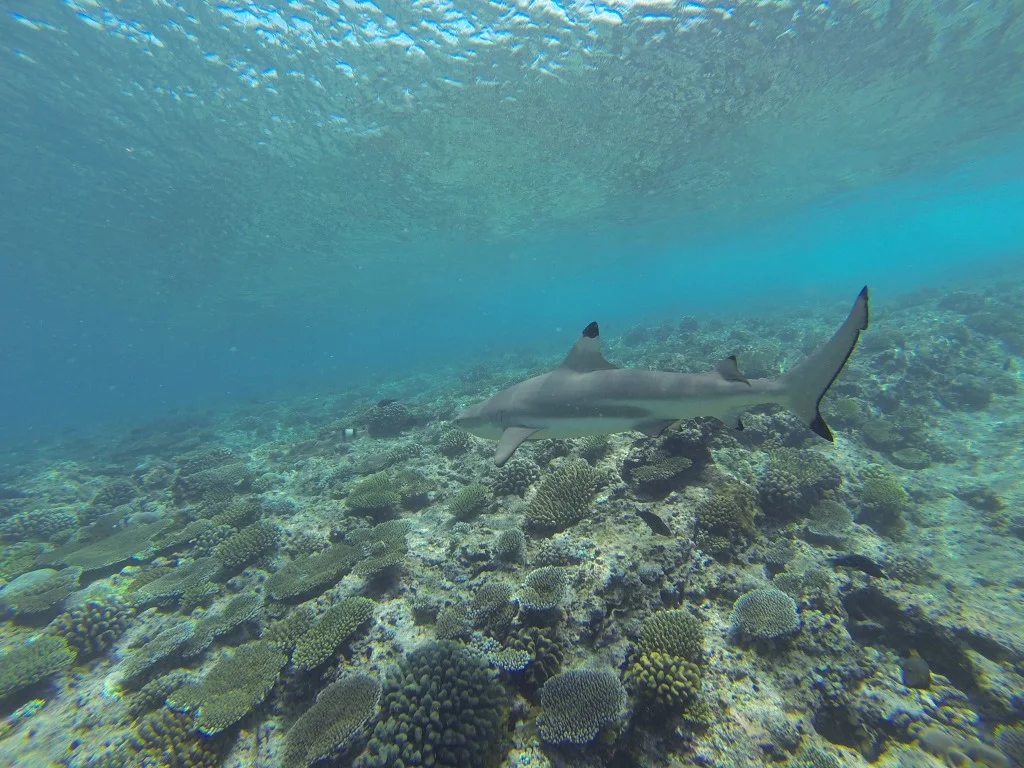
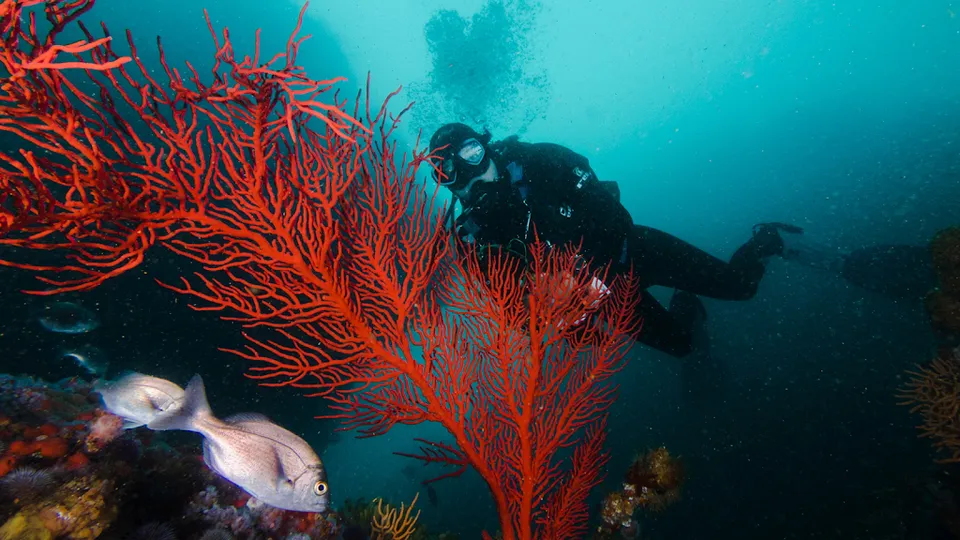
A marine life focus at Mike's Point reveals an ecosystem similar to other sites in the vicinity, like Coral Gardens and Container Bay. Divers frequently report encounters with larger pelagic species, including various sharks, whales, dolphins, and turtles.
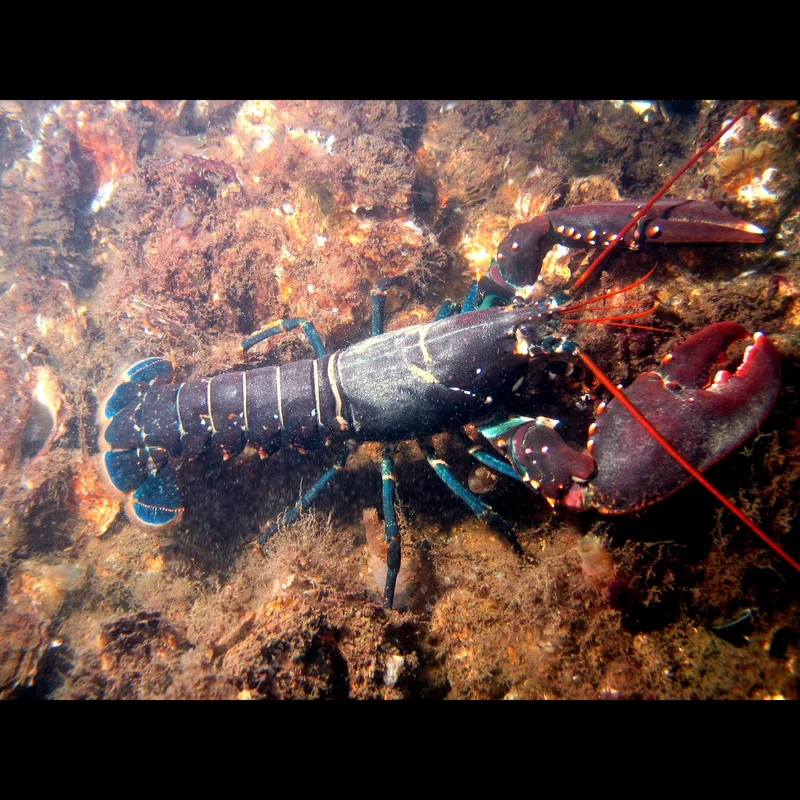
Within the reef's structure and sandy channels, lobster are a common sight, navigating the substrate. While specific species details are not always consistently logged, the general abundance of both macro and migratory marine animals contributes significantly to the dive experience.
Observing these creatures in their natural habitat adds a dynamic element to exploring the rock formations.
Dive Sites Near Mike's Point
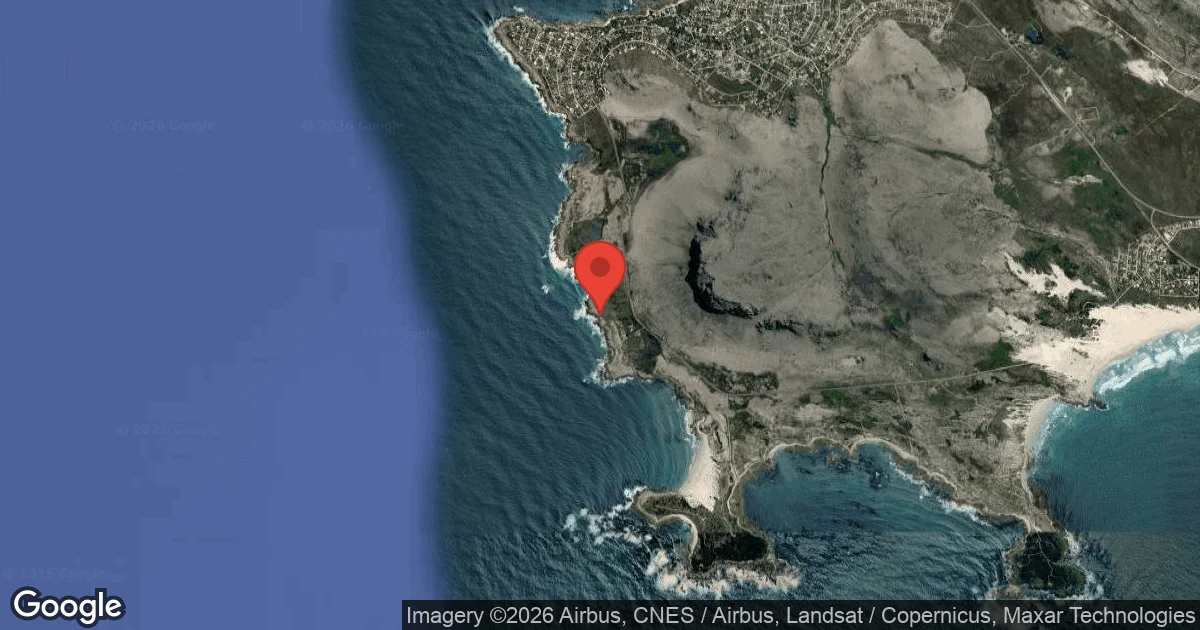
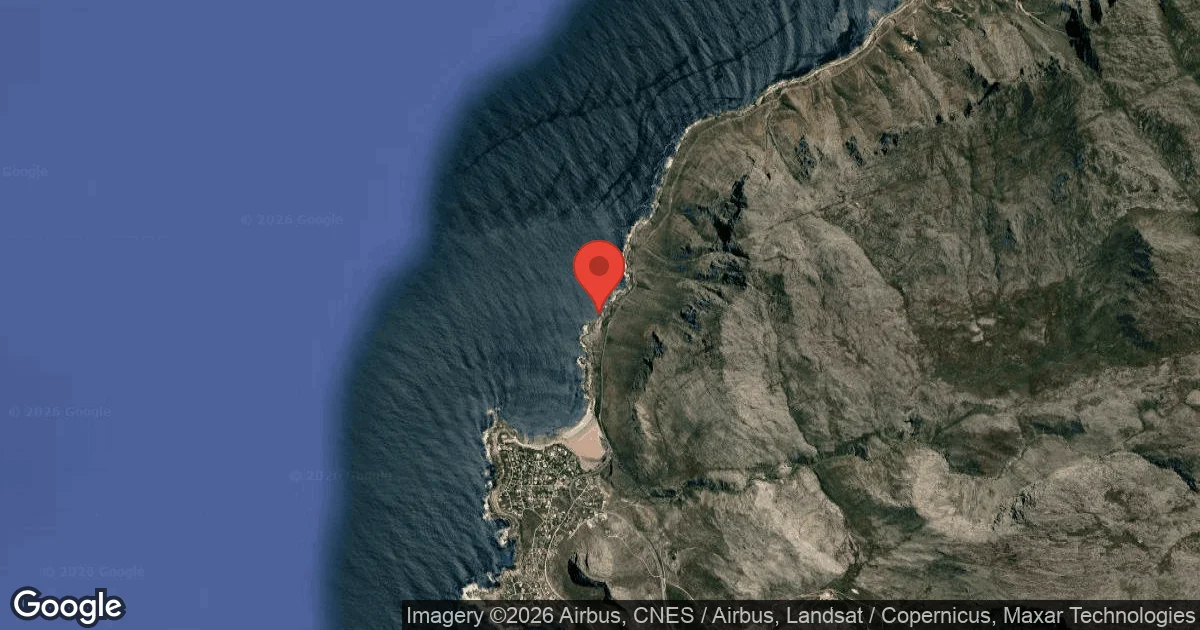
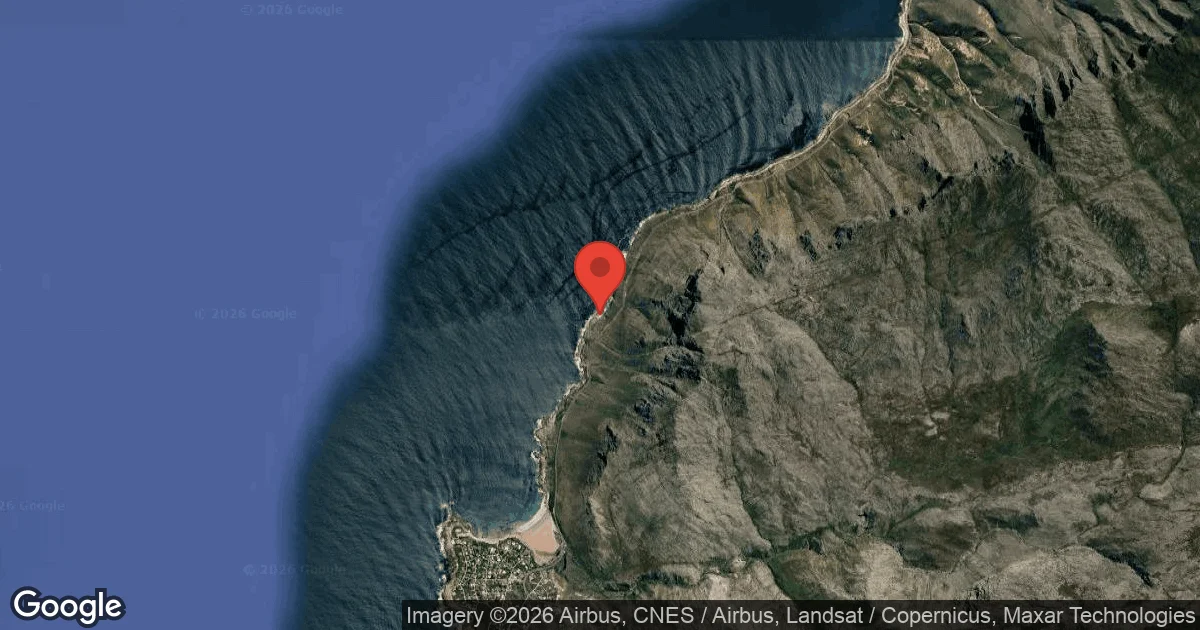
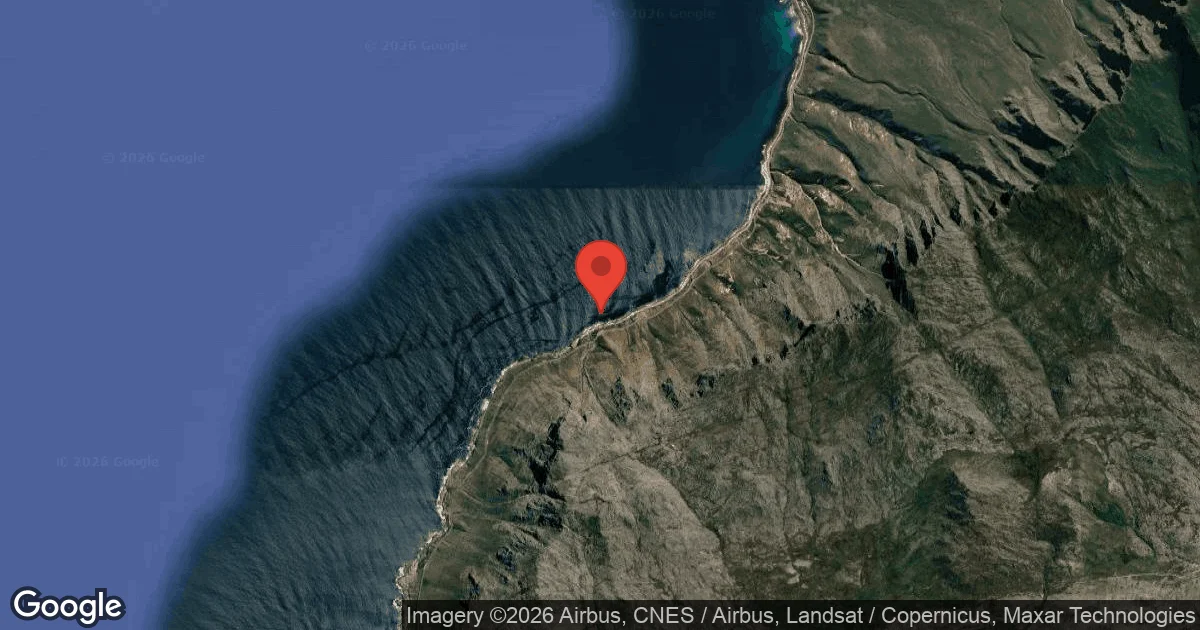
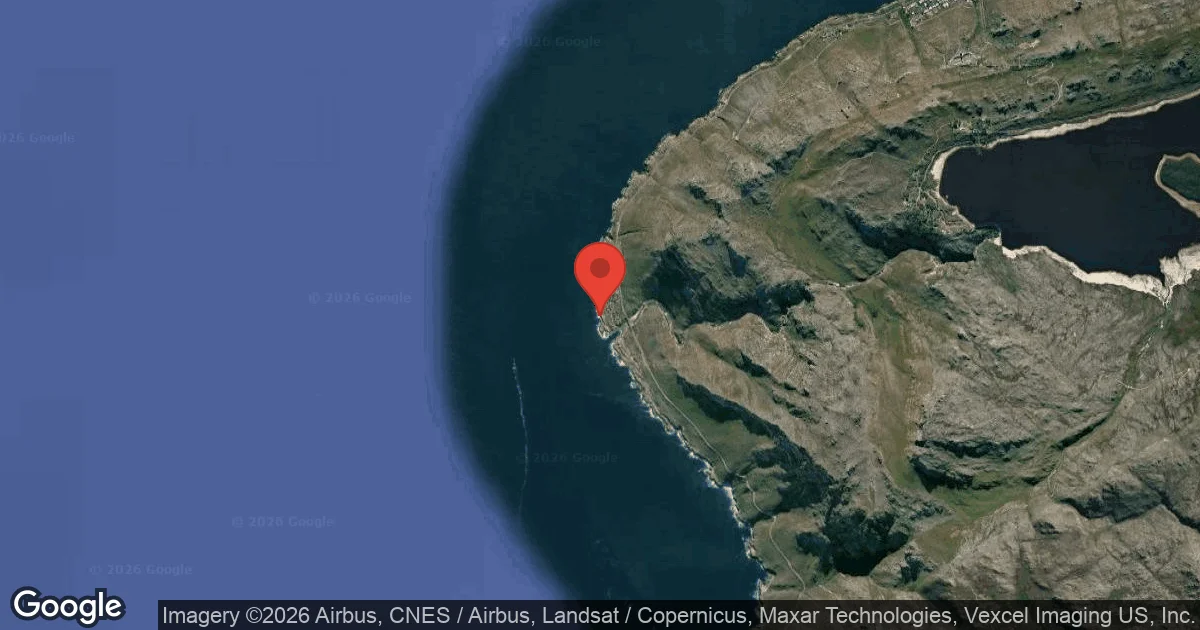
View all dive sites in South AfricaDiscover more underwater gems in this area.
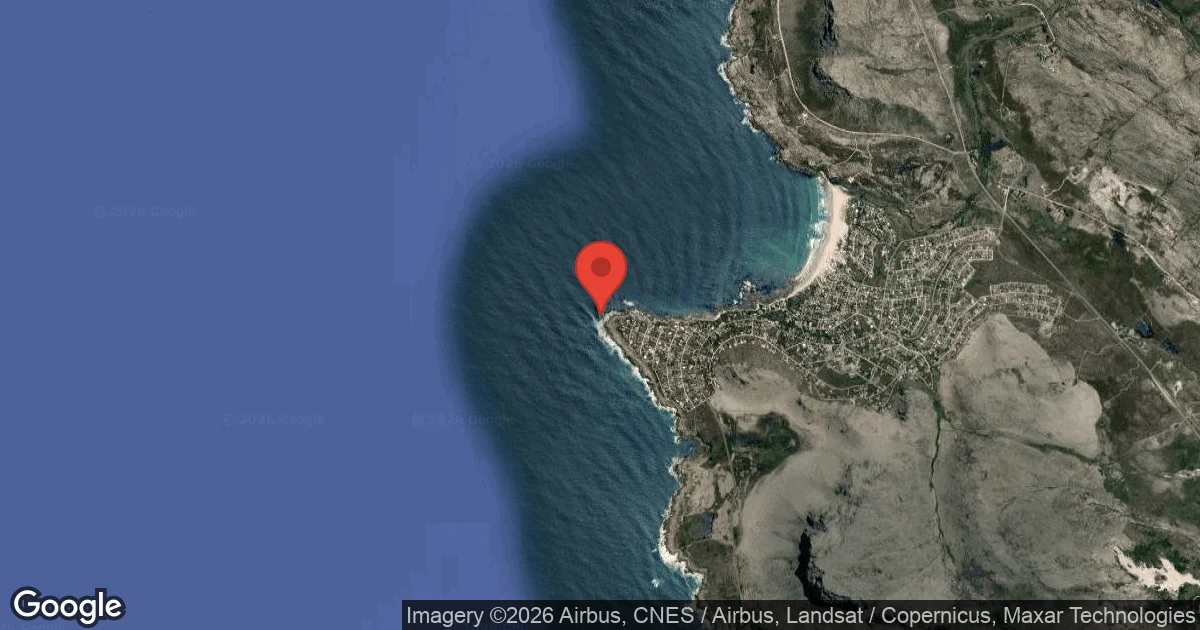
Dive Centers Near Mike's Point
Today: 08:00 - 16:30
Nearest Airports
Nearest airports to help plan travel to this dive area.
Search Flights
Check available flights and routes on Expedia, using the nearby airports listed in this section.
Search Flights on ExpediaFrequently Asked Questions
How is Mike's Point typically accessed?
Access is primarily by boat, though shore entry from Container Bay is possible. Shore access requires a significant 200 m (656 ft) swim to the main dive area, making boat dives generally preferred.
What are the typical visibility conditions at Mike's Point?
Divers can expect good visibility, generally ranging from 15 m to 25 m (49 ft to 82 ft). An average of 20 m (66 ft) is often reported, providing clear views of the reef.
Is Mike's Point suitable for all diving experience levels?
Yes, Mike's Point accommodates all certified diver levels. Its typically limited current fosters a relaxed diving environment, making it accessible for less experienced divers.
What type of currents can divers expect at Mike's Point?
Expect generally limited currents at Mike's Point. This allows for comfortable navigation around the rock formations and sandy channels without significant effort.
What marine life might I encounter at Mike's Point?
Common sightings include various sharks, whales, dolphins, and turtles. Lobsters are also frequently spotted among the reef's structures.
When is the best time of year to dive Mike's Point?
Diving is possible year-round, but conditions are often more favorable from January to April and October to December. Warmer air temperatures and lower wave heights characterize these months.
What is the maximum depth at Mike's Point?
Recreational depths at Mike's Point typically reach around 20 m (66 ft). This maximum depth is usually found beyond the main point.
Planning to dive Mike's Point?
Send one inquiry and receive offers directly from the best verified local dive operators.
Conditions are Poor
High Swell Advisory. Not recommended.
Current conditions near Mike's Point show 14° air, 13° sea temperature, 2.4 m waves, and 51 km/h wind. Forecast data is refreshed regularly to ensure accuracy.