
Diving at Blousteen (South Africa)
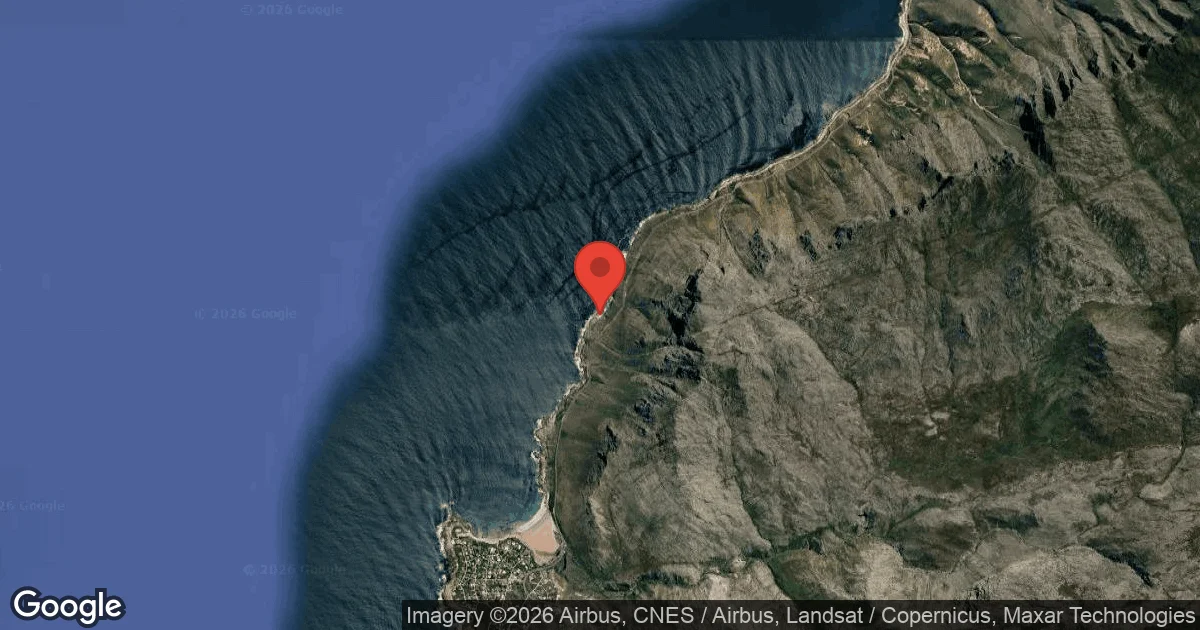
Imagine a dive where the land itself tells a story, etched beneath the waves. Blousteen Ridge in the Rooi-els area on False Bay's east side near Cape Town, Western Cape, presents a distinctive shore diving experience. A rocky reef is named for its prominent dark rock ridge at the entry point, a natural landmark. It promises a blend of scenic underwater topography and macro life, making it a compelling spot for those exploring South Africa's diverse coastline.
Evening condition tracking at Blousteen features an air temperature of 16°C. We have recorded wave heights measuring 2.1 m during this period. These figures outline the environmental parameters currently present.
Dive Site Location & Key Facts
Dive Site Overview
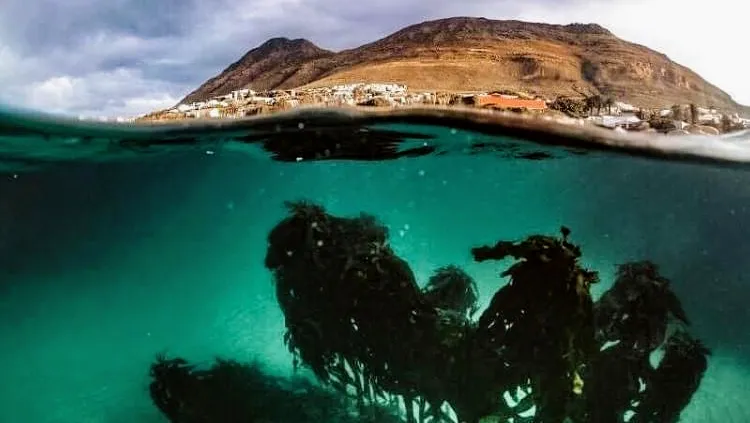
Blousteen Ridge's underwater landscape is defined by a shoreline rocky reef, a geological extension of the terrestrial features above. Site composition includes moderate size boulders and inshore outcrops, providing complex structures for marine inhabitants.
These formations create numerous crevices and ledges, ideal for sheltering smaller marine life. Depths generally reach about 17 m (56 ft), with an average around 9 m (30 ft), placing it comfortably within recreational limits. Exploring here, divers navigate a ridge of rock that runs close to and parallel to the shoreline, a few hundred meters southwest of Blouklip.
It's an excellent location for macro and close-up photography, given the variety of colorful animals encountered among the reef structure. Visibility at Blousteen Ridge often compares to other Rooi-els sites; 6 m (20 ft) would be good, with potential for greater clarity after an upwelling.
South Africa's general diving environment can present cool waters, potentially limited visibility, and rough surface conditions, contributing to the adventurous feel of this site. Importantly, Blousteen Ridge isn't within a Marine Protected Area, so no special permit is required to dive here.
Conditions are Moderate
High Wind Advisory (49km/h). Unsafe surface.
Current conditions near Blousteen show 16° air, 14° sea temperature, 1.9 m waves, and 49 km/h wind. Forecast data is refreshed regularly to ensure accuracy.
Best Time to Dive
The dive score data indicates that Blousteen Ridge offers 'Moderate' diving conditions from January to April and again from October to December. Conversely, the period from May to September is generally rated 'Poor' for diving. Air temperatures during the 'Moderate' months are considerably warmer, ranging from approximately 19°C (66°F) in November to 21.5°C (71°F) in February. In contrast, the colder months from June to August see average air temperatures drop to between 12.5°C (54°F) and 14.5°C (58°F). Rainfall is minimal during the more favorable diving periods, often less than 1 mm (0.04 inches), but significantly increases during the winter months, reaching up to 6.74 mm (0.27 inches) in July. Wave heights also tend to be lower in the 'Moderate' months, averaging around 2.1-2.4 m (6.9-7.9 ft), compared to the 'Poor' months where they can exceed 3 m (9.8 ft). This seasonal pattern suggests divers will experience more favorable surface conditions and warmer air temperatures during the South African summer and autumn.
PEAK SEASON SCORE
Scores combine air & water temps, waves, wind & rainfall for overall conditions.
BEST MONTHS TO DIVE
Monthly records compiled from satellite and marine observation nodes over the last 3 years. Data provided by Open-Meteo and MET Norway.
Dive Experience & Conditions
Accessing Blousteen Ridge typically involves a shore entry, navigating potentially variable surface conditions. The site itself presents a generally relaxed dive experience once underwater. Visibility is not consistently reported with exact values, but it often compares to other Rooi-els sites; 6 m (20 ft) would be considered good, with potential for greater clarity after an upwelling event. Water temperatures in the broader region can fluctuate, ranging from the low 50s at depth to about 70 degrees on the surface (10-21°C), varying significantly by season and localized upwellings. Strong surge is a possibility due to large swells, a common feature of this coastline. Local dive operators possess extensive experience in selecting sites best protected from prevailing wind and swell, which can make Blousteen Ridge a viable option during certain conditions. No special diving skills are explicitly required for this site, making it accessible to certified divers.
Dive Difficulty & Safety Guidelines
While no site-specific hazards for Blousteen Ridge are explicitly recorded, divers should be prepared for typical South African coastal conditions. These can include cool water, potentially limited visibility, rough surface conditions, and strong underwater surge.
Large swells can generate very strong underwater movement, which requires careful planning. A Marine Protected Area does not encompass the site, so no special permit is required for diving.
Always monitor weather conditions closely before planning a dive. Consulting with experienced local operators is highly recommended, as they often assess conditions daily and can provide guidance on the best available dive sites.
Recommended Equipment
- Dive Computer
This gear list is based on verified equipment signals for Blousteen, South Africa. Always confirm final gear choices with your dive operator, guide, or liveaboard.
Recommended Dive Suit
For many recreational divers, 7mm wetsuit or semidry provides a practical level of insulation in these conditions. Strong winds are present; please take strong precautions against rapid cooling during surface intervals. A thermal robe or jacket is recommended between dives. Divers who tend to get cold easily may prefer slightly thicker exposure protection.
At the moment, divers exploring Blousteen will likely experience water temperatures near 14°C (56°F). Surface air temperatures are resting at 16°C (60°F).
Temperatures look set to gradually increase over the next several days. A warming trend is expected over the next few days.
Emergency & Medical Support
Essential information to help you plan your dive trip to Blousteen.

Hyperbaric chambers are a critical part of dive safety infrastructure. Availability varies significantly by region, and not all dive areas have immediate access.
Before diving, it's recommended to:
- confirm nearest medical facilities
- check emergency procedures with local dive operators
- ensure dive insurance covers evacuation if required
Divers Alert Network
Diving emergency assistance available through DAN Southern Africa.
+27828106010- 24/7 emergency hotline
- Diving medical assistance
- Evacuation coordination
Emergency contacts are provided for reference. Always verify local emergency services before diving.
Marine Life at Blousteen
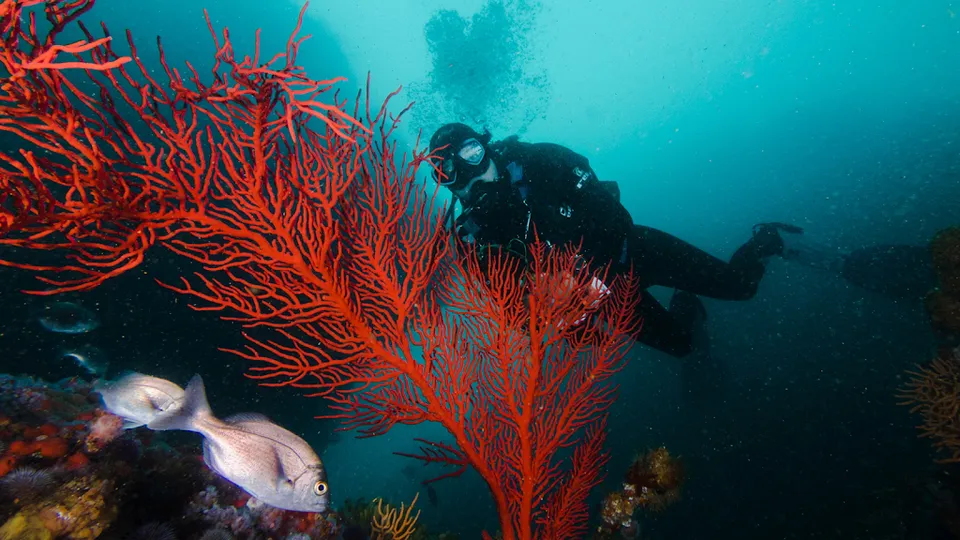
The rugged underwater landscape of Blousteen Ridge forms a habitat rich in macro life, providing ample opportunities for close-up observation and photography. Divers can expect to find a variety of colorful invertebrates adorning the reef.
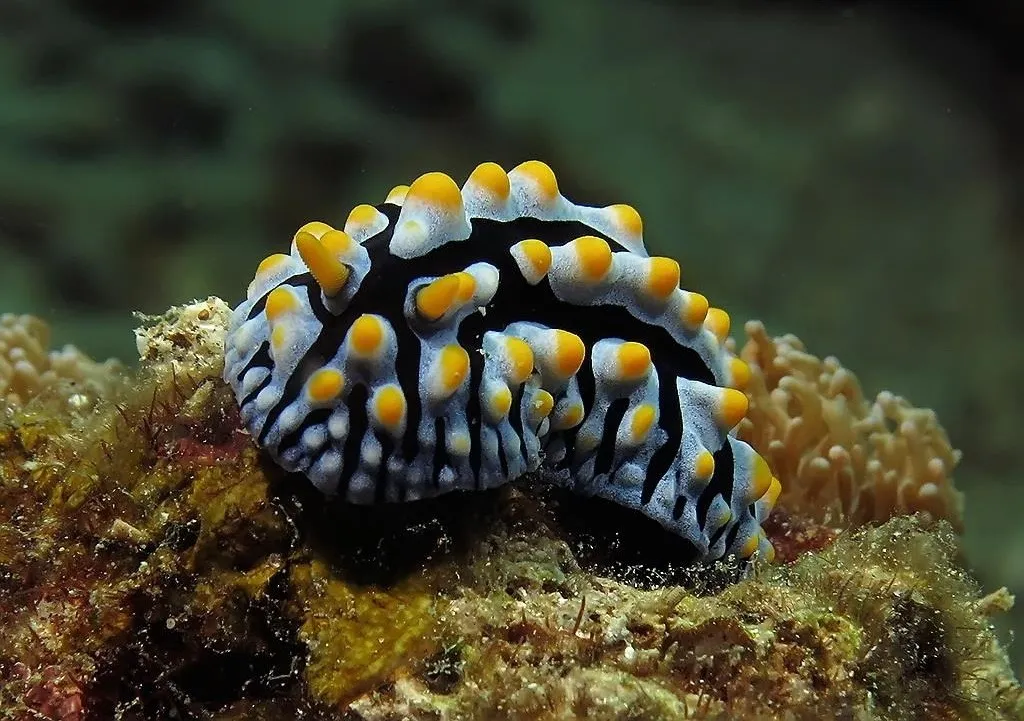
Nudibranchs are a notable highlight, with species such as Gas flame nudibranchs and Scribbled nudibranchs documented. Sponges are also common, often appearing in an encrusting morph across the rocky surfaces, adding texture to the environment.
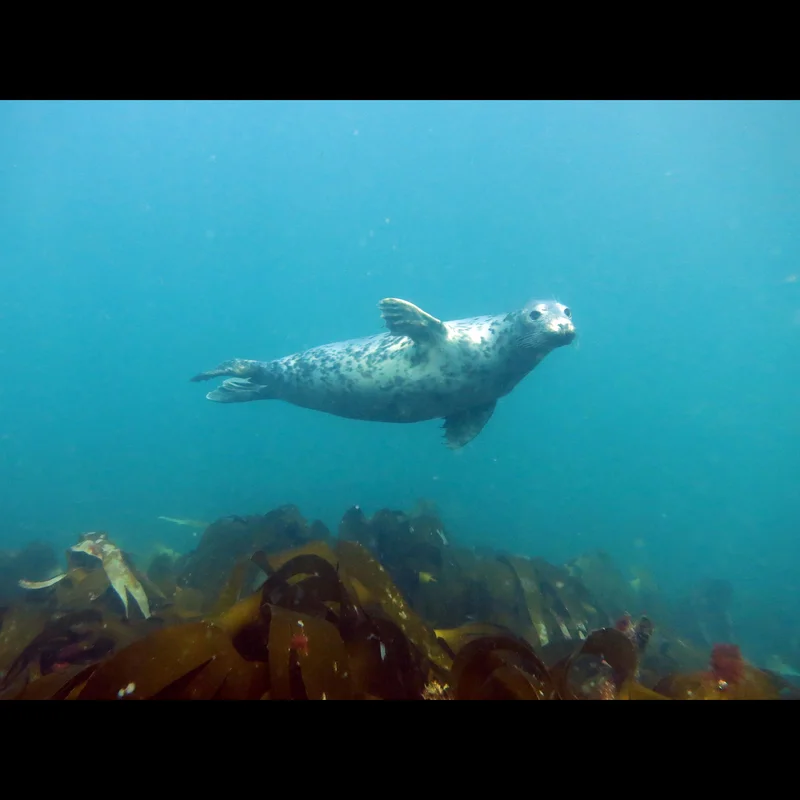
While not a constant presence, the occasional appearance of the Cape fur seal adds an exciting element to the dive. The boulders and outcrops create a complex, three-dimensional habitat where various marine species find refuge and sustenance.
Dive Sites Near Blousteen
View all dive sites in South AfricaDiscover more underwater gems in this area.
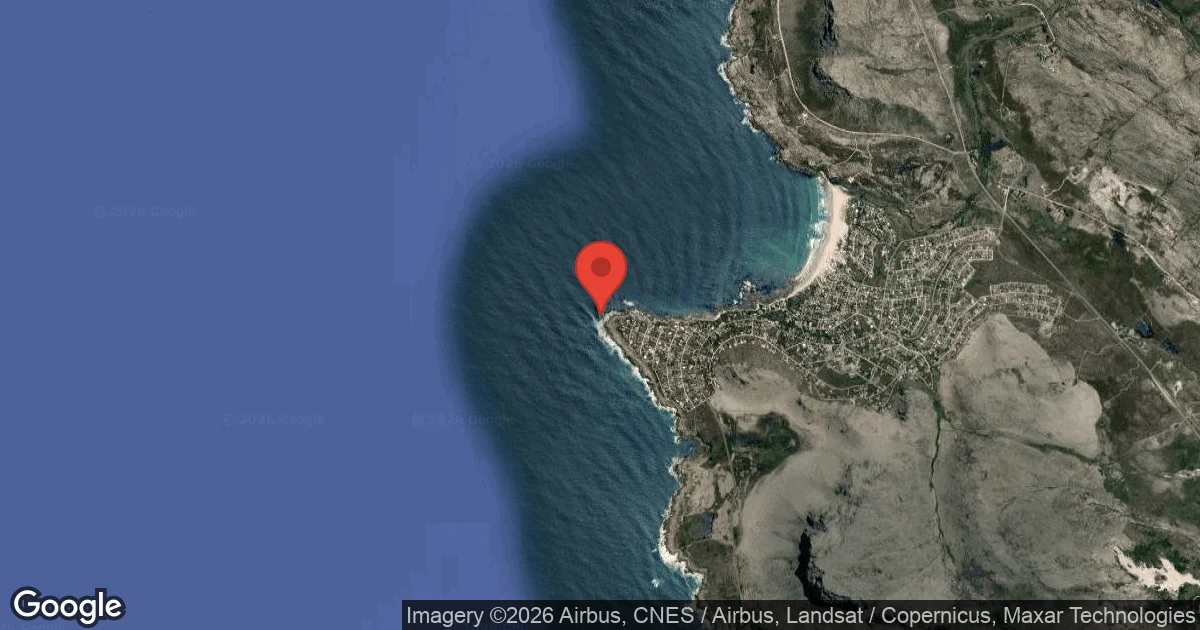
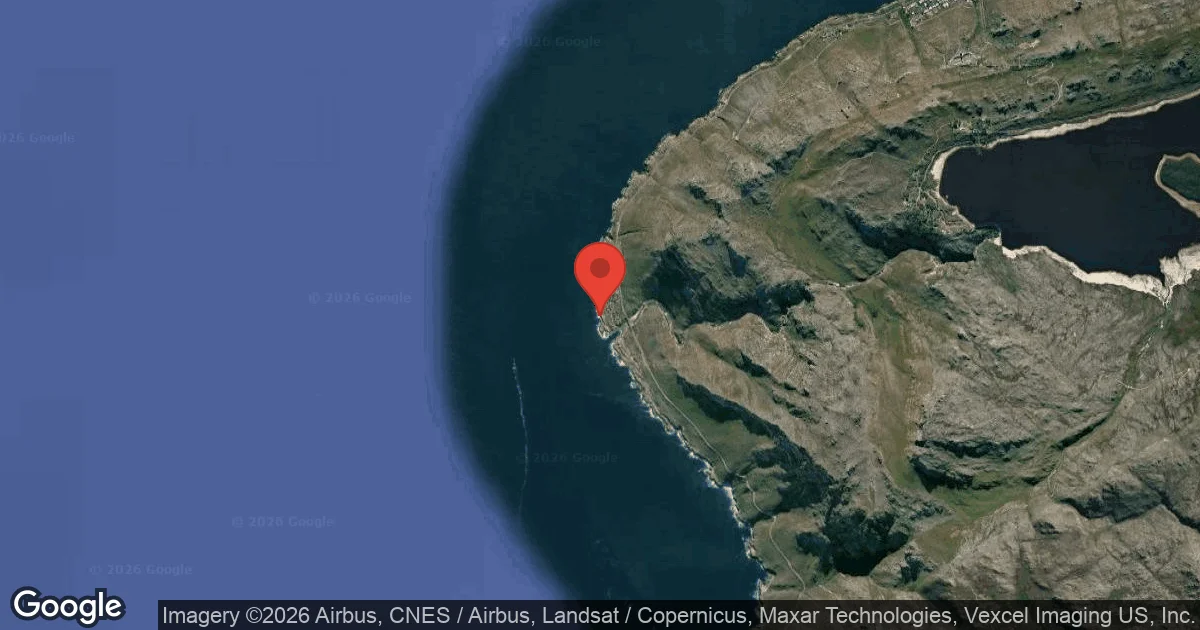
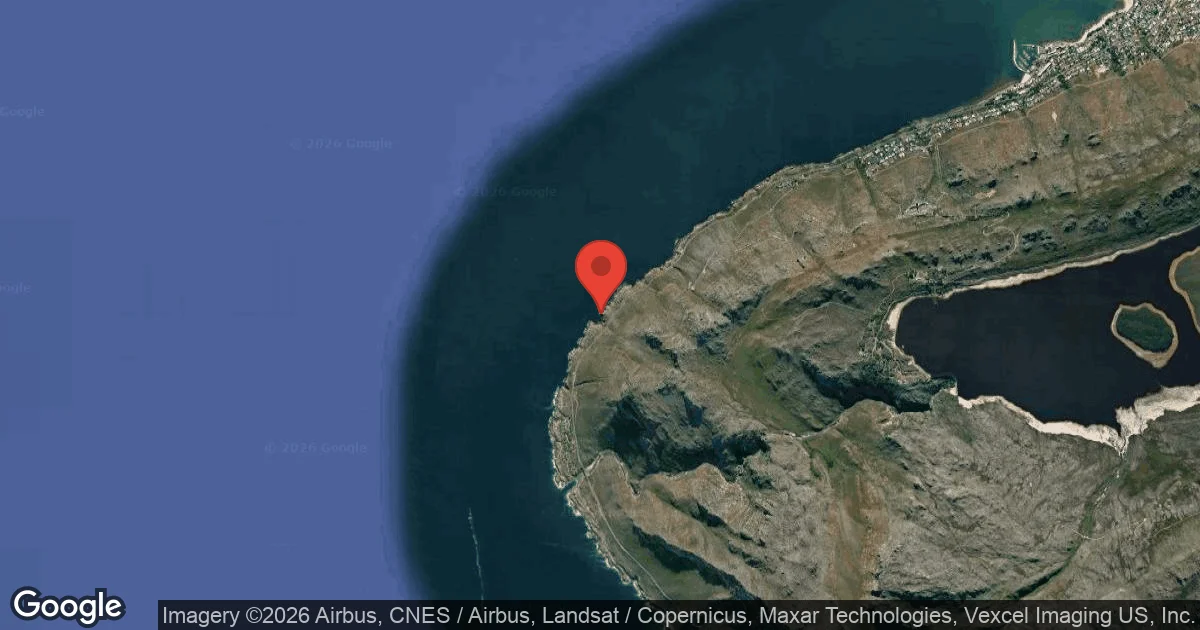
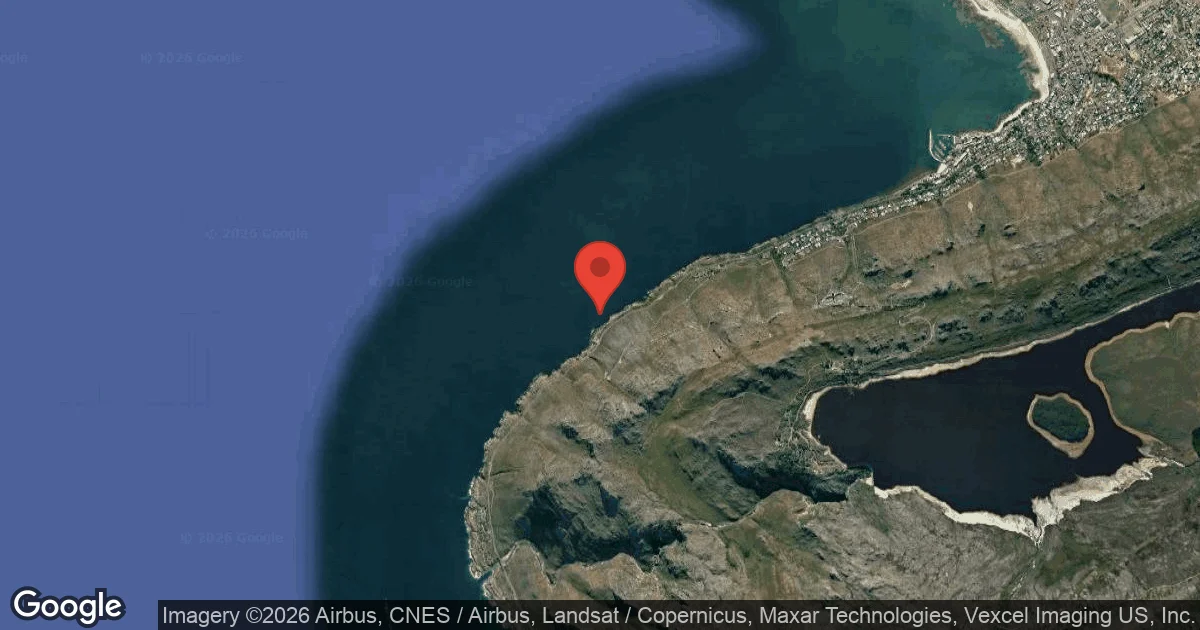
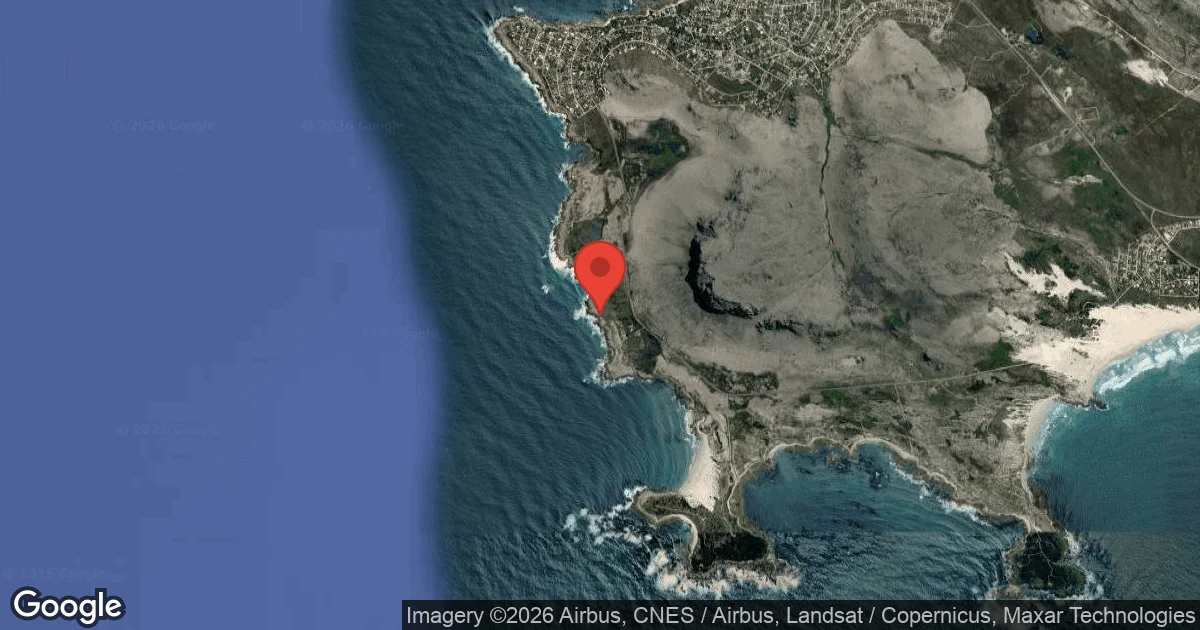
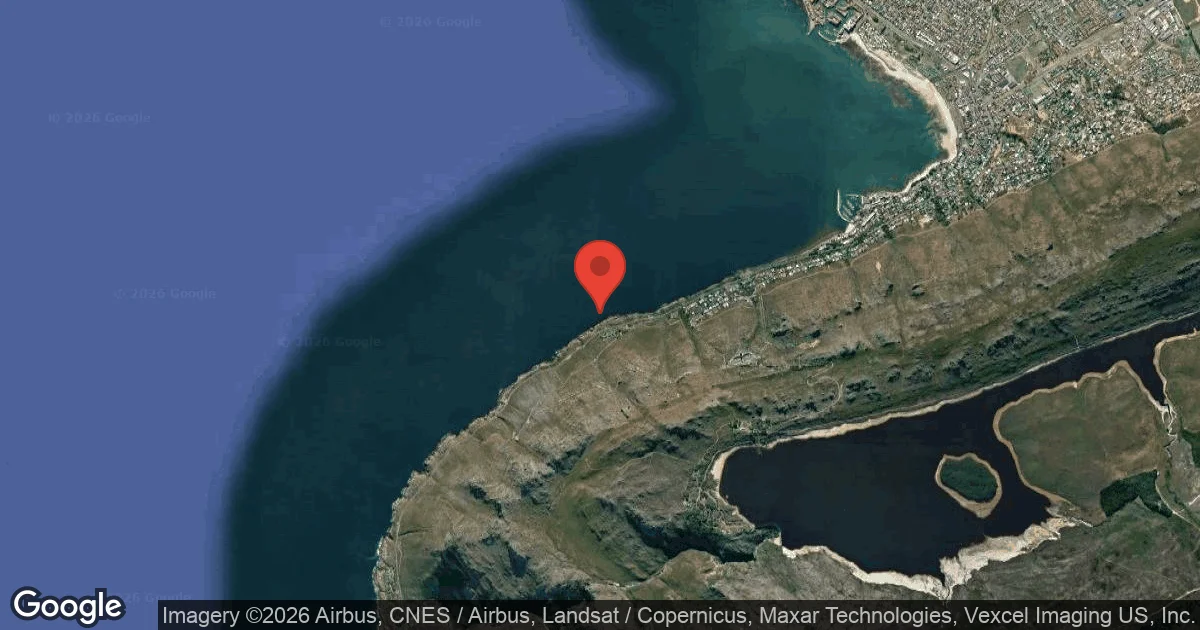
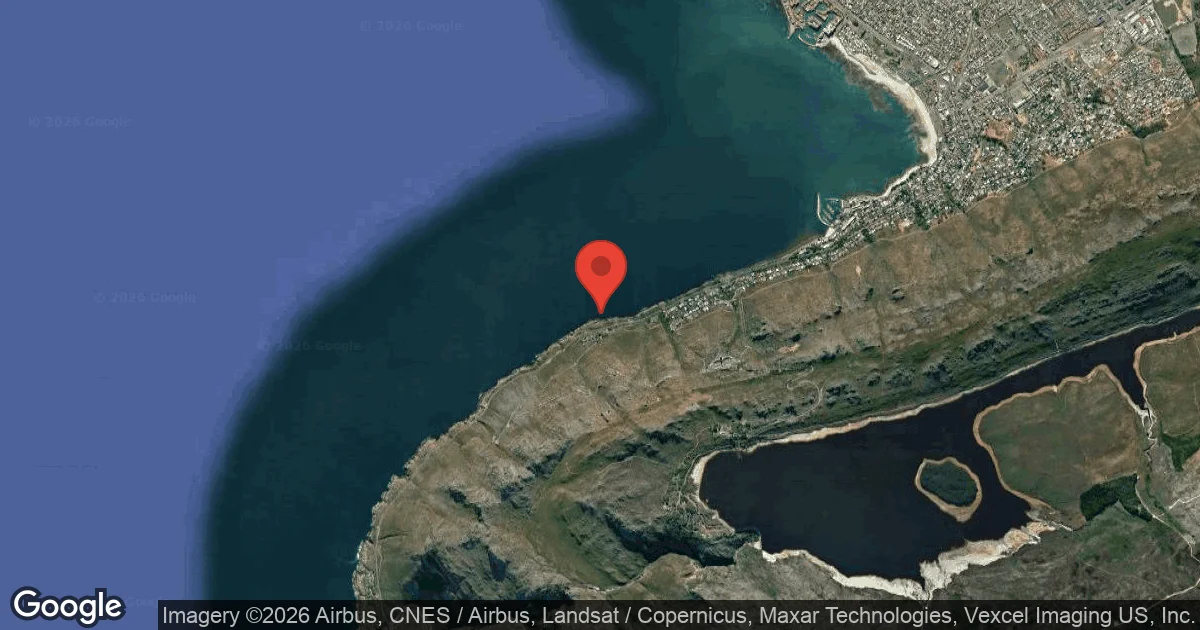
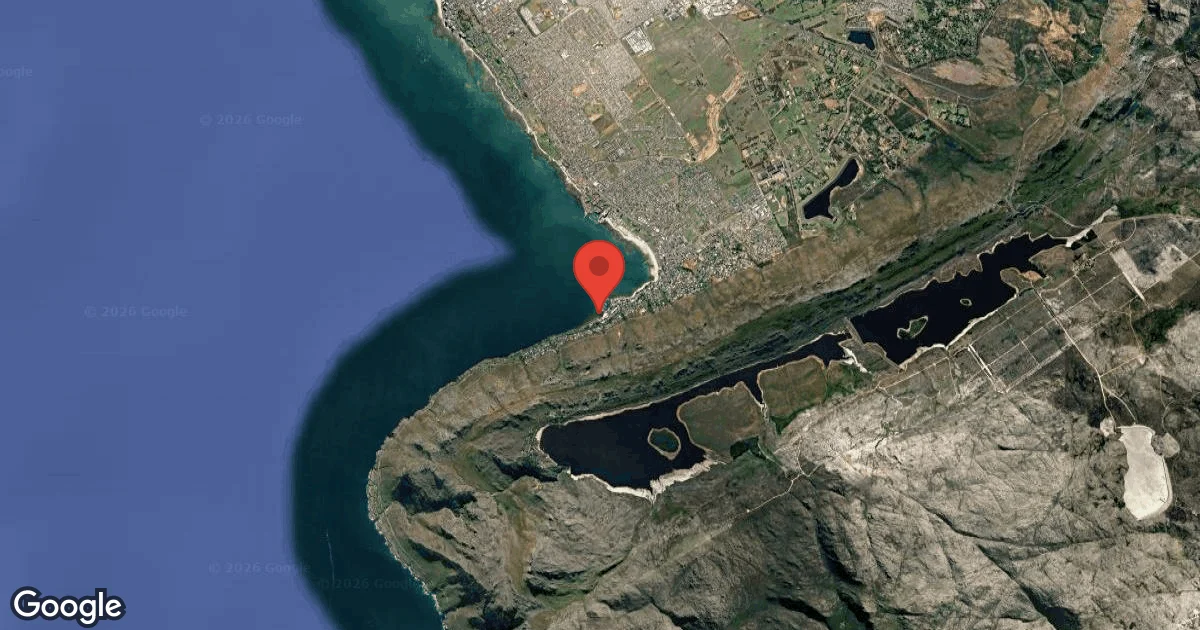
Dive Centers Near Blousteen
Today: 08:00 - 16:30
Nearest Airports
Nearest airports to help plan travel to this dive area.
Search Flights
Check available flights and routes on Expedia, using the nearby airports listed in this section.
Search Flights on ExpediaFrequently Asked Questions
What is the maximum depth at Blousteen Ridge?
Maximum depth recorded at Blousteen Ridge is approximately 17 m (56 ft). An average depth for the site is around 9 m (30 ft).
What are the typical visibility conditions?
Visibility at Blousteen Ridge often compares to other Rooi-els sites. Six meters (20 ft) is considered good, with clarity potentially improving after an upwelling event.
Are there any specific hazards at Blousteen Ridge?
No site-specific hazards are explicitly recorded. Divers should prepare for typical South African coastal conditions, including cool water, limited visibility, rough surface conditions, and strong underwater surge.
What kind of marine life can be seen?
Blousteen Ridge features rich macro life, offering various colorful invertebrates. Notable sightings include Gas flame and Scribbled nudibranchs, along with encrusting sponges. Cape fur seals are also occasionally spotted.
Is a permit required to dive Blousteen Ridge?
No, a permit is not required to dive Blousteen Ridge. A Marine Protected Area does not encompass the site.
What equipment is recommended for diving here?
Due to potentially cool water temperatures, a full wetsuit (5-7mm) or a drysuit is generally recommended. This gear helps ensure diver comfort throughout the dive.
What months are best for diving Blousteen Ridge?
'Moderate' diving conditions at Blousteen Ridge occur from January to April and again from October to December. These periods typically offer warmer air temperatures, lower rainfall, and calmer wave conditions.
How is the site's topography described?
Blousteen Ridge's topography consists of a shoreline rocky reef with moderate-sized boulders and inshore outcrops. It features a rock ridge running parallel to the shoreline, forming a complex underwater habitat.
Planning to dive Blousteen?
Send one inquiry and receive offers directly from the best verified local dive operators.
Conditions are Moderate
High Wind Advisory (49km/h). Unsafe surface.
Current conditions near Blousteen show 16° air, 14° sea temperature, 1.9 m waves, and 49 km/h wind. Forecast data is refreshed regularly to ensure accuracy.