
Diving at Tony's Reef (South Africa)
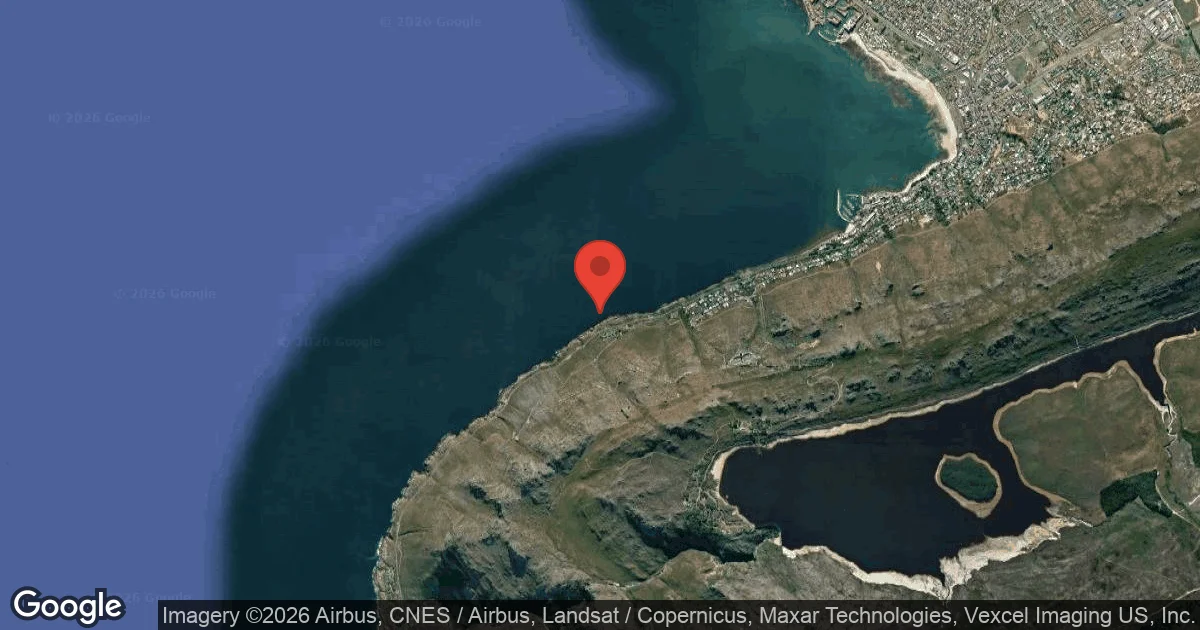
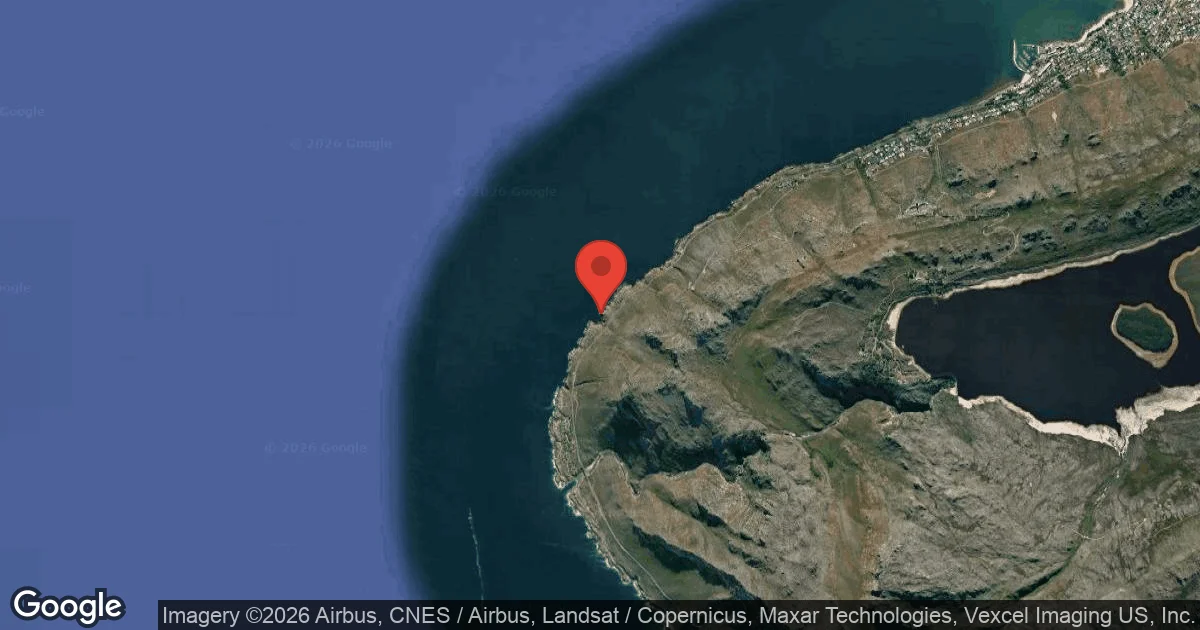
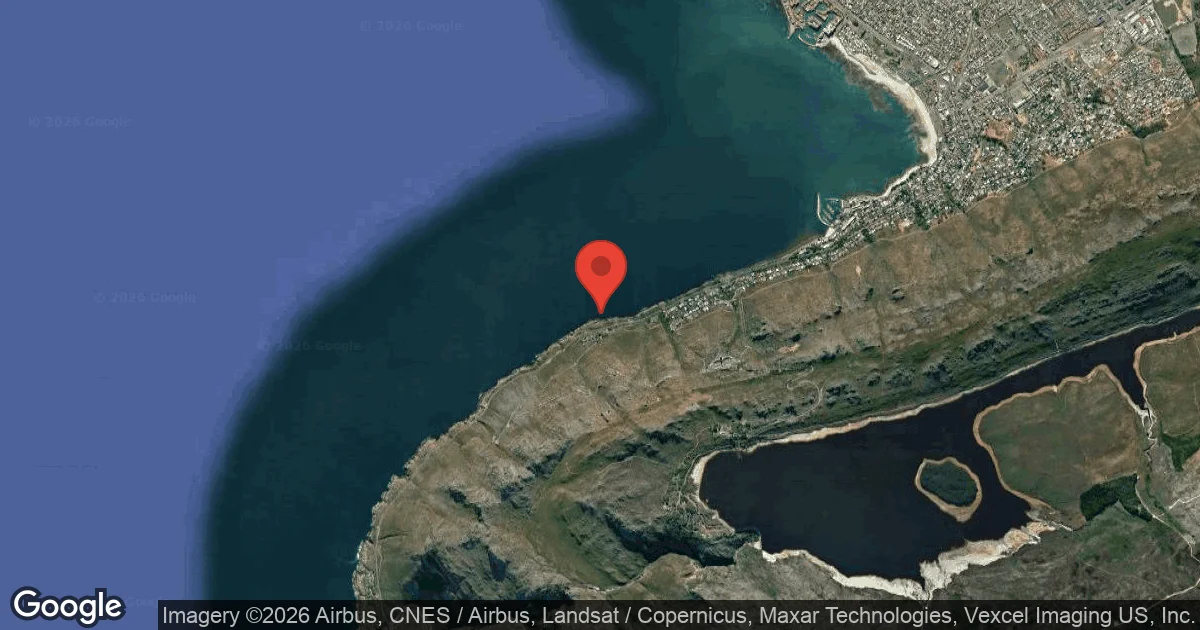
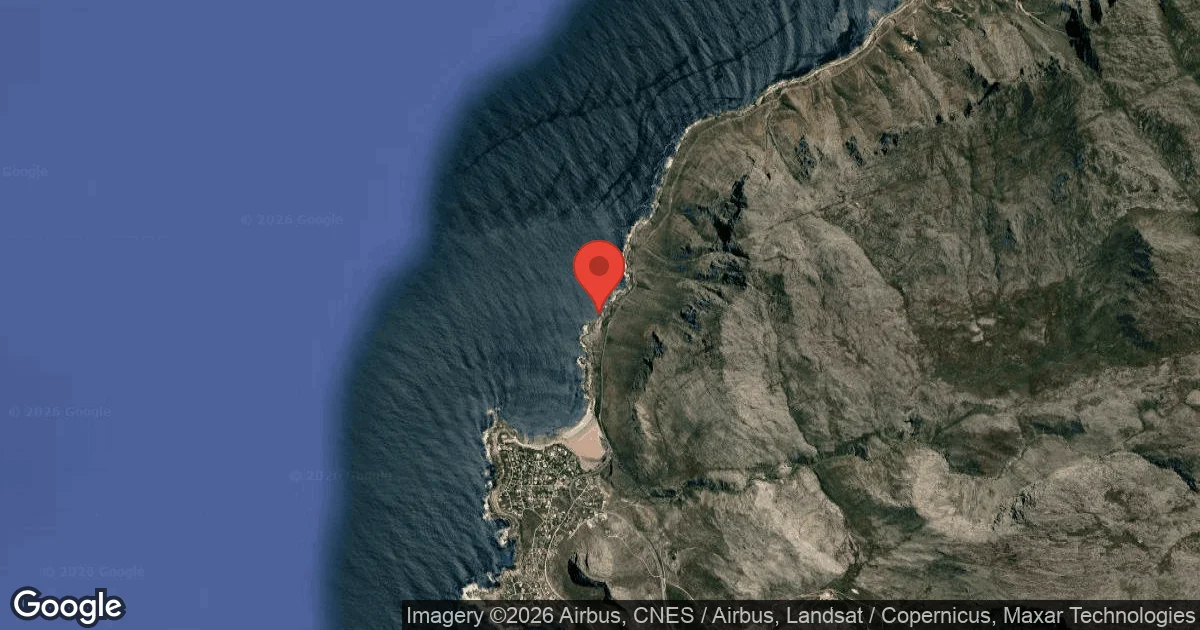
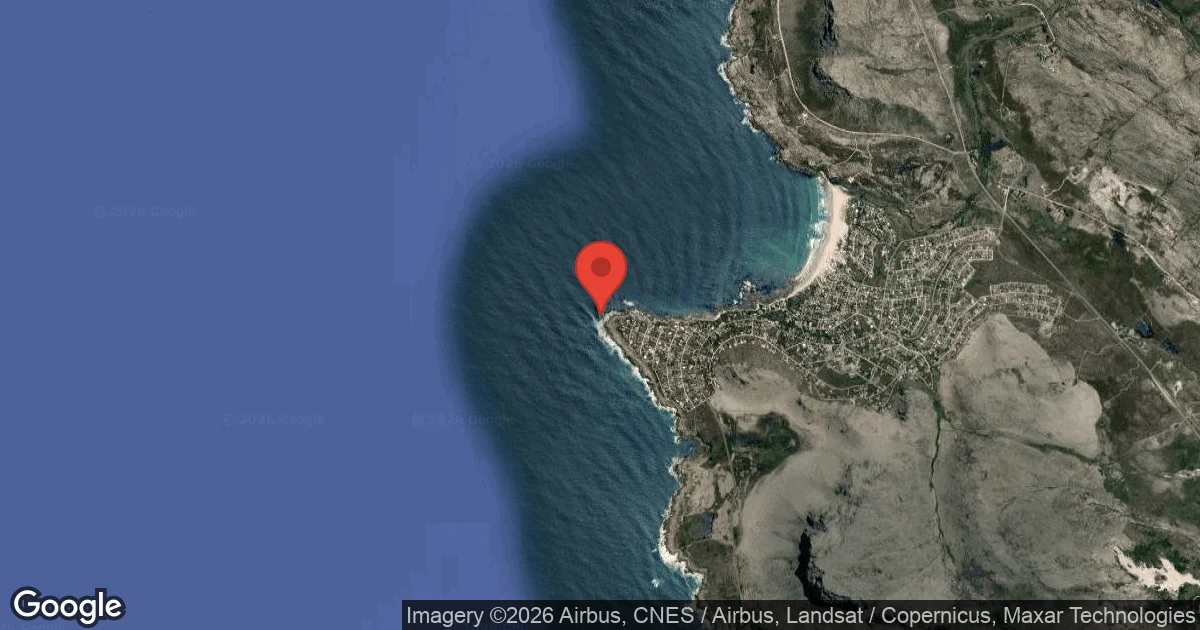
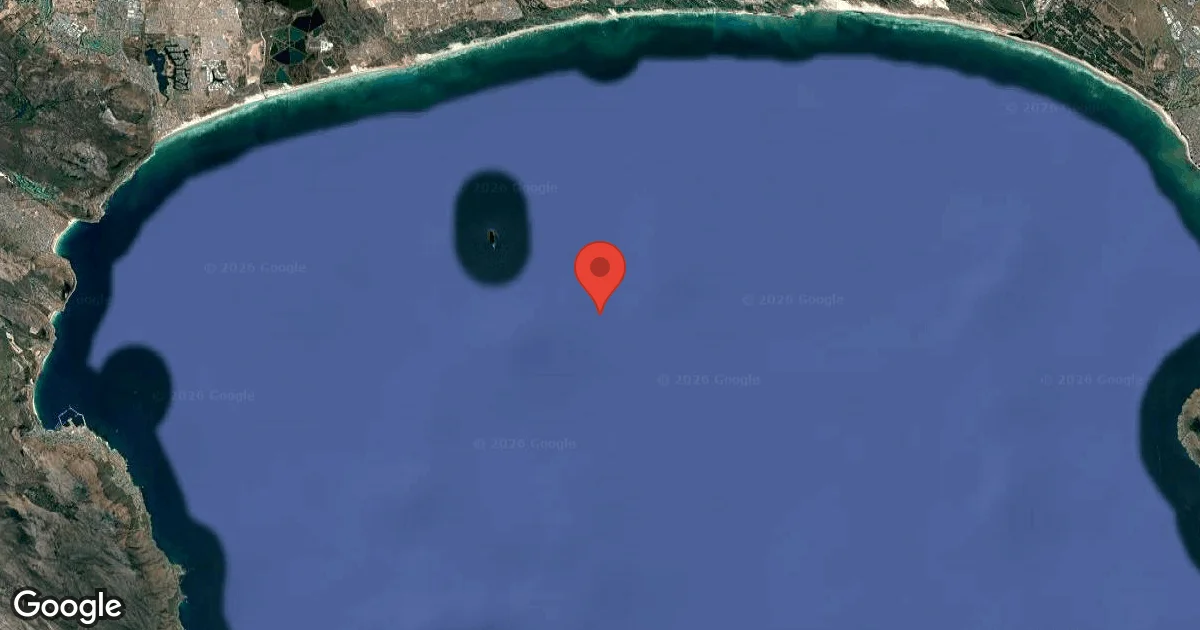
Tony's Reef stands as a shoreline rocky reef within the Gordon's Bay area, located on the east side of False Bay, near Cape Town in South Africa's Western Cape province. This site presents a rugged topography, characterized by medium to large ridges and outcrops. Its structure descends fairly steeply, transitioning to a shelly pebble zone before meeting a sand bottom. This area is not designated as a Marine Protected Area.
Evening condition tracking at Tony's Reef features an air temperature of 15.5°C. We have recorded wave heights measuring 2.3 m during this period. These figures outline the environmental parameters currently present.
Dive Site Location & Key Facts
Dive Site Overview
The underwater terrain at Tony's Reef features a varied landscape, characterized by substantial rocky formations that descend towards a distinct sand bottom. This site begins with medium to large ridges and outcrops, gradually sloping downwards.
Divers will observe a transition into a shelly pebble zone, indicating the reef's interaction with the surrounding seafloor, before finally reaching a maximum depth of approximately 14 m (46 ft) where the sand takes over. While exploring these varied contours, the typical underwater visibility hovers around 5 to 6 m (16 to 20 ft); excellent conditions aren't consistently reported here, making close observation often more rewarding. This environment lends itself particularly well to macro photography, capturing the intricate details of smaller marine life against the textured reef.
Wide-angle shots are also possible but benefit significantly from using natural ambient light or an external flash to minimize backscatter in the water column and enhance clarity. Planning dives here means adjusting expectations to conditions that favor detailed scrutiny over expansive vistas, revealing the site's unique character.
Conditions are Moderate
High Wind Advisory (49km/h). Unsafe surface.
Current conditions near Tony's Reef show 16° air, 14° sea temperature, 1.8 m waves, and 49 km/h wind. Forecast data is refreshed regularly to ensure accuracy.
Best Time to Dive
Planning your dive experience at Tony's Reef is best considered during the summer months, from January through April, and then again from October to December. During these periods, the region typically experiences lower average rainfall, ranging from approximately 0.5 to 2.2 mm. Air temperatures are more comfortable, averaging between 17°C (63°F) in October and 21.5°C (71°F) in February. While specific water temperature data for Tony's Reef is limited, False Bay generally sees water temperatures that can dip to 14°C (57°F). Visibility tends to be at its best in summer, particularly after several days of south-easterly wind and calm seas. Conversely, winter months, especially from May to September, often bring higher wave activity and increased rainfall, with average wave heights reaching up to 2.9 m (9.5 ft) in July, making dive conditions less favorable.
PEAK SEASON SCORE
Scores combine air & water temps, waves, wind & rainfall for overall conditions.
BEST MONTHS TO DIVE
Monthly records compiled from satellite and marine observation nodes over the last 3 years. Data provided by Open-Meteo and MET Norway.
Dive Experience & Conditions
Descending onto Tony's Reef, divers encounter a fairly rugged reef system, marked by medium to large ridges and prominent outcrops. This structure slopes gradually but steeply, leading down to a distinctive shelly pebble zone before finally reaching a soft sand bottom. Divers will typically find the maximum depth to be around 14 m (46 ft). Water conditions in False Bay can vary, with temperatures sometimes reported as low as 14°C (57°F). Visibility on site is not consistently reported as high, often remaining in the 5 to 6 m (16 to 20 ft) range, and tends to improve during summer following periods of southeasterly winds and calm seas.
Dive Difficulty & Safety Guidelines
Approaching Tony's Reef requires divers to consider the typical conditions of False Bay. While no specific inherent hazards for this site are consistently reported, divers should always be prepared for potential currents, which can vary with local weather and tides. Familiarity with basic drift diving techniques or strong finning abilities is advisable.
Since this site is not within a Marine Protected Area, a specific permit for diving is not required. Nonetheless, practicing responsible diving, including maintaining proper buoyancy control and avoiding contact with the reef, remains essential for preserving the local marine environment. Always conduct a thorough pre-dive safety check and dive within your certification limits.
Recommended Equipment
- Dive Computer
This gear list is based on verified equipment signals for Tony's Reef, South Africa. Always confirm final gear choices with your dive operator, guide, or liveaboard.
Recommended Dive Suit
In conditions like these, many divers prefer diving with 7mm wetsuit or semidry. Strong winds are present; please take strong precautions against rapid cooling during surface intervals. A thermal robe or jacket is recommended between dives.
Divers planning a dive at Tony's Reef today will likely encounter water temperatures close to 14°C (56°F). Surface air temperatures are resting at 16°C (60°F).
Environmental models indicate a modest warming trend ahead. A warming trend is expected over the next few days.
Due to technical issues with our weather providers, live updates are temporarily delayed. The data above reflects the conditions at the time of the last successful fetch.
Emergency & Medical Support
Essential information to help you plan your dive trip to Tony's Reef.

Hyperbaric chambers are a critical part of dive safety infrastructure. Availability varies significantly by region, and not all dive areas have immediate access.
Before diving, it's recommended to:
- confirm nearest medical facilities
- check emergency procedures with local dive operators
- ensure dive insurance covers evacuation if required
Divers Alert Network
Diving emergency assistance available through DAN Southern Africa.
+27828106010- 24/7 emergency hotline
- Diving medical assistance
- Evacuation coordination
Emergency contacts are provided for reference. Always verify local emergency services before diving.
Marine Life at Tony's Reef
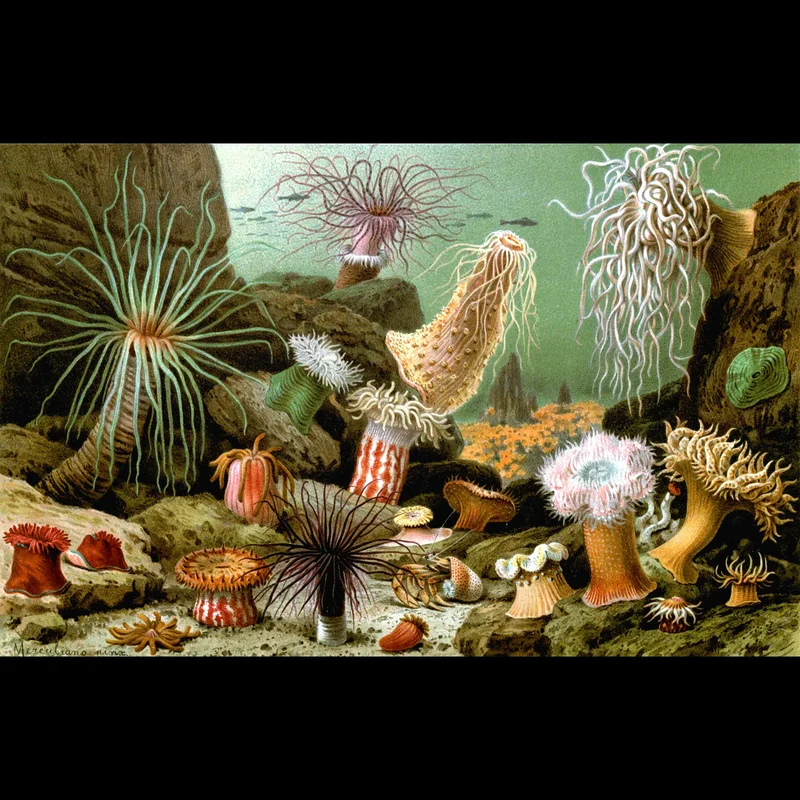
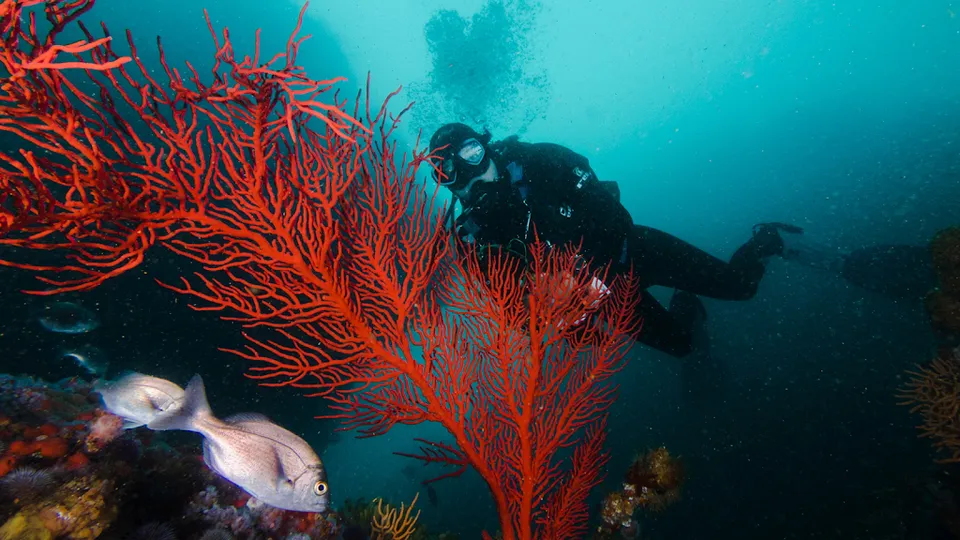
Beneath the surface at Tony's Reef, divers can observe a variety of marine organisms typical of this part of False Bay. The shallower reef areas are home to sea fans, encrusting sponges, and false corals, alongside patches of red bait.
Venturing towards the sandy edges of the reef, burrowing anemones can often be spotted. The overall marine diversity makes it a rewarding site for closer inspection, especially for macro photography enthusiasts.
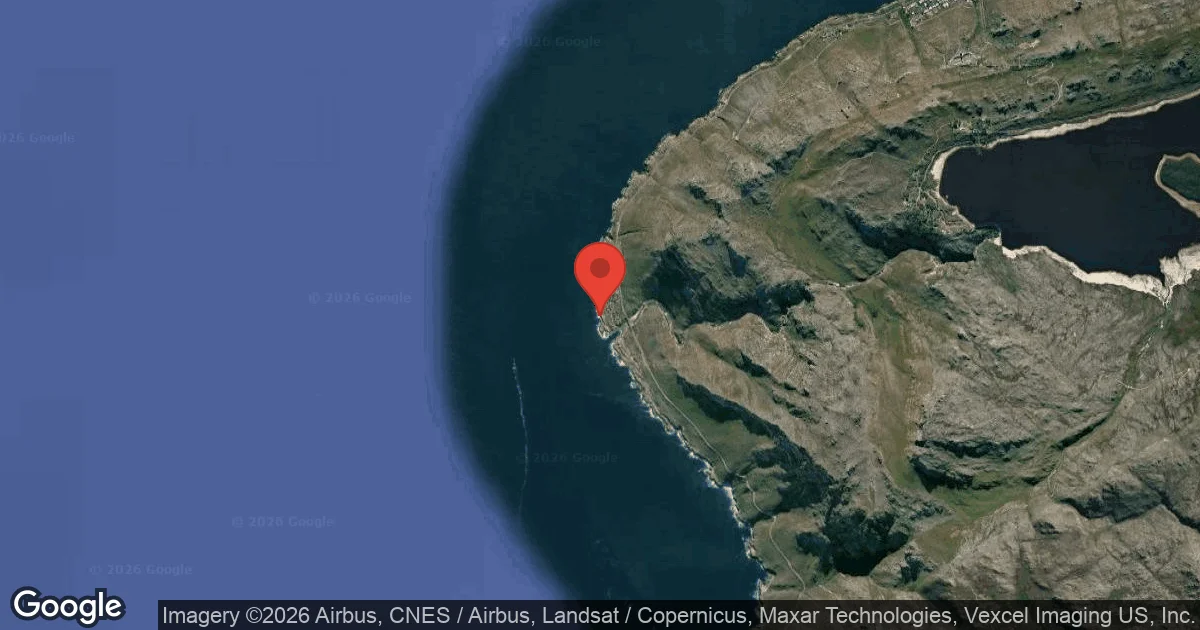
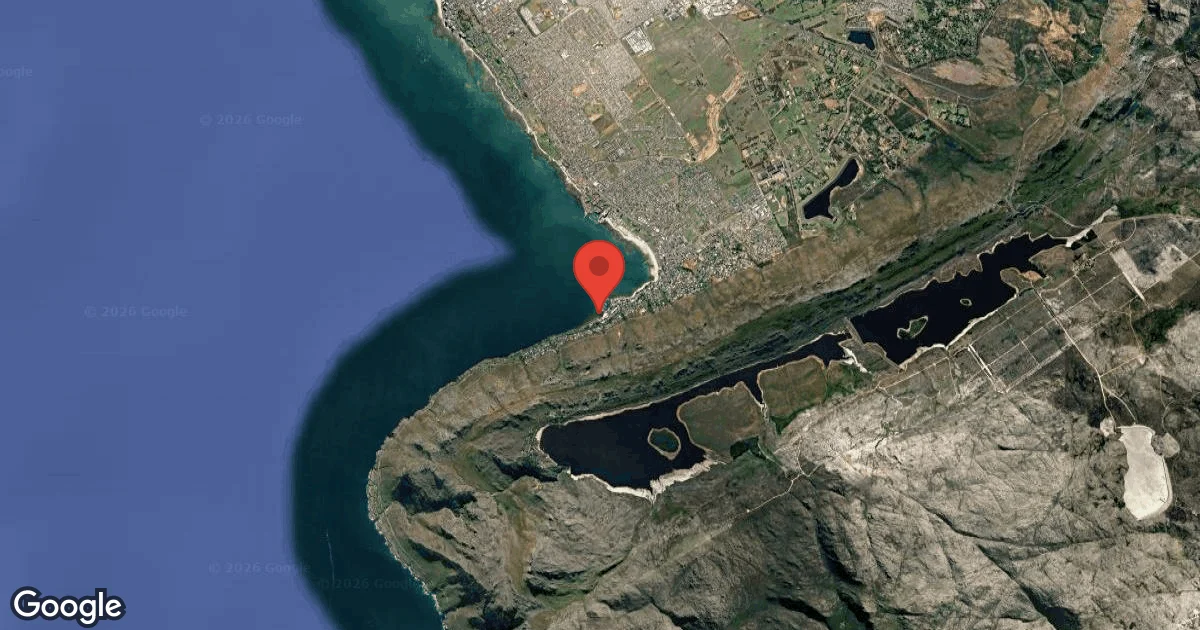
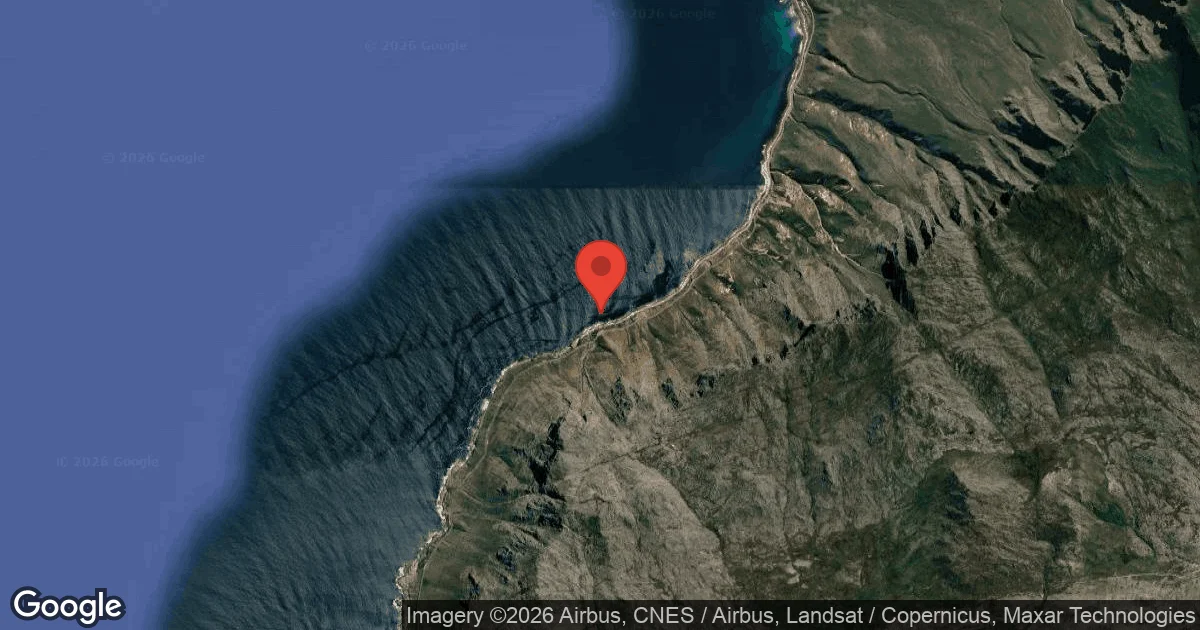
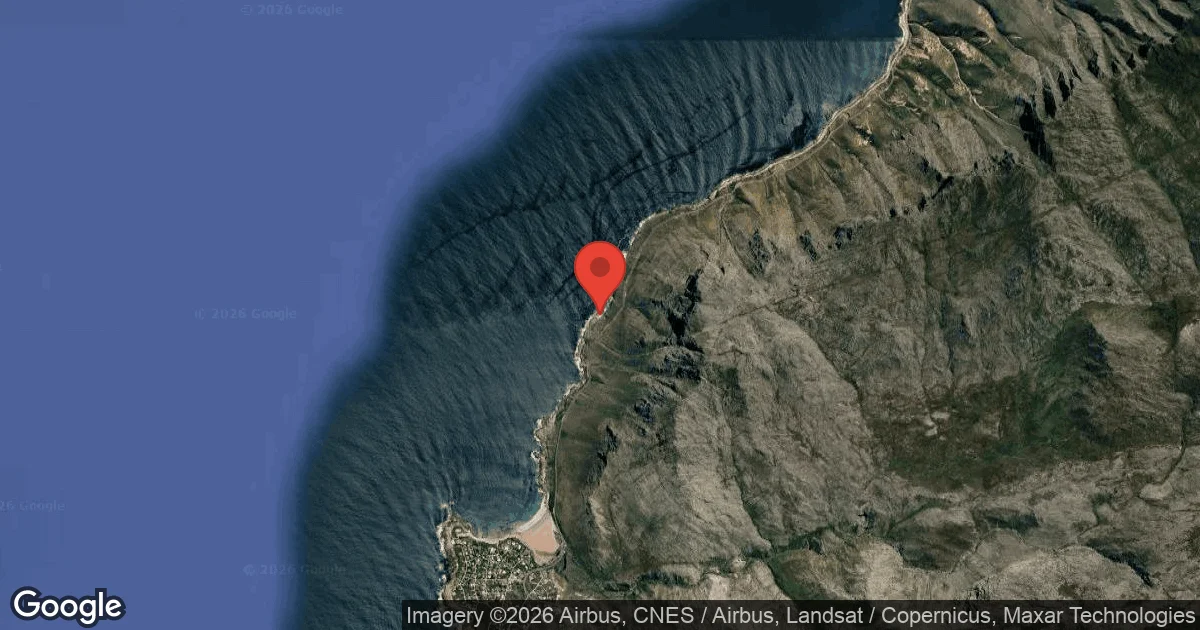
Dive Sites Near Tony's Reef
View all dive sites in South AfricaDiscover more underwater gems in this area.
Dive Centers Near Tony's Reef
Today: 08:00 - 16:30

Nearest Airports
Nearest airports to help plan travel to this dive area.
Search Flights
Check available flights and routes on Expedia, using the nearby airports listed in this section.
Search Flights on ExpediaFrequently Asked Questions
What kind of dive site is Tony's Reef?
Tony's Reef is a shoreline rocky reef in the Gordon's Bay area on the east side of False Bay, near Cape Town. It features rugged reef structures that slope down to a sand bottom.
What is the maximum depth at Tony's Reef?
Divers can expect to reach a maximum depth of approximately 14 m (46 ft) on the sand bottom at Tony's Reef. The reef itself features varied topography throughout its shallower sections.
What marine life can be seen at Tony's Reef?
Marine life at Tony's Reef is typical for False Bay, including sea fans, encrusting sponges, false corals, and red bait in shallower zones. Burrowing anemones are often observed at the sandy reef edges.
What are the typical visibility conditions?
Visibility at Tony's Reef is often around 5 to 6 m (16 to 20 ft). The best visibility is generally encountered during the summer months, following a few days of south-easterly winds and calm seas.
Do I need a permit to dive Tony's Reef?
No, a permit is not required to dive Tony's Reef. The site is not located within a Marine Protected Area.
When is the best time of year to dive Tony's Reef?
The most favorable conditions for diving Tony's Reef are typically during the summer months, from January to April and October to December. During these times, air temperatures are milder, rainfall is lower, and visibility tends to be better.
What kind of photography is best suited for Tony's Reef?
Macro photography is generally recommended for the best results at Tony's Reef, given the nature of its marine life. Wide-angle photography can also be successful with appropriate lighting to manage backscatter.
Planning to dive Tony's Reef?
Send one inquiry and receive offers directly from the best verified local dive operators.
Conditions are Moderate
High Wind Advisory (49km/h). Unsafe surface.
Current conditions near Tony's Reef show 16° air, 14° sea temperature, 1.8 m waves, and 49 km/h wind. Forecast data is refreshed regularly to ensure accuracy.