
Diving at Cala Llebeige (Spain)
Cala Llebeig's appeal lies in its often sheltered conditions, providing calm entries, particularly valued on Spain's Costa Blanca. This tucked-away cove in the Marina Alta region is accessible primarily by hiking or via the sea, influencing its characteristic serenity. Its secluded nature generally implies less boat traffic, which contributes to a tranquil underwater environment for divers seeking a quieter experience away from busier sites.
Tonight's objective overview for Cala Llebeige shows an air temperature of 21.5°C. The measured surface conditions include wave heights around 0.4 m. This environmental data is logged for the close of the day.
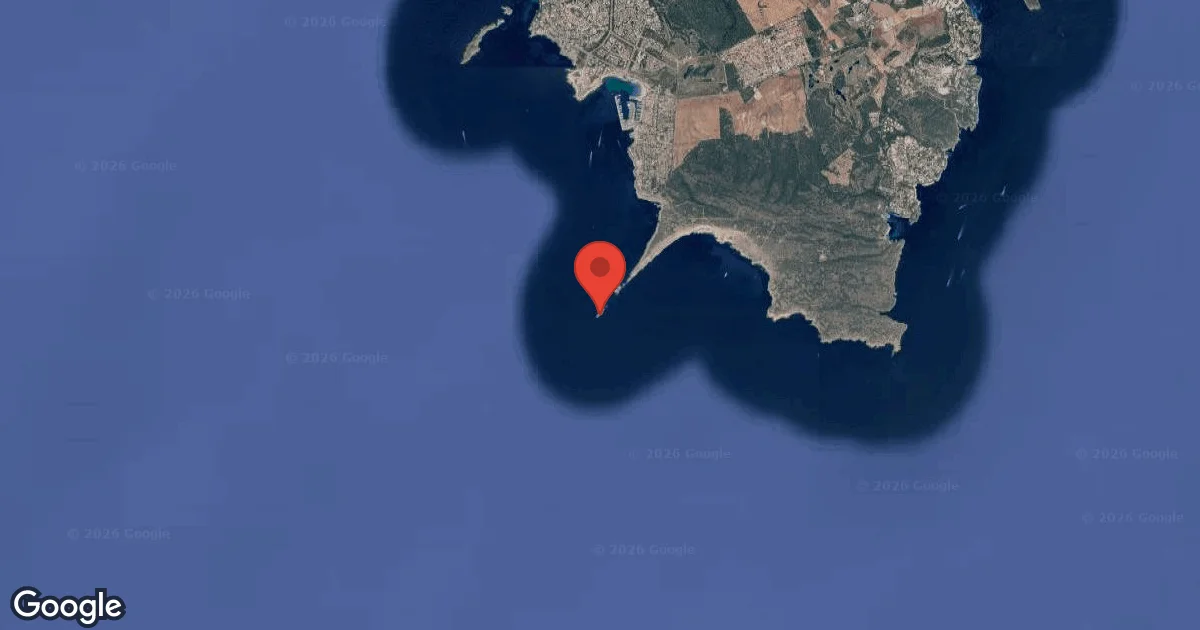
Dive Site Location & Key Facts
Dive Site Overview
Cala Llebeig's shores are steeped in history, evidenced by the dilapidated structures of old fishermen watching over its azure waters. This backdrop hints at a site shaped by generations interacting with the sea, giving it a sense of timeless tranquility.
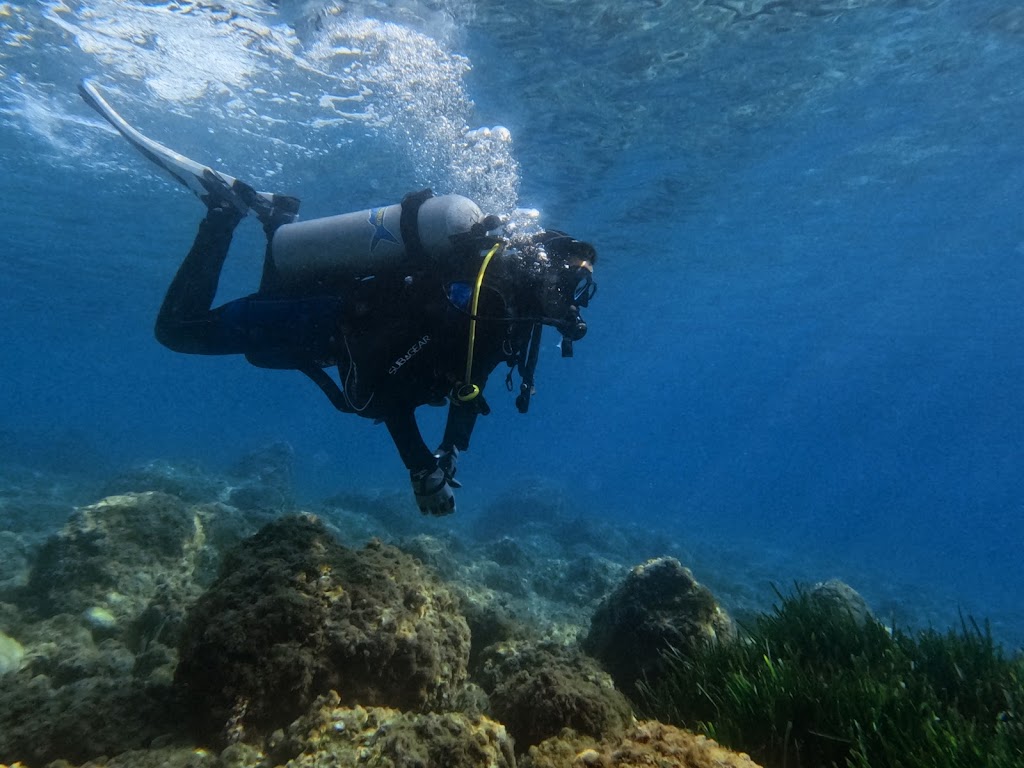
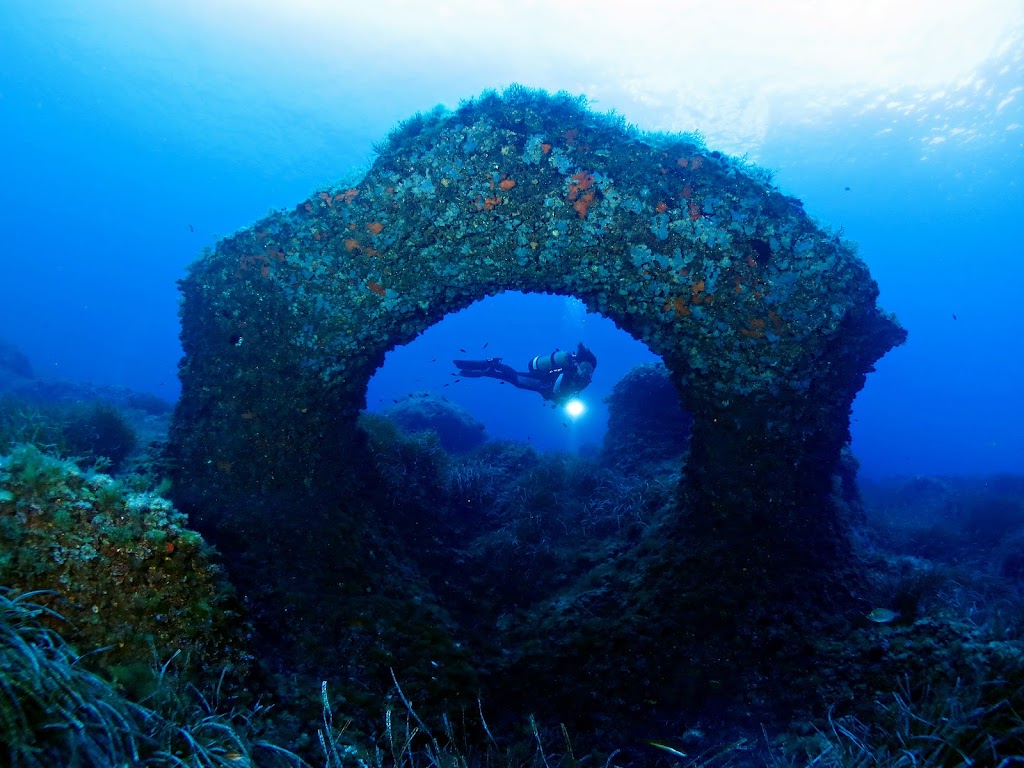
Underwater, divers can expect a varied environment, combining distinct areas of sand, rock formations, and dense Posidonia seagrass meadows; each defines a different ecosystem and offers diverse exploration opportunities. The interaction between these habitats provides visual interest and potential hiding spots for marine life. While specific depth details for Cala Llebeig aren't extensively documented, similar secluded coves in this Mediterranean region typically support dives suitable for a wide range of certifications, from shallow training depths ideal for novice divers to deeper explorations.
Divers can anticipate profiles often between 5 to 20 m / 16 to 66 ft, allowing for both macro observation in the shallows and broader scenic views at depth. The relative absence of heavy boat traffic within the immediate cove contributes significantly to a quiet and undisturbed experience underwater.
However, regional advice consistently suggests general awareness of potential boat activity, particularly during peak summer months, even in more secluded areas. A blend of historical context, varied topography, and serene conditions shapes a distinctive dive profile here, setting it apart from more frequented locations.
Conditions are Good
Optimal conditions expected
Current conditions near Cala Llebeige show 22° air, 27° sea temperature, 0.7 m waves, and 35 km/h wind. Forecast data is refreshed regularly to ensure accuracy.
Best Time to Dive
Planning a dive at Cala Llebeig is best aligned with the milder air temperatures and calmer sea states experienced from April through October. During these months, average air temperatures range from 16.5-27°C / 62-81°F, creating comfortable surface conditions for entry and exit. Rainfall is notably low, typically less than 2 mm / 0.08 inches, minimizing runoff and potential visibility impacts. Wave heights generally decrease to below 1 meter / 3.3 feet from May to September, offering more predictable and protected dive conditions in this secluded cove. While year-round diving is feasible, the extended summer and early autumn period provides the most consistent and pleasant experience.
PEAK SEASON SCORE
Scores combine air & water temps, waves, wind & rainfall for overall conditions.
BEST MONTHS TO DIVE
Monthly records compiled from satellite and marine observation nodes over the last 3 years. Data provided by Open-Meteo and MET Norway.
Dive Experience & Conditions
Descending into Cala Llebeig's waters, divers will encounter a tranquil environment, often characterized by good visibility, even in bays that are protected from adverse weather. The site's underwater landscape is likely shaped by rock formations and seagrass beds, consistent with typical Mediterranean coves. Current strength is not consistently reported for this specific cove; however, protected bays generally experience minimal currents, making the site suitable for various skill levels. Water temperatures follow regional trends, warming significantly through summer. It's plausible to find Caribbean-like water conditions here, as described for other coves in the vicinity, enhancing the dive experience.
Dive Difficulty & Safety Guidelines
An expert tip for diving Cala Llebeig involves careful planning, especially due to its secluded nature and access predominantly via hiking or boat. As a less developed site, divers should be self-sufficient and prepared for limited immediate support. While there are no specific hazards documented, general safety practices for coastal diving apply.
Always monitor sea conditions, particularly wave height, as shore access can become challenging during rougher weather. Awareness of potential boat traffic in high season, though less prevalent in a secluded cove, is prudent.
Dive with a buddy and ensure all equipment is in excellent working order, as this isn't a site with immediate dive center access on location.
Recommended Equipment
- Dive Computer
- DSMB
This gear list is based on verified equipment signals for Cala Llebeige, Spain. Always confirm final gear choices with your dive operator, guide, or liveaboard.
Recommended Dive Suit
With water temperatures around 27°C (80°F), many divers find a 2-3mm shorty or light wetsuit provides comfortable protection.
Being prepared with flexible exposure options is a common approach among experienced divers.
Surface conditions are expected to warm up slightly in the coming days. A warming trend is expected over the next few days.
Emergency & Medical Support
Essential information to help you plan your dive trip to Cala Llebeige.

Hyperbaric chambers are a critical part of dive safety infrastructure. Availability varies significantly by region, and not all dive areas have immediate access.
Before diving, it's recommended to:
- confirm nearest medical facilities
- check emergency procedures with local dive operators
- ensure dive insurance covers evacuation if required
Divers Alert Network
Diving emergency assistance available through DAN Europe.
+39 0642115685- 24/7 emergency hotline
- Diving medical assistance
- Evacuation coordination
Emergency contacts are provided for reference. Always verify local emergency services before diving.
Closest Listed Hyperbaric Chambers
Showing listed hyperbaric chamber facilities within 200 km of this dive site.
Distances are approximate straight-line distances and may not reflect emergency travel time.
Underwater and Hyperbaric Medicine
Palma de Mallorca, Spain•Approx. 27 km straight-line
Underwater and Hyperbaric Medicine
Information is provided for reference and planning purposes only. Dive Navigator does not verify operational status, staffing, availability, or quality of care at listed facilities. In an emergency, contact local emergency services, DAN, your dive operator, or the chamber directly. Do not travel to a facility without calling ahead.
Marine Life at Cala Llebeige
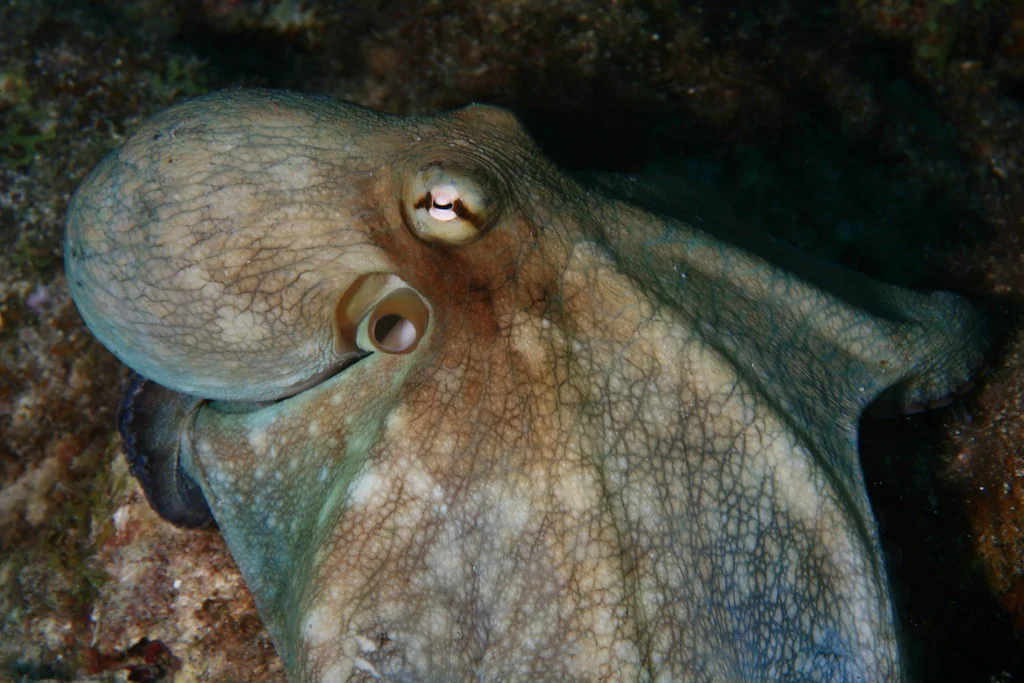
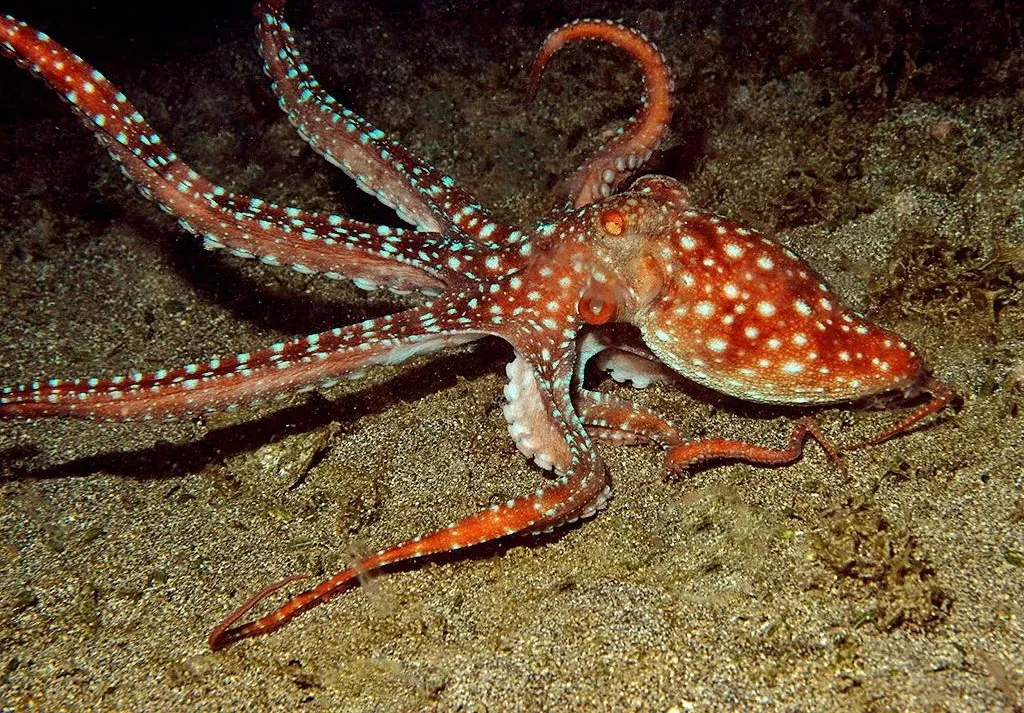
The underwater landscape of Cala Llebeig, with its mix of sand, rock, and Posidonia beds, creates a suitable habitat for various Mediterranean species. Common octopuses are known residents, often found camouflaged among the rocks or seeking shelter in crevices.
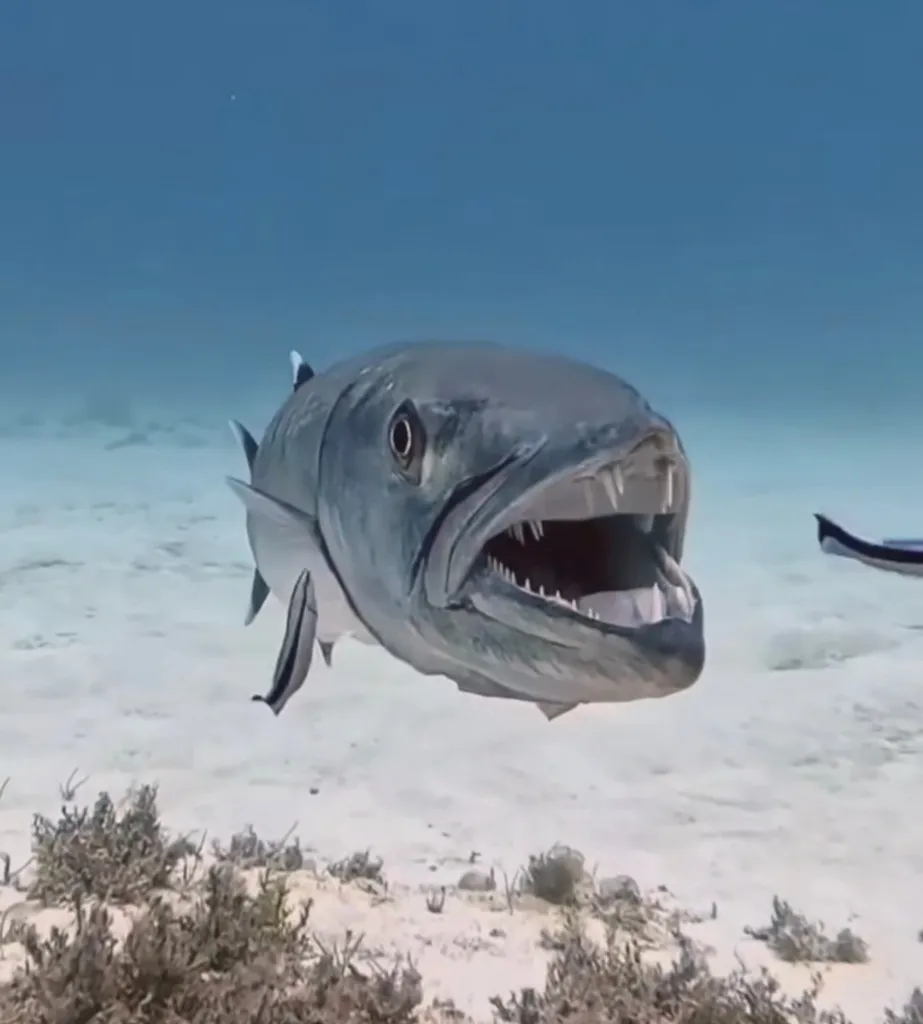
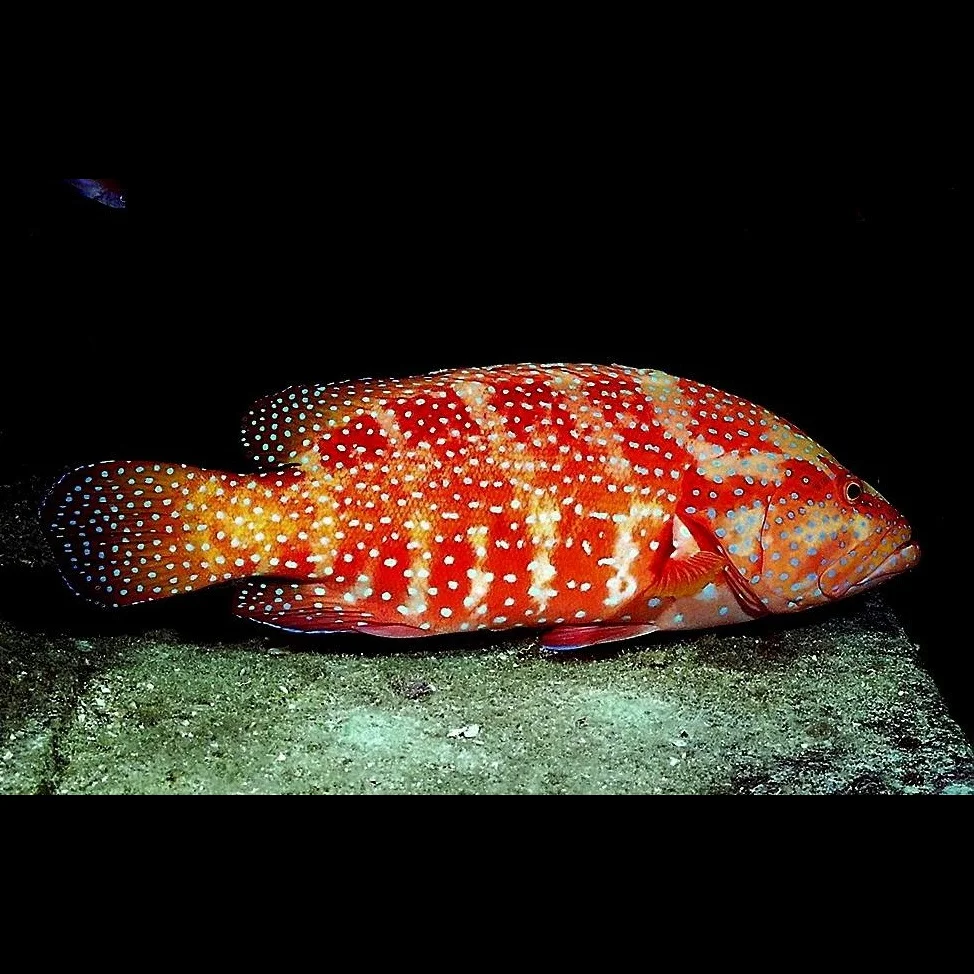
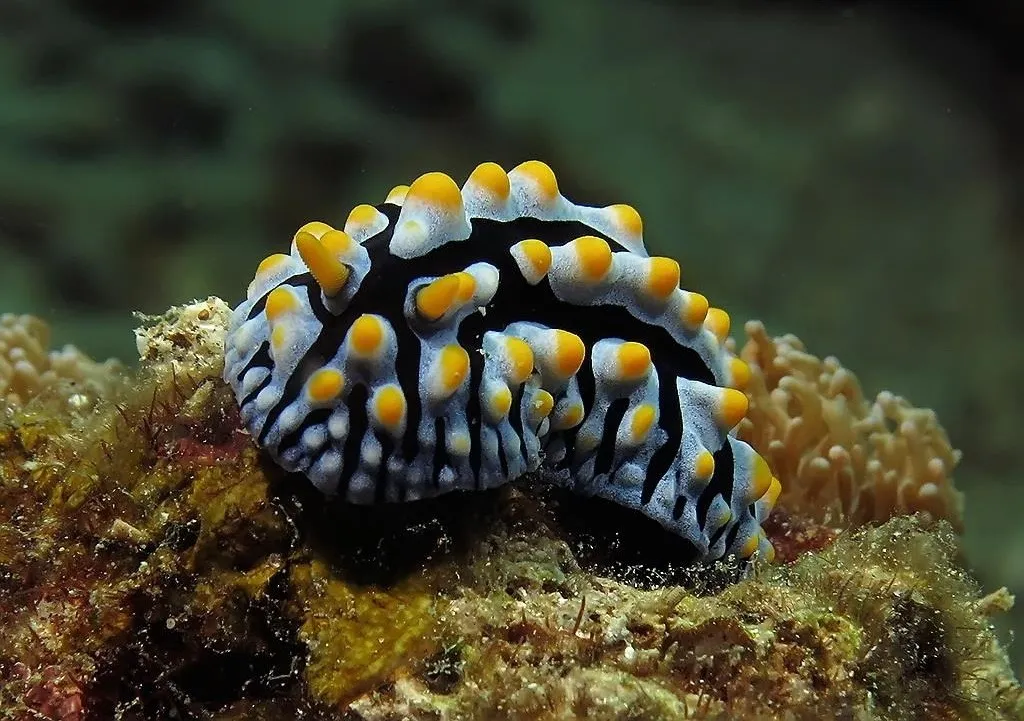
While specific sightings for Cala Llebeig are not detailed, broader regional trends indicate potential encounters with barracuda, grouper/basslets, and nudibranchs in similar coastal environments. The diverse seabed offers ample hiding spots and feeding grounds, contributing to a healthy ecosystem.
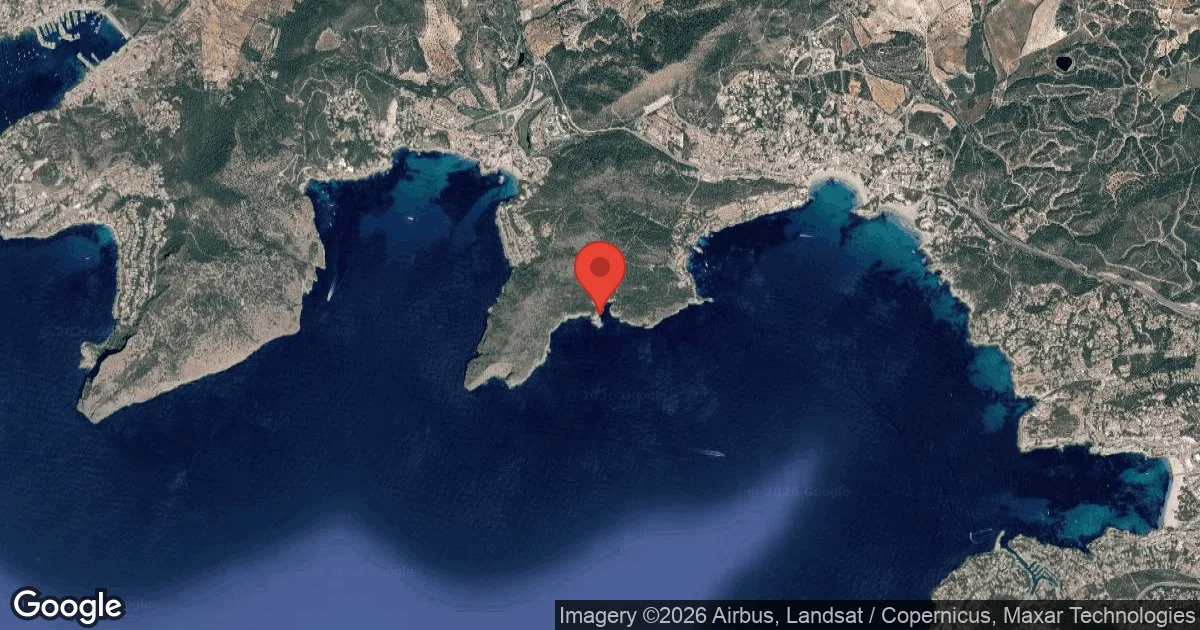
Dive Sites Near Cala Llebeige
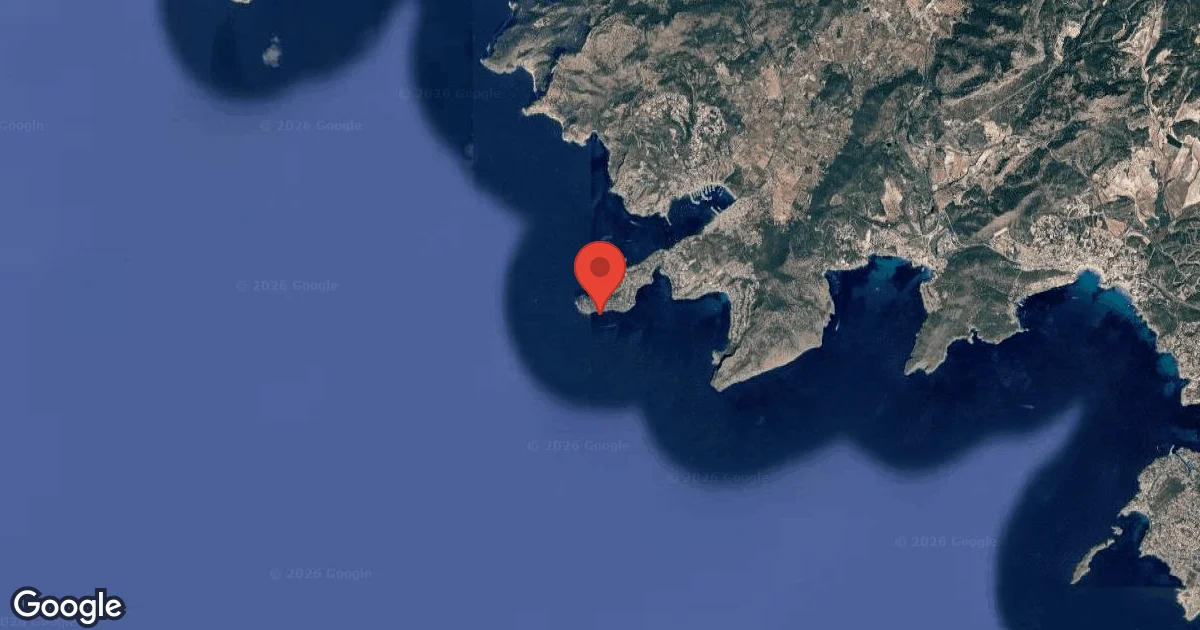
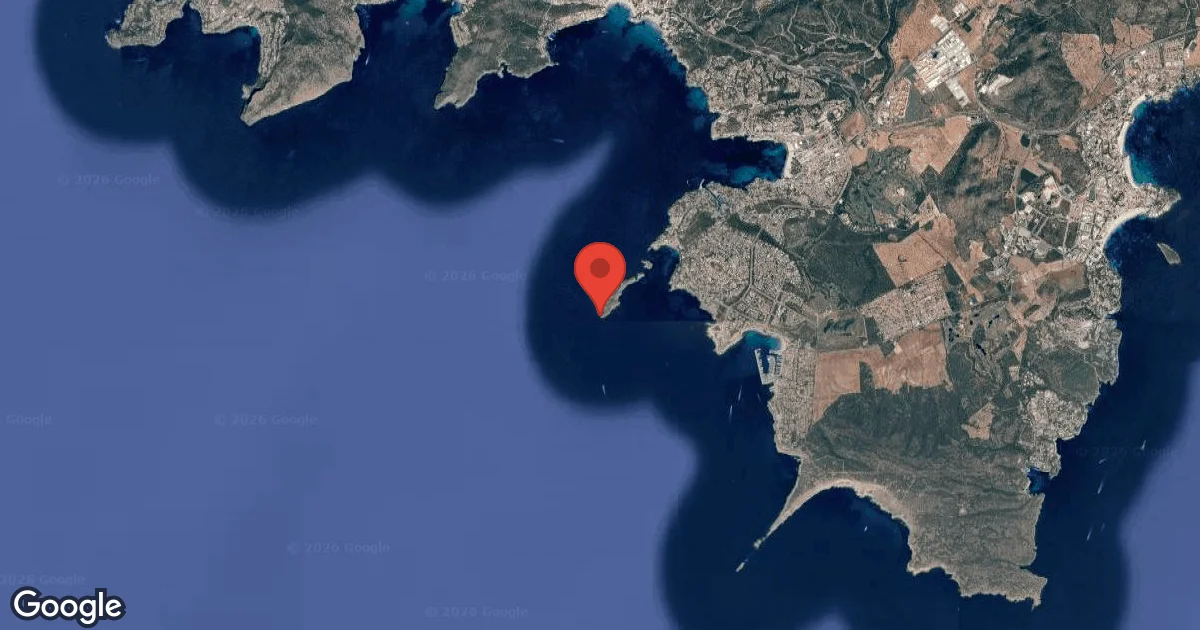
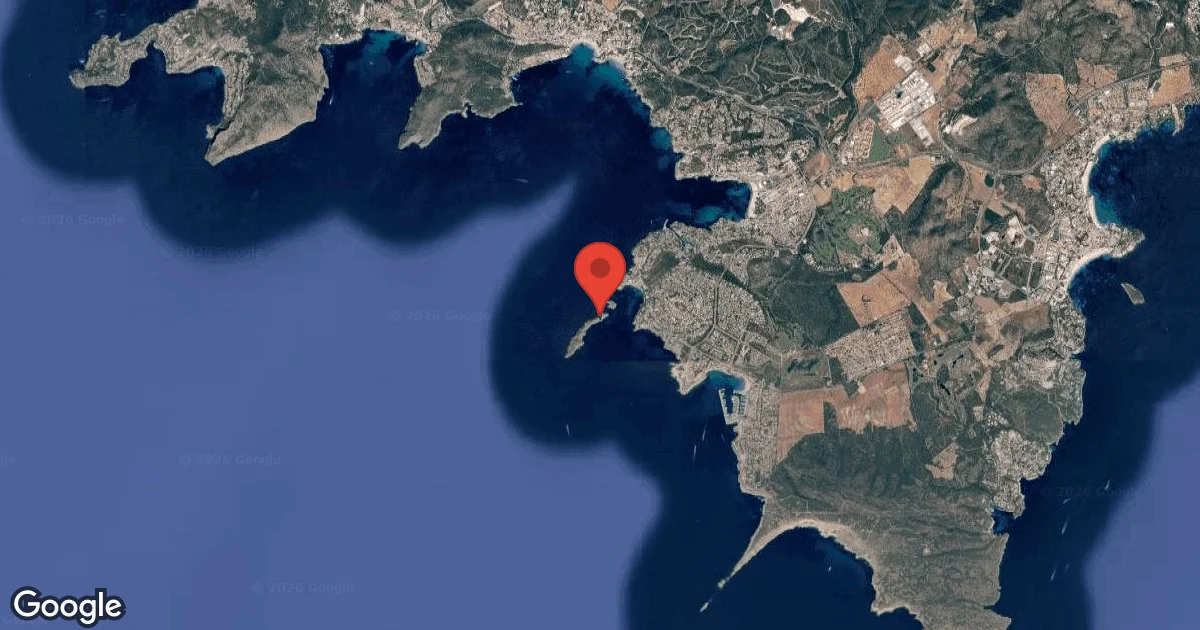
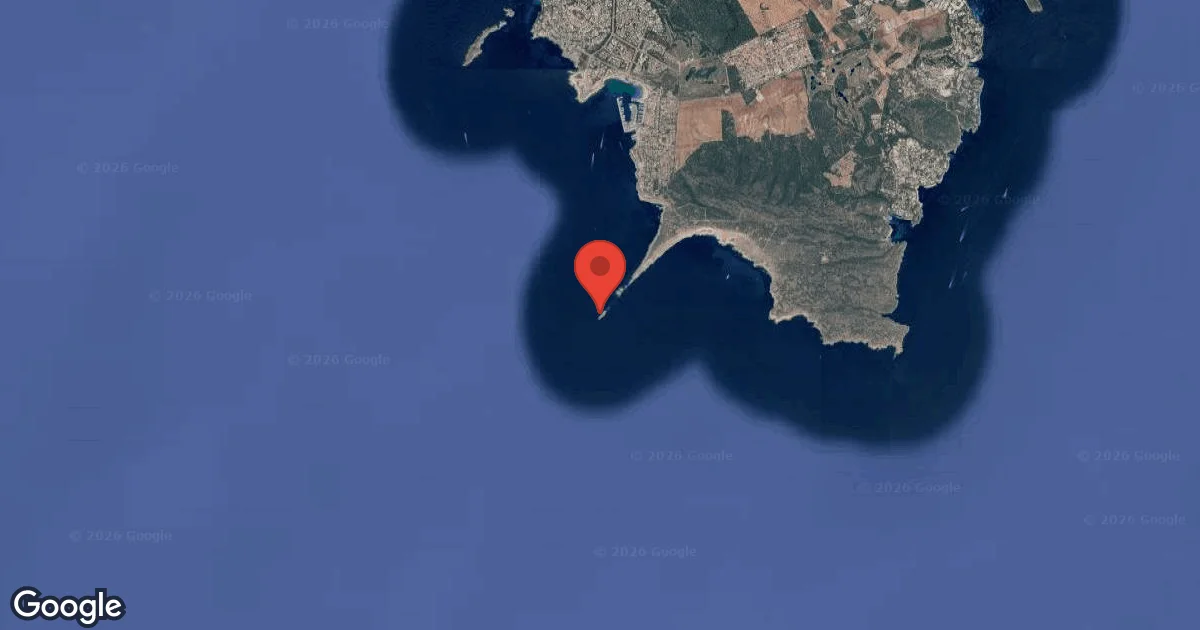
View all dive sites in SpainDiscover more underwater gems in this area.
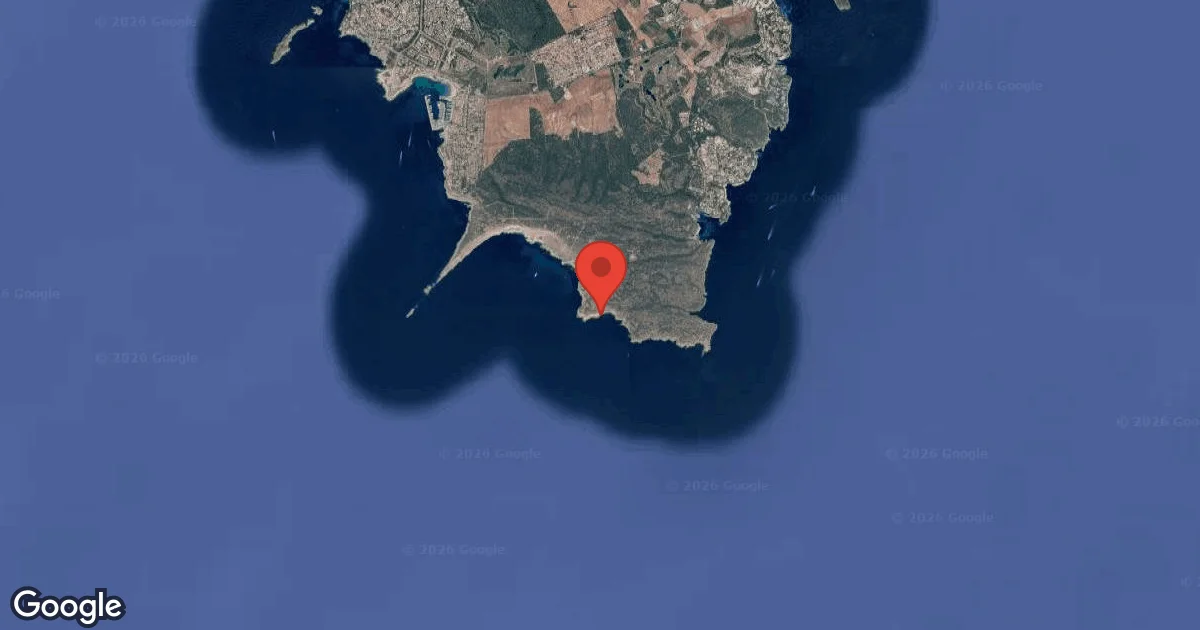
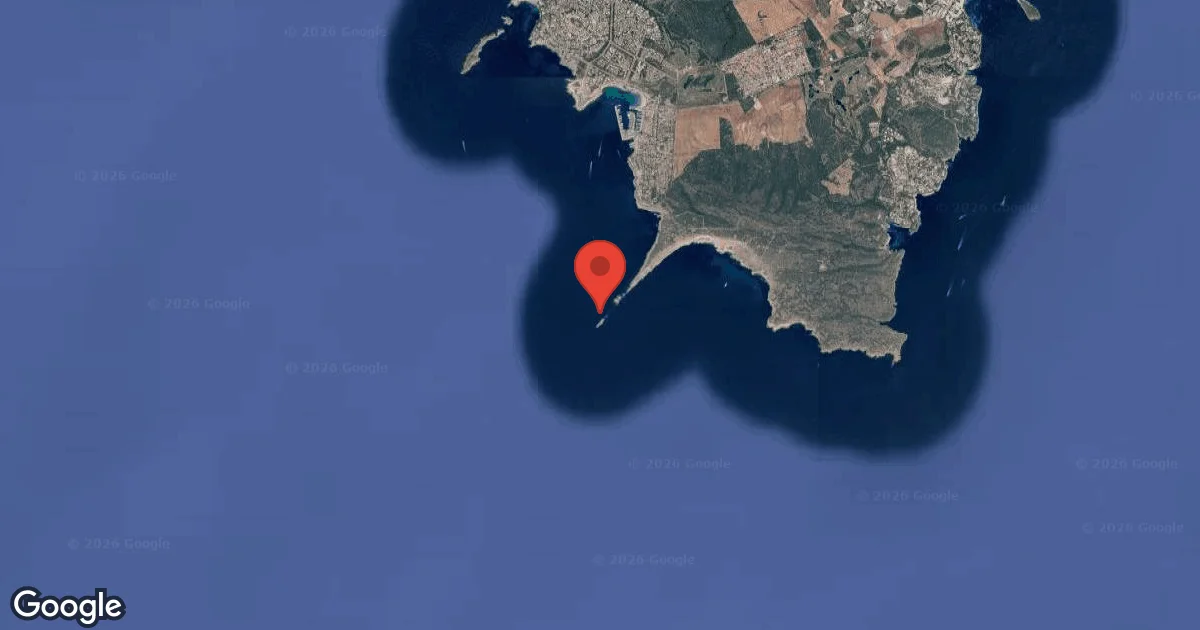
Dive Centers Near Cala Llebeige
Today: 10:00 - 19:00
Nearest Airports
Nearest airports to help plan travel to this dive area.
Search Flights
Check available flights and routes on Expedia, using the nearby airports listed in this section.
Search Flights on ExpediaFrequently Asked Questions
What is the typical access method for diving Cala Llebeig?
Cala Llebeig is a secluded cove, primarily accessible by a hiking route along the coast or directly via boat. Its remote nature means shore access requires preparation for a walk.
What kind of underwater environment will I encounter at Cala Llebeig?
Expect a varied underwater landscape consisting of sandy areas, rock formations, and extensive Posidonia seagrass beds. This diverse topography provides shelter and feeding grounds for marine life.
Is Cala Llebeig suitable for divers of all experience levels?
Yes, its generally calm and protected conditions, with depths that can accommodate various profiles, make it suitable for a range of divers. Protected bays in the region are often recommended for beginners and training dives.
What marine life might I see while diving here?
Common octopuses are often sighted, blending into the rocky structures. You may also encounter barracuda, grouper/basslets, and various nudibranch species, reflecting typical Mediterranean coastal fauna.
How are the water conditions, such as visibility and currents?
Being a protected bay, Cala Llebeig typically offers good visibility and experiences minimal currents. Conditions can vary, but its sheltered position usually maintains favorable diving water states.
Are there any specific safety considerations for diving Cala Llebeig?
Due to its secluded nature, divers should be self-sufficient and dive with a buddy. Always check sea conditions before heading out, as rough weather can impact access and overall safety.
What is the best time of year to dive at Cala Llebeig?
The period from April through October offers the most favorable conditions, with comfortable air temperatures and calmer seas. This timeframe provides consistent and pleasant diving experiences.
Planning to dive Cala Llebeige?
Send one inquiry and receive offers directly from the best verified local dive operators.
Conditions are Good
Optimal conditions expected
Current conditions near Cala Llebeige show 22° air, 27° sea temperature, 0.7 m waves, and 35 km/h wind. Forecast data is refreshed regularly to ensure accuracy.