
Diving at Cala Montjo (Spain)
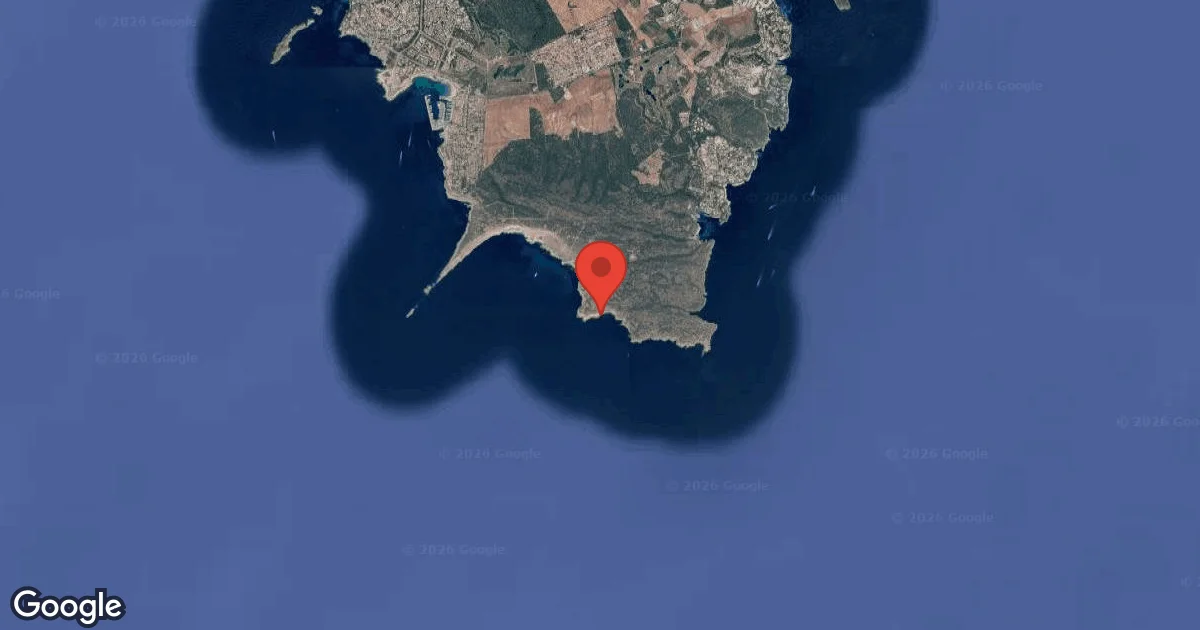
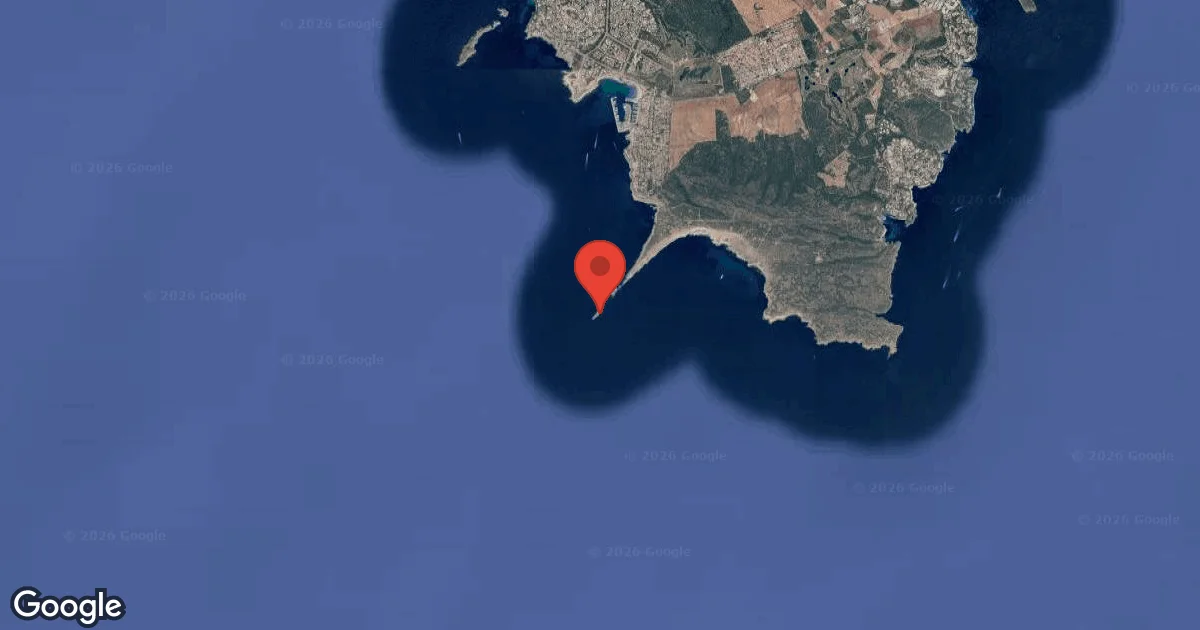
Envision a diving experience where convenience meets natural beauty, nestled within the Cap de Creus Natural Park. Cala Montjoi provides immediate access to dive sites directly from a dedicated beachside center, integrated into a welcoming holiday village. It's an ideal base for divers seeking a relaxed atmosphere, with training options available from beginner to Divemaster level. Your underwater adventures begin just steps from your accommodation.
As evening covers Cala Montjo, the local air temperature is measured at 26.5°C. The current wave height at the surface is recorded at 0.9 m. These late-day readings characterize the surface conditions for the night.
Dive Site Location & Key Facts
Dive Site Overview
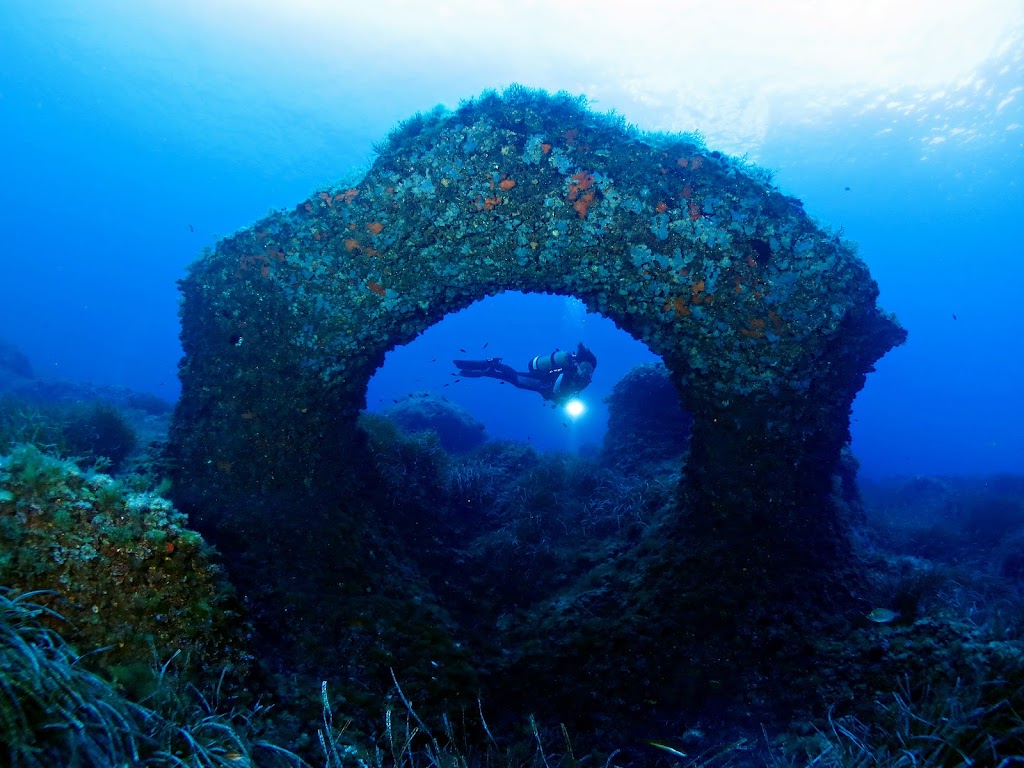
Approximately 25 distinct dive sites are available from Cala Montjoi, all scattered within the protected Cap de Creus reserve. Divers here explore a diverse underwater topography, encompassing impressive reefs and intricate caves, as indicated by specific site tags.
Cala Montjoi bay, along with nearby Cala Jòncols, receives natural protection from the strong northern Tramuntana wind, which often ensures calmer surface conditions for easier entries. Dive operators facilitate both shore and boat dives, offering half-day excursions and multi-day packages suitable for autonomous divers. Popular sites like El Gat, Paret del Bisbe, and Punta del Mero are frequently visited, presenting a wide range of depths suitable for various certification levels, from introductory dives in shallower sections to more advanced explorations down to 30 m (100 ft).
Around rocky islets and small capes, the rich diving landscape extends, providing varied routes for underwater discovery.
Conditions are Good
07:00 - 14:00
Optimal conditions expected
Current conditions near Cala Montjo show 26° air, 27° sea temperature, 0.5 m waves, and 29 km/h wind. Forecast data is refreshed regularly to ensure accuracy.
Best Time to Dive
Optimal diving visibility often coincides with the warmer months, typically spanning from April through October, when air temperatures are comfortable and rainfall is minimal. During this period, average air temperatures range from 16.5°C (62°F) in April to a peak of 27°C (81°F) in August, contributing to a generally pleasant surface environment. Rain is particularly scarce from June to August, averaging less than 1 mm (0.04 inches) per month, further enhancing conditions. While the Cap de Creus reserve is enjoyable in summer, strong winds and currents can impact conditions from November to March. These winter currents, however, can also carry planktonic masses, attracting a greater density of feeding fish.
PEAK SEASON SCORE
Scores combine air & water temps, waves, wind & rainfall for overall conditions.
BEST MONTHS TO DIVE
Monthly records compiled from satellite and marine observation nodes over the last 3 years. Data provided by Open-Meteo and MET Norway.
Dive Experience & Conditions
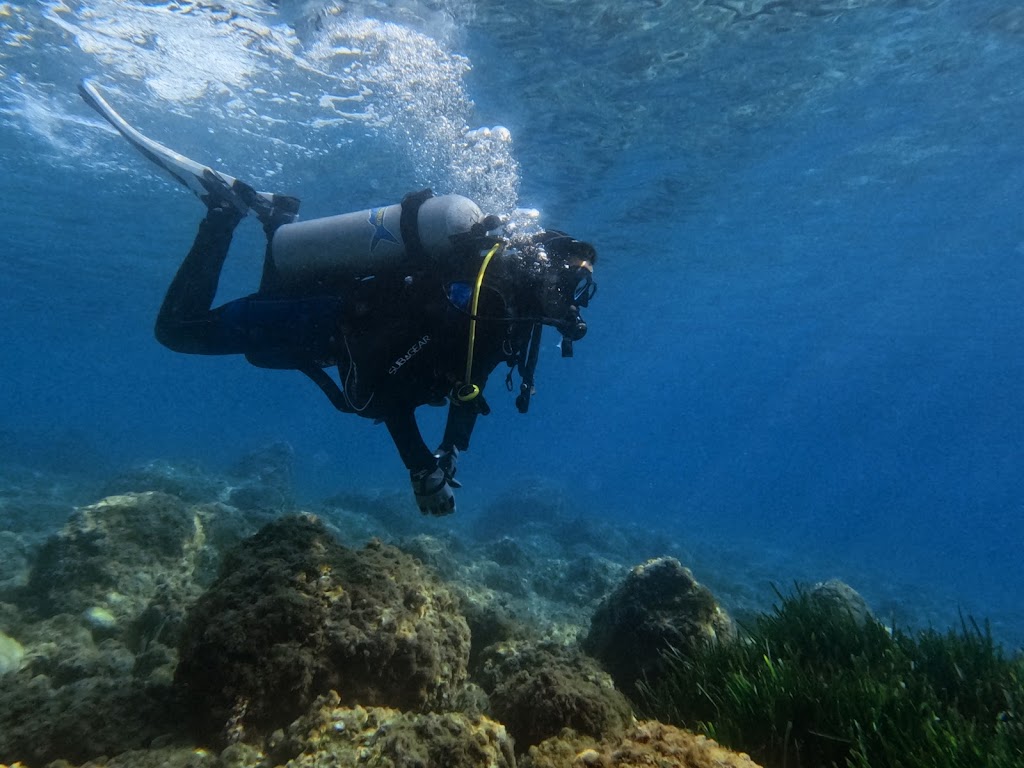
Underwater, divers encounter a realm of diverse topography and marine activity within the transparent waters of Cap de Creus. The coves, including Cala Montjoi itself, are notably protected from the Tramuntana wind, which tends to smooth the sea surface. This allows for comfortable entry and exit, whether diving from the beach or the dedicated boat, Montjoi. Depths across the various sites accommodate all technical levels, from shallow introductory experiences to more advanced, deeper sections for certified divers. Exploring vast extensions of gorgonian walls is a common sensory impression. During the colder months, while surface conditions may be choppier, the influx of plankton can result in a feeding frenzy, offering a different, dynamic visual spectacle.
Dive Difficulty & Safety Guidelines
Navigating the waters of Cap de Creus during winter months requires awareness, as strong currents can be present from November to March. Always consult with the local dive center for current conditions before planning any dives, especially outside the main season. The Cap de Creus Natural Park is a protected area, so adherence to park regulations regarding marine life interaction and environmental respect is mandatory.
Ensure you have valid diving insurance, as this is a standard requirement for divers in the region. Children can participate in adapted courses from 8 years old, but supervision and appropriate training levels are crucial.
Recommended Equipment
Overhead environment. Do not enter beyond training and gas planning limits.
- Dive Computer
- DSMB
- Primary & Backup Lights
- Reel / Spool
- Cutting Tool
This gear list is based on verified equipment signals for Cala Montjo, Spain. Always confirm final gear choices with your dive operator, guide, or liveaboard.
Recommended Dive Suit
Conditions in the coming days are expected to stay within a similar temperature range.
Many experienced divers would consider 2-3mm shorty or light wetsuit an appropriate choice here. Consider warmer surface protection (like a boat coat) due to brisk winds.
Recent environmental data from Cala Montjo indicates water temperatures near 27°C (81°F). Surface air temperatures are resting at 26°C (79°F).
Due to technical issues with our weather providers, live updates are temporarily delayed. The data above reflects the conditions at the time of the last successful fetch.
Emergency & Medical Support
Essential information to help you plan your dive trip to Cala Montjo.

Hyperbaric chambers are a critical part of dive safety infrastructure. Availability varies significantly by region, and not all dive areas have immediate access.
Before diving, it's recommended to:
- confirm nearest medical facilities
- check emergency procedures with local dive operators
- ensure dive insurance covers evacuation if required
Divers Alert Network
Diving emergency assistance available through DAN Europe.
+39 0642115685- 24/7 emergency hotline
- Diving medical assistance
- Evacuation coordination
Emergency contacts are provided for reference. Always verify local emergency services before diving.
Closest Listed Hyperbaric Chambers
Showing listed hyperbaric chamber facilities within 200 km of this dive site.
Distances are approximate straight-line distances and may not reflect emergency travel time.
Underwater and Hyperbaric Medicine
Palma de Mallorca, Spain•Approx. 18 km straight-line
Underwater and Hyperbaric Medicine
Information is provided for reference and planning purposes only. Dive Navigator does not verify operational status, staffing, availability, or quality of care at listed facilities. In an emergency, contact local emergency services, DAN, your dive operator, or the chamber directly. Do not travel to a facility without calling ahead.
Marine Life at Cala Montjo
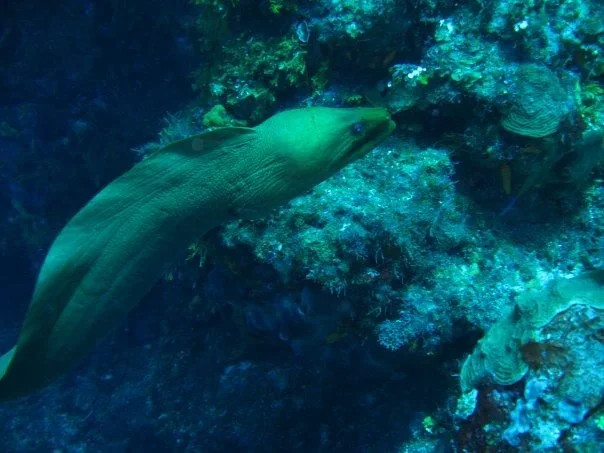
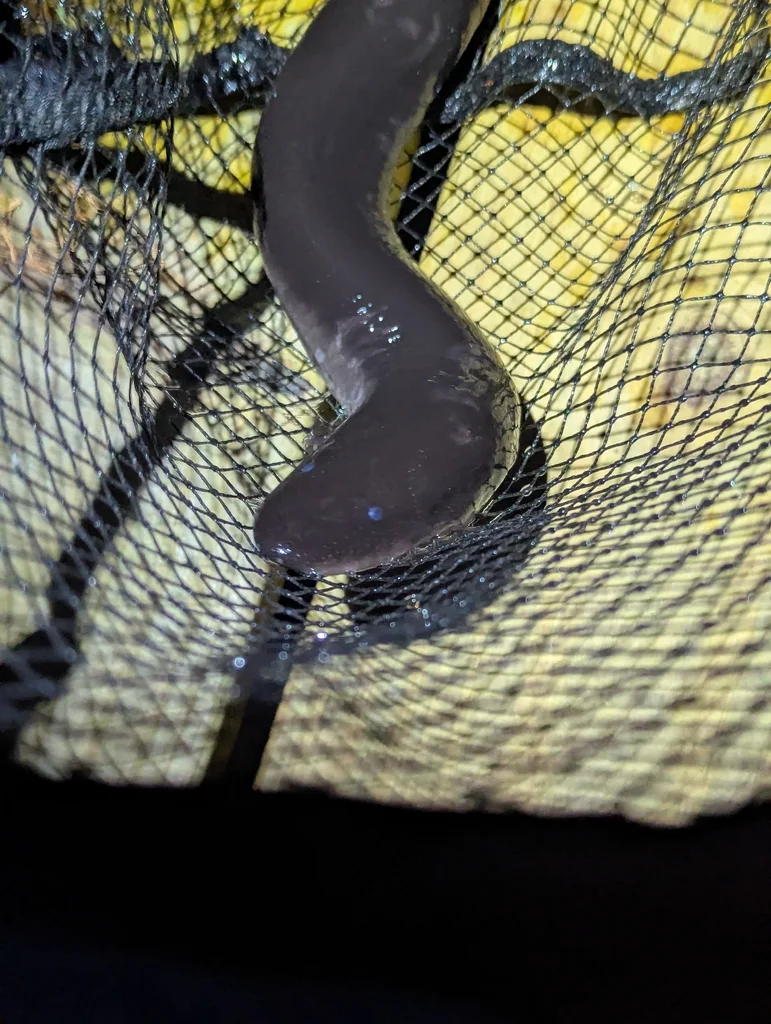
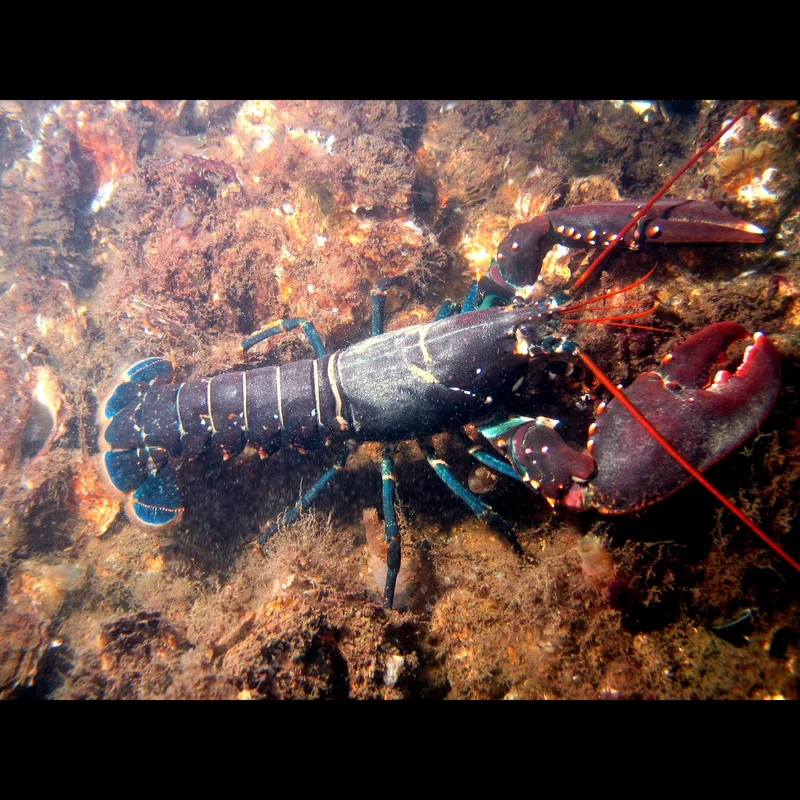
The protected waters foster an environment where gorgonian walls support an array of species, offering a vibrant backdrop to the dive experience. Divers commonly observe lobsters, moray eels, and conger eels within the crevices and along the reef structures.
Since the establishment of the Cap de Creus natural park in 1998, species populations have shown notable growth. Seasonal planktonic masses, particularly during stronger winter currents, attract various fish, adding to the dynamic marine activity in these waters.

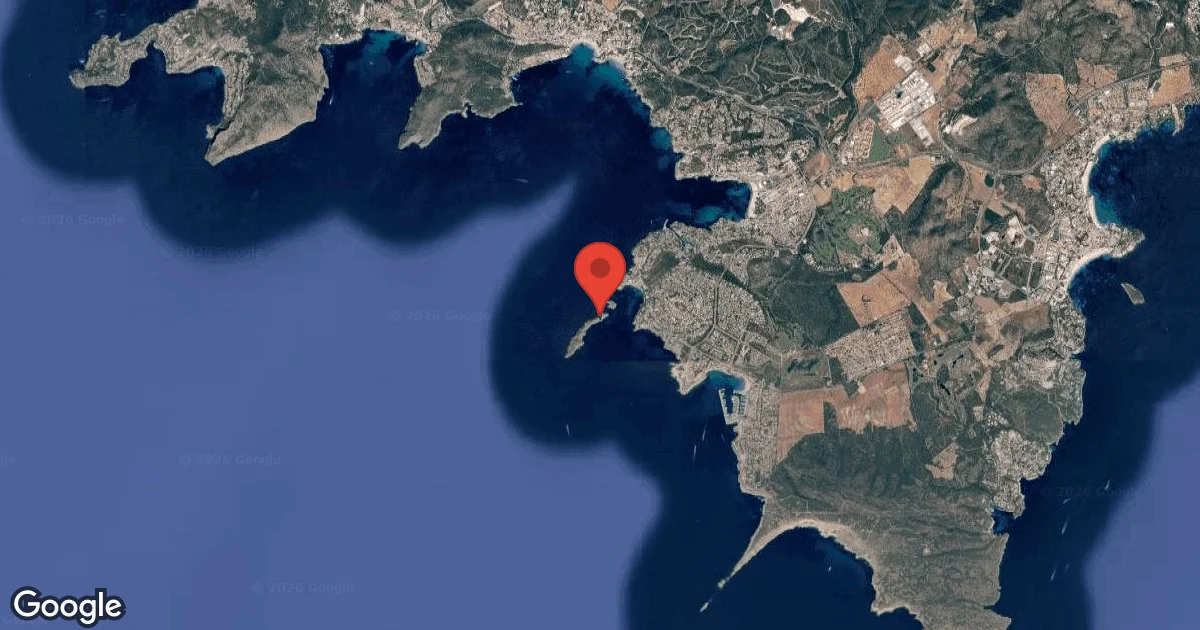
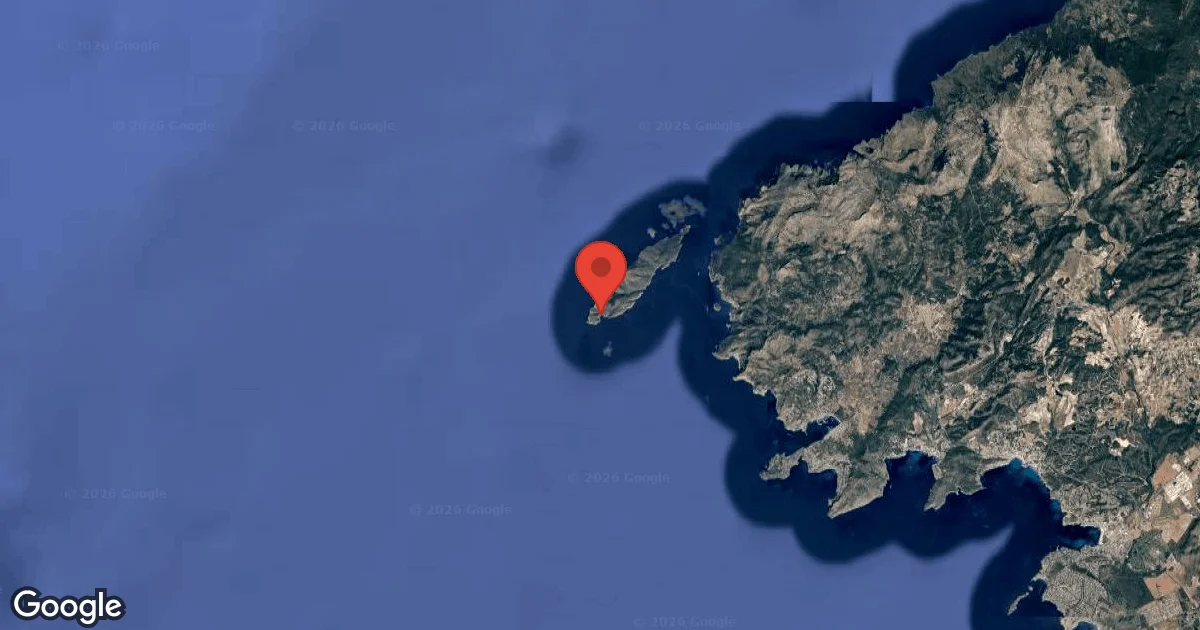
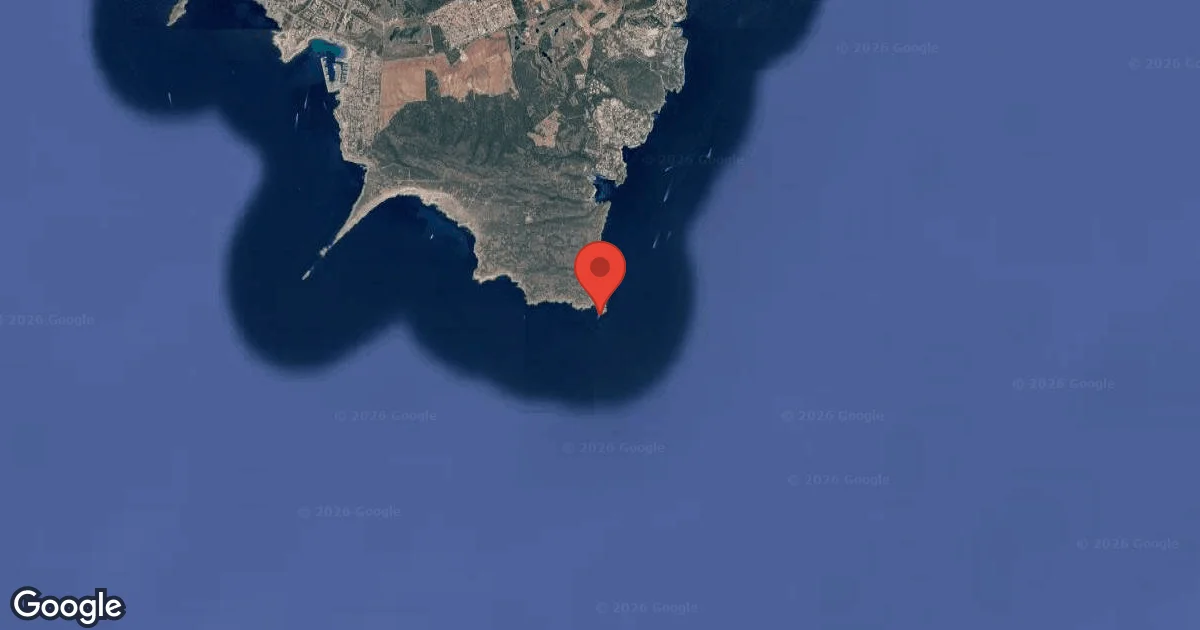
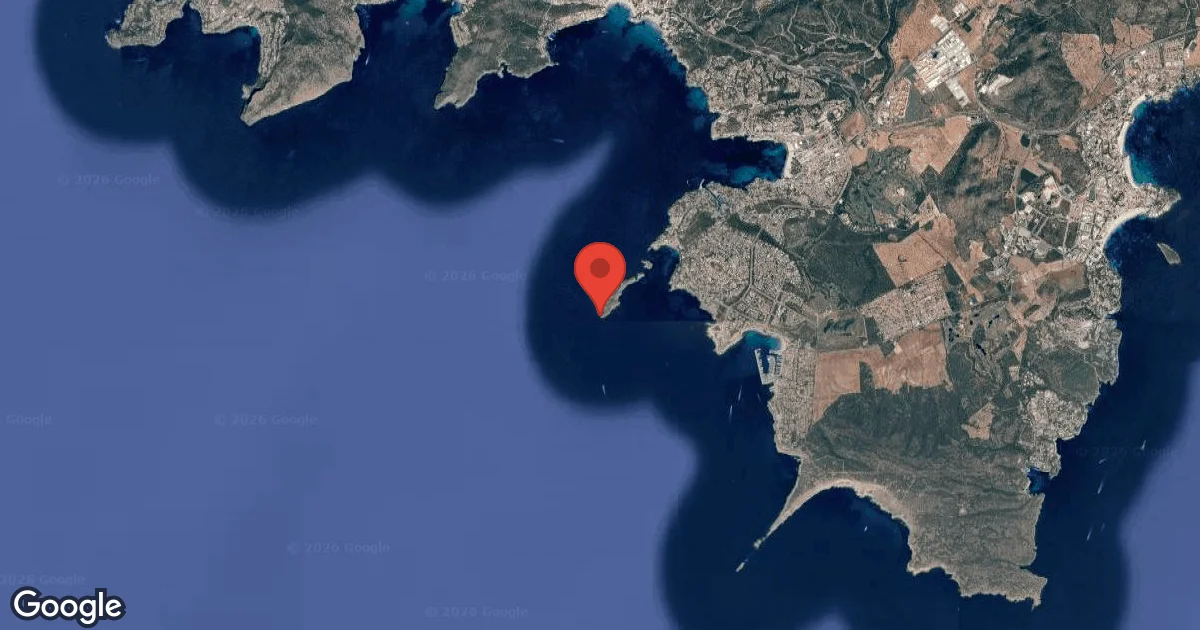
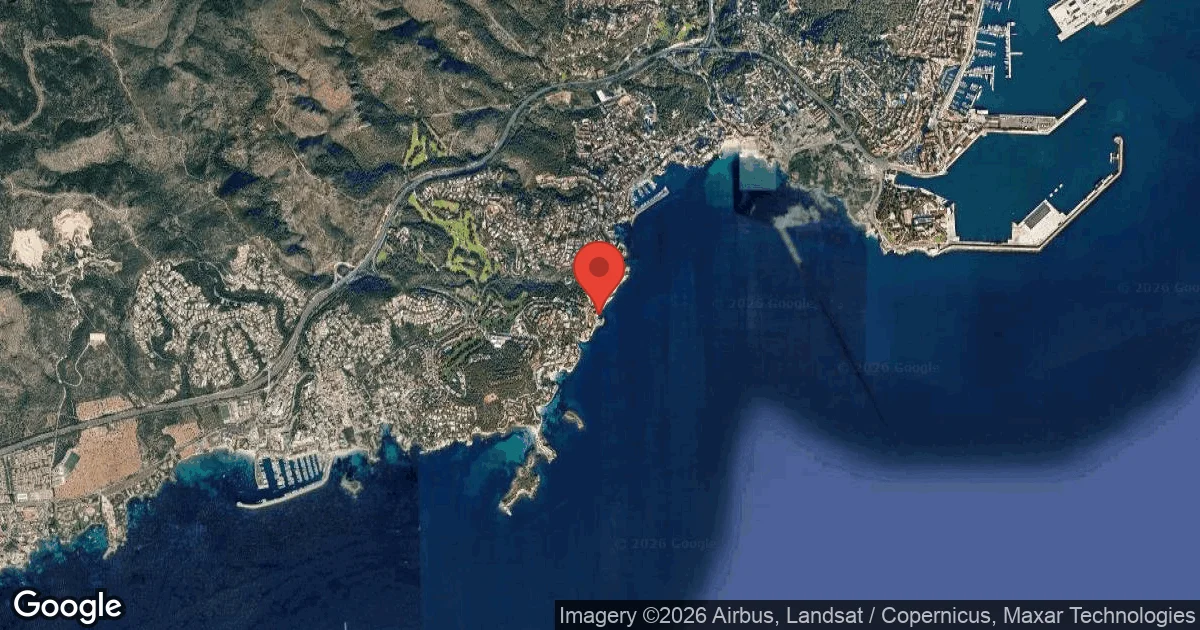
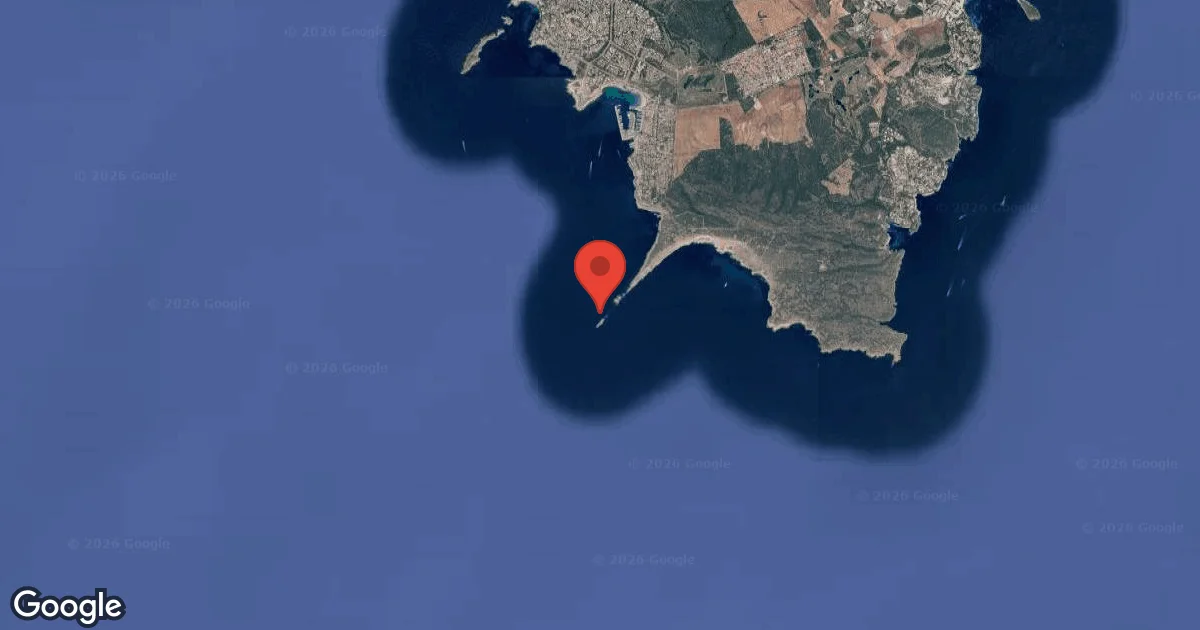
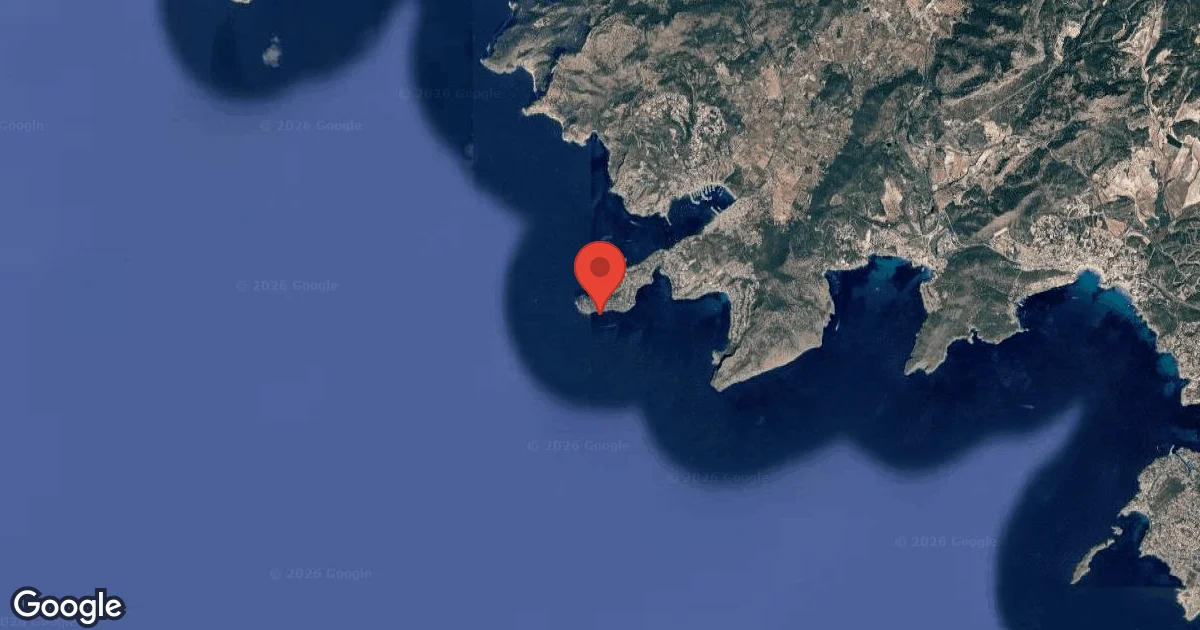
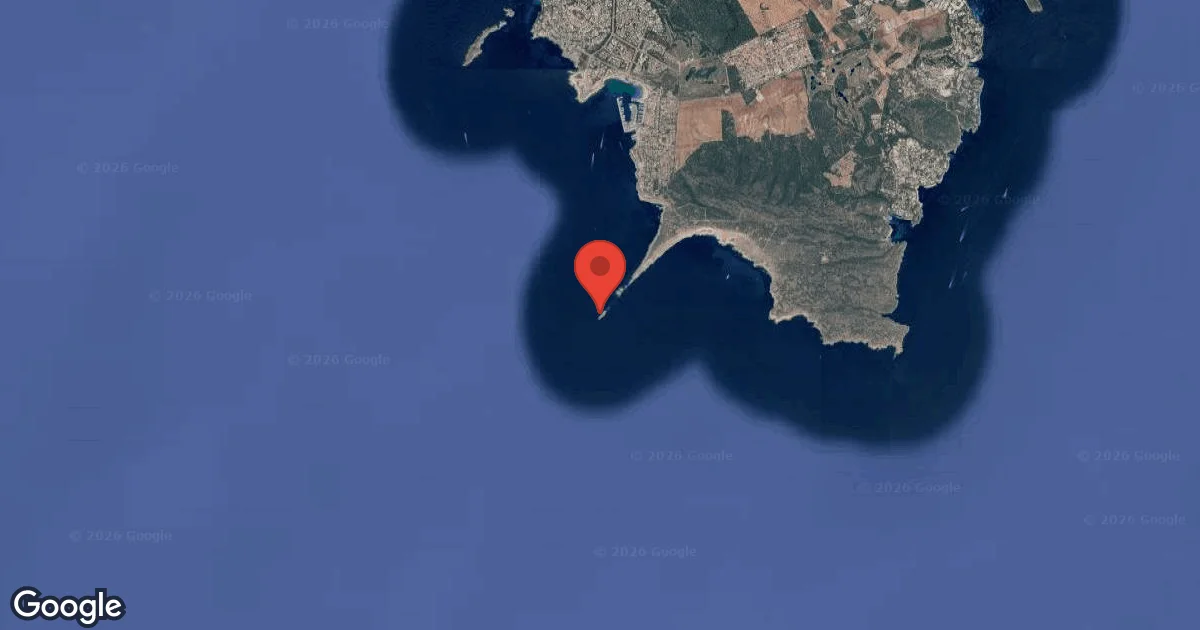
Dive Sites Near Cala Montjo
View all dive sites in SpainDiscover more underwater gems in this area.
Dive Centers Near Cala Montjo
Today: 10:00 - 19:00

Nearest Airports
Nearest airports to help plan travel to this dive area.
Search Flights
Check available flights and routes on Expedia, using the nearby airports listed in this section.
Search Flights on ExpediaFrequently Asked Questions
What kind of training is available at Cala Montjoi?
Montjoi Diving Centre offers a full spectrum of courses, including FEDAS, FFESSM, and PADI certifications, ranging from beginner levels like Scuba Diver up to Divemaster. They also provide 'sea baptisms' for first-time divers, and courses adapted for children from 8 years old.
How many dive sites are accessible from Cala Montjoi?
There are approximately 25 dive sites available within the protected reserve of Cap de Creus, accessible via short boat trips or shore entries. These sites encompass varied topographies like reefs and caves, catering to all technical levels.
Is Cala Montjoi suitable for groups?
Yes, Cala Montjoi is very suitable for groups, benefiting from the full logistics of its integrated holiday village, including accommodation, restaurant, and dedicated seminar rooms. The dive center offers specific group packages and can arrange 5 to 10 dives over 5 days for autonomous divers.
Are dives available from the shore?
Yes, divers can choose to dive either by boat or directly from the shore. The dive center is conveniently located on the beach, making shore entries straightforward, especially for beginners or those seeking easier access.
What is the typical dive season for Cala Montjoi?
Cala Montjoi's dive center is open from April to October. While diving is possible year-round, conditions are generally most pleasant with clearer visibility and warmer air temperatures during these months. Strong winds and currents can affect conditions from November to March.
What marine life might I encounter?
Extensive gorgonian walls define the Cap de Creus reserve, where divers commonly find lobsters, moray eels, and conger eels. The area's protected status has fostered significant growth in marine species. Plankton-rich waters occasionally attract feeding fish, adding to the dynamic underwater activity.
Planning to dive Cala Montjo?
Send one inquiry and receive offers directly from the best verified local dive operators.
Conditions are Good
07:00 - 14:00
Optimal conditions expected
Current conditions near Cala Montjo show 26° air, 27° sea temperature, 0.5 m waves, and 29 km/h wind. Forecast data is refreshed regularly to ensure accuracy.